2026-01-01
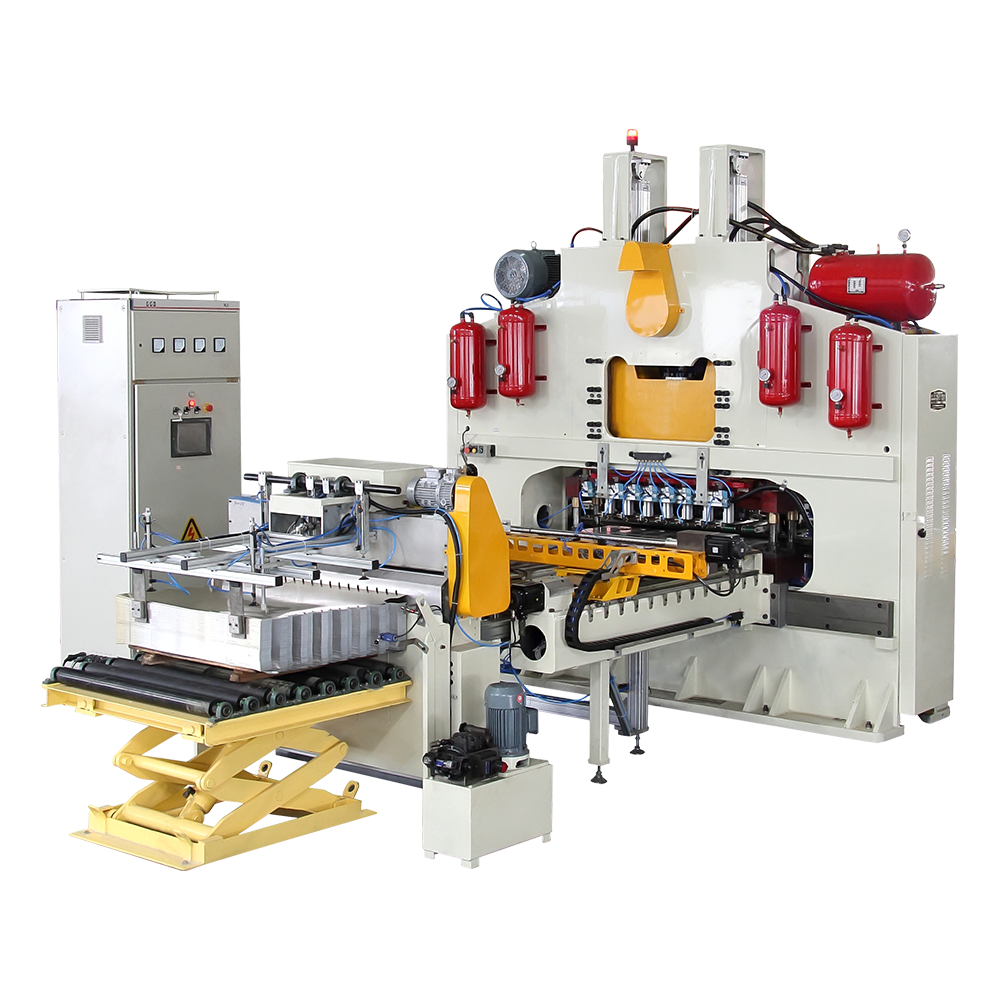
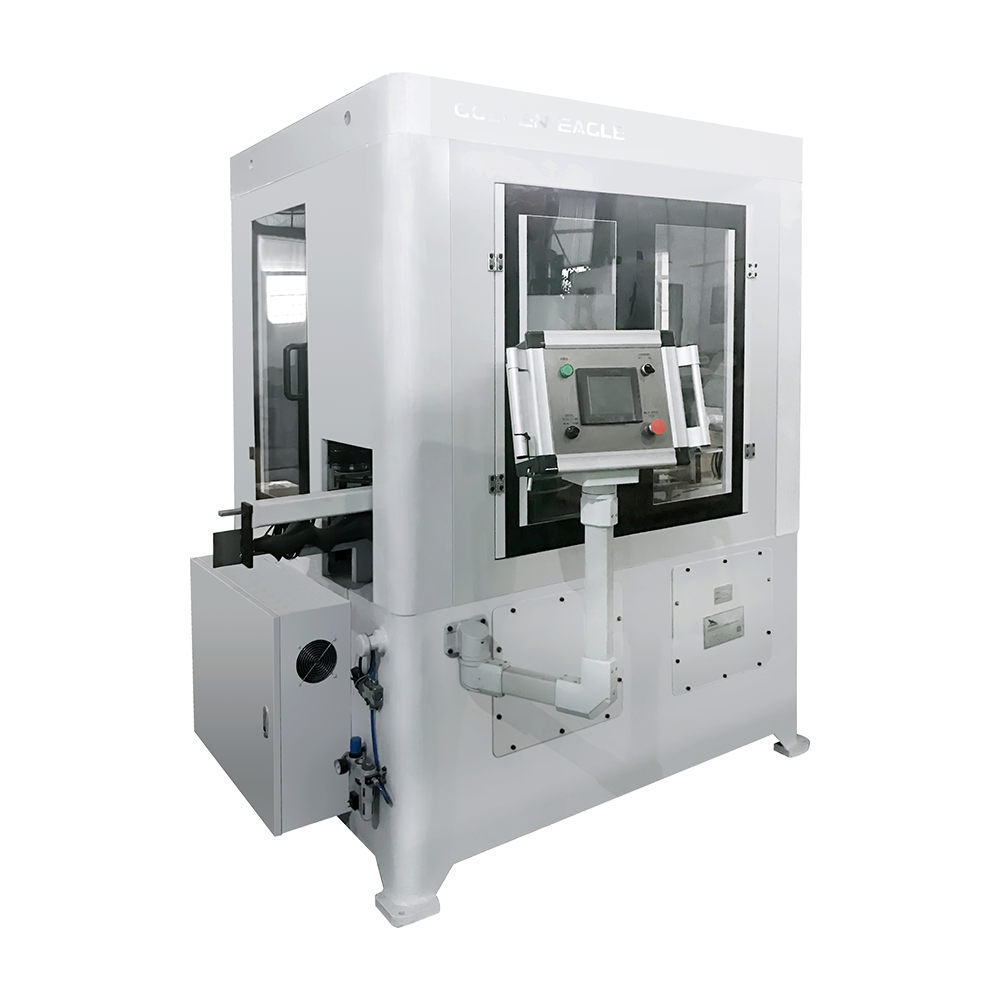
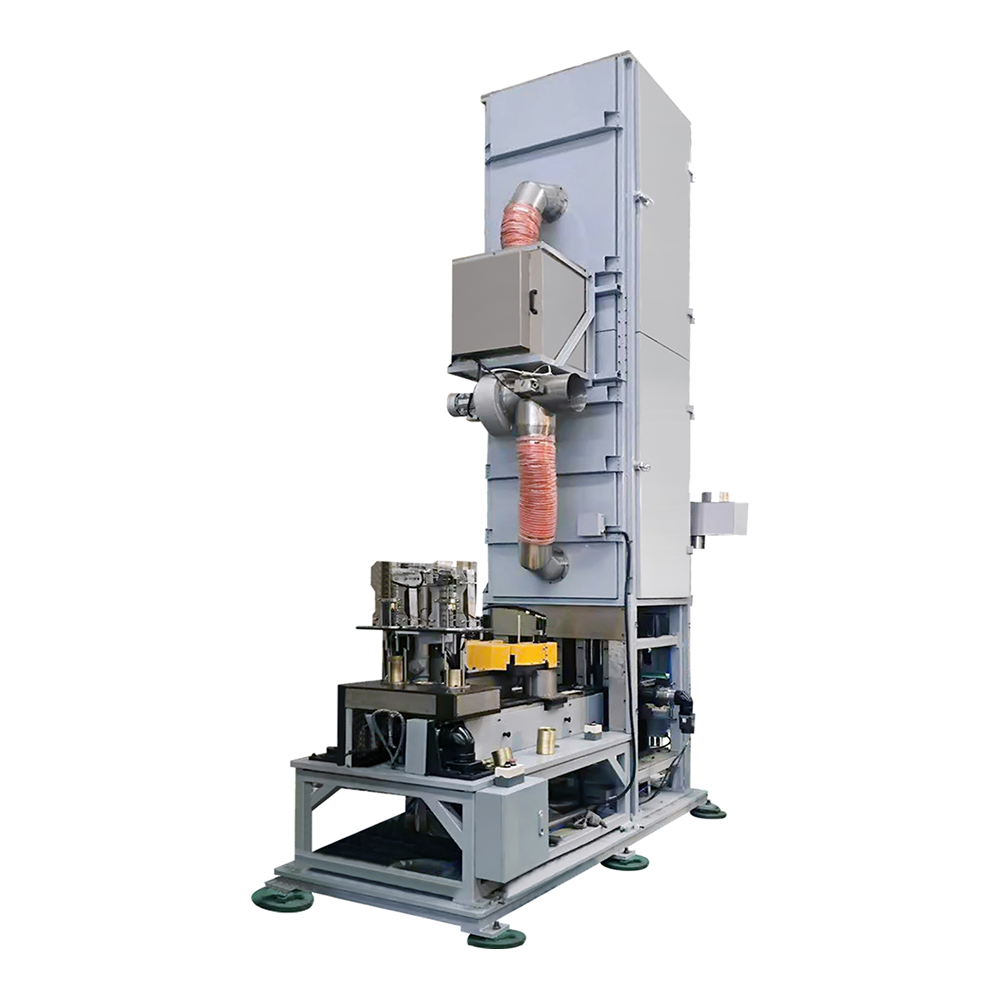
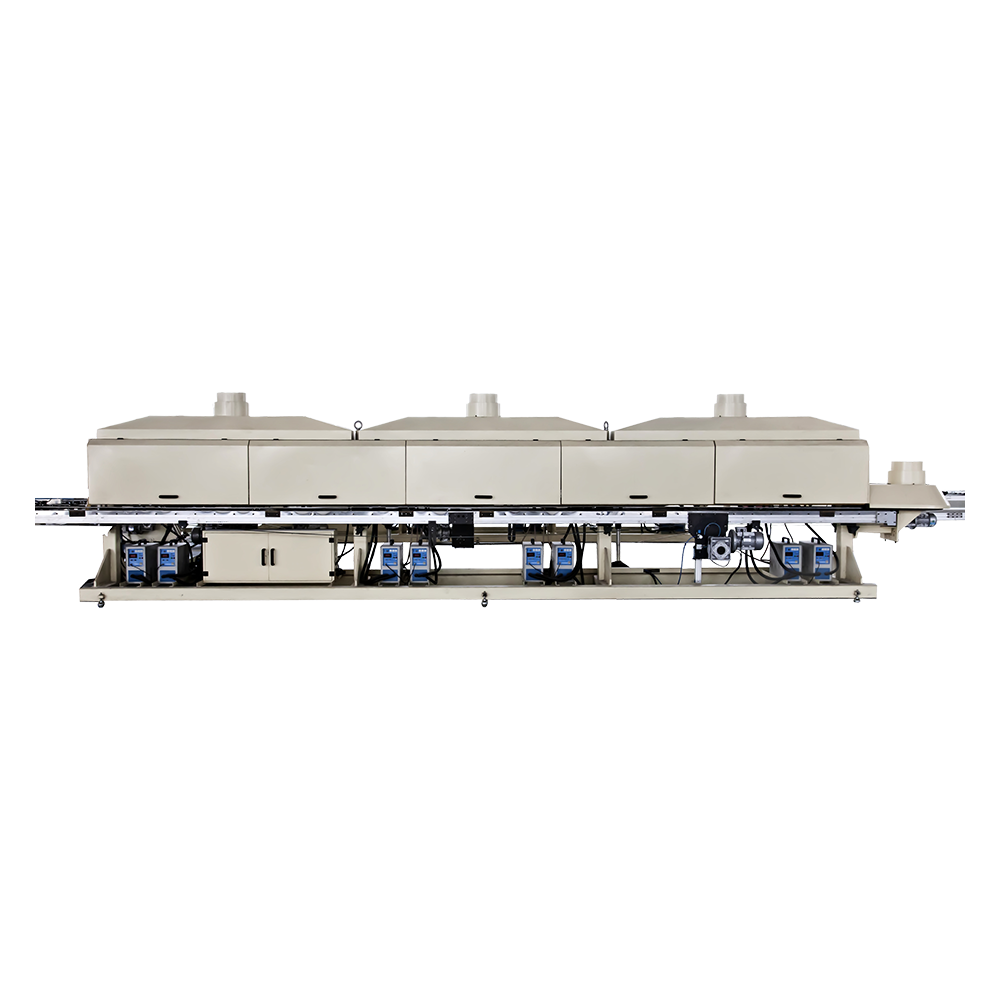
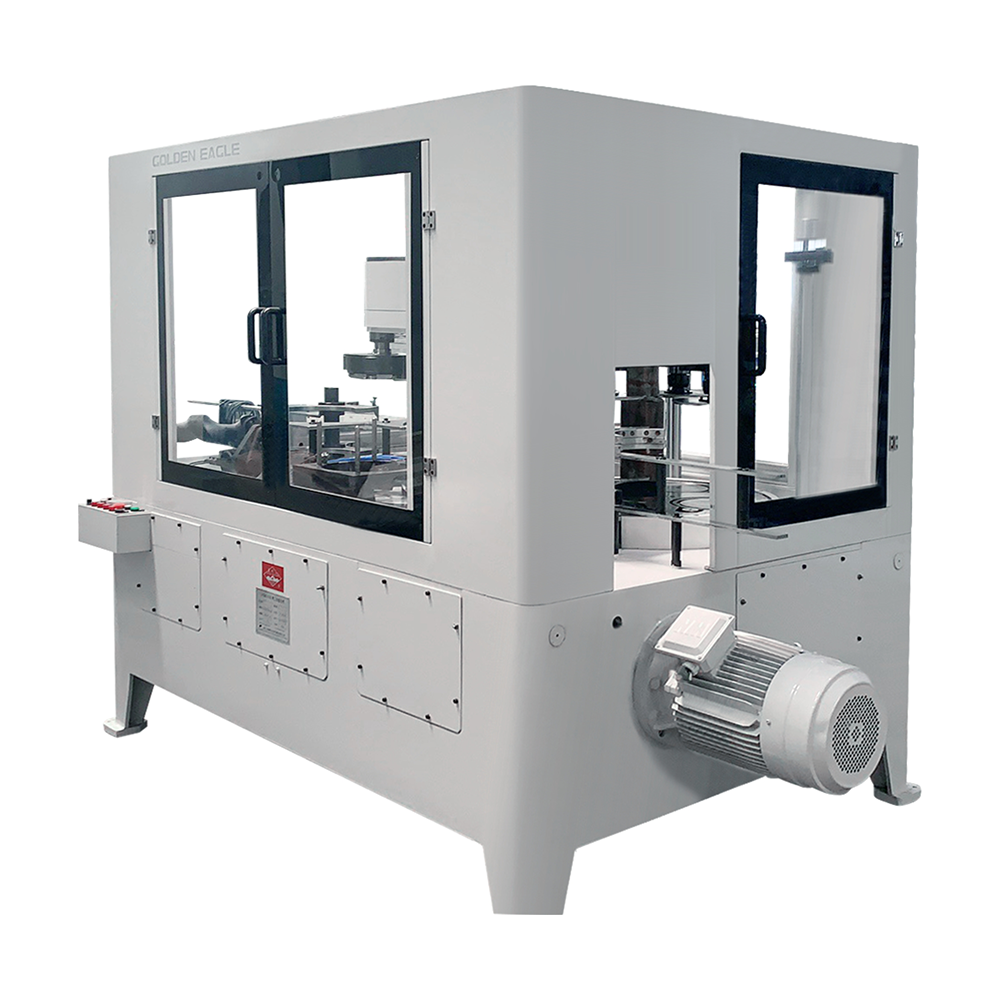
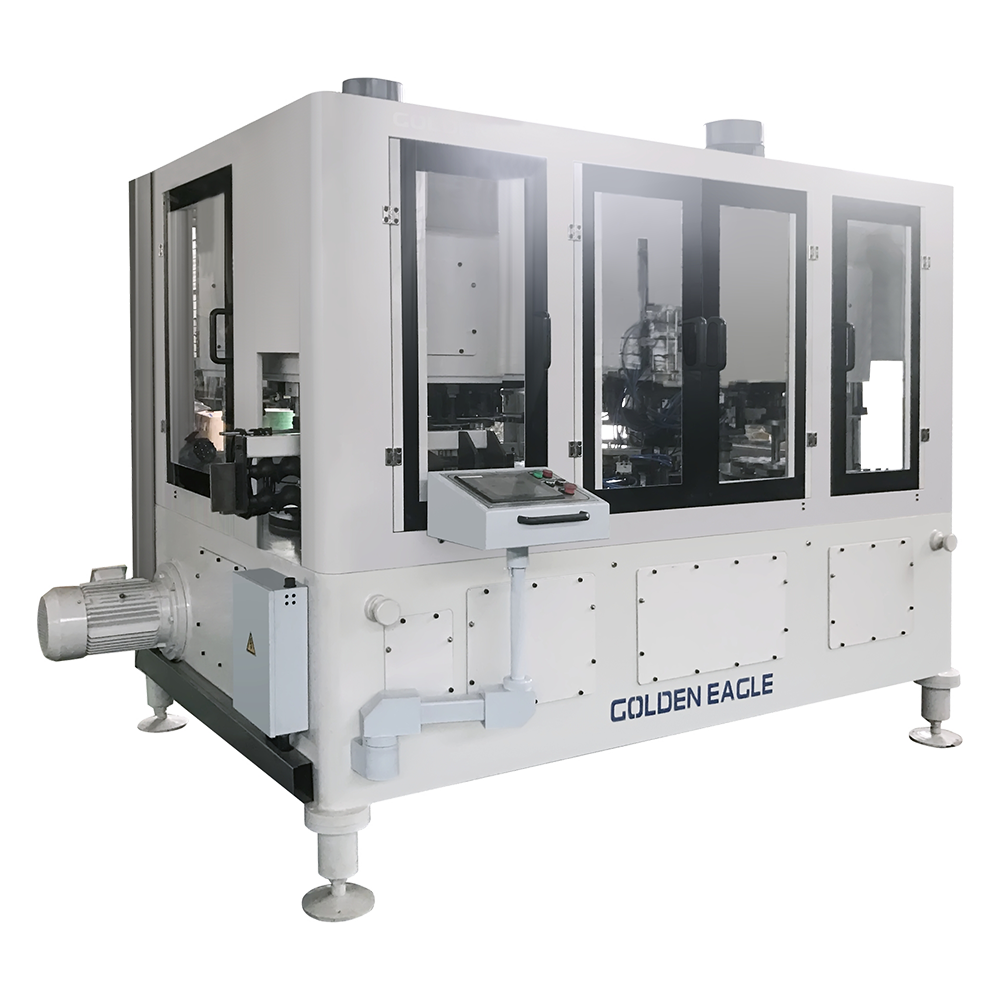
Tin can lid end making machines are specialized equipment designed for the mass production of can lids used in the packaging industry. These machines play a critical role in food, beverage, and other consumer product sectors, where the quality and consistency of can lids are vital for product integrity and safety. Modern machines often incorporate automation to improve efficiency and reduce manual labor. Understanding the specific functions such as automatic feeding, stamping, and stacking is essential for evaluating the suitability of these machines for industrial production environments.
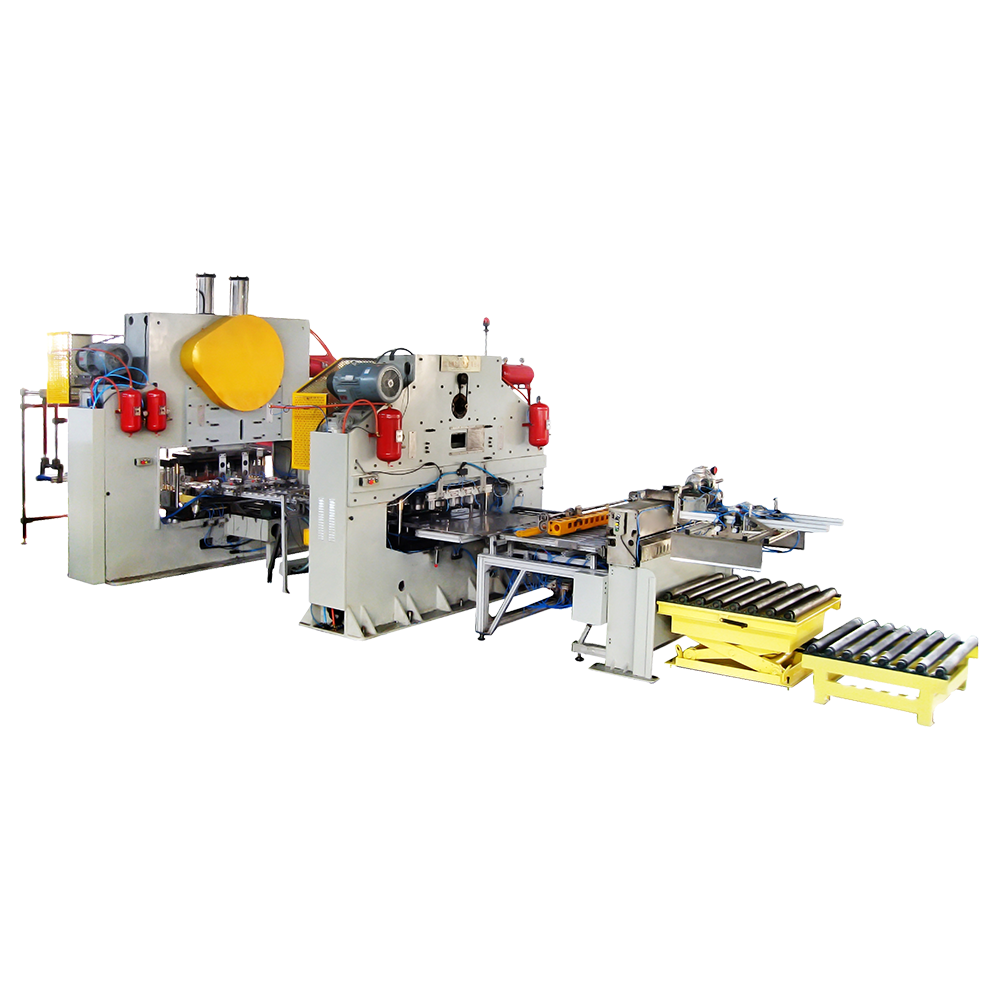
The automatic feeding function in tin can lid end making machines ensures that raw materials, typically metal sheets or pre-cut blanks, are consistently supplied into the production line. This system often uses conveyors, hoppers, or rotary feeders to orient and deliver the materials accurately to the stamping unit. Automatic feeding reduces downtime associated with manual loading, maintains a continuous production flow, and improves overall efficiency. Proper alignment and handling of the blanks during feeding are crucial to prevent misfeeds or jams that could disrupt the production process.
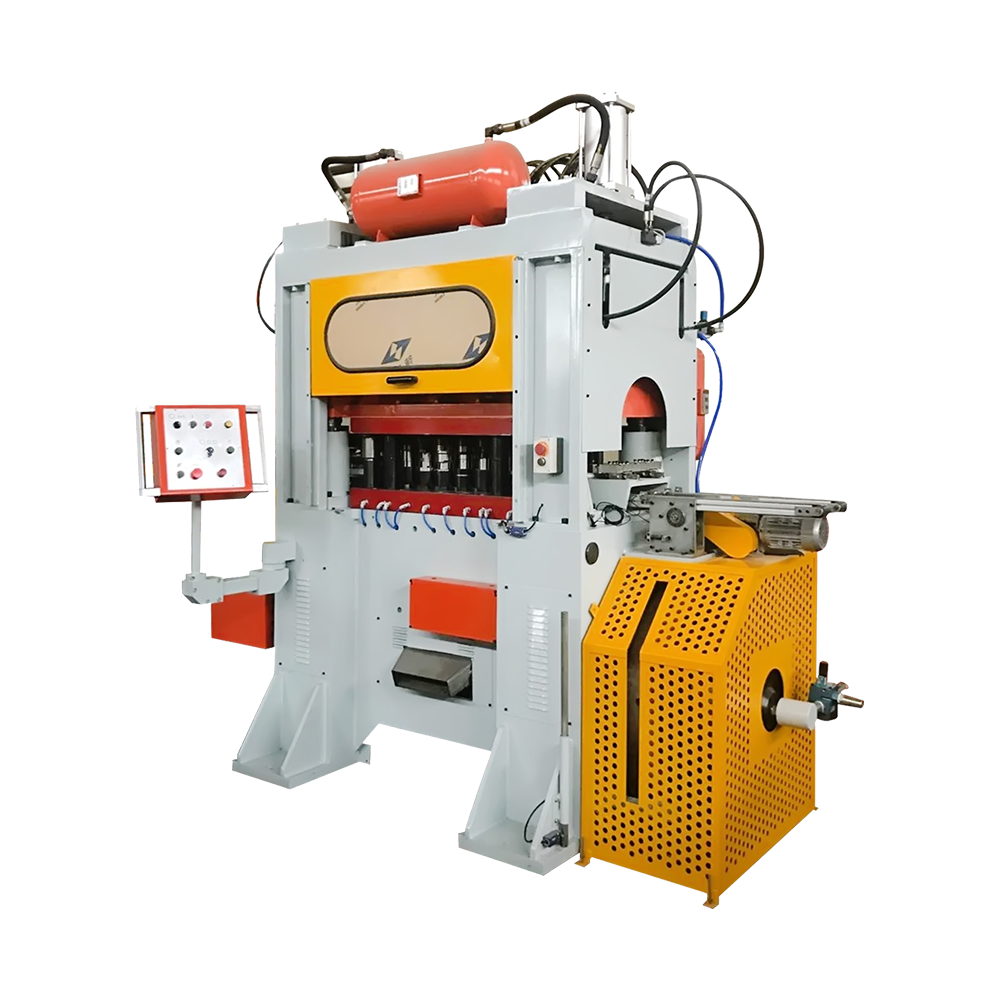
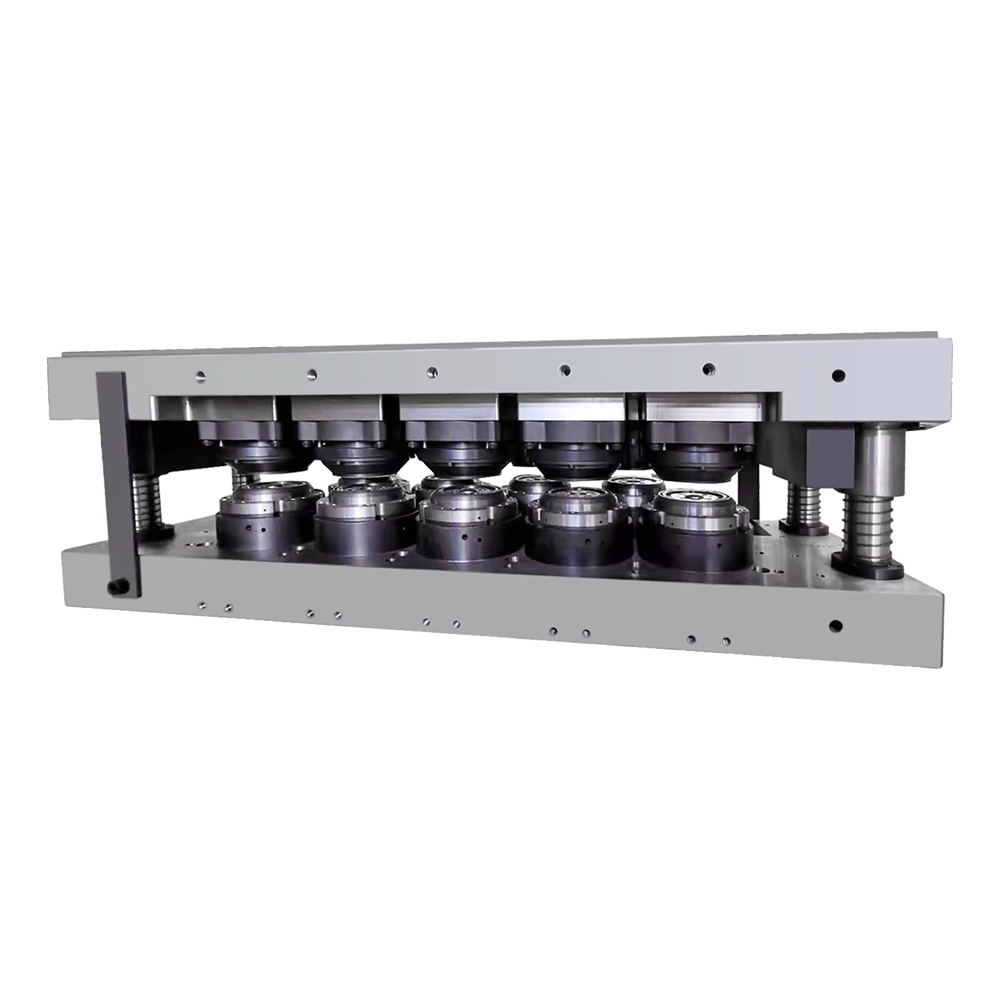
Stamping is a core function of the tin can lid end making machine, shaping the raw metal blanks into finished lids with precise dimensions and features such as rims, flanges, and scoring for easy opening. The stamping process typically involves multiple stages, including blanking, curling, and scoring, all executed with high precision. Advanced machines use servo-controlled or hydraulic stamping systems to maintain consistent pressure and alignment. This consistency is vital to ensure that each lid meets specifications for fit, sealing capability, and durability. Efficient stamping contributes to uniform product quality and reduces material wastage.
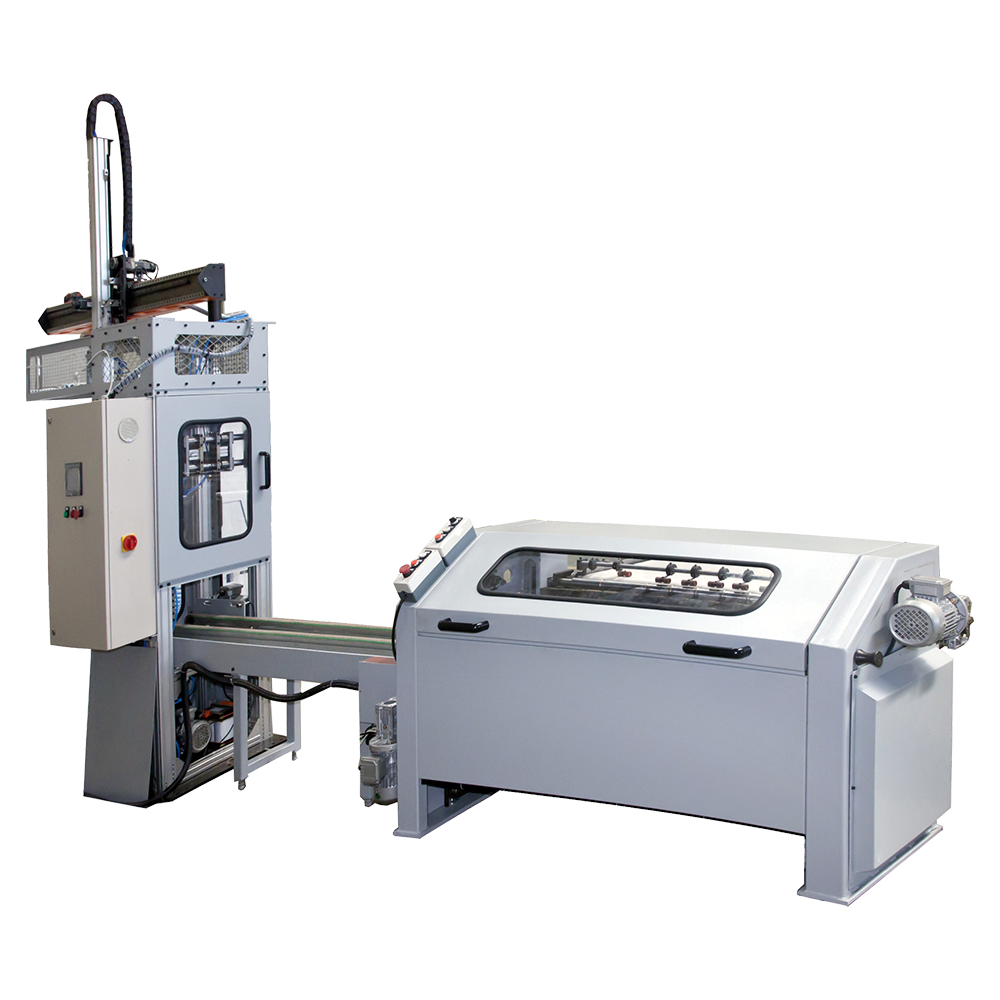
Once the lids are stamped and formed, automatic stacking systems collect and organize the finished lids for packaging or further processing. Stacking mechanisms often include conveyors, vibrating trays, or robotic arms that arrange the lids neatly in piles or trays. Automatic stacking reduces the need for manual handling, prevents damage to finished products, and facilitates seamless integration with downstream operations such as inspection, packaging, or transport. By maintaining orderly stacks, the system also improves workflow efficiency and minimizes labor costs associated with product handling.
| Function | Description | Benefit |
|---|---|---|
| Automatic Feeding | Supplies raw metal blanks consistently using conveyors, hoppers, or rotary feeders | Maintains continuous production flow and reduces manual labor |
| Stamping | Forms metal blanks into lids with precise dimensions and scored features | Ensures uniform quality and reduces material wastage |
| Automatic Stacking | Collects and organizes finished lids into neat piles or trays | Reduces handling damage and facilitates downstream processing |
Integration of automatic feeding, stamping, and stacking functions greatly enhances the efficiency of tin can lid production. Automation minimizes human error, ensures consistent product quality, and allows the machine to operate continuously with minimal supervision. Machines equipped with these functions can achieve high output rates suitable for large-scale industrial production, while also providing the flexibility to adjust for different lid sizes, thicknesses, or materials. Automation also contributes to workplace safety by reducing the need for operators to interact with moving parts directly.
Regular maintenance is essential to keep tin can lid end making machines operating smoothly. Automatic systems such as feeders, stamping presses, and stackers require periodic inspection, lubrication, and calibration. Proper maintenance ensures the accuracy of the stamping process, prevents misalignment in feeding mechanisms, and maintains smooth operation of stacking devices. Machines designed for ease of maintenance often feature accessible components, modular assemblies, and built-in monitoring systems that alert operators to potential issues before they impact production.
Automatic feeding, stamping, and stacking functions can be complemented by integrated quality control systems. Cameras, sensors, or metal detectors can monitor lid dimensions, surface integrity, and alignment during production. By coupling automated production with real-time inspection, manufacturers can identify defects immediately, reduce waste, and ensure that only compliant lids proceed to packaging. This integration supports consistent product standards and contributes to operational efficiency in high-volume production environments.
The presence of automatic feeding, stamping, and stacking reduces the reliance on manual labor, which can lower operational costs and improve workplace safety. Employees can focus on monitoring, maintenance, and quality control rather than performing repetitive tasks. This shift also reduces the potential for human error and enhances the overall throughput of the production line. Efficient automation can allow manufacturers to meet production targets while maintaining high standards of product quality and consistency.
Modern tin can lid end making machines with these integrated functions offer adaptability for different production requirements. Adjustable feeders, programmable stamping sequences, and versatile stacking configurations allow manufacturers to switch between lid sizes, shapes, or materials with minimal downtime. This flexibility ensures that production lines can respond to market demands without compromising efficiency or product quality. The combination of automated processes makes these machines a valuable investment for manufacturers seeking both reliability and adaptability.
Related Products

Founded in 1978, the company is one of the largest can-making machinery well-known companies at home and abroad.
Product Categories
Contact Information
Zhongshatou Shenjiamen Zhoushan Zhejiang China
+86-580-3056646

 English
 中文简体
中文简体
 русский
 عربى
عربى
 Español