2026-03-26
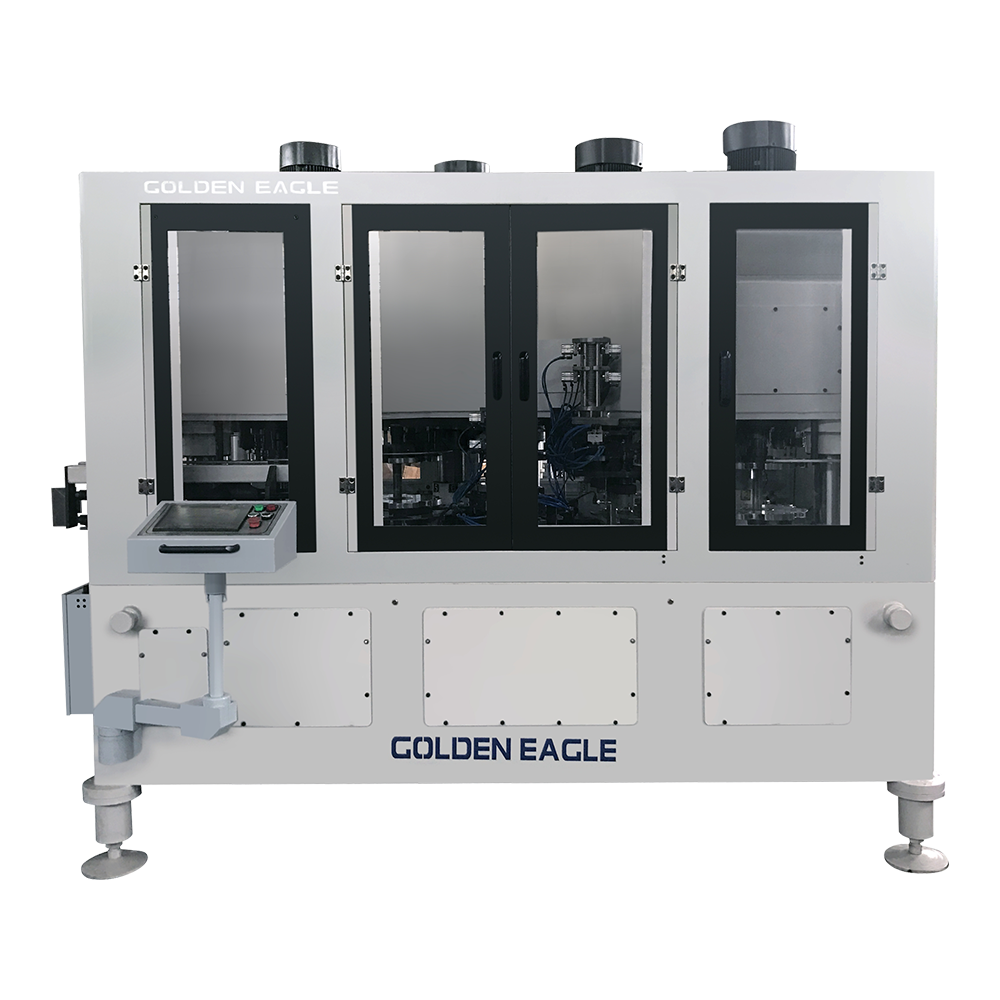
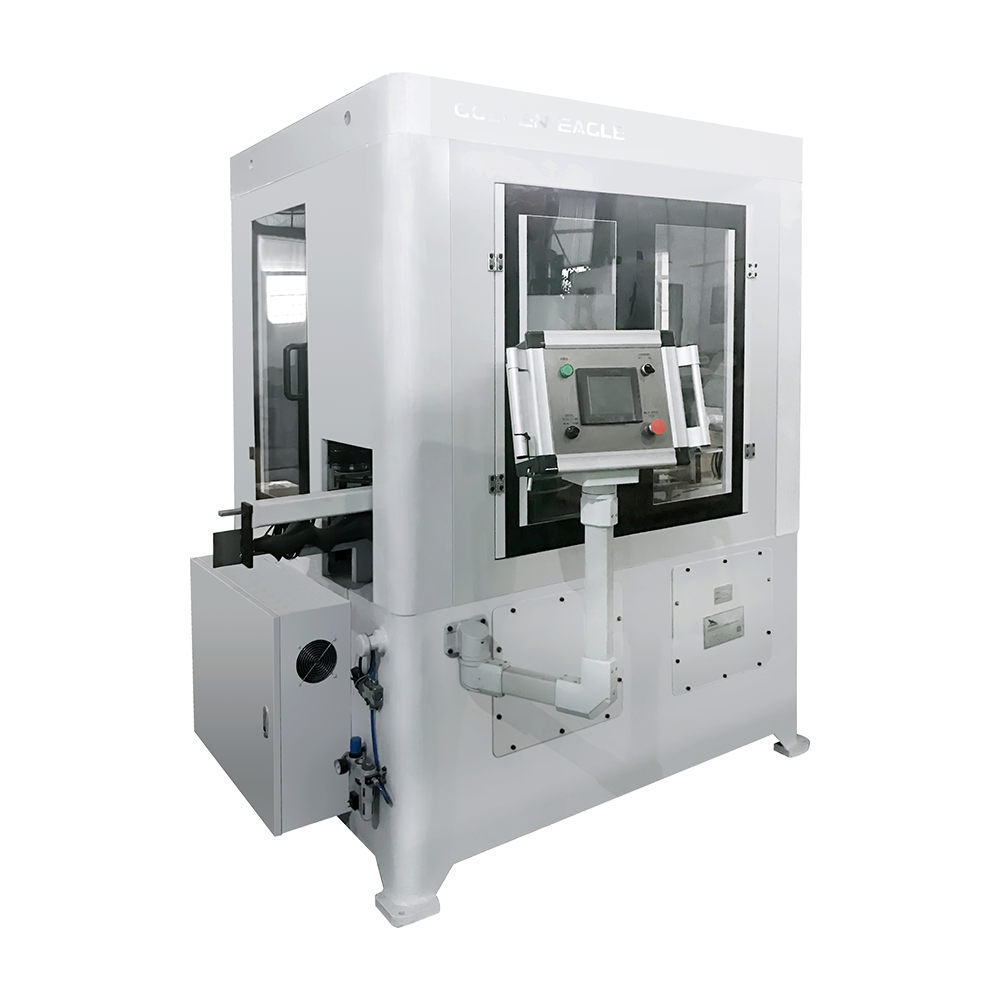
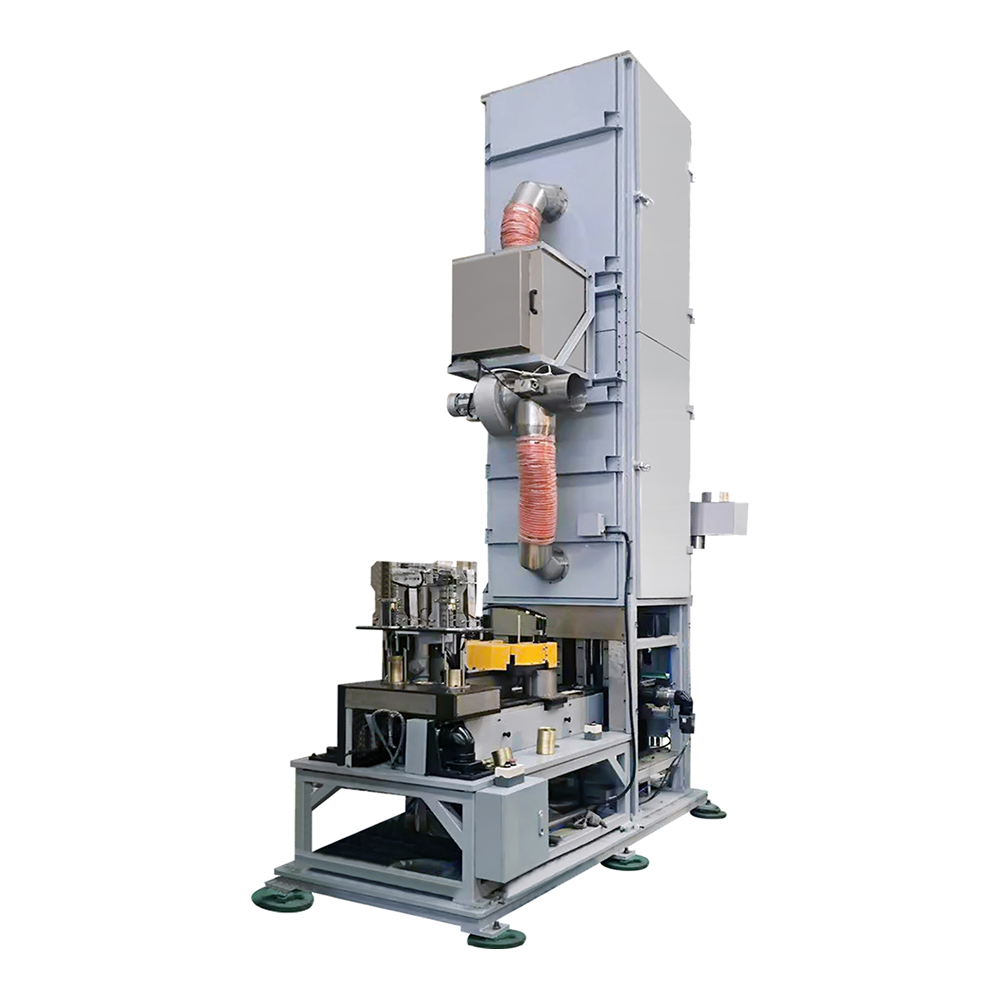
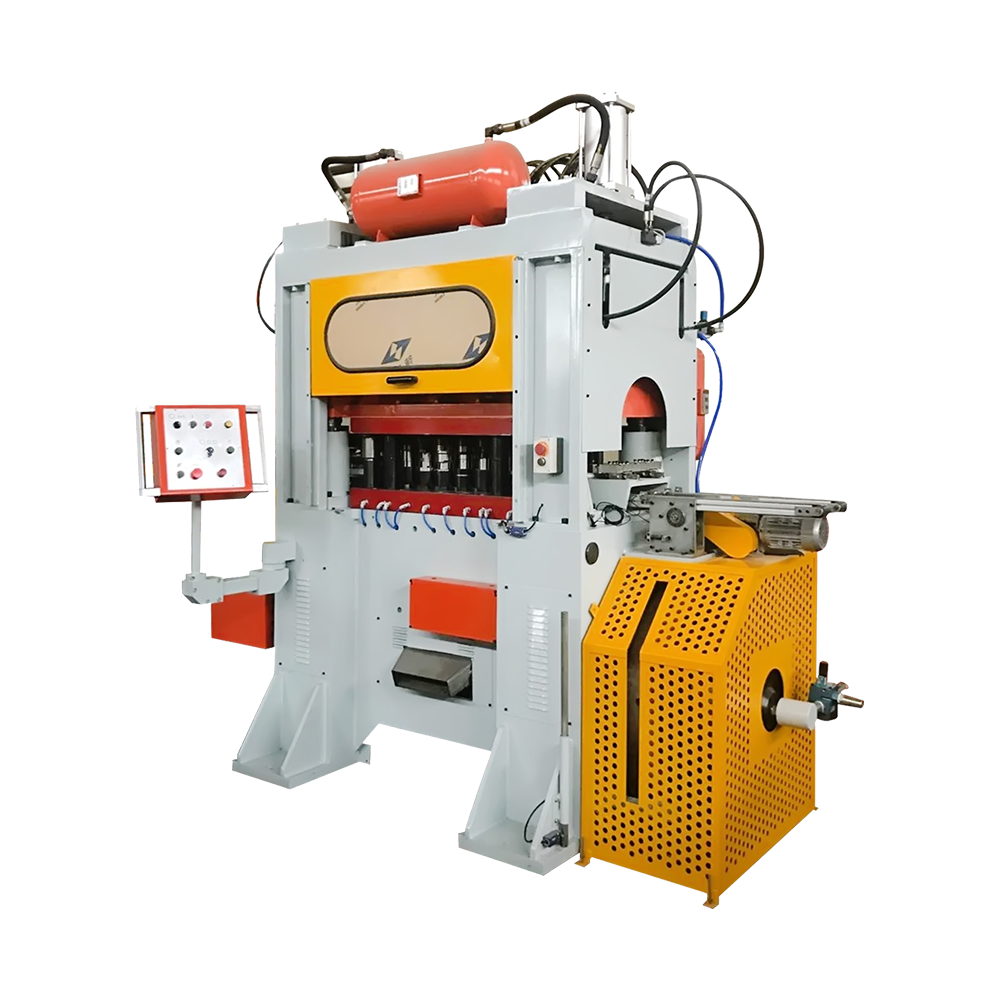
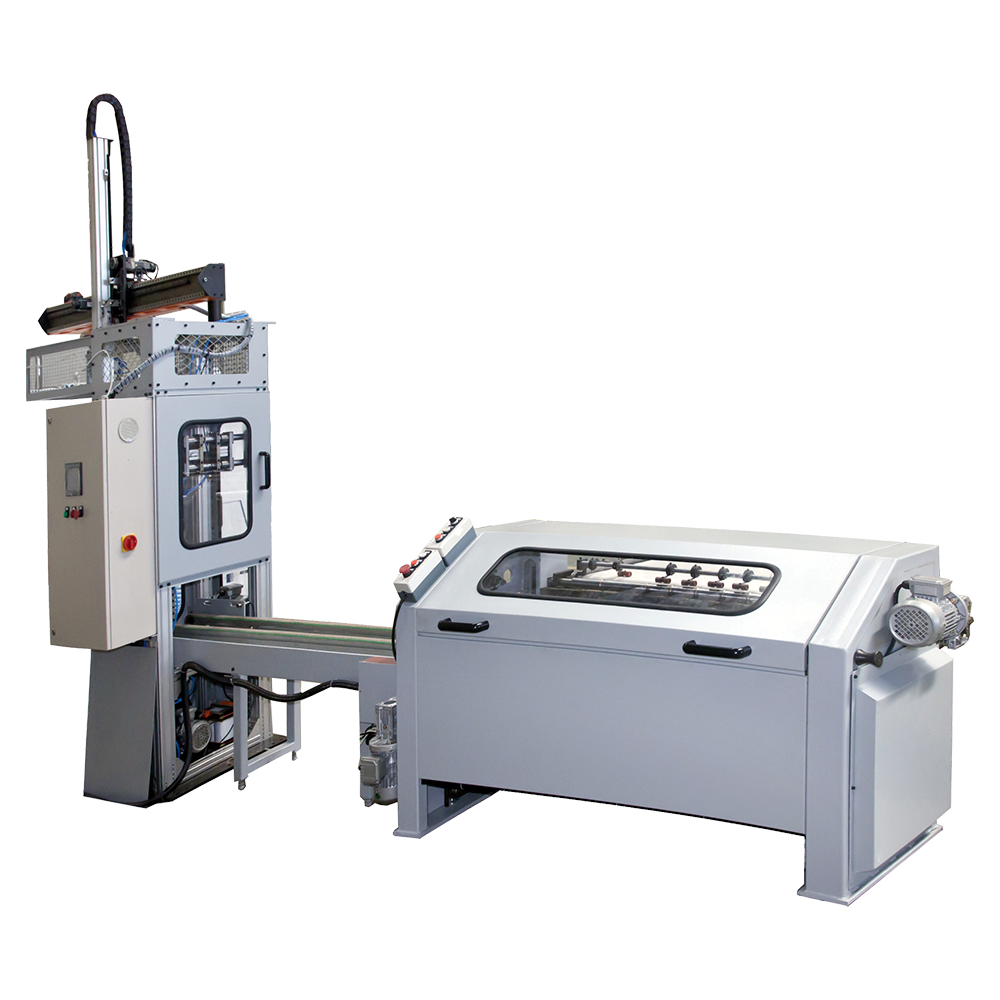
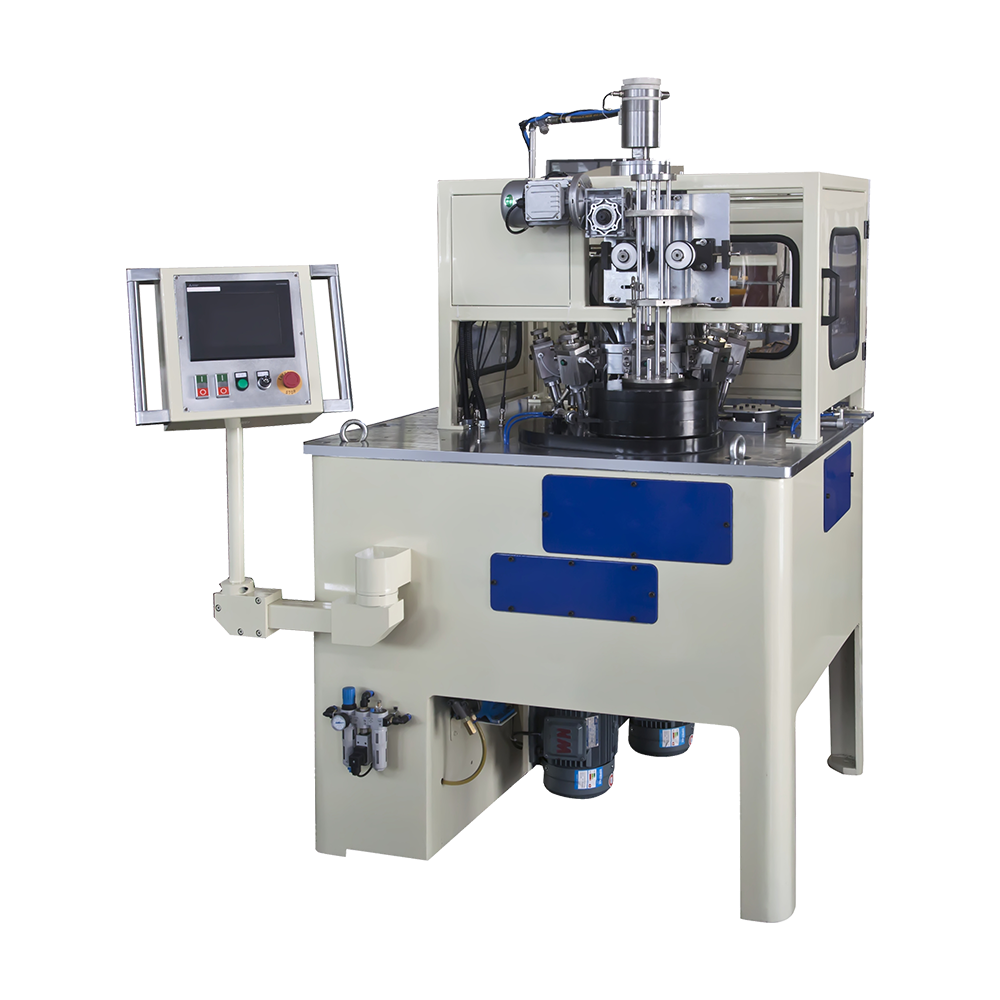
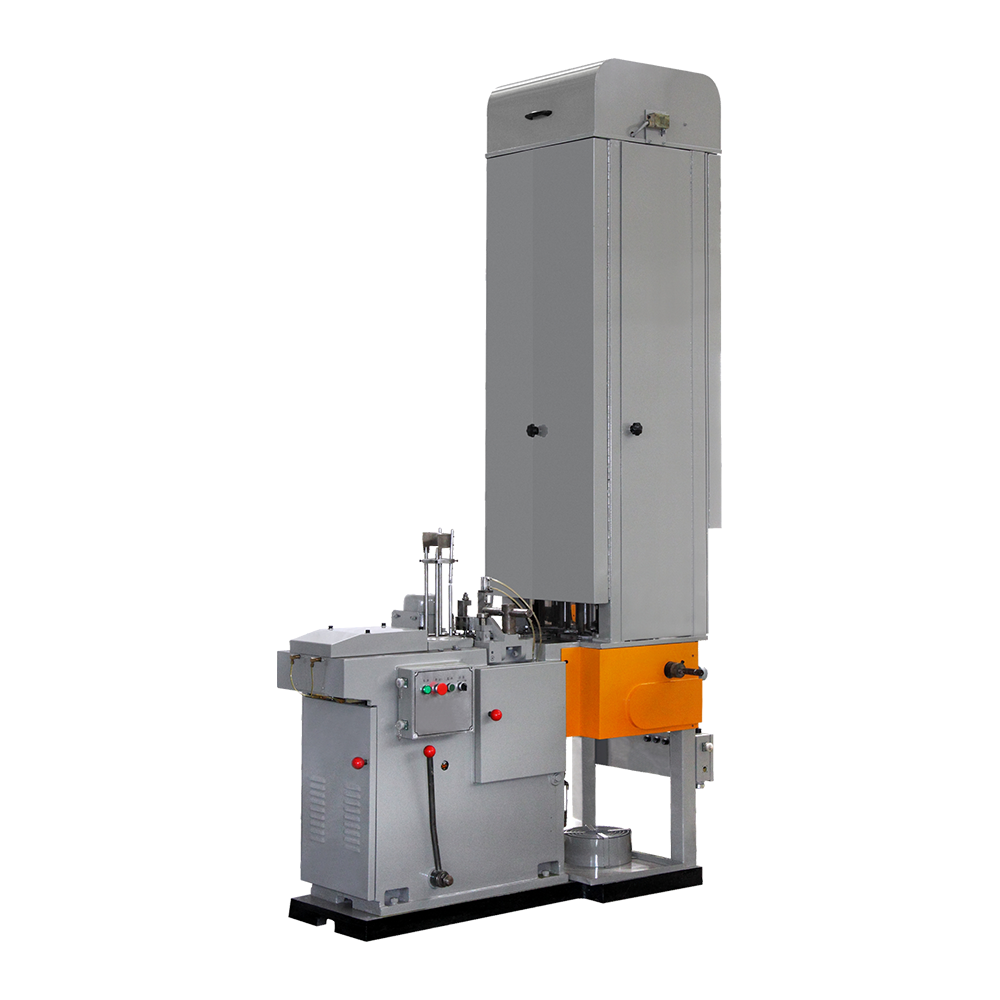
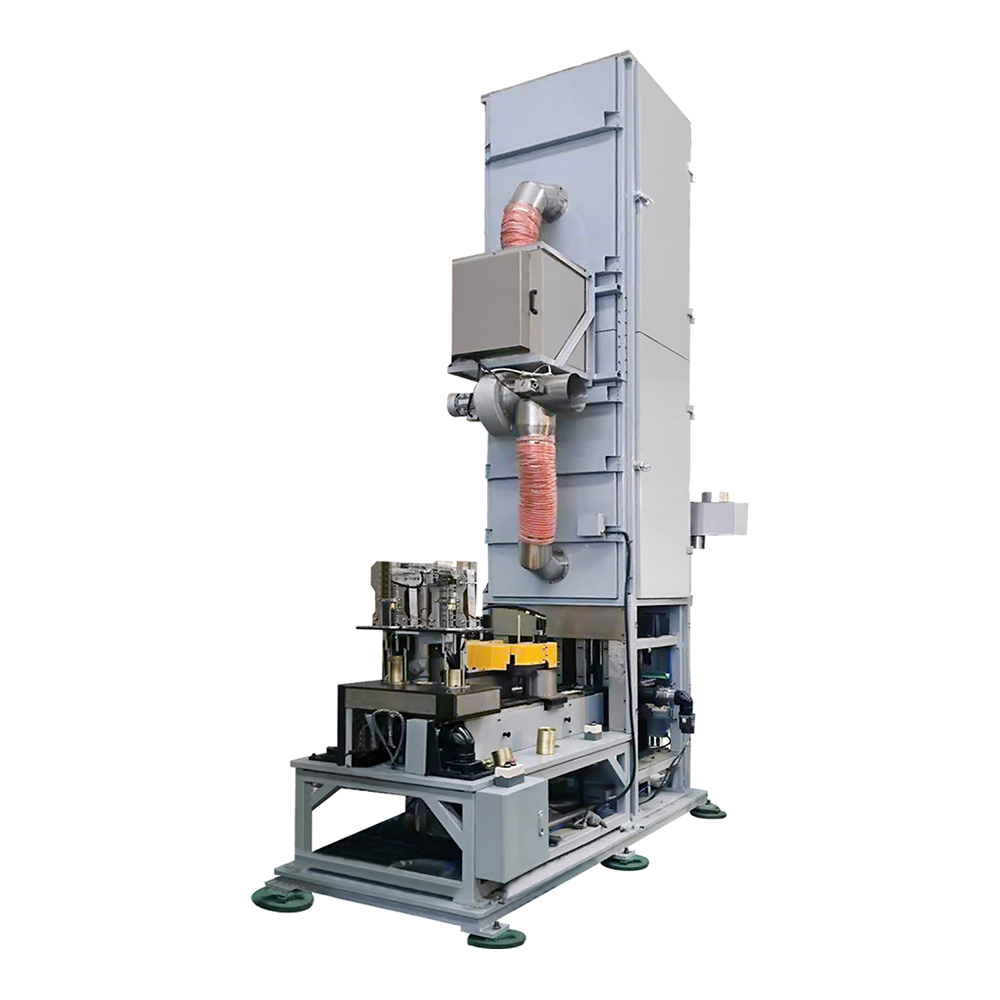
Food can making machines and beverage can making machines are essential equipment in modern packaging industries. They automate the production of metal cans from sheet material, ensuring precise dimensions, consistent quality, and high-speed output suitable for mass production.
These machines handle various can sizes, ranging from small 200ml food cans to large beverage cans exceeding 500ml, while maintaining structural integrity and leak-proof sealing standards.
Can making begins with flat metal sheets, typically aluminum for beverages or tin-plated steel for food cans. The sheet is fed into a machine where it undergoes:
After forming, the can body is sealed with a bottom end. Beverage cans use double seaming technology to attach ends reliably. Food cans often require vacuum sealing or canning lids with airtight seals for shelf stability.
Two-piece can machines produce seamless cans from a single piece of sheet metal. The can body and bottom are formed as one piece, reducing leakage risk. This method is commonly used for beverages like soda and beer.
Three-piece machines create cans from three components: the body, bottom, and top lid. The body is rolled and side-seamed, then joined with ends. This type is widely used for canned foods, soups, and vegetables due to its adaptability to larger diameters.
Advanced systems combine high-speed body forming, automatic end seaming, and quality inspection. Specialty machines cater to niche products such as aerosol cans, paint cans, or custom-shaped beverage cans.
Modern can making machines achieve high output rates while maintaining accuracy. Typical performance metrics include:
| Machine Type | Output (Cans/Min) | Typical Can Size |
|---|---|---|
| Two-Piece Beverage Can Machine | 200–1,000 | 250ml–500ml |
| Three-Piece Food Can Machine | 60–300 | 200ml–2L |
| High-Speed Hybrid Line | 1,000–3,000 | Various |
Modern canning lines integrate automated systems for precision and efficiency. Features include:
Material selection affects can durability, recyclability, and production efficiency. Common materials include:
Recycling of aluminum and steel cans significantly reduces environmental impact and production costs, making sustainable can manufacturing a priority for modern industries.
Related Products

Founded in 1978, the company is one of the largest can-making machinery well-known companies at home and abroad.
Product Categories
Contact Information
Zhongshatou Shenjiamen Zhoushan Zhejiang China
+86-580-3056646

 English
 中文简体
中文简体
 русский
 عربى
عربى
 Español