2026-09-03
A food processing company that decides to manufacture its own metal cans usually starts with one machine and soon discovers that can making is a sequence of interdependent steps. That is why experienced plants invest in a food machine production line rather than standalone equipment. The right line delivers consistent output, predictable quality, and a lower cost per can. The wrong one creates bottlenecks that no single machine can fix. Treating the line as a whole system, from coil or sheet input to finished can output, should be the first decision you make, before comparing prices or delivery times.
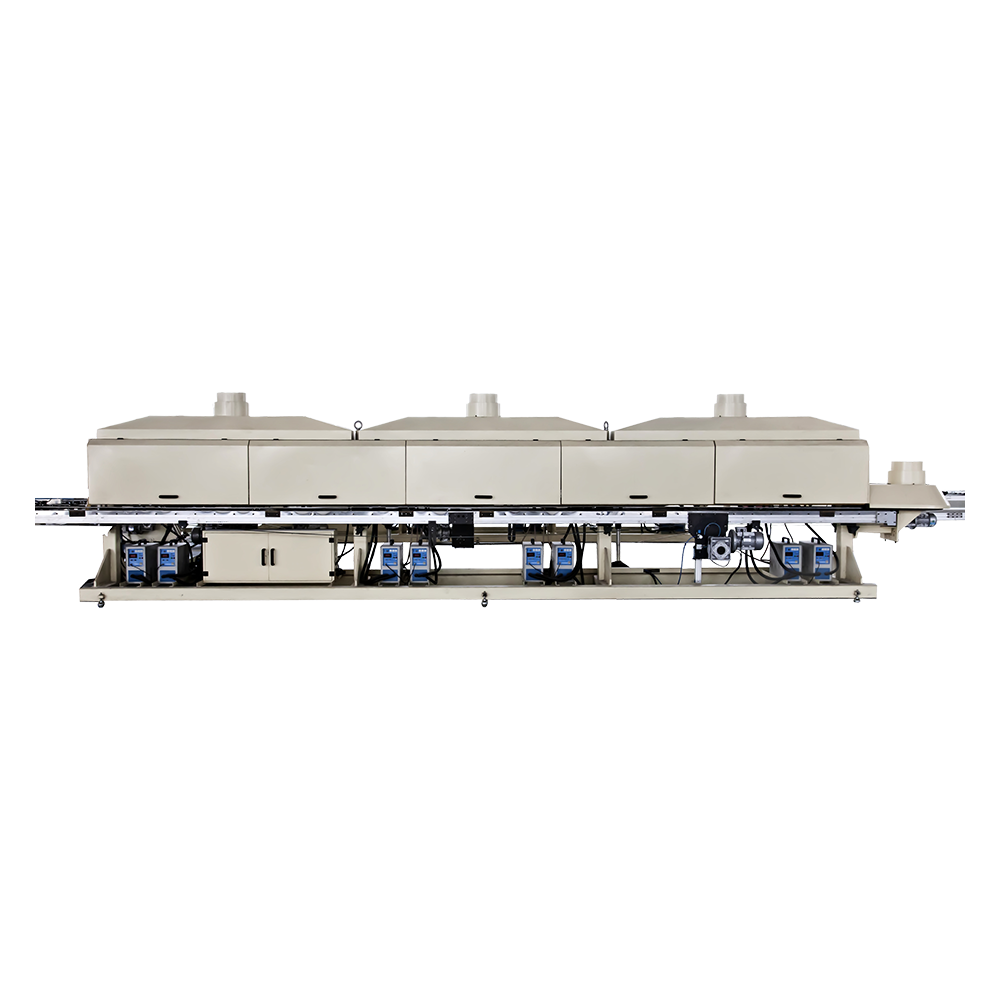
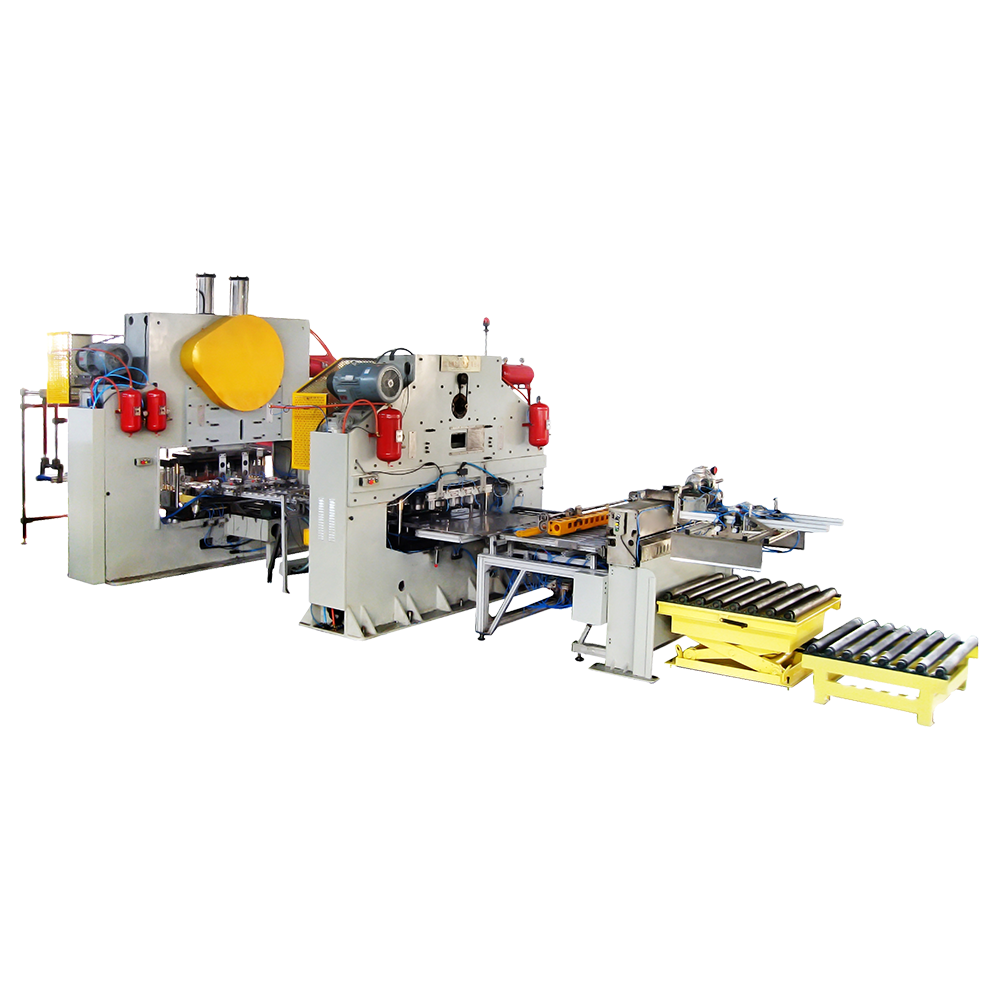
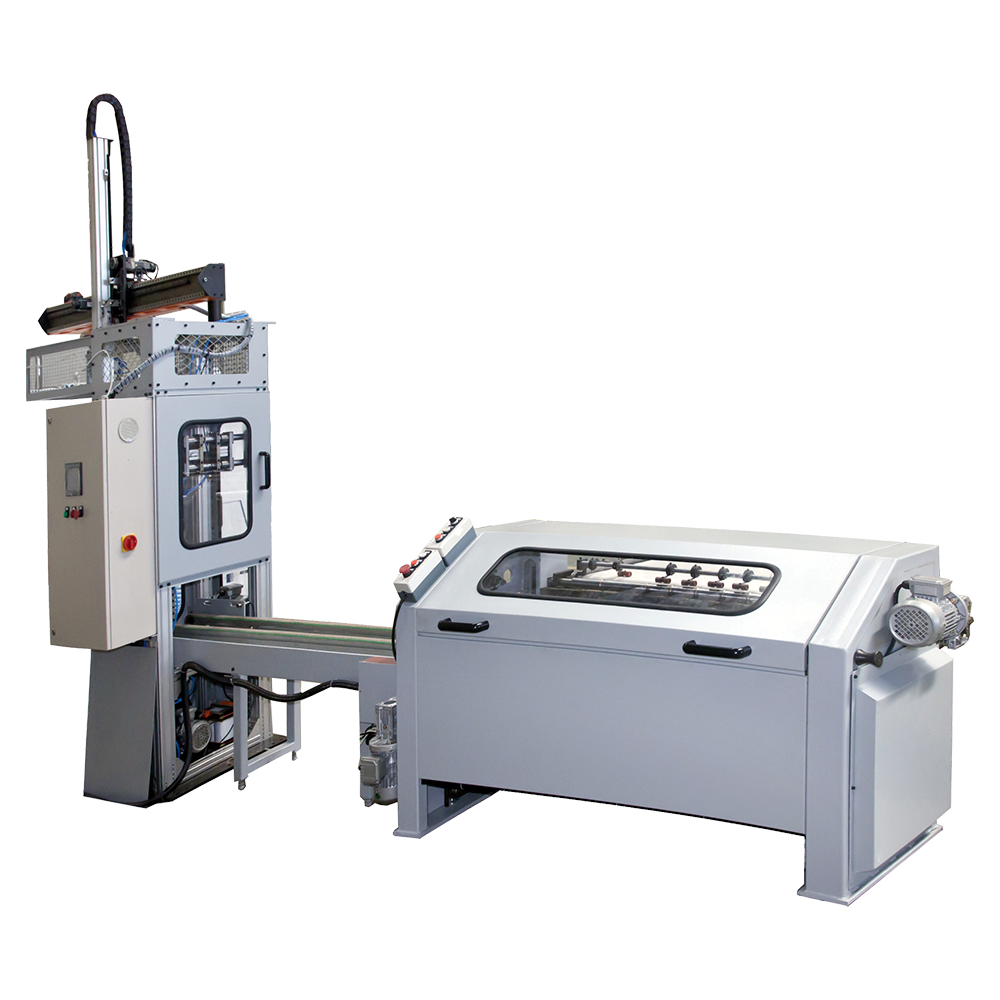
A food machine production line is a coordinated set of machines that transforms tinplate into rigid metal food containers. In a standard three-piece line, the process follows a clear sequence:
Each stage affects the next. If the welder runs faster than the side stripe dryer, the line slows down. If the end cover line produces lids that do not match the seamer tolerances, leakage failures rise. That is why suppliers with experience across multiple process stages are better positioned to help you balance the line than builders focused on a single machine.
Can producers rarely build a fully custom line from scratch. Instead, they choose from proven configurations and adjust the periphery. The most common options for food cans are the three-station combiner and the four-station combiner.
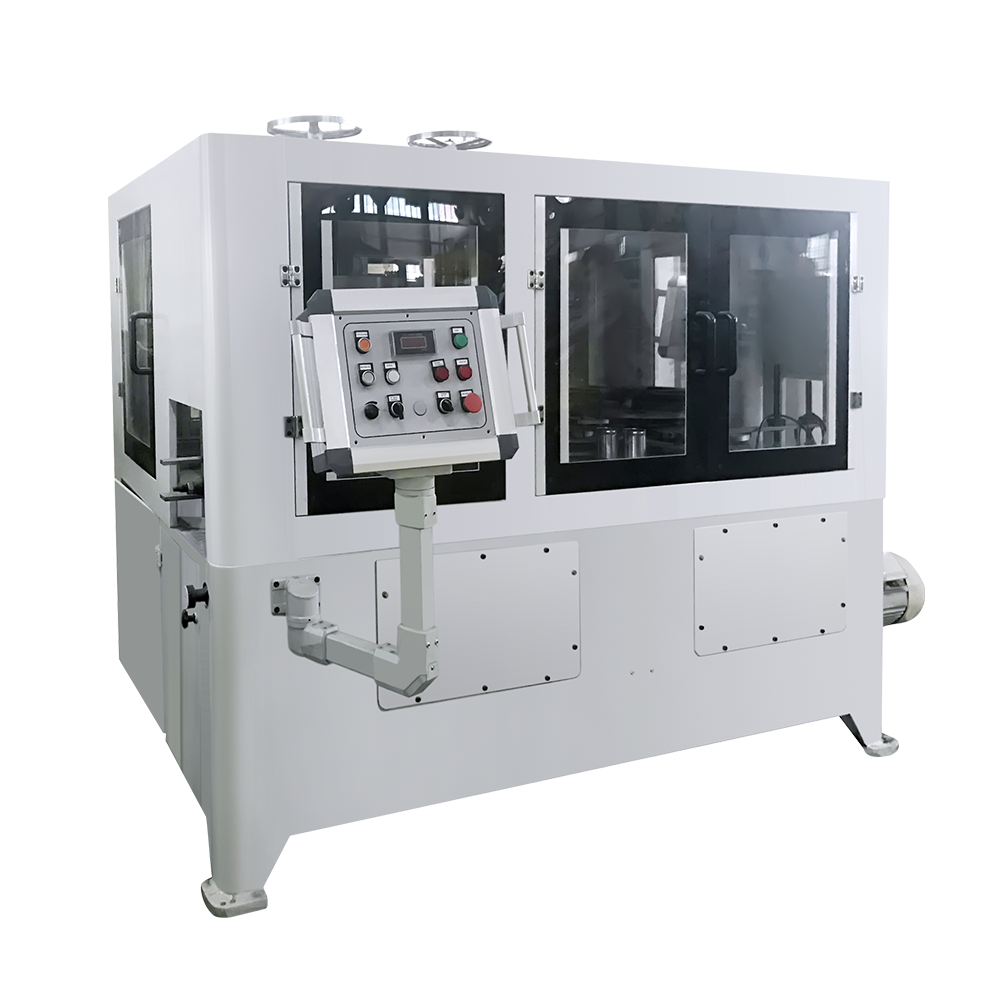
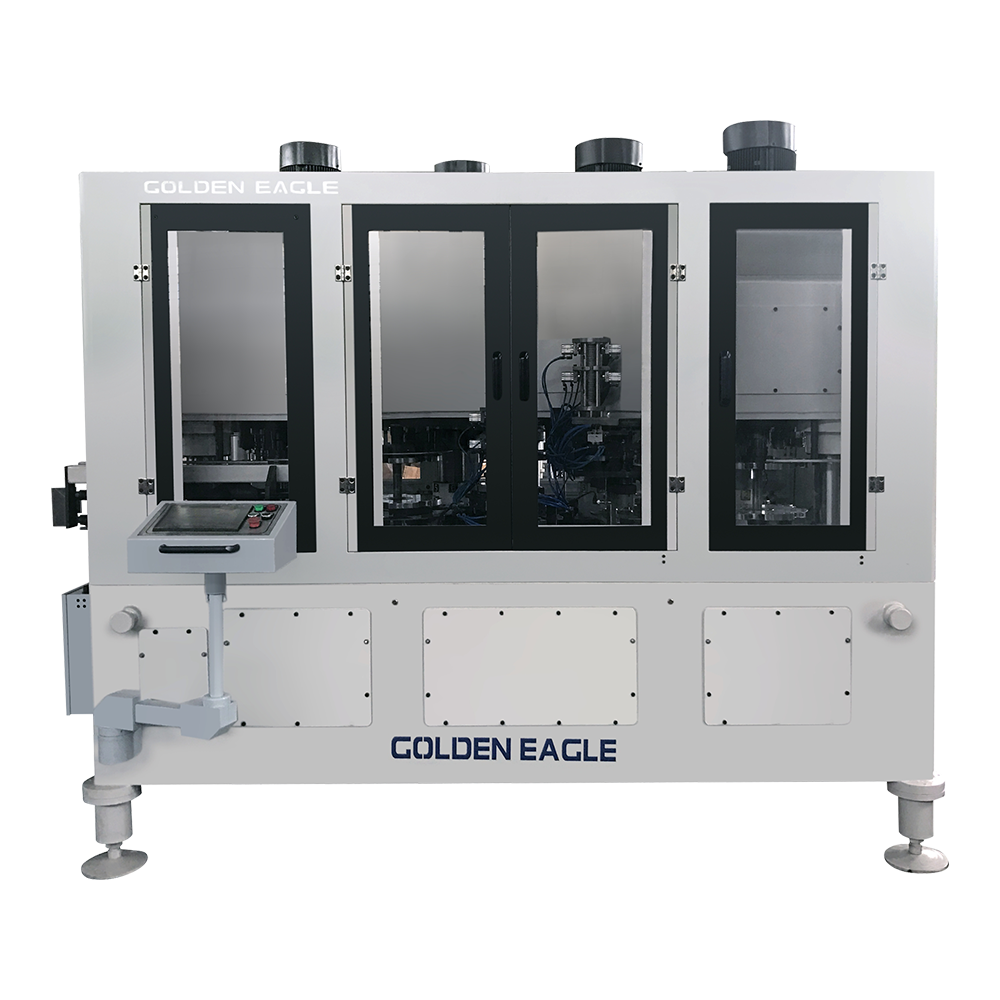
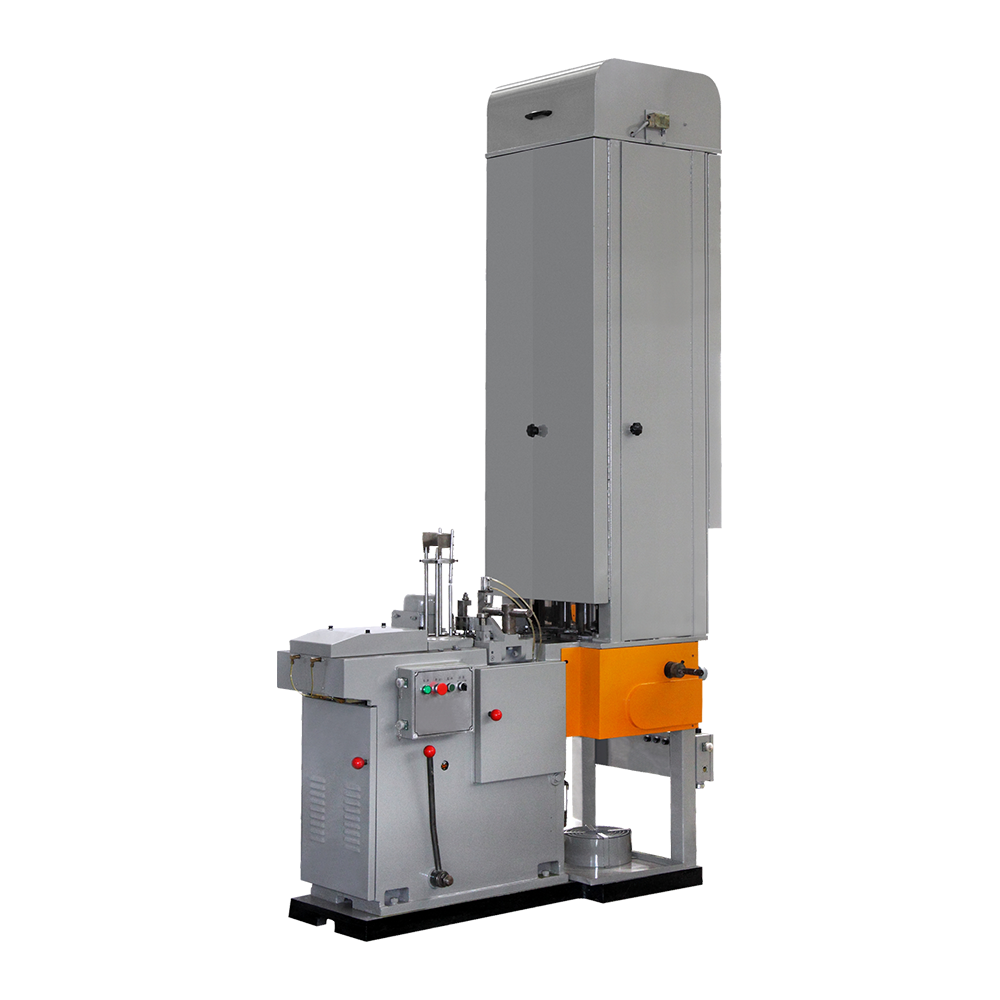
A three-station combiner performs the essential operations of flanging, seaming, and the transfer steps needed to move the can body through the line. It suits plants producing a limited range of round food cans and is valued for its simple operation and lower maintenance demand. A three-station food-beverage can making machine is a dependable choice for standard can sizes, especially when changeover flexibility matters more than top speed.
A four-station combiner adds a necking stage, which narrows the can end before seaming. Necked cans accept a smaller end diameter, reducing material cost per can and improving the visual appearance of the finished product. For a plant running large volumes of a stable can size, a four-station combiner line usually pays back the additional investment within two years.
| Attribute | Three-station combiner | Four-station combiner |
|---|---|---|
| Operations | Flanging, seaming, transfer | Necking, flanging, seaming, transfer |
| Material saving | Standard end diameter | Reduced end diameter |
| Can size flexibility | High | Medium, best for stable sizes |
| Investment level | Lower | Higher |
| Typical use | Multi-size food can plants | High-volume standard cans |
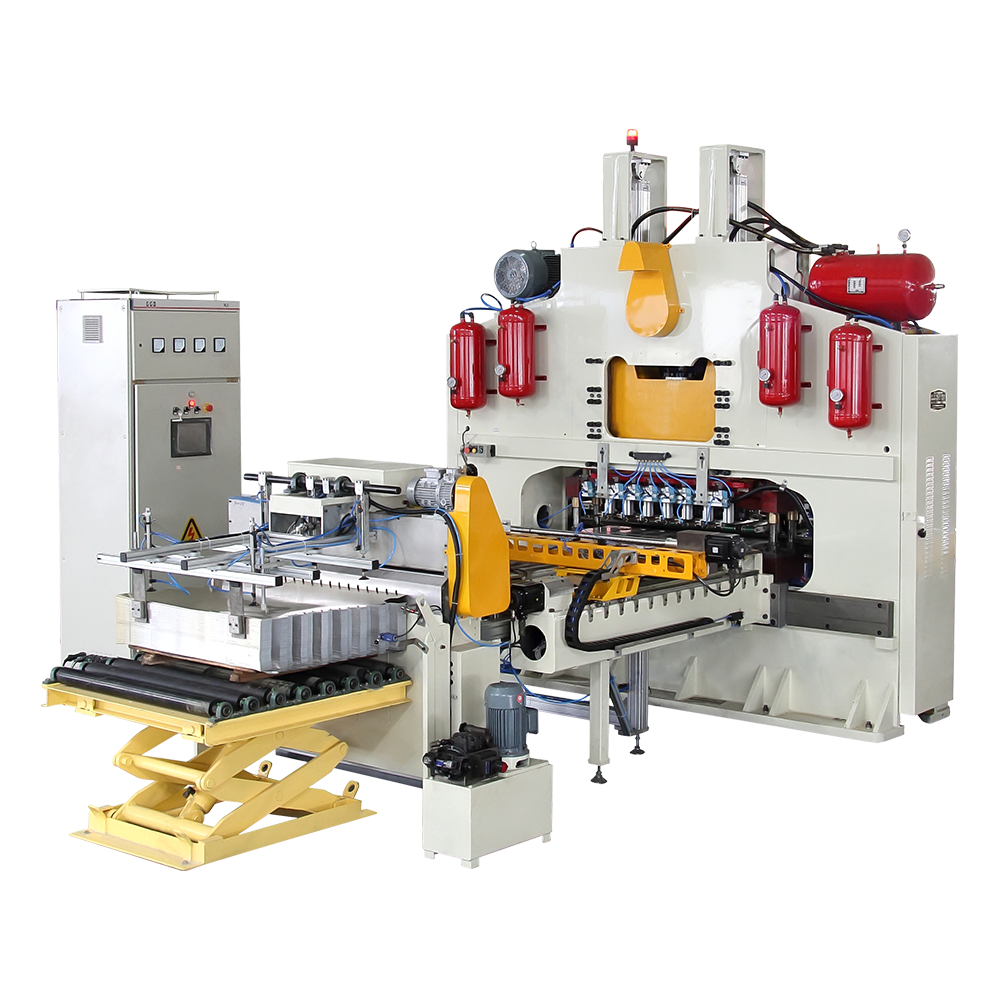
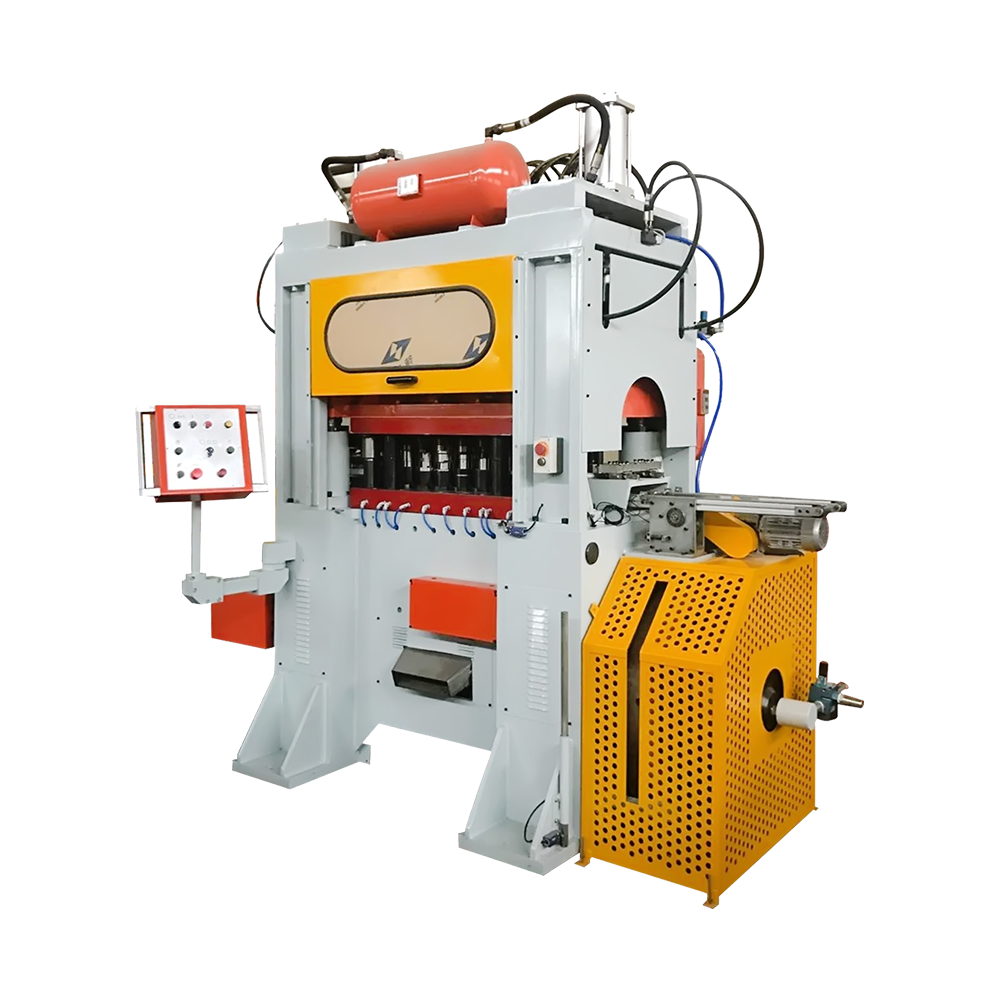
Every food can needs a lid, and the end cover line matters as much as the body line. Whether you produce plain ends or easy-open ends, the quality of lining, drying, and scoring determines how well the can protects its contents. Pairing a body line with a matching end cover line avoids the common problem of mismatched diameters and curl profiles, which is a frequent source of seamer downtime.
Purchasing a food machine production line involves more than comparing output claims. Work through a short checklist before you finalize the budget, because these decisions determine both cost and plant integration.
A common mistake is choosing individual machines with impressive specifications while ignoring how the stations communicate. Speed mismatches between the welder, the lining dryer, and the seamer cause hourly stoppages that quietly reduce real output by 15 to 25 percent. When you are ready to define your requirements, comparing your targets with the selection criteria in our guide to choosing a food machine production line will help you catch these mismatches early.
The purchase price of a food machine production line is only the first layer of cost. Owners who track total cost over five years find that energy, labor, scrap, and maintenance together often exceed the initial investment.
Energy consumption matters most in the welding, heating, and drying stages. Lines with poorly insulated ovens or low-efficiency heating devices consume noticeably more power per thousand cans. Scrap rate is the second hidden cost: a line producing 2 percent scrap on a high-volume order wastes material, coating, and labor at the same time. Maintenance is the third factor. Lines built from standardized parts are easier to service locally than machines that depend on custom components with long lead times.
When comparing offers, ask for documented consumption figures and typical scrap ranges, not just production speed.
A food machine production line is only as reliable as the company that builds and supports it. Supplier evaluation should cover the full can-making cycle: body forming, welding, coating, drying, and end cover production. If one vendor builds the body line and another supplies the end cover line, the integration work falls on you.
Manufacturers with a longer history and a large installed base tend to offer more stable processes. Golden Eagle has manufactured can-making machinery and molds since 1978 and has delivered more than 10,000 pieces of can and can cover equipment to can makers and food processors across six continents. The company works with a team of more than 350 trained personnel and follows ISO9001 quality management and ISO14001 environmental management systems, which gives buyers a documented basis for evaluating process discipline. That installed base also supports faster problem diagnosis and more mature training documentation.
When you review a supplier, ask how many similar lines they have installed, how commissioning is handled, and what spare parts and operator training are included. A line delivered without proper training often underperforms for the first six months. In practice, pairing a new body line with the matching end cover line from the same manufacturer eliminates most interface problems and shortens the ramp-up period.
After installation, the priorities are operator training, preventive maintenance, and cleanability. A food machine production line operates under hygiene expectations that other metal packaging lines do not face. Lubricants, cleaning agents, and process residues must be controlled so they cannot contaminate the can interior.
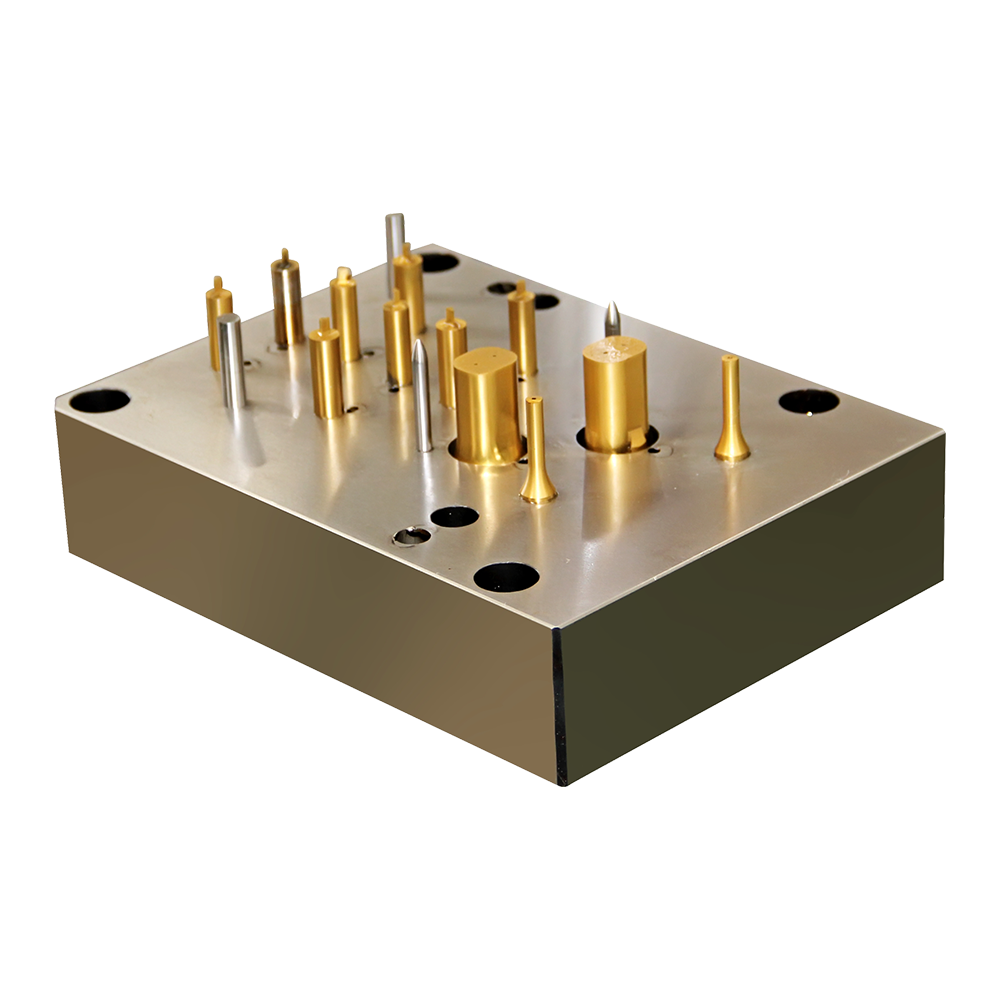
Set a maintenance schedule based on actual running hours rather than calendar dates. Weld electrodes, seaming tooling, and lining nozzles wear at predictable rates; replacing them before failure is cheaper than an unplanned stop. Keep a simple digital log of changeover times and defect rates. That data tells you which station is starting to drift before your quality inspector catches it.
One practical recommendation: involve the production and maintenance teams in the acceptance test. If they understand how the line is adjusted and what normal settings look like, they will solve small problems without waiting for the supplier's engineer.
A food machine production line is a long-term asset, and decisions made at the specification stage determine profitability for years. Define your can output, size range, and operating budget honestly. Compare configurations on net capacity and changeover flexibility rather than headline speeds. Choose a supplier with full-process experience and verified references. After installation, invest in training and maintenance from day one.
By treating the line as a complete system instead of a collection of machines, you avoid the most common cause of underperformance and set up your plant for consistent, high-quality can output.
Related Products

Founded in 1978, the company is one of the largest can-making machinery well-known companies at home and abroad.
Product Categories
Contact Information
Zhongshatou Shenjiamen Zhoushan Zhejiang China
+86-580-3056646

 English
 中文简体
中文简体
 русский
 عربى
عربى
 Español