2026-05-21
Can making machine technology has become one of the most important components in modern packaging production because it enables high-speed, consistent, and large-scale manufacturing of metal containers for food, beverages, chemicals, aerosols, and industrial products. Advanced can making machine systems can produce hundreds or even thousands of cans per minute while maintaining strict dimensional accuracy and material efficiency.
The global demand for lightweight, recyclable, and durable packaging continues to increase, especially in beverage and food industries. Metal cans remain widely used because they provide excellent barrier protection, long shelf life, and strong resistance to physical damage during transportation and storage.
Modern can production facilities rely heavily on automation, precision forming systems, and intelligent quality control technologies to improve efficiency and reduce waste. As sustainability regulations become stricter and production costs continue to rise, manufacturers are investing in faster, more energy-efficient machinery capable of maintaining stable high-volume output.
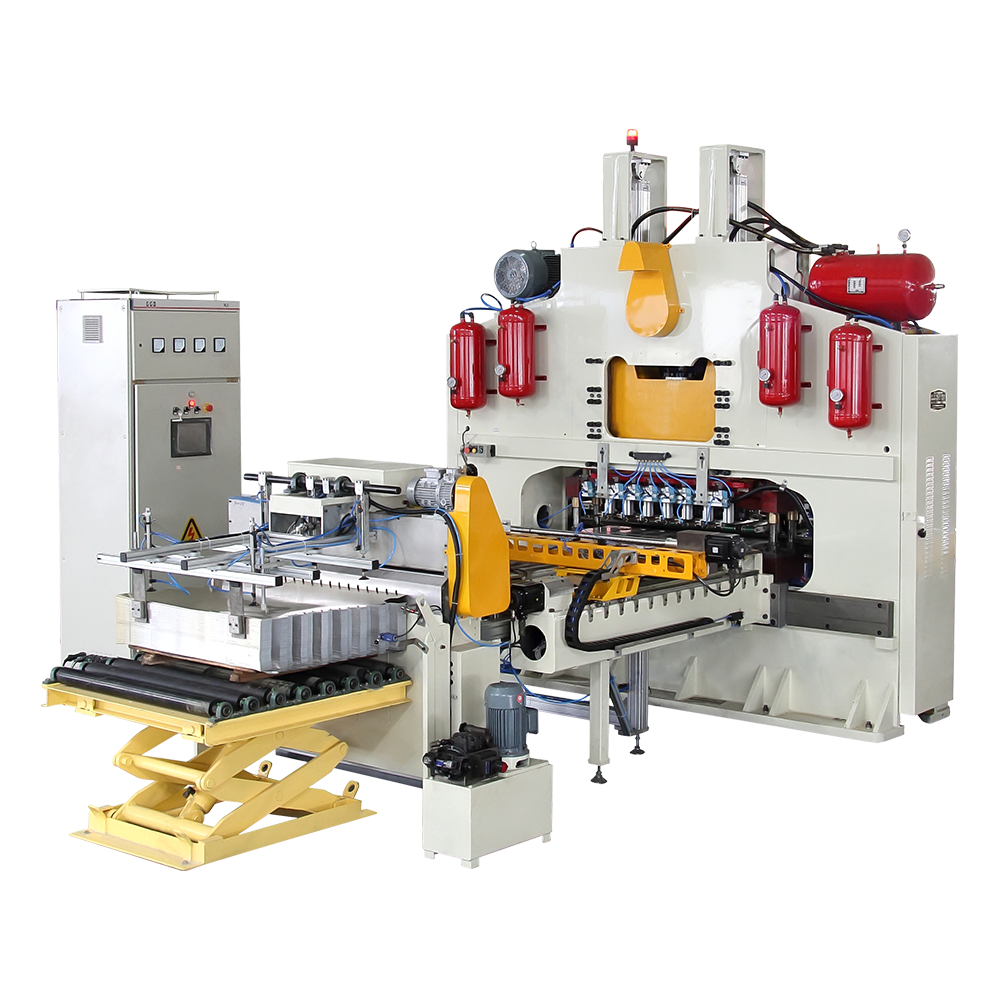
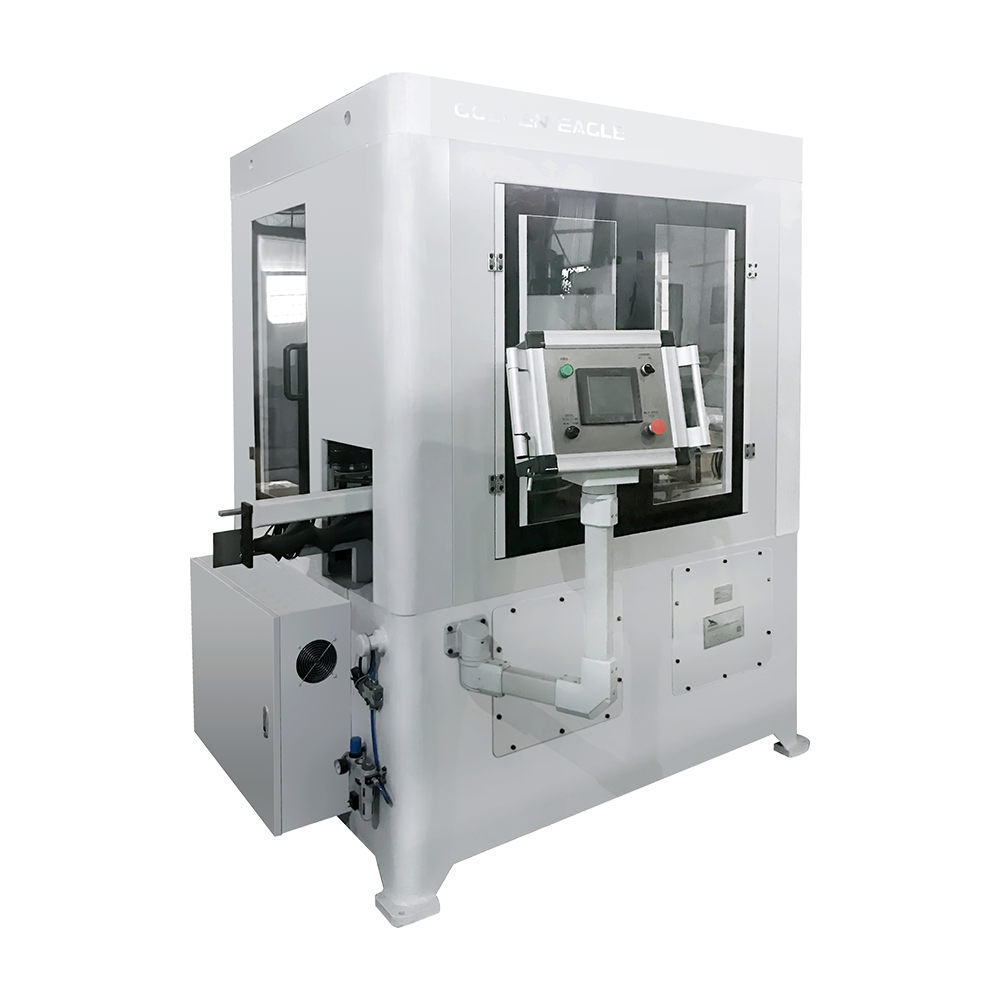
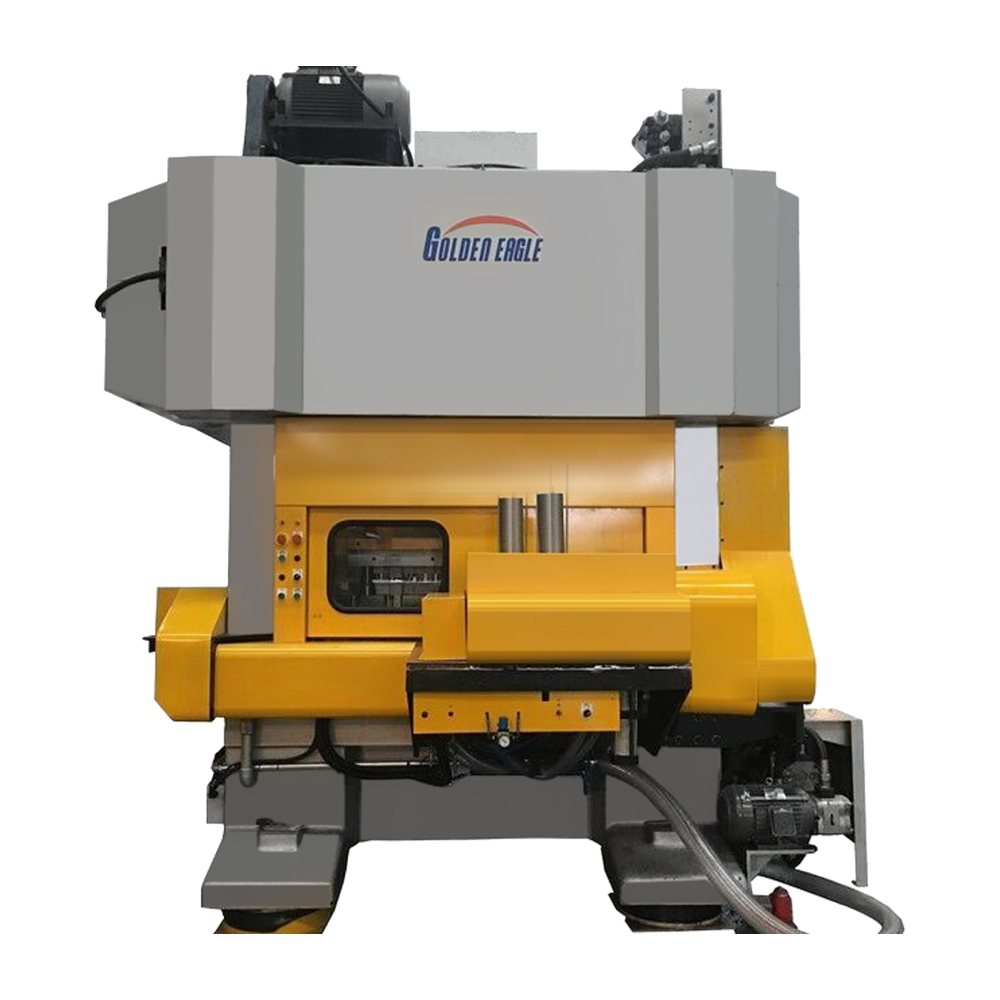
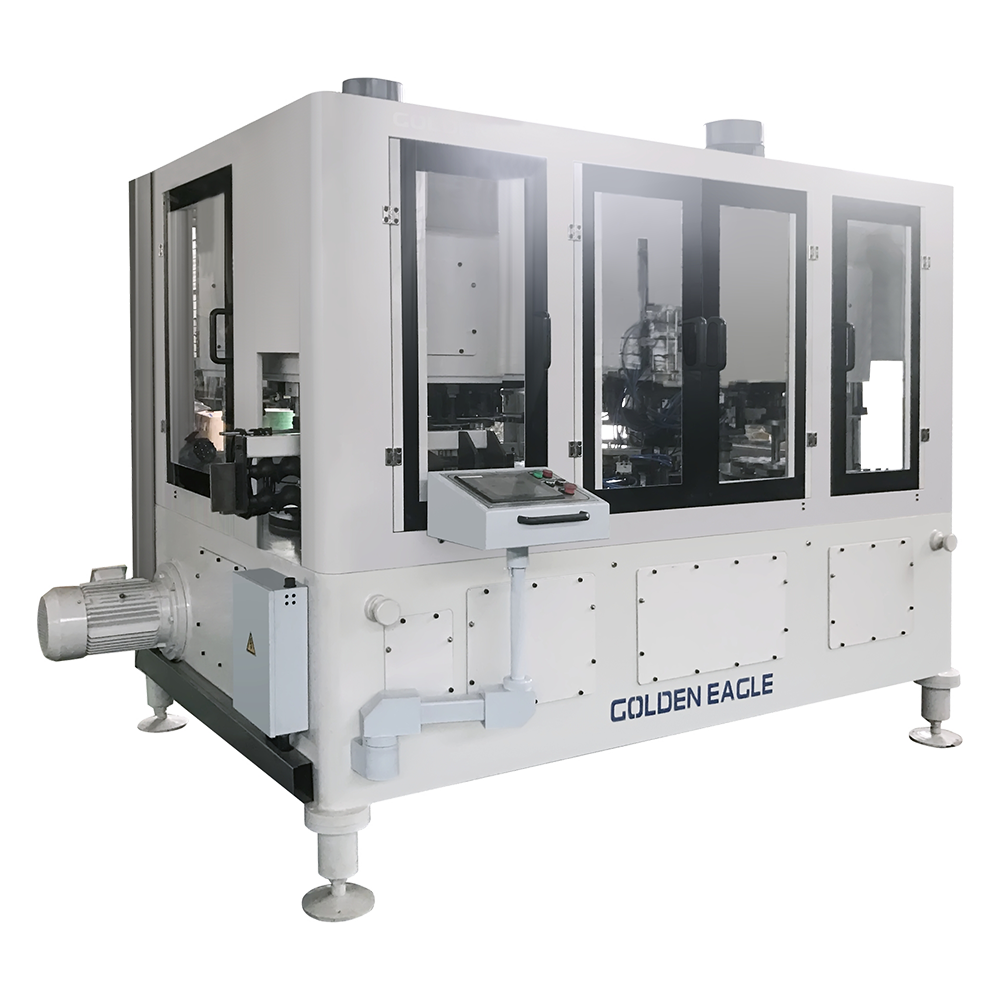
A can making machine transforms flat metal sheets or coils into finished cylindrical containers through multiple forming, trimming, shaping, and inspection stages. The production process varies depending on whether the machine produces two-piece or three-piece cans.
The process typically begins with aluminum or tinplate coils fed into automated systems. Precision feeding mechanisms ensure consistent material alignment before cutting and forming operations begin.
Accurate feeding is critical because even small alignment deviations can affect seam quality, wall thickness, and final dimensional consistency.
In two-piece can production, circular blanks are punched from metal sheets and drawn into shallow cups. These cups are then stretched and ironed to create taller can bodies with thin walls and uniform structure.
Drawing and ironing systems are among the most critical sections of high-speed can manufacturing because they determine wall thickness precision and structural integrity.
Three-piece cans are formed by rolling metal sheets into cylindrical shapes and welding the side seams before attaching top and bottom ends. Seam quality directly affects leakage resistance and pressure tolerance.
After body formation, cans undergo trimming and shaping operations. Necking reduces the top diameter for material savings and compatibility with standard lids, while flanging prepares edges for seaming.
| Production Stage | Primary Function | Key Objective |
|---|---|---|
| Sheet Feeding | Material positioning | Accurate alignment |
| Drawing and Ironing | Body formation | Uniform wall thickness |
| Seaming or Welding | Structural assembly | Leak prevention |
| Necking and Flanging | Shape optimization | Material reduction |
Different industries require specialized can production systems based on container size, material type, and product application.
Two-piece can systems are widely used for beverage containers because they reduce seam requirements and improve production speed. These machines typically use aluminum materials and drawing-ironing technology.
High-speed beverage can lines may exceed 2,000 cans per minute under optimized production conditions.
Three-piece systems are commonly used for food cans, industrial packaging, paint containers, and aerosol products. These systems allow greater flexibility in can dimensions and material thickness.
Aerosol can production requires precise pressure-resistant construction. Machines used for these applications must achieve strict seam integrity and dimensional accuracy.
Some facilities use flexible systems capable of producing multiple can sizes with changeover adjustments, while others operate dedicated high-speed lines optimized for a single format.
Automation has transformed the can manufacturing industry by improving production consistency, reducing downtime, and minimizing labor-intensive operations.
Modern can making machine systems use programmable controllers to coordinate feeding, forming, trimming, and inspection operations. Automated synchronization helps maintain precise production timing at extremely high speeds.
Vision inspection systems continuously analyze dimensions, surface quality, and seam integrity during operation. Defective containers can be automatically rejected before reaching packaging stages.
Automated inspection systems may detect defects measuring less than a fraction of a millimeter, improving overall packaging reliability.
Sensors installed throughout production equipment monitor vibration, temperature, pressure, and motor performance. Predictive maintenance software helps identify wear patterns before major failures occur.
Manufacturers increasingly use digital analytics to monitor output rates, scrap levels, energy consumption, and machine efficiency in real time.
| Technology | Function | Production Benefit |
|---|---|---|
| Vision Inspection | Defect detection | Reduced rejects |
| Predictive Sensors | Condition monitoring | Less downtime |
| PLC Control Systems | Operational synchronization | Stable production speed |
| Digital Analytics | Performance tracking | Improved efficiency |
Material quality strongly influences machine performance, product durability, and overall production cost.
Aluminum is widely used because it is lightweight, corrosion resistant, and highly recyclable. Its lower weight also reduces transportation costs compared with heavier packaging materials.
Tinplate steel offers strong structural integrity and is commonly used for food storage, chemical packaging, and aerosol applications requiring higher strength.
Manufacturers continuously work to reduce metal thickness while maintaining sufficient strength. Lightweighting strategies lower material costs and improve sustainability performance.
Even small reductions in can wall thickness can result in substantial raw material savings across high-volume production operations.
Protective coatings are often applied to prevent product interaction with metal surfaces. Internal coatings are especially important for acidic food and beverage products.
Energy efficiency has become a major priority in can production because large-scale manufacturing facilities consume significant electricity and compressed air resources.
Precision cutting and forming systems help reduce scrap rates during production. Lower waste improves profitability while supporting environmental objectives.
Variable-speed motors and optimized drive systems reduce unnecessary power consumption during production adjustments and idle periods.
Metal cans remain one of the most recyclable packaging formats available. Aluminum and steel materials can be recycled repeatedly without major loss of material quality.
Advanced lubrication systems reduce friction during drawing and ironing operations while minimizing fluid consumption and contamination risks.
Packaging defects can lead to leakage, contamination, product spoilage, and transportation failures. Strict quality control is therefore essential throughout the production process.
Seaming accuracy directly affects container sealing performance. Automated systems measure seam dimensions and detect inconsistencies during production.
Beverage and aerosol cans must withstand internal pressure variations during storage and transportation. Pressure testing ensures structural safety under demanding conditions.
Surface scratches, dents, coating failures, or printing defects can affect product appearance and corrosion resistance.
Accurate dimensions are necessary for filling line compatibility and stacking stability. Precision inspection equipment helps maintain uniformity across high-speed production batches.
| Inspection Area | Purpose | Risk Prevented |
|---|---|---|
| Seam Inspection | Seal verification | Leakage |
| Pressure Testing | Structural validation | Burst failure |
| Surface Inspection | Appearance control | Corrosion and defects |
| Dimensional Testing | Size consistency | Filling line issues |
Choosing the right production system depends on output targets, product specifications, facility layout, and long-term operational goals.
Large beverage manufacturers often prioritize extremely high-speed lines, while smaller operations may focus on flexibility and lower changeover times.
Machines capable of handling multiple diameters and heights provide greater production flexibility for facilities serving different packaging markets.
Easy access to tooling, lubrication systems, and inspection components simplifies maintenance procedures and reduces downtime during repairs.
Energy-efficient systems may require higher initial investment but can reduce long-term operational expenses through lower electricity use and reduced scrap generation.
The rapid development of automation, lightweight metal processing, digital quality inspection, and energy-efficient manufacturing technologies continues to reshape the capabilities of modern can making machine systems across global packaging industries.
Related Products

Founded in 1978, the company is one of the largest can-making machinery well-known companies at home and abroad.
Product Categories
Contact Information
Zhongshatou Shenjiamen Zhoushan Zhejiang China
+86-580-3056646

 English
 中文简体
中文简体
 русский
 عربى
عربى
 Español