2026-02-12
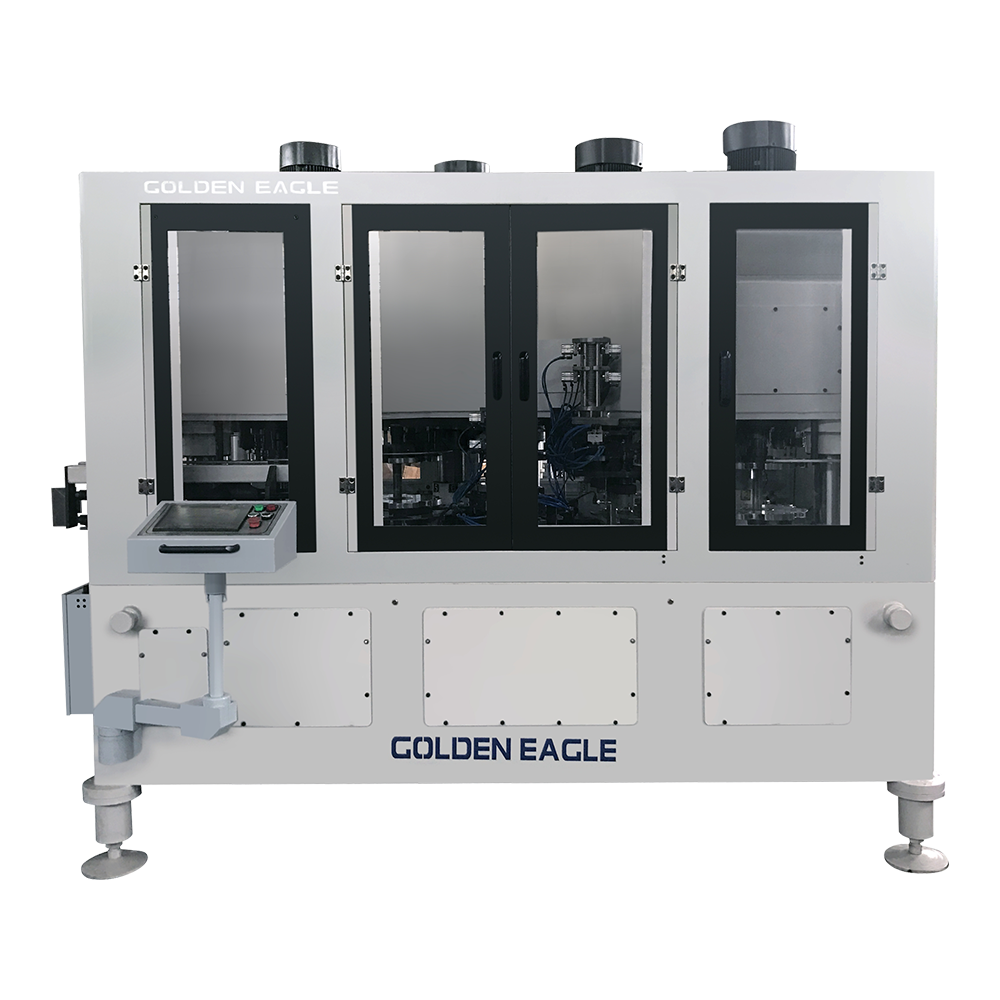
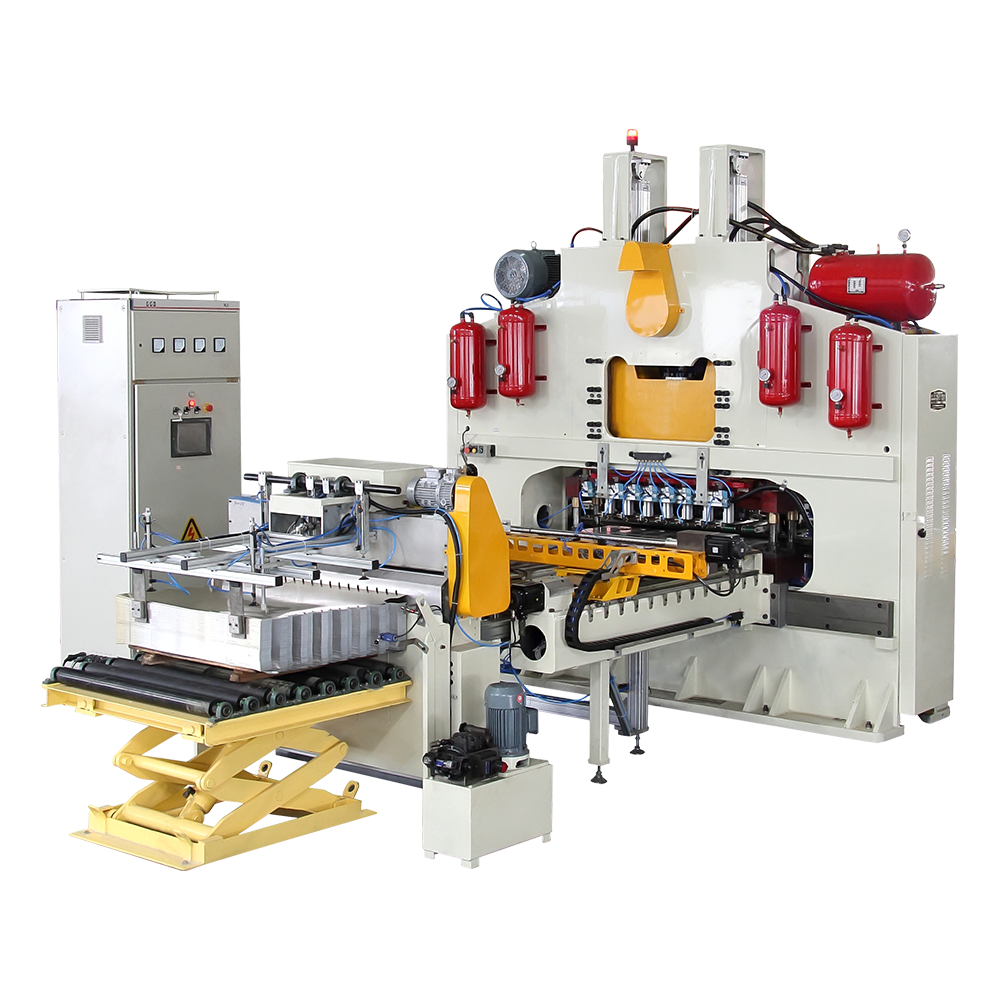
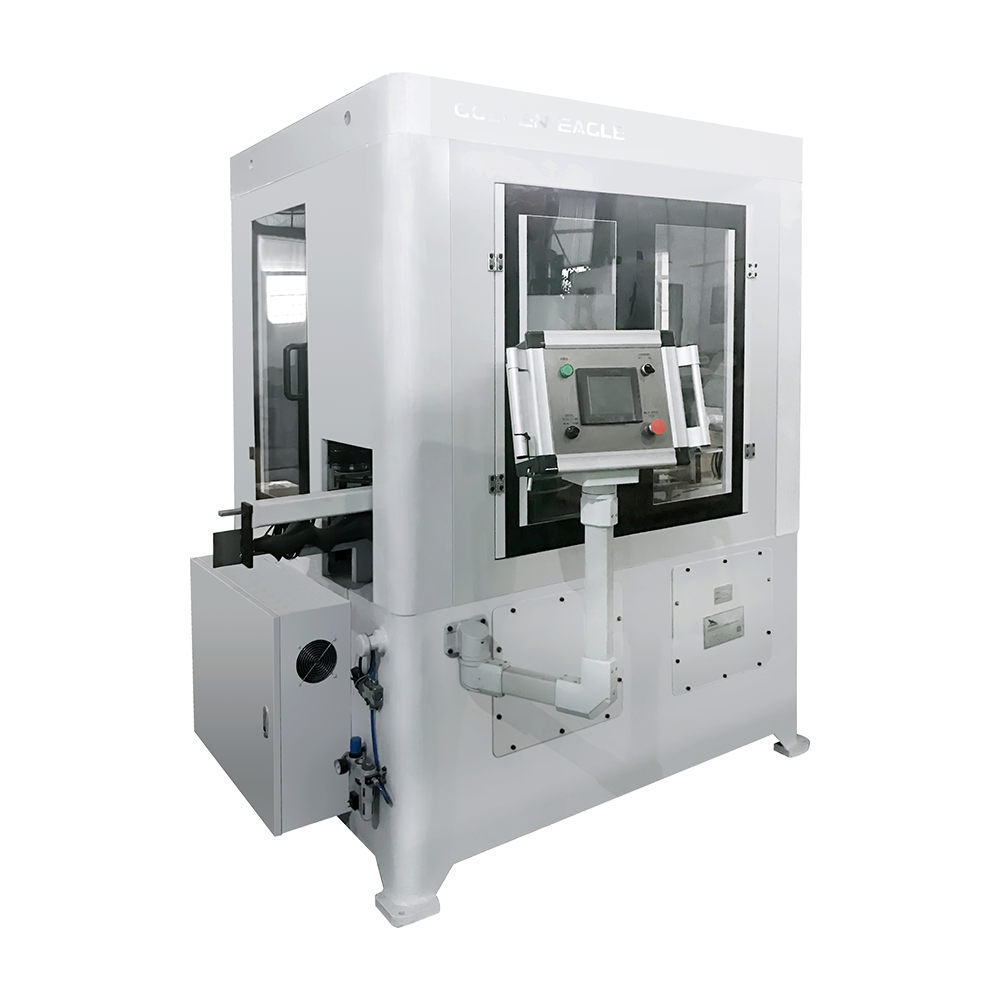
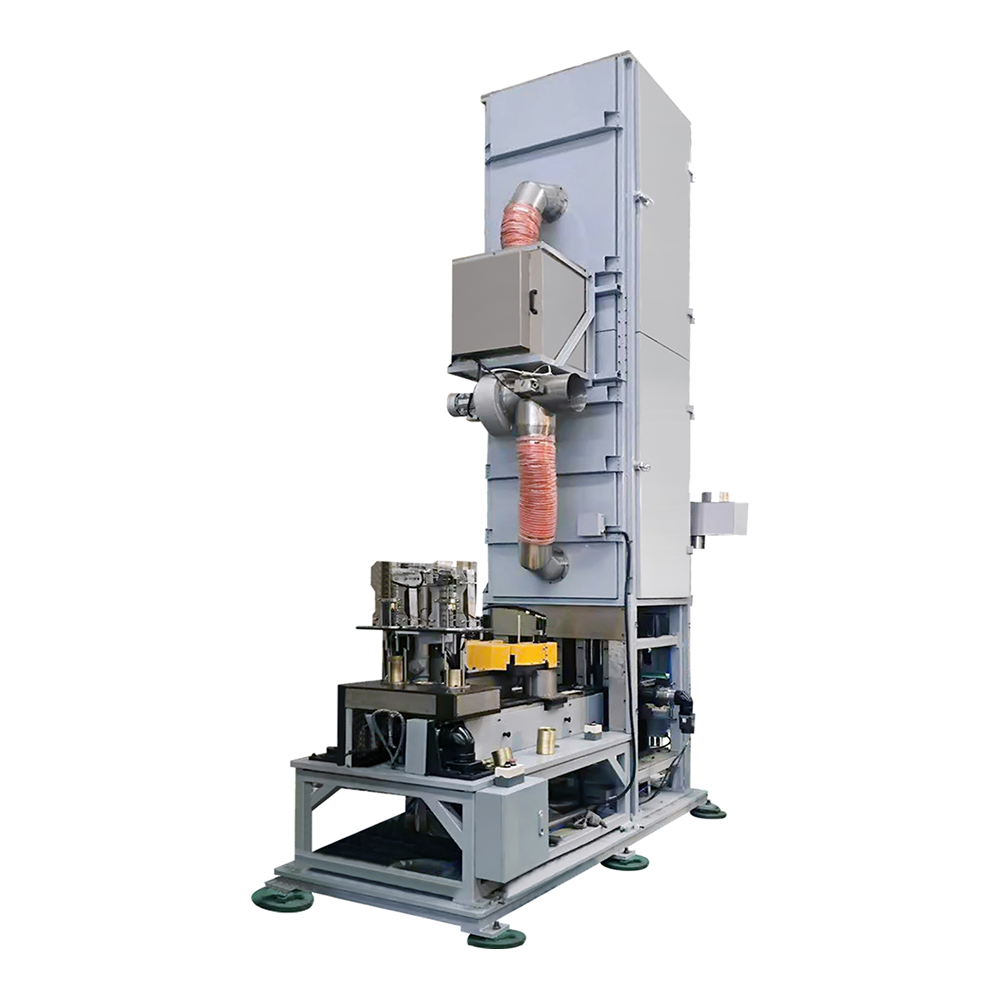
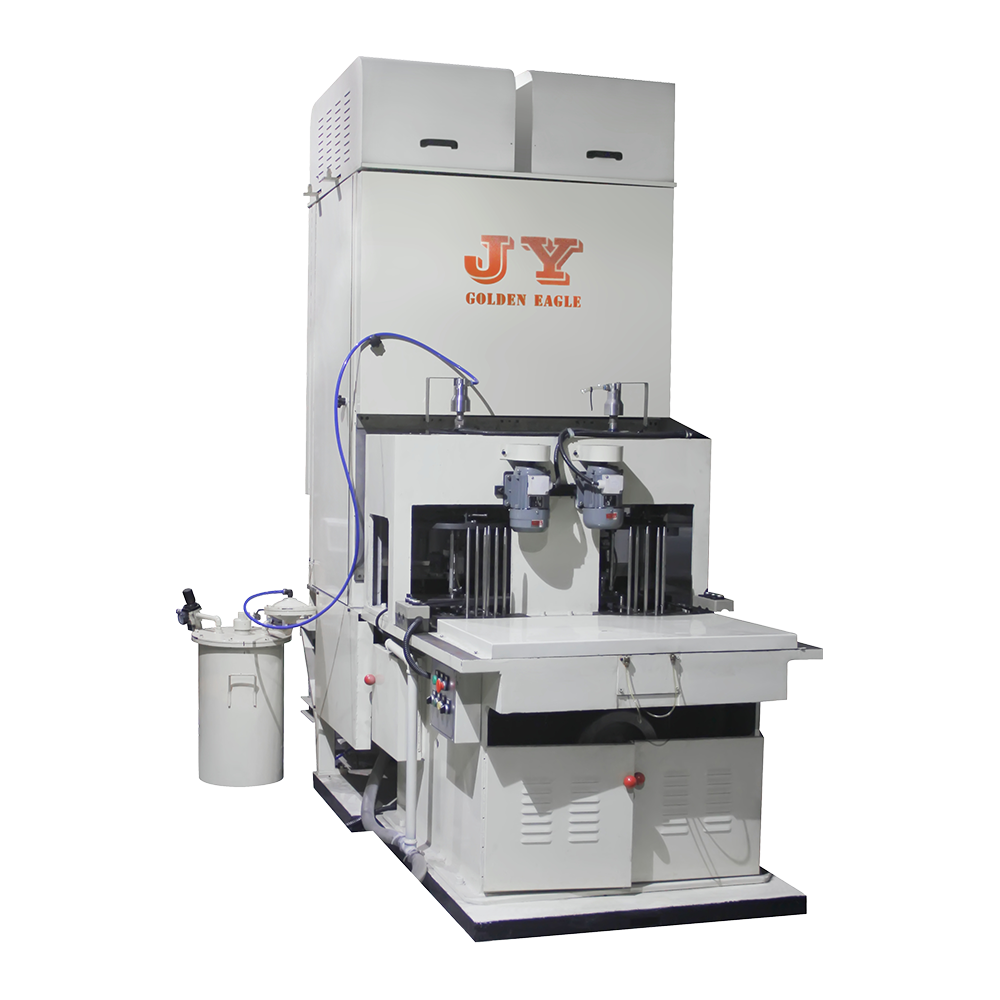
Tin can lid end making machines are specialized pieces of industrial equipment used to manufacture can ends that seal metal containers for food, beverages, chemicals, and other packaged products. These machines perform forming, curling, lining, and sometimes inspection operations to ensure that the lid end matches the can body and sealing requirements. Because tinplate, aluminum, and coated steel materials vary in thickness and mechanical behavior, machine speed becomes a critical parameter that influences forming stability, dimensional consistency, and surface condition.
Production speed directly affects how material flows through forming stations. When speed is too high for a given thickness or material, stresses may concentrate in localized areas, leading to deformation, uneven curls, or increased wear on tooling. Conversely, operating at a speed that is too low can reduce productivity and may not fully utilize machine capacity. Adjustable speed allows manufacturers to balance efficiency with process stability across different material specifications.
Material thickness plays a key role in determining suitable machine speed. Thicker metal sheets require more forming force and longer contact time between tooling and material to achieve the desired shape without inducing cracks or excessive springback. Slower speeds provide more controlled deformation for thick materials, while thinner sheets often tolerate higher speeds due to lower resistance. Adjustable speed enables the same tin can lid end making machine to handle a range of thicknesses without structural modifications.
Different materials respond differently during high-speed forming. Tinplate, aluminum, and coated steel each have distinct yield strength, ductility, and surface properties. Aluminum generally allows smoother flow at higher speeds, while coated steel may require moderated speed to protect surface layers. Speed adjustment helps accommodate these differences by allowing operators to tailor machine behavior to material characteristics rather than forcing all materials through a fixed-speed process.
Modern tin can lid end making machines commonly use variable frequency drives or servo-controlled motors. These systems allow precise regulation of rotational and linear motion across forming stations. By adjusting motor speed electronically, operators can fine-tune production rates without changing mechanical components. This flexibility supports quick transitions between different product specifications and materials.
Speed adjustment may be performed manually through control panels or automatically through preset programs. Manual control allows experienced operators to respond to real-time observations such as vibration, noise, or surface marks. Automated control relies on stored parameters linked to material thickness and type, enabling repeatable setups. Both approaches aim to maintain stable forming conditions while accommodating variation in raw materials.
Adjusting speed is not limited to the main drive alone. Tin can lid end making machines rely on synchronized motion between multiple stations, including blank feeding, forming, curling, and lining. When speed changes, these subsystems must remain coordinated to avoid misalignment or timing errors. Modern control systems ensure that speed adjustments propagate consistently throughout the machine.
The curling operation that shapes the lid edge is sensitive to speed. Excessive speed may cause uneven curl geometry, while insufficient speed may lead to inconsistent curl tension. Adjustable speed allows manufacturers to find a stable range where the curl forms smoothly across different material thicknesses. This directly affects the subsequent sealing performance when the lid is applied to the can body.
Some tin can lid end making machines include compound lining units that apply sealing material to the lid interior. Lining consistency depends on both rotational speed and dispensing timing. When processing different materials or thicknesses, speed adjustment helps maintain uniform lining distribution by matching material movement with compound flow behavior.
Higher speed is often associated with increased output, but it can also amplify minor variations in material quality or tooling condition. Adjustable speed provides a means to reduce process sensitivity when working with challenging materials. By slightly lowering speed, manufacturers can gain stability without major sacrifices in productivity, especially during setup or material changeovers.
Tooling life is influenced by operating speed. Higher speeds increase friction, heat, and impact forces, which can accelerate wear on forming dies and curling tools. When processing thicker or harder materials, reducing speed helps distribute forces more evenly and may extend tool service intervals. Adjustable speed therefore contributes to both production flexibility and maintenance planning.
Manufacturers often need to produce lid ends of different diameters, profiles, and material specifications on the same equipment. Speed adjustability supports this versatility by allowing each variant to run under suitable conditions. Instead of dedicating separate machines for each material thickness, a single adjustable-speed machine can cover a broader product range.
Operators play an important role in determining appropriate speed settings. Their experience with machine behavior, material response, and finished product appearance informs practical adjustments beyond theoretical calculations. Adjustable speed gives operators the ability to apply this knowledge directly, making incremental changes to improve consistency and reduce defects.
When speed is adjusted, quality monitoring becomes essential. Visual inspection, dimensional checks, and functional testing help verify that the new speed setting produces acceptable lid ends. Over time, recorded data linking speed settings to material thickness and quality outcomes can support more systematic process optimization.
| Material Thickness Range | Typical Speed Preference | Primary Reason | Process Impact |
| Thin gauge metal | Moderate to higher speed | Lower forming resistance | Supports higher throughput |
| Medium gauge metal | Balanced speed | Combination of strength and ductility | Stable forming and curl quality |
| Thick gauge metal | Lower speed | Higher forming force required | Reduced stress and tool load |
Some lid materials include protective coatings or surface treatments. These layers may be sensitive to friction and heat generated during high-speed forming. Adjustable speed allows manufacturers to reduce mechanical stress on coatings, helping maintain surface integrity while still achieving required shapes.
Many tin can lid end making machines feature digital control interfaces that display real-time speed, load, and status information. These interfaces simplify speed adjustment and make it easier to document optimal settings for different materials. Integration with sensors and alarms further supports controlled operation when speed changes occur.
While adjustable speed provides flexibility, it does not eliminate all constraints. Extremely thick or unusually rigid materials may still exceed the forming capacity of a given machine, regardless of speed reduction. Speed adjustment works best within the mechanical design limits of the equipment and should be combined with appropriate tooling selection.
Consistency across production batches is a key goal in lid end manufacturing. Adjustable speed helps align machine behavior with material variability, reducing the likelihood of sudden quality shifts. When raw material properties fluctuate within acceptable ranges, speed fine-tuning offers a practical way to maintain stable output.
Over the service life of a tin can lid end making machine, production requirements often evolve. New materials, thickness standards, or customer specifications may be introduced. Speed adjustability provides a foundation for adapting to these changes without extensive equipment modification, supporting continued use across multiple production cycles.
Related Products

Founded in 1978, the company is one of the largest can-making machinery well-known companies at home and abroad.
Product Categories
Contact Information
Zhongshatou Shenjiamen Zhoushan Zhejiang China
+86-580-3056646

 English
 中文简体
中文简体
 русский
 عربى
عربى
 Español