 English
 中文简体
中文简体
 русский
 عربى
عربى
 Español

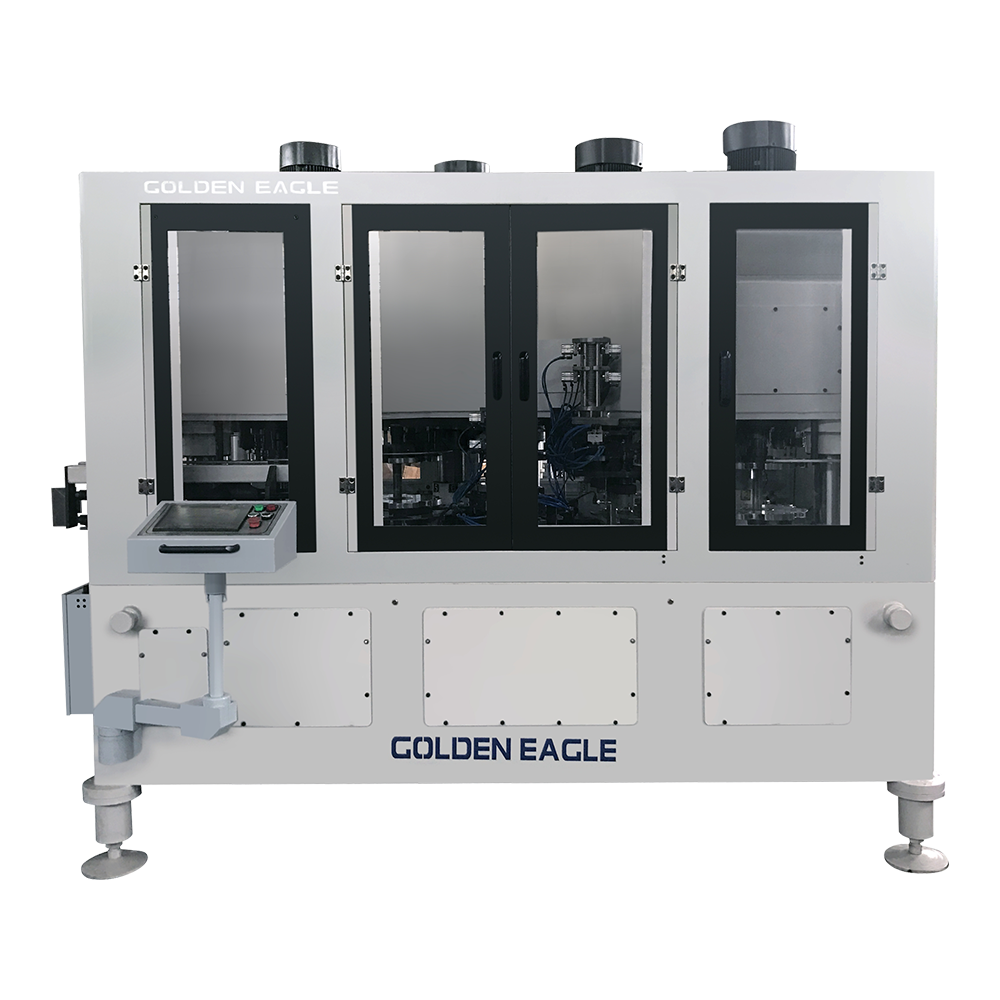
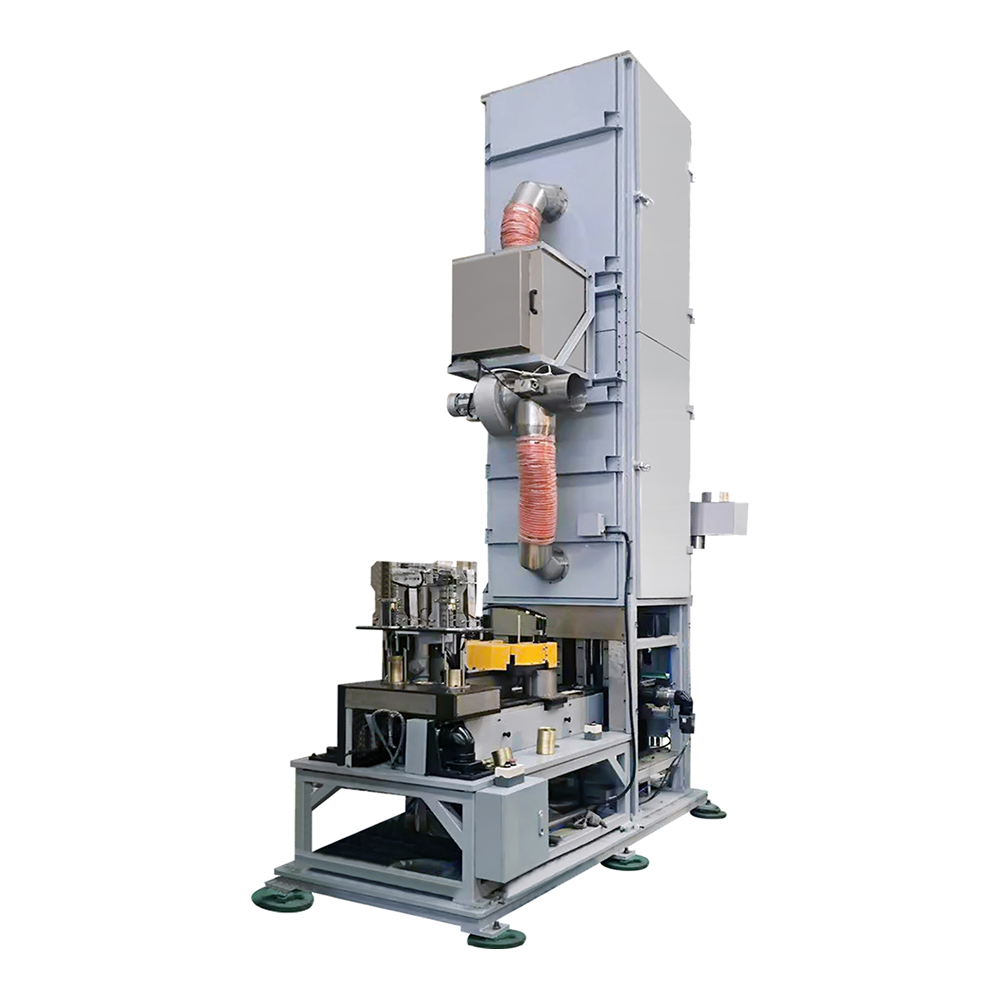
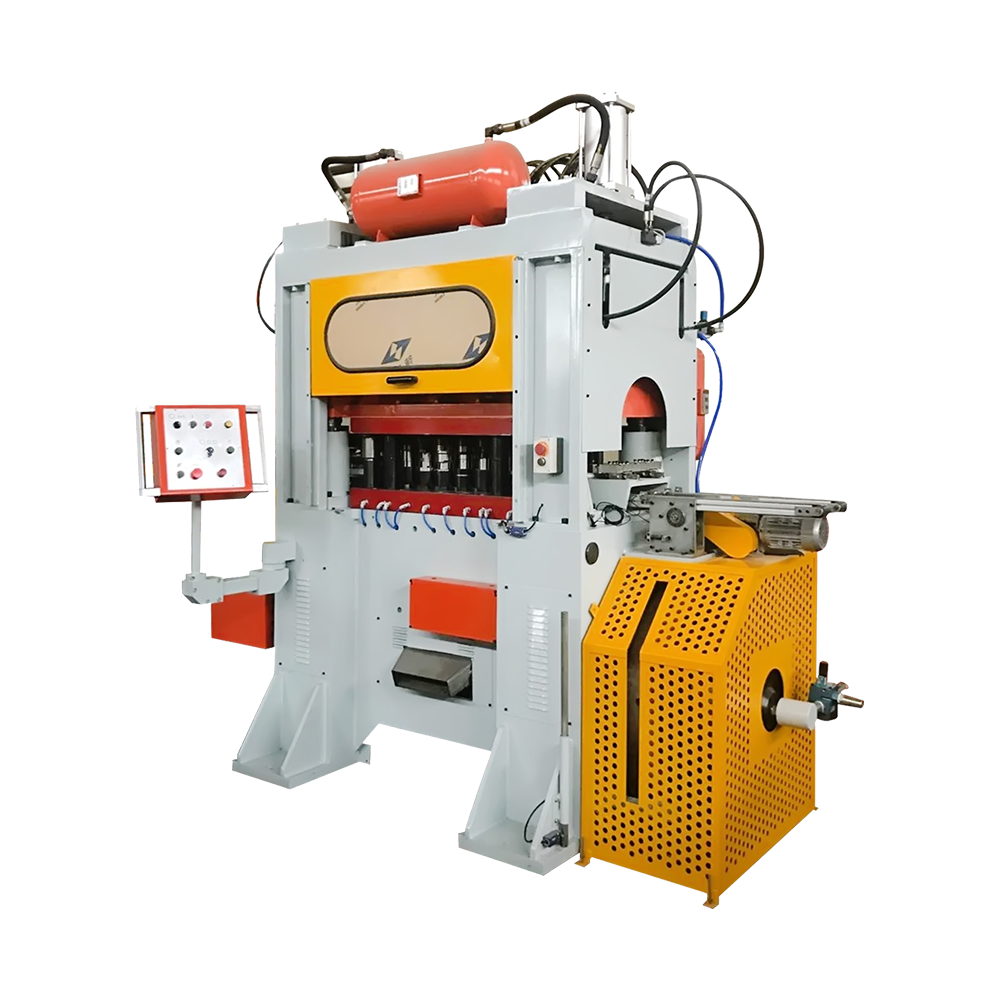
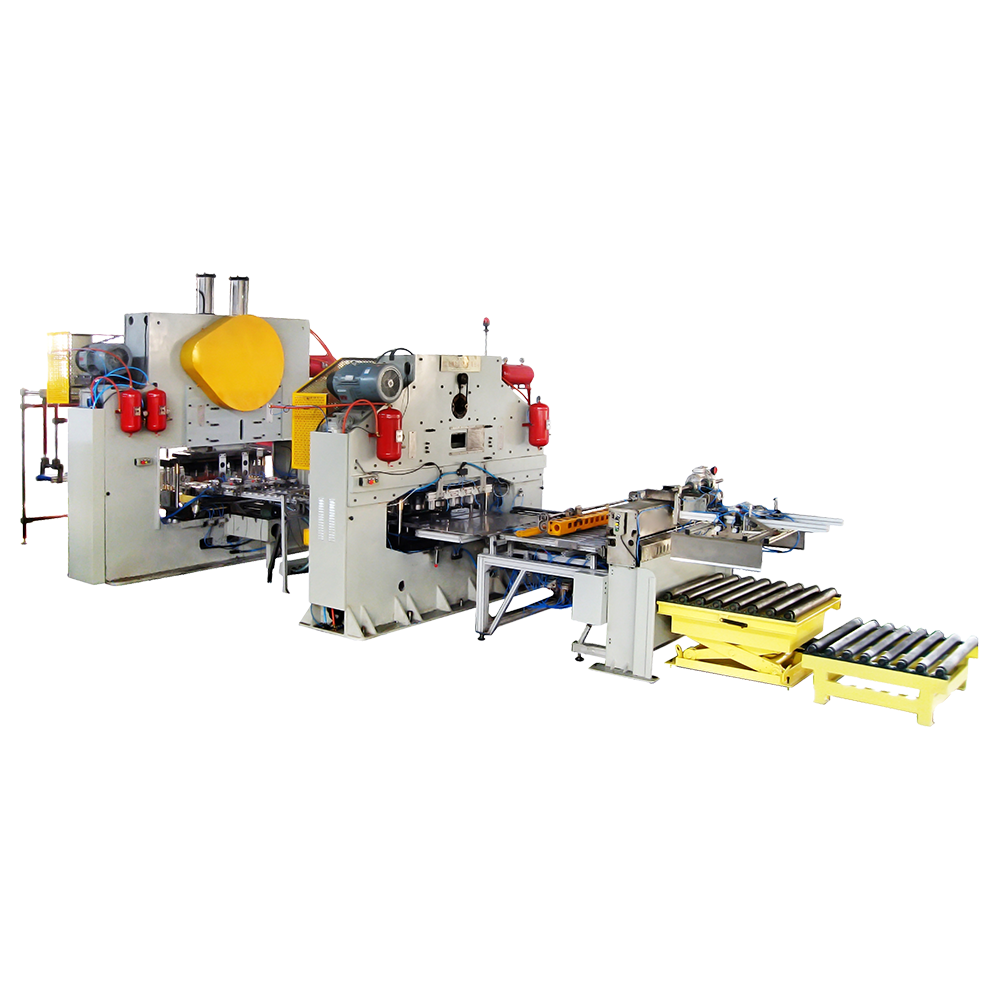
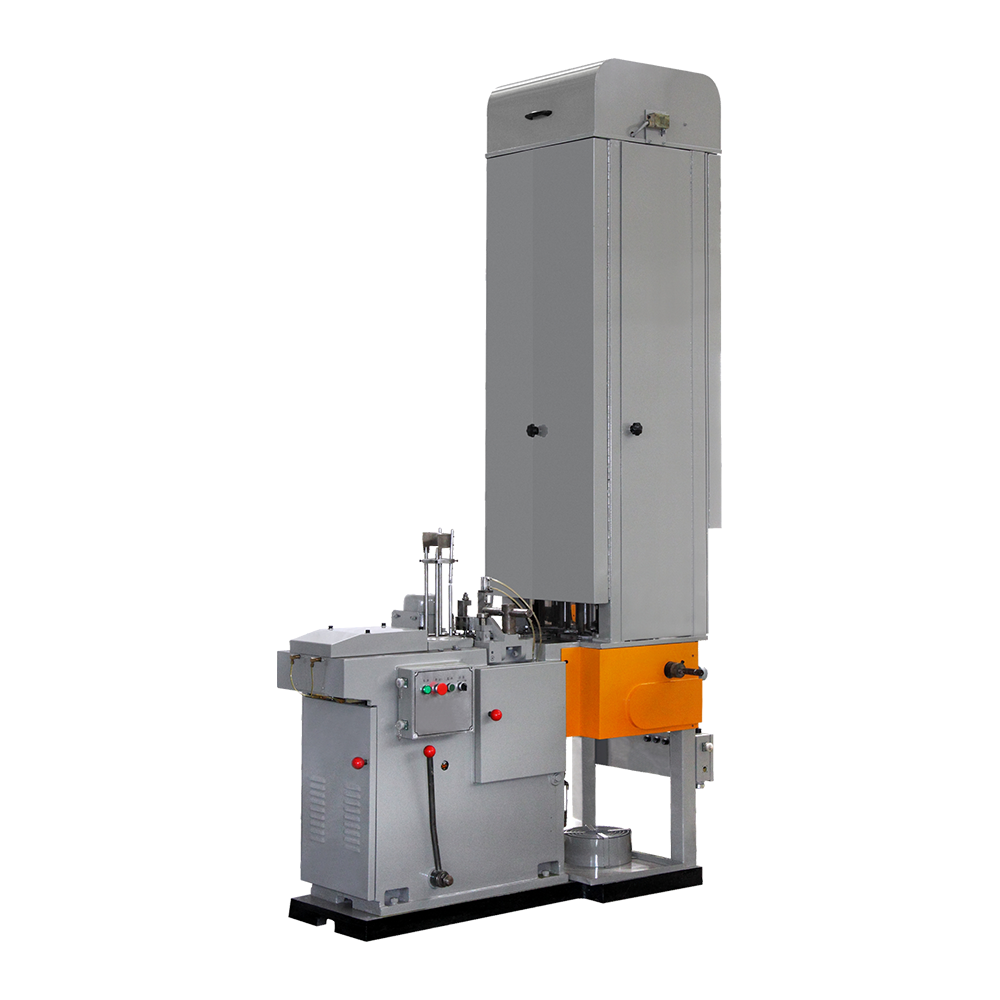
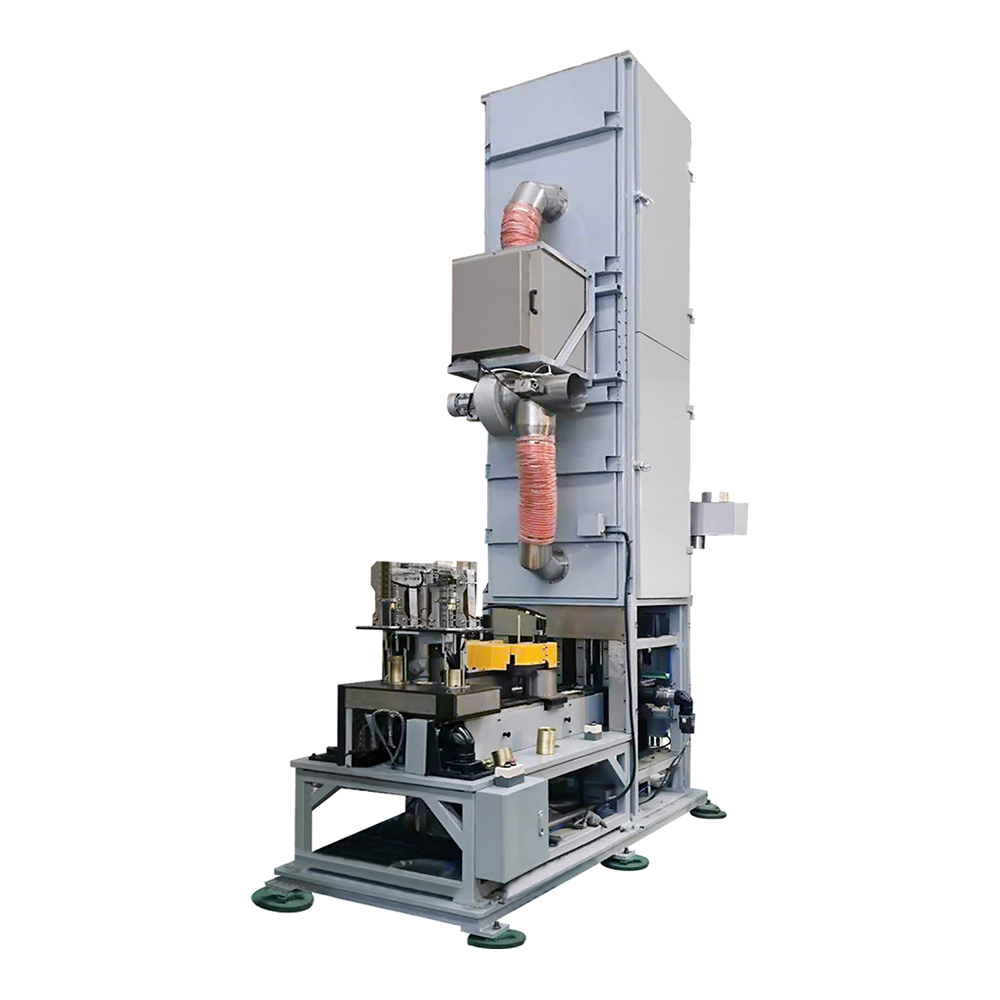
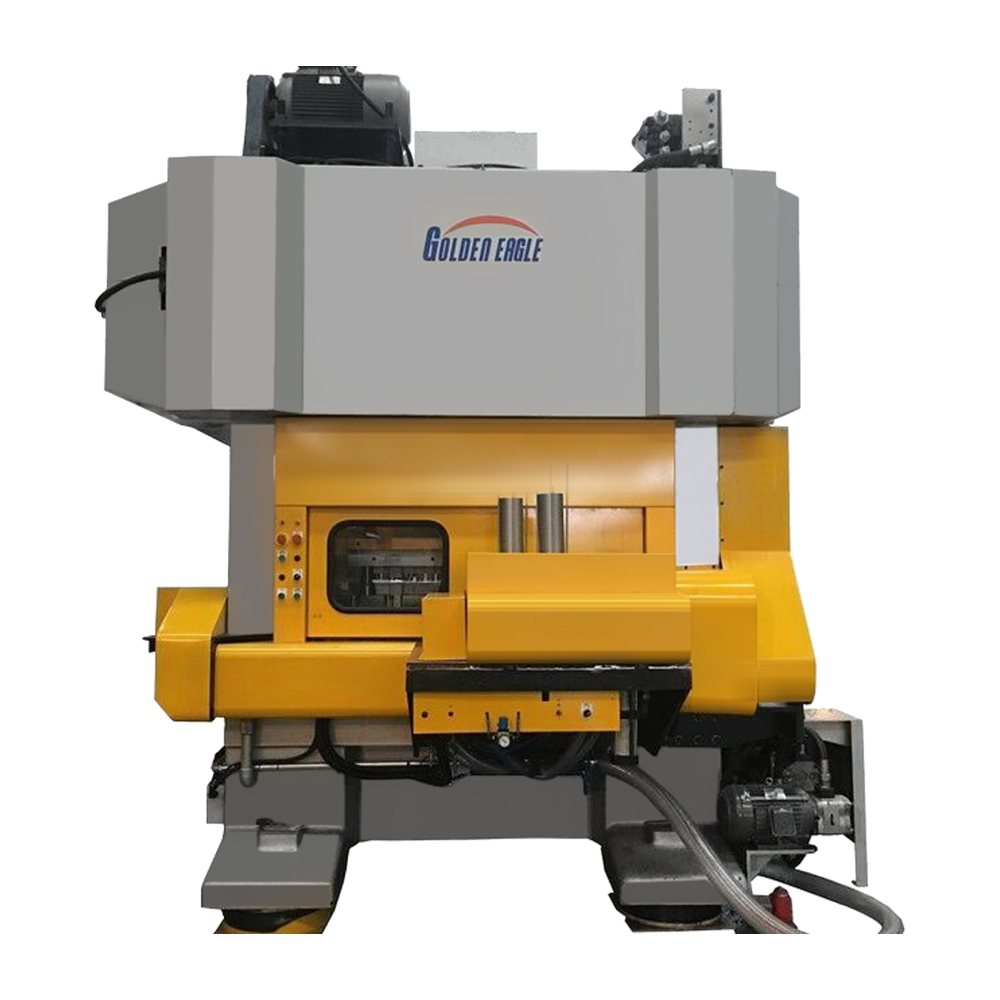
Tin Can Lid End Making Machine: The Complete Guide to High-Speed Can Manufacturing
Engineering precision for millions of ends per day
The tin can lid end making machine is the most critical piece of equipment in the can manufacturing line, directly determining production speed, material utilization, and end quality. Modern high-speed tin can lid end making machines produce up to 600 ends per minute with precision tolerances below 0.05mm, while consuming minimal energy and generating near-zero scrap. For can manufacturers, the selection of the right end making machine impacts not only production capacity but also product quality, operational costs, and competitive positioning in the market.
Understanding the Tin Can Lid End Making Machine: Core Technology
A tin can lid end making machine is a high-precision manufacturing system designed to produce can ends (lids) from coiled tinplate or aluminum sheet stock. The machine performs multiple operations in a single continuous process: feeding, blanking, forming, curling, and stacking, converting flat metal strip into finished can ends ready for seaming onto can bodies.
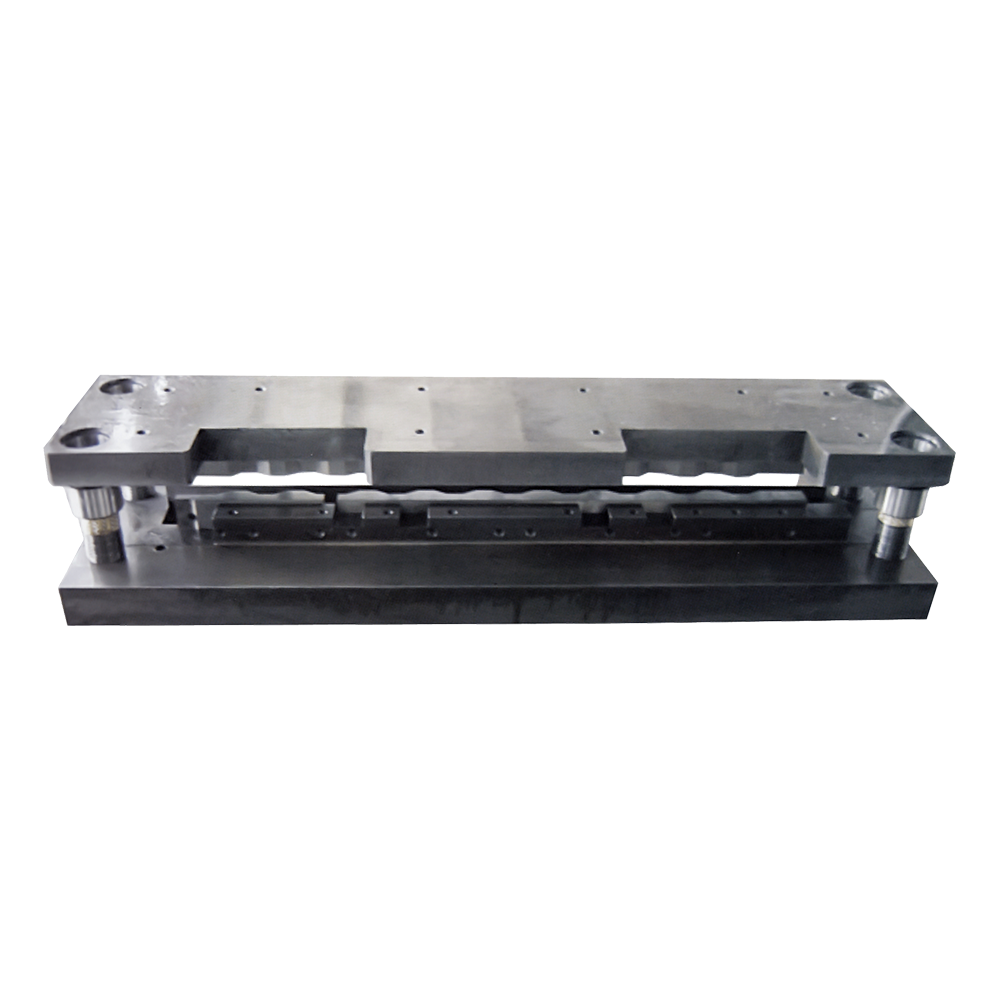
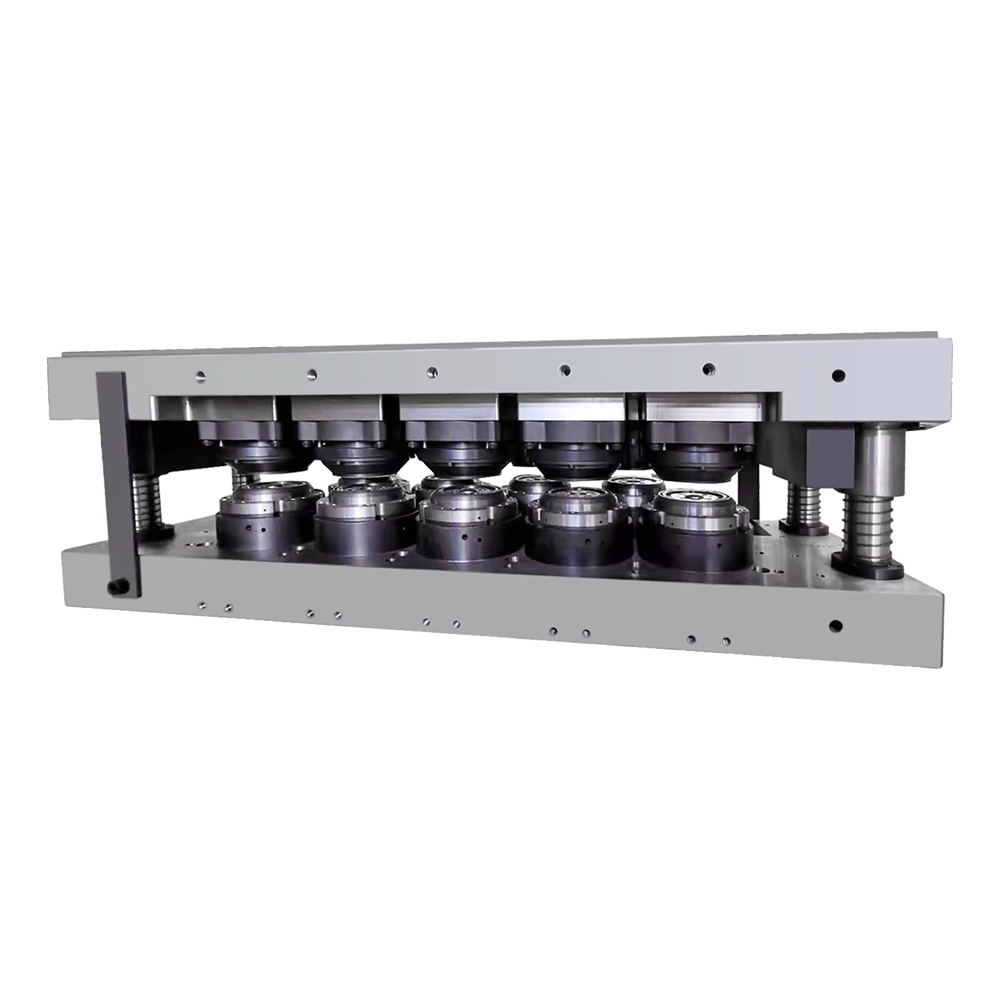
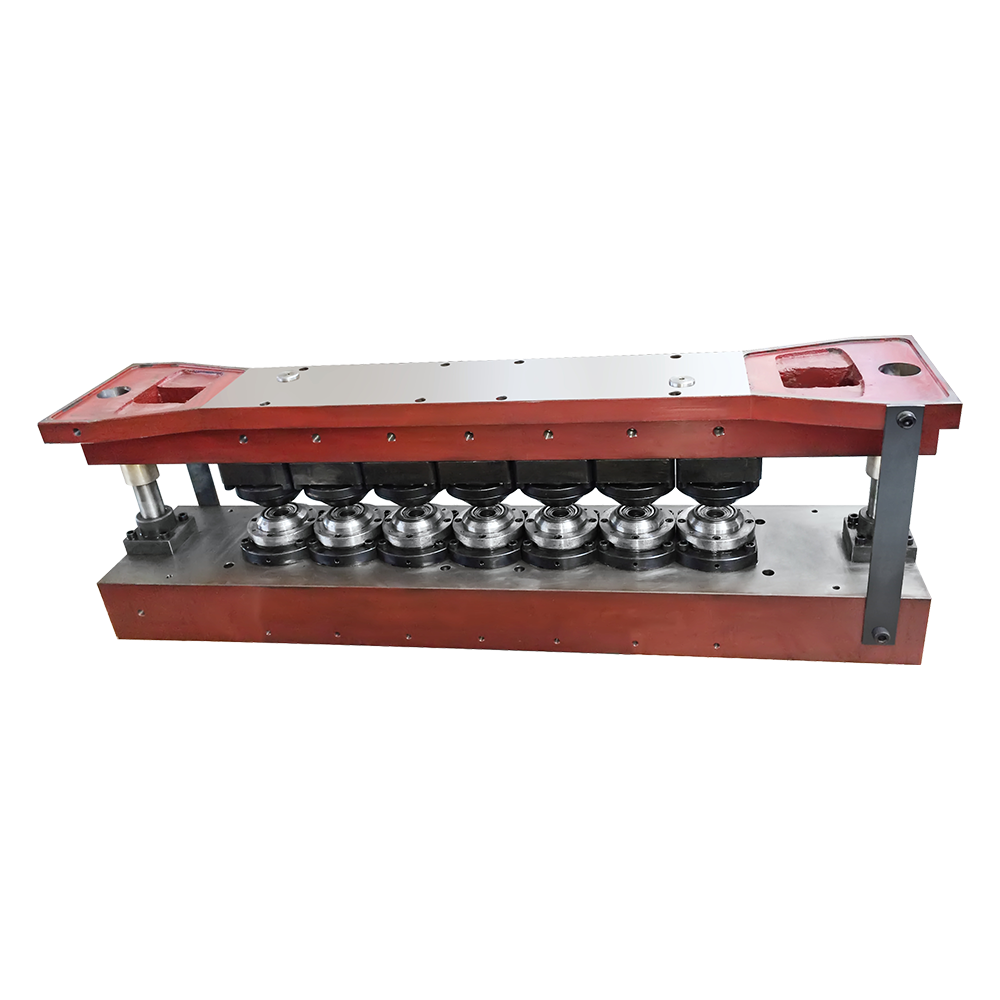
The tin can lid end making machine operates at speeds ranging from 150 to 600 ends per minute, depending on the model and end diameter. The core technology involves a series of precision dies mounted on a press frame, with progressive forming stations that shape the metal through drawing, redrawing, and curling operations. The result is a consistently formed end with the precise curl and sealant channel required for reliable can seaming.
Tin Can Lid End Making Machine: Technology Comparison
The following table compares the most common tin can lid end making machine configurations available in the market today.
| Parameter | Mechanical Press End Maker | Servo-Driven End Maker | High-Speed Rotary End Maker |
| Production Speed (ends/min) | 150-300 | 250-450 | 400-600 |
| End Diameter Range (mm) | 50-150 | 50-150 | 50-120 |
| Material Thickness (mm) | 0.15-0.28 | 0.15-0.28 | 0.18-0.28 |
| Power Consumption (kW) | 75-150 | 50-100 | 90-180 |
| Setup Time (hours) | 2-4 | 1-2 | 3-6 |
| Relative Cost | Moderate | High | Very High |
The Forming Process: From Coil to Finished End
The tin can lid end making machine performs a series of progressive forming operations that transform flat metal strip into a finished can end. The typical process sequence includes:
- Uncoiling and Feeding: The metal coil is loaded onto an uncoiler and fed into the tin can lid end making machine through a precision straightening and feeding system that ensures accurate material positioning.
- Blanking: The first operation cuts the circular blank from the strip using a blanking die. The remaining skeleton is sheared and removed for recycling.
- Drawing and Redrawing: The blank is drawn into a shallow cup shape through a series of drawing operations, progressively forming the end's characteristic profile.
- Curling: The edge of the drawn end is curled to create the seaming chuck that will engage with the can body double seam.
- Compound Lining: A controlled amount of sealing compound is applied to the curl to ensure a hermetic seal after seaming.
- Stacking and Counting: Finished ends are stacked and counted, ready for palletizing or direct feeding to the filling line.
High-Speed Production
Modern tin can lid end making machines achieve speeds of 400-600 ends per minute, with servo-driven models offering precise speed control and minimal scrap generation.
Precision Tooling
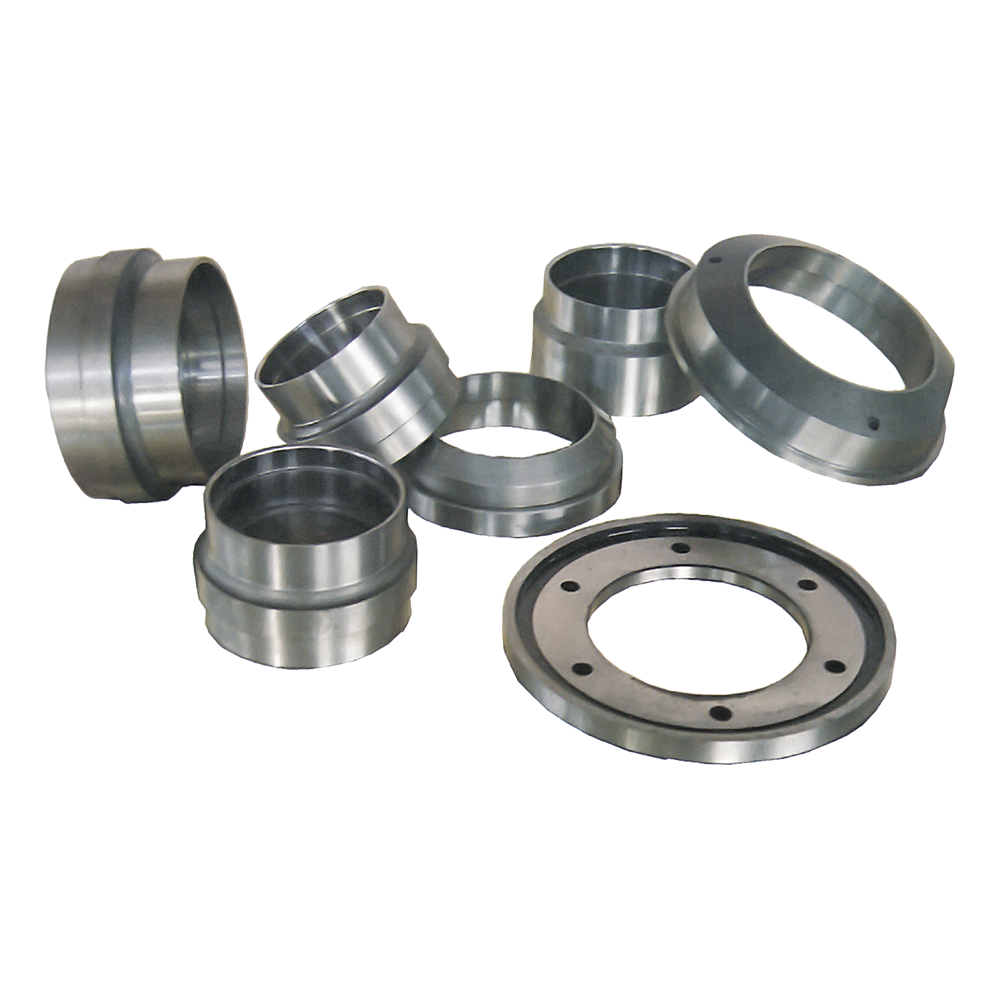
Tooling for a tin can lid end making machine is manufactured to tolerances below 0.01mm, ensuring consistent end quality over millions of production cycles.
Material Efficiency
A well-optimized tin can lid end making machine achieves material utilization rates above 85%, significantly reducing the cost per end.
Key Performance Metrics for Tin Can Lid End Making Machines
When evaluating a tin can lid end making machine, the following performance metrics should be carefully assessed:
- Production Speed: The number of ends produced per minute is the primary measure of machine throughput. A faster tin can lid end making machine increases line capacity and reduces per-unit costs.
- Scrap Rate: The percentage of material that is trimmed away or rejected during production. Premium tin can lid end making machine designs achieve scrap rates below 15%.
- Tool Life: The number of ends produced before tooling requires regrinding or replacement. Tool life is typically expressed in millions of ends, with premium tooling lasting 5-10 million ends.
- Changeover Time: The time required to switch from one end diameter to another. Quick-change tooling systems can reduce changeover time to 30-60 minutes.
Material Compatibility and End Types
The tin can lid end making machine must be compatible with the specific materials and end types required by the application.
- Tinplate (Tin-Coated Steel): The traditional material for can ends. Tinplate provides excellent corrosion resistance and is easy to form. Thickness typically ranges from 0.15mm to 0.28mm.
- TFS (Tin-Free Steel): A chromium-coated steel used in applications where tin is avoided for cost or regulatory reasons. TFS requires different lubrication and tooling conditions.
- Aluminum: Lightweight aluminum ends are used for beverage cans and certain food applications. Aluminum requires different tooling geometries due to its different forming characteristics.
- Standard Ends vs. Easy-Open Ends (EOE): Standard ends are fully removed by a can opener. Easy-open ends feature a pre-scored panel with a pull tab. A tin can lid end making machine can be configured to produce either type, with additional forming stations for the easy-open features.
Critical insight for production managers: The total cost of ownership for a tin can lid end making machine is determined by tooling consumption, energy costs, and maintenance requirements. A machine with a 30% higher initial cost may have a lower total operating cost over 10 years due to reduced energy consumption and tooling replacement frequency.
Automation and Industry 4.0 Integration
Modern tin can lid end making machine systems incorporate advanced automation and connectivity features that enhance efficiency and reduce operating costs.
- Servo-Driven Controls: Servo-driven tin can lid end making machine systems offer precise speed control, reduced energy consumption, and improved acceleration profiles.
- Predictive Maintenance: Vibration and temperature sensors monitor the tin can lid end making machine in real-time, enabling early detection of bearing wear or misalignment.
- Remote Diagnostics: A connected tin can lid end making machine can be diagnosed and even reprogrammed remotely, reducing downtime and service costs.
- Production Data Integration: Production data from the tin can lid end making machine can be integrated with MES and ERP systems, providing real-time visibility into line performance.
Quality Control and Inspection Systems
Quality control is essential in tin can lid end making machine operations, with automated inspection systems ensuring that every end meets specifications.
- Inline Vision Systems: Cameras inspect each end for surface defects, dimensional variations, and curl integrity. A vision system on a tin can lid end making machine can reject defective ends at speeds up to 600 per minute.
- Thickness Measurement: Laser sensors verify the material thickness at the edge of the end, ensuring consistent curl formation.
- Leak Testing: Some integrated tin can lid end making machine systems include leak testing stations that verify the hermetic seal integrity.
Maintenance and Tooling Management
Effective maintenance and tooling management are essential for maximizing the performance of a tin can lid end making machine.
- Lubrication Systems: Automated lubrication systems ensure that all critical bearings and sliding surfaces receive the correct amount of lubricant, extending service life.
- Tooling Regrinding Schedule: A systematic regrinding schedule maintains tool quality and ensures consistent end quality. Tooling for a tin can lid end making machine should be reground every 1-2 million ends.
- Spare Parts Management: Maintaining a comprehensive inventory of spare parts minimizes downtime when a tin can lid end making machine requires repair.
Cost-Benefit Analysis of Tin Can Lid End Making Machines
The economic case for investing in a tin can lid end making machine depends on production volume, material costs, and operational efficiency.
For a food can manufacturer producing 100 million ends annually:
- Initial Investment: A high-speed tin can lid end making machine costs $500,000-$1,200,000 depending on speed and features.
- Operating Cost: Annual operating costs (energy, tooling, maintenance) are typically $80,000-$150,000 for a mid-range machine.
- Revenue Impact: At 100 million ends per year and a net profit of $0.005 per end, the annual contribution is $500,000. A 10% increase in efficiency from a new machine adds $50,000 annually.
- Payback Period: With the added efficiency and reduced scrap from a modern tin can lid end making machine, the payback period is typically 18-36 months.
Emerging Trends in Tin Can Lid End Making Machine Technology
The tin can lid end making machine industry continues to evolve with new technologies that promise higher efficiency and quality.
- AI-Based Quality Control: Machine learning algorithms are being used to analyze inspection data and predict tooling wear before quality is affected.
- Energy-Efficient Designs: New tin can lid end making machine models use regenerative braking and optimized servo systems to reduce energy consumption by 20-30%.
- Sustainable Manufacturing: Recycled tinplate and aluminum are being used more widely, with tin can lid end making machine designs adapted to handle these materials effectively.