2026-01-29
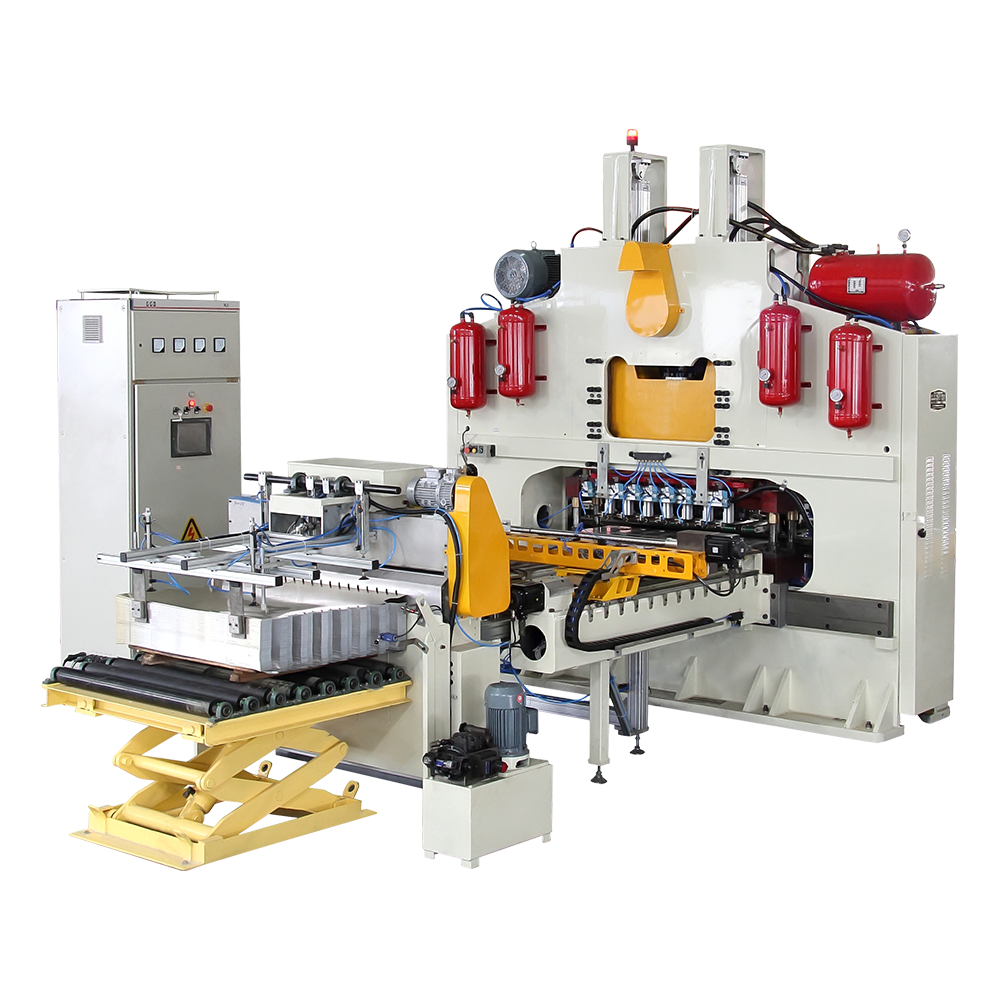
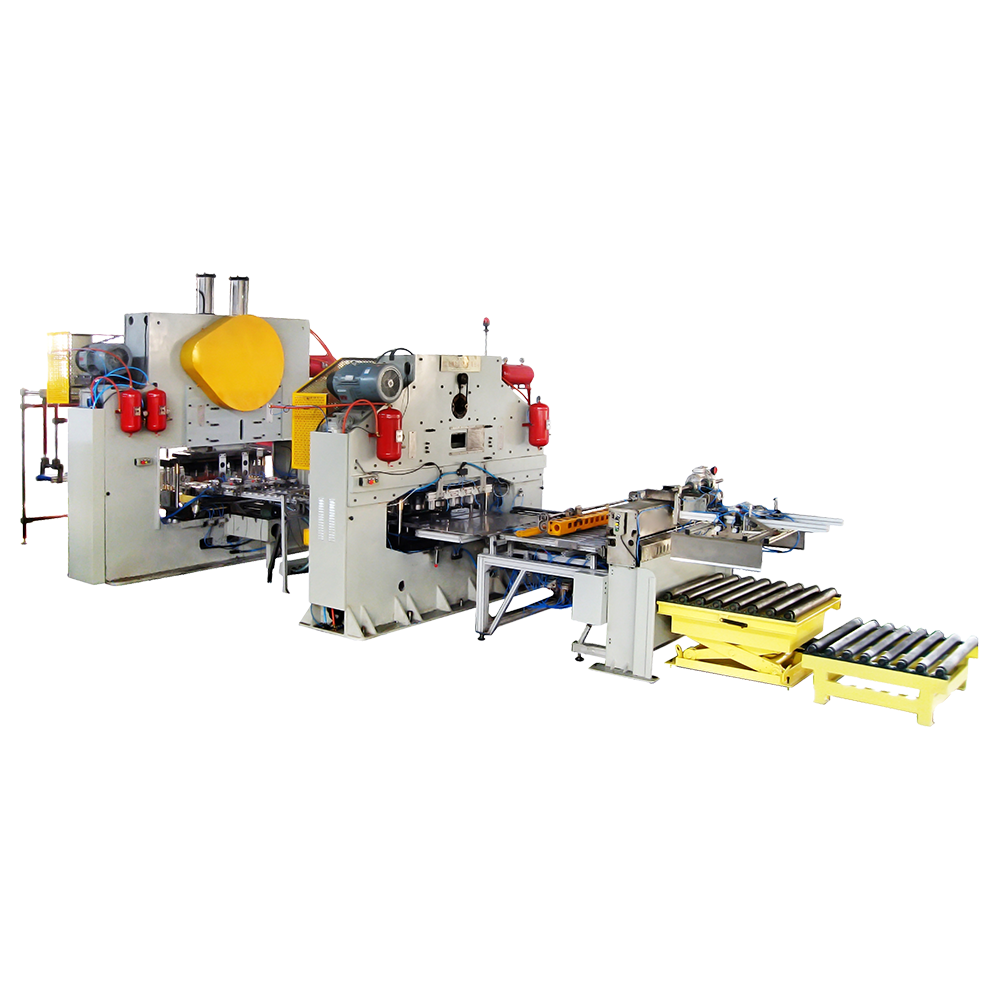
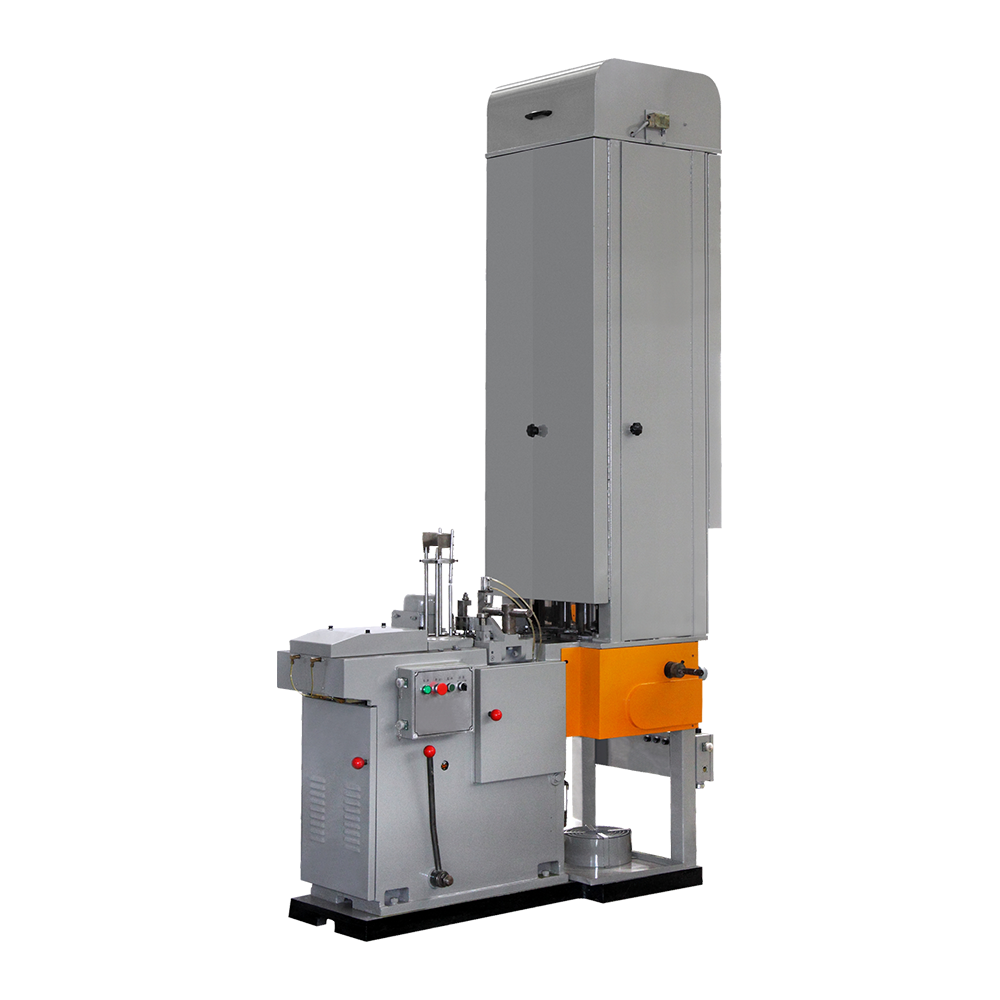
An easy open end lids making machine is designed to produce metal lids with consistent geometry, functional score lines, and reliable opening performance. In real production environments, users often ask whether problems such as material breakage, edge burrs, or missing engravings can occur. These issues are not uncommon in metal forming equipment and usually relate to machine setup, tooling condition, raw material properties, and process control rather than a single isolated cause. Understanding how and why these defects appear helps manufacturers and operators manage quality more effectively.
Material breakage refers to cracking or tearing of the metal sheet during stamping, forming, or scoring. In EOE lids making machines, breakage typically occurs at high-stress areas such as the score line, rivet area, or curl edge. This phenomenon is closely related to the balance between material thickness, hardness, and forming force. If the metal is too hard or lacks sufficient ductility, it may not withstand the deformation required during lid forming. Excessive forming pressure or improper die clearance can further increase localized stress, leading to breakage.
The quality and consistency of aluminum or tinplate coils play a major role in breakage risk. Variations in alloy composition, rolling direction, or heat treatment can cause uneven mechanical properties across the sheet. When such material passes through an EOE lids making machine, certain areas may deform normally while others fracture. This is why stable raw material sourcing and incoming inspection are essential parts of breakage control, even when the machine itself operates within normal parameters.
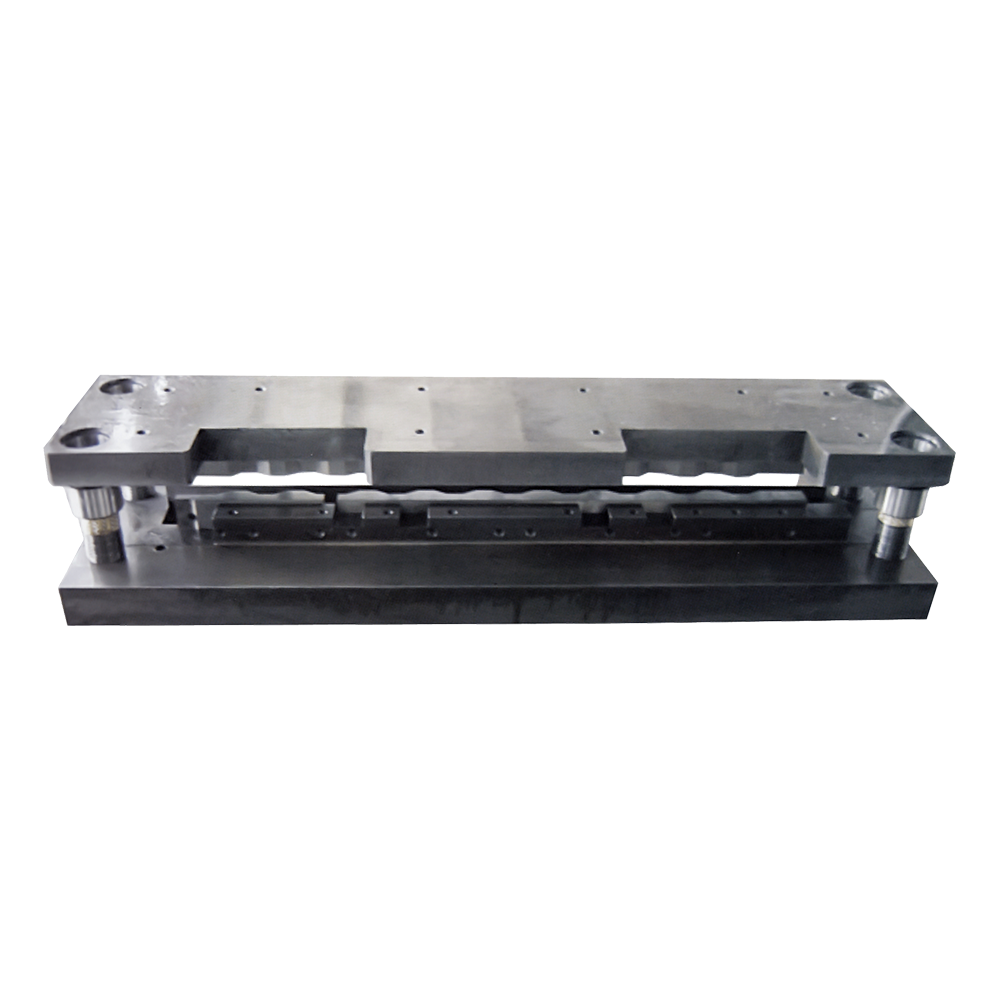
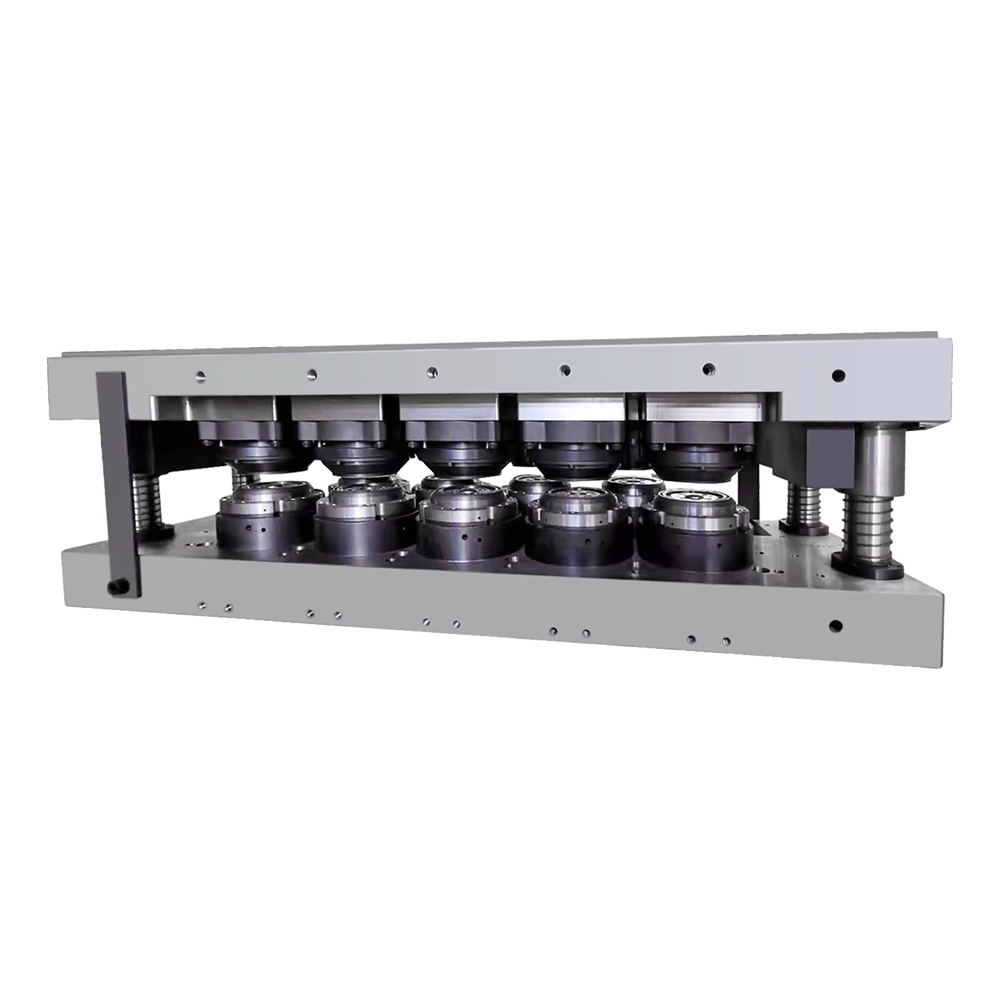
Tooling condition directly affects stress distribution during forming. Worn punches, dies, or scoring knives may no longer apply force evenly, creating stress concentration points. Over time, even small deviations in tool geometry can increase the likelihood of cracking. Regular inspection and timely regrinding or replacement of tooling help maintain a controlled deformation path and reduce the chance of material breakage during continuous operation.
Burrs are small, unwanted metal projections that appear along cut or trimmed edges. In an EOE lids making machine, burrs often form during blanking, trimming, or curling processes. Although burrs may seem minor, they can affect sealing performance, user safety, and downstream lining or seaming operations. Burr formation usually indicates issues related to cutting clearance, blade sharpness, or alignment accuracy.
Proper clearance between cutting punch and die is essential for clean shearing of metal. If the clearance is too large, the material tends to tear rather than shear cleanly, leaving burrs on the edge. If the clearance is too small, excessive friction and tool wear can also result in irregular edges. In EOE lids making machines, maintaining appropriate clearance across all stations ensures stable edge quality over long production runs.
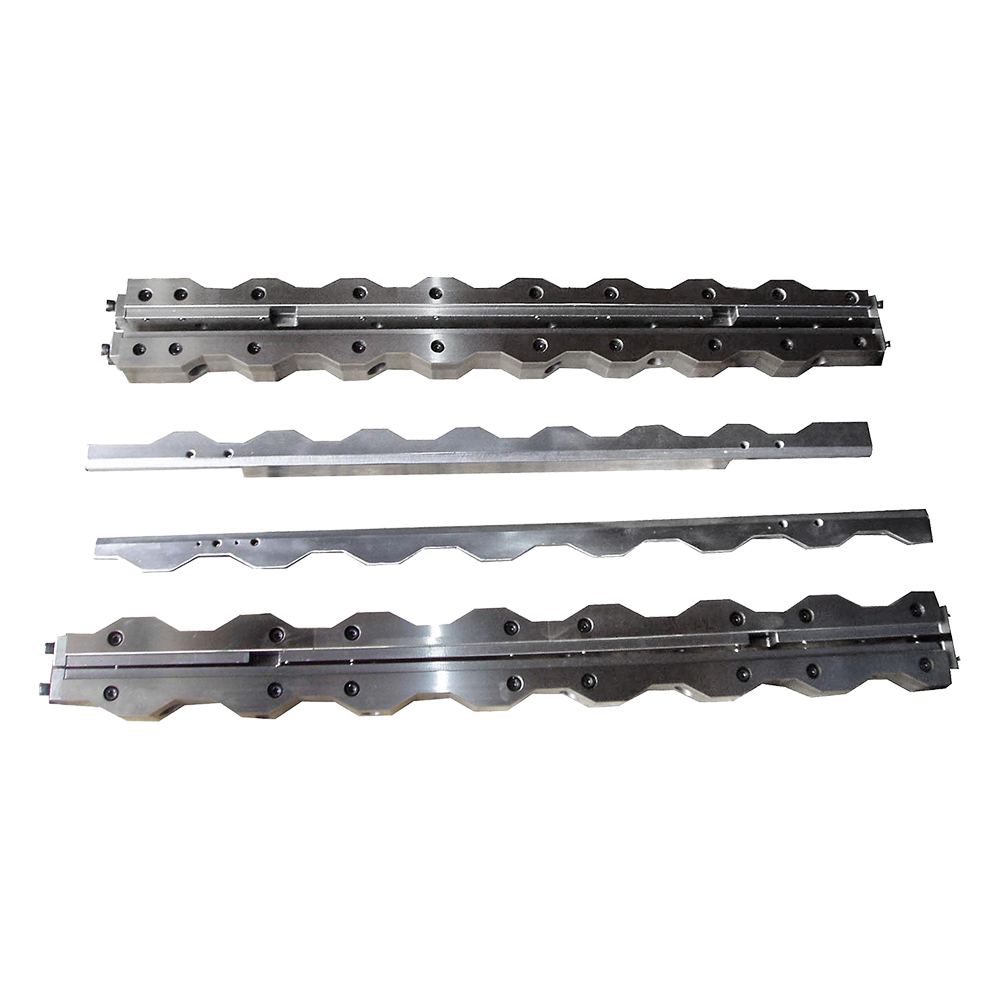
Tool sharpness is another critical factor influencing burr formation. As cutting tools dull over time, they require more force to penetrate the metal, increasing plastic deformation before separation. This deformation often results in thicker burrs. Regular sharpening schedules and tool life monitoring are common practices to control burr-related issues without interrupting production flow.
Engravings on EOE lids may include brand logos, opening instructions, or functional patterns that support consumer use. Missing or incomplete engravings can occur when the embossing or engraving station does not apply sufficient pressure or when alignment between the die and lid blank is inaccurate. Unlike breakage or burrs, engraving issues are often more related to precision control than material failure.
Engraving relies on controlled plastic deformation rather than cutting. If the applied pressure is too low, the engraved pattern may appear shallow or partially missing. Excessive pressure, on the other hand, may distort the lid surface or affect nearby functional areas. In an EOE lids making machine, stable pressure control and repeatable stroke settings are necessary to ensure consistent engraving depth across all lids.
Accurate alignment between engraving tools and lid blanks ensures that patterns are placed correctly and fully transferred. Misalignment can cause partial engravings or overlapping marks. This may result from mechanical wear, improper setup, or vibration during operation. Regular calibration and mechanical checks help maintain alignment accuracy and reduce engraving defects.
High-speed operation is a key advantage of modern EOE lids making machines, but excessive speed without corresponding process optimization can increase defect rates. Faster cycle times reduce the window for material flow and tool contact, which may lead to incomplete forming, burrs, or engraving inconsistencies. Balancing speed with process stability is essential to maintain quality while meeting output targets.
Lubrication affects friction between the metal sheet and tooling surfaces. Insufficient lubrication increases friction, leading to higher forming forces and a greater risk of cracking or burr formation. Excessive lubrication, however, may contaminate engraving areas or interfere with downstream coating processes. Controlled lubrication systems are commonly used to maintain a stable forming environment.
Machine rigidity influences how forces are transmitted during forming and cutting. Inadequate rigidity can cause deflection under load, resulting in uneven pressure distribution. This may manifest as localized burrs, inconsistent engraving depth, or even material breakage. A rigid frame and stable drive system support consistent tool interaction and reduce defect variability.
Even with advanced automation, operator setup plays an important role in defect prevention. Incorrect parameter settings, such as stroke length, pressure limits, or feed timing, can introduce quality issues. Training operators to understand how adjustments affect breakage, burrs, and engravings helps minimize human-related variability in production.
Modern EOE lids making machines often integrate inspection systems to monitor lid quality in real time. These systems can detect surface defects, missing engravings, or edge irregularities before large quantities of defective lids are produced. Early detection allows operators to adjust parameters or stop the machine before defects escalate.
The following table summarizes typical defects observed in EOE lids production and their common contributing factors.
| Defect Type | Main Contributing Factors | Typical Impact |
| Material Breakage | High material hardness, excessive forming force, worn tooling | Scrap increase, reduced lid integrity |
| Edge Burrs | Improper cutting clearance, dull tools, misalignment | Safety risks, sealing issues |
| Missing Engravings | Insufficient pressure, alignment deviation, speed mismatch | Brand inconsistency, functional marking loss |
Maintenance practices directly influence how often defects appear. Regular inspection of tooling, lubrication systems, and mechanical components helps maintain stable operating conditions. Deferred maintenance can allow minor issues to develop into persistent quality problems, increasing the likelihood of breakage, burrs, or engraving defects over time.
EOE lids come in various diameters, profiles, and material thicknesses. Each specification requires corresponding adjustments in tooling and process parameters. If an EOE lids making machine is not properly adapted to a specific lid design, defect risks increase. Proper changeover procedures and validation runs help ensure that new specifications are produced within acceptable quality limits.
The scoring process is critical for easy opening performance, but it also introduces a controlled weak point in the lid. If scoring depth is not properly controlled, it can contribute to breakage during forming or handling. Consistent scoring is achieved through precise tool control and stable material properties, balancing opening functionality with structural stability.
Over extended production periods, gradual changes in tooling condition, machine alignment, and lubrication effectiveness can affect defect rates. Monitoring trends rather than isolated incidents helps identify underlying causes. Stable long-term operation relies on systematic process control rather than reactive adjustments after defects appear.
EOE lids making machines are capable of producing large volumes of lids with consistent quality when properly configured and maintained. Problems such as breakage, burrs, or missing engravings are usually manageable and linked to identifiable process factors. By understanding the interaction between material, tooling, machine condition, and operating parameters, manufacturers can control these risks and maintain stable production performance.
Related Products

Founded in 1978, the company is one of the largest can-making machinery well-known companies at home and abroad.
Product Categories
Contact Information
Zhongshatou Shenjiamen Zhoushan Zhejiang China
+86-580-3056646

 English
 中文简体
中文简体
 русский
 عربى
عربى
 Español