2026-09-01
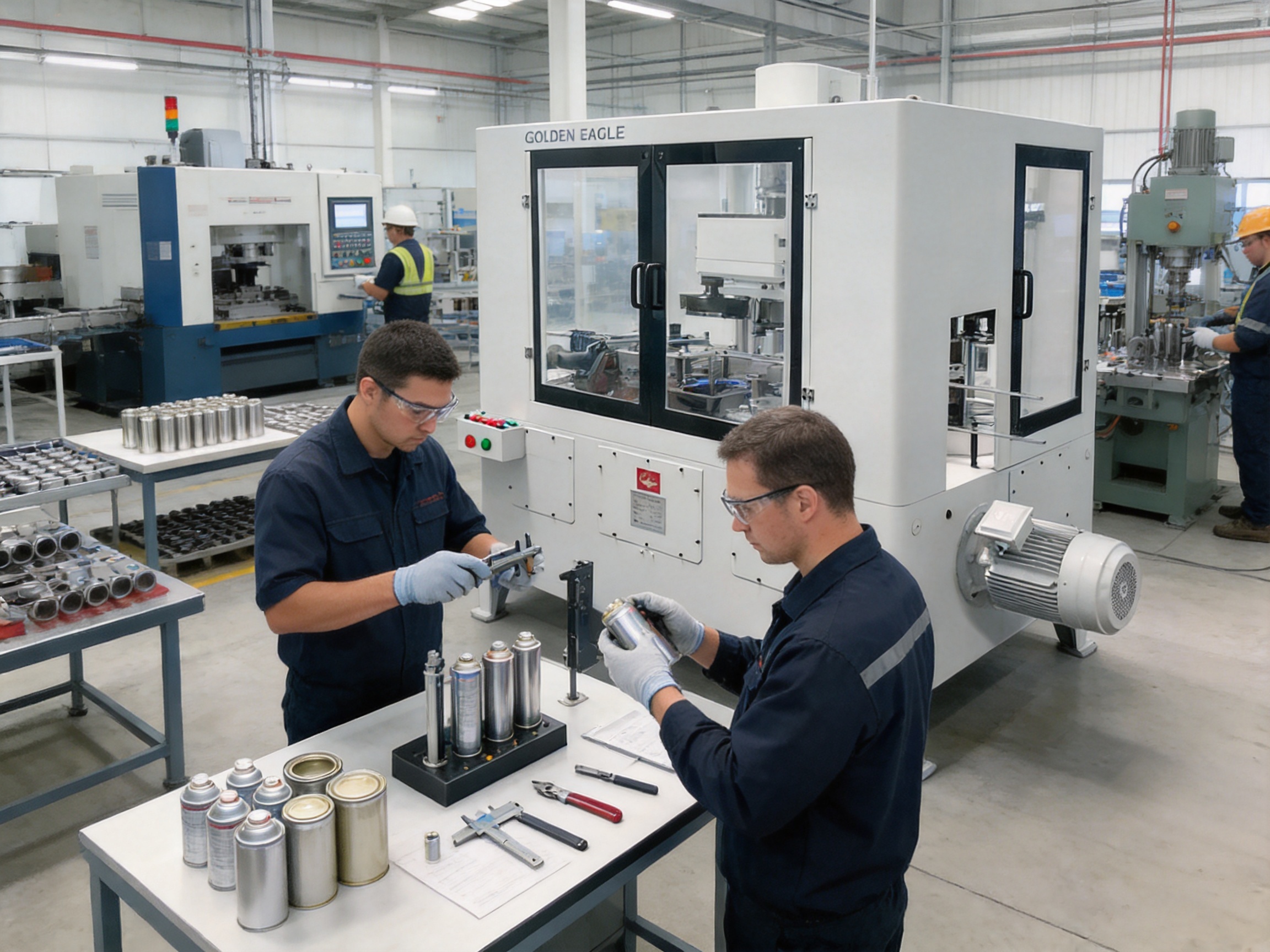
The chemical packaging industry requires equipment that can produce strong, dimensionally consistent, and reliably sealed metal containers at commercial speed. Chemical cans and aerosol containers must withstand transportation, storage, pressure variation, handling, and contact with demanding products. For this reason, a production line must do more than form a metal body. It must provide accurate flanging, dependable seaming, stable feeding, repeatable positioning, and consistent output across a wide range of diameters and heights.
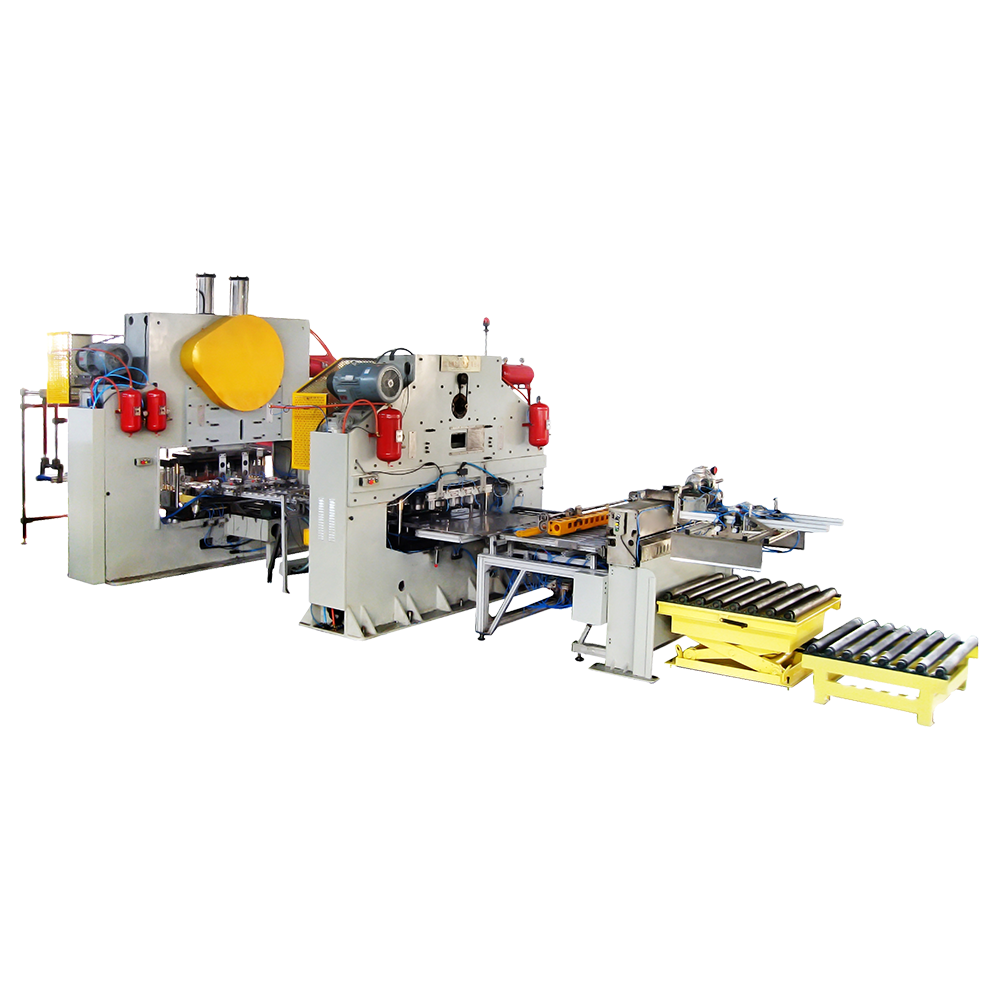
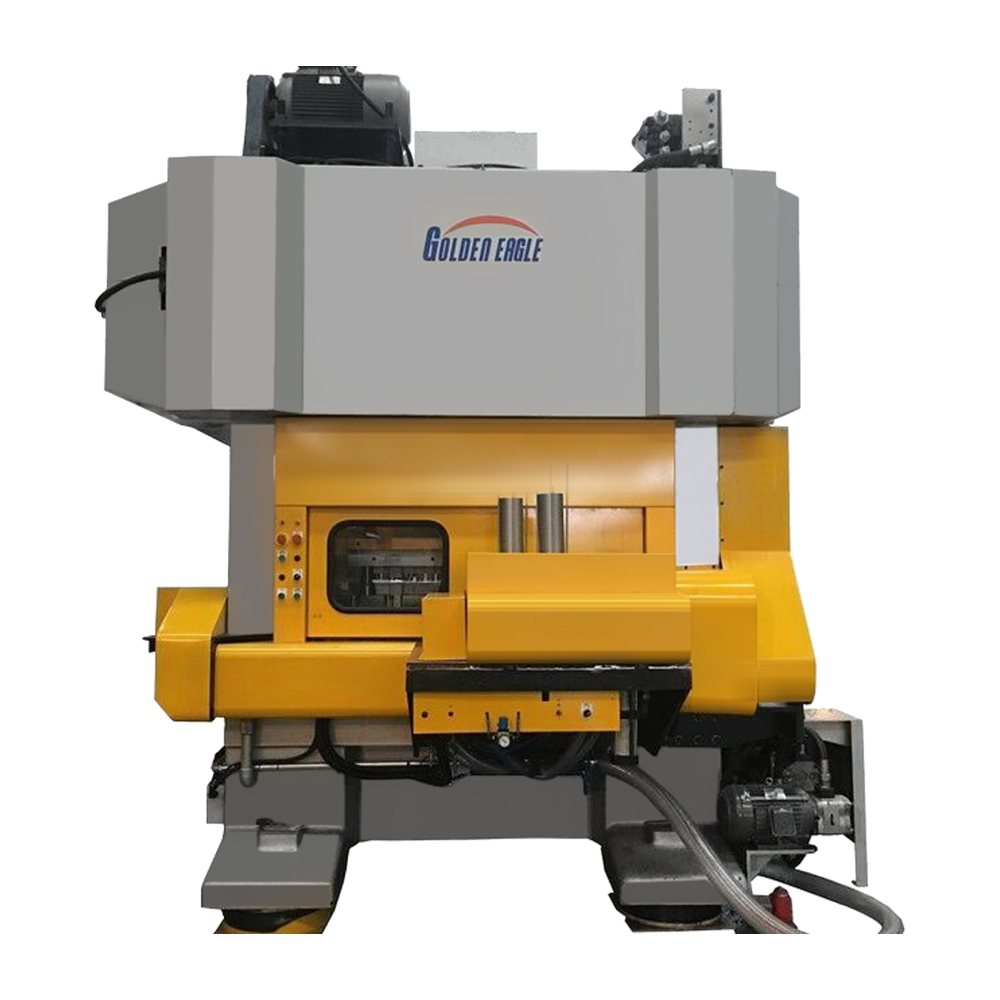
The automatic chemical can line described in this article is designed for both aerosol can and chemical can production. It combines automatic operating principles with specialized flanging and seaming equipment. Depending on the selected configuration, the line can process small and medium containers from approximately 52 mm to 190 mm in diameter, as well as larger chemical containers from approximately 250 mm to 275 mm in diameter. Its listed production capacity ranges from 20 to 50 cans per minute for large-diameter containers and from 80 to 150 cans per minute for smaller containers.
This equipment belongs to a broader range of tinplate can-making machinery, including food can production lines, beverage can equipment, can lid machinery, aerosol canister machinery, two-piece can machines, and chemical tank production systems. The chemical can line is particularly valuable for manufacturers that need flexible production, dependable seam quality, and equipment suitable for different container formats.
Chemical cans are used for packaging products such as coatings, solvents, lubricants, cleaning compounds, agricultural chemicals, industrial additives, and other liquid or semi-liquid materials. Aerosol cans are used for products including sprays, personal-care products, household chemicals, maintenance products, and industrial formulations. Although the final applications are different, both product groups require robust metal containers and reliable closure technology.
A chemical can production line must control the container dimensions carefully. The body diameter, container height, flange profile, lid alignment, and seam compression all affect the final quality of the package. If any of these elements vary excessively, the container may leak, deform during filling, or fail to connect correctly with a lid, valve, or other closure component.
The automatic line is intended to support production environments where stable throughput and reduced manual intervention are important. Its machinery can perform key finishing operations such as flanging, top seaming, and seaming. The equipment can be selected according to the product design. A manufacturer producing smaller aerosol-style containers may choose a six-head machine capable of 80 to 150 containers per minute. A manufacturer producing large chemical cans may select a dedicated machine capable of 20 to 50 containers per minute.
The system can therefore support more than one production strategy. It can be installed as part of a specialized chemical can line, or it can be integrated into a wider metal packaging plant that produces several container categories. This flexibility is useful for manufacturers serving multiple markets or adjusting their product range according to seasonal and customer demand.
The general operating principle is automatic. The listed small-container range covers can diameters of approximately 52 to 190 mm, while the large-container range covers approximately 250 to 275 mm. The listed height information includes ranges of approximately 80 to 320 mm for one group and 280 to 400 mm for another general configuration. The detailed machine table provides the specific operating range for each model and should be used when selecting equipment for a particular container design.
| Product Group | Approximate Can Diameter | Approximate Can Height | Typical Speed | Operating Principle |
|---|---|---|---|---|
| Small and medium chemical or aerosol cans | 52–190 mm | 80–320 mm, depending on configuration | 80–150 cans per minute | Automatic |
| Large chemical cans | 250–275 mm | 280–400 mm in the general range; individual models require confirmation | 20–50 cans per minute | Automatic |
These figures demonstrate that the line is not limited to one standard can format. Instead, the production solution is built around several machine configurations. The correct selection depends on the can diameter, height, lid structure, required operation sequence, and desired production output.
In practical production, the stated speed should be considered a rated range rather than a guarantee for every material and container design. Actual output can be influenced by tinplate thickness, body tolerances, product shape, operator setup, material feeding, lid quality, and the required seam specifications. A technical review before ordering helps ensure that the selected machine is matched to the customer’s actual container drawings.
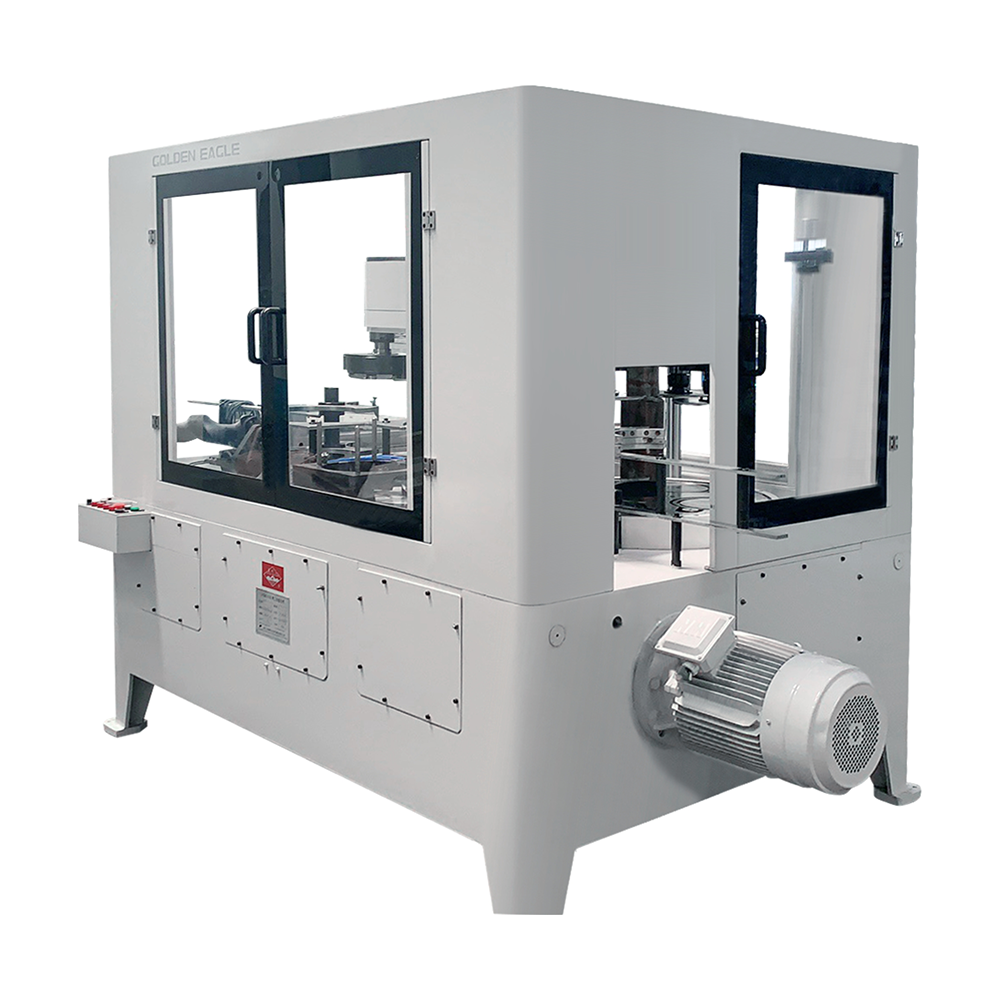
Chemical Can Line both for Aerosol can and Chemical can
The equipment range includes several models with different functions and working diameters. The machine configurations are intended to help manufacturers choose a solution based on the dimensions and closure requirements of the container.
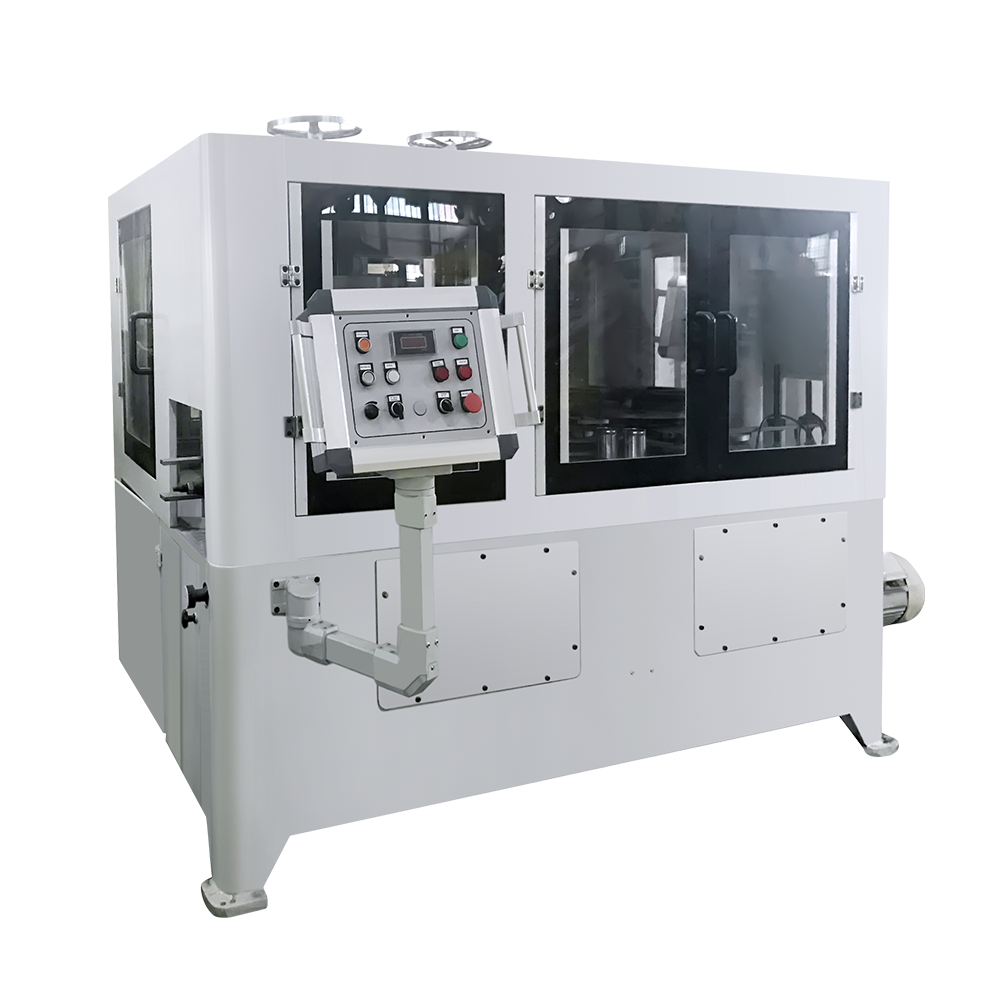
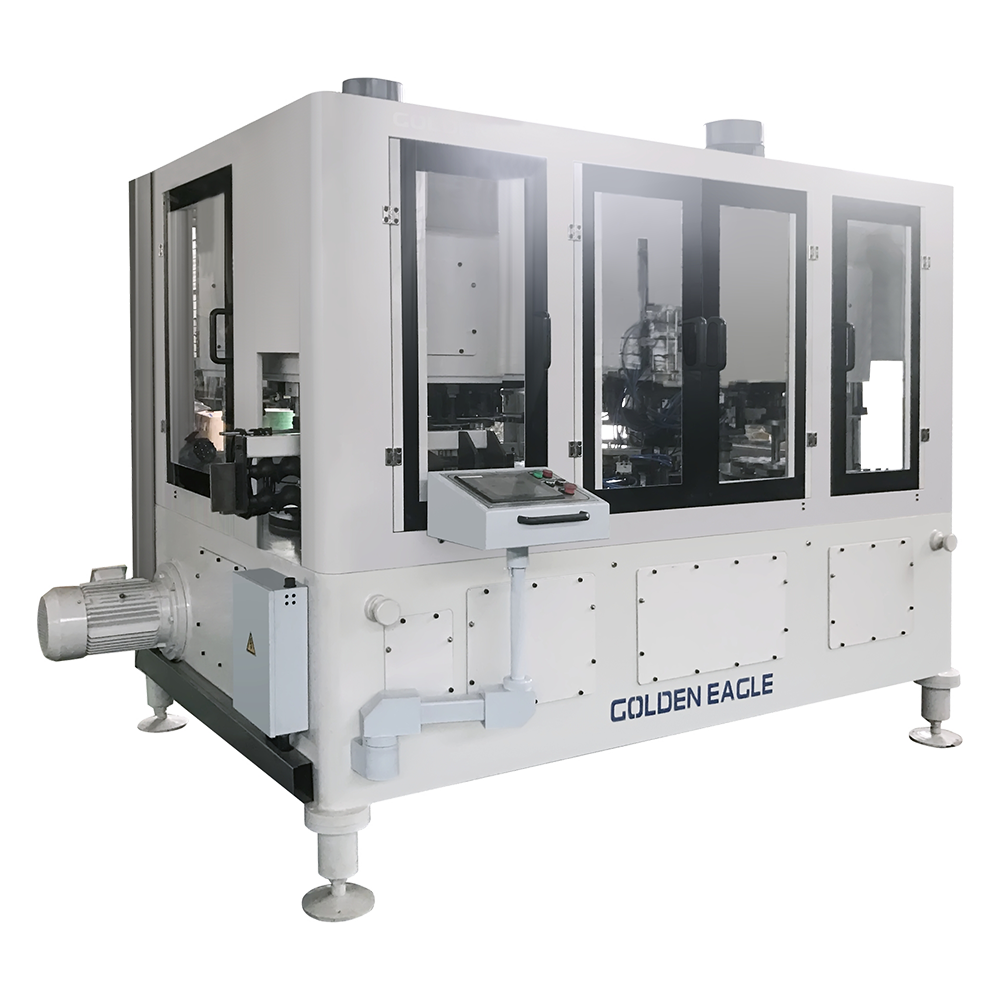
The GT3B51-S-C5 is a six-head configuration designed for flanging and top seaming. It is listed for can diameters from 52 to 99 mm and can heights from 80 to 220 mm. Its output capacity is approximately 80 to 150 cans per minute, with a listed power rating of 4 kW.
Flanging prepares the open end of the can body for closure by creating the required edge profile. Top seaming then joins the can body and lid through a controlled mechanical operation. This combination is appropriate for smaller container formats where high output and repeatable end finishing are important.
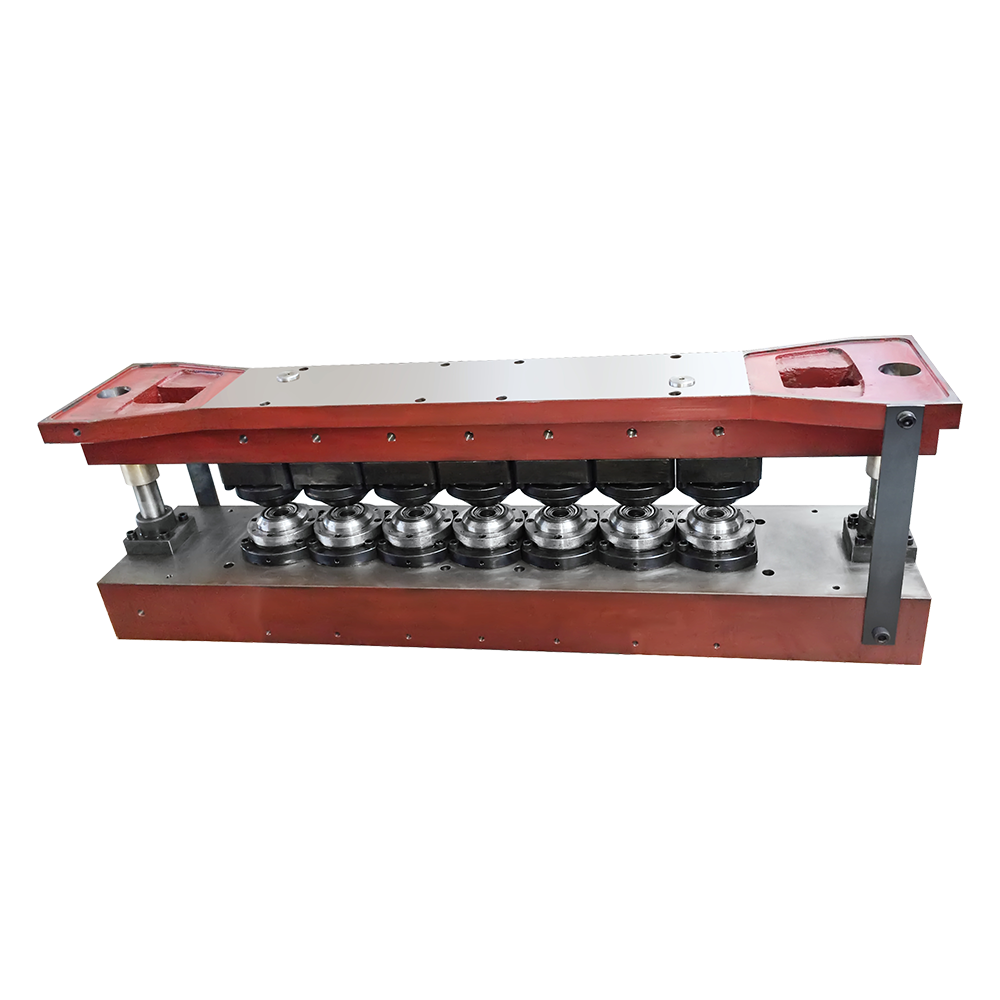
The six-head arrangement supports continuous production by distributing the work through multiple operating positions. When properly adjusted, this configuration can reduce interruptions and help maintain consistent processing across a large number of containers.
The GT3B53-FSS-C1A is a six-head machine with flanging, top seaming, and seaming functions. It is listed for diameters from 52 to 105 mm and heights from 60 to 160 mm. The output range is approximately 80 to 150 cans per minute, and the power rating is 7.5 kW.
Because this model includes several forming and closure functions, it can be suitable for production lines that require a more complete finishing sequence. The additional operation capability allows the line designer to coordinate more stages in one automated process. This may help reduce transfer points and limit the need for manual handling between machines.
The model can be considered for aerosol and small chemical containers where the opening design, lid structure, and body dimensions require carefully coordinated operations. Final suitability depends on the customer’s drawings and closure specifications.
The GT3B53-FSS-C1B has the same general operating category as the GT3B53-FSS-C1A but is identified as a high-lid configuration. It includes flanging, top seaming, and seaming functions. The listed working range is 52 to 105 mm in diameter and 60 to 160 mm in height, with an output of approximately 80 to 150 cans per minute and a rated power of 7.5 kW.
The high-lid design is important when the container closure has a raised or specialized lid profile. Closure geometry can affect the way a container enters the working position and the way the seaming tools engage with the lid. A dedicated high-lid configuration can therefore provide a more suitable production arrangement than attempting to adapt a standard machine without considering the lid structure.
The GT3B53-FSS-C is designed for larger small-to-medium container diameters. It performs flanging, top seaming, and seaming for containers from 99 to 190 mm in diameter and 60 to 160 mm in height. Its listed capacity is approximately 80 to 150 cans per minute, with a 7.5 kW power rating.
This configuration extends the range beyond the smaller 52 to 105 mm models. It can be useful for larger chemical cans, industrial packaging, and aerosol-related containers that require a wider body while still benefiting from a relatively high production speed.
The GT3B51-S-CB is intended for large-diameter cans. It performs seaming and is listed for diameters from 250 to 270 mm and heights from 60 to 160 mm. Its output is approximately 20 to 50 cans per minute, with a power rating of 5.5 kW.
Large containers generally require a different operating rhythm from small cans. Their greater diameter, mass, and lid area can require slower handling and carefully controlled positioning. A production rate of 20 to 50 cans per minute provides a practical operating range for large chemical containers while maintaining attention to seam formation and mechanical stability.
The GT3B52-FS-CB performs flanging and seaming for cans with diameters from 250 to 275 mm and heights from 60 to 160 mm. The listed output capacity is approximately 20 to 50 cans per minute, and the power rating is 7.5 kW.
This model adds flanging to the seaming process. It can therefore be selected when the large container production sequence requires both edge preparation and final closure operations. The broader diameter range, extending up to 275 mm, makes it suitable for larger chemical packaging formats that fall outside the range of the smaller six-head machines.
Flanging is a critical operation in metal can production. It forms the edge of the can body into a controlled profile that can receive the lid or end. The quality of the flange influences how the lid is positioned and how the seam is formed. A flange that is too wide, too narrow, uneven, or damaged can create problems during the closing operation.
Seaming joins the body and end by mechanically folding and compressing the metal components. For chemical and aerosol containers, the seam must be consistent around the full circumference. A reliable seam helps protect the product from leakage, contamination, and environmental exposure. It also contributes to the structural strength of the package during transportation and storage.
Top seaming and final seaming may be arranged according to the container design. The appropriate process depends on whether the product is a conventional chemical can, an aerosol can, a high-lid container, or another specialized format. The machine models in this range provide different combinations of flanging, top seaming, and seaming so that the line can be matched to the required closure sequence.
Compared with equipment designed for only one operation, a multi-function configuration can offer a more coordinated workflow. It may reduce the number of separate transfers and simplify line planning. It can also help manufacturers avoid using unsuitable general-purpose machinery for containers with specialized lid structures.
However, good seam quality depends on more than the machine model. It also requires properly prepared tinplate, accurate body dimensions, suitable lid components, correct tooling, stable machine adjustment, and regular inspection. A professional production line should therefore be treated as a complete system rather than as an isolated seaming machine.
Automatic operation helps establish a repeatable production rhythm. When cans are manually positioned at every stage, speed and accuracy can vary with operator fatigue, work experience, and production conditions. An automated arrangement can reduce these variations by coordinating feeding, positioning, forming, and closure operations.
For high-volume aerosol and small chemical can production, the listed capacity of 80 to 150 cans per minute can support a substantial output level. For larger cans, the 20 to 50 cans per minute range provides a controlled rate appropriate to the greater container size.
Manual handling can expose containers to dents, scratches, contamination, or misalignment. It can also increase labor requirements and make it more difficult to maintain a uniform process. Automation reduces the number of manual interventions required between operations, allowing personnel to focus on setup, inspection, material supply, and maintenance.
Reduced handling is especially useful for chemical packaging because the final container must meet high standards of cleanliness and closure reliability. A smoother transfer process can help protect the can body and lid from unnecessary contact damage.
The range of available machines covers several diameter groups. Smaller models serve approximately 52 to 105 mm cans, an intermediate model serves approximately 99 to 190 mm cans, and large-can models cover approximately 250 to 275 mm cans. This provides a broader product scope than a line designed around one fixed container size.
Manufacturers can select one configuration for a focused product line or combine different machines for a wider range of customers. The choice may depend on current demand, planned capacity, container tooling, factory space, and future product development.
The high-lid configuration demonstrates that the product range considers more than body diameter. The lid profile and closure geometry are also important. Specialized machines can be chosen for products where a raised lid or particular end structure requires a different working arrangement.
This is a practical advantage over using a generic machine without confirming compatibility. A machine selected according to the actual lid design can help reduce adaptation work and improve the likelihood of stable operation.
The combination of automatic operation, multi-head structures, and integrated functions can improve factory productivity. A six-head machine can process multiple containers through a coordinated cycle, while multi-function models can perform more than one required operation within the production sequence.
Efficiency should not be judged only by the maximum rated speed. It also includes setup time, changeover requirements, maintenance access, rejection rates, seam consistency, and the ability to maintain production over extended shifts. Equipment that supports stable operation can provide greater practical value than equipment with a higher nominal speed but less reliable performance.
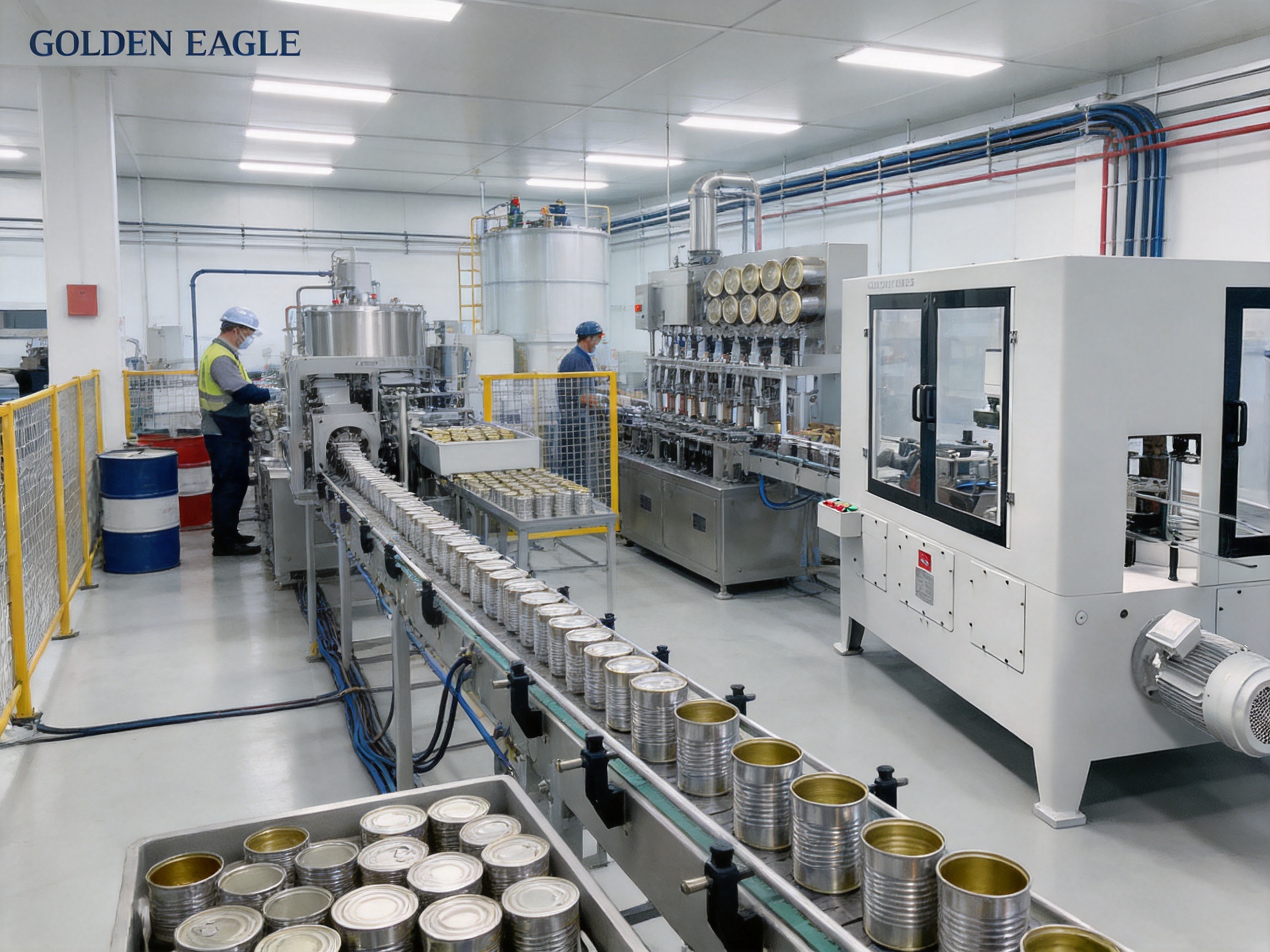
The manufacturer behind this equipment has a long history in can-making machinery and can-making molds. The business was established in 1978 and developed from an earlier food machinery and mold manufacturing background. Over more than four decades, it has focused on the design, manufacture, and improvement of metal packaging equipment.
The company has a workforce of more than 350 trained employees, including experienced design and development personnel. This combination of production staff and engineering specialists supports the development of machinery for different can types, diameters, closure structures, and production requirements.
Long-term specialization in can-making equipment is valuable because metal packaging machinery requires knowledge of both mechanical construction and container forming principles. A supplier with experience in can bodies, lids, flanging, seaming, and tooling can better understand the interaction between each stage of production.
The company reports that it has produced more than 10,000 pieces of can and can-lid equipment. This installed production history indicates experience with a wide variety of customer requirements and factory conditions. Equipment used by can manufacturers in different regions can also provide practical feedback for future design improvements.
The manufacturing process uses CNC high-precision machining equipment along with complete mechanical processing equipment. CNC machining is important for components that require controlled dimensions, repeatable profiles, and accurate relationships between working surfaces.
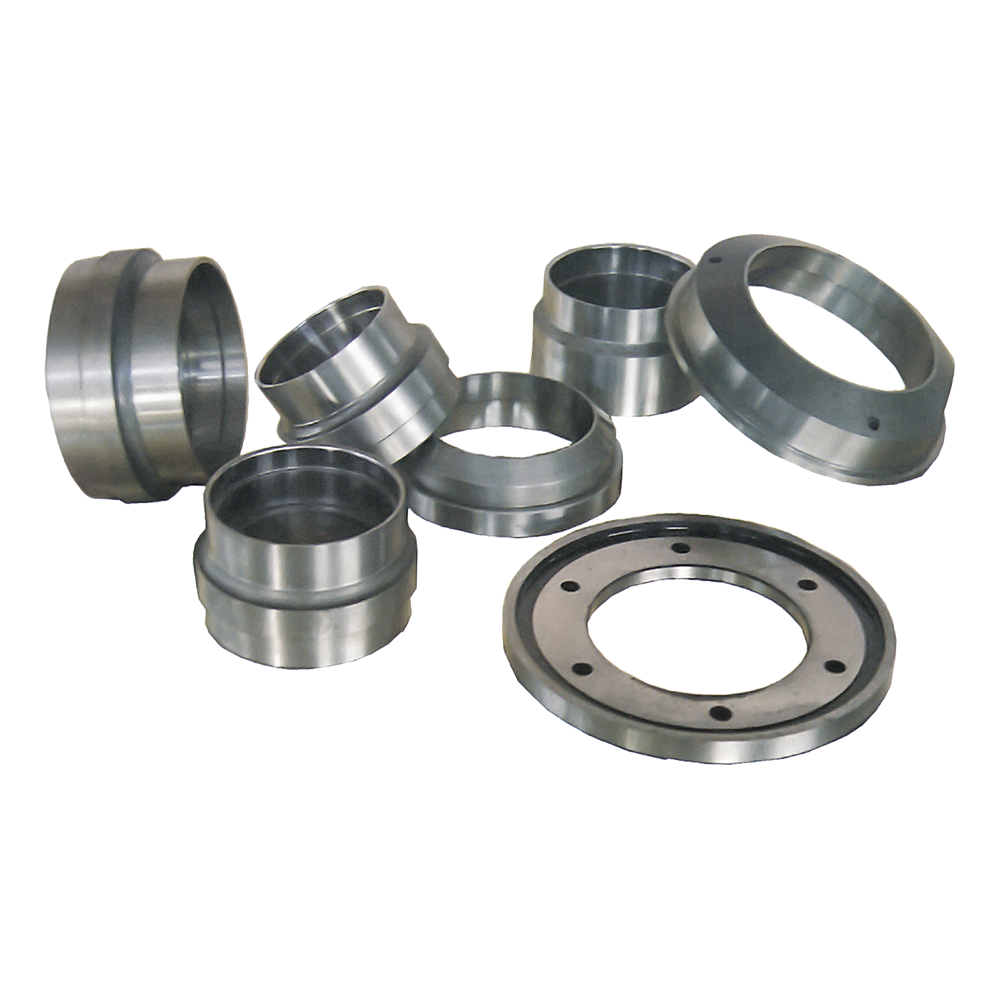
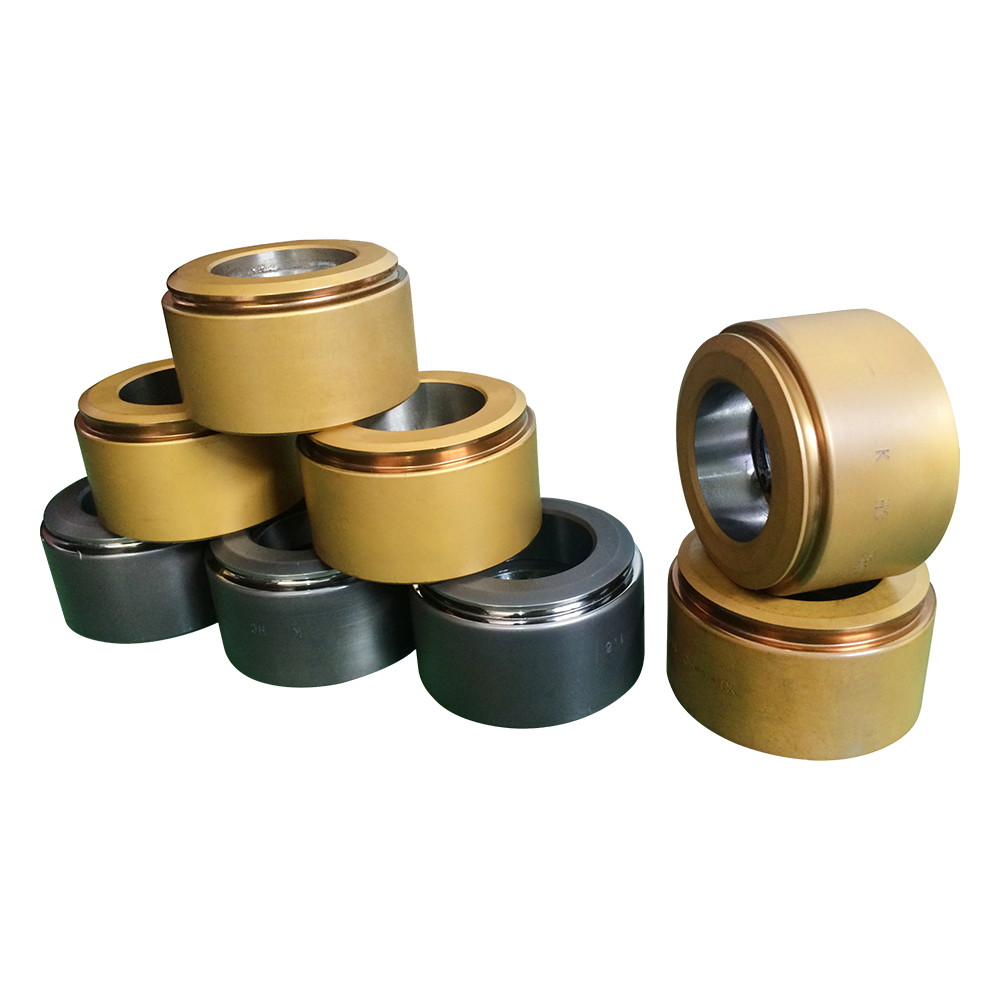
In a can-making machine, precision is relevant to tooling, guide components, rotating parts, forming elements, and seaming assemblies. Small dimensional errors can influence the position of the can body or lid and may affect the consistency of the final seam. High-precision machining helps establish a stronger foundation for repeatable assembly and operation.
CNC equipment also supports the production of replacement parts and customized components. When a customer requires a particular can diameter, lid structure, or tooling specification, accurate machining capability can help the manufacturer produce the necessary parts according to the approved design.
In addition to CNC machining, the manufacturer maintains a complete mechanical processing capability. This supports the preparation, finishing, and assembly of machine components. Greater control over mechanical processing can improve coordination between parts and reduce dependence on unrelated external processes.
Complete processing capability is also useful during product development. Engineers can test design changes, refine components, and improve production details based on manufacturing feedback. This connection between design and fabrication can contribute to practical equipment improvements.
The company states that its product design principles are similar to those associated with established European can-making equipment manufacturers, including KRUPP, SOUDRONIC, and ALFONS-HAAR. This does not mean that every machine is identical to equipment from those companies. Rather, it indicates that the engineering approach considers established principles used in professional can-making machinery.
During production practice, the company combines those design principles with its own manufacturing experience and customer feedback. The result is an approach that seeks to improve machine practicality, operating stability, and suitability for different production environments.
Can packaging requirements change as customers introduce new products, larger containers, different lids, improved coatings, or more demanding filling conditions. Continuous product improvement allows a machinery supplier to respond to these requirements instead of relying only on older standard designs.
Experience gained from actual production installations can help identify areas for improvement, such as material feeding, access for adjustment, tooling durability, machine synchronization, and maintenance procedures. These details can have a significant effect on the total cost and efficiency of a production line.
The company has been certified according to the ISO 9001 quality management system and the ISO 14001 environmental management system. ISO 9001 is associated with structured quality processes, documentation, continuous improvement, and customer-focused production control. ISO 14001 relates to environmental management practices and the organization of environmental responsibilities.
Certification does not replace technical inspection or acceptance testing, but it provides a management framework for consistent production. For buyers of industrial machinery, a structured quality system can support clearer procedures for design review, purchasing, manufacturing, inspection, assembly, and after-sales service.
Environmental management is also increasingly important in machinery manufacturing. Efficient production planning, responsible material handling, waste management, and attention to energy use can contribute to a more sustainable manufacturing operation. The can-making industry itself benefits from metal packaging because tinplate containers can be collected and recycled in suitable waste-management systems.
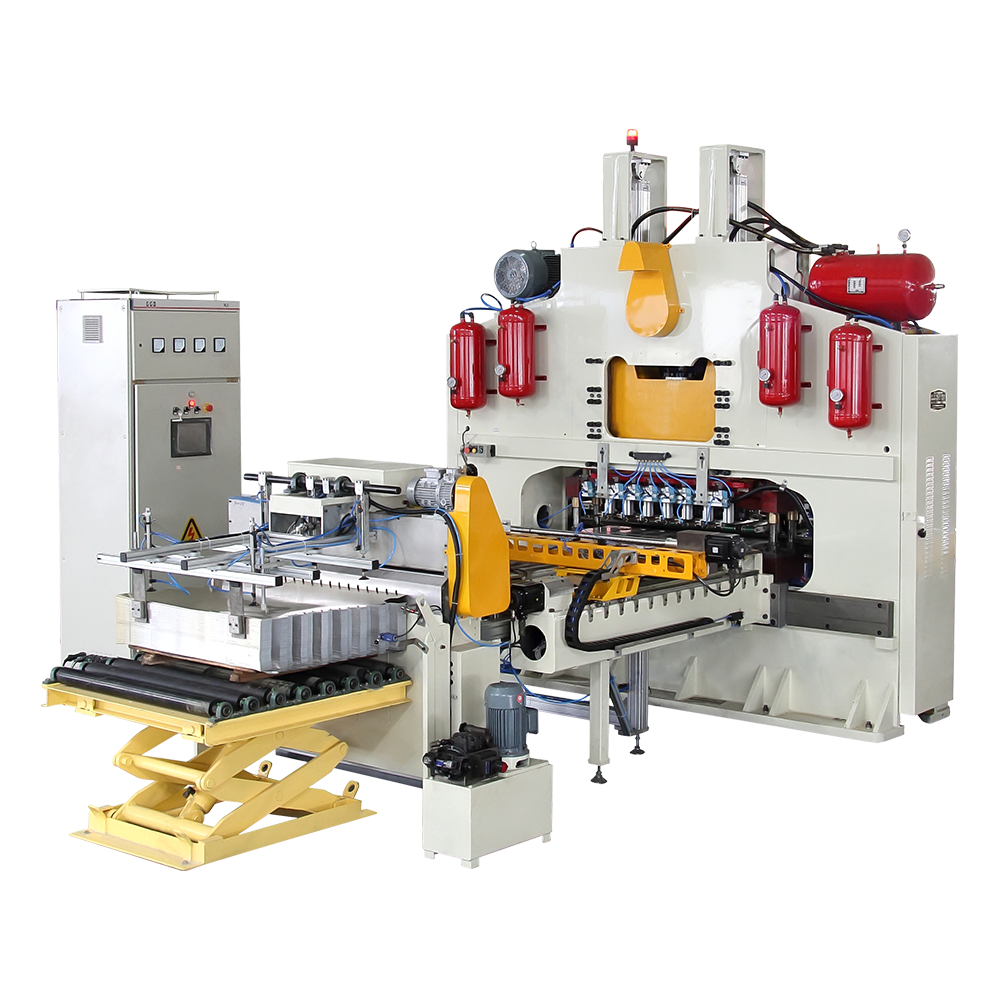
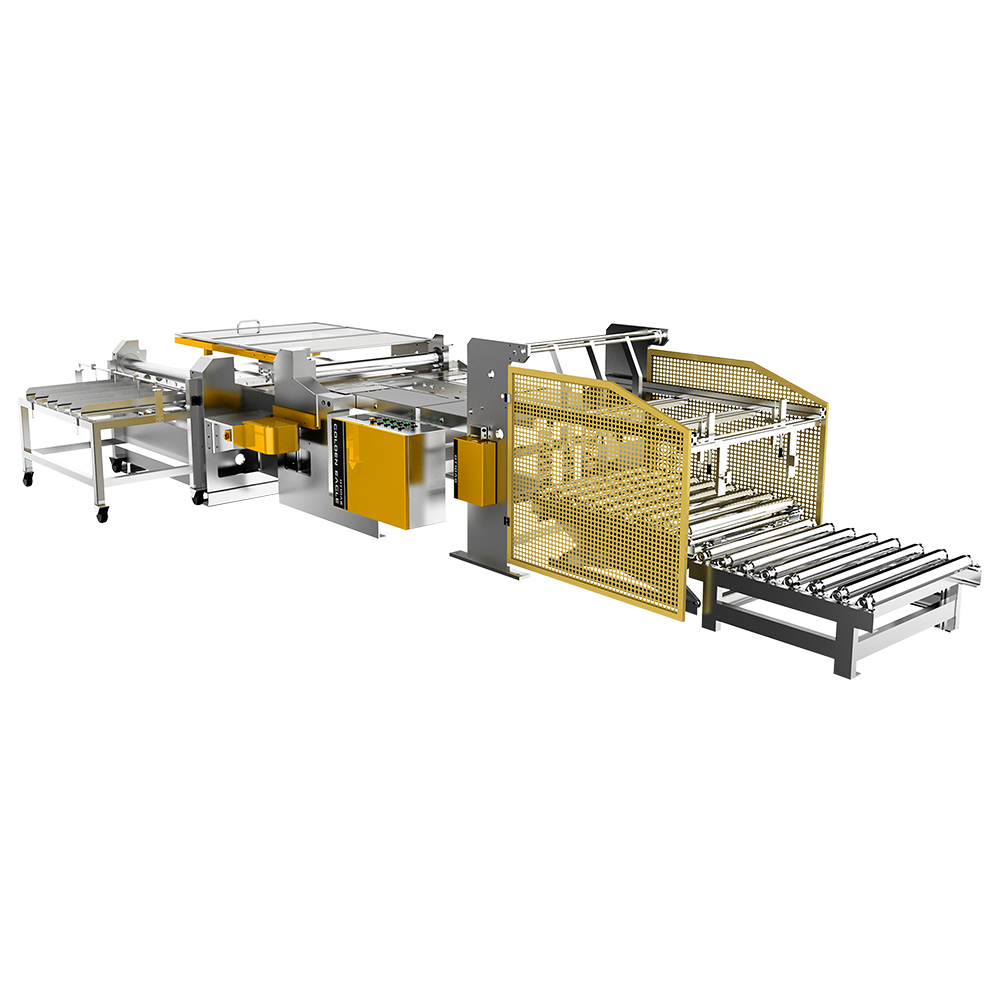
The chemical can line should be considered as one part of a complete production system. Depending on the container type, a typical line may include tinplate preparation, body forming, welding or joining, body handling, flange formation, lid feeding, seaming, inspection, and collection or palletizing.
The exact arrangement depends on whether the container is a three-piece chemical can, an aerosol container, a large chemical tank, or another design. Body-making equipment must be matched with the finishing machine. The can body must arrive at the flanging and seaming station with the correct diameter, height, roundness, and edge condition.
Material flow is another important consideration. Feeding systems should deliver bodies and lids at a stable rate without causing scratches, dents, or misalignment. Transfer mechanisms should be planned according to the can dimensions. Small containers may move at a much higher rate than large containers, so the conveyor and accumulation design must reflect the selected machine configuration.
Inspection can be positioned after key operations. Operators may check flange dimensions, seam appearance, lid position, container deformation, and overall cleanliness. Depending on the customer’s quality system, additional tests may include leak testing, seam section analysis, dimensional measurement, and pressure or vacuum testing where applicable.
A complete line design should also account for factory layout, power supply, compressed air if required, ventilation, operator access, maintenance space, raw-material storage, finished-product handling, and safety protection. Proper planning before installation helps the equipment achieve its intended output.
The first selection step is to confirm the actual can diameter. Containers from 52 to 99 mm may be suited to the GT3B51-S-C5, while containers from 52 to 105 mm may be considered for the GT3B53-FSS-C1A or GT3B53-FSS-C1B. Containers from 99 to 190 mm may require the GT3B53-FSS-C configuration. Large cans between 250 and 270 mm or 250 and 275 mm require one of the large-can configurations.
Because some ranges overlap, the final choice should not be made from diameter alone. The buyer should also review can height, lid type, operation sequence, material thickness, and desired capacity.
Can height affects body handling, machine adjustment, and the relationship between the container and the working tools. The detailed specifications list heights such as 60 to 160 mm, 80 to 220 mm, and other general production ranges. Buyers should submit the actual can drawings to verify compatibility rather than relying only on a general category description.
A buyer should identify whether the line needs flanging, top seaming, seaming, or a combination of these functions. The GT3B51-S-C5 performs flanging and top seaming. The GT3B53-FSS models combine flanging, top seaming, and seaming. The GT3B51-S-CB performs seaming for large cans, while the GT3B52-FS-CB combines flanging and seaming for large containers.
Clear definition of the operation sequence helps prevent unnecessary equipment investment and ensures that the selected machine is compatible with the rest of the line.
The listed capacity ranges are useful for preliminary planning. Small and medium machines are rated at approximately 80 to 150 cans per minute, while large-can machines are rated at approximately 20 to 50 cans per minute. The practical production target should consider planned working hours, changeovers, maintenance, material supply, inspection, and expected rejects.
A production line designed for continuous operation should include an appropriate buffer between stages. If one machine runs faster than the preceding operation, the line may require accumulation or synchronization. A balanced line generally produces better overall utilization than a group of machines selected only for their individual maximum speeds.
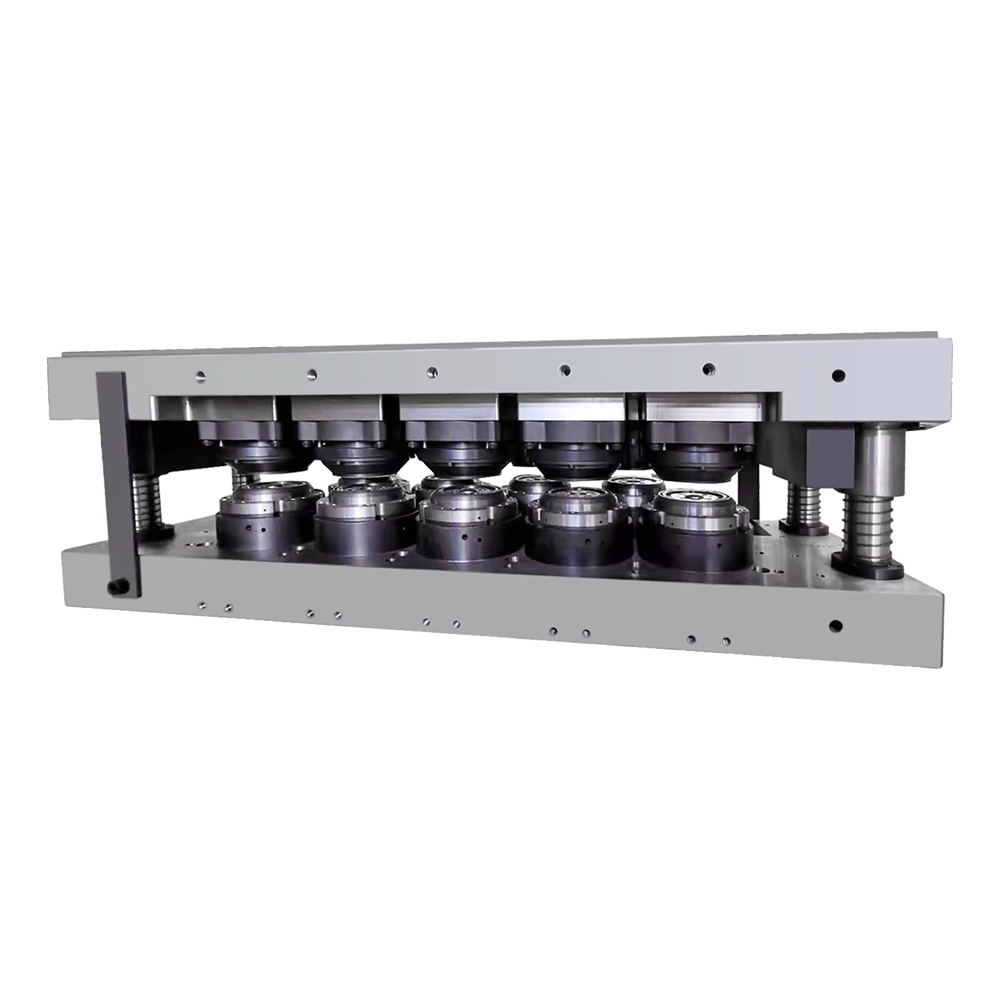
Tooling is closely related to can dimensions and lid design. Buyers should ask which components are included, which parts are considered standard, and which parts are customized for the customer’s container. Changeover time is also important for factories that produce several can sizes.
A flexible line may require additional tooling sets and documented adjustment procedures. Proper changeover planning can help reduce production interruptions and protect the machine from incorrect setup.
Industrial machinery requires ongoing maintenance. Buyers should review the availability of wearing parts, recommended spare parts, technical documentation, lubrication requirements, and service support. A supplier that provides installation, commissioning, technical guidance, and operator training can help the customer bring the line into production more efficiently.
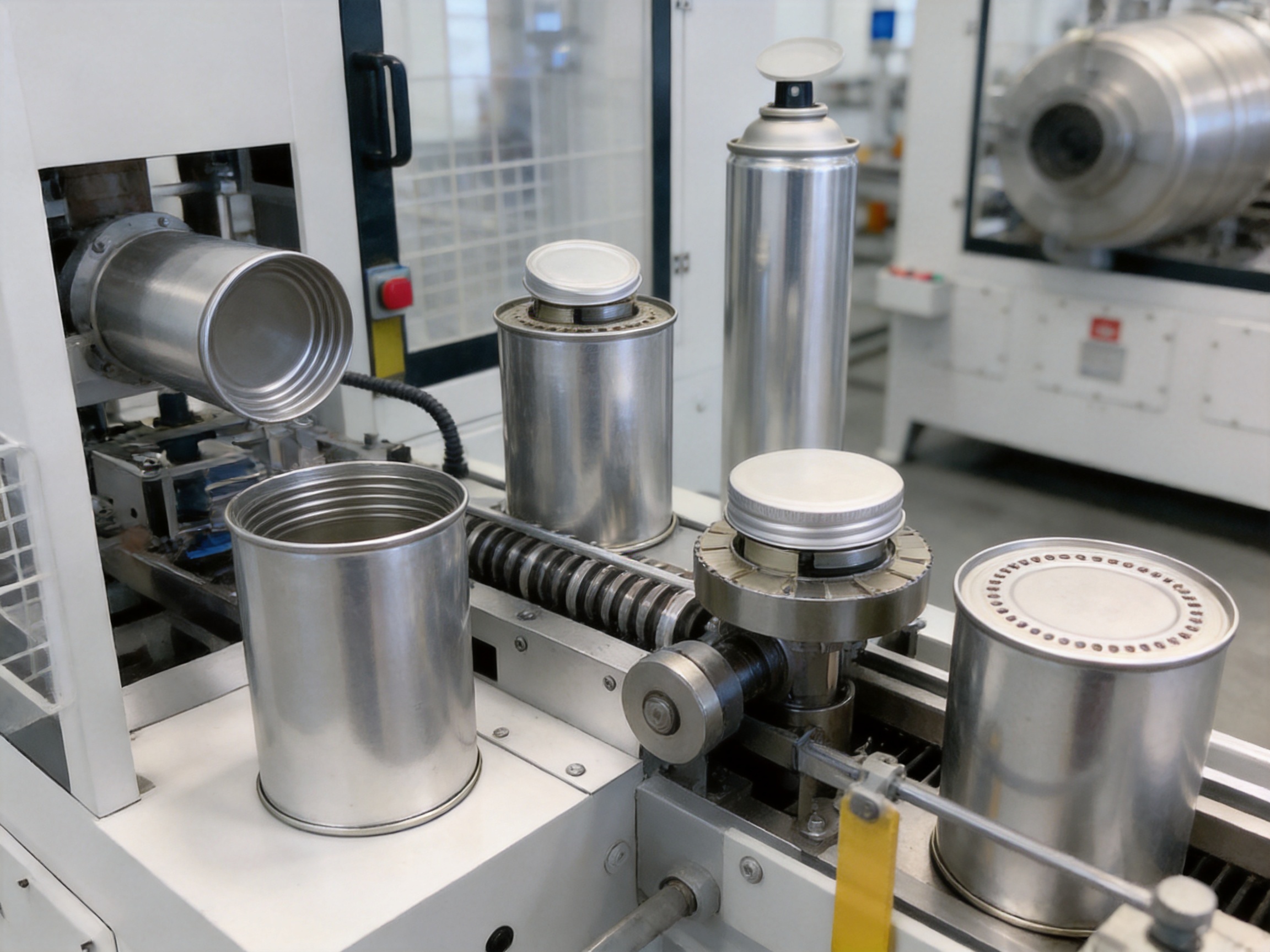
Installation is a key stage in the life of a can-making line. The machine must be placed on a suitable foundation or floor, connected to the required utilities, aligned with related equipment, and checked for safe operation. The factory layout should provide enough room for material loading, finished-can discharge, inspection, cleaning, and maintenance.
Commissioning normally includes mechanical inspection, electrical checks, adjustment of feeding and transfer systems, tooling installation, trial production, and performance verification. Test materials should represent the actual tinplate and can components that the customer intends to use. This makes it easier to identify issues related to material thickness, body tolerances, lid dimensions, or coating characteristics.
Operator training should cover normal startup and shutdown, safe machine operation, adjustment procedures, changeover, cleaning, lubrication, fault response, and basic quality inspection. Proper training helps prevent avoidable damage and allows operators to recognize early signs of misalignment or abnormal wear.
The manufacturer provides after-sales services that include installation, commissioning, technical guidance, operation training, and supply of parts. This support is important for customers purchasing a complete production line rather than a single standalone machine.
Regular maintenance helps preserve machine accuracy and production stability. Maintenance activities may include cleaning metal particles and coating residues, checking fasteners, inspecting forming and seaming tools, lubricating designated components, examining drive elements, and verifying the condition of guides and feeding mechanisms.
Seaming tools deserve particular attention because they directly influence closure quality. Wear, incorrect adjustment, or contamination can change the seam profile. Inspection should be performed according to the manufacturer’s recommended schedule and the customer’s internal quality standards.
Preventive maintenance is generally more effective than waiting for a breakdown. Planned replacement of wearing parts can reduce unexpected downtime and help maintain consistent output. Spare parts should be stored in suitable conditions and identified clearly so that the correct component is available when needed.
Operators should also record production conditions and recurring faults. Information about speed, material batch, tooling condition, adjustment values, and rejected containers can help maintenance personnel identify patterns. This type of production record supports continuous improvement and more efficient technical service.
Can-making equipment contains moving parts, rotating components, forming tools, and powered feeding systems. Guards, emergency stops, warning labels, and safe access procedures should be maintained at all times. Operators should never reach into a moving machine or bypass a protective device.
The chemical product itself may introduce additional risks during filling or downstream processing. The can-making area should remain separated from chemical filling operations when appropriate, and the plant should follow relevant rules for ventilation, fire protection, storage, and hazardous-material handling.
Aerosol containers may be associated with pressurized filling and flammable formulations. The can-making equipment must be integrated into the overall factory safety plan, with attention to electrical systems, static control, ventilation, and the distance between can production and filling activities.
Safety procedures should be documented and included in operator training. Regular inspections can verify that guards, emergency switches, electrical enclosures, and warning systems remain functional.
One advantage of a dedicated chemical and aerosol can solution is that it is developed around the dimensional and closure requirements of metal containers. A general-purpose machine may be able to perform one operation, but it may not provide the same level of compatibility for high lids, multiple diameters, or combined flanging and seaming sequences.
The available model range also provides an advantage in equipment matching. Instead of using one machine for every container, the manufacturer can select a configuration appropriate to the diameter and operating requirements. This may improve production stability and reduce the need for extensive modifications.
Multi-function machines can also simplify line organization. When flanging, top seaming, and seaming are coordinated in one configuration, the line may require fewer independent transfers. Fewer transfers can reduce accumulation points and lower the risk of manual alignment errors.
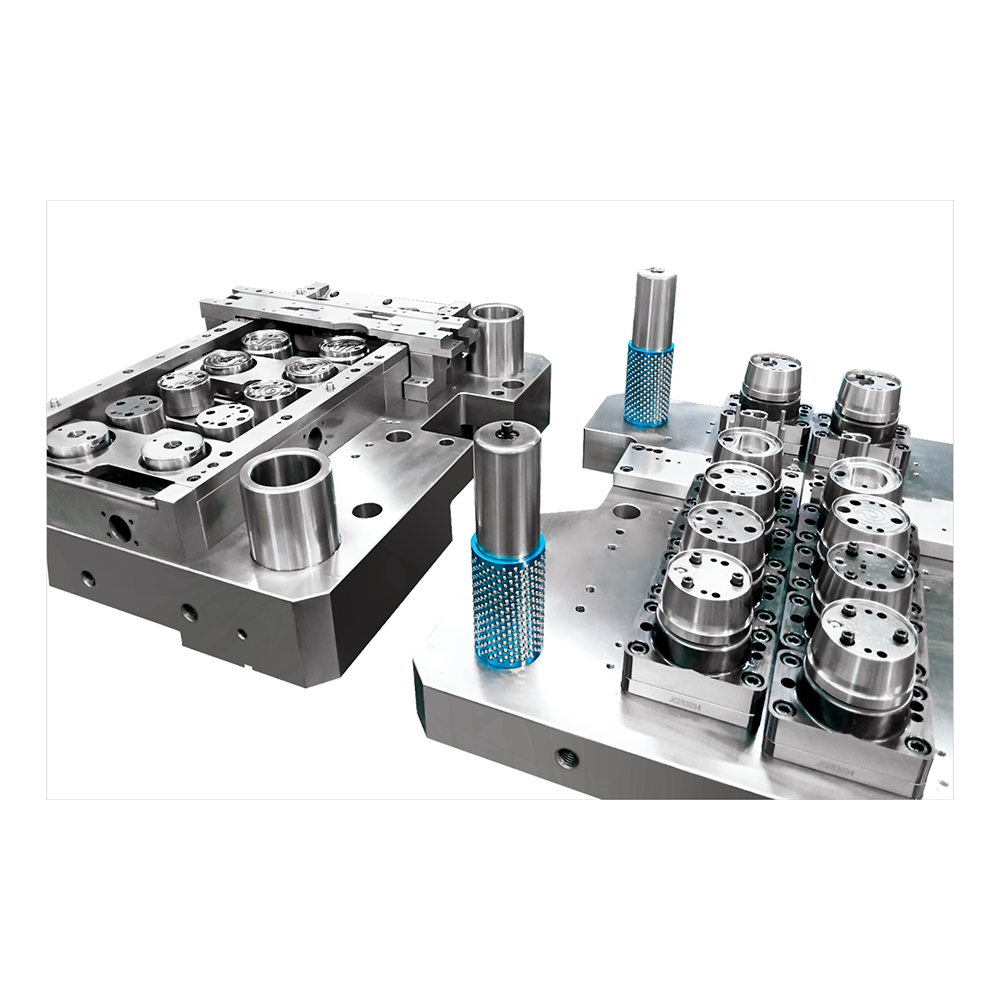
Another strength is the combination of machinery and mold-making experience. Container production depends on accurate tooling as well as on the machine frame and drive system. A supplier familiar with both areas can provide more coherent technical support than a supplier that focuses only on general mechanical equipment.
Competitor equipment may offer different advantages, such as specialized high-speed systems, alternative automation platforms, or customized electrical configurations. Buyers should compare complete technical proposals rather than relying on a single speed figure. Important comparison points include working range, seam quality, changeover, tooling, energy consumption, availability of parts, service response, installation support, and long-term operating cost.
The manufacturer’s equipment has been exported to customers in Europe, Asia, Africa, North America, South America, and Oceania. Reported markets include Germany, Italy, the United Kingdom, Spain, Hungary, Russia, Australia, Jordan, Malaysia, the Philippines, Pakistan, Egypt, Algeria, Turkey, Mexico, Nigeria, and Iran.
International experience can help a machinery supplier understand different factory layouts, electrical requirements, production standards, documentation expectations, and service conditions. It can also support communication with customers that require equipment for export-oriented packaging production.
For an international project, buyers should confirm the agreed electrical standard, language of documentation, spare-parts list, installation scope, acceptance criteria, packing method, shipping terms, and responsibility for local utilities. These details should be included in the technical and commercial agreement before manufacturing begins.
Finished chemical and aerosol cans should be inspected according to the product’s technical requirements. Visual inspection can identify dents, scratches, flange damage, lid misalignment, incomplete seams, and abnormal surface marks. Dimensional checks can verify diameter, height, flange width, and other critical measurements.
Seam inspection is especially important. Depending on the customer’s quality system, the seam may be checked through external measurement, section analysis, overlap evaluation, compression assessment, and leak testing. The required test method should be defined according to the container design and the product being packaged.
For chemical cans, leak resistance is often a critical requirement because the contents may damage equipment, create safety concerns, or reduce product quality if leakage occurs. For aerosol cans, the pressure-related requirements of the final package must be considered in coordination with the filling and testing process.
Inspection results should be recorded and linked to the production batch where practical. Data collection helps identify changes in machine adjustment, tooling wear, or material quality. It also provides evidence for internal quality control and customer documentation.
The economic value of a can-making line is determined by more than its purchase price. Output, uptime, material utilization, labor requirements, maintenance cost, spare-parts availability, and product quality all contribute to the total cost of ownership.
Automatic feeding and coordinated operations can reduce labor intensity. Stable machine operation can reduce rejects and rework. A suitable production speed can help the factory meet customer schedules without excessively overloading the machinery. A model range covering several diameters can also allow the manufacturer to expand its product portfolio over time.
Investment planning should include the complete line, including body-making equipment, lid supply, conveyors, inspection, electrical systems, installation, tooling, training, and spare parts. A lower-cost machine may not provide the best value if it requires frequent manual intervention or lacks technical support.
For manufacturers producing different container types, a combination of specialized machines may be more economical than repeatedly modifying one machine. The best arrangement depends on annual volume, product mix, changeover frequency, and future growth plans.
The line is intended for chemical cans and aerosol-related metal containers. It can be configured for different container diameters, heights, lid structures, and finishing operations. Final compatibility should be verified using the customer’s can and lid drawings.
Yes. The general operating mode is automatic. Automation can reduce manual handling, improve production rhythm, and support repeatable flanging and seaming. The complete level of automation depends on the selected line arrangement and auxiliary equipment.
The listed speed for small and medium containers is approximately 80 to 150 cans per minute. The listed speed for large containers is approximately 20 to 50 cans per minute. Actual output depends on can dimensions, material properties, tooling, product design, machine adjustment, and line balance.
The GT3B51-S-C5 is listed for diameters from 52 to 99 mm and heights from 80 to 220 mm. It performs flanging and top seaming and has a listed output of 80 to 150 cans per minute.
The GT3B53-FSS-C1A, GT3B53-FSS-C1B, and GT3B53-FSS-C models include flanging, top seaming, and seaming. The C1B version is identified as a high-lid configuration.
The GT3B51-S-CB and GT3B52-FS-CB are the large-can configurations. They are listed for approximately 250 to 270 mm or 250 to 275 mm diameters, depending on the model. Their output range is approximately 20 to 50 cans per minute.
The GT3B51-S-CB performs seaming, while the GT3B52-FS-CB performs flanging and seaming. The second model is therefore intended for a production sequence that requires both edge preparation and final closure operations.
Yes. The GT3B53-FSS-C1B is specifically identified as a high-lid configuration. The customer should provide the lid profile and complete container drawings so that the final tooling and setup can be confirmed.
The buyer should provide can diameter, can height, body and lid material, material thickness, lid structure, flange requirements, seam specifications, target capacity, production schedule, and drawings of the container components. Information about the existing upstream and downstream equipment is also useful.
The manufacturer provides after-sales support that includes installation, commissioning, technical guidance, operation training, and parts supply. The exact service scope should be confirmed in the project agreement.
Yes. The company supplies equipment for food can production, beverage can production, can lid production, chemical tank production, aerosol canister production, two-piece can production, pop can production, and related mold applications.
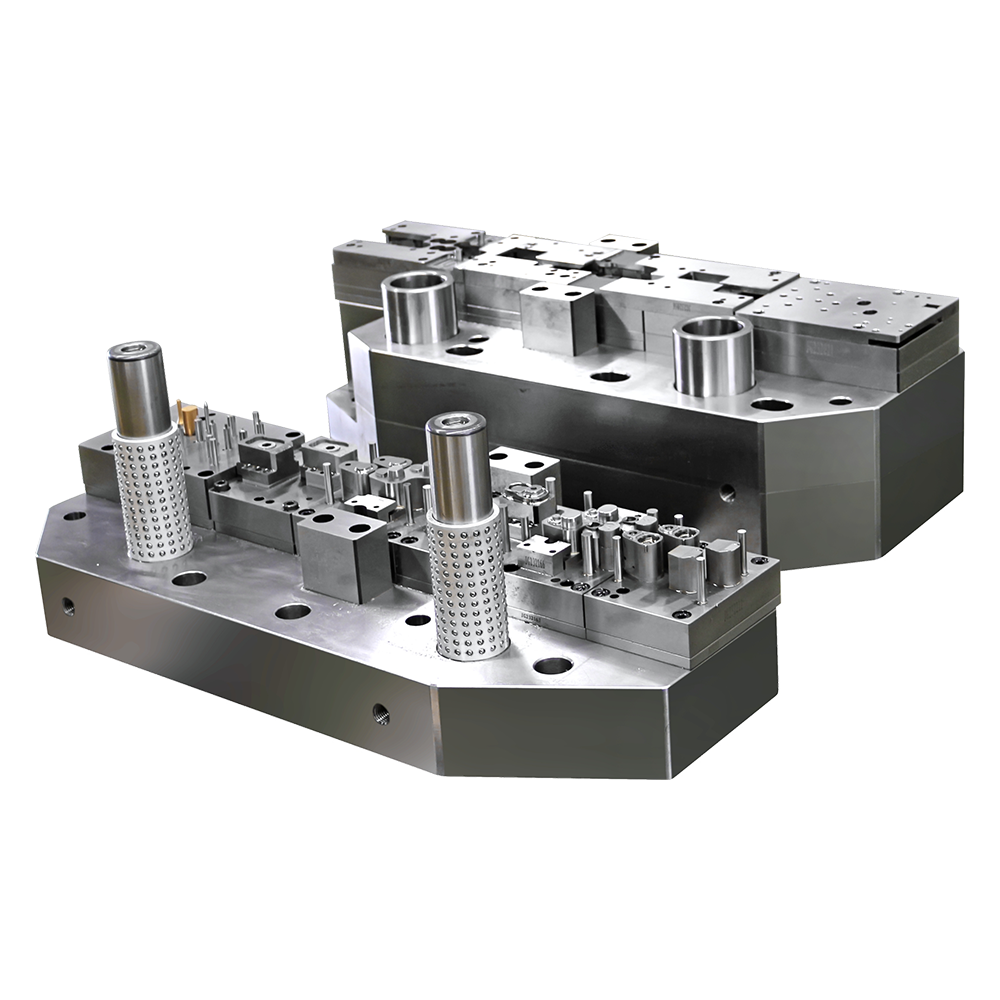
Molds and tooling determine the dimensions and profiles of formed metal components. Experience in both machinery and molds can help coordinate tooling design with machine operation, especially when customers require special can sizes or lid structures.
Buyers should compare working ranges, rated output, actual product compatibility, seam quality, tooling, changeover time, machine construction, maintenance access, energy requirements, inspection procedures, installation support, spare parts, and total ownership cost. Maximum speed alone is not enough to evaluate a can-making line.
The automatic chemical can line provides a flexible production solution for manufacturers producing aerosol cans and industrial chemical containers. Its model range covers small, medium, and large diameters, with listed capacities of 80 to 150 cans per minute for smaller formats and 20 to 50 cans per minute for larger formats.
The available functions include flanging, top seaming, and seaming. Six-head configurations support high-throughput production for smaller containers, while dedicated large-can models provide a controlled solution for containers from approximately 250 to 275 mm in diameter. A high-lid configuration is also available for specialized closure designs.
The equipment benefits from the manufacturer’s long-term focus on can-making machinery and molds, a workforce of more than 350 trained personnel, CNC high-precision machining, complete mechanical processing capabilities, international supply experience, and quality and environmental management certifications. These strengths support the development of machinery intended for stable industrial production rather than limited-purpose use.
For the best result, each project should begin with a detailed review of the can body, lid, dimensions, material, required operations, target output, and factory layout. When the machine configuration, tooling, auxiliary equipment, installation, and training are planned as one complete system, the chemical can line can provide a dependable foundation for efficient metal packaging production.
1. Product technical information for automatic chemical can and aerosol can line configurations, including machine models, working ranges, output capacities, functions, and power ratings.
2. General principles of tinplate container manufacturing, including body forming, flanging, lid positioning, mechanical seaming, and finished-can inspection.
3. ISO 9001 quality management system principles for industrial machinery manufacturing and production control.
4. ISO 14001 environmental management system principles for manufacturing organizations.
5. General engineering practices for CNC precision machining, mechanical assembly, machine maintenance, and industrial equipment commissioning.
6. General quality-control practices for metal containers used in chemical, aerosol, industrial, and consumer product packaging.
Related Products

Founded in 1978, the company is one of the largest can-making machinery well-known companies at home and abroad.
Product Categories
Contact Information
Zhongshatou Shenjiamen Zhoushan Zhejiang China
+86-580-3056646

 English
 中文简体
中文简体
 русский
 عربى
عربى
 Español