2026-05-14
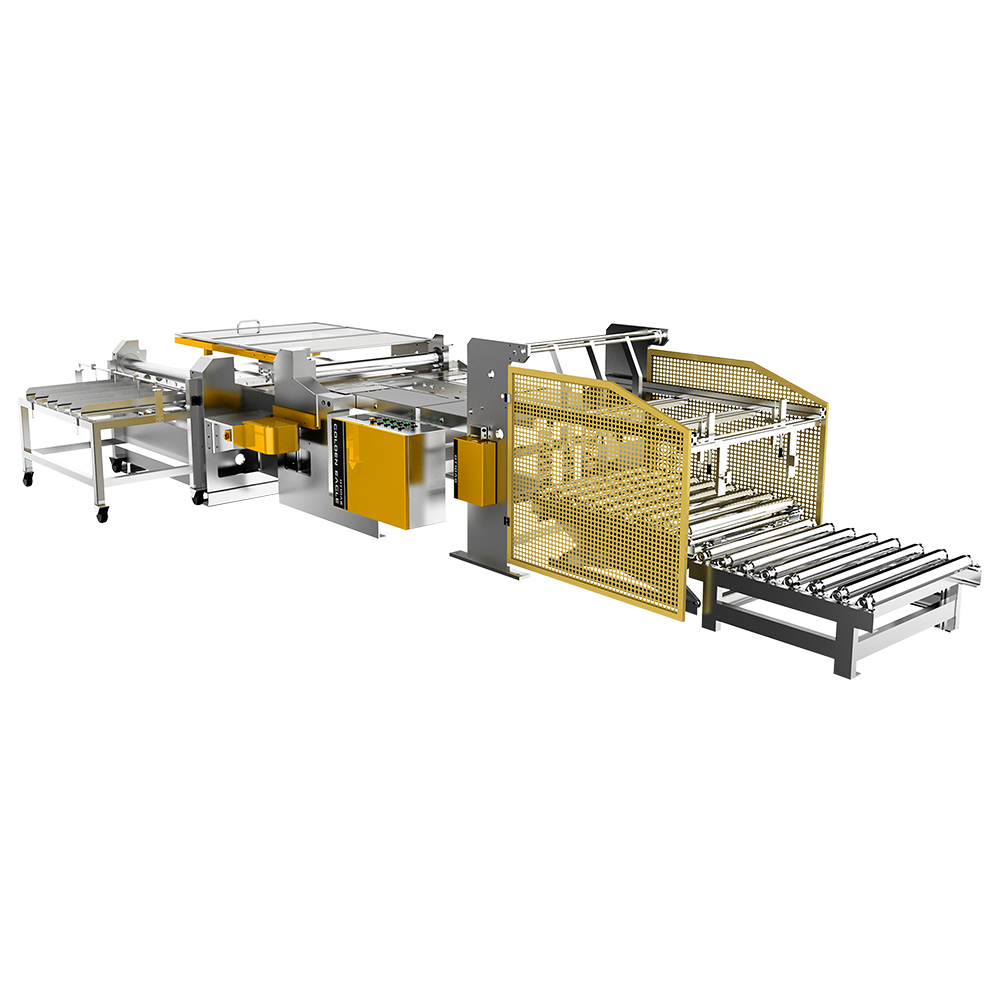
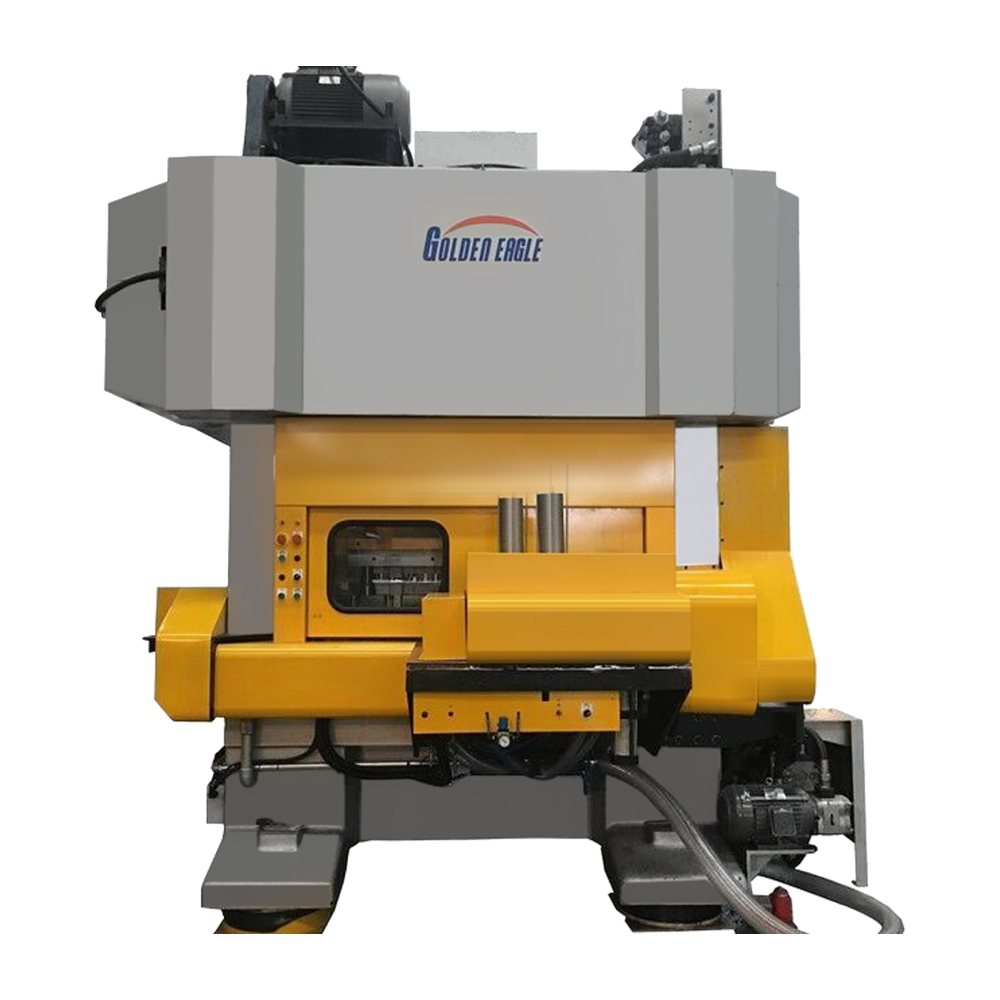
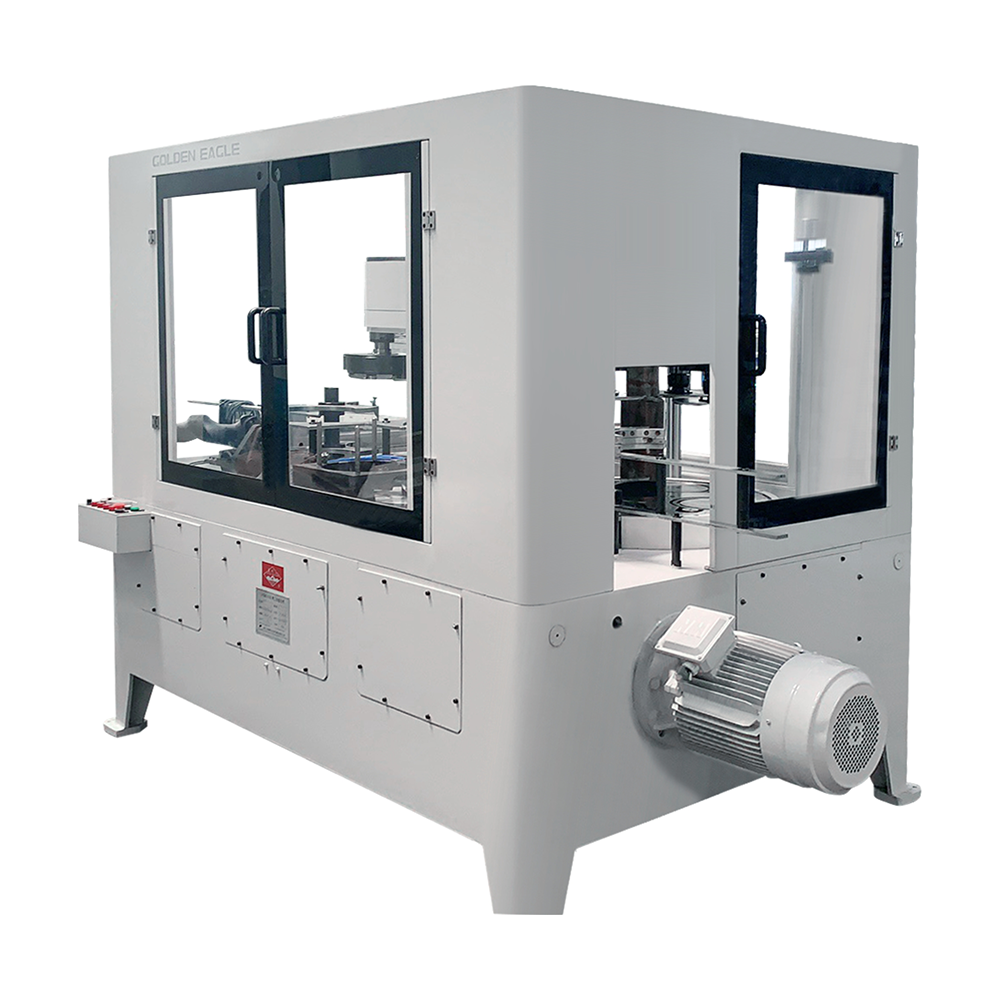
Automatic milk powder can making machines deliver higher output, consistent quality, and lower labor requirements, while semi-automatic machines provide flexibility, lower initial investment, and easier maintenance. The choice between them depends on production scale, product variety, and cost constraints.
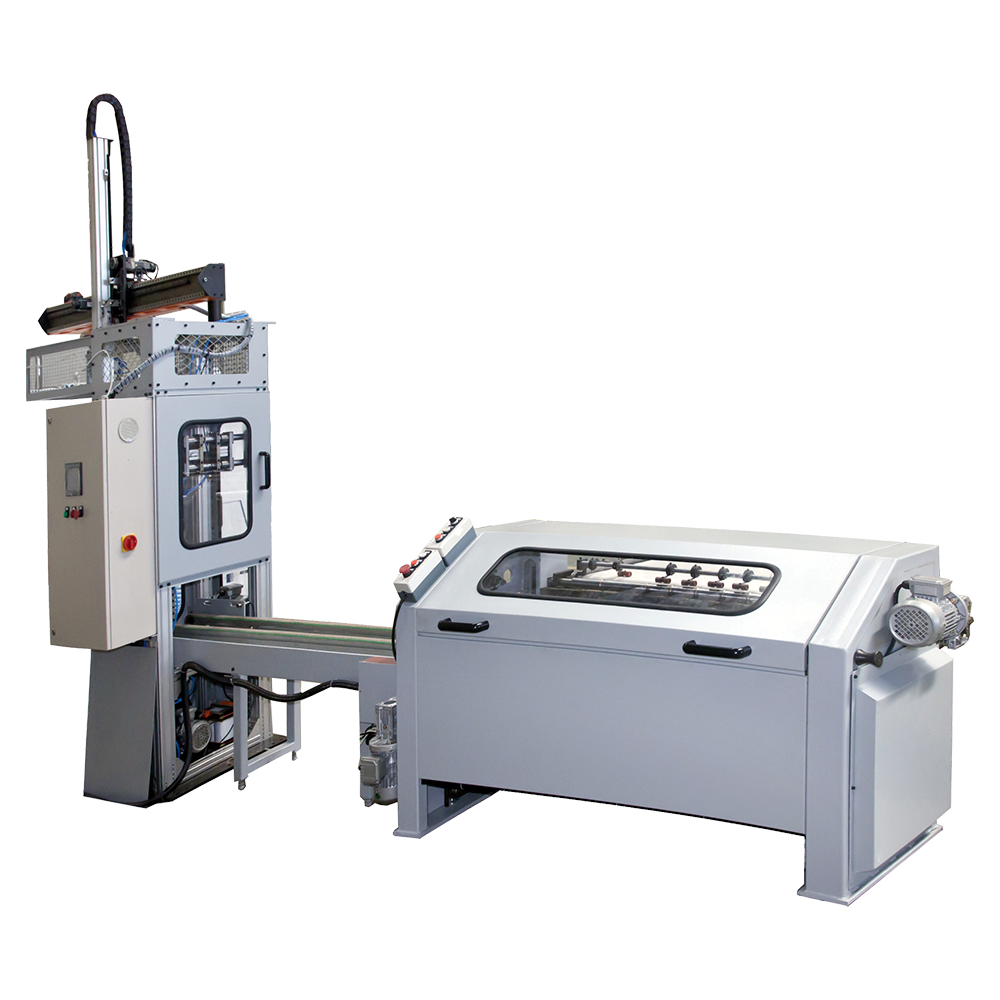
Semi-automatic machines can produce approximately 30–50 cans per minute, depending on can size and operator skill. These machines are suitable for small to medium-scale operations and can handle occasional product changes efficiently.
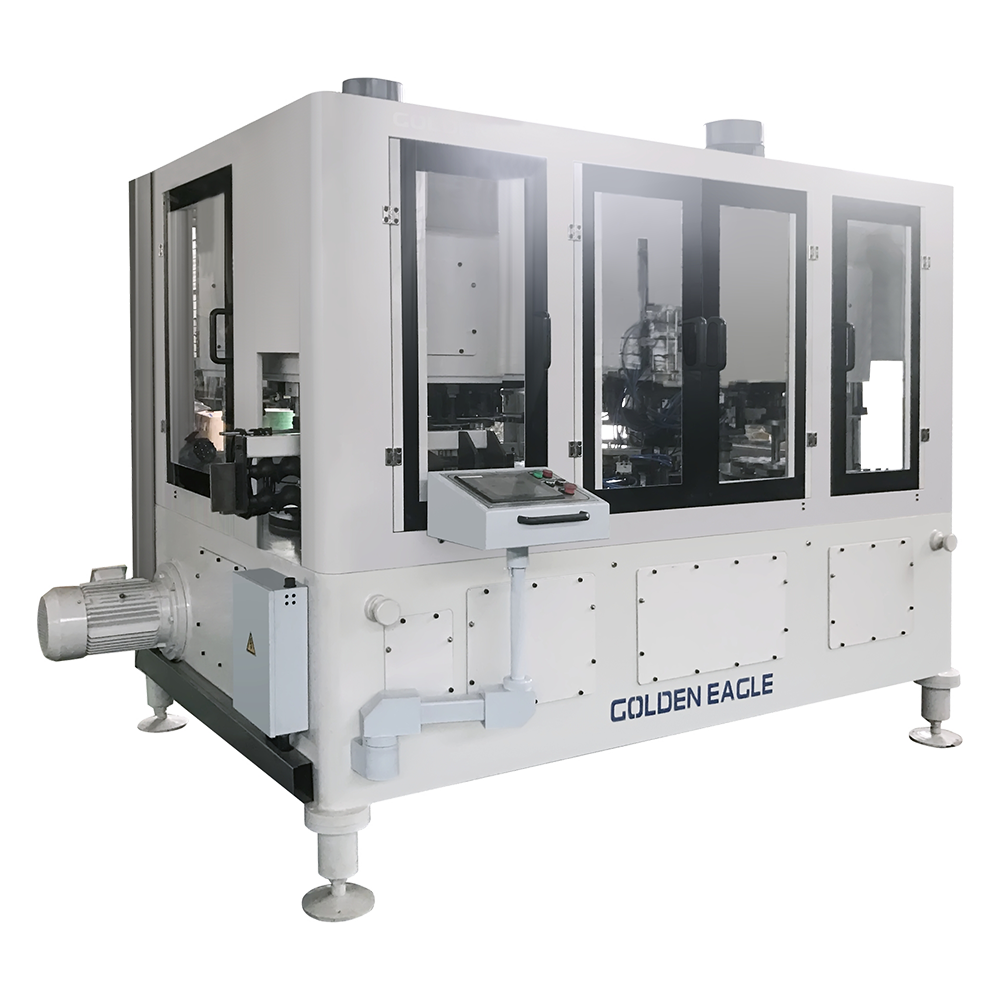
Fully automatic machines achieve 80–150 cans per minute consistently, reducing labor costs and maximizing production output. They are ideal for large-scale manufacturers and continuous production lines.
Semi-automatic machines require manual intervention for certain steps, such as lid placement and sealing, which can lead to minor variations in can quality. Precision typically ranges around ±1 mm in diameter and height.
Automatic machines maintain high precision with minimal human intervention, achieving tolerance levels of ±0.3 mm. This ensures uniform can dimensions and consistent sealing, which is critical for high-quality milk powder packaging.
These machines are better suited for varied production runs, including different can sizes or special lid types. Changeovers take 5–10 minutes, allowing quick adaptation to small batches.
While highly efficient, fully automatic machines require longer changeover times of 15–30 minutes and are less flexible for small batch production. They excel in consistent, high-volume runs with standard can sizes.
Semi-automatic machines require more operators, typically 2–3 staff per line, which increases labor costs. Energy consumption is lower, and maintenance is simpler and less frequent.
Automatic machines operate with minimal staff, often 1 operator per line, significantly reducing labor costs. However, energy consumption is higher, and regular preventive maintenance is required to maintain peak efficiency.
Maintenance is straightforward with fewer moving parts. Downtime for routine checks averages 1–2 hours per week, making them practical for small facilities with limited technical support.
High-speed automation demands more sophisticated maintenance and monitoring. Planned downtime is typically 3–5 hours per week to ensure lubrication, calibration, and part replacement, which is manageable for large-scale operations with technical teams.
| Feature | Semi-Automatic Machine | Automatic Machine |
|---|---|---|
| Production Speed | 30–50 cans/min | 80–150 cans/min |
| Precision | ±1 mm | ±0.3 mm |
| Labor Requirement | 2–3 operators | 1 operator |
| Changeover Time | 5–10 minutes | 15–30 minutes |
| Maintenance Downtime | 1–2 hours/week | 3–5 hours/week |
Automatic milk powder can making machines are the ideal choice for high-volume production with consistent quality, while semi-automatic machines offer a cost-effective and flexible solution for smaller operations or varied product lines. Selecting the right machine depends on production volume, labor availability, budget, and desired precision.
Related Products

Founded in 1978, the company is one of the largest can-making machinery well-known companies at home and abroad.
Product Categories
Contact Information
Zhongshatou Shenjiamen Zhoushan Zhejiang China
+86-580-3056646

 English
 中文简体
中文简体
 русский
 عربى
عربى
 Español