2026-07-09
The right can making machine depends on matching forming method and output speed to the specific can type and production volume needed — a two-piece drawn and wall-ironed line suited to high-volume beverage cans is a poor fit for a specialty food can producer running smaller, varied batches. Choosing based on maximum rated speed alone, without accounting for changeover time, material compatibility, and defect rate at that speed, is one of the most common and costly mistakes in equipment sourcing. Matching machine type to actual production needs is what determines whether a facility hits real-world throughput targets or consistently underperforms its rated capacity.
The most fundamental choice in can making machine selection is whether a production line builds two-piece or three-piece cans, since this decision affects nearly every downstream equipment choice.
| Can Construction | Typical Speed | Common Application |
| Two-Piece (Drawn and Wall-Ironed) | 300–400+ cans/minute | Beverage cans, standardized high-volume products |
| Three-Piece Welded Body | 150–250 cans/minute | Food cans, aerosol cans, varied sizes and shapes |
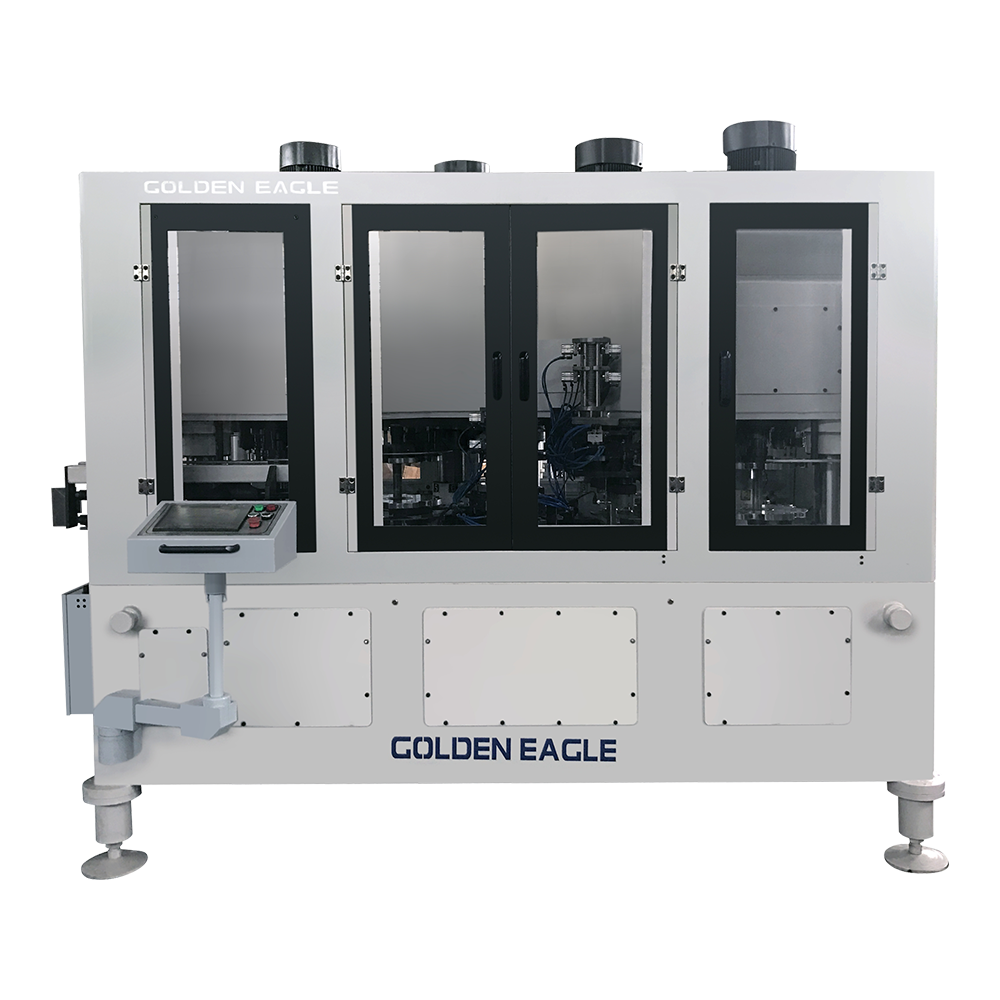
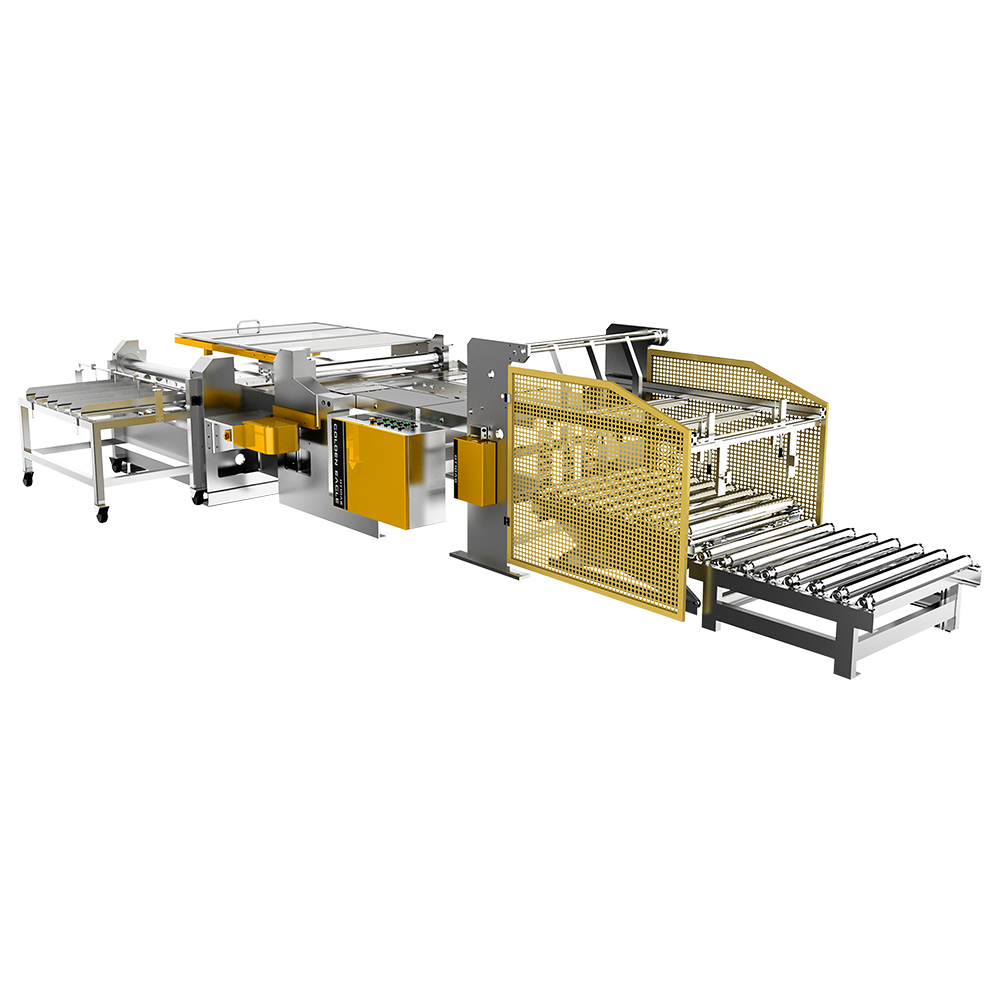
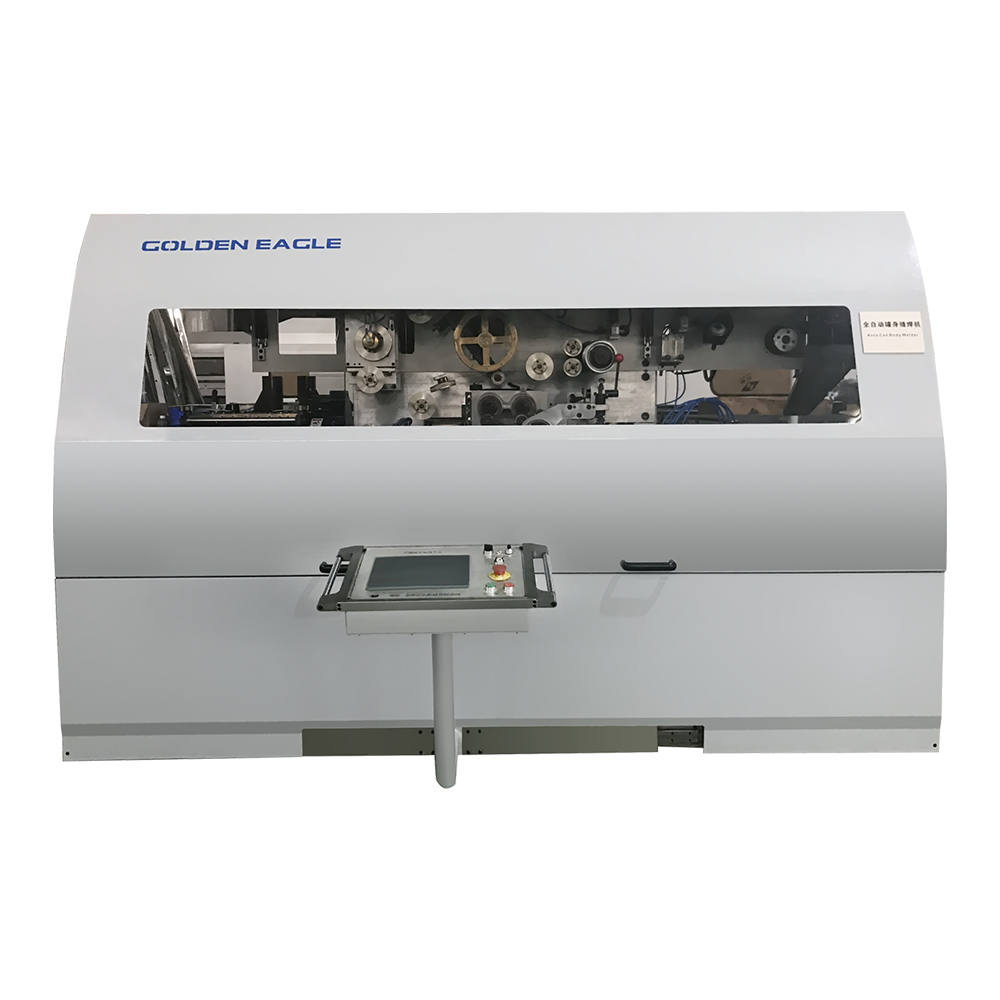
Two-piece drawn and wall-ironed machines produce a seamless body and base in a single forming operation, reaching notably higher line speeds and suiting facilities running enormous volumes of a standardized can size, such as beverage packaging. Three-piece welded body machines join a flat sheet into a cylinder with a longitudinal weld seam before attaching separate top and bottom ends, running at a more moderate speed but offering far greater flexibility for varied can heights, diameters, and shapes — a meaningful advantage for facilities serving food, aerosol, or specialty packaging clients with diverse product lines.
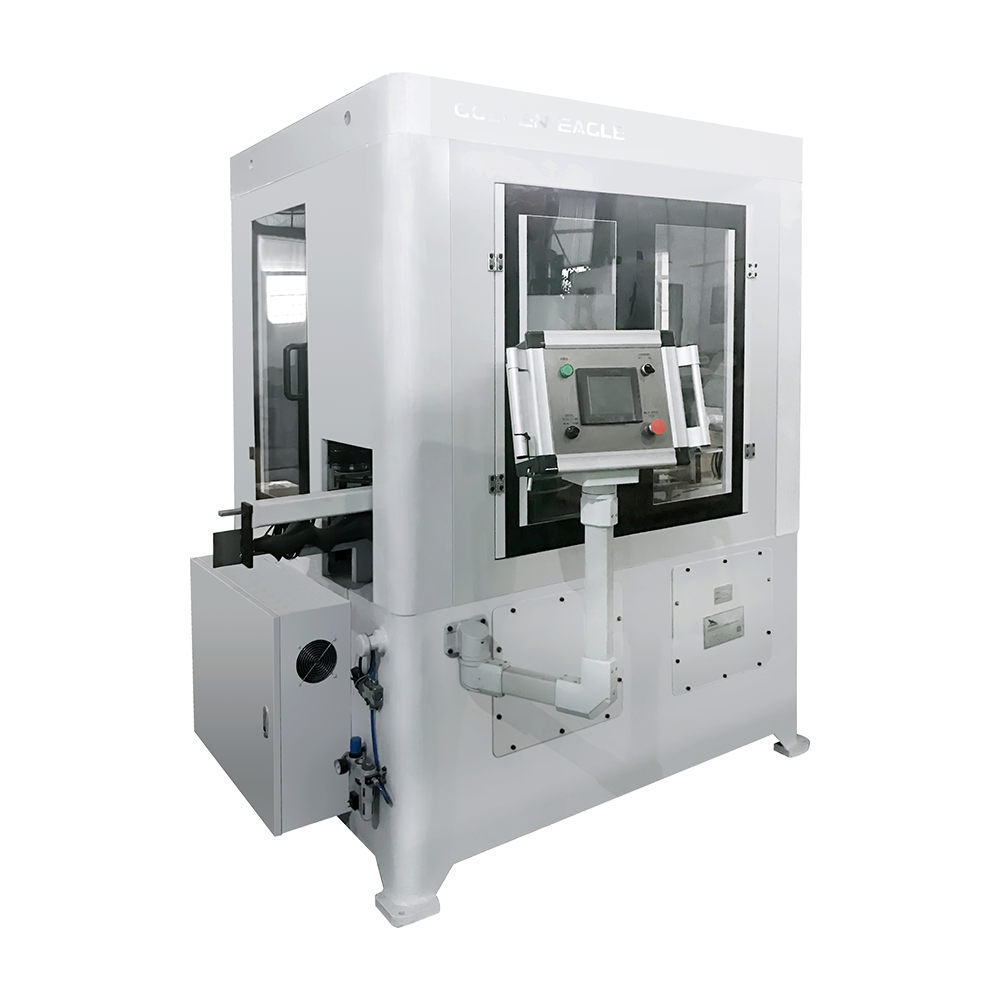
The seaming stage, where can ends are mechanically attached to the body, determines whether a finished can holds pressure and contents reliably over its full shelf life, making it one of the highest-stakes stations on any can making machine.
Seam quality tolerances are tight enough that even a deviation of a few hundredths of a millimeter in seam thickness can create a pressure leak pathway that doesn't show up in immediate testing but develops into a failure during storage or transport. This is why many higher-throughput can making machine lines now pair seaming stations with real-time seam thickness monitoring rather than relying solely on periodic manual sampling to catch defects.
Not all can making machines handle steel and aluminum with equal effectiveness, and material choice affects forming pressure, tooling wear, and achievable line speed.
| Material | Forming Characteristics | Tooling Wear Impact |
| Aluminum | Lower forming force required, faster wall-ironing | Lower tooling wear over equivalent run volume |
| Tinplate Steel | Higher forming force, greater rigidity for larger cans | Higher tooling wear, requires more frequent tool maintenance |
Aluminum's lower forming resistance allows can making machines to run wall-ironing operations at higher speed with less tooling wear over a comparable production volume, which is part of why aluminum dominates high-speed beverage can lines. Tinplate steel requires greater forming force and causes faster tooling wear, but offers superior rigidity for larger can formats and food applications where structural strength during retort processing or stacking matters more than minimizing forming energy.
Rated top speed only tells part of the productivity story — how quickly a can making machine can switch between can sizes significantly affects real-world output for facilities serving varied product lines rather than running a single size continuously.
A facility running a single dominant can size for the vast majority of its production volume gains little from investing in expensive quick-change tooling, since infrequent changeovers don't justify the added equipment cost. A contract manufacturer serving multiple clients with different can specifications, by contrast, often recoups the investment in faster changeover tooling within a year or two through significantly more productive uptime across dozens of annual size switches.
How thoroughly a can making machine line integrates in-line inspection affects both defect catch rate and the labor cost of manual quality checks.
| Inspection Method | Coverage |
| Statistical Batch Sampling | Periodic sample checks, lower labor cost, higher risk of undetected defects |
| Vision-Based Seam Inspection | Continuous automated visual check for surface and seam defects |
| 100% Pressure Decay Testing | Every can tested for leaks before proceeding downstream |
Statistical batch sampling remains common due to its lower ongoing labor and equipment cost, but it inherently allows some defective cans to pass undetected between sampled batches. A line producing several hundred cans per minute with even a fractional undetected defect rate can still ship a meaningful volume of compromised units over a full production day if inspection coverage isn't comprehensive. Facilities producing for food, beverage, or aerosol applications where a failed seal poses real safety or liability concerns increasingly favor 100% automated testing over sampling-based quality control, despite the added equipment cost, since the downside risk of an in-field failure typically outweighs the additional inspection expense.
Forming force requirements translate directly into energy consumption, and this varies meaningfully between can making machine types, affecting long-term operating cost beyond the initial equipment purchase.
Two-piece wall-ironing processes, despite running at higher speeds, often achieve better energy efficiency per can produced than three-piece welding and seaming processes, since the wall-ironing forming action is mechanically efficient at scale. Three-piece welding requires additional energy for the welding operation itself alongside forming, seaming, and coating curing stages, adding up to a higher total energy draw per can even though individual can complexity or size flexibility may justify the trade-off for facilities that need that flexibility.
Ultimately, choosing a can making machine comes down to realistically projecting production volume and product variety rather than defaulting to the highest-rated speed available. A facility with consistent, extremely high-volume demand for a single standardized can size is well served by a dedicated two-piece line optimized purely for throughput. A facility serving varied clients with different can specifications, lower per-order volumes, or specialty packaging needs typically gets more practical value from a flexible three-piece line, even at a lower per-minute output, since the ability to switch sizes efficiently without dedicating a separate line to each format often matters more for overall facility productivity than raw peak speed on any single configuration.
Related Products

Founded in 1978, the company is one of the largest can-making machinery well-known companies at home and abroad.
Product Categories
Contact Information
Zhongshatou Shenjiamen Zhoushan Zhejiang China
+86-580-3056646

 English
 中文简体
中文简体
 русский
 عربى
عربى
 Español