2026-06-25
Modern can making machines are capable of producing two-piece aluminum or steel beverage cans at astonishing speeds, with the fastest lines exceeding 3,000 cans per minute. This level of productivity is achieved through a synchronized sequence of forming operations—cupping, drawing, ironing, trimming, and necking—all performed on a single integrated production line. The machines are engineered for continuous operation, often running 24 hours a day, seven days a week, with planned maintenance intervals measured in tens of thousands of cycles.
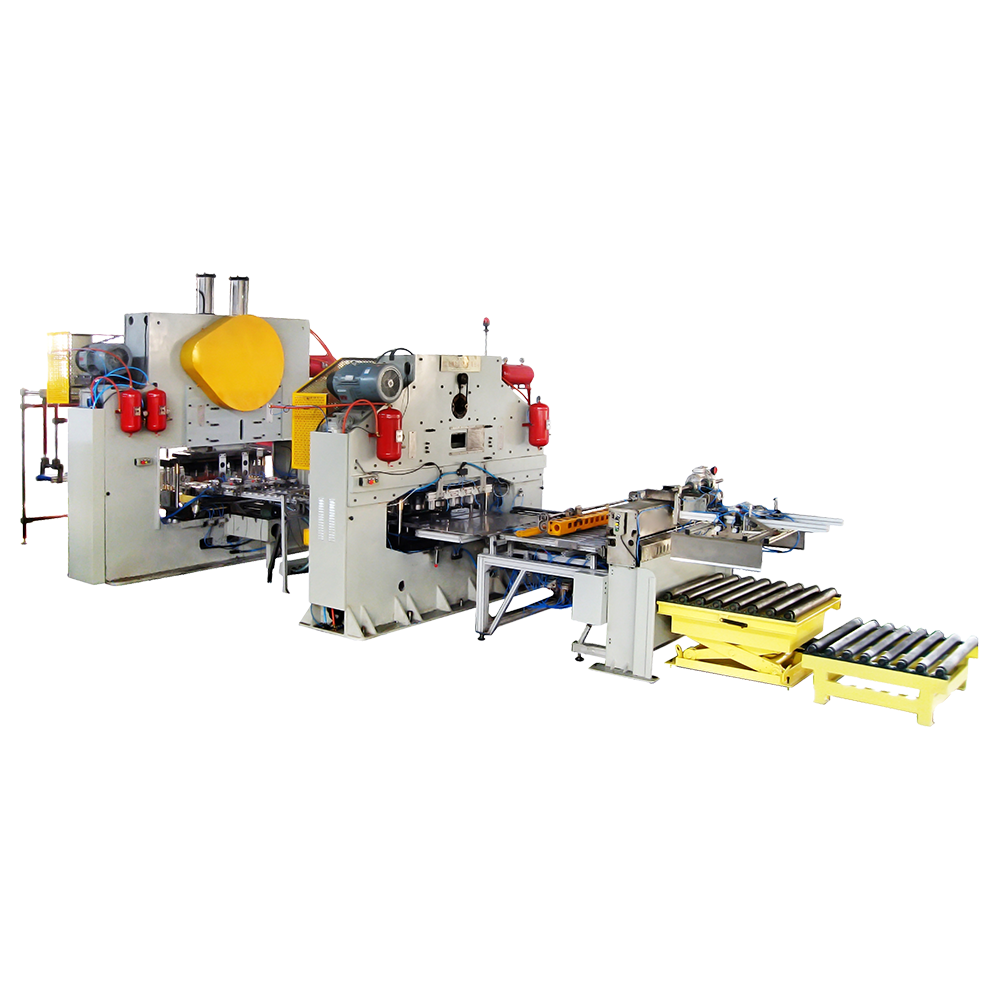
For food cans (three-piece construction), the process involves separate forming of the body, ends, and seams. While production speeds are generally lower than beverage can lines—typically 300 to 1,200 cans per minute—the machines are more versatile, handling a wider range of diameters and heights. Understanding the differences between these machine types, their forming technologies, and their operational requirements is essential for anyone involved in can manufacturing, packaging, or production line management.
The first and most fundamental distinction in can making machinery is between two-piece and three-piece can production. Each technology serves different market segments and requires different machine configurations.
| Feature | Two-Piece Can Machines | Three-Piece Can Machines |
|---|---|---|
| Construction | Body + one end (integral) | Body + two ends (seamed) |
| Typical output speed | 2,000–3,600 cans/min | 300–1,200 cans/min |
| Primary materials | Aluminum, tinplate steel | Tinplate steel, aluminum |
| Typical applications | Beverage cans | Food cans, aerosol cans, paint cans |
| Key forming steps | Cupping → Drawing → Ironing → Trimming → Necking | Slitting → Curling → Welding/Soldering → Flanging → Seaming |
The production of two-piece beverage cans is a marvel of high-speed metal forming. The process begins with a coil of aluminum or tinplate steel and ends with a finished can ready for filling. Each stage is performed by a dedicated machine module, and the entire line is synchronized to within milliseconds.
The cupping press takes the metal coil and stamps out shallow cups. A single press can produce up to 200 cups per minute per station, with multiple stations operating in parallel. The cup diameter is typically 20–30% larger than the final can diameter to accommodate subsequent ironing.
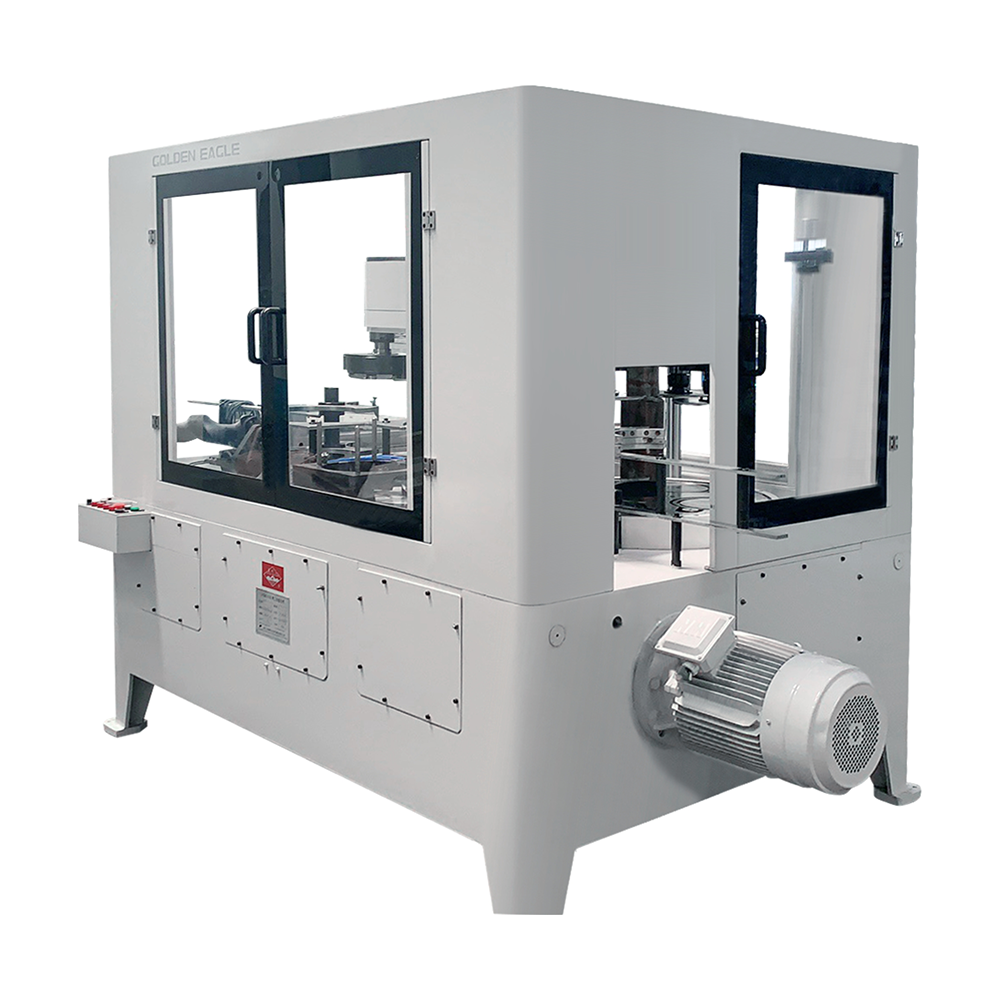
This is the heart of the two-piece can line. The cup is drawn (reduced in diameter) and ironed (thinned in wall thickness) through a series of tungsten carbide dies. A typical body maker reduces wall thickness from about 0.28 mm to 0.08–0.10 mm at the can's sidewall, while the bottom remains thicker for structural strength. The ironing process imparts the distinctive thin-wall characteristic of aluminum beverage cans.
After ironing, the can has an uneven top edge. The trimmer cuts it to a precise, uniform height. Trimming tolerances are typically within ±0.15 mm, which is critical for subsequent necking and seaming operations.
The open end of the can is reduced in diameter (necked) through a series of dies, typically in 10–14 progressive steps. This reduces the end diameter by 10–15% to accommodate the smaller lid. A flanger then rolls a flange onto which the lid will be seamed.
Three-piece can lines are more flexible than two-piece lines, accommodating a wider range of can diameters (up to 300 mm) and heights. The process involves forming the body from a flat blank, creating a side seam, and attaching two ends.
The metal coil is slit into strips of the required width, then cut into individual body blanks. The blank length corresponds to the can's circumference, with allowances for the side seam.
The flat blank is rolled into a cylindrical shape. Wing benders are common for smaller cans, while roller formers are used for larger diameters.
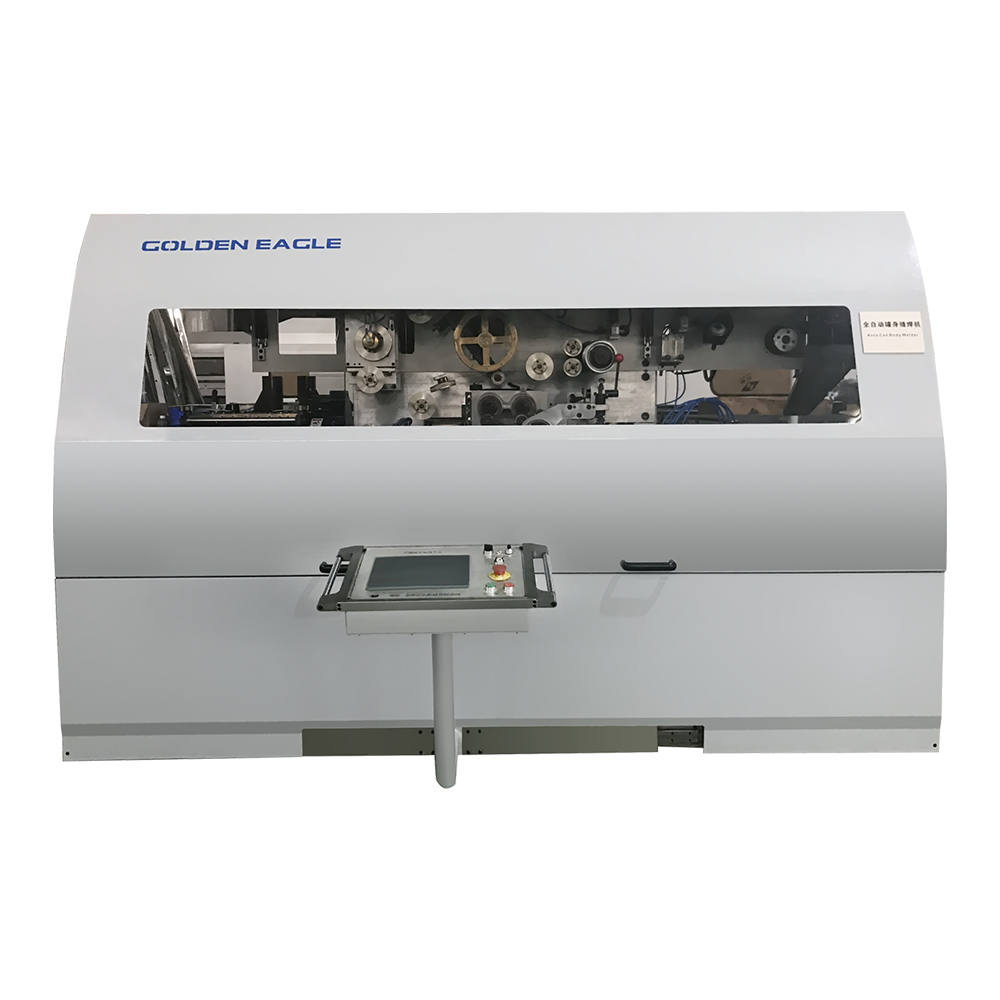
The side seam is joined. Modern machines use electric resistance welding (ERW) for steel cans, creating a seam that is as strong as the parent metal. Welding speeds on high-end machines reach 400 meters per minute. For some food cans, soldering is still used, though it is being phased out due to lead content concerns.
Both ends of the body are flanged outward, then the ends are seamed on using a double-seaming process. The seaming station rotates the can while seaming rolls fold the end curl and the body flange together, creating an airtight seal.
When evaluating a can making line, the following operational metrics are essential for capacity planning and cost estimation.
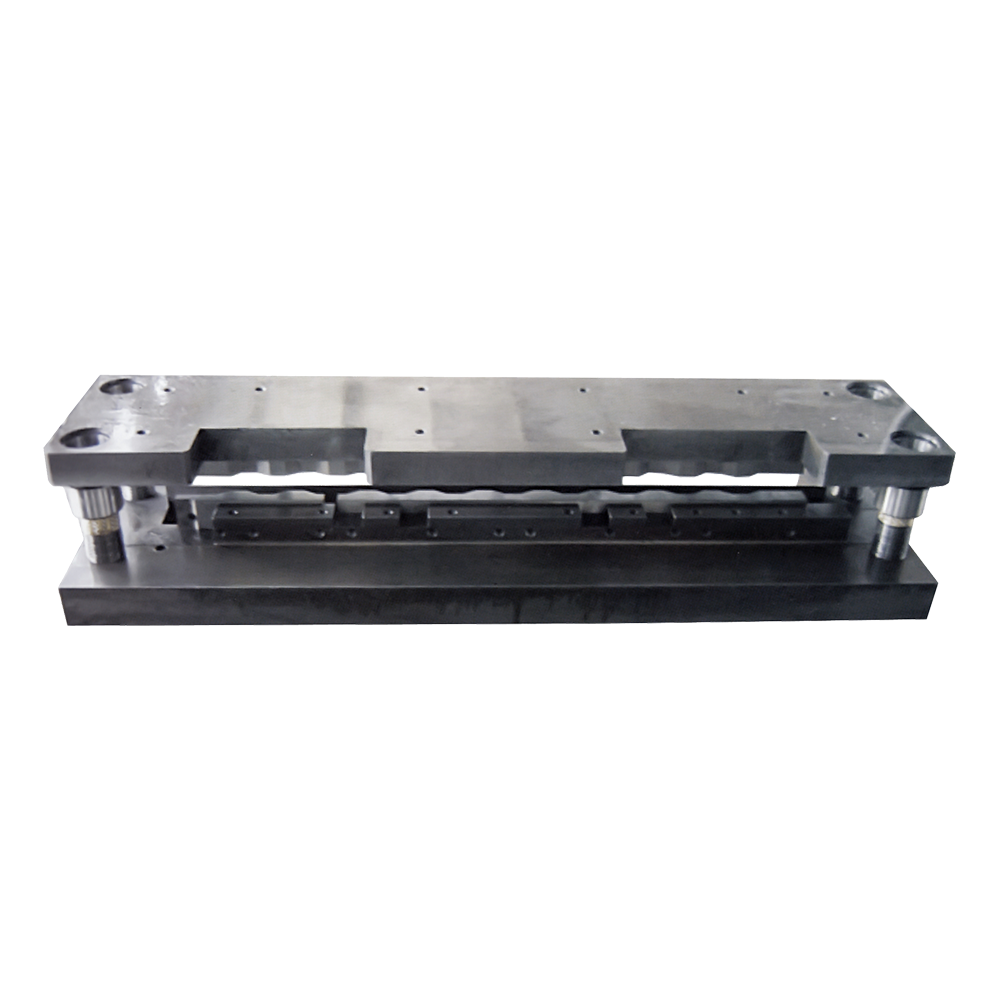
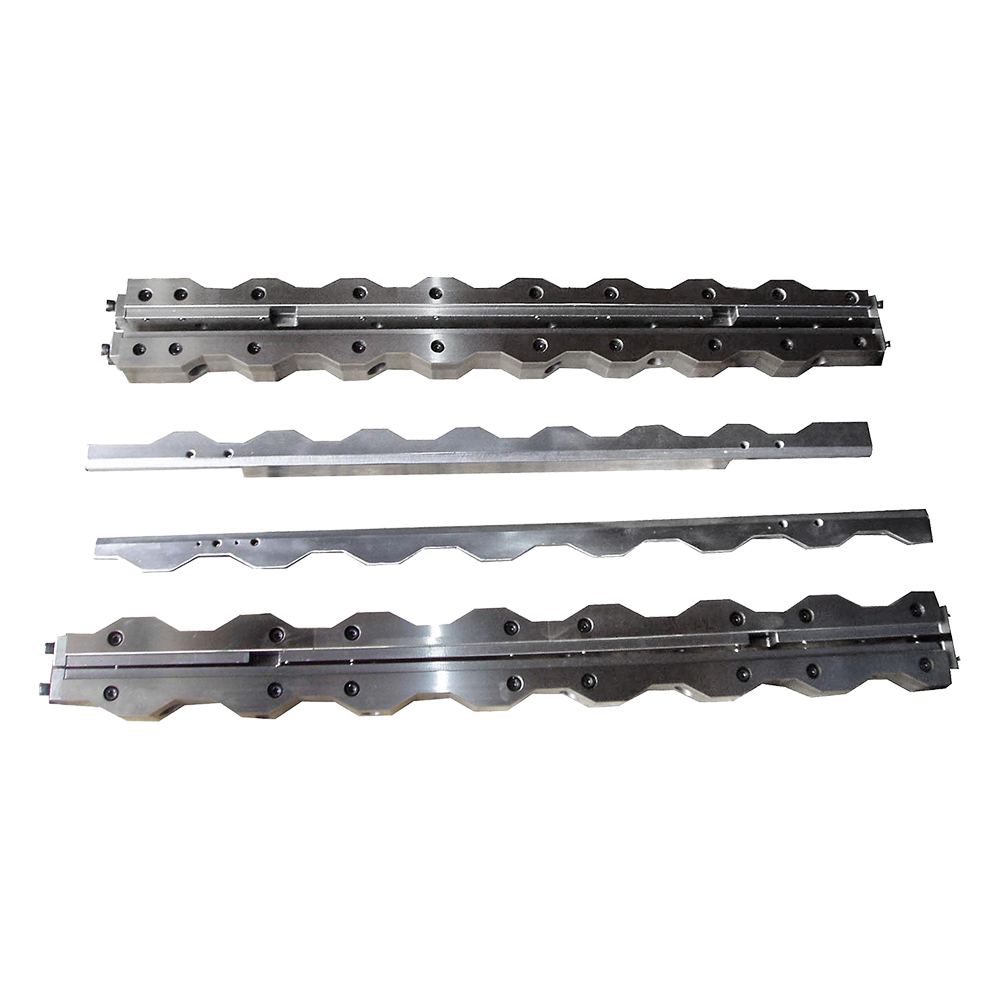
Tooling—the punches, dies, and forming rolls—is the most critical consumable in can making. The quality and maintenance of tooling directly affect can quality, machine uptime, and operating cost.
In a high-speed two-piece line, ironing dies typically last for 3–5 million cans before needing replacement. Trimmer knives may last 1–2 million cuts. Tungsten carbide tooling is the standard for wear-resistant components; some producers are now experimenting with diamond-like carbon (DLC) coatings to extend die life by up to 40%.
Proper lubrication is essential for both tool life and can surface quality. Most lines use a recirculating oil system that applies a thin, uniform film to the metal before each forming station. The lubricant must be carefully filtered and cooled; particulate contamination of even 10 microns can scratch dies and ruin can surfaces.
At speeds of 3,000 cans per minute, manual inspection is impossible. Modern can making machines integrate automated inspection systems at critical points.
A can making line is not just a collection of machines; it is a carefully choreographed material handling system. The layout must account for coil handling, scrap evacuation, can transport, and packing.
Coils weighing up to 10 tons are loaded onto uncoilers that feed the cupping press. Coil changes must be completed in less than 10 minutes to minimize downtime. Double-uncoiler systems with splice tables allow continuous feeding without stopping the line.
Between forming stations, cans are conveyed on air tracks or magnetic conveyors. Air tracks use high-velocity air to float the cans, reducing contact and preventing damage to the thin sidewalls. The conveyor system must maintain can orientation throughout the process.
Modern can making machines are designed with energy efficiency in mind. A high-speed beverage can line consumes approximately 1.2–1.5 kWh per 1,000 cans produced. Key energy-saving technologies include:
Even the most advanced can making lines encounter operational issues. Understanding the root causes of common problems helps in troubleshooting and preventive maintenance.
Cracking during ironing is often caused by insufficient lubrication, worn dies, or excessive cup draw ratio. The standard solution is to adjust lubricant flow and replace worn dies; a typical die set is replaced every 12–18 months.
Cans that are out of round will not seam properly. This often traces to worn necking dies or incorrect die alignment. Using a laser alignment tool during setup prevents this issue.
If tooling wears faster than expected, consider the coil material hardness (variation of ±5 HV can affect wear) or the lubricant quality. Filtering the lubricant to 5-micron absolute can extend die life by up to 30%.
When procuring a can making machine or line, the following decision criteria should guide the selection process:
Related Products

Founded in 1978, the company is one of the largest can-making machinery well-known companies at home and abroad.
Product Categories
Contact Information
Zhongshatou Shenjiamen Zhoushan Zhejiang China
+86-580-3056646

 English
 中文简体
中文简体
 русский
 عربى
عربى
 Español