2026-08-13
Choosing a can making machine begins with a practical question: what kind of can do you need to produce? The answer determines whether you build a three-piece line, a two-piece line, or a specialty setup for aerosol cans, milk powder tins, or chemical containers.
A can making machine is production equipment that shapes metal sheet, primarily tinplate, into rigid metal packaging. The term covers individual machines as well as complete lines. Depending on the configuration, a can making machine manufacturer delivers body forming units, resistance welders, seamers, lining machines, drying ovens, end presses, and the tooling that connects them.
The output range is broad. Food cans, beverage cans, aerosol containers, chemical containers, and milk powder tins all come from the same equipment family, but each requires a different machine setup. The basic distinction that shapes the industry is three-piece versus two-piece construction. A three-piece can consists of a formed body, a seamed bottom, and a seamed or pressed end. A two-piece can has a single drawn body with the bottom formed in the same piece, and only one end is applied later.
Golden Eagle Food Machinery, founded in 1978 and rooted in the former Zhejiang Food Machinery Factory and Zhoushan Mould Factory, has delivered more than 10,000 can making machines over 46 years. The delivered equipment covers food and beverage cans, milk powder cans, aerosol cans, chemical cans, easy-open ends, and the molds used to produce them.
Can making equipment falls into two broad families, three-piece and two-piece, plus a specialized group for containers with stricter pressure, sealing, or dimensional requirements.
Three-piece can making machines form a body from a flat sheet, weld the side seam, seam on a bottom end, and receive a top end after filling. This construction suits products that must withstand heat processing, internal pressure, or long shelf life. The equipment chain includes a combined forming machine, an automatic can body welder, a bottom seamer, a lining machine, and a drying oven.
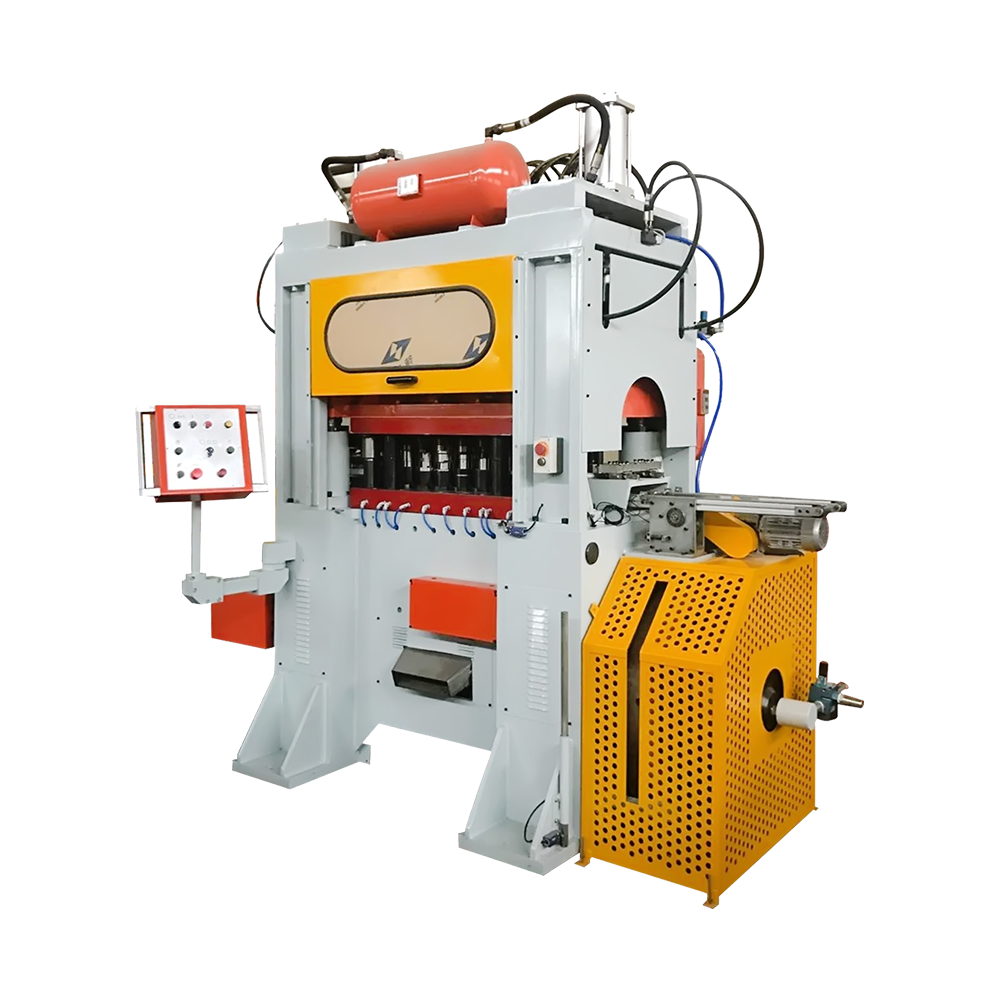
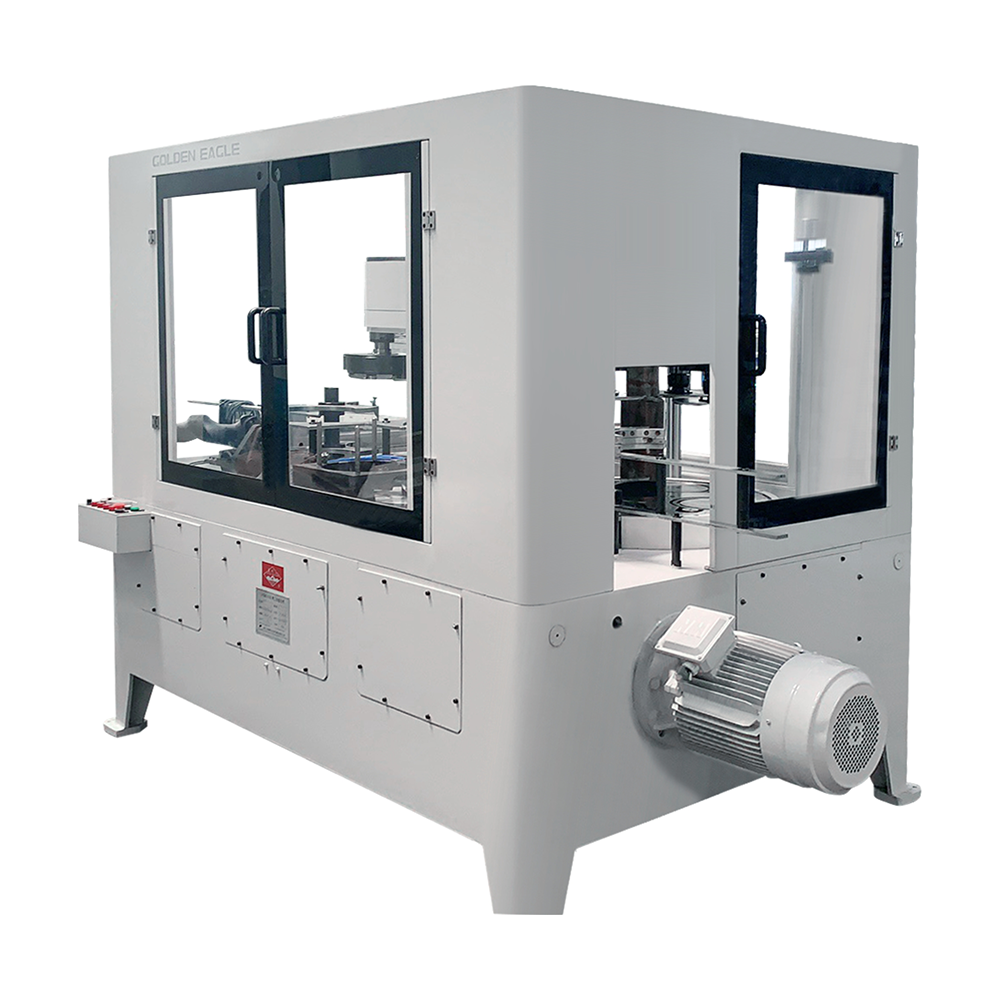
For stable output, a four-station can making machine for food and beverage cans links shell forming and body handling in one automated sequence. Three-piece lines are mature, flexible for size changeover, and well suited to small and medium batch production of multiple can dimensions.
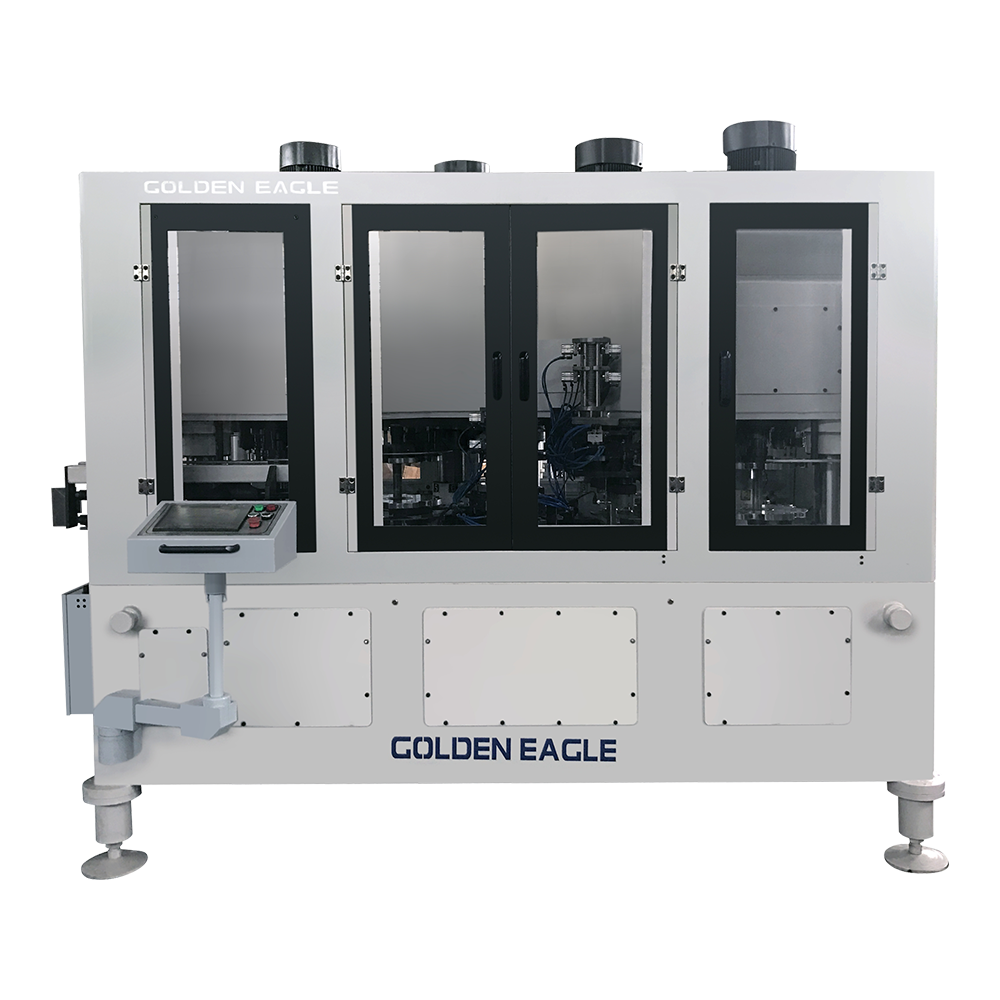 OEM/ODM Necking Flanging Beading Seaming Four station Can Making Machine FactoryZhejiang Golden Eagle Food Machinery Co., Ltd. is China OEM/ODM Necking Flanging Beading Seaming Four station Can Making Machine factory ...View Product →
Two-piece can making machines produce a body and bottom as a single component through drawing and ironing or draw-and-redraw processes. A cupping press forms shallow cups, a bodymaker ironizes the wall to the required thickness, and a trimmer levels the edge. Two-piece lines dominate high-volume beverage production because they run at very high speeds and use thinner metal than the three-piece process.
The investment is higher, changeover is more complex, and this approach is justified when output volume is large and the can design stays stable for long periods.
Specialty containers place extra demands on can making equipment. Aerosol cans must hold propellant pressure, so the machinery adds dome and cone forming stations with stricter wall-thickness control. Golden Eagle's aerosol can making machine series covers the range from body forming through necking and dome assembly.
Milk powder cans need strong bodies and tight dimensional accuracy to protect a moisture-sensitive product and to run on high-speed filling lines. A milk powder can making machine typically uses a single- or two-station combiner with precise end sealing and a durable body weld. Chemical can machines prioritize corrosion resistance and secure sealing, especially for solvent-based products.
Beyond the body itself, can making equipment includes end cover lines, easy-open end conversion presses, and the molds, dies, and seaming rollers used across the line. A supplier that masters all of these areas can deliver a production system rather than a collection of standalone machines.
| Category | Typical products | Core process | Best fit |
|---|---|---|---|
| Three-piece line | Food, beverage, chemical cans | Forming, welding, seaming | Flexible batches, many sizes |
| Two-piece line | Beverage, aerosol cans | Drawing and ironing | High volume, stable design |
| Specialty line | Aerosol, milk powder, chemical | Pressure forming, precision ends | Product-specific requirements |
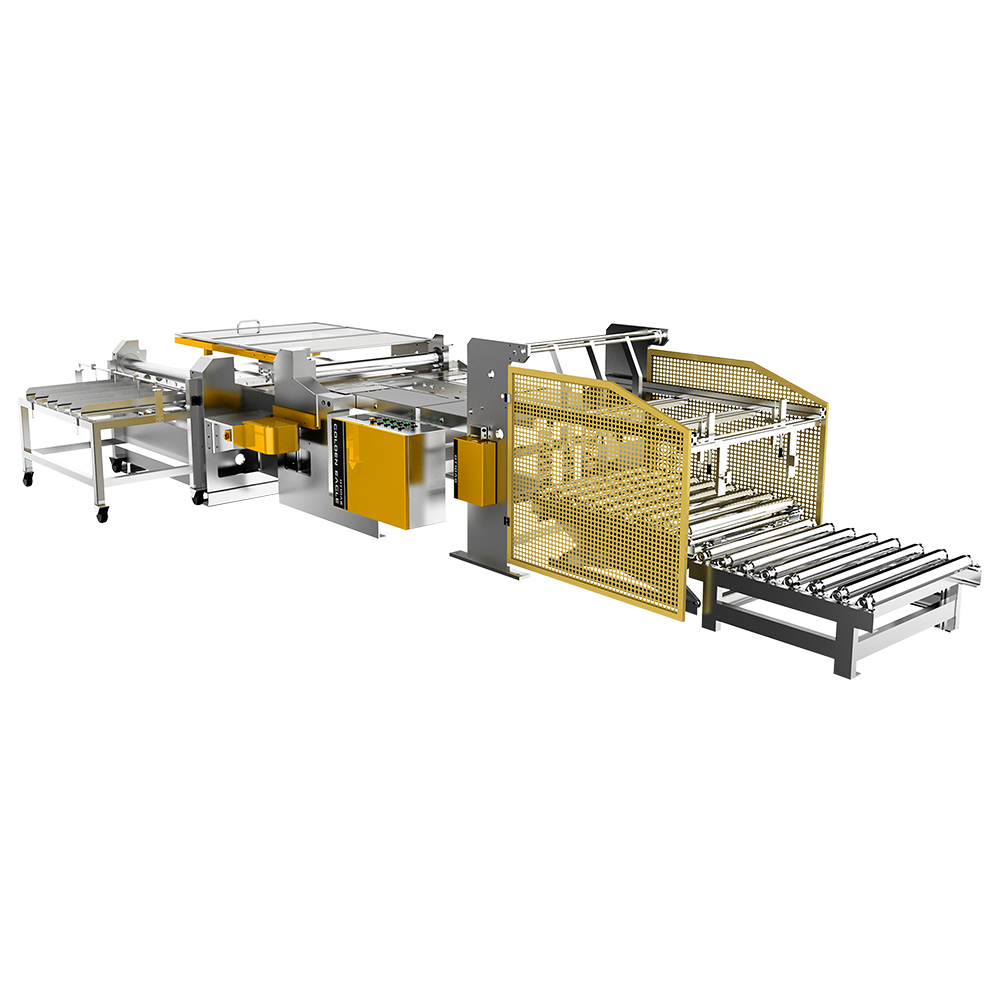
The process starts with a coil of tinplate. An uncoiler feeds the strip through a leveler, a shear cuts it into body blanks, and notching and scoring prepare the edges. A body former then rolls the blank into a cylindrical shape with overlapping edges ready for welding. In an integrated line, a combiner automates the feeding and positioning so that each body reaches the welder in the correct orientation.
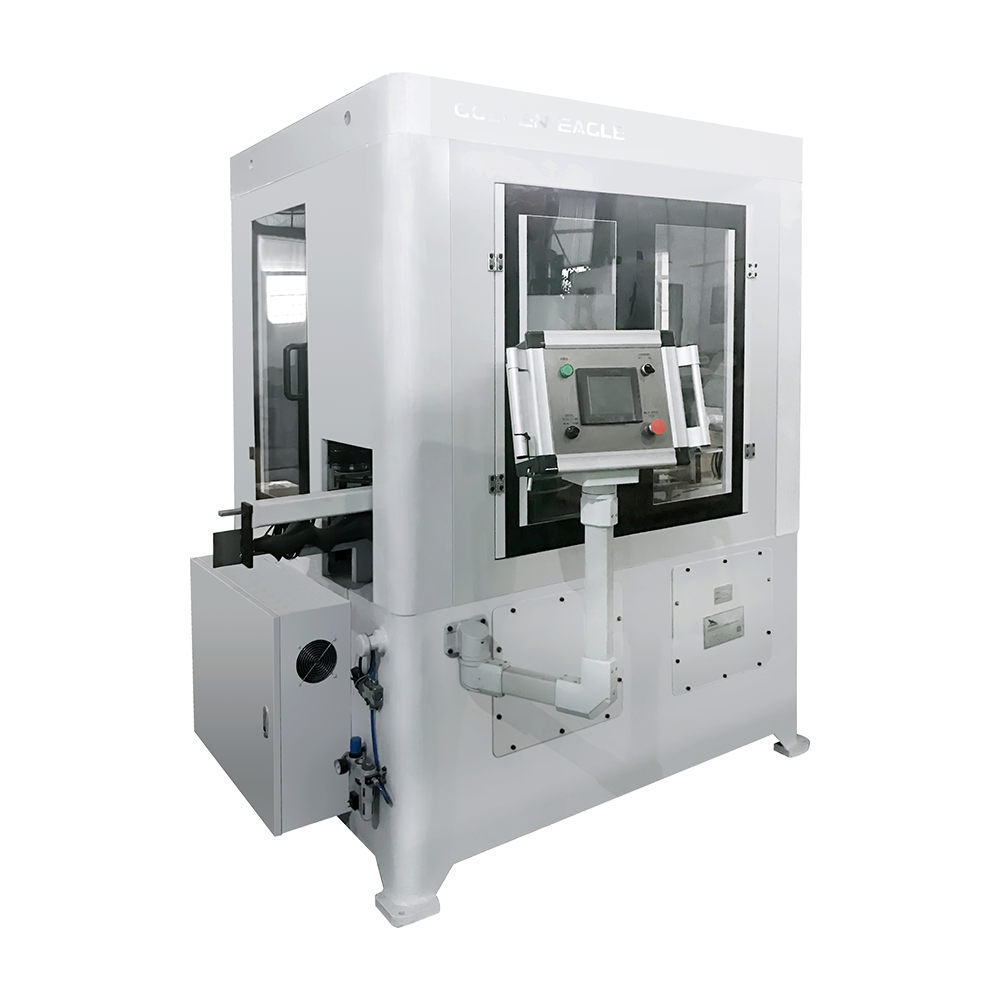
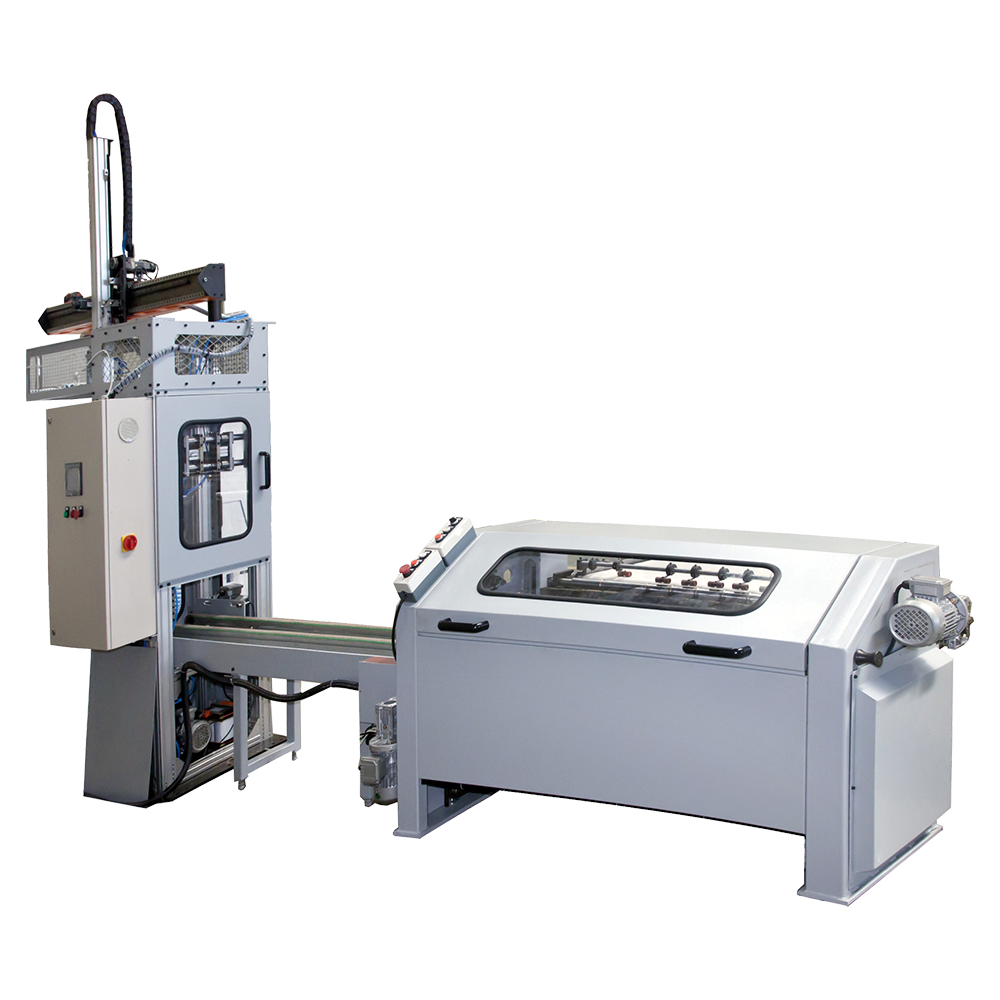
The side seam is joined by resistance welding. Weld rolls press the overlapping edges and pass a high current through the material, creating a continuous gas-tight seam. Weld quality determines leak resistance and structural strength, which makes an automatic can body welder the most important investment in the line. After welding, flanging opens the body edges, and a seamer rolls the bottom end into place with a double seam.
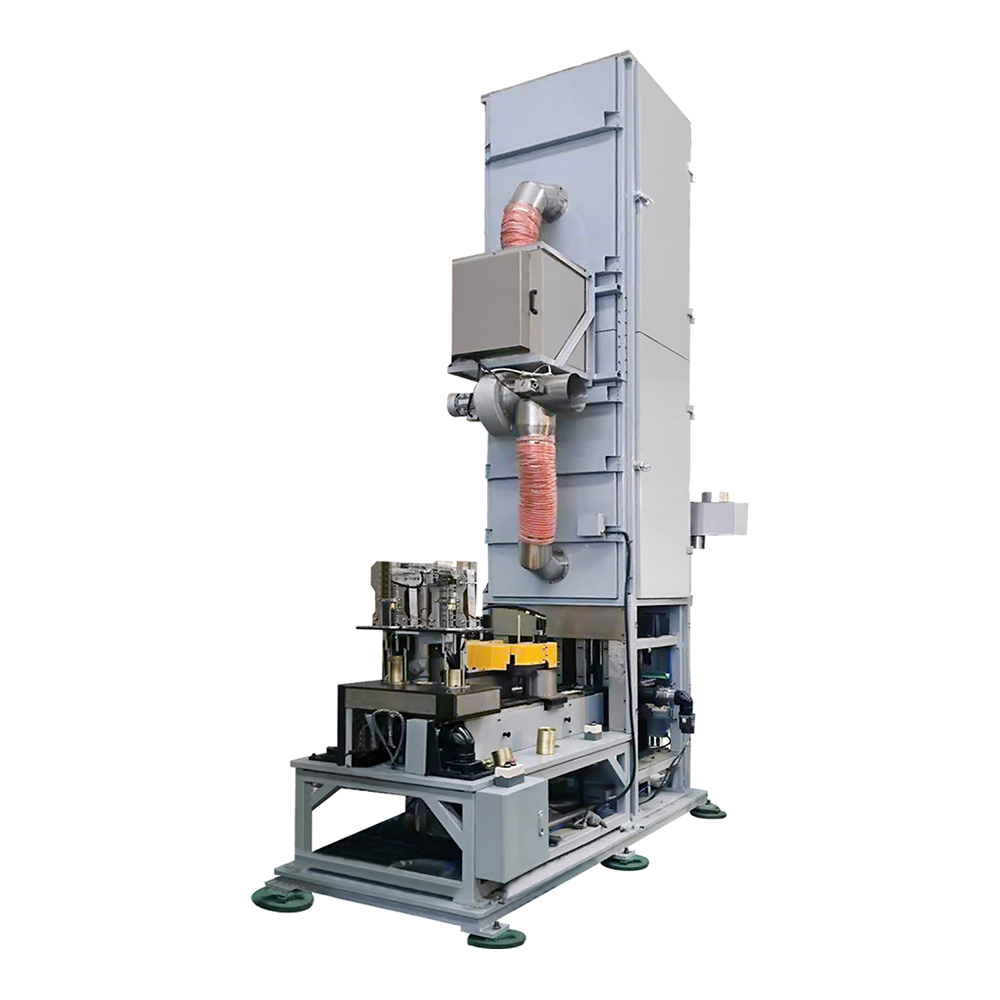
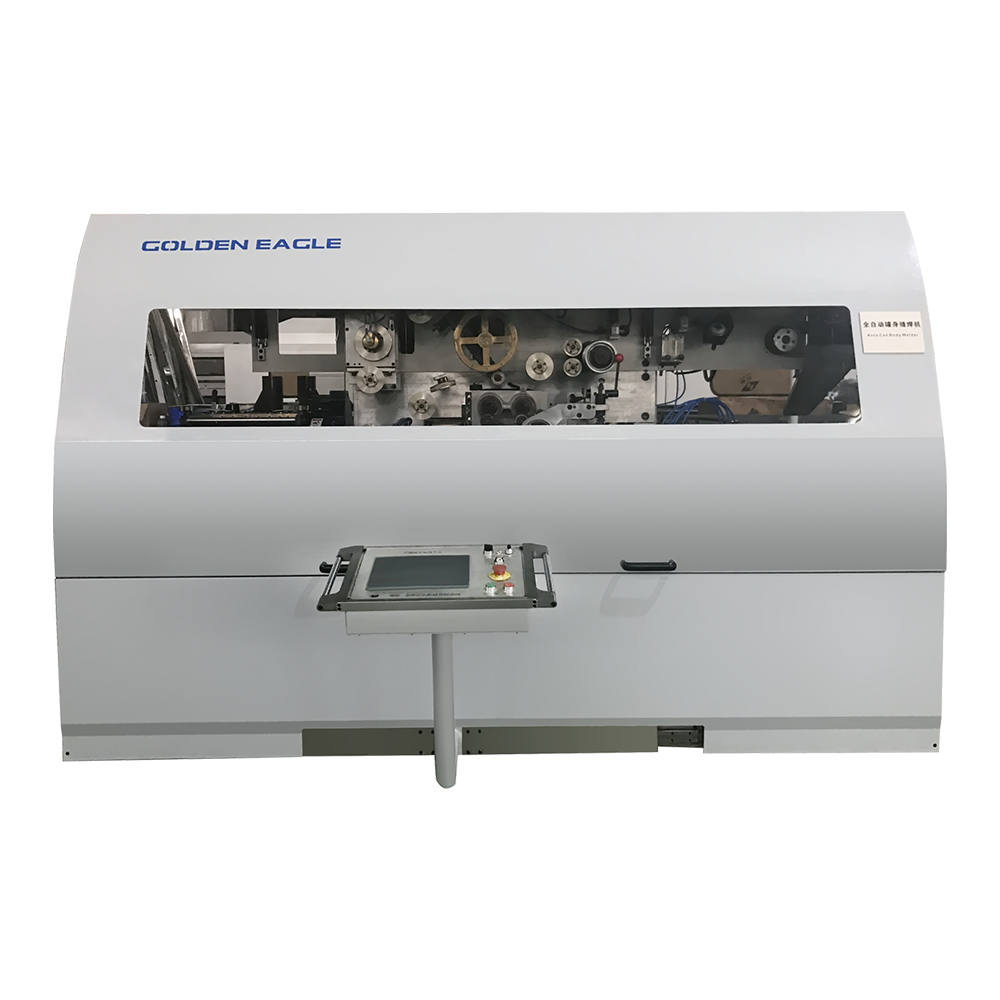 OEM/ODM 500cpm GT10C-500 Automatic can body welder Machine Factory, ManufacturerZhejiang Golden Eagle Food Machinery Co., Ltd. is China OEM/ODM 500cpm GT10C-500 Automatic can body welder Machine factory and manufactur...View Product →
A welded seam leaves exposed metal that can corrode or react with the product. A lining machine applies a protective compound to the inside of the side seam, a coating unit covers the inner wall with food-grade or chemical-resistant lacquer, and curing ovens dry and set these layers at controlled temperatures. Rotary lining machines and vertical dryers handle this continuously, keeping cans moving from the seamer to end attachment without manual handling.
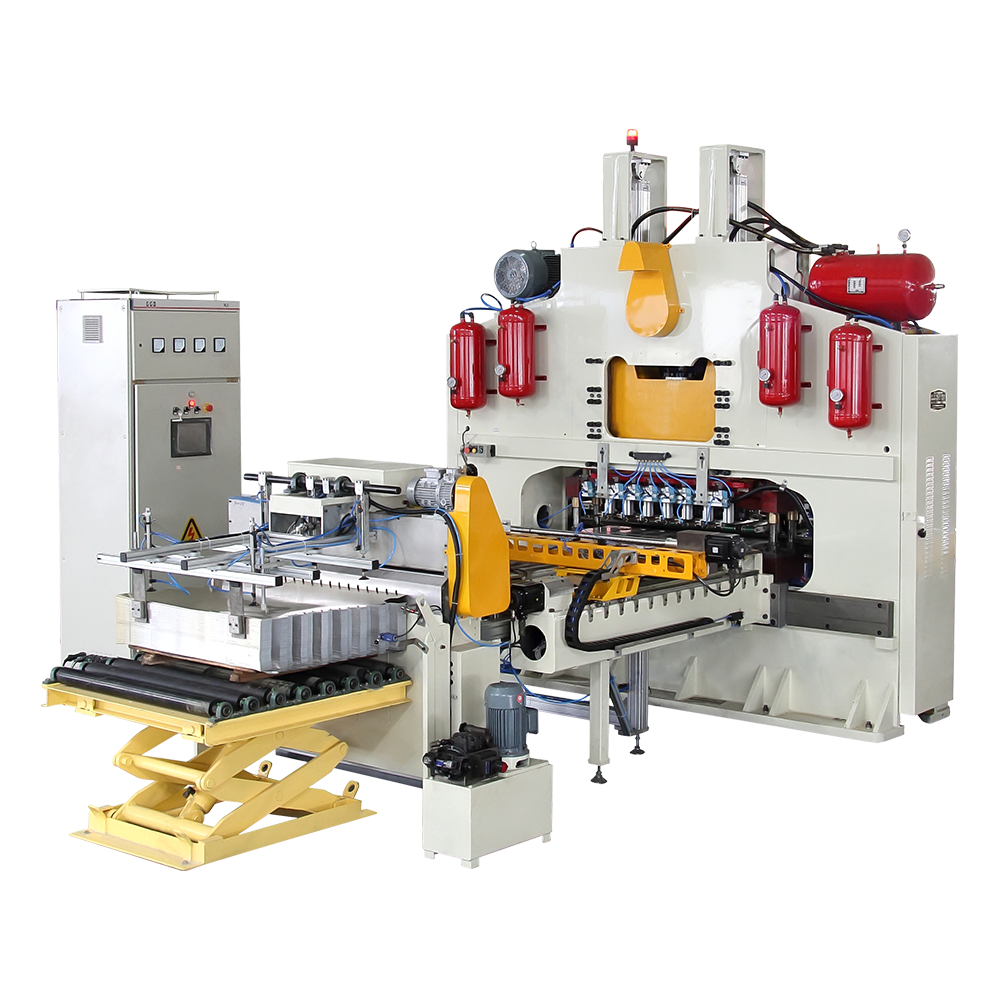
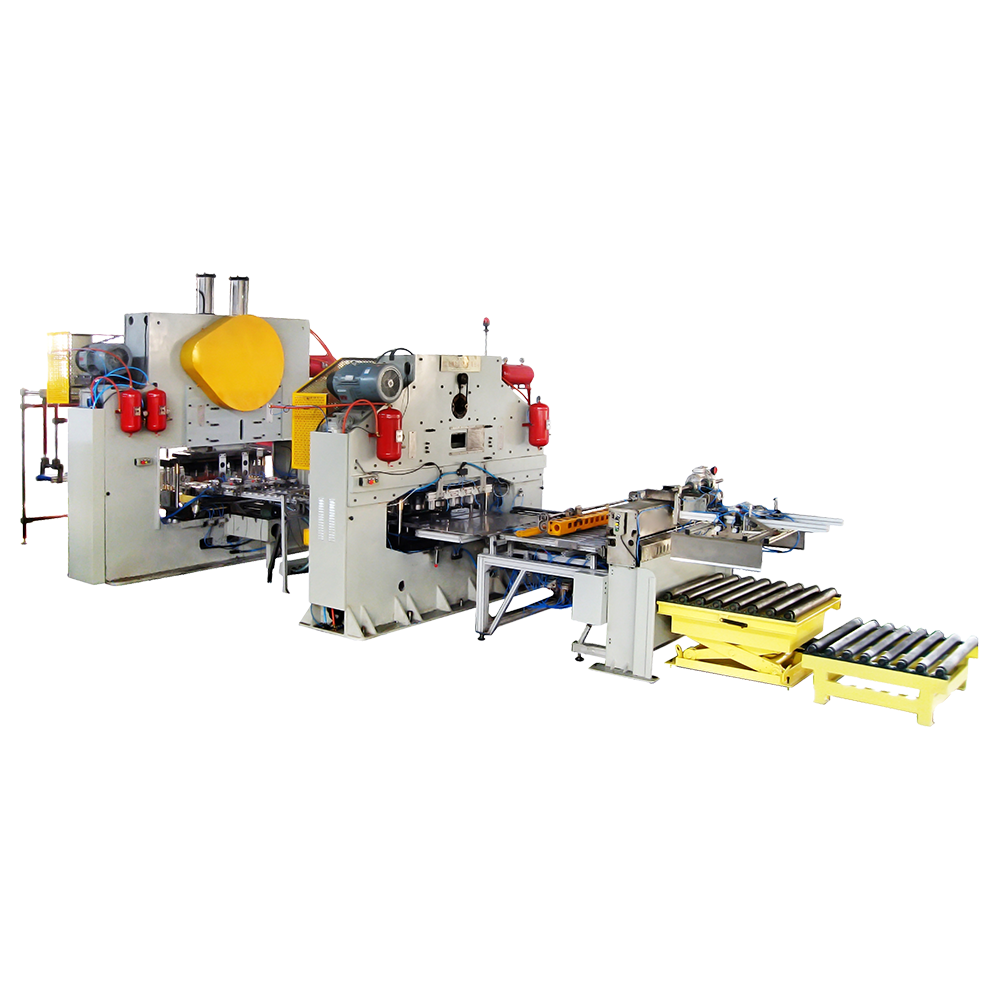
While the body line runs, a parallel operation produces the ends. A scroll shear cuts strips to maximize the number of end shells per sheet, and a conversion press forms the shell, scores the opening, and attaches the tab for easy-open lids. Golden Eagle supplies a complete end cover production line and a conversion press for easy-open end production that is synchronized with the body line. The finished ends receive sealing compound on the curl and are applied by a seamer at the end of the packaging process.
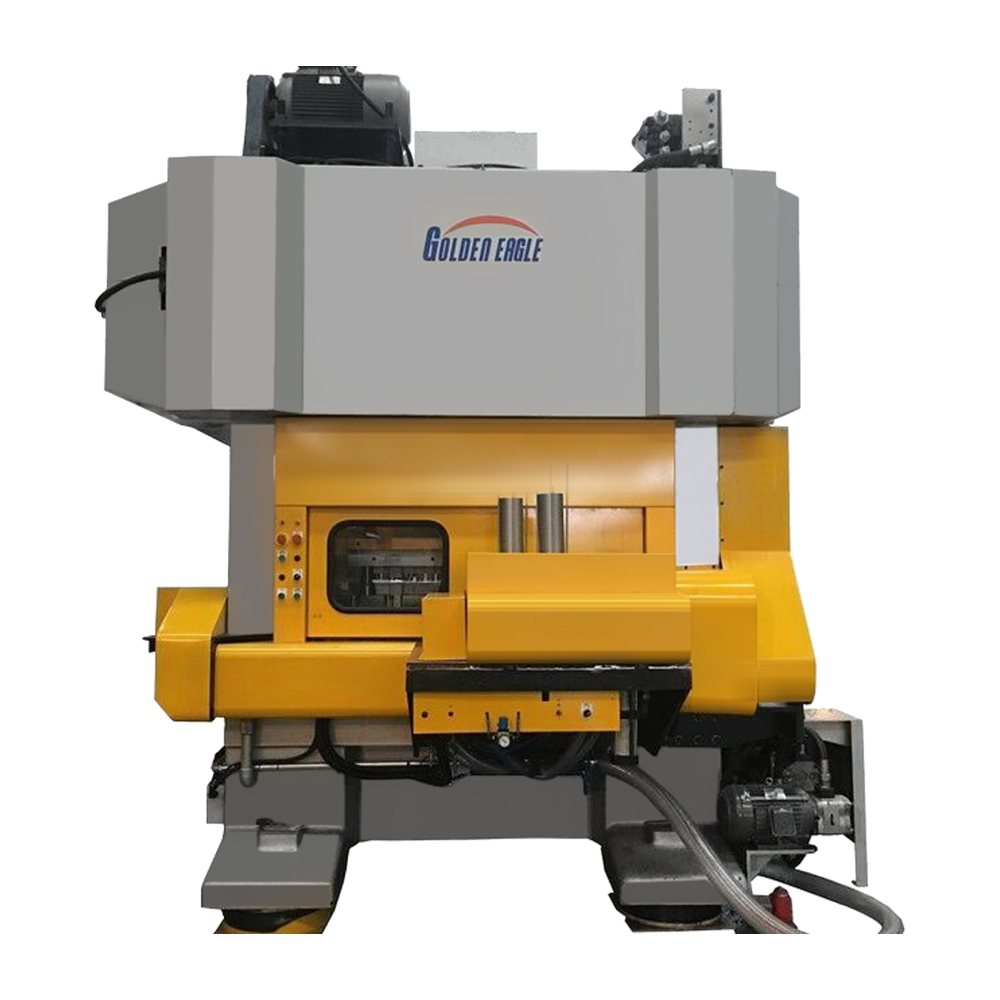 OEM/ODM EOE Lid Making Machine Factory, Manufacturers - Zhejiang Golden Eagle FoZhejiang Golden Eagle Food Machinery Co., Ltd. is China OEM/ODM EOE Lid Making Machine factory and manufacturers, 202#/211#/300#/307#/401...View Product →
Not all can making machines produce the same results. Four technical areas separate a dependable line from one that creates constant downtime.
Welding quality. Seam strength, welding speed, and weld-roll life define the heart of the machine. A clean, consistent seam is the difference between a can that holds pressure and one that leaks in the warehouse.
Automation level. Automatic feeding, in-line detection, and automatic rejection of defective bodies reduce labor cost and protect consistency. Higher automation makes the line less dependent on operator skill.
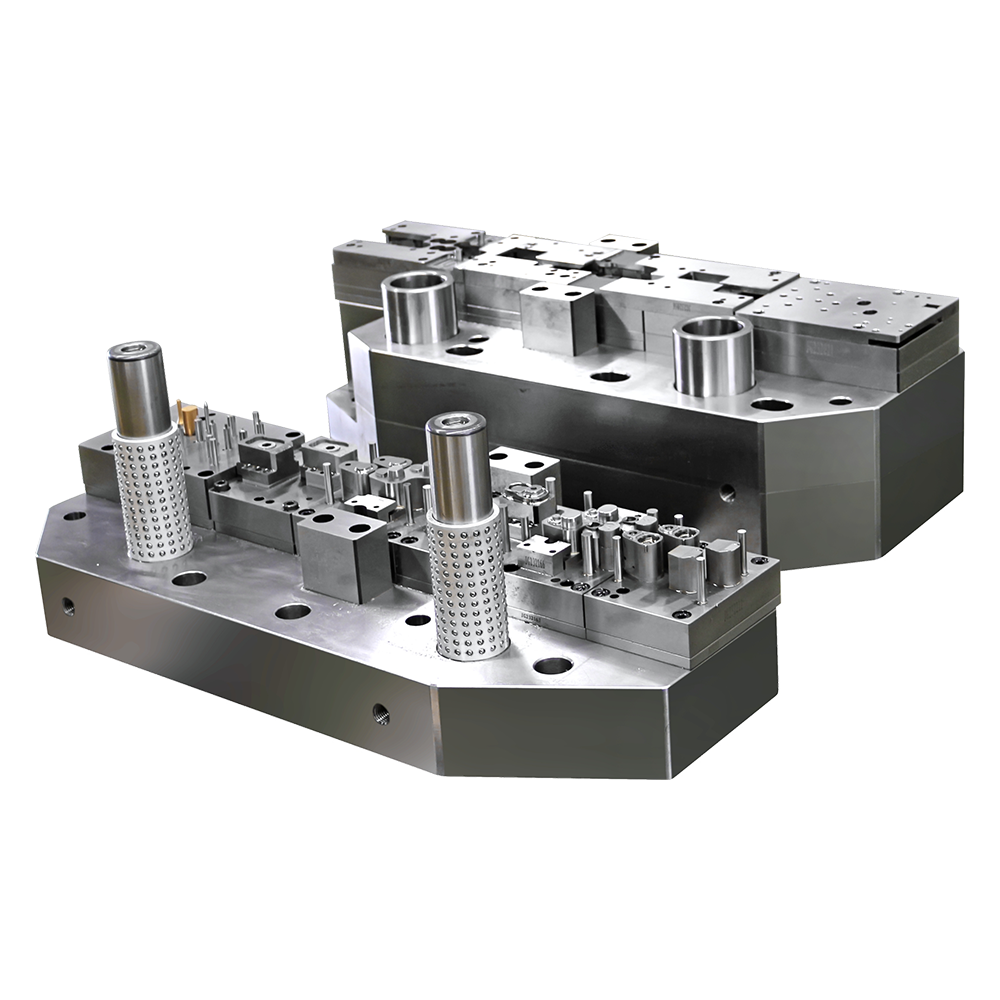
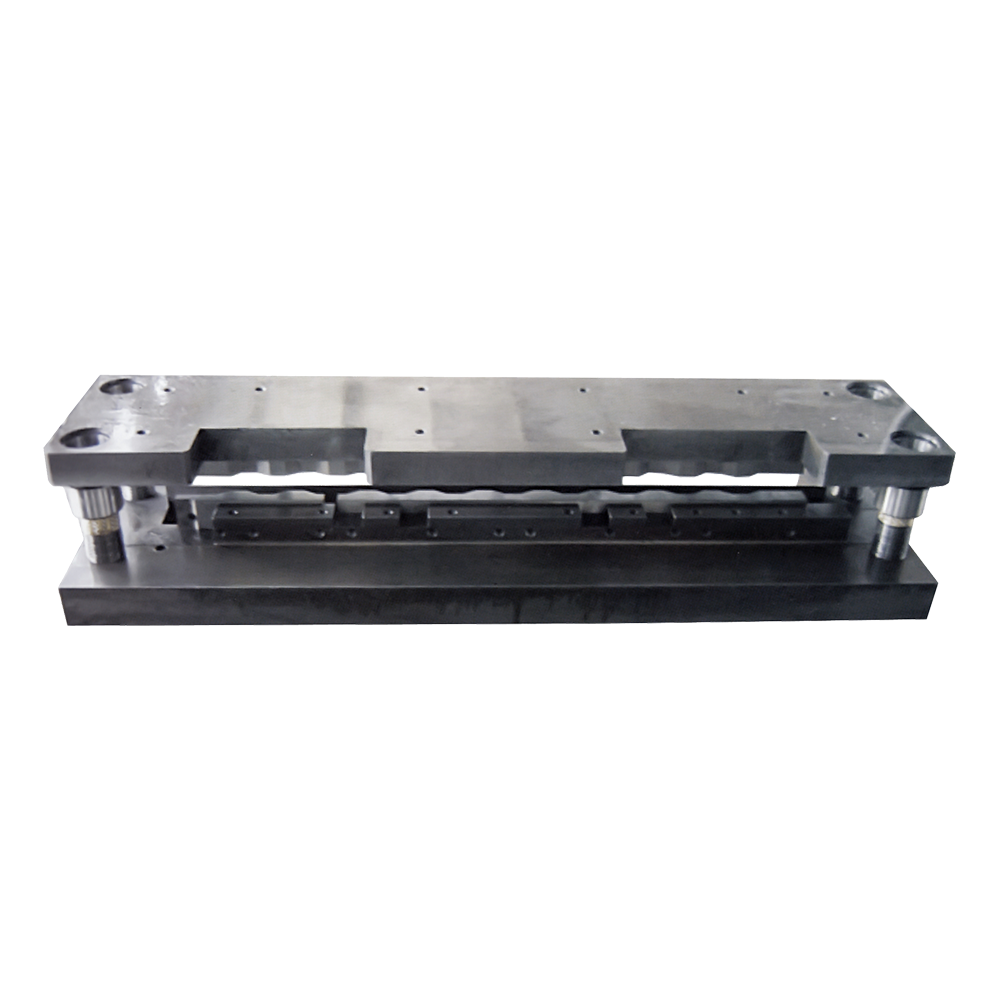
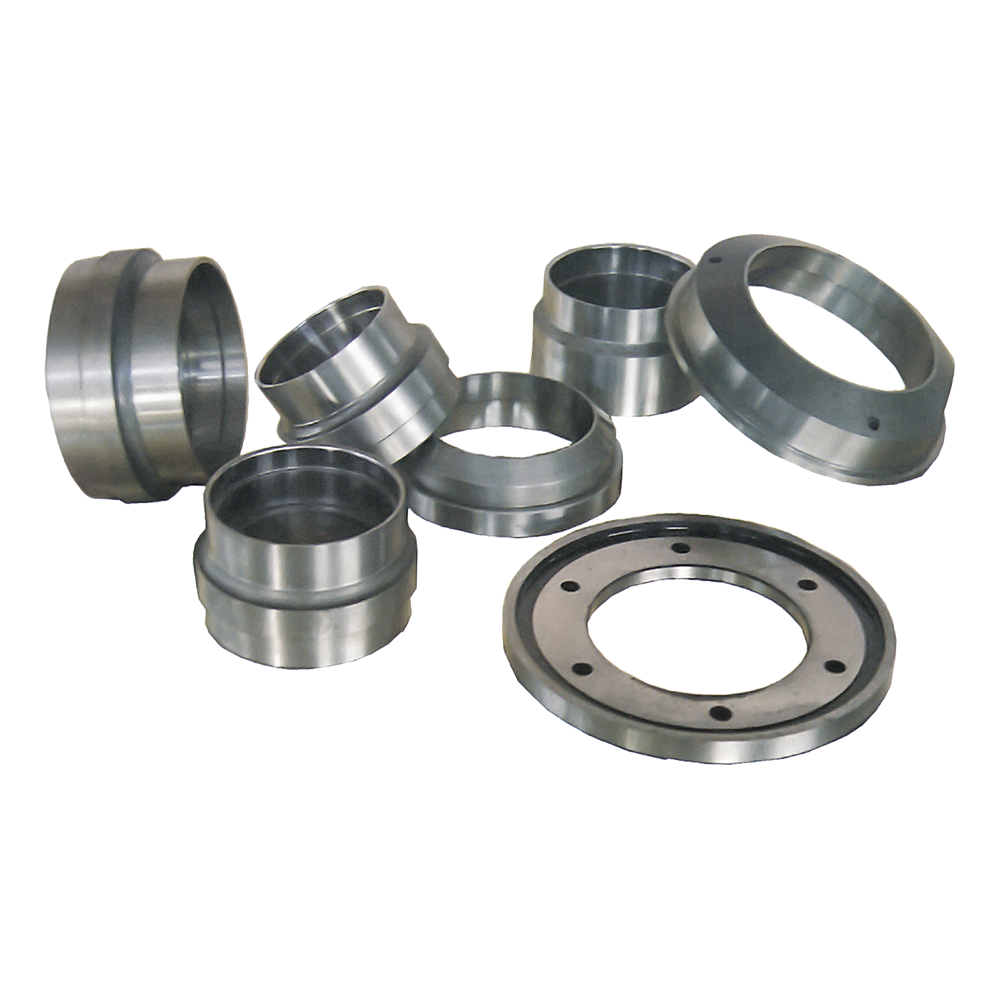
Mold precision. The shape consistency of a can depends directly on dies and seaming rollers. CNC-machined tooling holds tolerances over long runs, and the same logic applies to precision conversion press tooling and dies. Golden Eagle manufactures its tooling on CNC precision equipment, and its machine design principles reference the approach of internationally recognized brands such as Krupp, Soudronic, and Alfons Haar, adapted and improved through its own engineering experience.
Changeover flexibility. For factories producing several can heights or diameters, the speed and repeatability of size changes affect overall equipment effectiveness more than maximum line speed.
Evaluate suppliers with a structured checklist rather than a simple price comparison. The machine that wins on price can lose on tooling support and integration.
Golden Eagle's product range follows this logic with three- and four-station combiners, automatic welders, aerosol, chemical, and milk powder lines, end cover lines, easy-open end presses, and the complete mold set. For a deeper look at each evaluation criterion, read our detailed tips on choosing a can making machine.
Four trends currently shape equipment purchasing decisions.
Automation and robotics. Robotic handling between the body former, welder, and seamer reduces the number of operators per shift and improves repeatability in can making machines.
Intelligent monitoring. Sensors and process-control systems track weld current, seam dimensions, and coating thickness in real time, allowing operators to correct drift before defective cans accumulate.
Energy efficiency and environmental compliance. Low-energy welding, water-based linings, and heat-recovery dryers cut operating costs and help manufacturers meet sustainability targets.
Higher line speeds. Faster welders, combiners, and conversion presses lower the cost per can and become decisive in high-volume beverage and aerosol segments.
The can type you produce determines the machine family; the volume and changeover frequency determine the automation level; and the supplier's tooling and integration capability determine long-term reliability. Each decision path leads back to the same question: can the equipment partner support the full process?
Golden Eagle Food Machinery aligns with that requirement. With 46 years of engineering history, more than 350 employees, ISO9001 and ISO14001 certification, and more than 10,000 machines delivered to markets on six continents, the company supplies automatic can body welders, combiners, end cover lines, easy-open end presses, and the complete mold package. Contact Golden Eagle to discuss your can type, capacity target, and plant layout, and receive a line proposal built around your production program.
Related Products

Founded in 1978, the company is one of the largest can-making machinery well-known companies at home and abroad.
Product Categories
Contact Information
Zhongshatou Shenjiamen Zhoushan Zhejiang China
+86-580-3056646

 English
 中文简体
中文简体
 русский
 عربى
عربى
 Español