2026-03-12
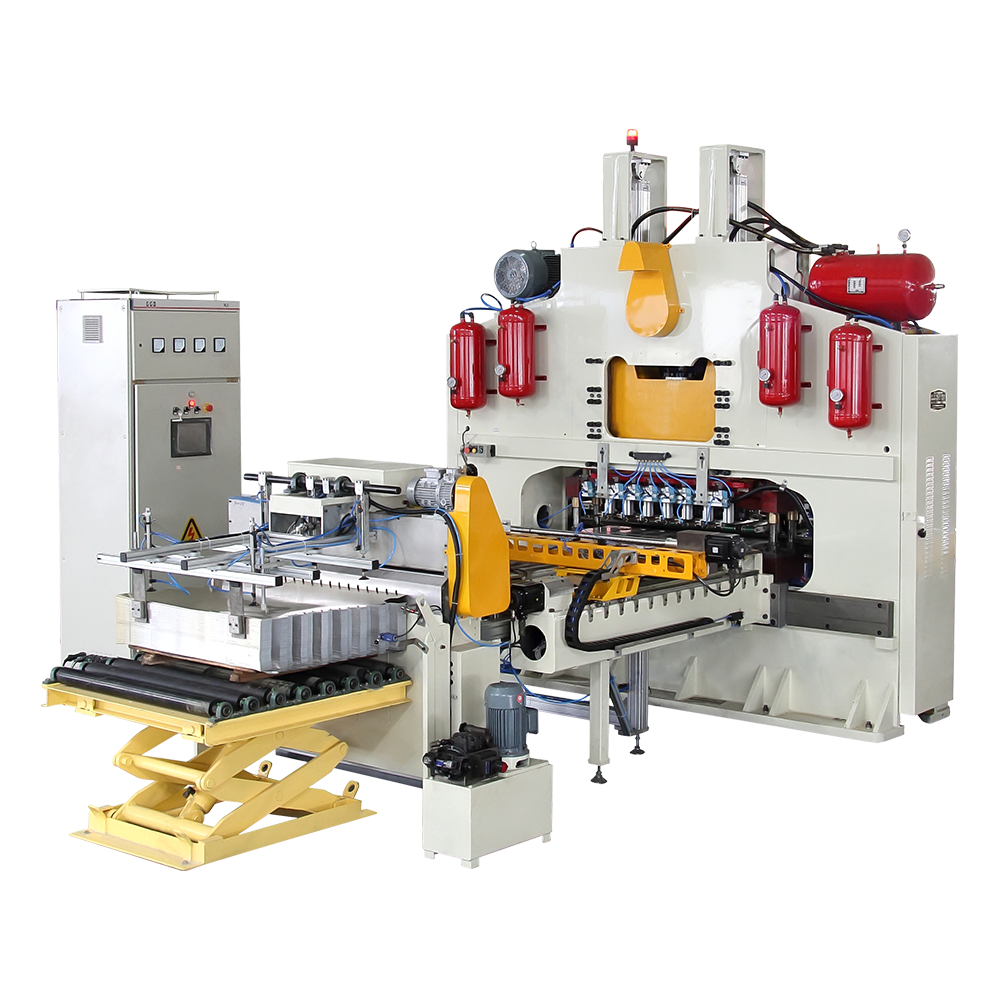
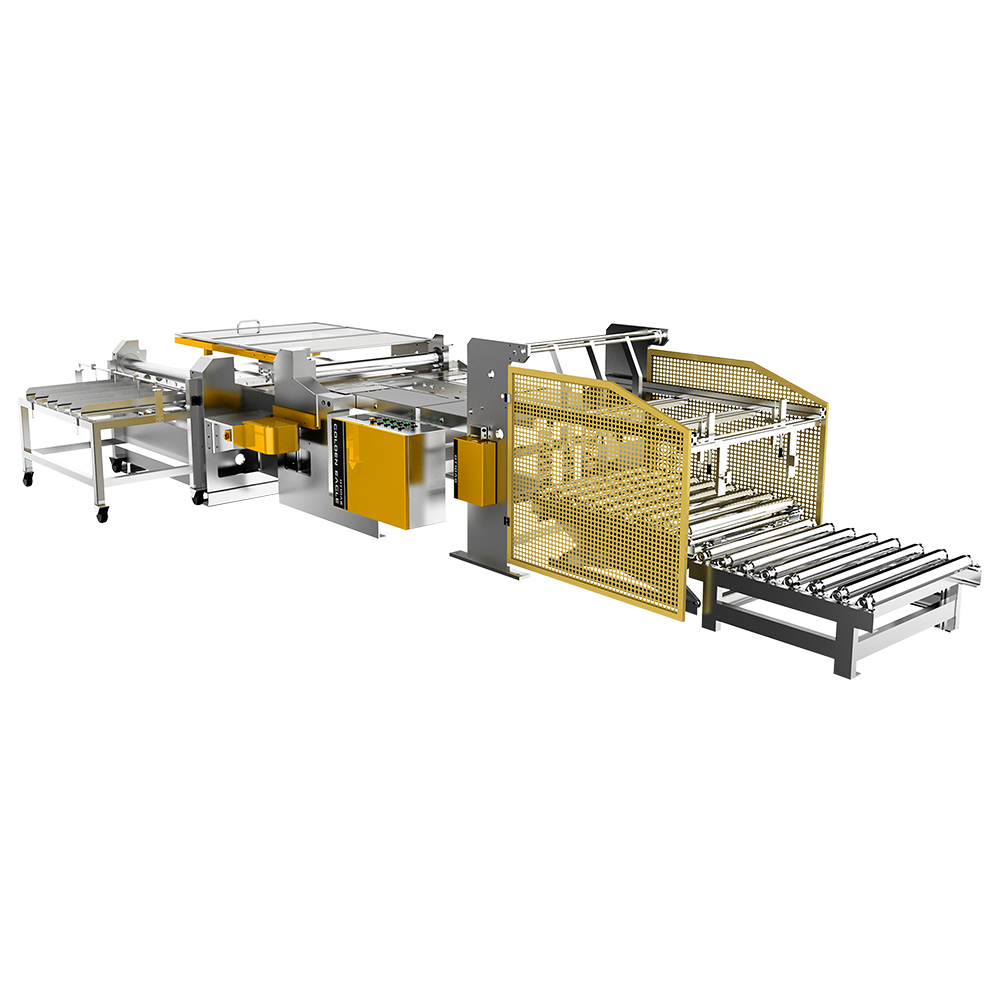
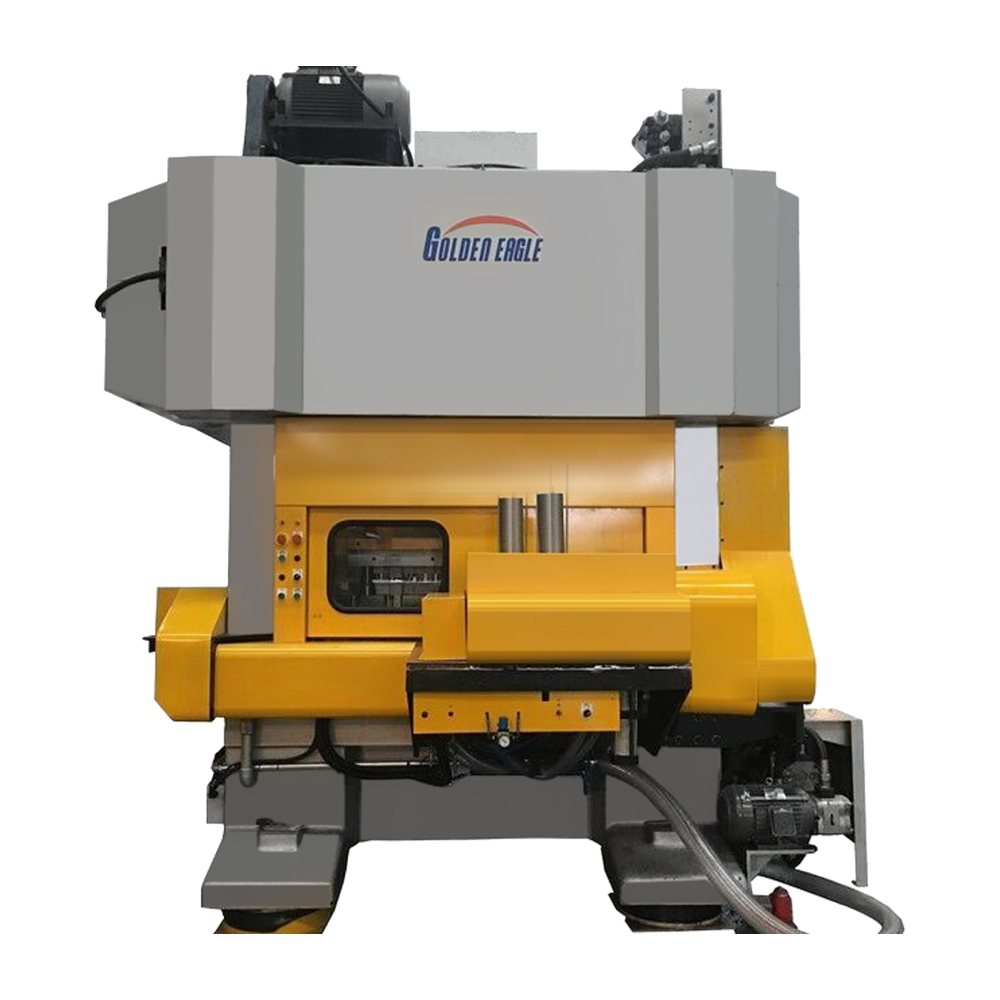
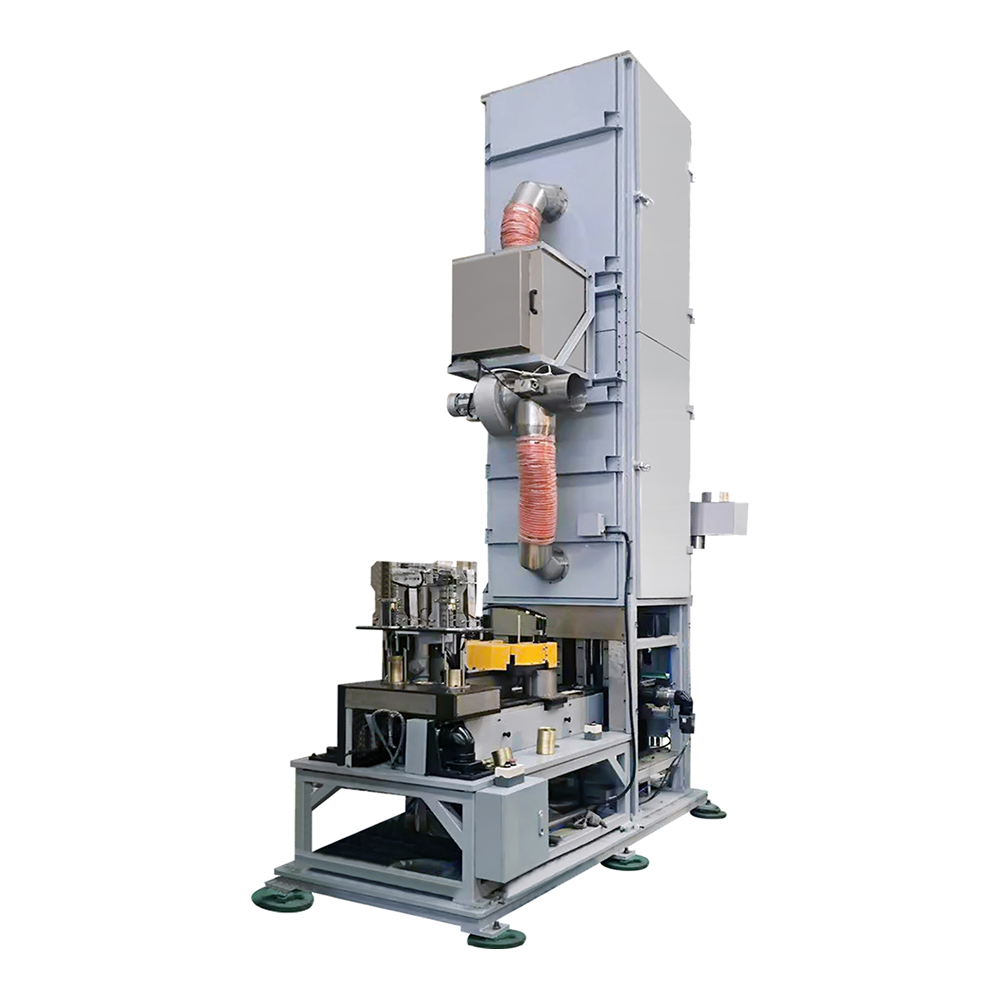
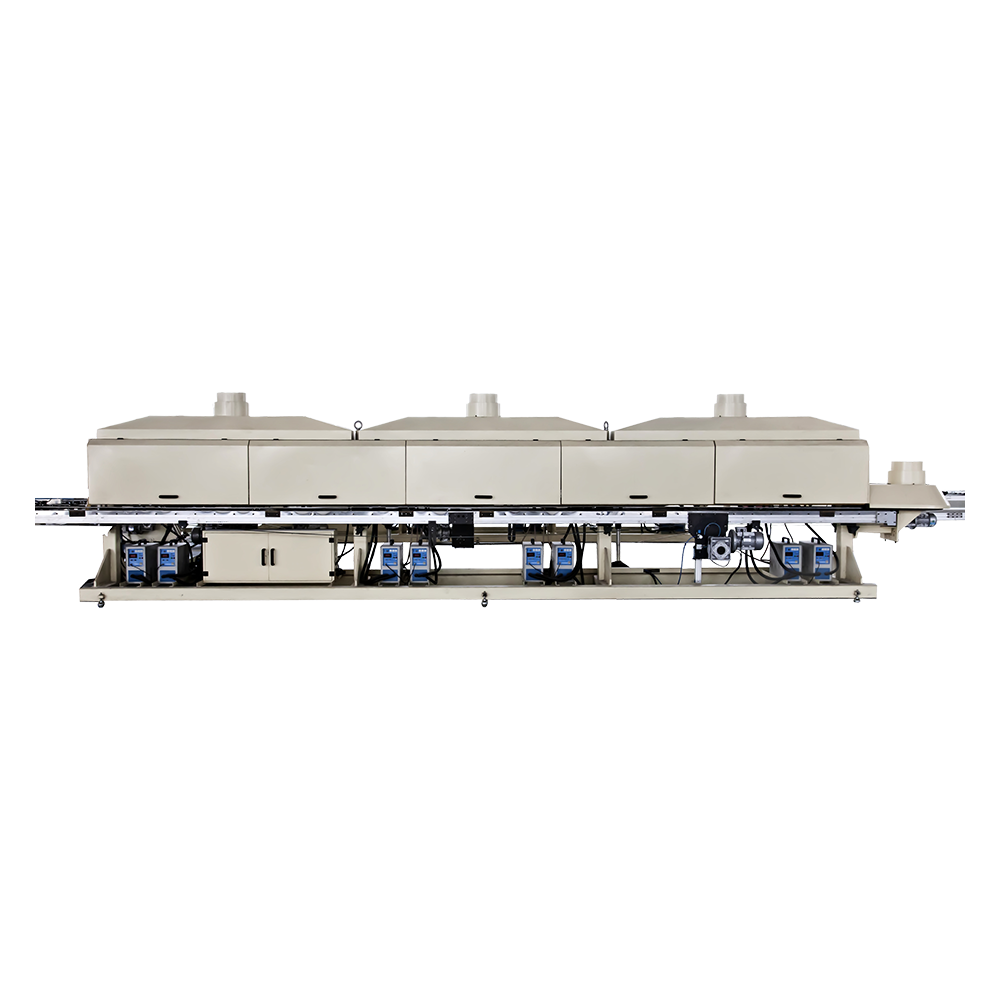
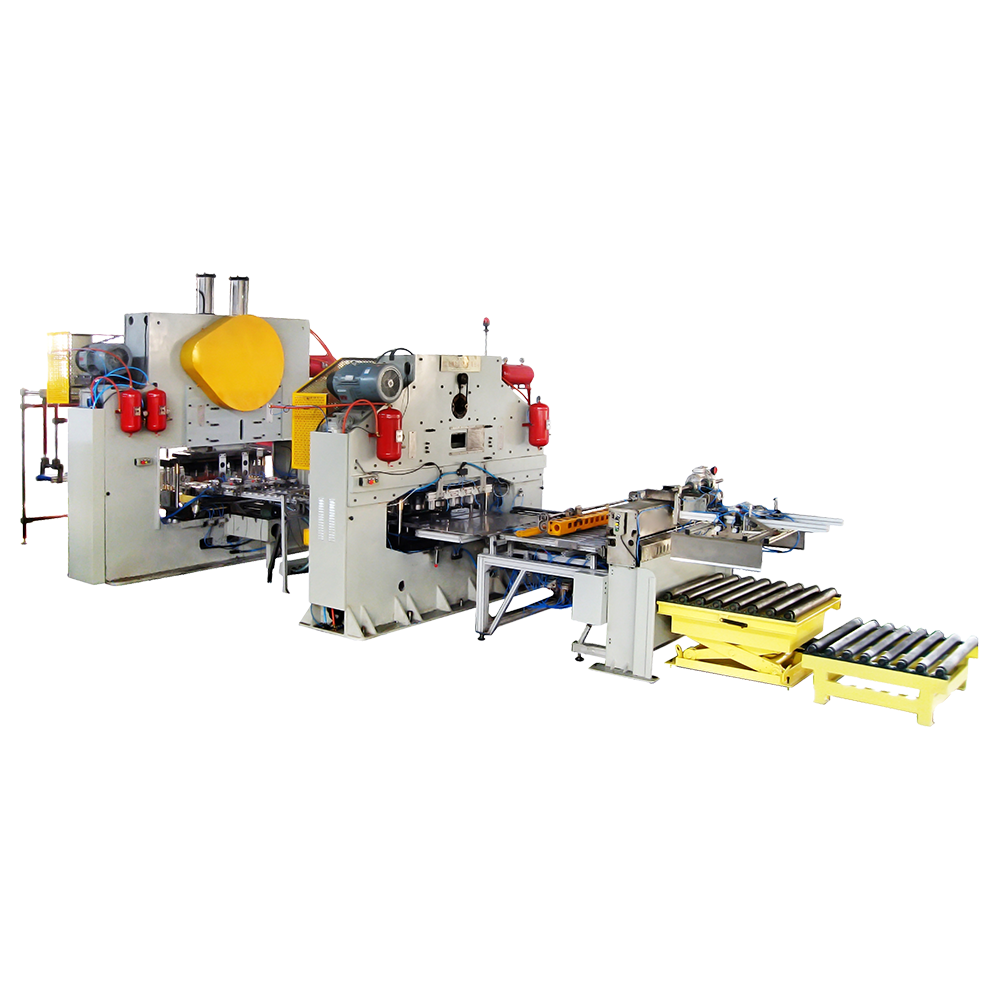
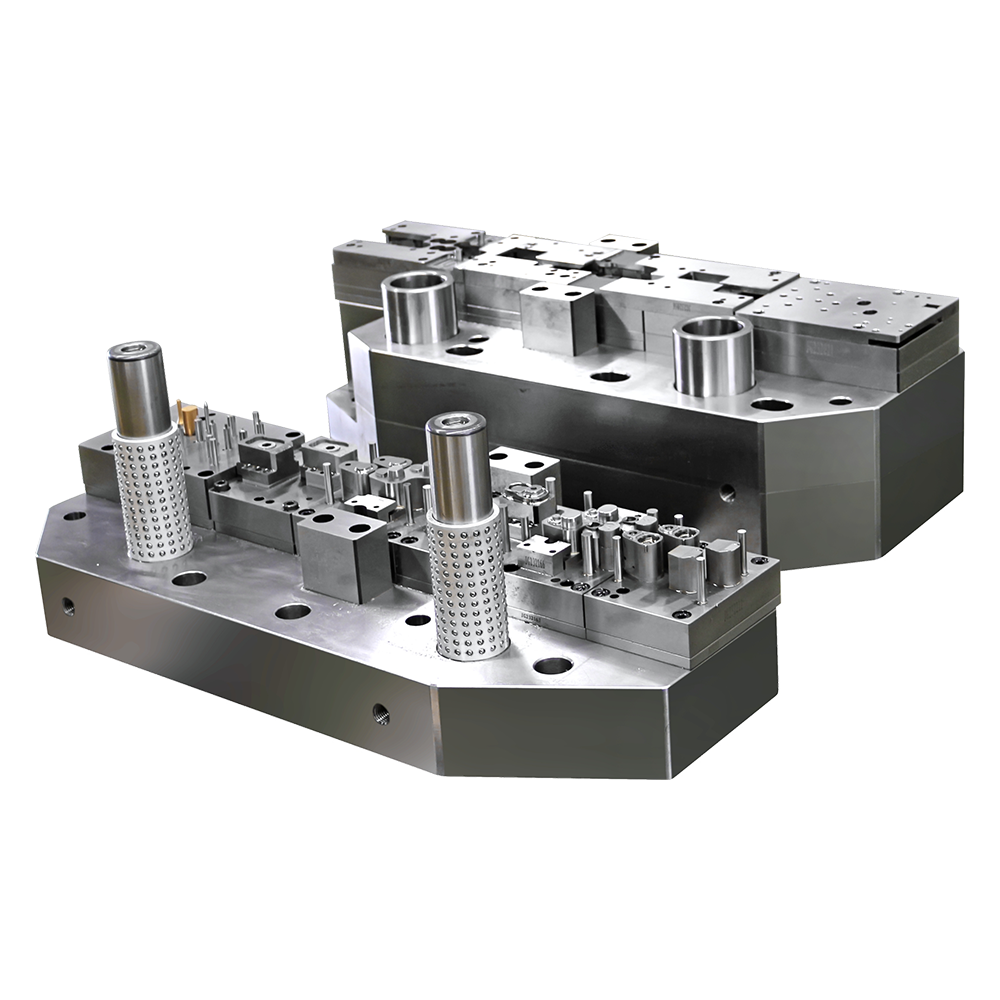
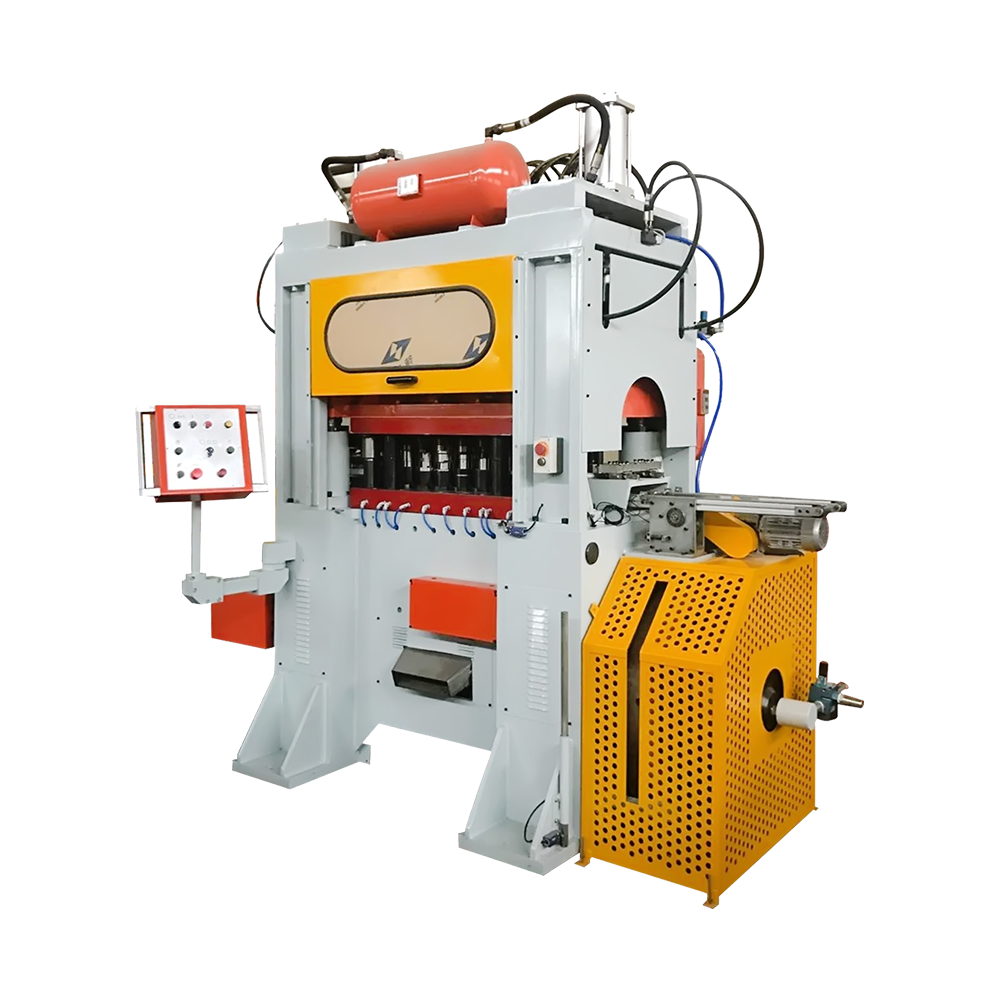
Can making machines are essential equipment in modern packaging industries, designed to manufacture tin cans and tinplate cans efficiently. These machines streamline production, reduce labor costs, and ensure consistent quality.Widely used for packaging beverages, food, chemicals, and aerosols, can making machines are critical for high-volume, high-speed production environments.
Can making machines can be categorized based on the type of cans they produce and the production process used:
Each type is tailored to specific production needs, offering varying speeds, capacities, and levels of automation.
The manufacturing of tin cans involves several critical steps to ensure precision and durability:
Example: A modern tinplate can making line can produce up to 6000 cans per hour with automated feeding, forming, seaming, and inspection processes.
High-quality can making machines offer several advantages for manufacturers:
When selecting a can making machine, the following specifications are critical:
| Machine Type | Can Diameter (mm) | Production Speed (cans/hour) | Material Compatibility | Automation Level |
|---|---|---|---|---|
| Two-Piece Can Machine | 50–120 | 3000–6000 | Tinplate, Aluminum | High |
| Three-Piece Can Machine | 70–150 | 2000–5000 | Tinplate | Medium |
Related Products

Founded in 1978, the company is one of the largest can-making machinery well-known companies at home and abroad.
Product Categories
Contact Information
Zhongshatou Shenjiamen Zhoushan Zhejiang China
+86-580-3056646

 English
 中文简体
中文简体
 русский
 عربى
عربى
 Español