2026-01-08
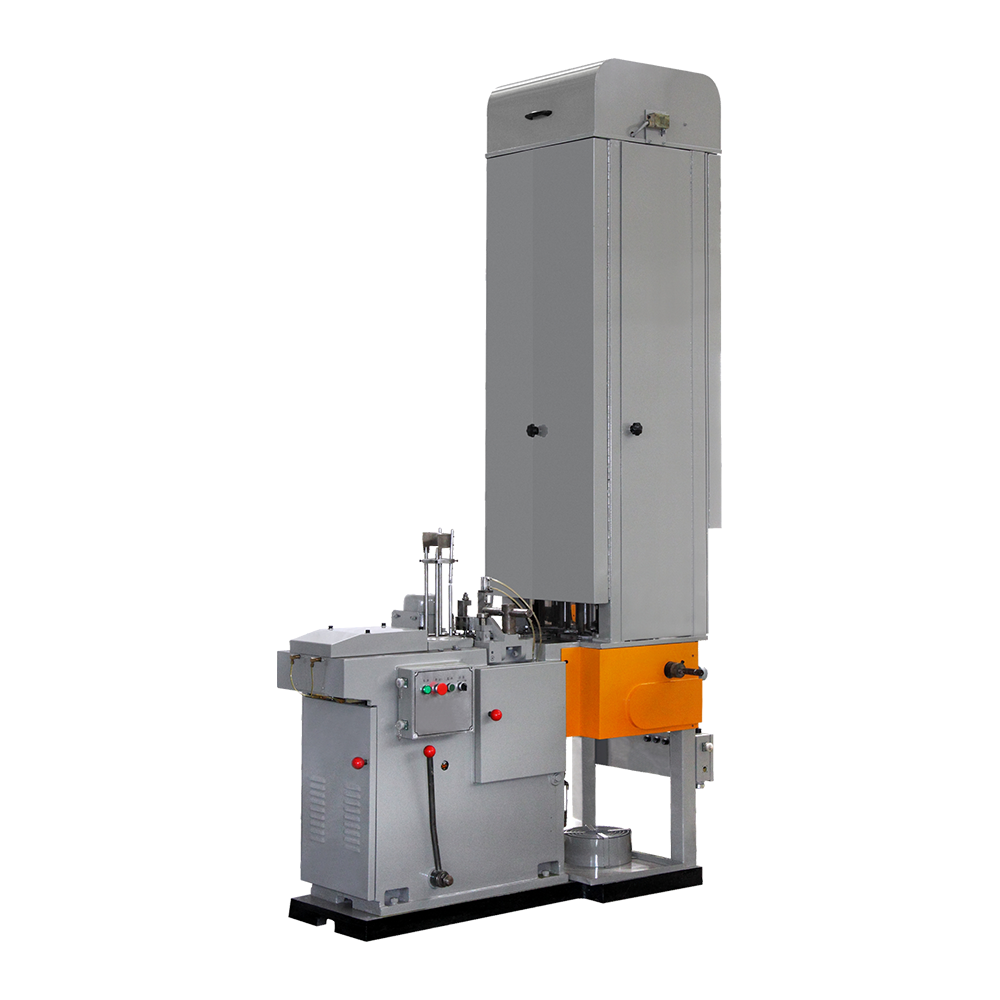
Can making machines are critical equipment in the packaging industry, designed to produce various types of metal cans efficiently. These machines are widely used in food, beverage, chemical, and industrial sectors. Modern can making machines incorporate automation and digital control systems to improve productivity, accuracy, and adaptability. One of the key aspects of advanced machines is their ability to store multiple production programs, which allows manufacturers to switch between different can types without extensive reconfiguration.
Storing multiple production programs in a can making machine enables manufacturers to handle a variety of can sizes, shapes, and specifications. This feature allows a single machine to produce standard beverage cans, tall cans, short cans, or specialty cans with unique dimensions. By having pre-programmed production parameters, the machine can adjust forming, welding, and trimming processes automatically, reducing downtime and minimizing the risk of errors associated with manual adjustments. This capability is essential in modern production environments where flexibility and rapid changeovers are required.
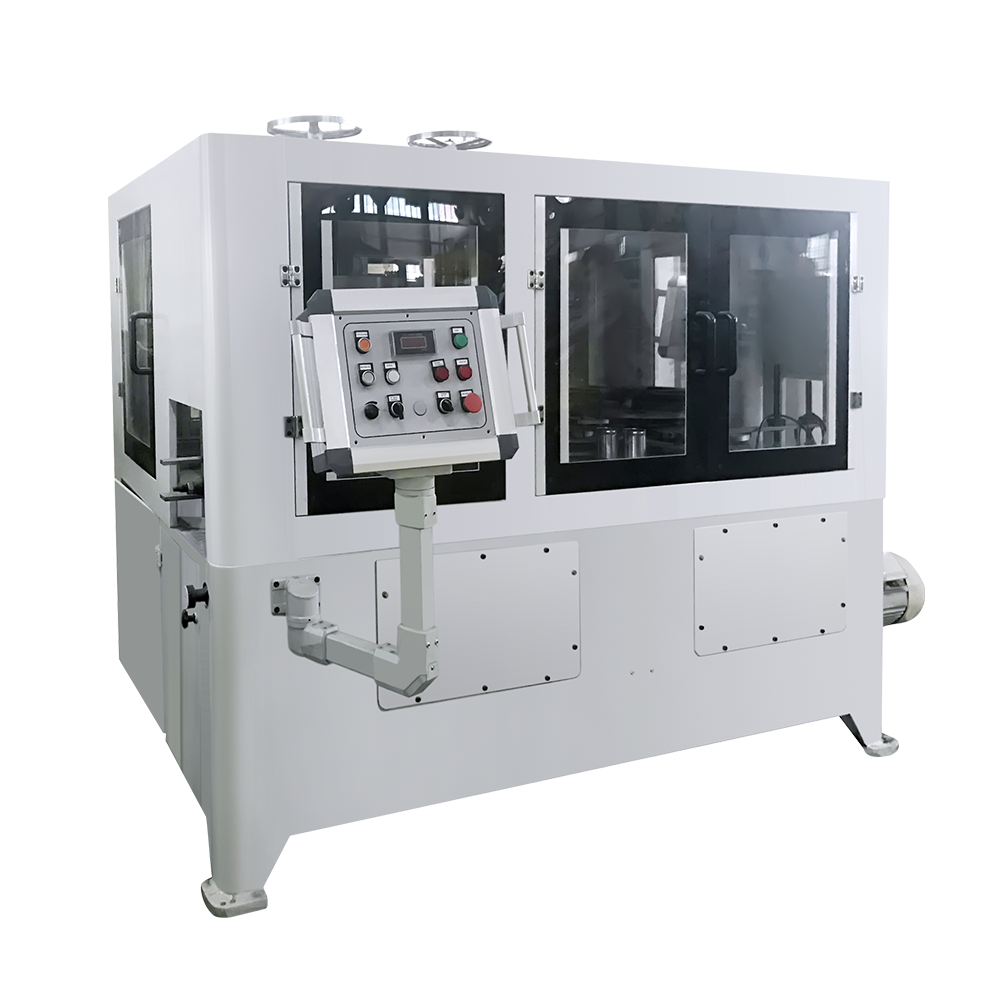
Advanced can making machines use digital control systems such as PLCs (Programmable Logic Controllers) or touch-screen interfaces to store production programs. Each program includes detailed parameters for processes like body forming, necking, seaming, and trimming. Operators can select the desired program for a specific can type, and the machine automatically adjusts tooling positions, feeding rates, and forming pressures to match the selected program. This reduces setup time, ensures consistent quality, and allows for quick adaptation to new production demands.
| Parameter | Description | Relevance to Different Can Types |
|---|---|---|
| Can Diameter | Specifies the width of the can body | Ensures proper forming and seaming for each can type |
| Can Height | Determines the vertical dimension of the can | Adjusts feeding, stamping, and trimming processes |
| Seam Pressure | Controls the force applied during lid attachment | Maintains secure sealing across various can materials |
| Tooling Position | Specifies the position of forming dies and punches | Supports quick changeover between can sizes |
Having multiple production programs stored in the machine allows for rapid transitions between different can types, reducing downtime between production runs. This capability is particularly valuable for manufacturers that produce seasonal or specialty products with varying packaging requirements. Automatic program selection ensures consistent accuracy and reduces the likelihood of human error, contributing to uniform quality across different can types. It also enables better scheduling and planning of production batches.
The storage of multiple programs provides flexibility to produce cans made from different materials, such as aluminum or tinplate, and with varying wall thicknesses or finishes. The machine can adjust process parameters to accommodate these variations, ensuring proper forming, sealing, and trimming for each material type. This adaptability allows manufacturers to diversify their product lines without investing in additional machines, making the production process more cost-effective and scalable.
Proper management of stored programs is essential for long-term reliability. Machines with digital program storage require regular backups and updates to prevent data loss. Maintenance routines should include checking the alignment of forming tools and calibration of sensors to ensure that the stored programs produce consistent results. By combining routine maintenance with program management, manufacturers can sustain high production efficiency and quality while minimizing unexpected downtime.
Can making machines with multiple stored programs can be integrated with quality control systems to monitor production in real time. Sensors and vision systems can measure can dimensions, seam integrity, and surface finish during production. By linking quality data with the active production program, operators can quickly identify deviations and make necessary adjustments. This integration enhances product consistency, reduces waste, and supports continuous improvement initiatives.
Storing multiple production programs reduces setup time, minimizes material wastage, and decreases labor costs associated with manual adjustments. Operators can switch between can types without extensive intervention, which leads to higher throughput and more efficient use of resources. The machine’s ability to handle diverse products without additional equipment investments also contributes to cost savings, allowing manufacturers to respond to market demands more effectively.
Advancements in can making technology continue to focus on automation, precision, and flexibility. Future machines may offer cloud-based program storage, remote monitoring, and adaptive control systems that adjust parameters in real time based on sensor feedback. These developments will further enhance the machine’s ability to accommodate multiple can types, reduce downtime, and maintain consistent quality across varied production runs. Manufacturers are increasingly prioritizing machines that can adapt to changing market demands while maintaining efficiency.
Related Products

Founded in 1978, the company is one of the largest can-making machinery well-known companies at home and abroad.
Product Categories
Contact Information
Zhongshatou Shenjiamen Zhoushan Zhejiang China
+86-580-3056646

 English
 中文简体
中文简体
 русский
 عربى
عربى
 Español