2026-02-05
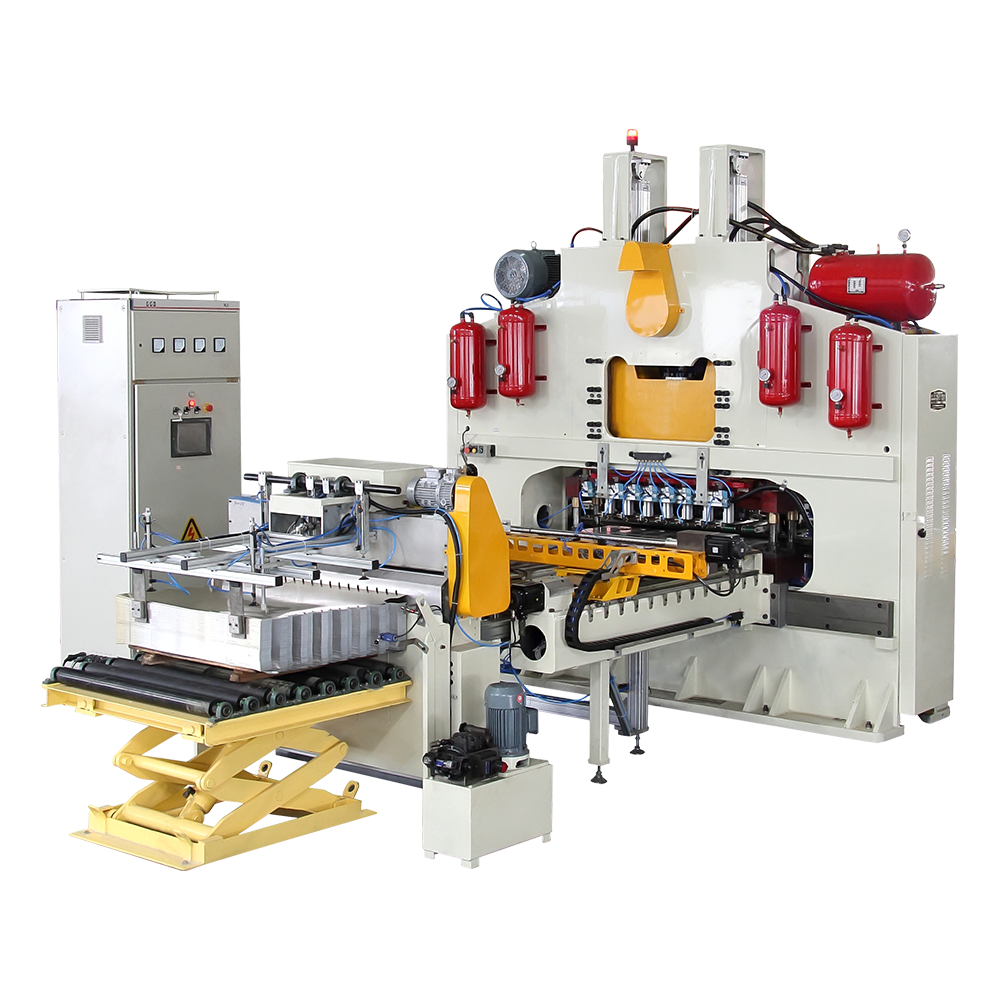
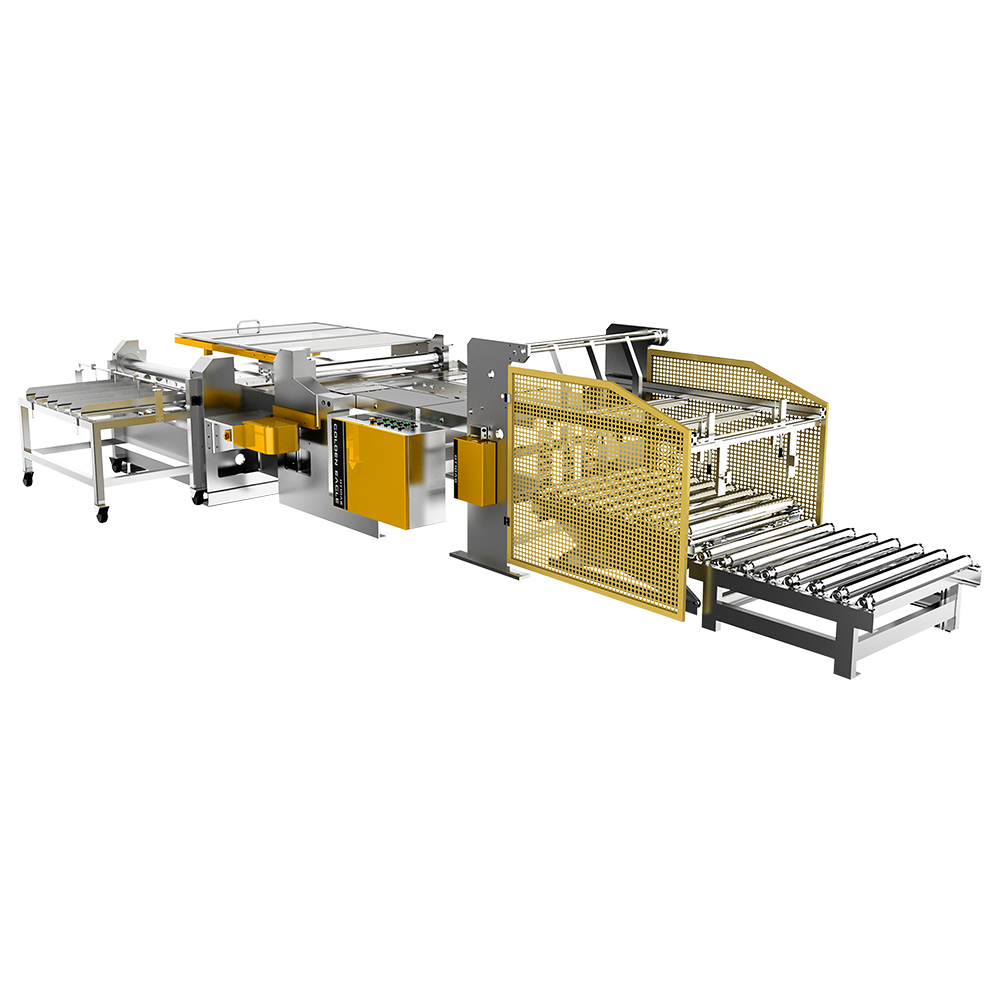
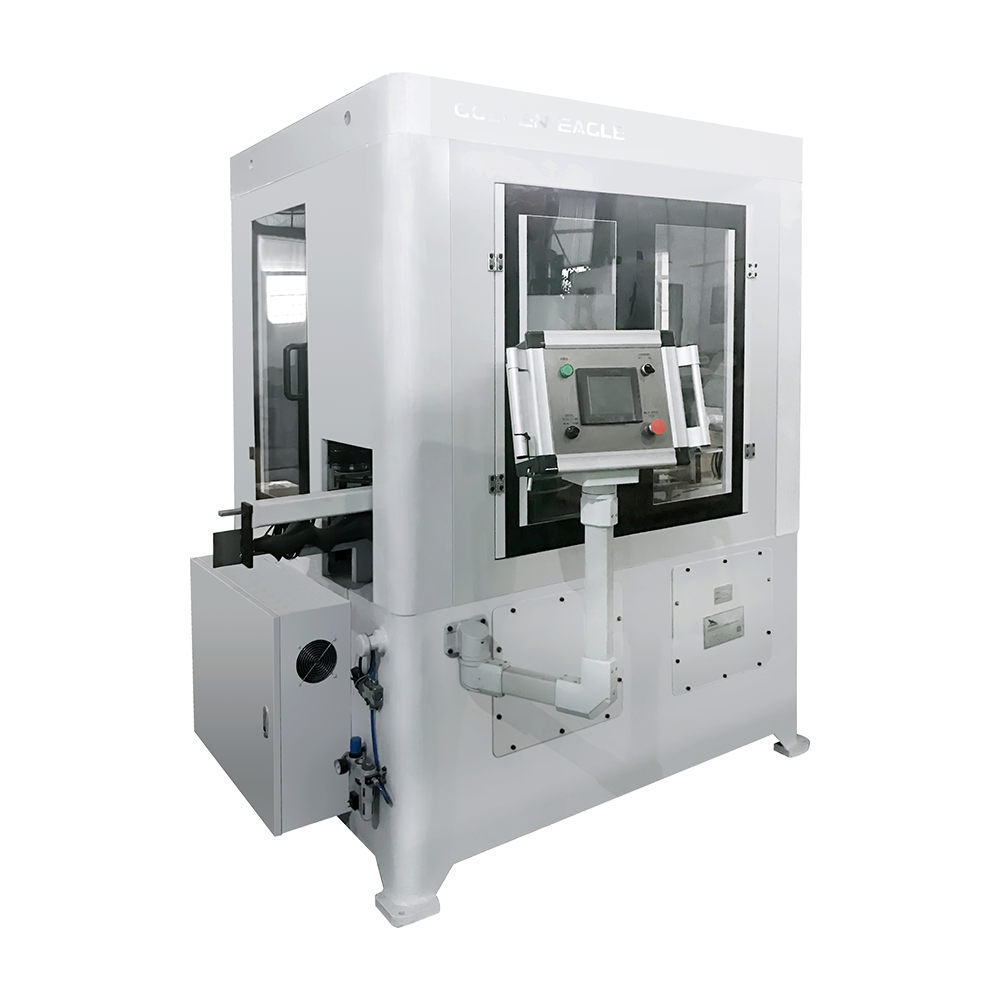
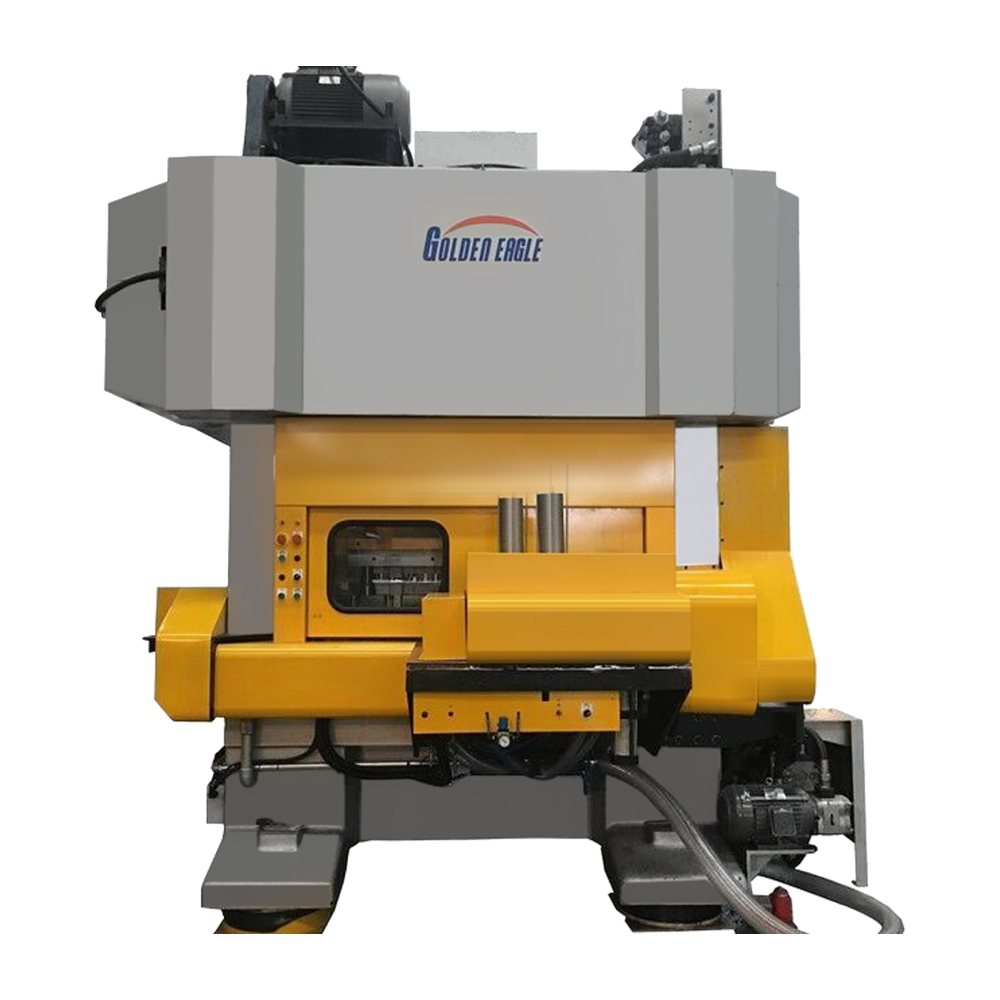
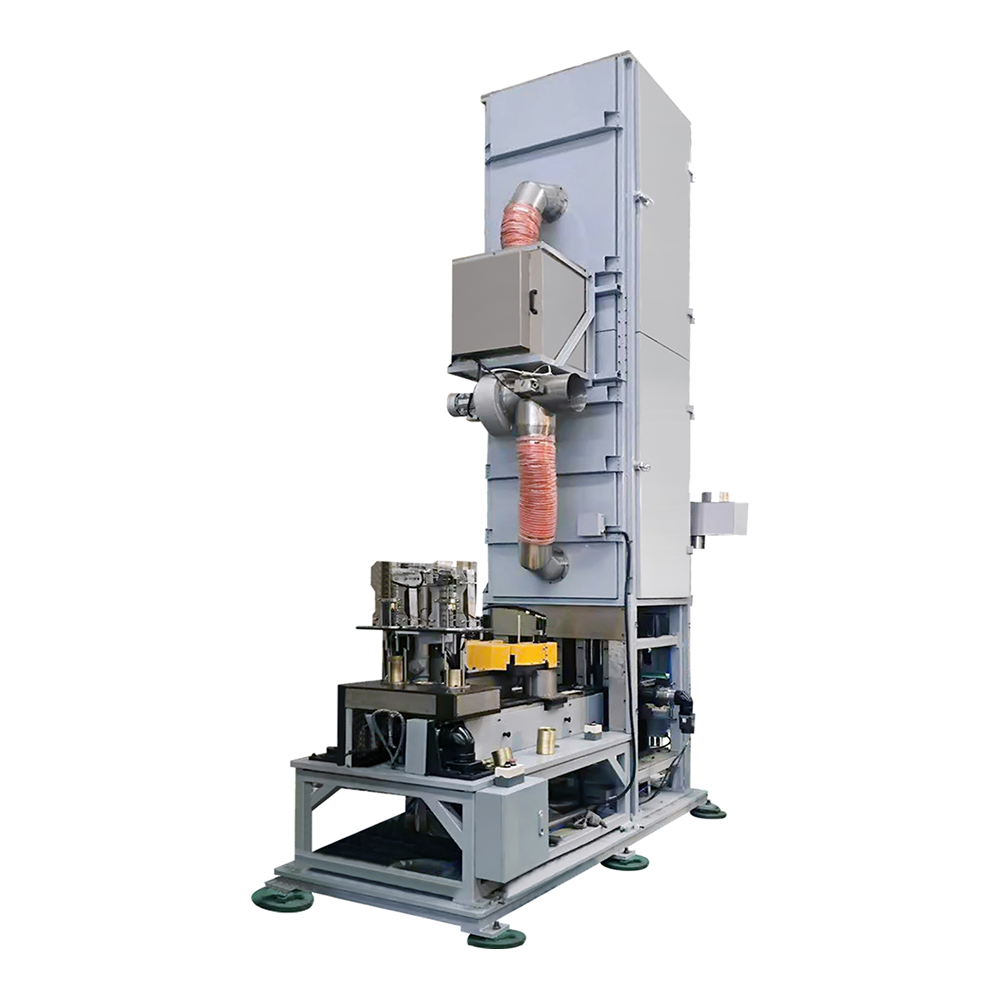
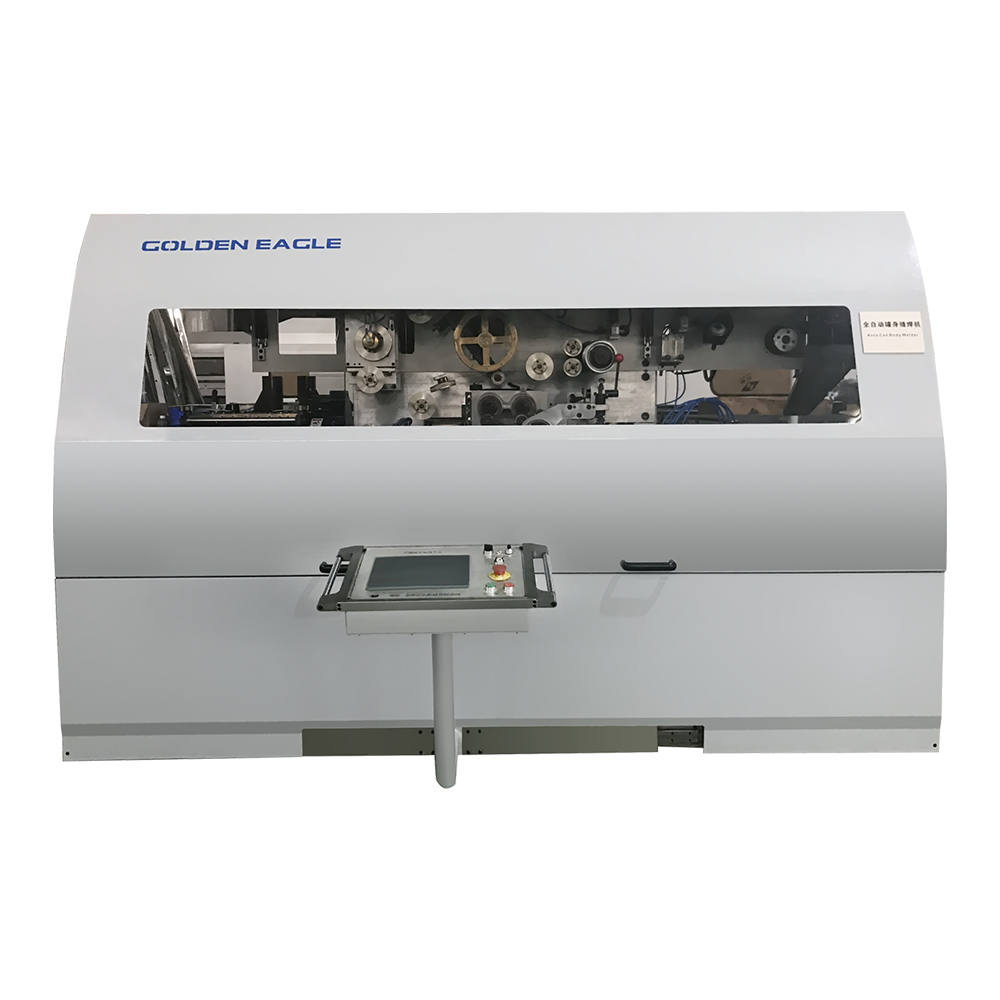
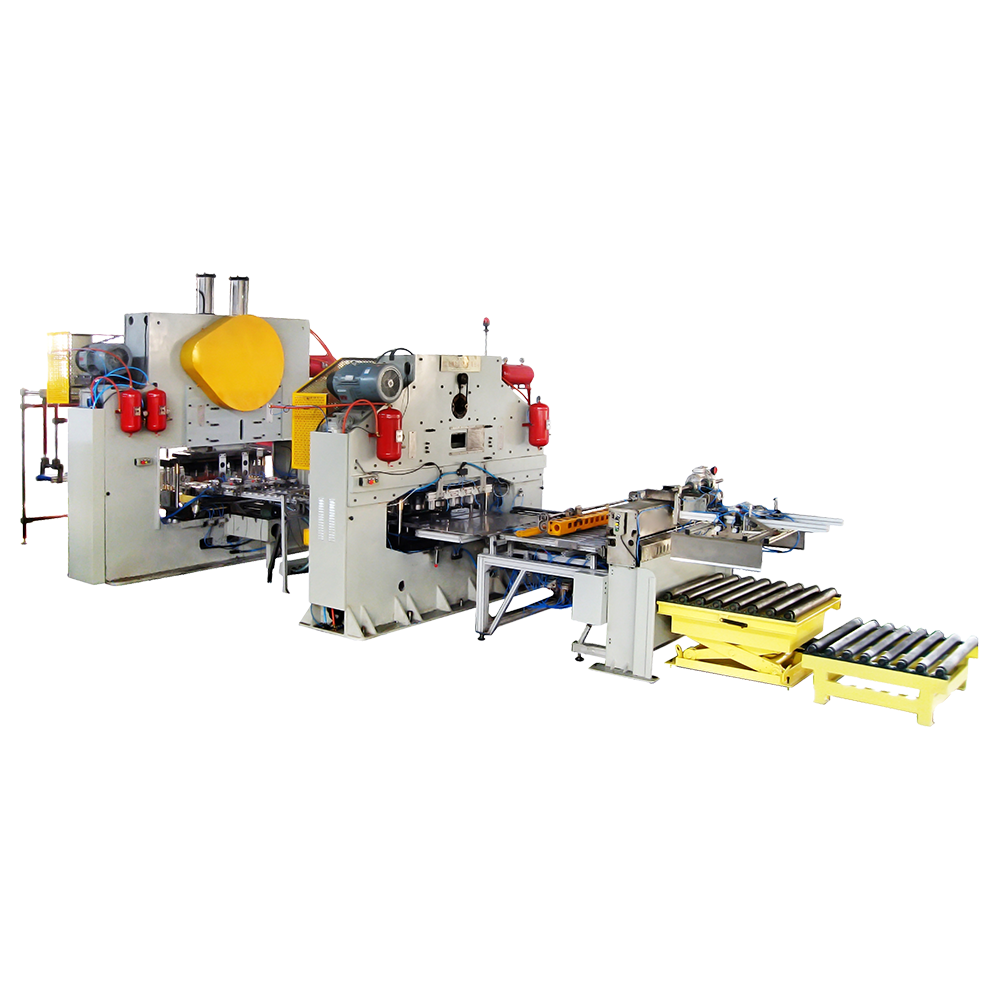
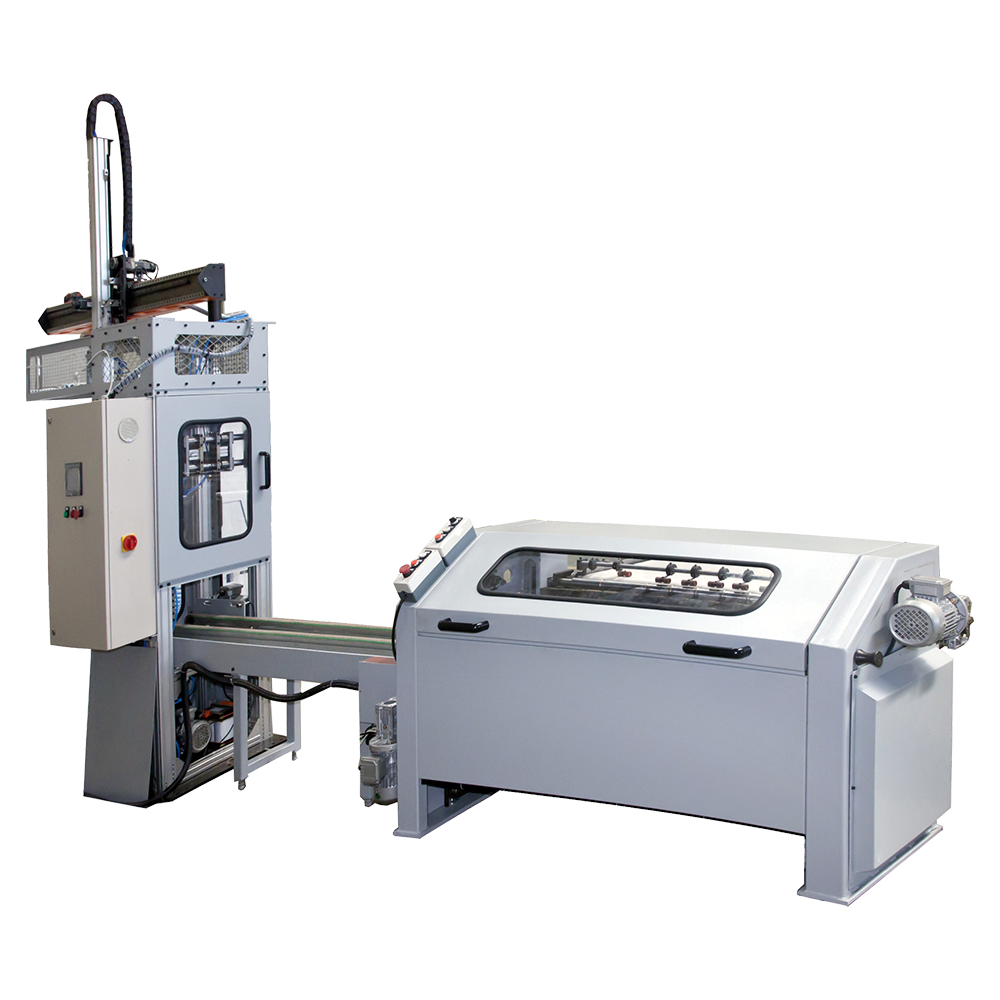
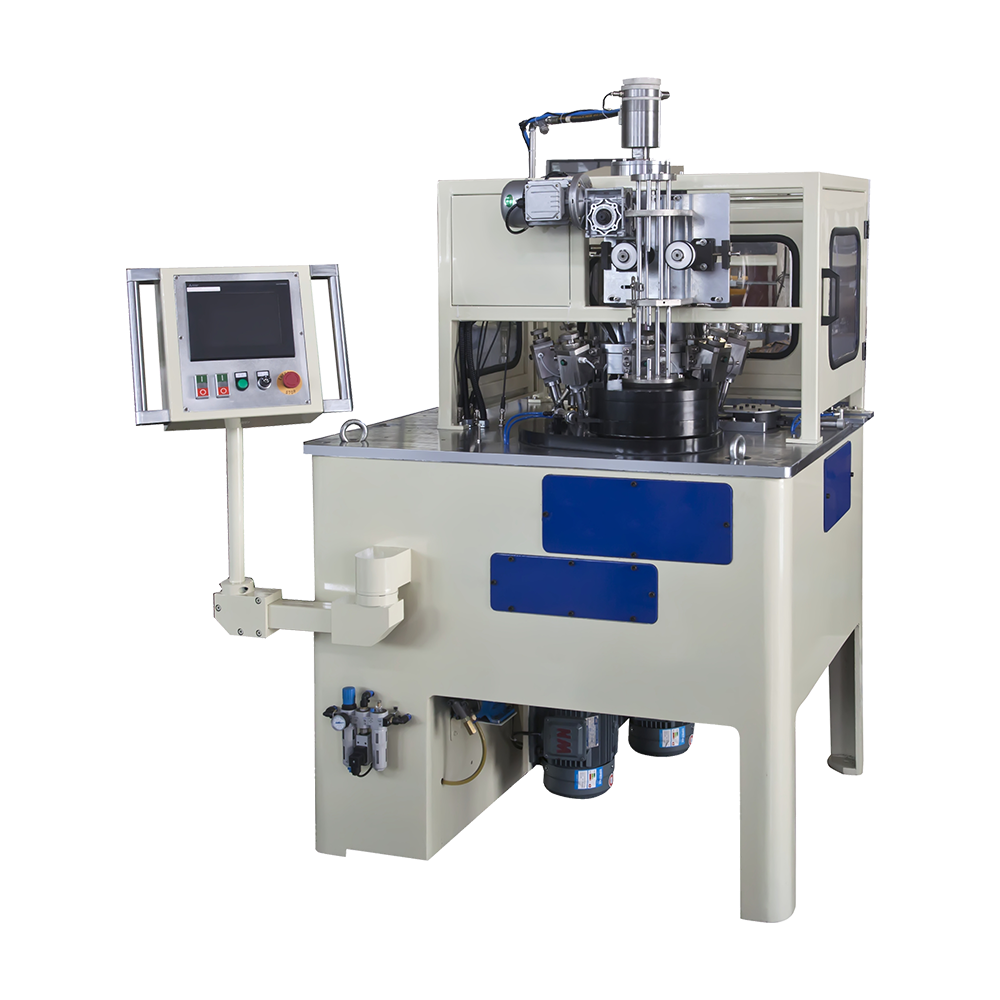
A milk powder can making machine is a crucial piece of equipment used in the packaging process of milk powder. These machines are designed to automate the production of metal cans that hold powdered milk and other dairy products. The cans created by these machines must be sturdy and sealed properly to protect the contents from contamination, humidity, and spoilage. These machines typically involve a series of complex operations, including cutting, shaping, welding, and sealing. Given the number of mechanical processes involved, it is important to understand the maintenance needs of milk powder can making machines, including whether they require regular cleaning, lubrication, or part replacements.
Cleaning is an essential aspect of maintaining a milk powder can making machine. As these machines work with metal, powder, and adhesives, debris and residue can accumulate over time. The build-up of this material can not only affect the performance of the machine but also pose risks to product quality. For instance, milk powder residue or particles from metal forming can contaminate the cans, potentially compromising the purity of the product. Regular cleaning helps to remove any leftover powder, oil, or debris from the machine, ensuring that the production process runs smoothly and that the cans produced are free from contaminants.
The cleaning frequency largely depends on the volume of production, the type of material being used, and the environment in which the machine operates. In high-volume production settings, cleaning may need to be performed on a daily or weekly basis, while in less demanding environments, a monthly cleaning routine may suffice. It is also important to clean the machine during planned downtime or before switching to a different product to avoid cross-contamination. The cleaning process typically involves wiping down surfaces, removing powder residues, and cleaning any parts that come into contact with the product to maintain hygiene standards.
Lubrication plays a critical role in the efficient operation of milk powder can making machines. These machines consist of various moving parts, including gears, rollers, and motors, which are subject to wear and tear over time due to friction. Without proper lubrication, these parts can experience increased friction, which can lead to overheating, premature wear, and eventual failure of components. Lubrication helps to reduce friction, dissipate heat, and prevent metal-to-metal contact, all of which extend the lifespan of the machine and improve its performance.
The frequency of lubrication depends on the specific machine model, the operational conditions, and the type of lubricant used. Generally, lubrication needs to be checked regularly, especially for high-use parts. Machine manufacturers often provide guidelines on the type of lubricant required and the intervals at which lubrication should be applied. It is important to use the correct type of lubricant, as using an unsuitable product can cause problems such as clogging, corrosion, or improper functioning. Ensuring that lubrication is applied evenly and in the right quantities helps to maintain the machine’s efficiency and prevents unnecessary downtime.
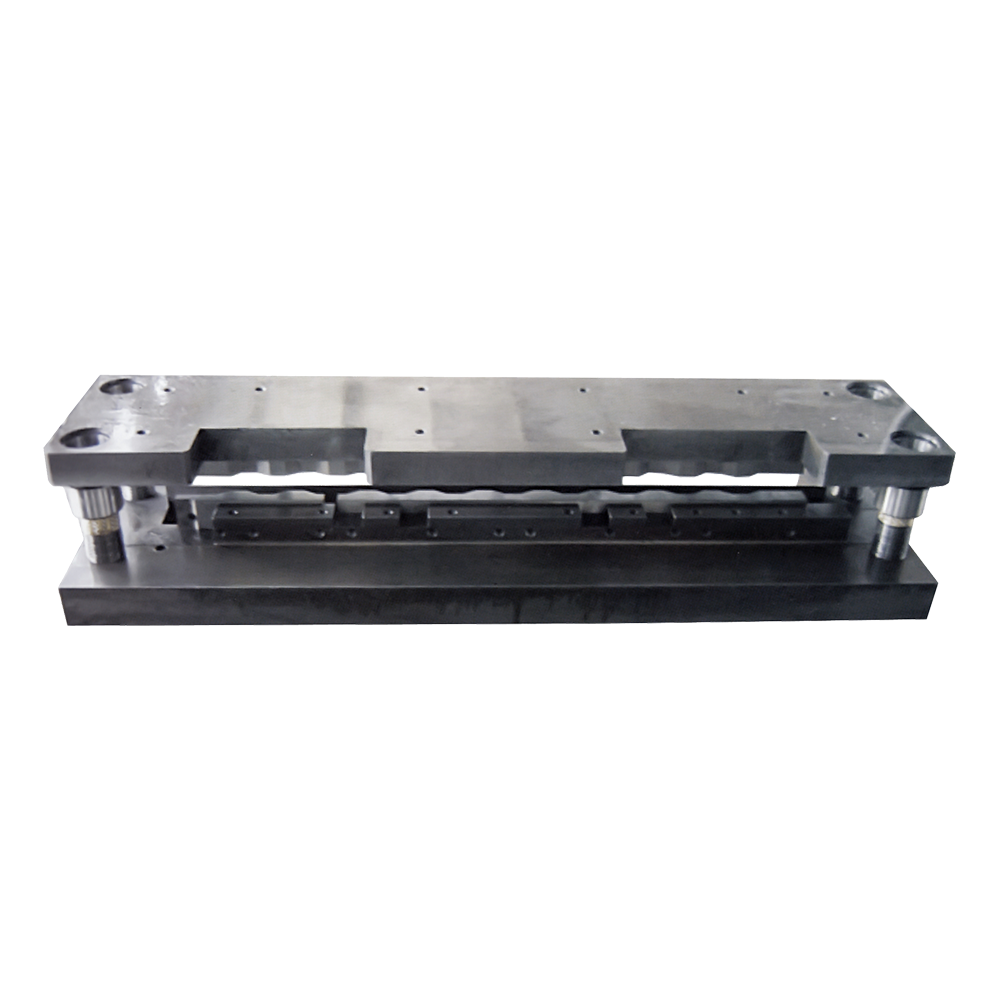
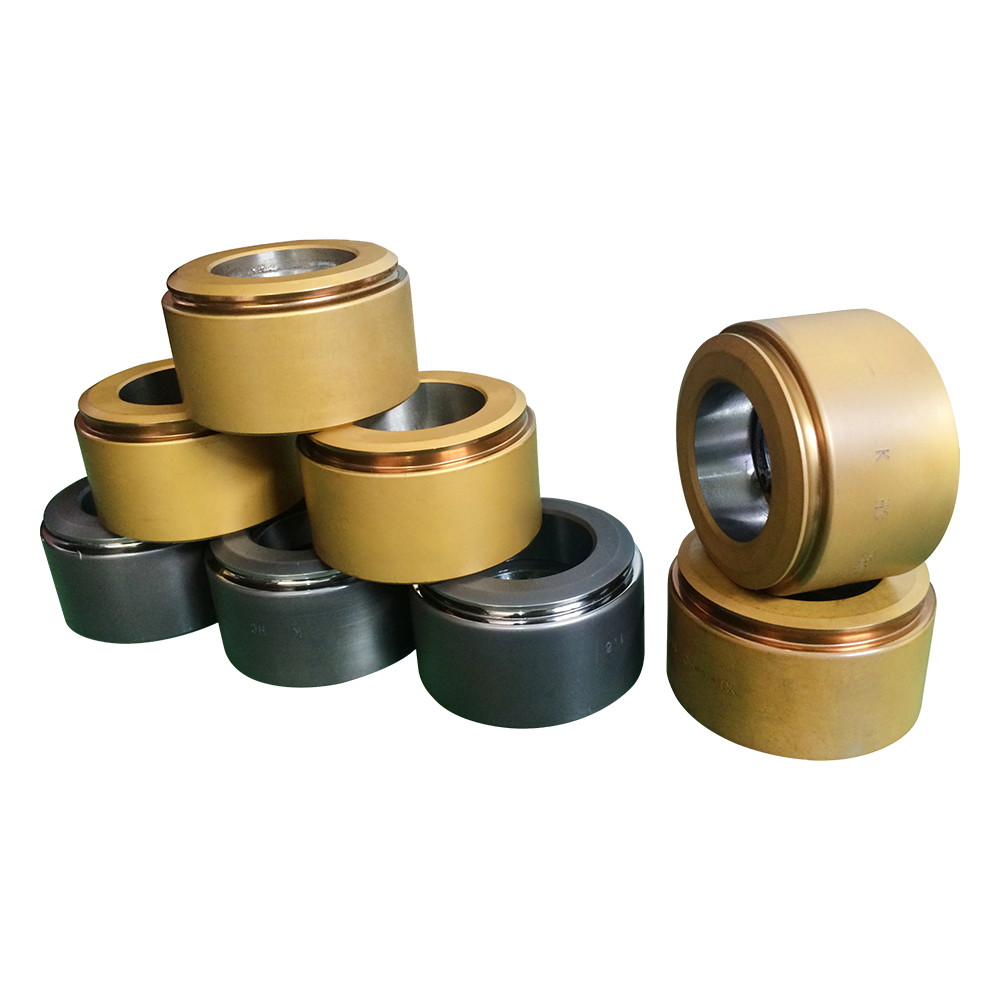
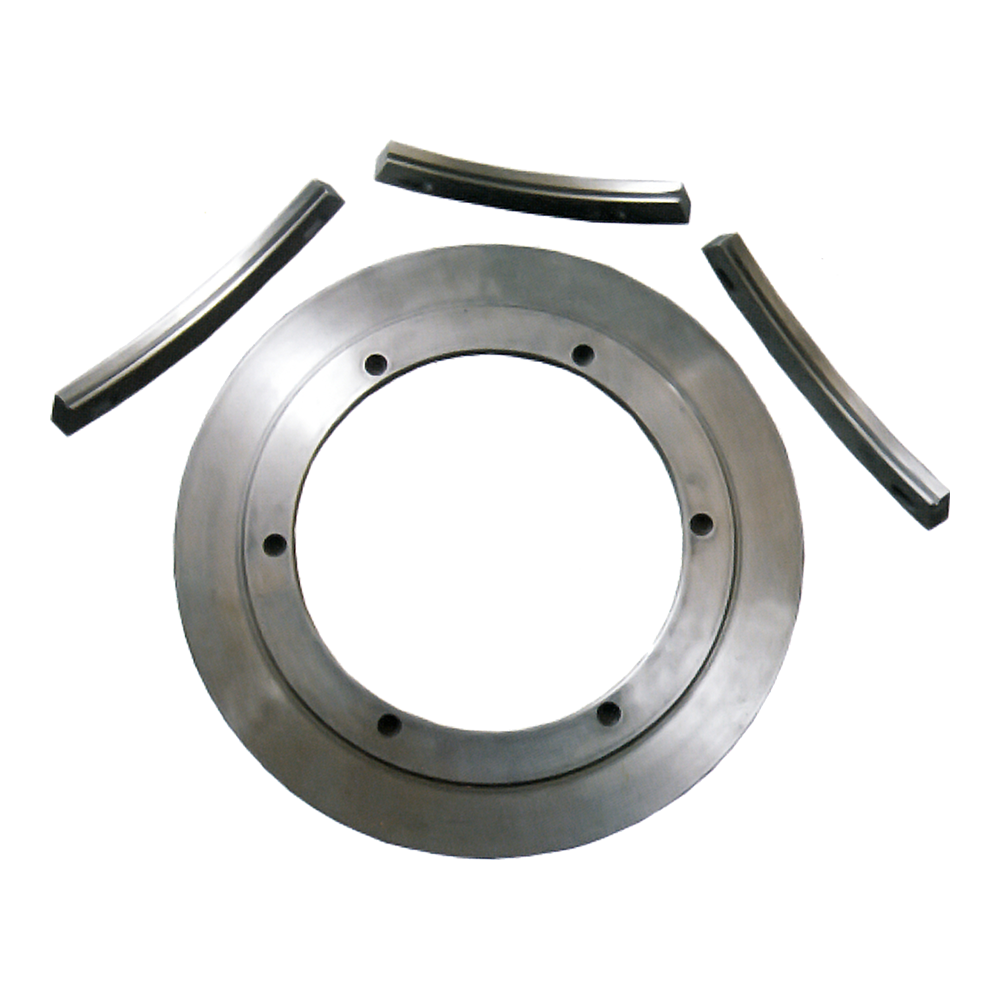
Over time, the various components of a milk powder can making machine will experience wear and tear due to constant use. Parts such as the cutting blades, forming dies, welding tools, and sealing mechanisms are subject to regular stress and may eventually need to be replaced. These parts are crucial for maintaining the precision and efficiency of the can-making process, and their deterioration can lead to issues such as poor sealing, incorrect shapes, or damaged cans.
For instance, the cutting blades may become dull after extended use, making it harder for the machine to accurately cut metal sheets. Similarly, the forming dies may lose their shape or develop cracks over time, leading to issues with the proper shaping of the cans. The sealing mechanisms, which are responsible for ensuring the cans are properly closed, can also wear out, especially in machines that run at high speeds. When these parts become ineffective, it can result in faulty products, and the machine may need to be stopped for repairs or part replacements.
Part replacement should be done according to the manufacturer’s recommendations, which typically involve regular inspections and replacement intervals based on the machine's usage. In high-demand production environments, parts may need to be replaced more frequently, while in lower-output settings, the intervals may be longer. Using original manufacturer parts for replacements is highly recommended to ensure compatibility and maintain machine performance.
There are several components in a milk powder can making machine that require regular inspection and maintenance to ensure optimal performance. These include the motors, belts, rollers, and electrical systems. Motors that drive the mechanical components of the machine need to be checked for proper functioning and lubrication. Belts that transfer power between parts should be checked for signs of wear or fraying. Rollers, which are responsible for shaping and guiding the cans, can become misaligned or worn, affecting the consistency of the cans being produced.
In addition to mechanical parts, the electrical systems of the machine must also be monitored. Over time, electrical components such as wiring, connectors, and sensors can degrade or become damaged. Regular inspections of the electrical system can prevent issues such as electrical shorts, power failures, or faulty sensor readings, which can disrupt production and lead to costly repairs. In high-humidity environments, additional attention may be required to prevent moisture from affecting electrical components, and moisture-resistant coatings or seals may need to be applied to sensitive parts.
Preventive maintenance is essential for ensuring that a milk powder can making machine operates efficiently and has a long lifespan. By following a routine maintenance schedule that includes cleaning, lubrication, and part inspections, manufacturers can identify and address issues before they lead to more serious problems. Preventive maintenance helps to minimize downtime, reduce the risk of unexpected breakdowns, and improve the overall productivity of the machine.
In addition to routine tasks like cleaning and lubrication, preventive maintenance may involve checking for misalignments, tightening bolts, and inspecting any wear-prone parts. Having a clear maintenance plan and ensuring that operators and maintenance staff are trained on how to perform the necessary tasks will help keep the machine in optimal working condition. Furthermore, maintaining a log of maintenance activities allows operators to track when parts were last replaced or serviced, which can be useful for planning future maintenance and ensuring that nothing is overlooked.
While regular cleaning, lubrication, and part replacement may incur costs, these expenses are generally much lower than the cost of repairing or replacing a machine that has been allowed to deteriorate due to poor maintenance. The cost of spare parts will vary depending on the machine's complexity, the manufacturer, and the specific parts needed. However, investing in quality parts and performing regular maintenance can prevent more costly repairs down the line and extend the overall life of the machine.
Some manufacturers offer maintenance service packages that include routine inspections, part replacements, and priority service in case of emergencies. These packages can be beneficial for large-scale operations that rely heavily on their can making machines and want to ensure continuous production. For smaller operations, regular inspection and timely part replacements may suffice to maintain smooth operation.
Any downtime in a milk powder can making machine can have significant implications for production efficiency and output. Machine downtime can result from malfunctioning parts, improper lubrication, or failure to clean the machine properly. Therefore, maintenance activities such as cleaning, lubrication, and part replacement play a crucial role in reducing the chances of unplanned downtime. By taking the time to conduct regular maintenance, businesses can minimize disruptions to production and ensure that the machine runs at full capacity. In addition, properly maintained machines are less likely to cause delays in meeting customer demand or production targets.
Related Products

Founded in 1978, the company is one of the largest can-making machinery well-known companies at home and abroad.
Product Categories
Contact Information
Zhongshatou Shenjiamen Zhoushan Zhejiang China
+86-580-3056646

 English
 中文简体
中文简体
 русский
 عربى
عربى
 Español