2026-07-16
Core Evaluation Conclusion: Choosing the right can making machine requires balancing production speed against container format flexibility. High-speed 2-piece (DWI) production lines deliver unmatched unit economics at volumes exceeding 300 million units annually, reducing material weight by up to 30%. Conversely, modern 3-piece can making machine systems offer superior flexibility, lower initial capital expenditure, and rapid changeover capabilities ideal for varied aerosol, food, and industrial packaging demands.
In modern metal packaging manufacturing, selecting a can making machine system is fundamentally dictated by the physical construction of the target container. The market is divided between 2-piece Draw and Wall Ironed (DWI) or Draw-Redraw (DRD) systems and 3-piece welded body architectures. Each mechanical approach serves distinct market demands, operational scales, and capital investment profiles.
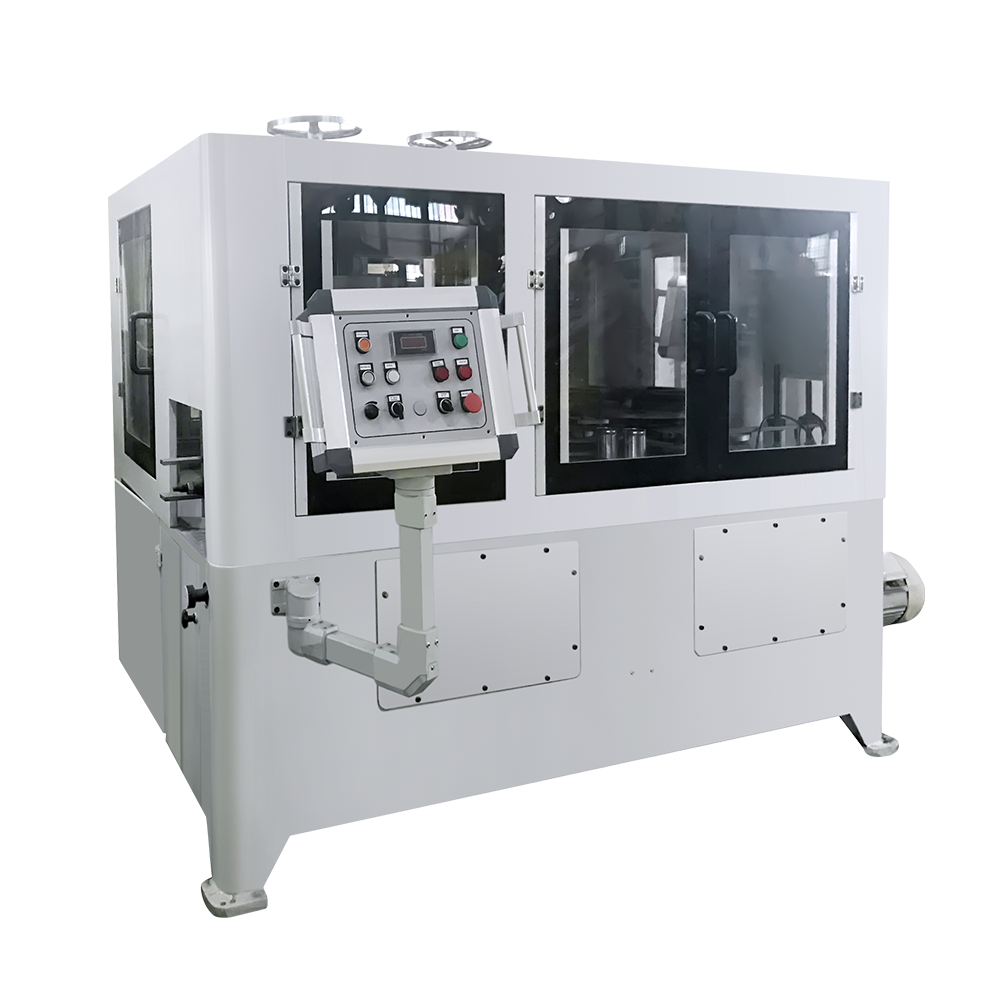
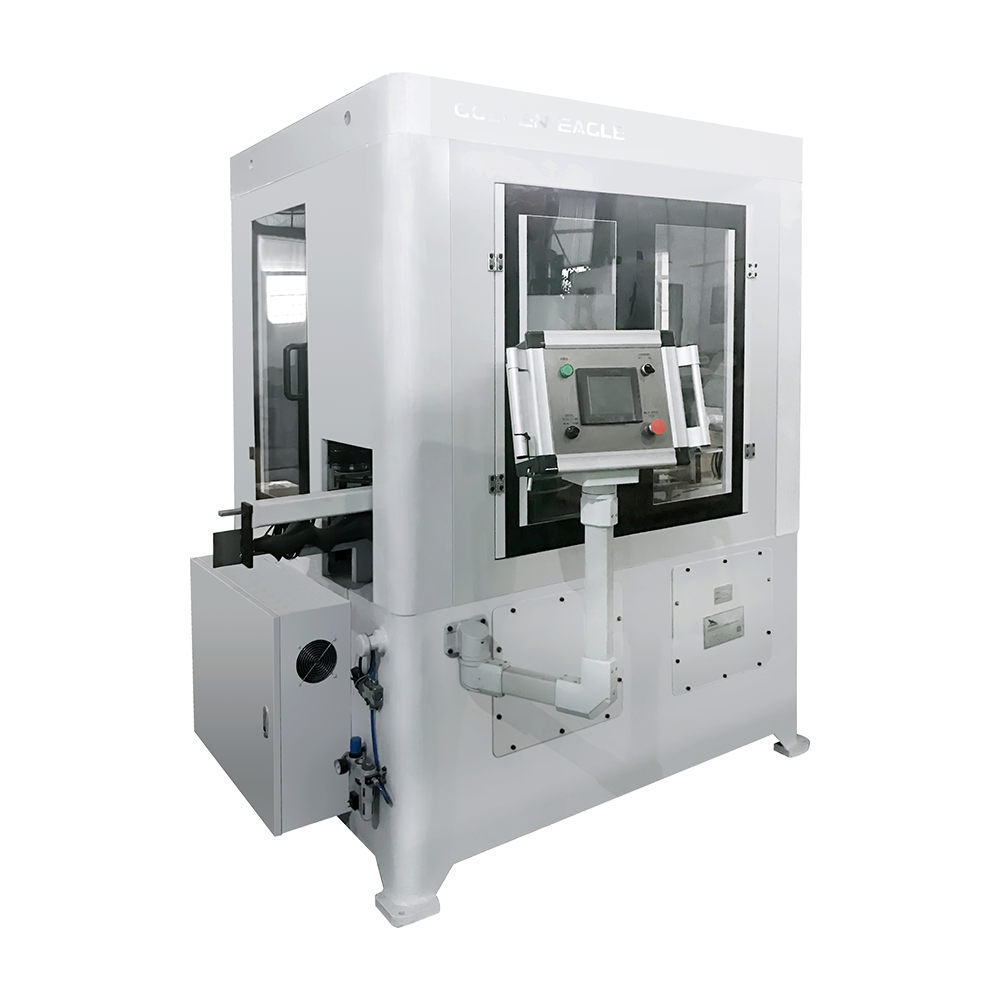
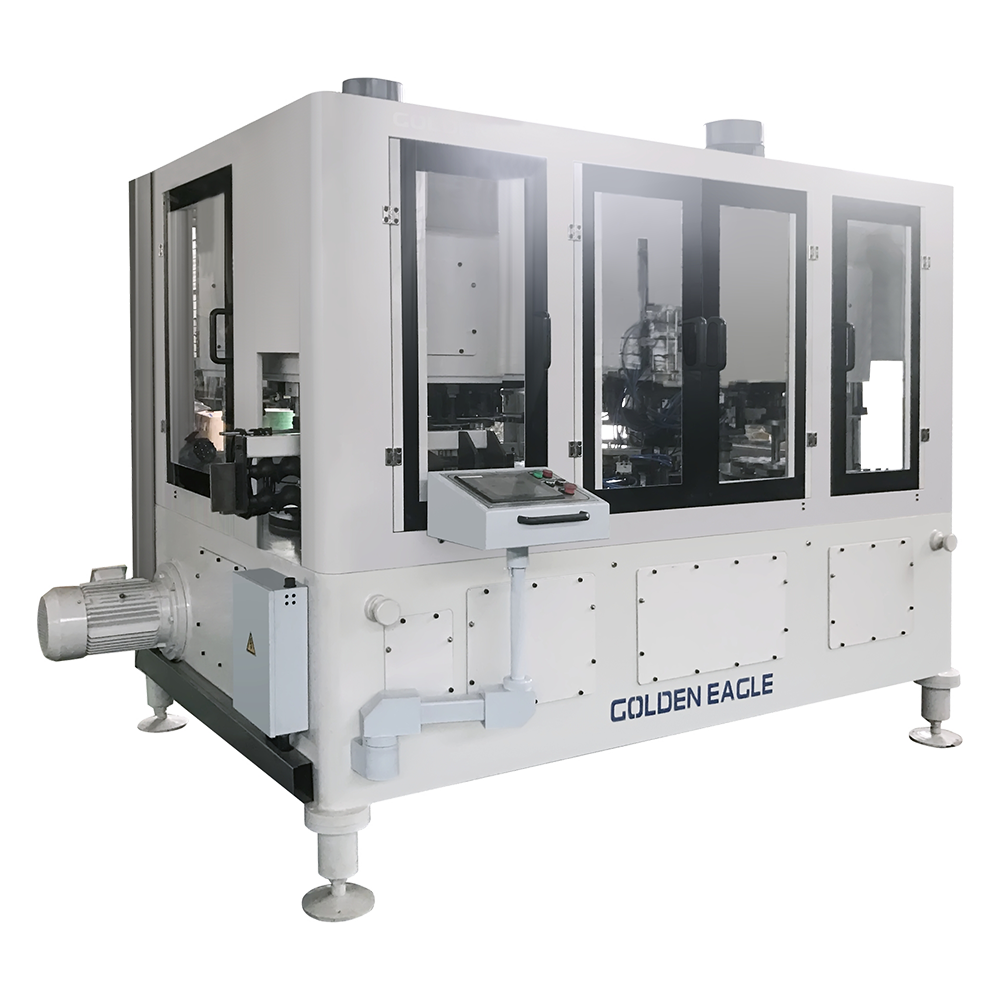
A 2-piece can making machine line forms the container body and bottom end from a single metal coil through continuous mechanical deformation. The process eliminates the side seam and bottom end double-seam entirely. In contrast, a 3-piece production line processes flat rectangular sheets, rolling them into cylinders, resistance-welding the longitudinal seam, and flanging both ends before attaching a separate bottom end. This mechanical divergence creates vast differences in material performance, line footprint, and operational requirements.
When evaluating high-capacity capital equipment, plant managers and procurement executives must analyze metrics beyond initial purchase price. Operating expense (OPEX), material utilization, line speed, and downtime during changeovers dictate overall return on investment (ROI).
| Performance Parameter | 2-Piece DWI Can Making Machine | 3-Piece Welded Can Making Machine |
| Operating Speed | 1,500 – 3,400 Cans/Min | 400 – 1,200 Cans/Min |
| Raw Material Gauge | Ultra-thin (0.088 mm – 0.21 mm) | Standard (0.14 mm – 0.28 mm) |
| Capital Expenditure (CAPEX) | High ($15M – $45M+ full line) | Moderate ($2M – $10M full line) |
| Format Changeover Time | Complex (8 – 24 hours) | Agile (1 – 4 hours) |
| Footprint Requirement | Extensive (3,000 – 6,000 m²) | Compact (800 – 2,000 m²) |
| Primary Material | Aluminum / Tin-Engineered Steel | Electrolytic Tinplate (ETP) / TFS |
Material cost represents approximately 65% to 75% of the total manufacturing cost of a metal container. Consequently, the mechanical precision of the can making machine directly impacts profit margins through down-gauging and reduction of scrap rates.
A modern 2-piece can making machine utilizes heavy-duty cupping presses and multi-die body makers that iron the metal sidewalls down to a fraction of their original thickness. For example, beverage can wall thicknesses have been reduced by over 20% over the last two decades, reaching wall measurements around 0.088 mm. This delivers exceptional material savings at extreme volumes. However, these systems generate substantial thermal loads and require continuous fluid coolant filtration, automated washer systems, and large-scale thermal pin ovens, driving up utility consumption.
While 2-piece lines reduce raw metal usage per unit, they demand higher electrical power (often exceeding 1.5 MW continuous load for full lines) and significant process water for chemical washing. Conversely, high-efficiency 3-piece can making machine configurations utilize solid-state frequency converters for wire welding and induction curing ovens, cutting power consumption per line by up to 35% compared to legacy systems, without requiring water washing steps.
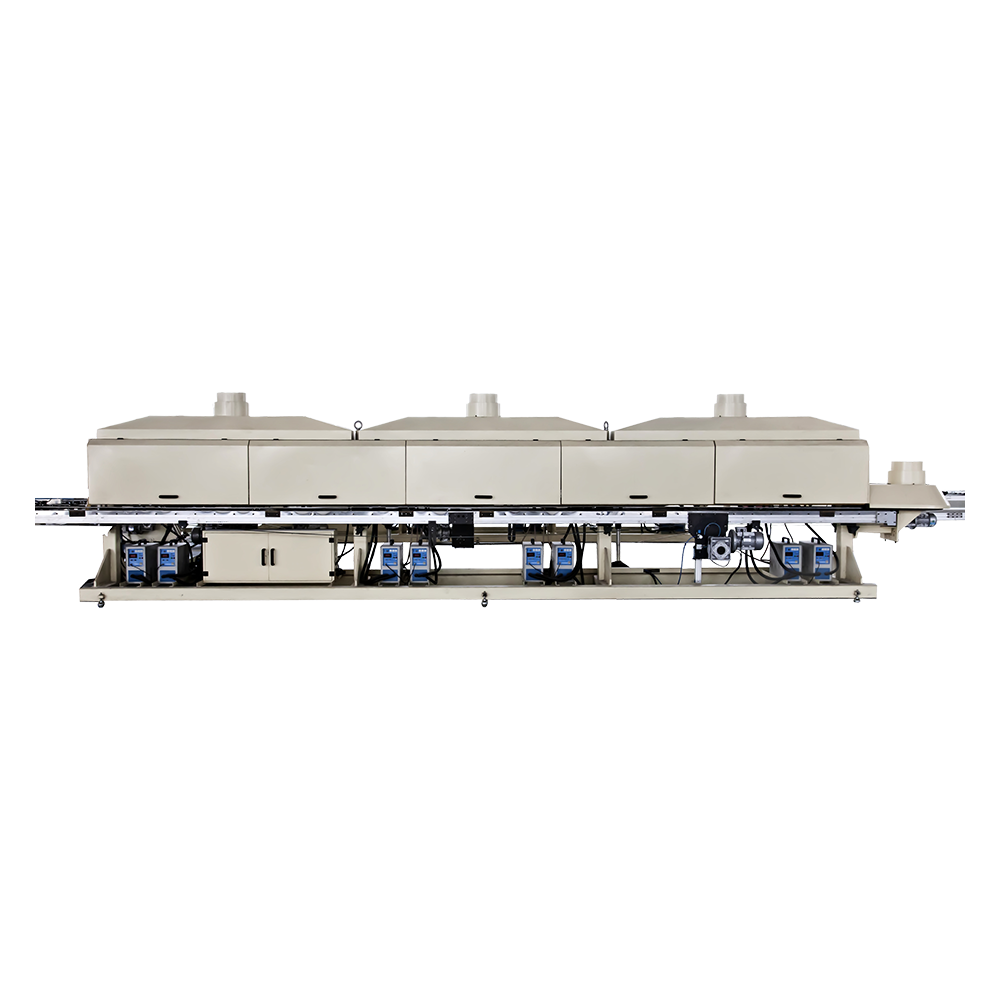
In 3-piece manufacturing, material loss is primarily concentrated in the slitting process and side-seam margin trim. Precision CNC sheet slitters and high-frequency electric resistance welders minimize the weld margin to less than 0.3 mm. This preserves coating integrity while reducing metal consumption. Furthermore, advanced powder coating units apply an ultra-thin protective strip over the interior side seam, curing it via high-efficiency induction systems within fractions of a second.
High-value packaging operations servicing multiple regional brands or co-packing clients require maximum line flexibility. Here, the operational profile of the can making machine shifts the competitive advantage toward modular 3-piece architectures.
Reconfiguring a high-speed 2-piece beverage line to change can diameters requires replacing body maker tooling, necker starwheels, die sets, and washer transport grids. This process demands substantial downtime and skilled technical calibration. As a result, 2-piece facilities generally run identical diameters continuously, accommodating market variations through height adjustments or digital printing changes.
Conversely, modern modular 3-piece lines excel in agile production environments:
Modern industrial can making machine manufacturing relies heavily on automated vision systems and continuous sensor telemetry to guarantee zero-defect delivery at high line speeds. Integrating inline quality assurance directly onto the mechanical chassis is essential for preventing mass scrap events.
In high-speed 2-piece body making, light testers equipped with high-sensitivity photomultiplier sensors inspect up to 3,400 cans per minute. They detect micro-pinholes as small as 0.005 mm and split flanges before cans enter the decorator. Advanced camera systems simultaneously verify internal lacquering coverage, measuring film weight consistency down to milligrams to ensure product shelf-life integrity.
For 3-piece systems, critical inline monitoring focuses on weld seam integrity and flange geometry:
Selecting the optimal can making machine strategy requires aligning long-term product roadmaps with capital capabilities and local operational constraints. The decision matrix below outlines the primary strategic pathways for metal packaging facilities.
Opt for a 2-Piece DWI Can Making Machine Line when:
Opt for a 3-Piece Can Making Machine Line when:
Related Products

Founded in 1978, the company is one of the largest can-making machinery well-known companies at home and abroad.
Product Categories
Contact Information
Zhongshatou Shenjiamen Zhoushan Zhejiang China
+86-580-3056646

 English
 中文简体
中文简体
 русский
 عربى
عربى
 Español