2026-01-15
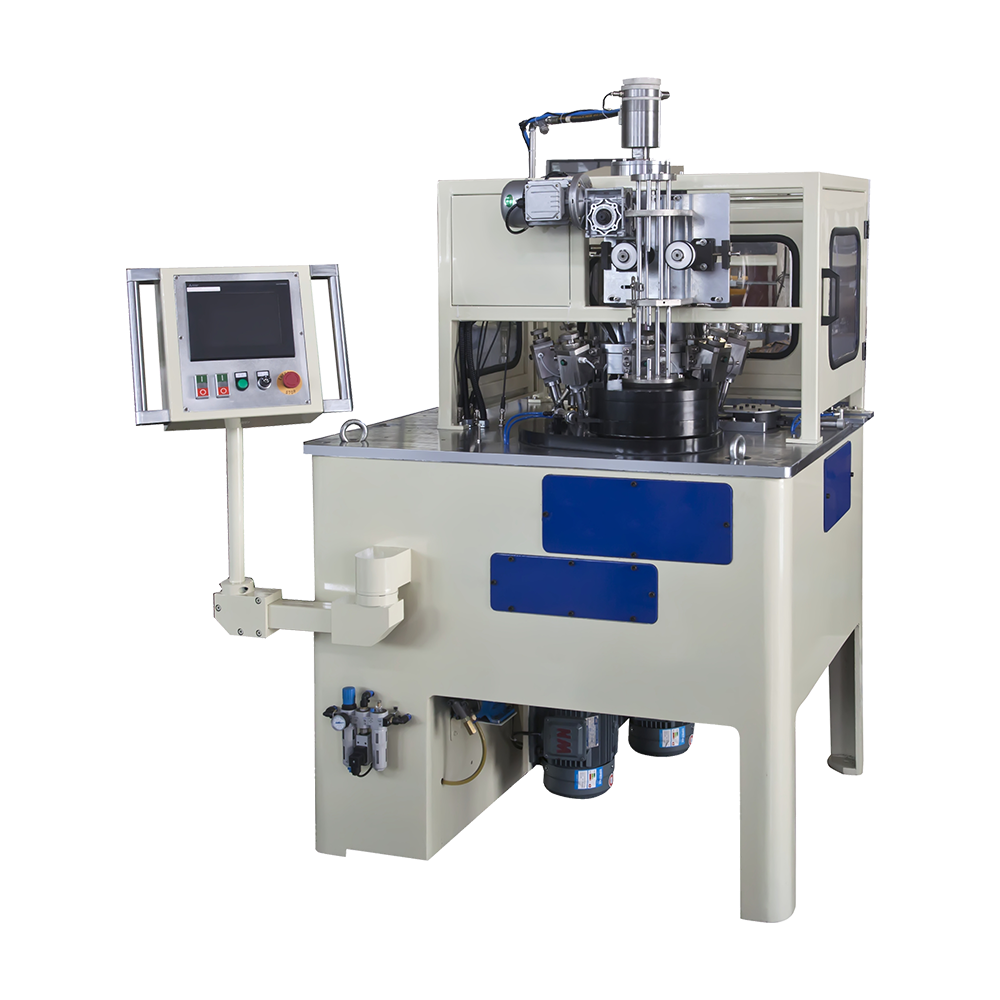
Aerosol can-making machines are sophisticated systems designed to produce metal containers, primarily used for packaging a wide variety of products such as paints, deodorants, insecticides, and medical sprays. These machines are responsible for forming, sealing, and filling aerosol cans in a highly controlled environment to ensure product quality and consistency. The precision and quality of the final product depend on various factors throughout the manufacturing process, from the material selection to the final sealing of the can.
The quality of the aerosol cans starts with the selection of materials. Most aerosol cans are made from aluminum or steel, as these materials offer strength, durability, and resistance to corrosion. The metal sheets used in the production process must meet strict specifications to ensure that they are free from defects that could compromise the can’s integrity. Before the metal sheets are fed into the aerosol can-making machine, they undergo quality control measures, including thickness measurement and surface inspection. By ensuring the material is of the correct thickness and free from surface imperfections, the machine can produce consistent cans that meet the required standards.
To further control the precision of the cans, the materials must be tested for factors such as tensile strength and malleability. This ensures that the metal can withstand the pressure exerted during the forming and sealing processes. Any variation in the material properties can lead to inconsistencies in the final product, so quality control at this stage is critical for the overall manufacturing process.
The forming process is where the aerosol can begins to take shape. In this stage, the machine must precisely shape the metal sheet into the desired can dimensions. The first step in the forming process typically involves cutting the metal sheet into the correct size before it is fed into a press. The press then shapes the metal into a cylindrical form using specialized dies that ensure the can walls are uniform and smooth.
The precision of the forming process is crucial, as any deviation from the correct dimensions can lead to structural weaknesses in the can. For example, if the can’s walls are too thin in certain areas, it may not be able to withstand the internal pressure when filled with product and propellant. Conversely, if the walls are too thick, it can result in excess material waste and an increase in production costs.
Advanced aerosol can-making machines utilize automated systems to monitor the forming process. These systems measure the can’s dimensions at multiple stages, using laser scanners or other sensors to detect any inconsistencies. If the machine detects any dimensional discrepancies, it can make adjustments in real-time to ensure that the final product meets the required specifications.
Once the basic shape of the aerosol can is formed, the next crucial step is seam welding and sealing. This stage is particularly important for ensuring the integrity of the can and preventing leaks, which could compromise the safety of the product inside. The most common method used for sealing aerosol cans is a process called double seam welding, which involves creating a tight, secure bond between the top and bottom of the can.
During the welding process, the can's edges are rolled over and welded together to create a leak-proof seal. The precision of the seam is critical, as any gaps or irregularities in the weld can lead to leakage. To ensure a precise weld, aerosol can-making machines use advanced sensors and feedback systems that monitor the welding process. These sensors measure factors such as the temperature, pressure, and speed of the welding machine, making real-time adjustments as necessary to maintain a consistent, high-quality seal.
In addition to seam welding, the machine also controls other factors such as the application of adhesives and coatings to ensure the can is sealed securely. Coatings such as lacquers or varnishes may be applied to the can to improve its corrosion resistance or provide a surface for labeling. These coatings must be applied evenly and at the correct thickness to maintain both the aesthetic and functional qualities of the can.
The filling process is where the aerosol can is filled with its intended contents, such as a liquid, gel, or powder, along with the propellant that will allow the product to be dispensed. This stage is vital for ensuring the correct amount of product is added to each can, as well as maintaining consistency across the production run. Aerosol can-making machines use highly accurate filling systems to control the amount of product and propellant dispensed into each can.
To achieve precision in the filling process, the machine uses calibrated pumps, valves, and flow meters that ensure each can is filled with the correct volume of product. These systems are often automated and equipped with feedback mechanisms that allow for real-time adjustments to compensate for any inconsistencies in the flow rate or the pressure of the propellant. Additionally, filling machines can be programmed to handle different types of products, ensuring that the filling process is adaptable to a wide variety of aerosol formulations.
Quality control during the filling stage involves checking the weight and volume of each can to ensure it meets the required specifications. Some machines are equipped with weight sensors or vision systems that can detect when a can has been underfilled or overfilled. This real-time monitoring ensures that all cans leaving the production line are consistent in terms of their content, which is essential for both product performance and customer satisfaction.
After the cans are filled, it is essential to perform thorough leak testing to ensure that they are airtight and will not release the product or propellant prematurely. Leak testing is a critical step in the production process, as even small leaks can lead to product failure and pose safety risks. Aerosol can-making machines are equipped with specialized leak testing equipment, such as pressure decay testers or vacuum chambers, that check each can for leaks.
During leak testing, the cans are subjected to pressure or vacuum conditions, and any can that fails the test is removed from the production line. Advanced machines are capable of testing cans at multiple stages, including before and after filling, to ensure that the sealing process is effective and that no leaks occur during the production run. This precision in leak testing is important for maintaining the overall quality and safety of the aerosol cans.
The aesthetic quality of aerosol cans is another important factor in controlling the overall precision and quality. The external surface of the can must be free from defects such as scratches, dents, or discoloration, as these could affect the product's marketability. To ensure the cans meet aesthetic standards, aerosol can-making machines are often equipped with vision systems that inspect the surface of each can as it moves along the production line.
These vision systems use high-resolution cameras and image processing software to detect any surface defects. If any imperfections are found, the machine can remove the defective cans from the production line for further inspection or rework. This type of automated surface inspection ensures that every can leaving the factory meets the required appearance standards and is free from visible defects that could affect its visual appeal.
Modern aerosol can-making machines rely heavily on automation to maintain precision and quality control throughout the entire production process. Sensors, controllers, and automated systems are integrated into the machine to monitor every stage of production, from material handling to filling and sealing. These systems continuously measure critical variables such as temperature, pressure, speed, and alignment, allowing the machine to make real-time adjustments as needed.
For example, if the machine detects that the metal sheet being fed into the press is not aligned correctly, it can automatically adjust the alignment to ensure proper forming. Similarly, if the filling system detects any inconsistencies in the amount of product being dispensed into the cans, it can adjust the flow rate to ensure that the correct volume is dispensed. This automation reduces the risk of human error and ensures that the production process remains consistent and precise.
Even after the cans have been formed, filled, sealed, and inspected, there are still quality control measures to ensure the final product meets industry standards. These post-production checks typically involve random sampling from the production line, where each can undergoes a series of tests to confirm its durability, functionality, and safety. Tests may include stress tests to evaluate the can's ability to withstand pressure, as well as tests for compatibility with the propellant and product being used.
In addition, the labeling and packaging of the cans are also subject to quality control. The labels must be applied evenly and securely, with no misalignments or defects. Packaging systems ensure that the cans are securely packed for shipment, with protective materials used to prevent damage during transit.
Maintaining precision over the life of the aerosol can-making machine is an ongoing task. Regular maintenance and calibration are essential for ensuring that the machine continues to operate at peak performance. Components such as sensors, valves, and motors require periodic inspection and recalibration to prevent inaccuracies and ensure that the machine is functioning as intended. Preventive maintenance schedules and regular part replacements help minimize downtime and maintain the consistency and quality of the cans produced.
Additionally, continuous monitoring of the machine’s performance through data logging and analytics allows operators to track any deviations from the standard operating parameters. This data-driven approach helps identify potential issues early, allowing for corrective action before they affect production quality.
Related Products

Founded in 1978, the company is one of the largest can-making machinery well-known companies at home and abroad.
Product Categories
Contact Information
Zhongshatou Shenjiamen Zhoushan Zhejiang China
+86-580-3056646

 English
 中文简体
中文简体
 русский
 عربى
عربى
 Español