 English
 中文简体
中文简体
 русский
 عربى
عربى
 Español

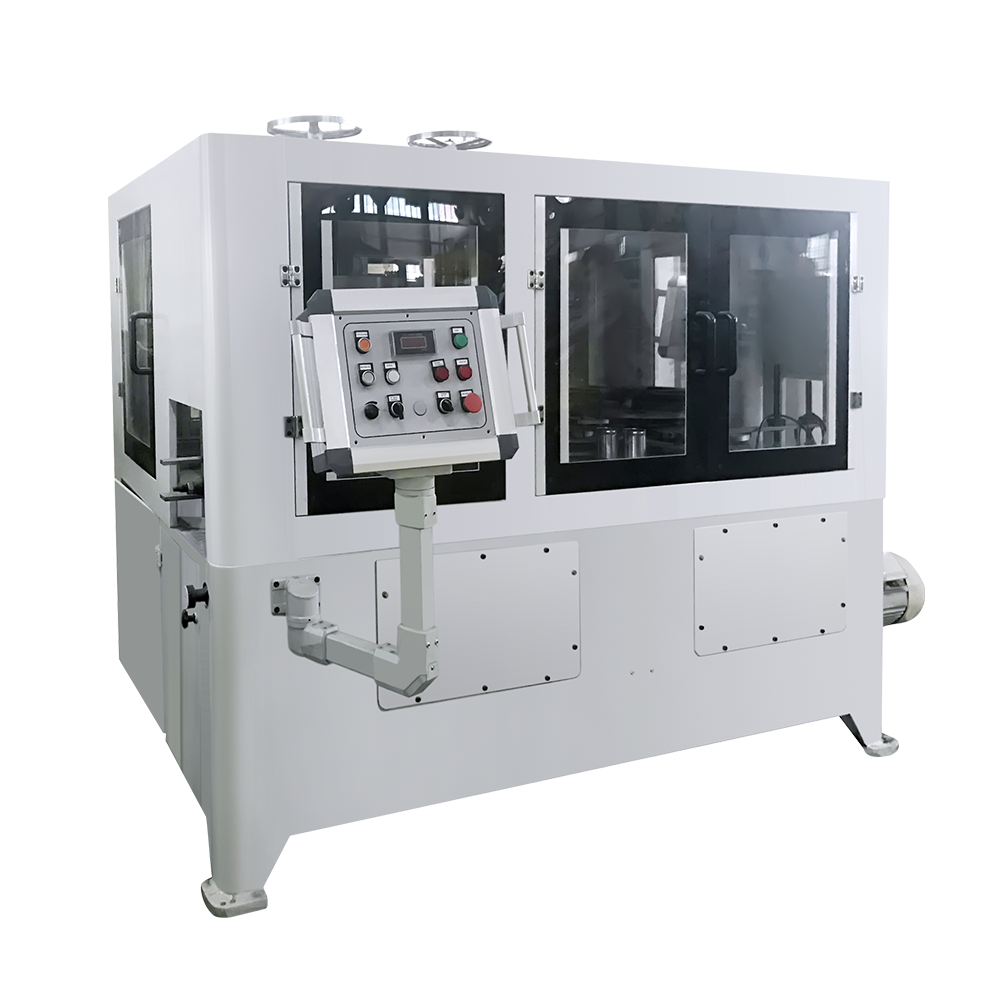
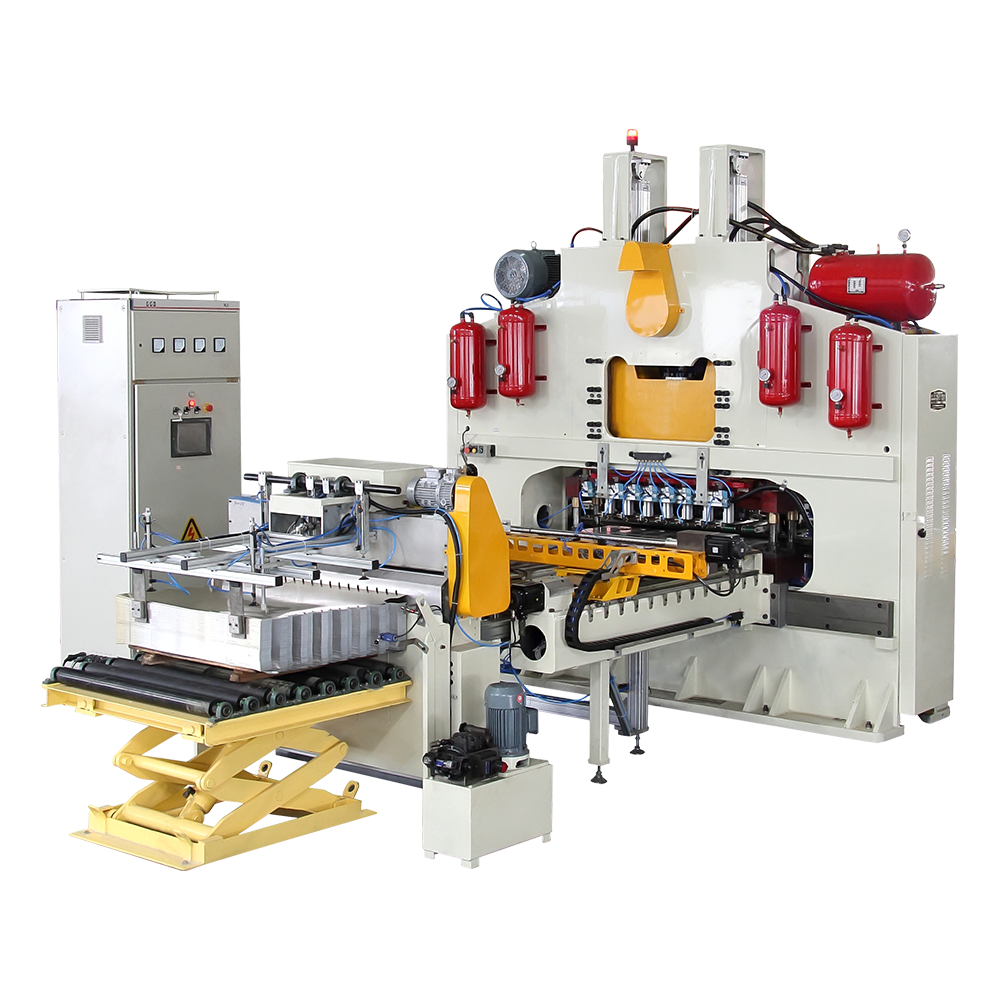
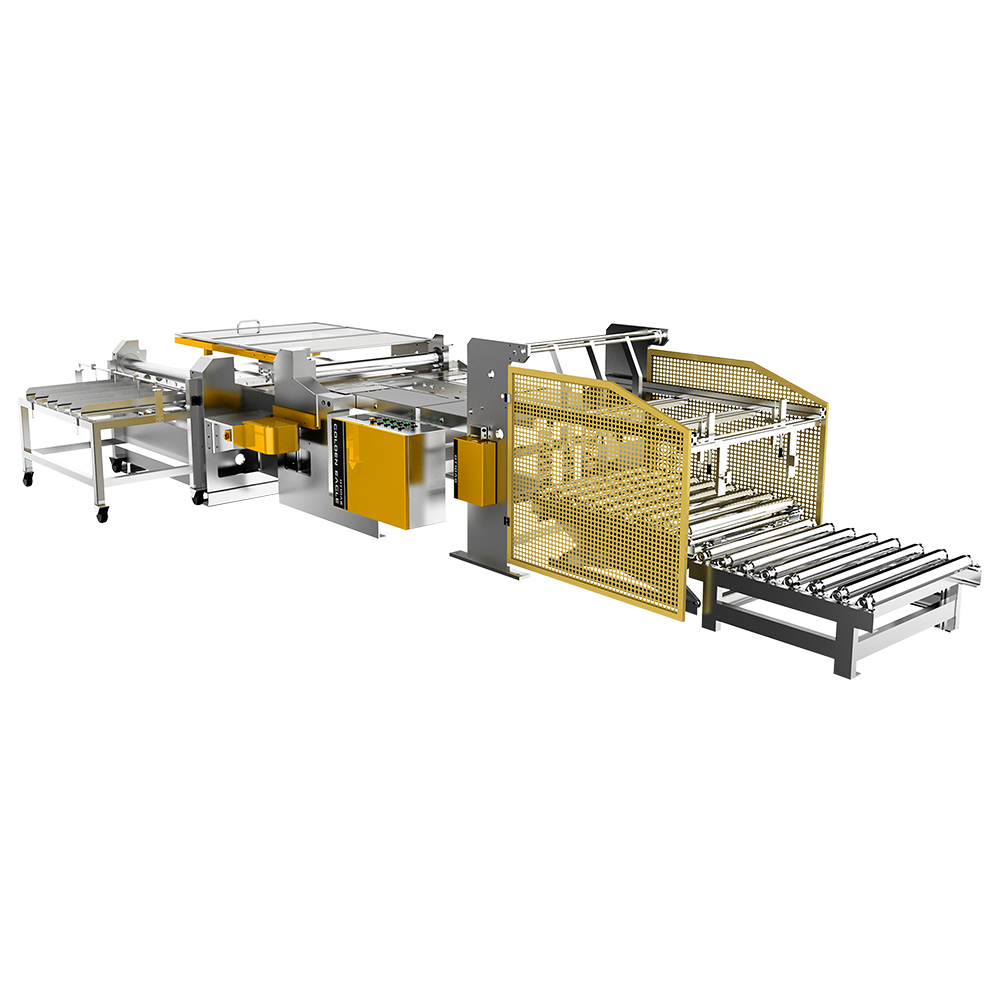
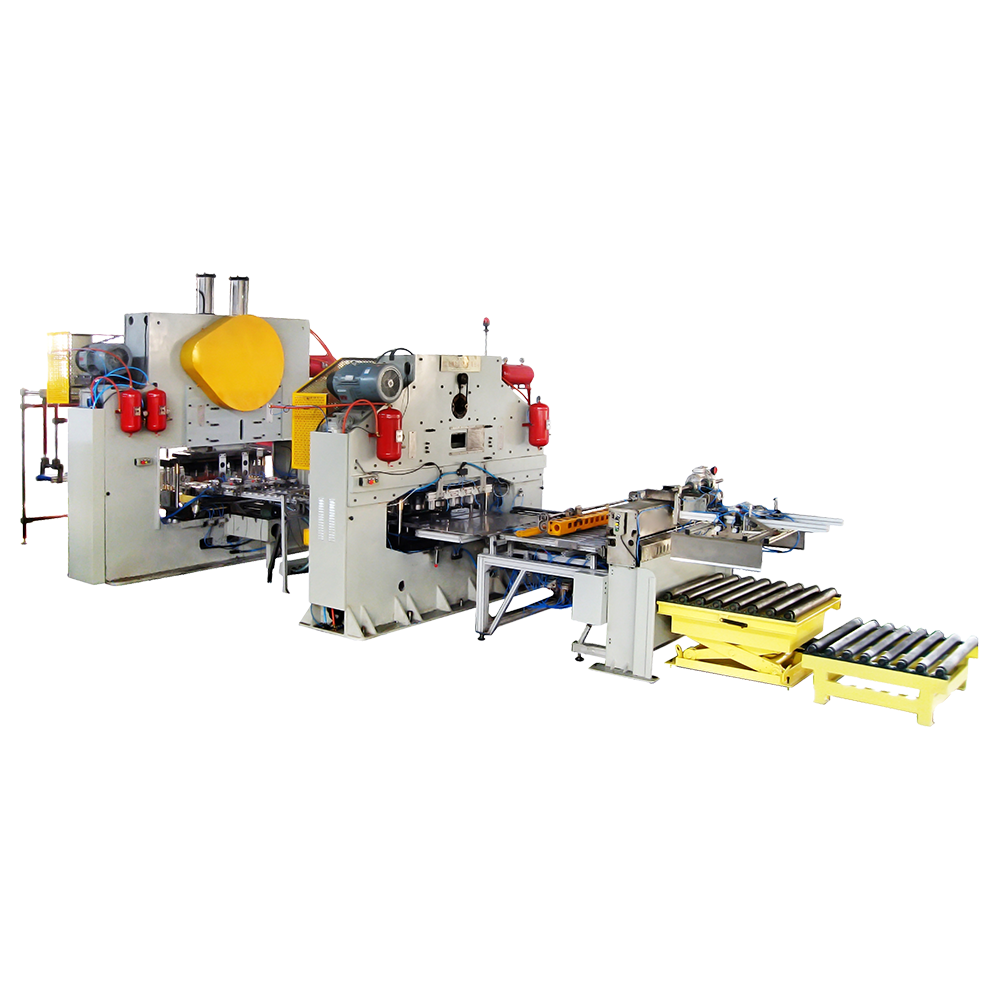
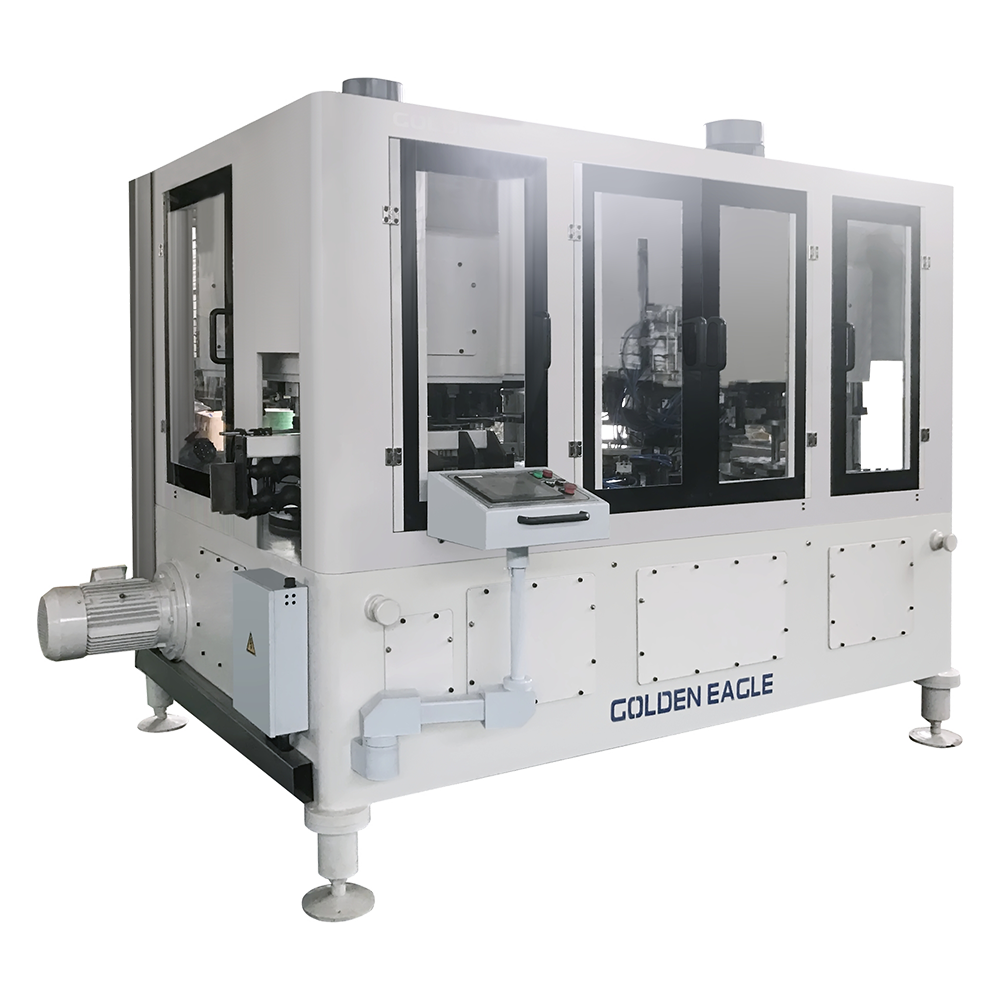
A can making machine typically costs between $15,000 and $250,000 or more, depending on automation level, production capacity, and the type of can being produced. A basic semi-automatic setup for a small workshop can start around $15,000 to $30,000, while a fully automatic, high-speed production line for a large canning factory can reach $150,000 to $300,000 or higher once auxiliary equipment is included. There is no single fixed price for a can making machine, because the machine itself is only one part of a larger production system that varies by can type, output speed, and level of automation.
For anyone budgeting a can-making project in 2026, the real question is not "what does the machine cost," but "what configuration do I actually need, and what does that configuration cost in total."
Price Ranges by Machine Type and Automation Level
Can making machines are generally sold in three tiers, and the price gap between them is large enough that it changes the entire buying decision.
Manual and semi-automatic machines are the entry point for small workshops, startups, and businesses producing limited batches of cans — think specialty food producers, small paint or chemical can makers, or workshops making promotional tins. These machines require an operator to load sheets, adjust settings between runs, and manually transfer parts between stations. Prices typically fall between $8,000 and $40,000 depending on the number of stations included (body forming, seaming, flanging) and whether the machine handles one can size or multiple sizes with tooling changes.
Automatic single-line machines sit in the middle tier and are the most common choice for small-to-mid-sized manufacturers. These machines automate the core forming and sealing processes, require less manual intervention, and can run continuously with one or two operators overseeing the line. Depending on can size range, output speed (measured in cans per minute), and the number of integrated processes, prices generally run from $40,000 to $120,000.
Fully automatic, high-speed production lines are built for large-scale food, beverage, and aerosol can manufacturers producing hundreds of thousands to millions of cans per month. These lines integrate slitting, forming, printing, seaming, and quality inspection into a single automated process, often controlled by PLC systems with minimal manual input. Complete lines in this category typically range from $150,000 to $300,000+, with the exact figure depending heavily on line speed (cans per minute), the number of can sizes the line must accommodate, and whether printing and coating stations are included.
| Machine Tier | Typical Use Case | Approximate Price Range |
|---|---|---|
| Manual / Semi-automatic | Small workshops, startups, limited batch runs | $8,000 – $40,000 |
| Automatic single-line | Small-to-mid manufacturers | $40,000 – $120,000 |
| Fully automatic production line | Large-scale food/beverage/aerosol manufacturers | $150,000 – $300,000+ |
These ranges apply to the core forming and sealing equipment. Buyers should treat them as a starting reference point, not a final quote, since the specific configuration always shifts the number up or down.
What Actually Drives the Price Up or Down
Two machines advertised under the same category name can differ in price by tens of thousands of dollars. The gap almost always comes down to a handful of specific variables.
Production Capacity (Cans Per Minute)
Output speed is the single biggest price driver. A machine rated for 30 cans per minute will cost meaningfully less than one rated for 150 cans per minute, even if both produce the same can shape. Higher speed requires more precise servo control, stronger structural components to withstand continuous cycling, and often additional stations to keep pace with the faster forming rate. As a rough guide, every significant jump in rated speed (for example, from 60 cpm to 120 cpm) can add 30% to 60% to the machine price.
Can Type: 2-Piece vs 3-Piece Construction
Two-piece cans (body and lid formed with no side seam) require drawing and ironing equipment that is more complex and precise than the equipment used for three-piece cans (body, top, and bottom assembled separately with a welded or soldered seam). Two-piece can production lines are generally the more expensive option because the forming tolerances are tighter and the tooling wears faster, requiring higher-grade components from the start.
Can Material and Size Range
Aluminum can lines and tinplate (steel) can lines use different forming principles, and aluminum equipment often costs more due to the higher precision needed for thinner-gauge material. Machines built to handle a wide range of can diameters and heights — rather than a single fixed size — also cost more, because they need adjustable tooling and more sophisticated changeover mechanisms.
Automation and Control Systems
The jump from manual operation to PLC-controlled automation is one of the largest cost drivers on this list. Automatic feeding, automatic reject systems for defective cans, touchscreen HMI controls, and integrated quality inspection (checking seam integrity or can dimensions in real time) all add cost, but they also reduce labor requirements and improve consistency — which is why most mid-to-large manufacturers still choose them despite the higher upfront price.
Included Processes (Printing, Coating, Necking)
A basic can body maker only forms and seams the can. Many buyers assume a "complete production line" includes printing, interior/exterior coating, and necking (for beverage cans), but these are often quoted as separate modules. A production line quote that excludes printing and coating can look 20% to 40% cheaper than a truly complete line — buyers should confirm exactly which processes are included before comparing two quotes side by side.
Costs Beyond the Machine Itself
The machine price on a quotation is rarely the full cost of getting a working production line. Buyers who budget only for the machine price often find themselves short by 15% to 30% once the project is complete.
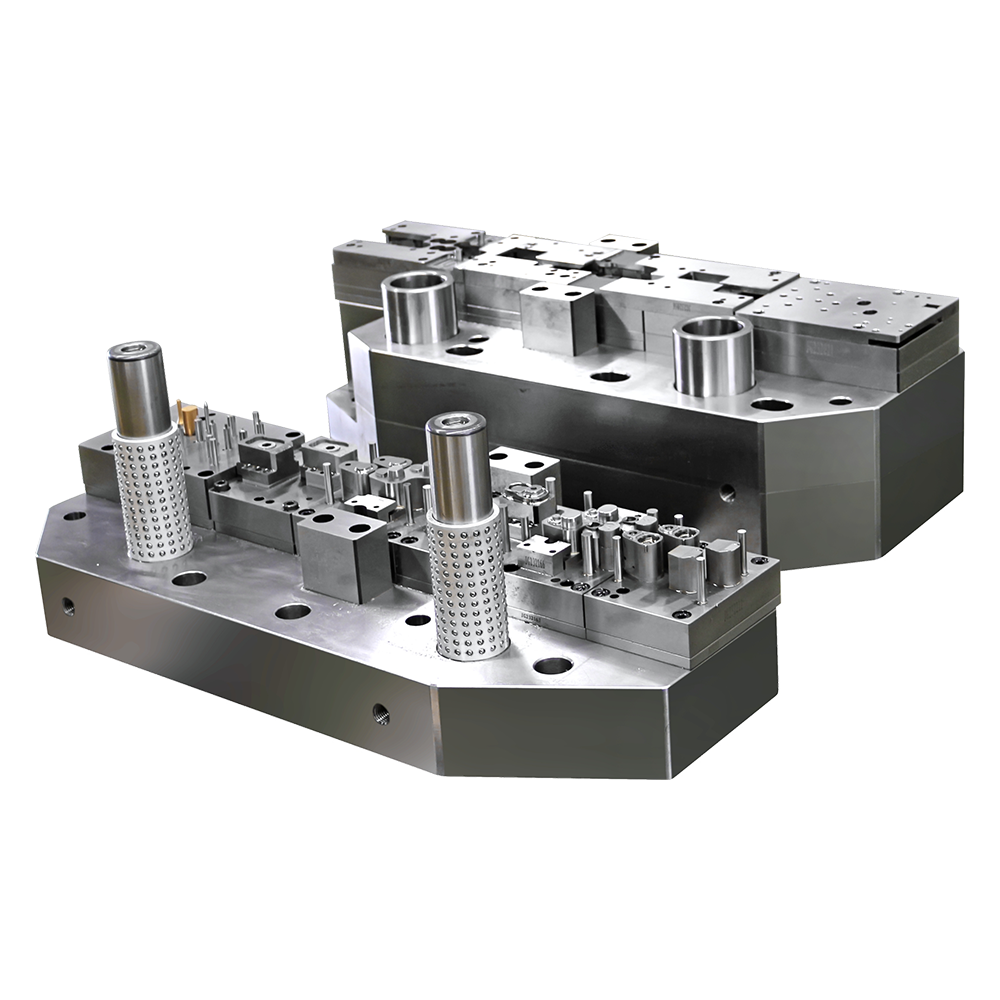
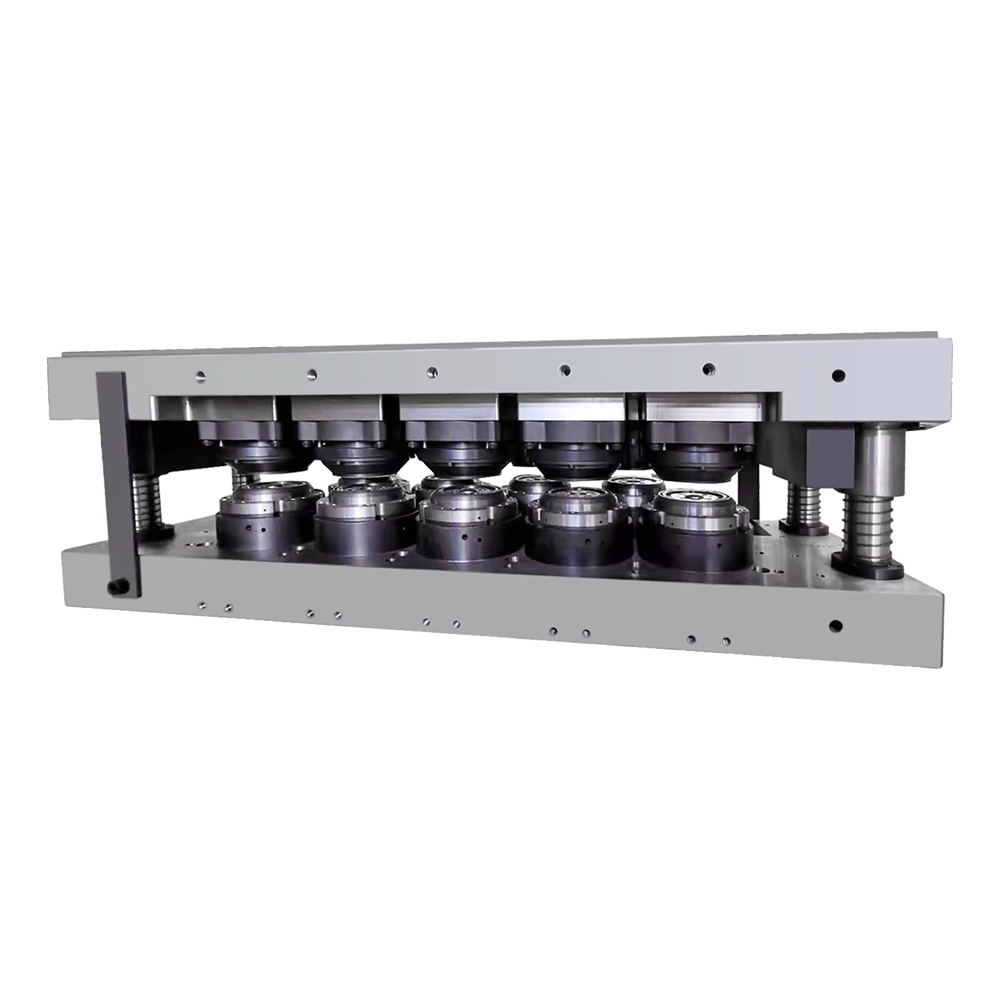
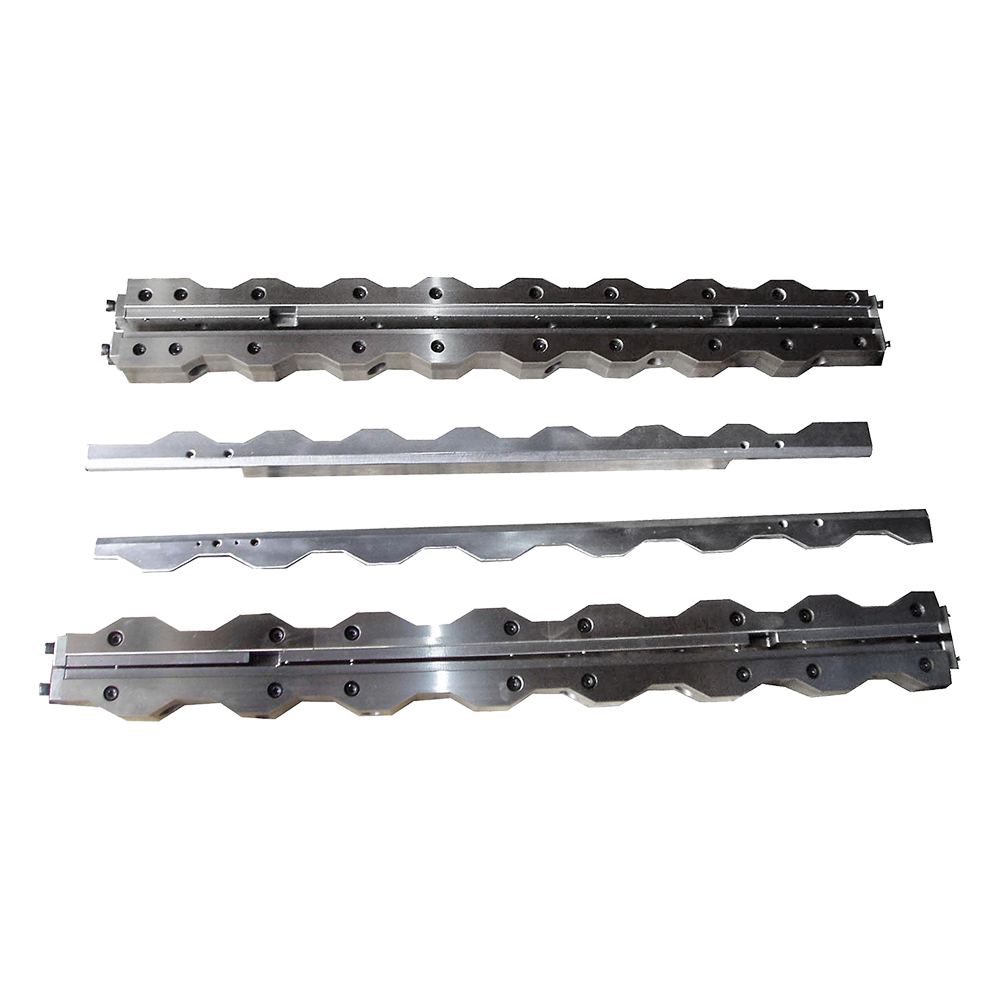
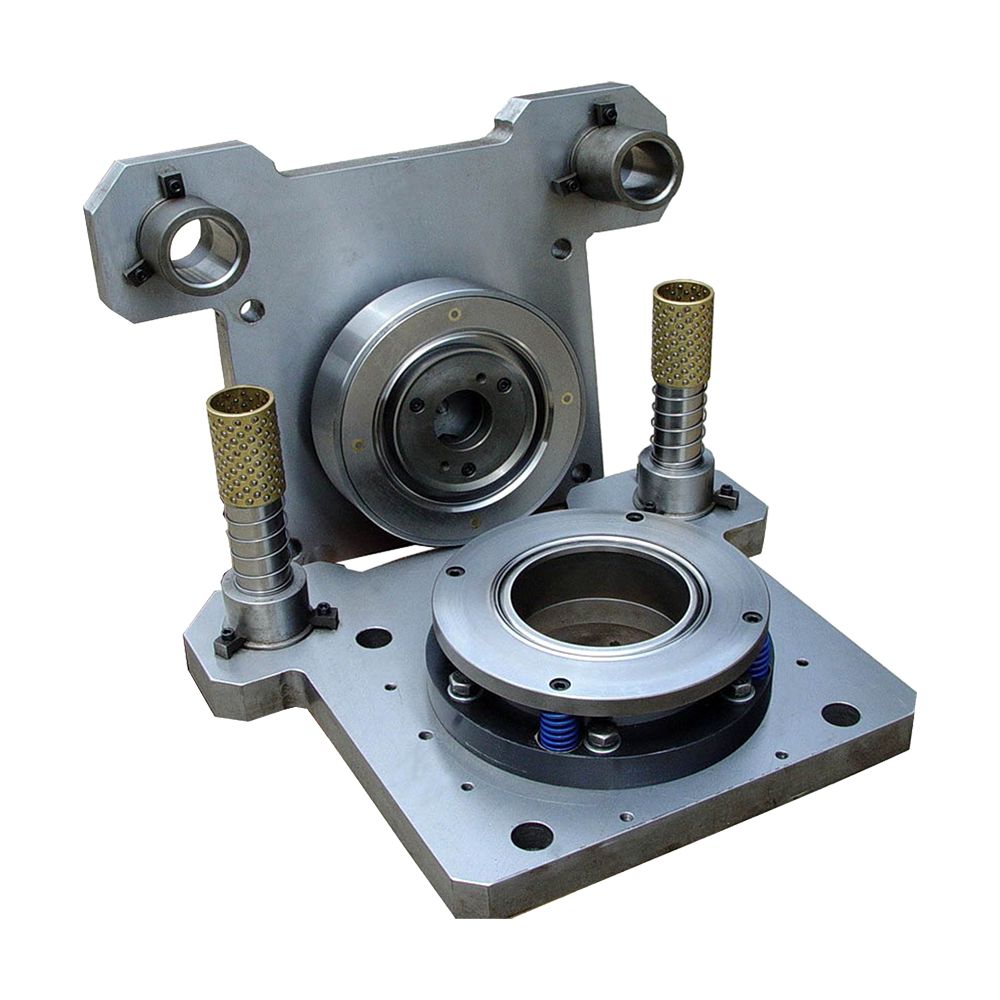
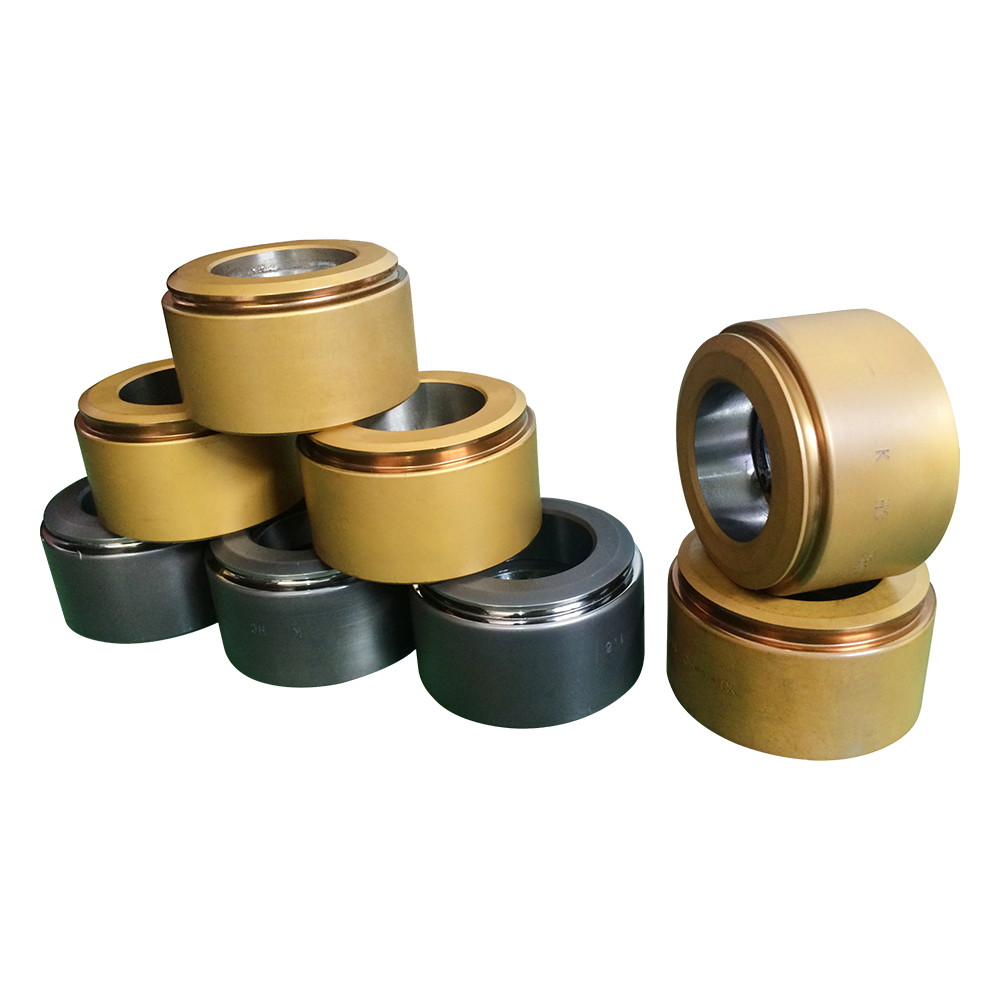
Molds and tooling. Can making machines require size-specific molds and tooling for each can dimension. If a buyer needs to produce more than one can size, additional mold sets are usually priced separately and can add several thousand dollars per size.
Shipping and import duties. For international buyers, sea freight, insurance, and import tariffs can add a meaningful percentage to the landed cost, particularly for large production lines shipped in multiple containers.
Installation, commissioning, and training. Complex automatic lines typically require a supplier's engineer to travel on-site for installation and commissioning, which is sometimes included in the quote and sometimes billed separately based on the number of working days required.
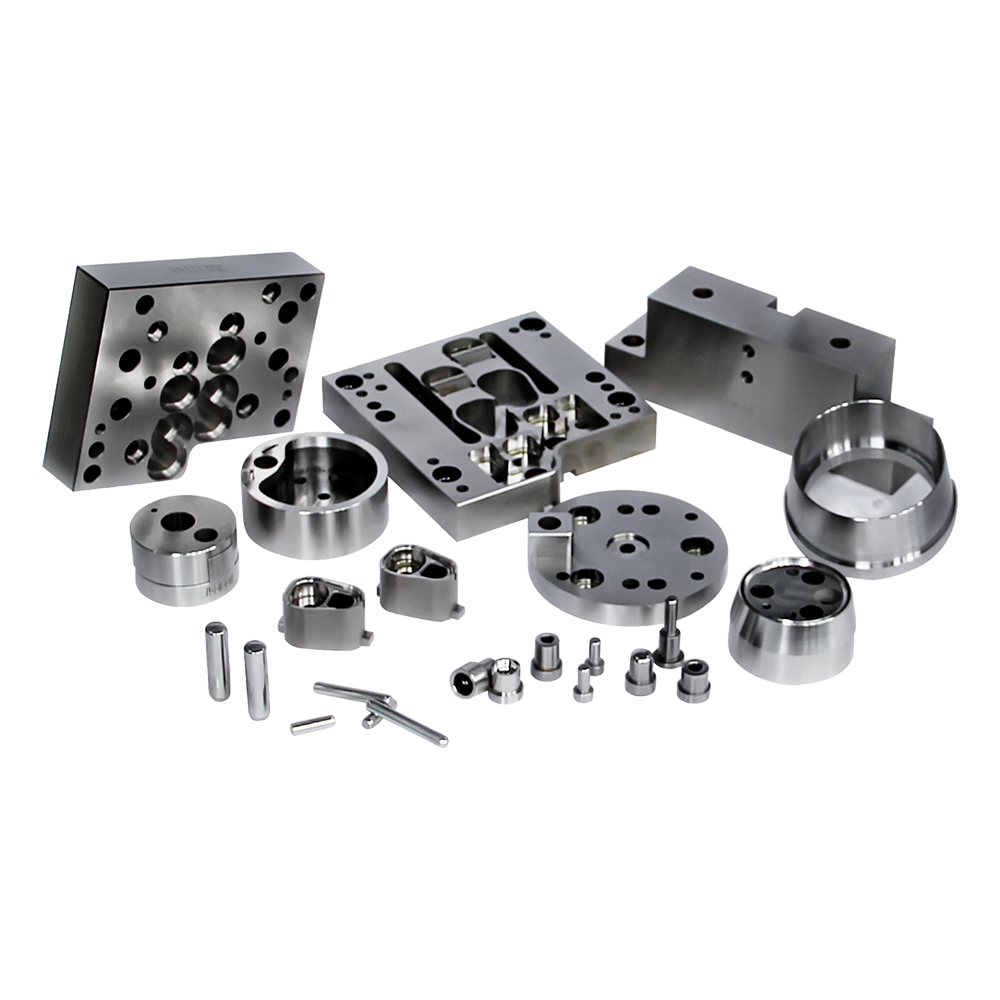
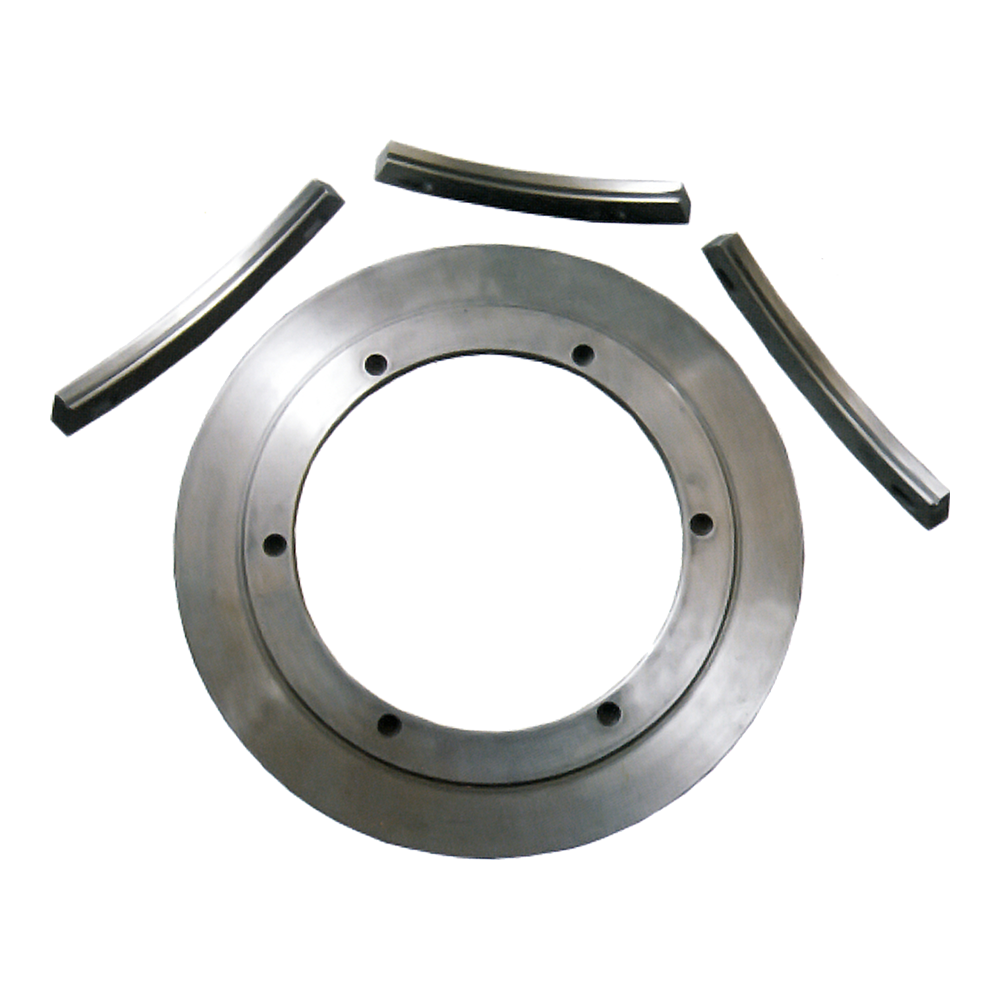
Spare parts inventory. Wear parts such as seaming rollers, cutting blades, and rubber gaskets need periodic replacement. Buyers are generally better off budgeting for an initial spare parts package rather than treating this as a future, unplanned expense.
Electrical and facility preparation. Larger automatic lines often require three-phase power, compressed air systems, and adequate floor space with proper load-bearing capacity — costs that fall outside the machine quote entirely but are necessary for the equipment to run.
New vs. Used Can Making Machines
Used machines can cost 30% to 60% less than new equipment of the same category, which makes them attractive to startups with limited capital. However, the total cost of ownership tells a more complete story. Used machines often come without a warranty, may require refurbishment of wear components before they can run reliably, and can be harder to source spare parts for if the original manufacturer is no longer in production or has changed model lines.
For buyers considering a used machine, it's worth requesting the machine's production history (approximate hours run, prior use case, and maintenance records) and, where possible, arranging a trial run before finalizing the purchase. A used machine that requires $10,000 in refurbishment to run reliably is not necessarily a better deal than a lower-tier new machine at a similar total cost.
Comparing Quotes From Different Suppliers
Because can making machines are highly configurable, two quotes for what appears to be "the same machine" can differ significantly once the details are reviewed line by line. A structured comparison should look at:
- Rated output speed under actual production conditions, not just theoretical maximum speed
- Which processes are included (forming, seaming, printing, coating, necking) versus quoted as add-ons
- Steel and component specifications for wear parts, since cheaper components reduce upfront price but increase long-term maintenance cost
- Warranty terms, including what is covered and for how long
- After-sales support structure, particularly response time for parts and technical support
- Certification and compliance with food-contact or industrial safety standards relevant to the buyer's target market
A lower quoted price is not automatically the better deal if it comes with a shorter warranty, slower parts support, or excludes processes that will need to be purchased separately later.
A Practical Budgeting Approach
Rather than searching for a single "average price," buyers get more accurate budgets by working backward from their actual production target. Start with the required output (cans per day or per month), work out the corresponding cans-per-minute rate needed, and use that figure to identify which machine tier applies. From there, add mold costs for the required can sizes, estimate shipping and installation based on the buyer's location, and build in a spare parts allowance for the first year of operation. This approach consistently produces a more realistic total investment figure than relying on a headline machine price alone.
Zhejiang Golden Eagle Food Machinery Co., Ltd. has manufactured can-making machinery and can-making molds for more than 46 years, supplying complete production lines for food cans, beverage cans, can lids, chemical tanks, aerosol canisters, and two-piece cans to manufacturers across Europe, Asia, Africa, and the Americas. Buyers evaluating price quotes are generally better served by requesting a detailed, itemized breakdown — covering the base machine, tooling, included processes, and after-sales terms — rather than comparing single headline numbers across suppliers.
For more details, please visit our corporate
Website: www.goldeneaglechina.com