2026-11-26
A three-piece beverage can line that runs two shifts a day will lose more output to a drifting seaming station than to a body maker that is a few cans per minute slower than the brochure claims. That is the first thing to settle when you specify a beverage can making machine: the line is only as fast as its tightest tolerance, and the machines that hold tolerances, meaning the combiner, the welder's coating unit and the end press, deserve more scrutiny than the headline speed. The practical conclusion: buy the line around your can format, your seam specification and how often you change over, then choose the individual machines that fit that envelope.
Two families dominate. Two-piece D&I lines draw an aluminium cup into one seamless body and close it with a single end; they suit very high volumes of standard carbonated formats. Three-piece welded lines form a tinplate body, weld the side seam, coat and cure that seam, then neck, flange, bead and seam on a combiner. That is the route used for most food cans and for many beverage formats, and it is the route covered by Zhejiang Golden Eagle's food and beverage can making machine range, which extends from combiners and rotary lining machines to welders, end cover lines, easy-open end equipment and moulds.
Every stage hands a partly finished can to the next, and each handover carries a tolerance: weld overlap, coating thickness, neck diameter, flange width, seam height and seam thickness. When one of those drifts, the symptom usually appears three stations later as a leak or a rejected pallet. That is why layout matters more than any single machine, and you can follow the sequence stage by stage in this walkthrough of how a beverage can making machine works.
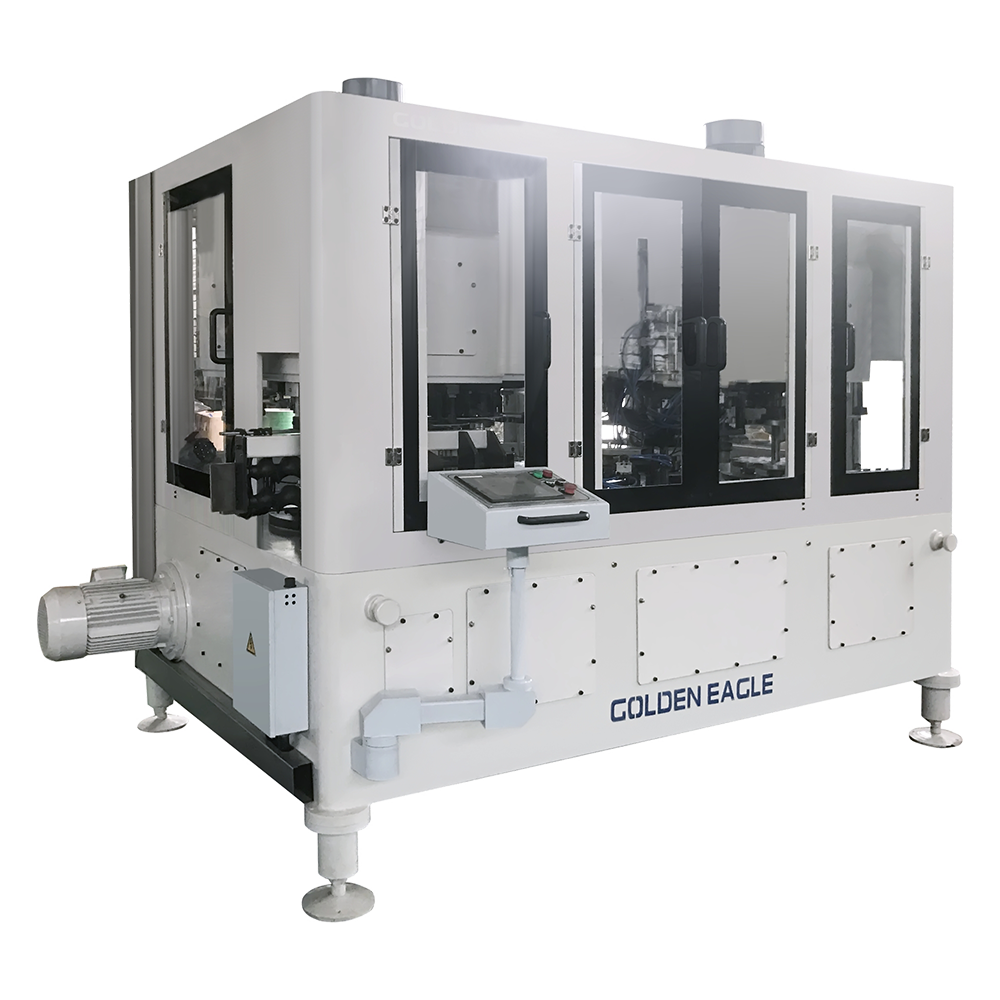
A combiner groups necking, flanging, beading and seaming on one frame, so the can is formed and closed without being unloaded and re-fed between operations. Fewer transfers mean less scuffing on the outside coating, better concentricity between neck and dome, and a seam that is set once rather than reset four times.
The choice between a three-station and a four-station machine usually comes down to format range rather than speed. A three-station unit groups beading, flanging and seaming; the four-station version adds a necking station ahead of them, which is what deeper necks on 202 and 200 diameter beverage cans require. More stations also mean more tooling to swap, so a plant that changes format weekly should price changeover time, not just the machine.
| Aspect | Three-station combiner | Four-station combiner |
|---|---|---|
| Operations grouped | Beading, flanging and seaming | Necking added ahead of beading, flanging and seaming |
| Typical fit | One or two diameters, moderate volumes | Multi-format beverage work with deeper necks |
| Format changeover | Fewer stations, shorter swap | More tooling, longer swap unless pre-set |
| Footprint and connected load | Smaller frame, lower load | Larger frame, higher load |
| Seam control | Fewer variables to monitor | More variables, tighter operating procedure needed |
Seam quality decides whether any of this matters. Seam thickness, seam height and overlap are set by the seaming rollers and by how consistently the chuck holds the can; worn rollers show up as a slow drift in body hook and cover hook rather than as an obvious fault. Budget for a roller set per format and keep a spare on the shelf.
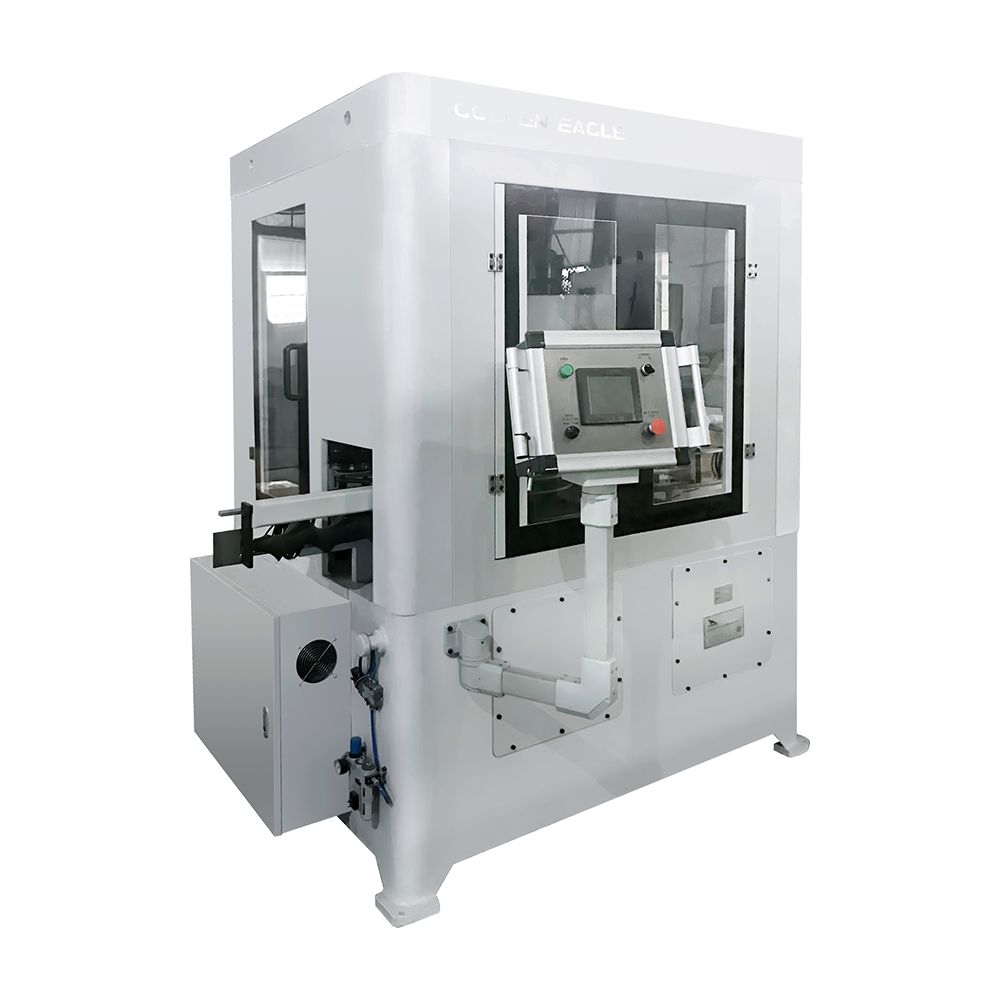
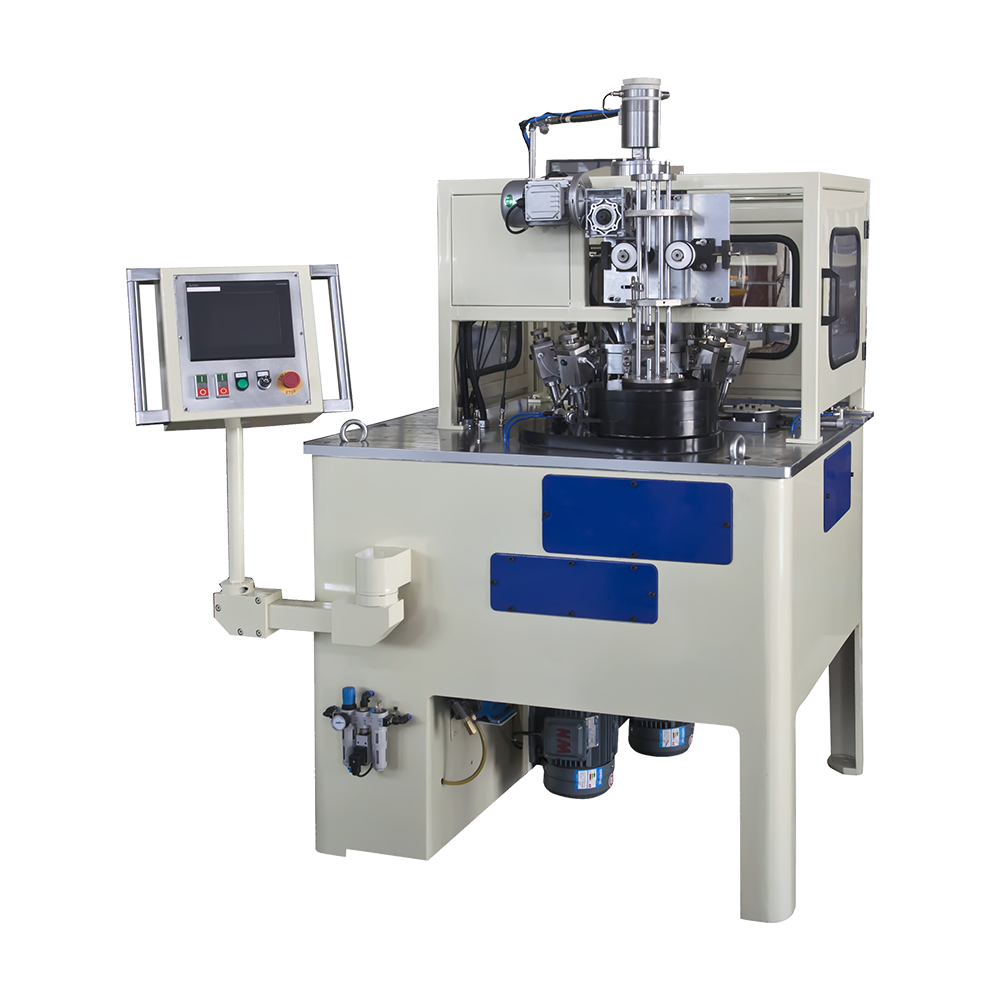
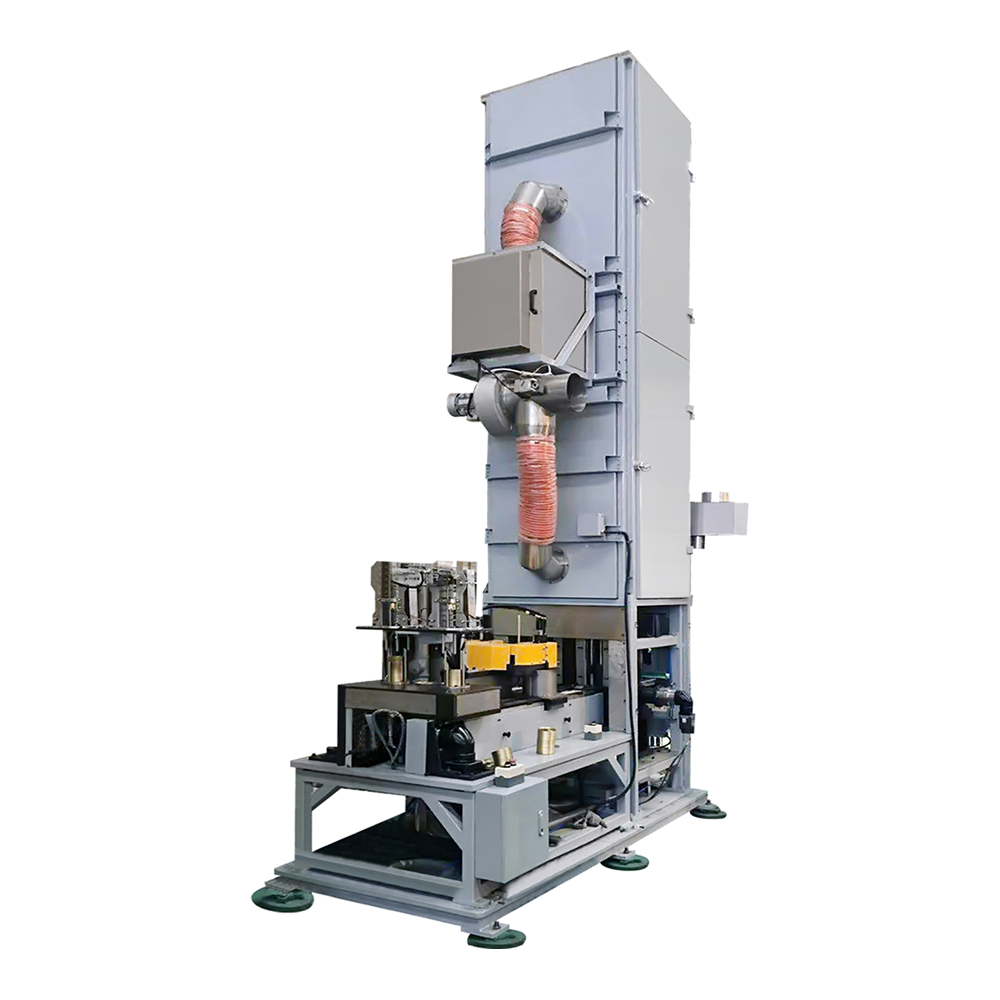
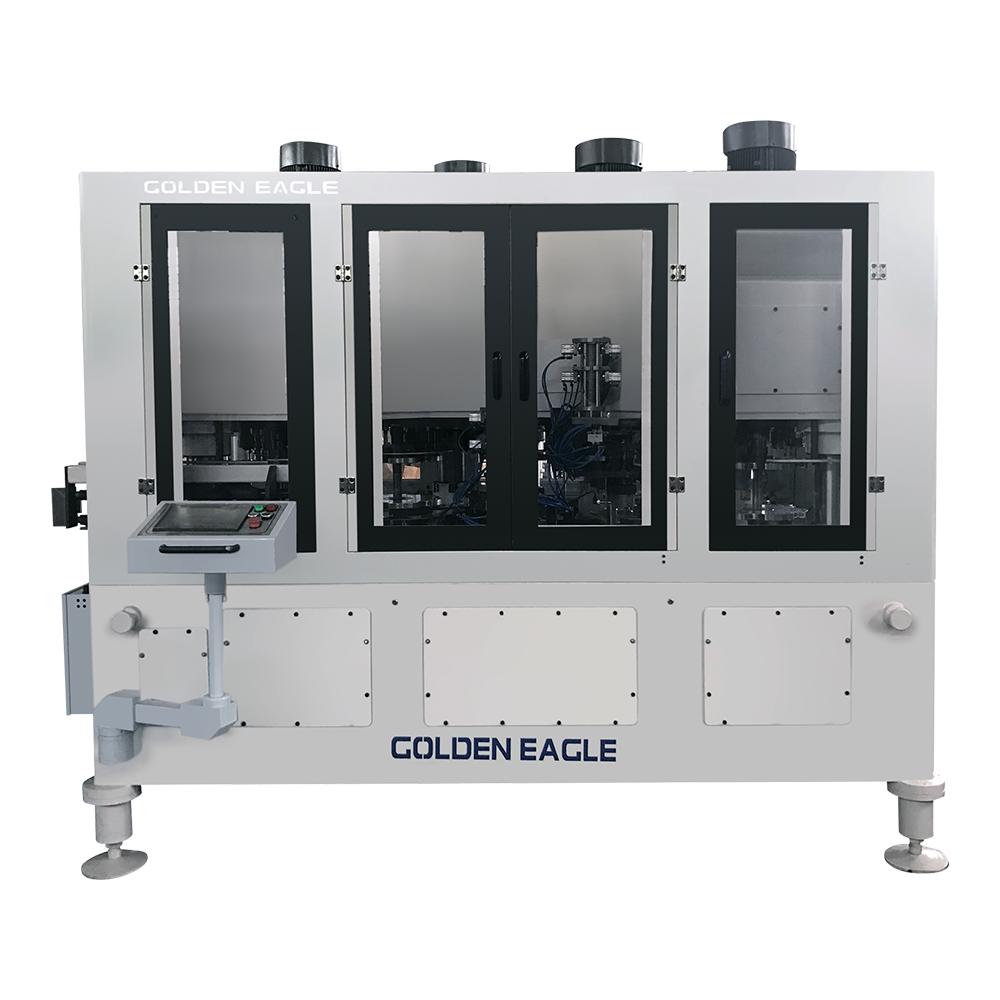 Four-Station Necking, Flanging, Beading and Seaming Can MakerCovers necking, flanging, beading and seaming stations for tin cans, with model specifications for matching seam and body-forming requirements.View Product →
The welder takes the blame for most seam failures, but on a welded line the coating and lining stages cause just as many rejects. After the side seam is welded, the inside of that seam is bare metal; a post-repair coating station sprays or rolls a lacquer film over it, and a curing oven takes it to the required bake. Under-cure leaves the film soft and the seam vulnerable, while over-cure makes it brittle and prone to cracking during necking.
Lining is the other half of the story. The compound applied to the end curl has to sit in the right place with the right weight: too little and the seam cannot seal, too much and it squeezes into the can. Rotary lining machines and vertical compound lining dryers are usually specified together with the combiner for that reason, and an automatic can body welder pairs with an induction heating device when the line runs at higher speed and the weld cycle shortens.
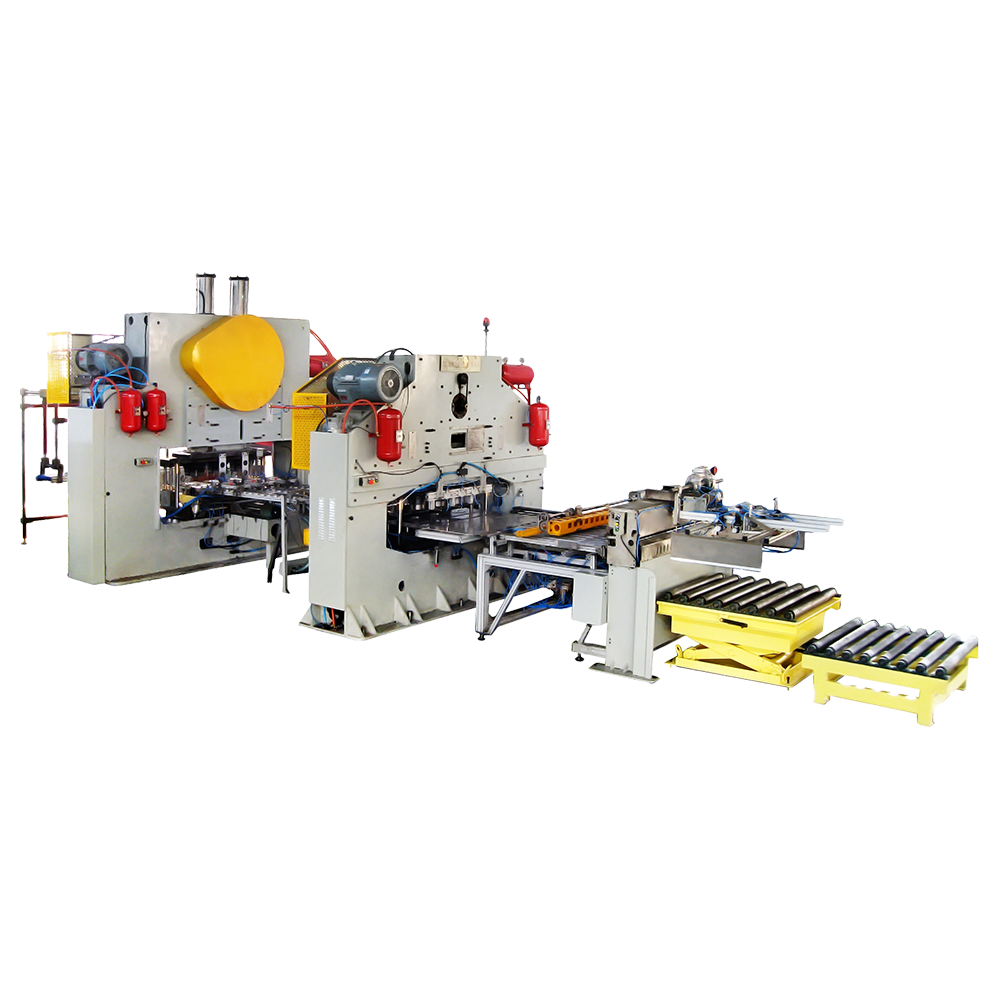
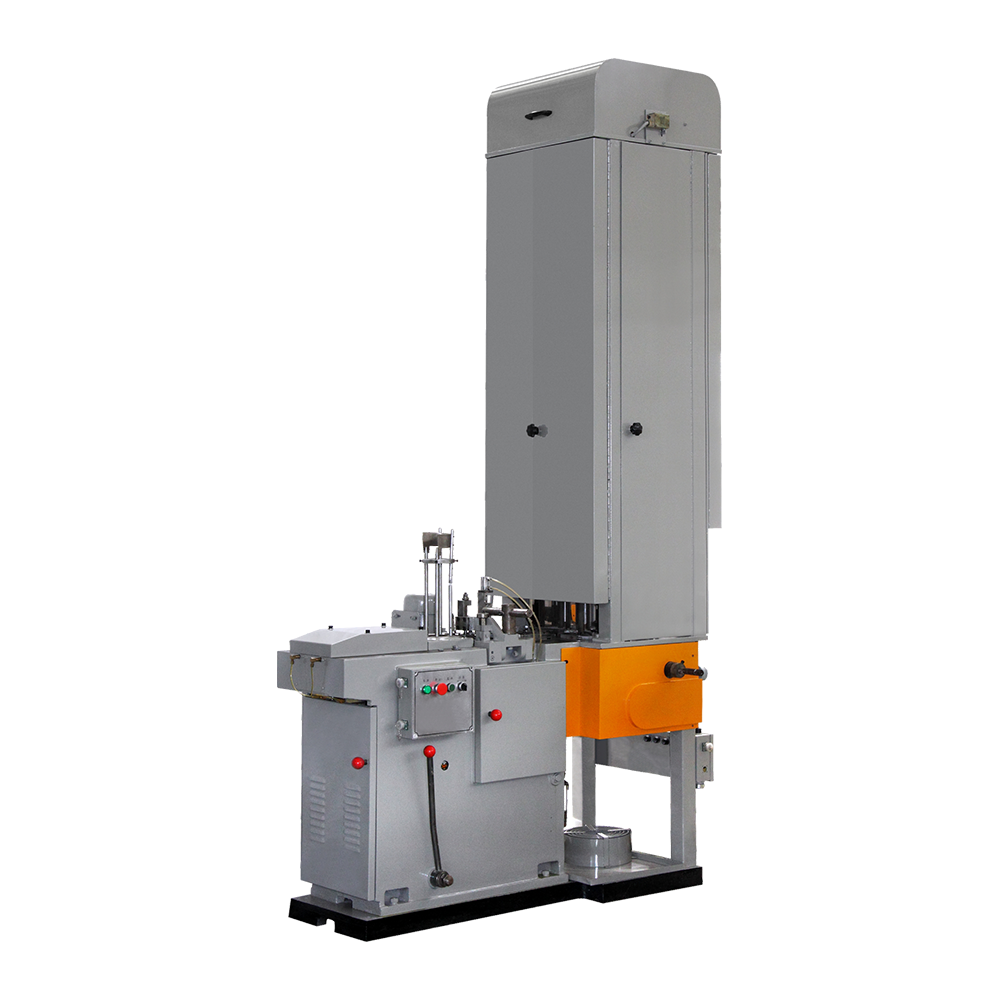
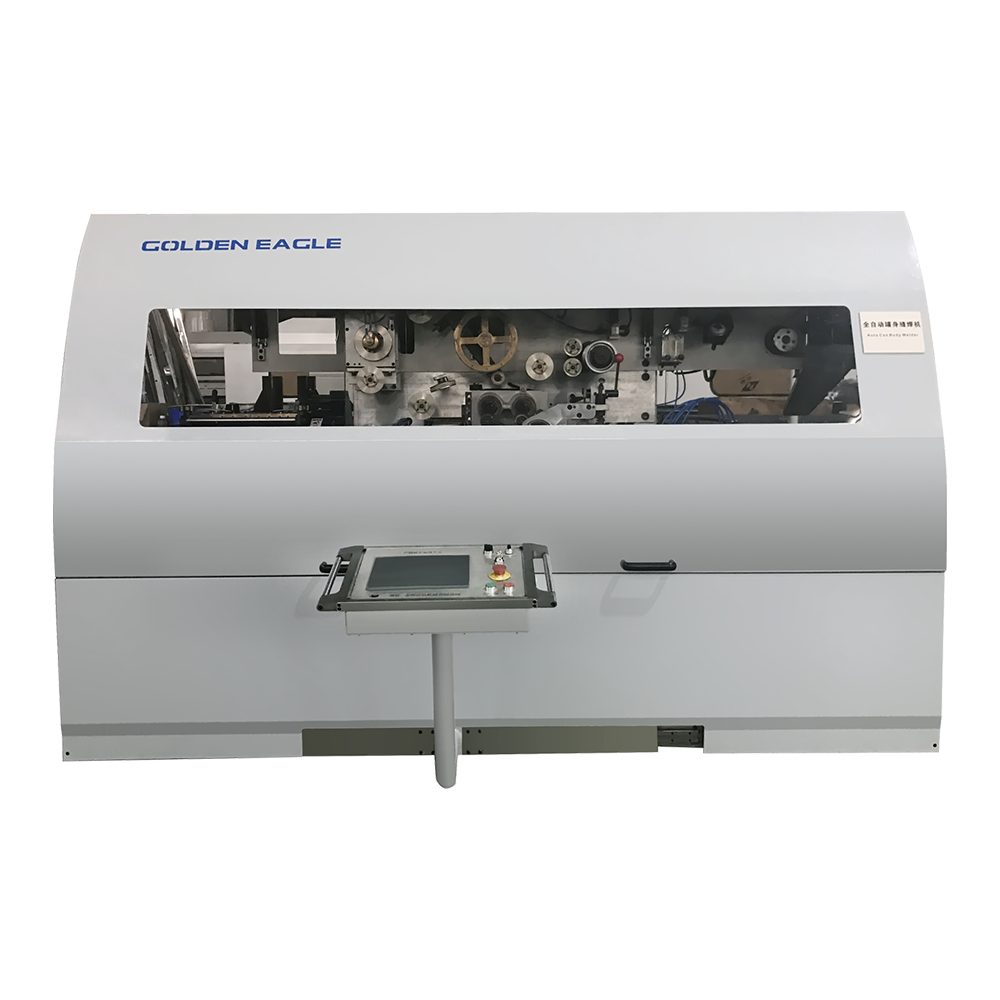 GT10C-500 Automatic Can Body Welder, 500 cpmRated at 500 cans/min, the GT10C-500 seam welds tin can bodies from Φ52–153 mm and supports automatic line operation.View Product →
Beverage lines consume ends faster than bodies whenever the end press stops, and easy-open ends add a conversion step that many buyers underestimate. A typical end flow runs a shell press, curl and lining, then a conversion press that scores the opening and rivets the tab, followed by post-repair coating and drying over the score line. Each step has its own tooling: shell dies, tab dies, score knives and seaming rollers wear at different rates.
If you plan to sell filled cans rather than bodies, price the end line as a separate project with its own operator, its own maintenance schedule and its own spares holding. Plants that treat ends as an accessory usually end up buying them in.
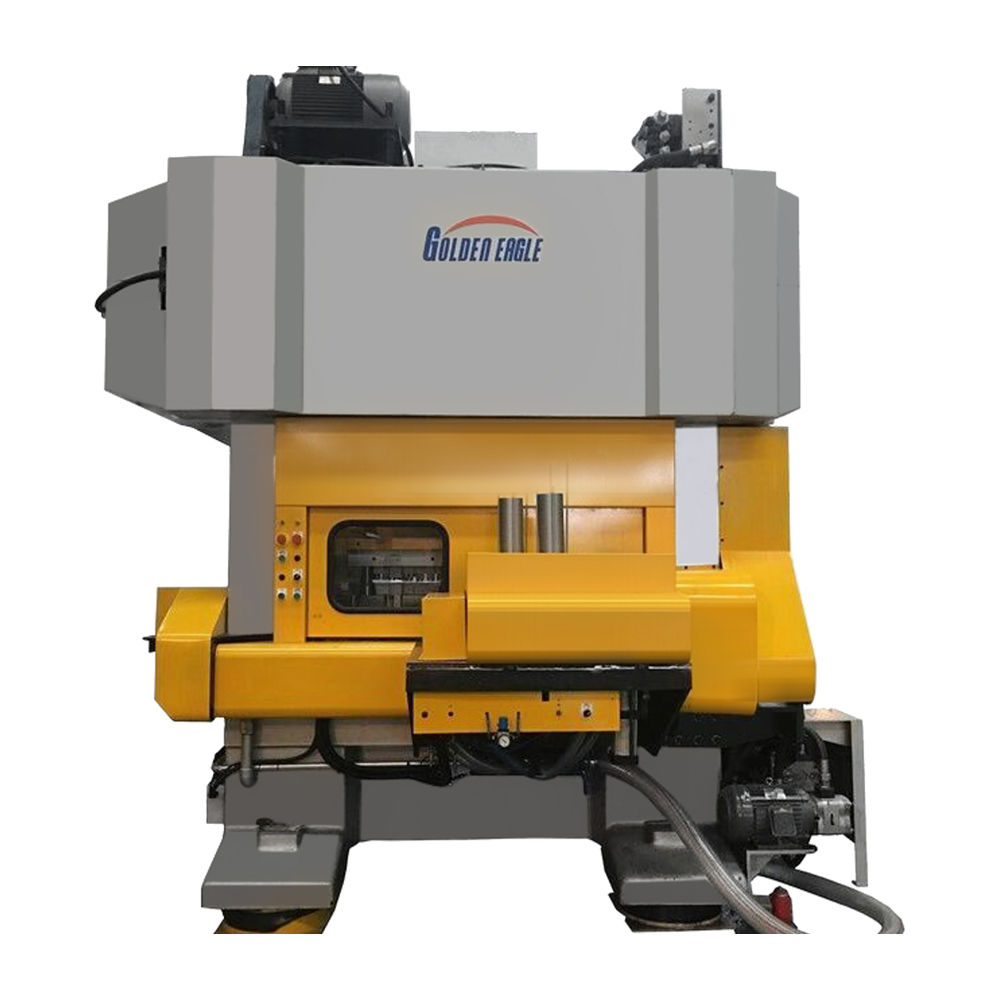
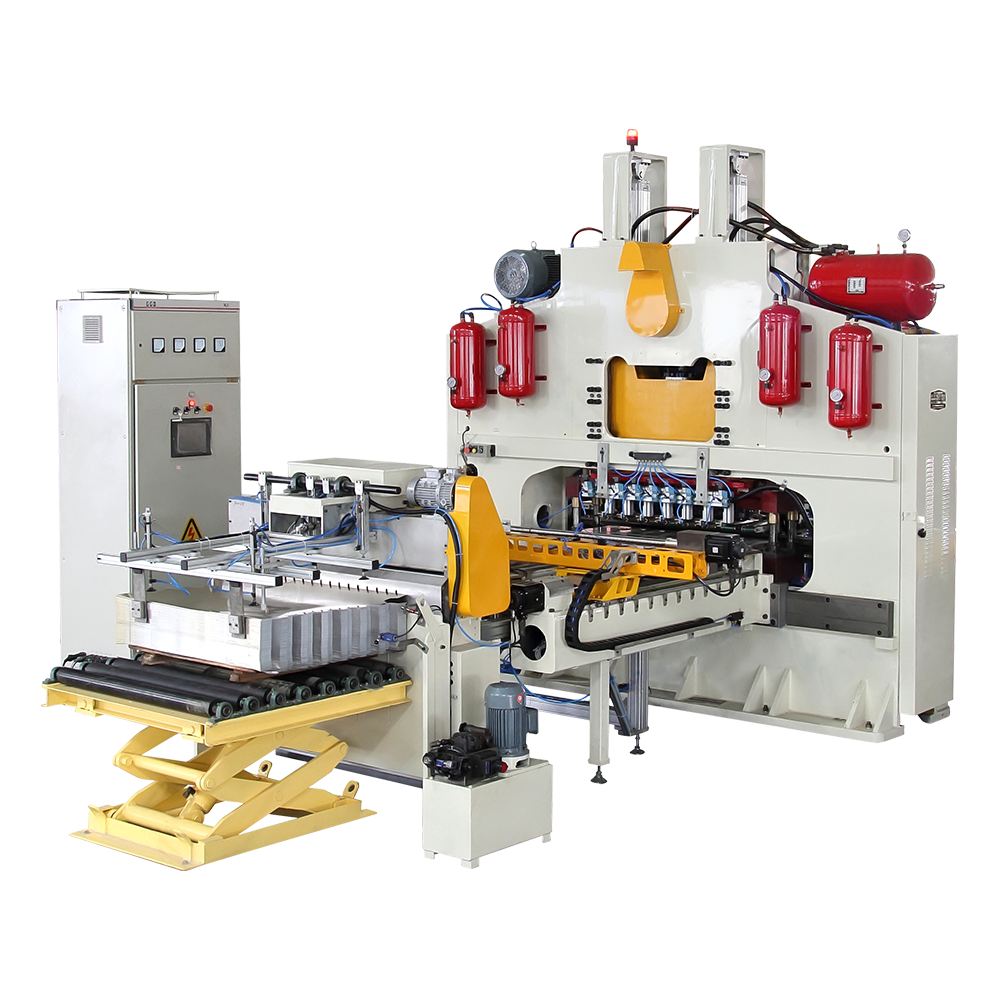 CNC Automatic Punch for Tin Can Lid and End ProductionPLC-controlled press with double-sheet detection and overload protection, suited to producing bottom and base covers across multiple end sizes.View Product →
Quoted speeds are usually peak rates measured on a new machine, with one format and a warm workshop. Your effective output is that figure multiplied by availability, performance and quality losses; on a well-run three-piece beverage line, planning at 70 to 80 percent of quoted speed is realistic for the first year. Two constraints usually bind before speed does: the number of formats you run, and whether your filler can keep up.
Bar chart: indicative format changeover time in minutes for four tooling strategies. These are planning figures from common workshop practice, so measure your own line before setting targets.
If demand is seasonal, a slightly slower combiner with fast changeover beats a faster one that needs a full shift to convert. If demand is flat and single-format, speed wins.
Capital cost is the easiest item to compare and the least likely to decide your payback. The costs that surprise buyers sit in tooling, spares and the first year of commissioning:
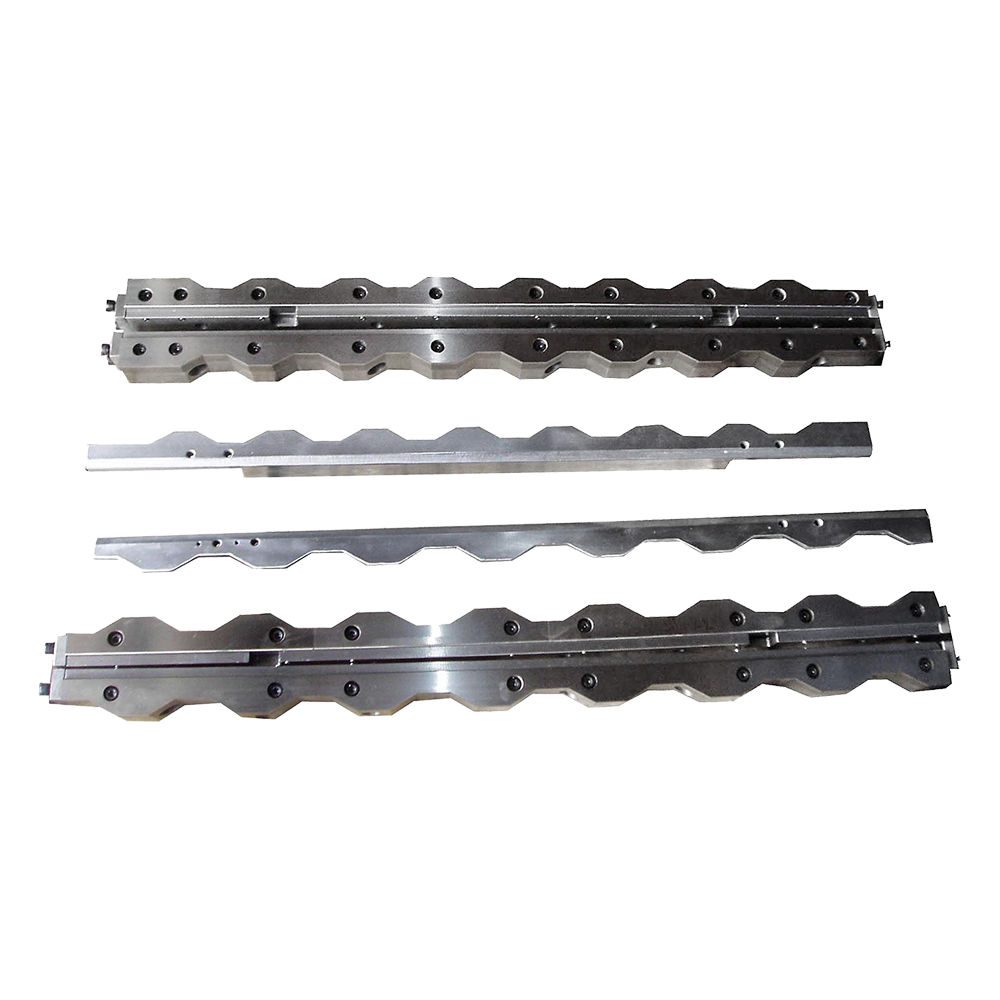
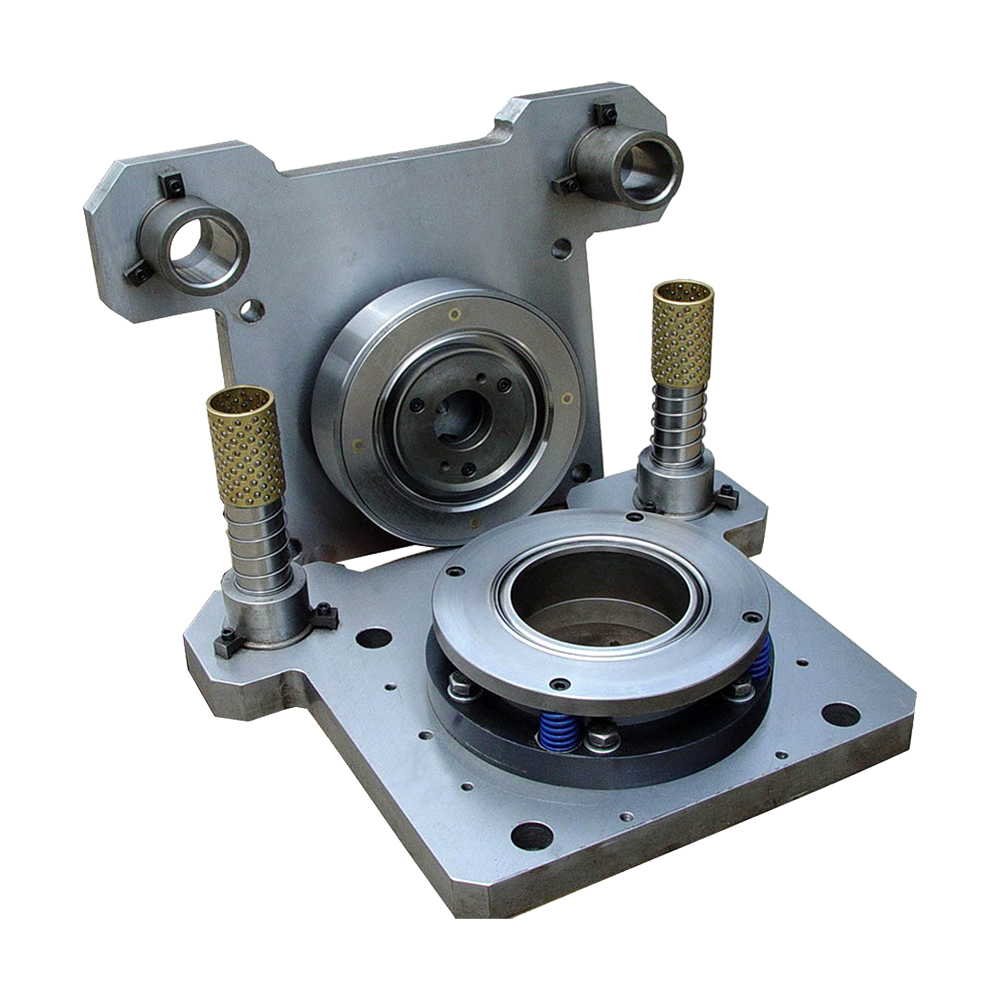
Tooling quality is where repeatability is really decided. Ask for the drawing tolerance on the seaming rollers and on the conversion press tooling you will buy, and ask how many regrinds each item takes before it is scrap.
For a machine that runs two shifts, the supplier's process discipline matters as much as the design. A manufacturer that has held ISO 9001 and ISO 14001 certification, has been building can-making machinery since the 1970s and has delivered thousands of units has a traceable production routine, and usually a commissioning and training routine to match. Ask for the factory acceptance test protocol, the list of wear parts shipped with the machine, and two references running your can format.
Then plan the ramp-up. The first 90 days should include a seaming quality audit at every shift change, a coating cure check, and a review of every unplanned stop with the operator who was there. Most of the gains in year one come from setting discipline, not from the machine.
A beverage can making machine is a system purchase, not an equipment purchase. Get the format and seam specification right, choose the combiner around your changeover pattern, and treat tooling, spares and training as part of the price. The line will then run at the speed you planned for, not the speed on the brochure.
Related Products

Founded in 1978, the company is one of the largest can-making machinery well-known companies at home and abroad.
Product Categories
Contact Information
Zhongshatou Shenjiamen Zhoushan Zhejiang China
+86-580-3056646

 English
 中文简体
 русский
 عربى
 Español