2026-05-28
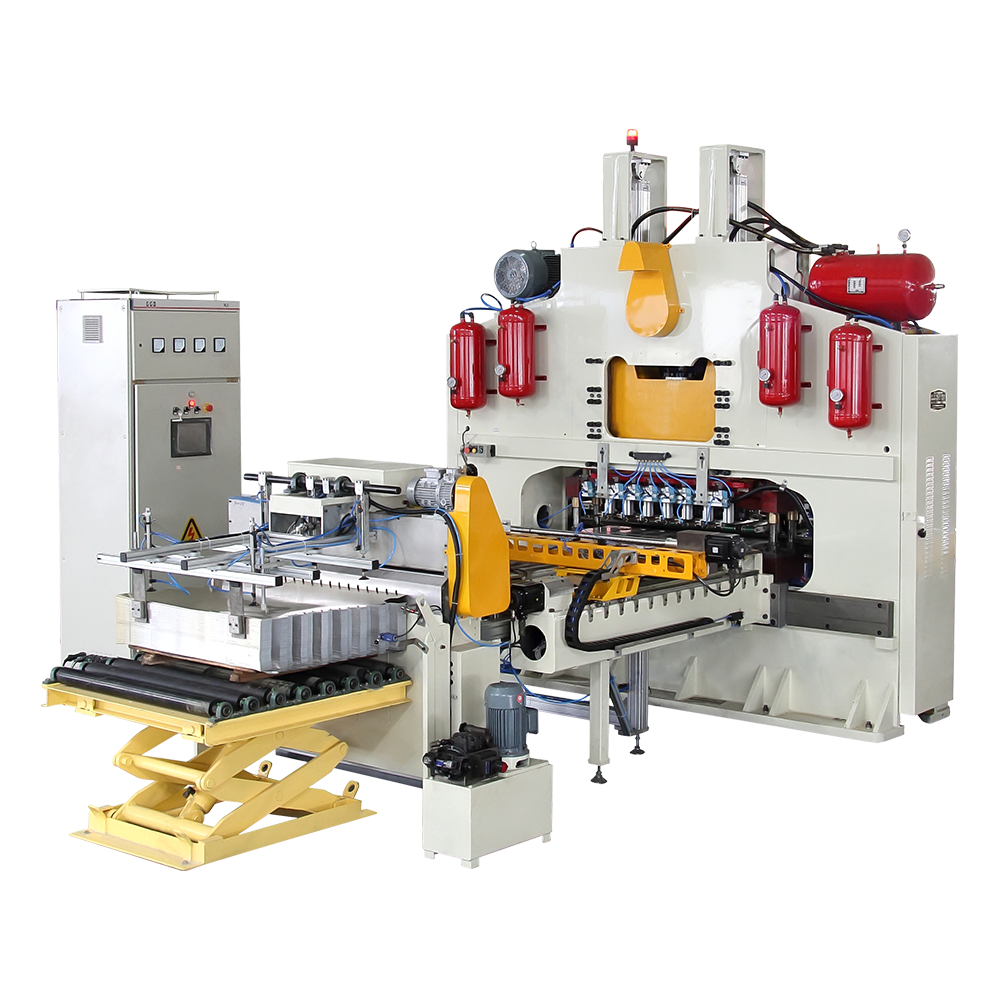
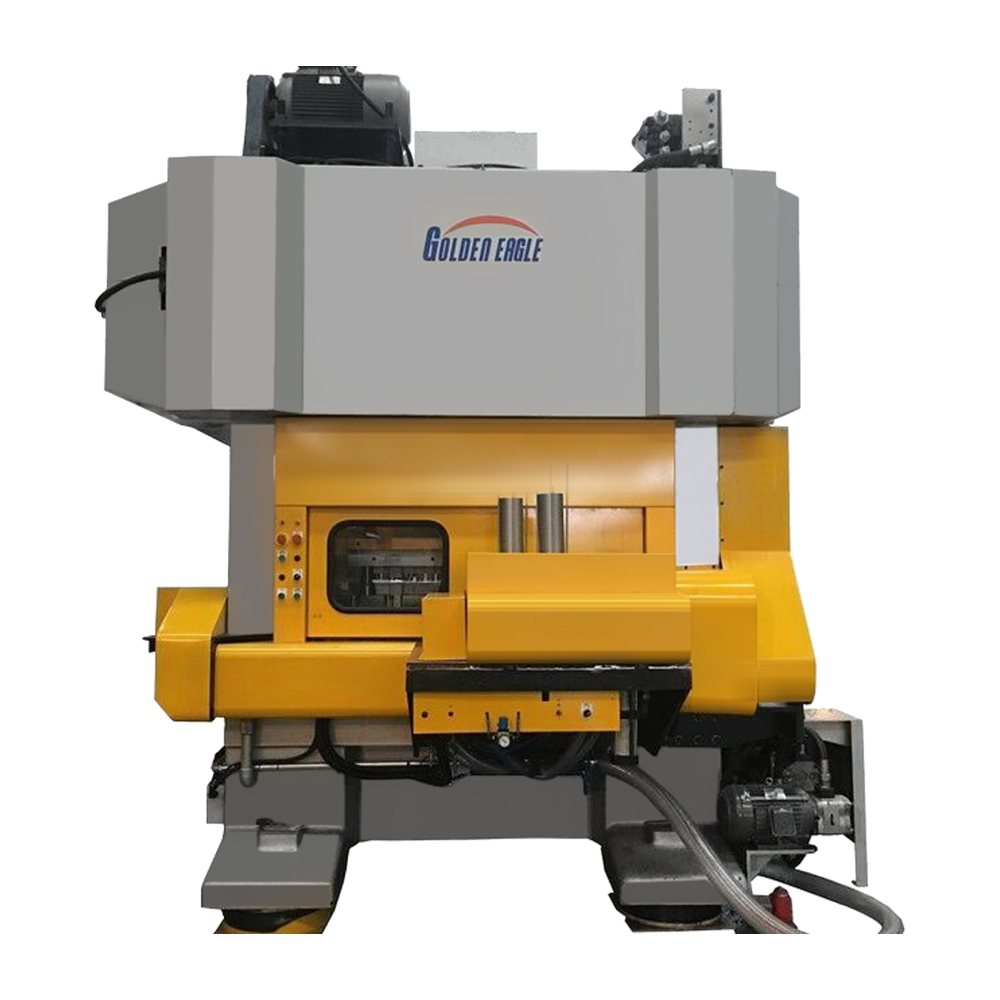
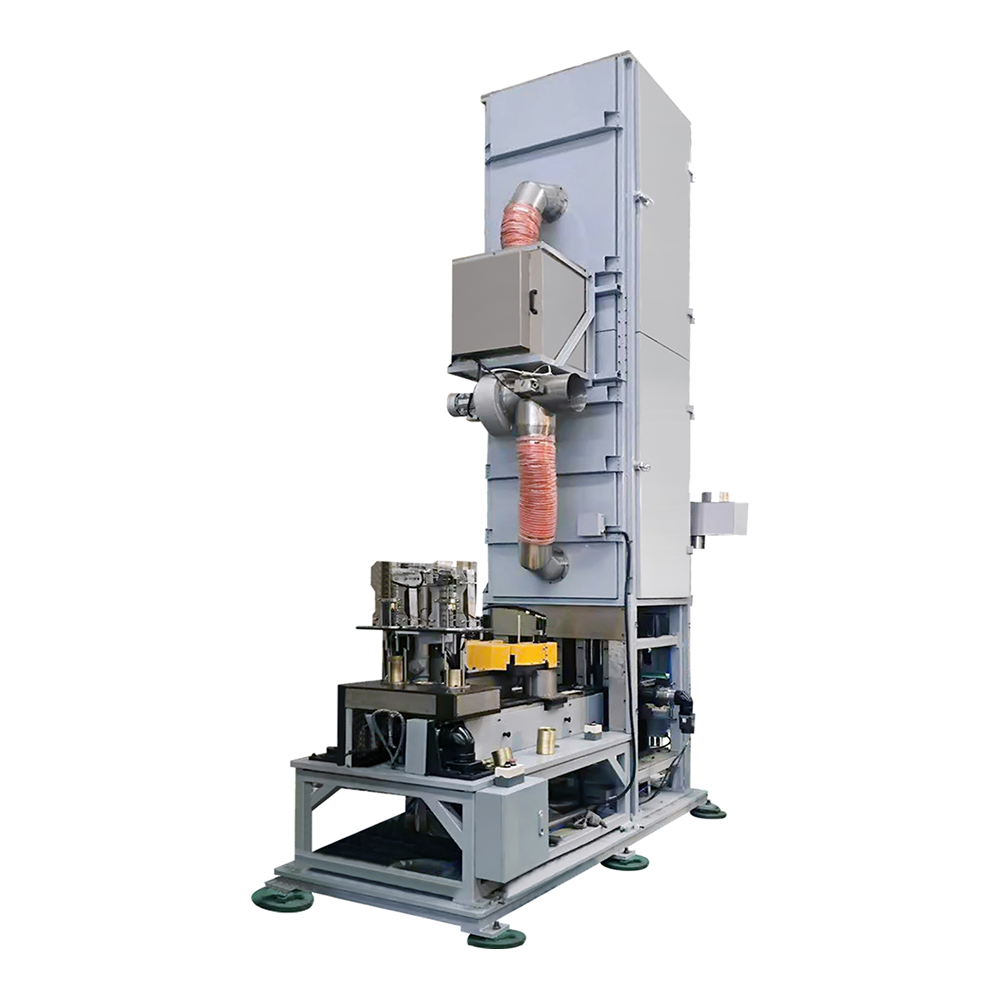
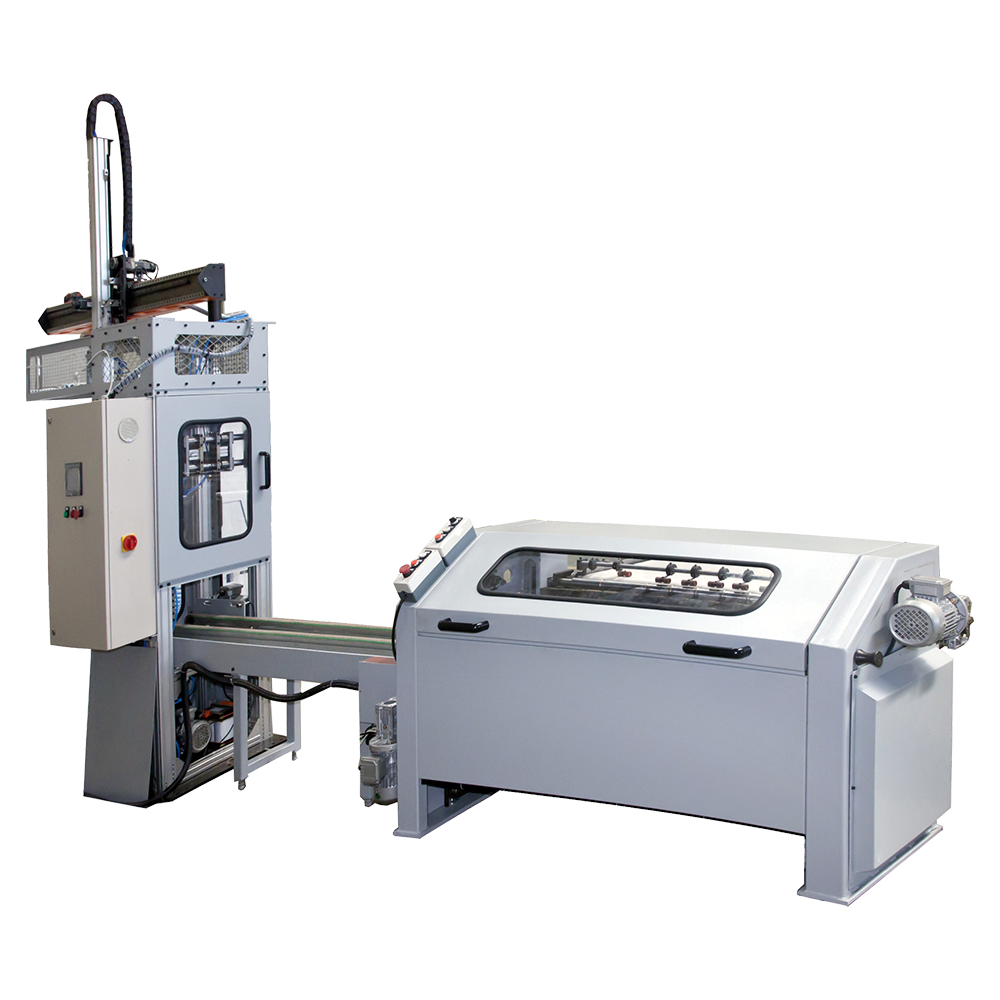
A can making machine is a series of specialized industrial equipment that transforms flat metal sheets — typically tinplate or aluminum — into finished, sealed cans ready for filling. Modern high-speed lines can produce between 1,000 and 3,600 cans per minute, making them one of the most output-intensive packaging systems in manufacturing. Whether you're sourcing equipment for a beverage plant, a food processing facility, or an aerosol production line, understanding how these machines work, what configurations exist, and what actually drives cost will save significant time and capital.
The global metal can manufacturing market was valued at approximately $49.3 billion in 2023 and continues to grow alongside demand for sustainable, recyclable packaging. Can making machines sit at the center of this growth — and choosing the right one has direct consequences on throughput, scrap rates, and long-term operating costs.
The production of a metal can is not a single-step operation. It involves a sequence of tightly coordinated machines, each performing a distinct forming or finishing task. The two most prevalent technologies are the two-piece (DWI) process and the three-piece (welded body) process.
This method produces the body and bottom of the can as a single integrated component. The process stages are:
Two-piece cans are the standard for beverage cans. They use less metal per can, produce no side seam, and offer a cleaner aesthetic. The DWI process can reduce material usage by up to 30% compared to three-piece methods for similar can sizes.
Three-piece cans consist of a cylindrical body (with a welded or soldered side seam) plus a top and bottom end that are seamed on separately. This method is still common for food cans, aerosol cans, paint cans, and any application where the can diameter or height varies widely. The key machines in this line include:
Understanding the role of individual machines helps buyers assess which equipment gaps they need to fill — and avoid purchasing unnecessary redundancy.
| Machine | Function | Applicable Process |
|---|---|---|
| Cupper / Blanker | Punches circular blanks and draws them into cups | Two-piece |
| Body Maker (DWI) | Redraws and irons cups to final can height and wall thickness | Two-piece |
| Trimmer | Removes irregular upper edge for uniform can height | Two-piece |
| Washer / Coater | Cleans cans and applies internal lacquer to prevent corrosion | Both |
| Decorator / Printer | Applies exterior graphics via dry offset or inkjet printing | Both |
| Necker / Flanger | Reduces top diameter (necking) and creates flange for seaming | Both |
| ERW Welder | Resistance-welds the side seam of the can body | Three-piece |
| Seamer | Double-seams end components onto the can body | Both |
| Leak Tester | Pressurizes each can and rejects any with detectable leaks | Both |
Line speed is always quoted in cans per minute (CPM), but this figure only matters in context. A line rated at 2,000 CPM that runs at 78% efficiency produces far fewer cans per shift than one rated at 1,500 CPM running at 95% efficiency. Overall Equipment Effectiveness (OEE) — not nameplate speed — is the metric that determines real output.
Typical OEE benchmarks in can making:
A practical example: a beverage plant running two-piece can lines at 2,400 CPM with 80% OEE produces about 1,920 marketable cans per minute — or roughly 55 million cans per month on a three-shift schedule. Missing that OEE target by 10 percentage points costs approximately 5.5 million cans per month in lost production.
The bottleneck machine in most lines is the body maker — it determines the ceiling for every other station. Line balancing, conveyor buffer sizing, and reject loop design all flow from the body maker's output rate.
Not every can making machine handles both aluminum and tinplate equally well. The choice of substrate affects tooling wear rates, forming forces, and internal coating requirements.
Aluminum is the dominant material for beverage cans. It is softer and more ductile than steel, which allows for thinner walls — modern aluminum beverage cans have sidewall thicknesses as low as 0.097 mm. Its lower density reduces shipping weight and it is infinitely recyclable. Aluminum also requires lower forming forces, which reduces tooling wear and energy consumption per unit. The tradeoff is that aluminum is more susceptible to denting during handling, which demands more careful conveyor design.
Tinplate is preferred for food cans, aerosol cans, and any application where higher internal pressure resistance or rigidity is needed. It is harder to form than aluminum, requiring more robust tooling and higher press forces. However, its strength means cans can withstand retort sterilization processes without deforming — a critical requirement for canned food safety. Food-grade tinplate cans routinely withstand internal pressures of 90–120 psi during retort processing.
Most three-piece lines are designed to handle both materials with tooling changeovers, while two-piece DWI lines are typically optimized for one substrate at the time of installation.
Capital expenditure for can making equipment varies enormously based on line type, speed, and automation level. A rough breakdown helps set expectations before approaching suppliers:
| Line Type | Speed Range (CPM) | Estimated CapEx (USD) | Typical Application |
|---|---|---|---|
| Three-piece, semi-auto | 80–250 | $150,000–$600,000 | Small food/paint can producers |
| Three-piece, fully automated | 300–600 | $1M–$4M | Mid-scale food/aerosol |
| Two-piece DWI, standard | 1,200–2,000 | $8M–$18M | Beverage cans, mid-volume |
| Two-piece DWI, high-speed | 2,400–3,600 | $20M–$50M+ | Large-scale beverage producers |
Beyond the equipment itself, buyers frequently underestimate ancillary costs. Installation, tooling sets, initial spare parts inventory, staff training, and commissioning support commonly add 20–35% on top of the equipment purchase price. For a $10 million DWI line, that means budgeting at least $12–13.5 million total before the first saleable can is produced.
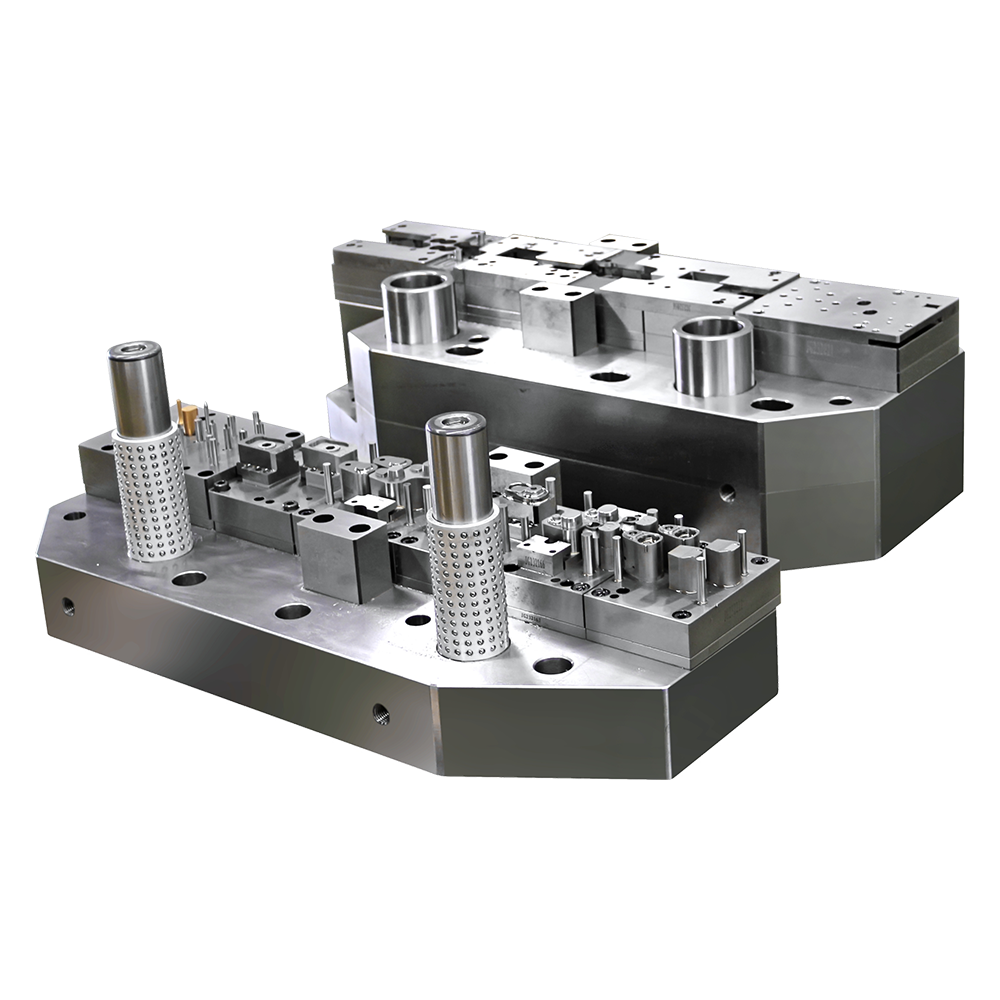
Ongoing tooling is a significant hidden cost in can making. DWI punch and die sets wear and must be replaced or re-ground regularly — a typical set might last between 40 and 120 million strokes depending on material hardness and lubrication quality, with replacement tooling costing tens of thousands of dollars per set.
The can making industry has moved aggressively toward digital control systems over the past decade. Modern lines integrate PLC-based machine control with MES (Manufacturing Execution Systems) to enable real-time production tracking, automated rejection reporting, and predictive maintenance alerts.
Specific automation features worth evaluating when assessing equipment:
Plants that have fully integrated machine data with plant-level analytics report scrap rates 30–50% lower than facilities running equivalent equipment without connected systems. The data infrastructure investment is typically recovered within 18 months on a high-speed DWI line.
The secondary market for can making equipment is active and worth serious consideration, especially for three-piece lines where technology is more mature and standardized. A well-maintained refurbished three-piece line from a reputable equipment dealer can provide 60–75% of the capability of a new line at 30–50% of the cost.
However, refurbished two-piece DWI equipment carries higher risk. Worn tooling, fatigue in press frames, and outdated controls systems can result in unpredictable scrap rates that erode the cost advantage quickly. If considering refurbished DWI equipment, insist on:
One practical checkpoint: if spare parts for a machine model are no longer stocked by any supplier, a single unplanned breakdown can idle an entire line for weeks while custom components are machined. Parts availability should be verified before any purchase agreement is signed.
Environmental regulations and corporate sustainability targets are increasingly influencing which can making equipment buyers specify. The key areas of impact:
Equipment capable of processing thinner gauge metal stock reduces material consumption per can. The industry has achieved a 40% reduction in aluminum can weight over the past 40 years — from around 21 grams per can in the 1970s to under 13 grams today — largely through advances in DWI tooling precision and process control. New lines engineered to handle thinner gauge stock are commanding premium prices but delivering measurable raw material savings.
Traditional DWI processes use significant volumes of water-based coolant and forming lubricants. Newer equipment designs have incorporated dry forming technologies for selected operations, and advanced filtration and recycling systems for coolant, reducing wastewater volumes by up to 60% compared to conventional systems — a significant factor in facilities facing tightening effluent discharge regulations.
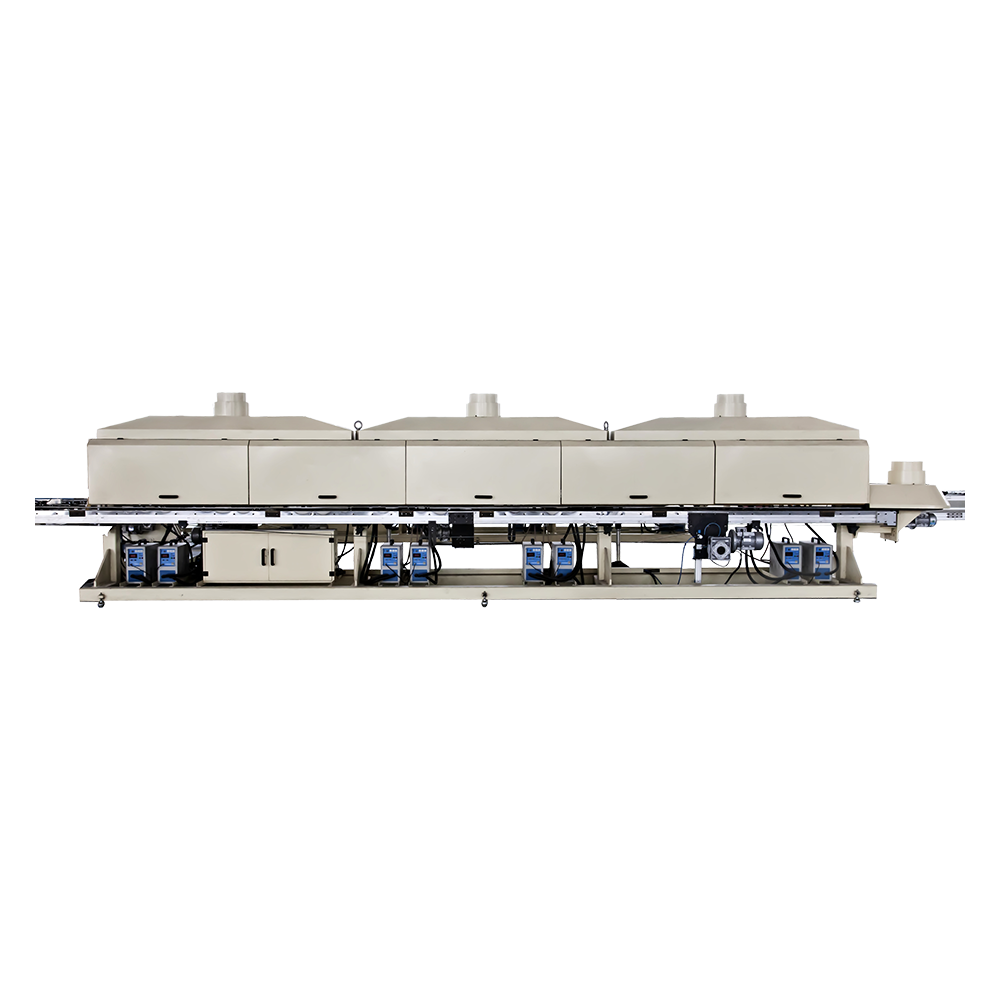
High-speed can lines are energy-intensive. Servo-driven body makers and electrically heated ovens with heat recovery systems are gradually replacing older hydraulic and gas-fired equivalents, reducing energy consumption per thousand cans by 15–25% in documented installations.
When evaluating any can making machine or complete line, these specifications should be confirmed in writing — not estimated — before contracts are signed:
Experience across can making operations consistently points to a handful of recurring problem areas that account for the majority of unplanned downtime:
Related Products

Founded in 1978, the company is one of the largest can-making machinery well-known companies at home and abroad.
Product Categories
Contact Information
Zhongshatou Shenjiamen Zhoushan Zhejiang China
+86-580-3056646

 English
 中文简体
中文简体
 русский
 عربى
عربى
 Español