2026-06-04
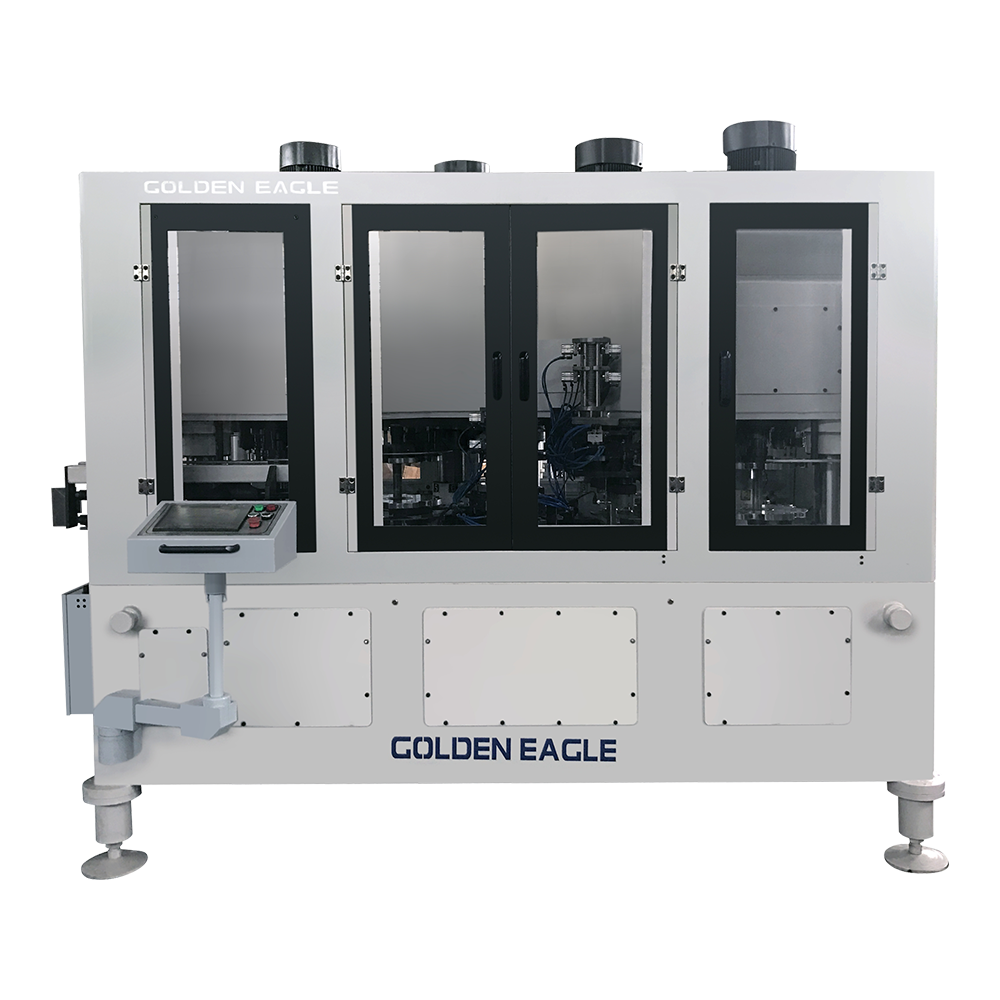
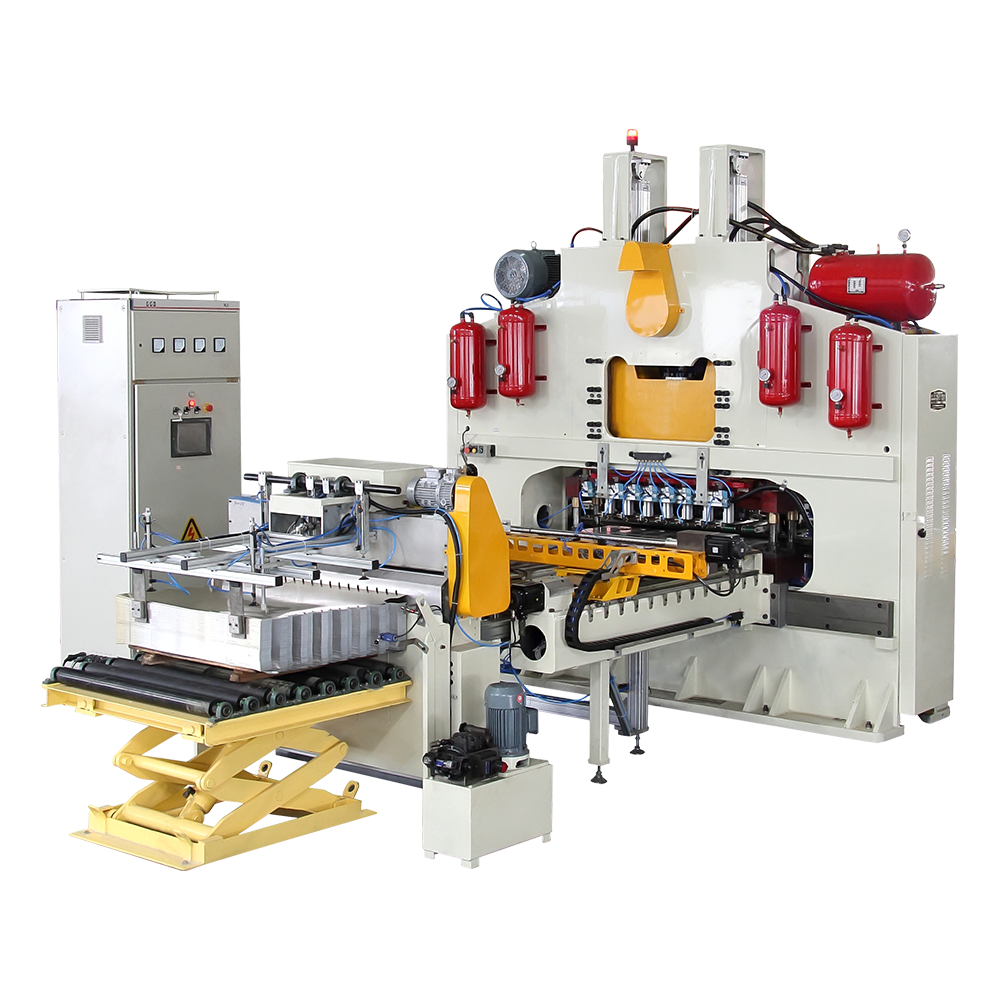
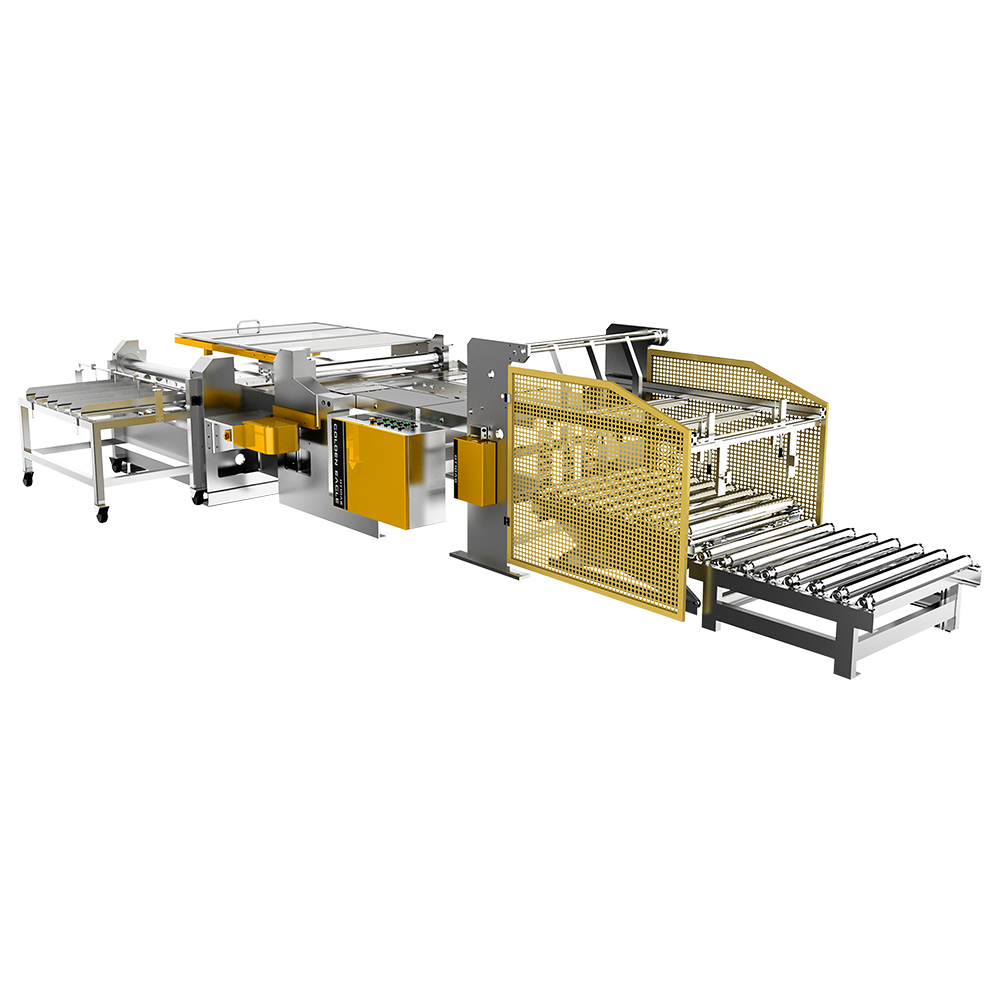
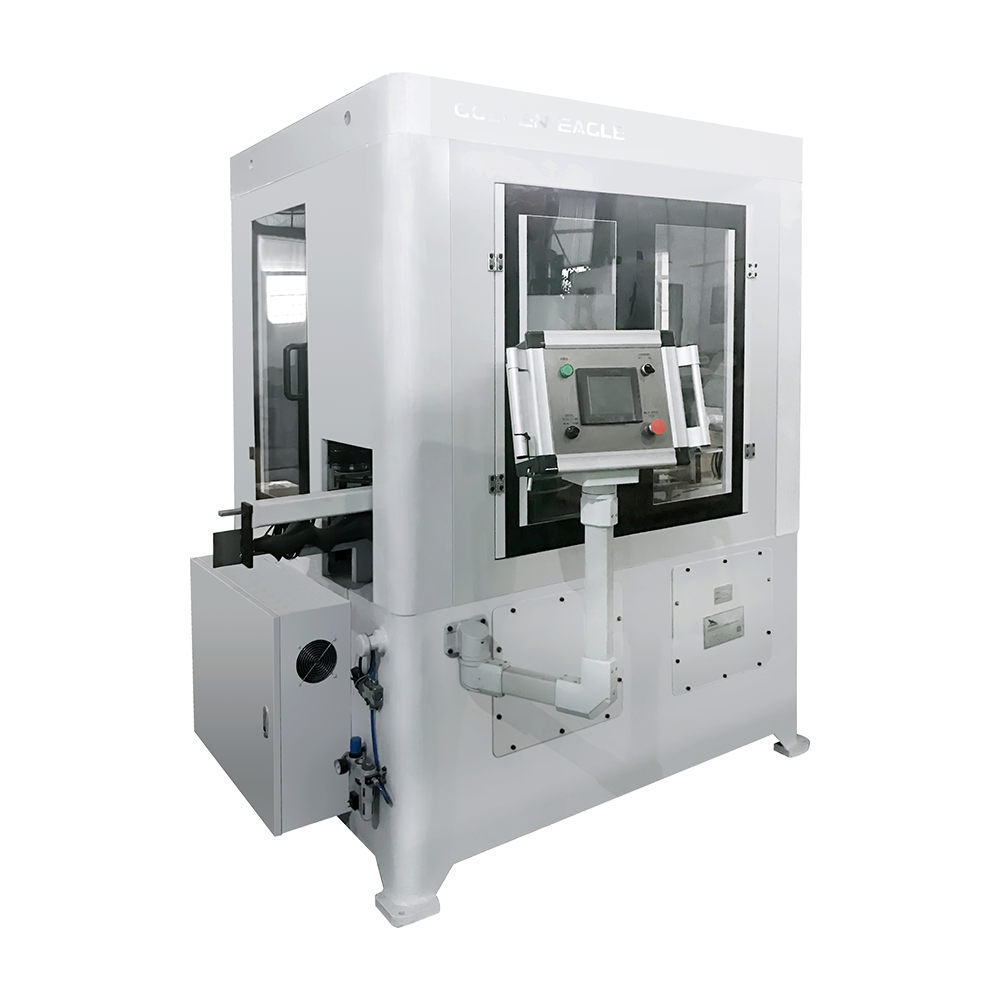
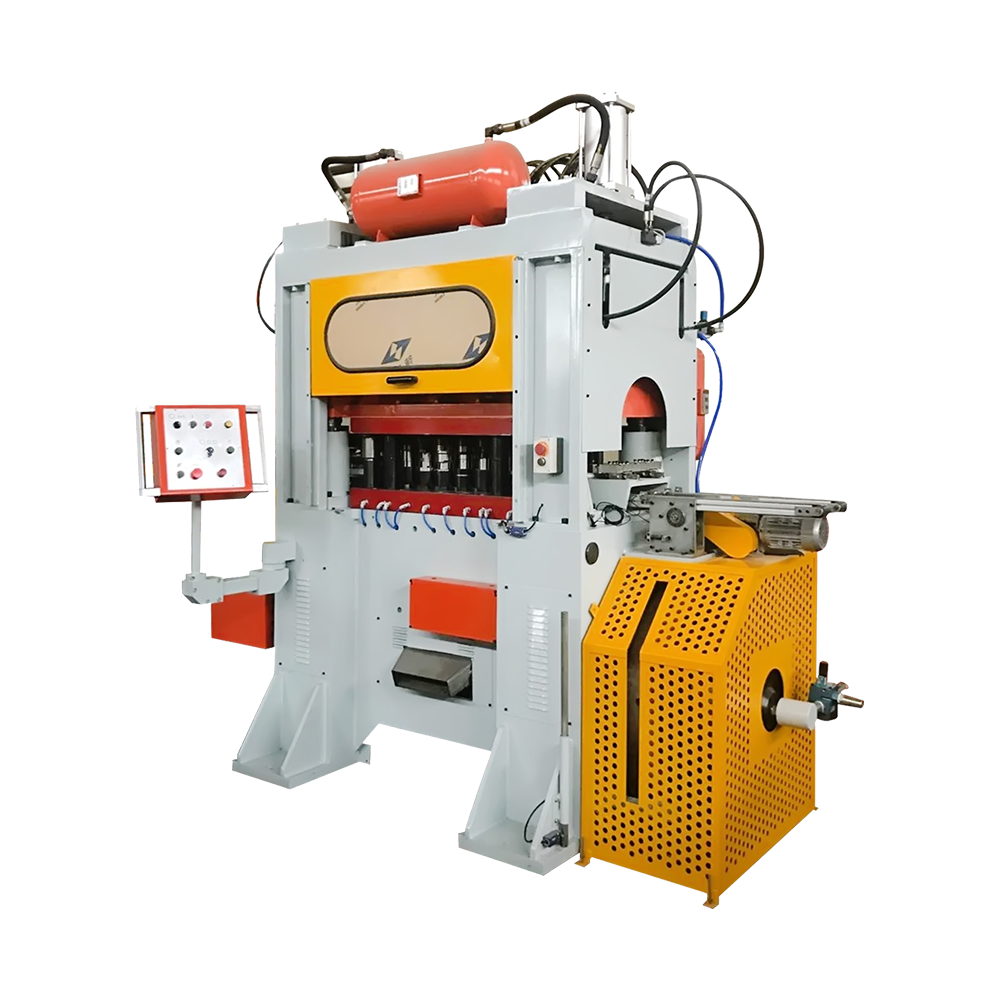
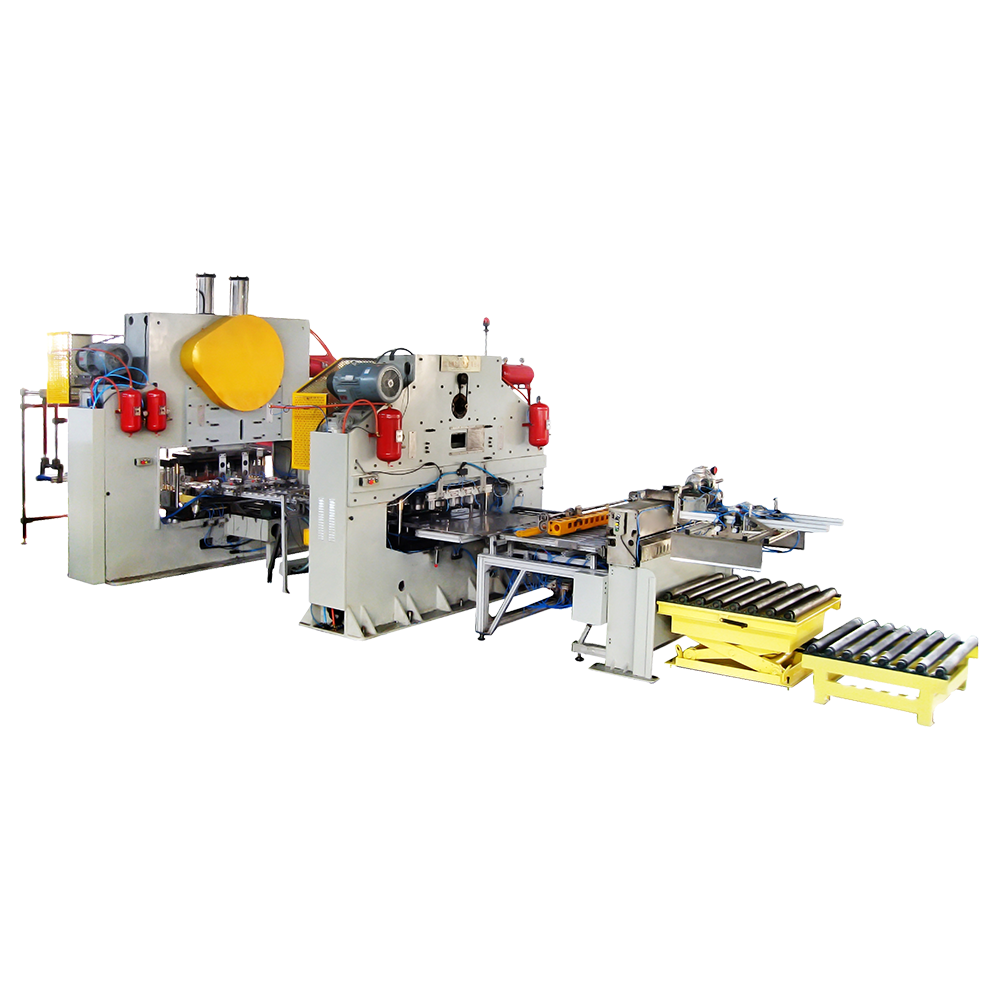
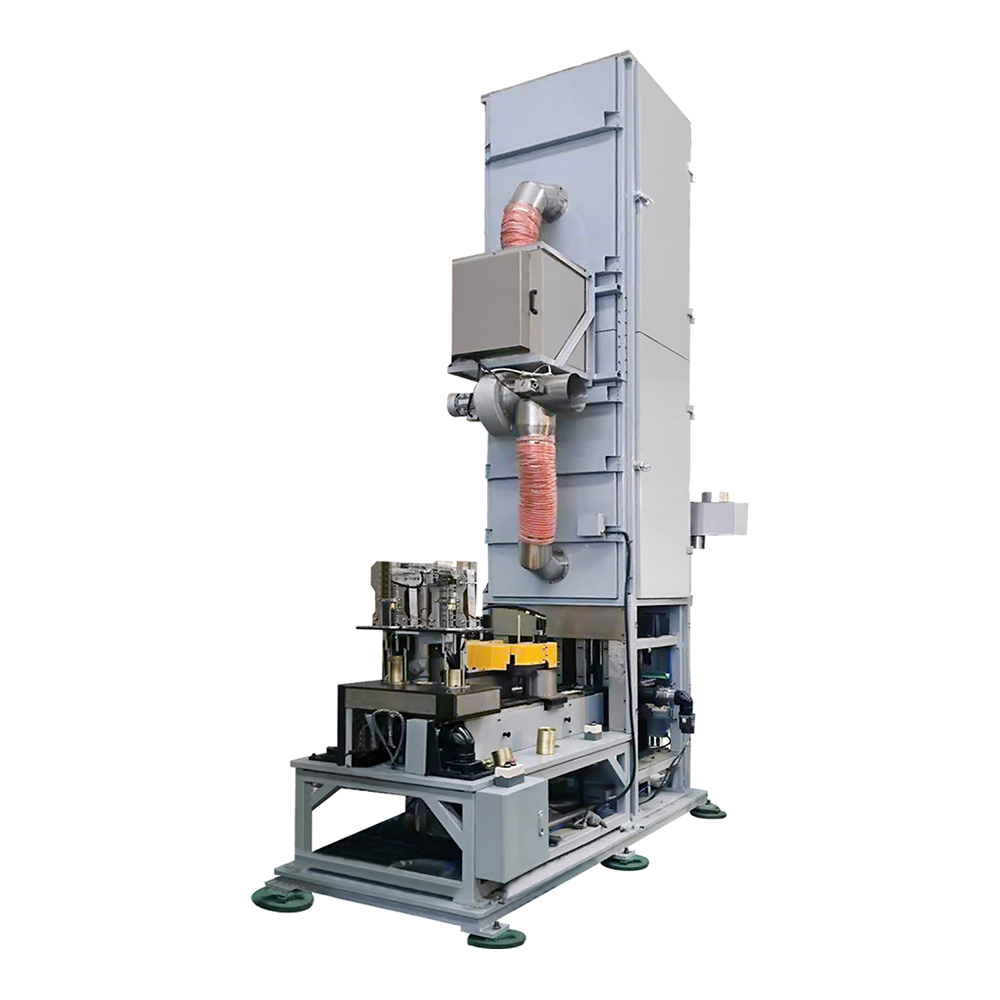
An industrial can making machine is a highly integrated, high-tonnage automated manufacturing system that transforms raw metal coils into structural two-piece or three-piece commercial packaging containers at production speeds reaching up to 4,000 cans per minute. This mechanical asset processes heavy aluminum or electrolytic tinplate sheet stock through a synchronized sequence of stamping, drawing, ironing, and trimming operations. For global packaging operators, the core goal of a modern can line is to maximize output speed while preserving airtight seal integrity and maintaining precise metal wall thicknesses across billions of production runs.
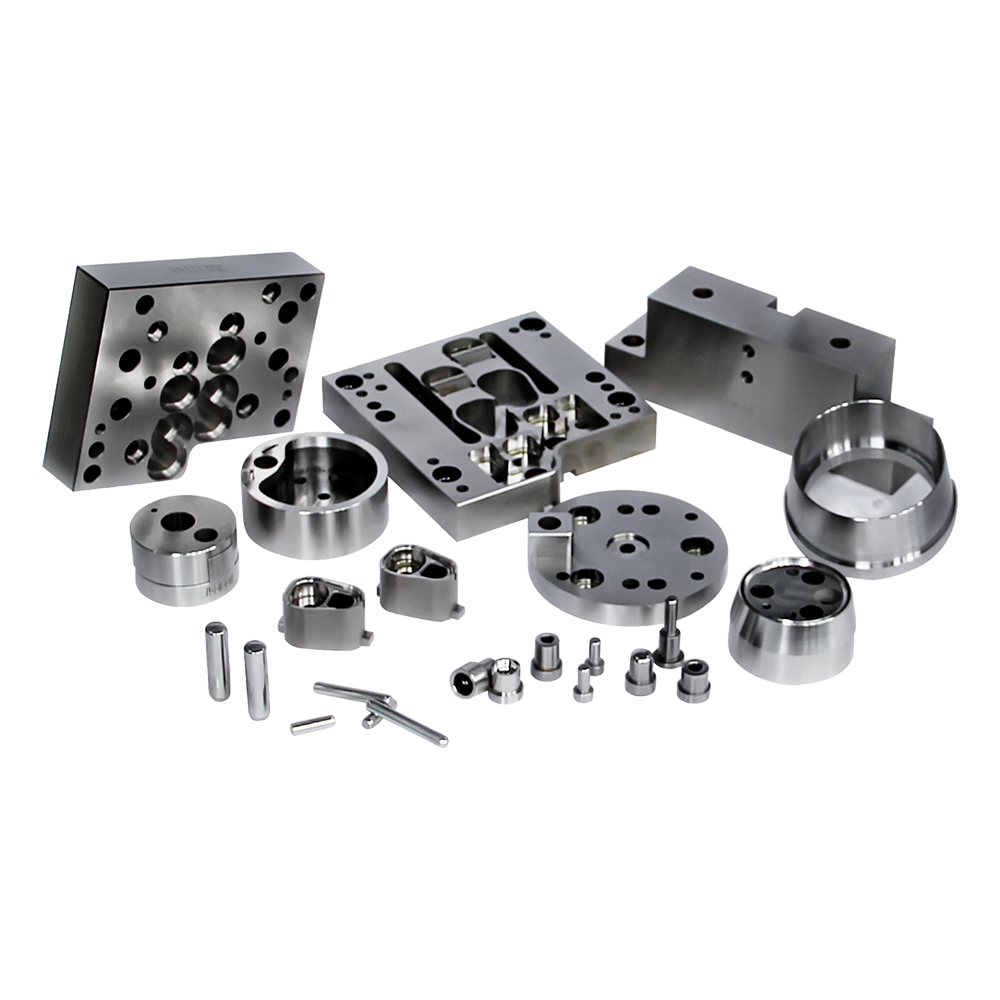
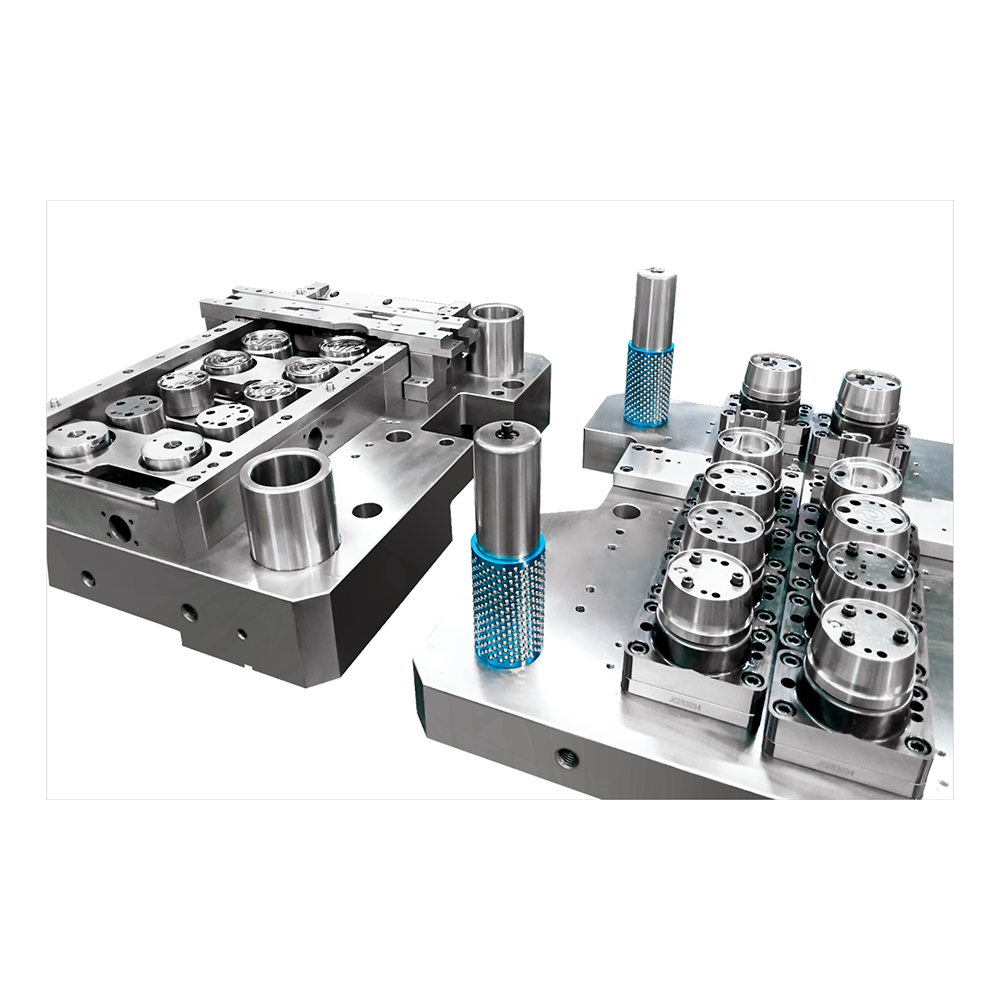
In the consumer packaging sector, slight dimensional deviations can compromise seal integrity, causing storage leaks and expensive product recalls. To mitigate these risks, can making lines depend on high-speed bodymakers outfitted with ultra-rigid tungsten carbide punches and progressive dies that work down to the micro-millimeter. If the metal wall profile fluctuates by just 2 micrometers, the can body will buckle during high-pressure thermal food sterilization or collapse under internal carbonation pressures. Because of this, modern plants deploy advanced mechanical setups supported by real-time sensor networks and automated cooling loops.
The can making infrastructure is divided into two primary process tracks: two-piece draw-and-iron (D&I) lines utilized for high-volume beverage packing, and three-piece welded lines configured for diverse food storage needs. Each approach requires close control over raw sheet metal metallurgy, high-pressure synthetic lubricants, and complex transport systems. Examining how raw metal stock progresses through these forming stages reveals the strict engineering parameters required to produce reliable, lightweight packaging containers.
The manufacturing lifecycle of a two-piece container begins in the upstream cupping zone, where raw material coils are converted into heavy, wide-diameter shallow cups before the final wall-thinning stages.
Large coils of aluminum alloy (such as 3104-H19) or tinplate are fed into a wide-bed, high-tonnage cupping press. Before the metal enters the tooling, a precise wax coater applies a thin layer of synthetic, food-safe soluble oil lubricant at a coat weight of 150 to 250 mg per square meter. This lubricating layer prevents friction damage and cold-welding defects between the metal sheet and the die surface during initial forming.
The cupping press operates multi-cavity dies that blank out circular discs and immediately draw them into straight-walled cups. These initial cups feature thick walls and low height profiles, serving as the raw pre-forms for downstream processing.
The formed cups enter a high-speed horizontal bodymaker press. This machine uses a long-stroke mechanical ram to push the cup through a series of concentric ironing rings at forces exceeding 150 kilonewtons. This sequence thins the container walls while extending its overall length.
As the ram drives forward, the cup passes through three distinct ironing rings, each configured with a slightly smaller diameter than the preceding one. This action squeezes the metal, reducing the wall thickness by up to 65 percent from the original sheet gauge. At the end of the stroke, the punch presses the can bottom against a shaped doming die to form the concave base profile needed to withstand high internal carbonation pressures.
After exiting the bodymaker and undergoing high-velocity trimming to remove irregular top edges, the straight-walled cans move into the finishing department. Here, the raw container must undergo mechanical reshaping to prepare for sealing and receive a protective internal chemical barrier.
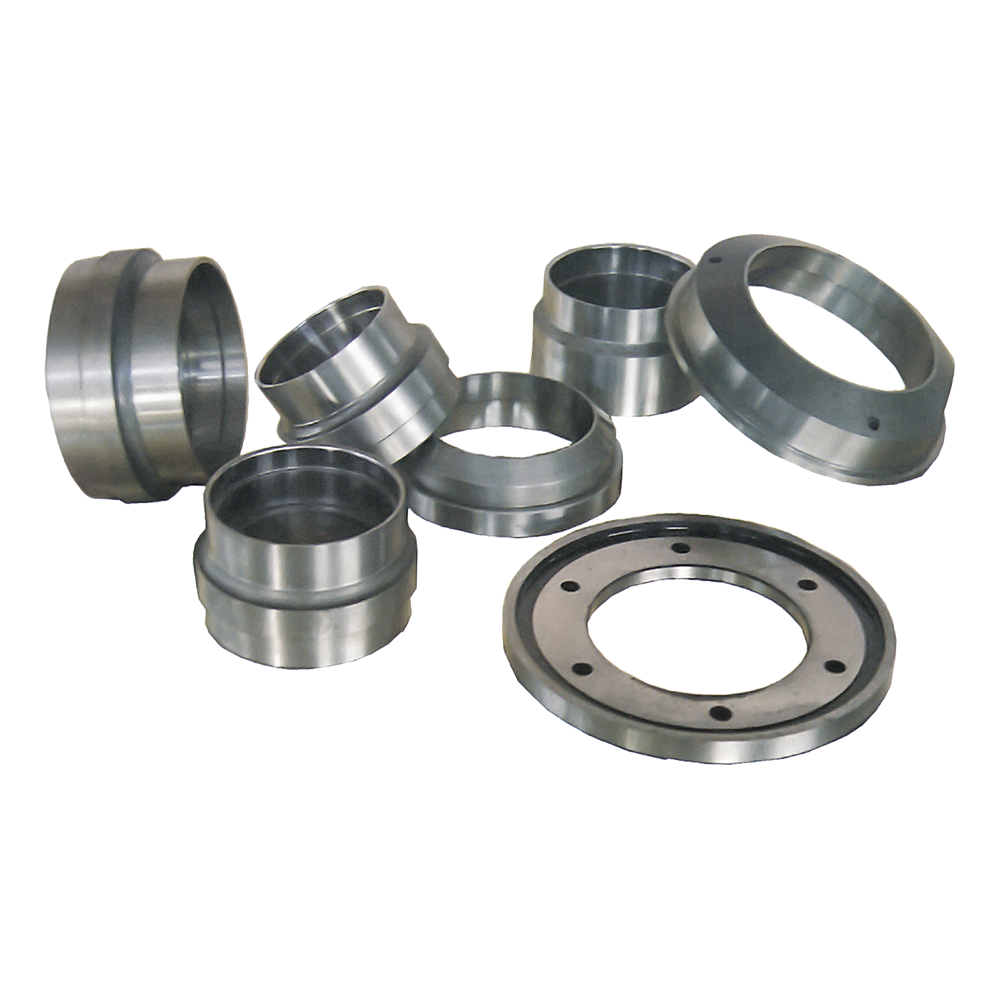
The raw, trimmed cans enter a rotary necking machine, which uses a multi-stage die progression to reduce the top diameter of the container. For a standard beverage container, the top edge is shaped through 11 to 14 individual necking steps, with each step gently bending the top rim inward by fractions of a millimeter. This gradual reduction prevents wrinkling and fracturing. Immediately following the necking station, an outward flanging tool bends the topmost vertical edge to form a precise horizontal lip, which serves as the mounting flange for the final can end double-seaming process.
Once shaped, the cans are transferred to a rotary internal spray machine to isolate the bare metal from the filling contents. The container bodies spin at speeds up to 2,500 RPM while a high-pressure automated gun injects a precise layer of organic protective lacquer. Directly following this application, the coated cans are routed into a multi-zone drying oven where they undergo a strict thermal curing routine:
For food preservation and industrial oils, three-piece can manufacturing machines provide a flexible solution for varying height and diameter requirements. This process relies on a separate structural pathway that joins independent body sheets with top and bottom ends.
The three-piece assembly sequence depends on a sequence of precise automated stations:
Configuring an industrial can making machine requires balancing mechanical stroke rates, stamping pressures, and raw material gauges to match the structural requirements of the final packaging format. The table below details these performance profiles across standard production setups.
| Can Making Machine Configuration Type | Primary Packaging Field / Output Target | Optimal Operating Line Velocity | Target Wall Thickness Dimension | Average Processing Stamping Tonnage |
|---|---|---|---|---|
| Two-Piece D&I Aluminum Machine | Carbonated Soft Drinks & Beer Cans | 2,500 - 4,000 cans/min | 90 - 115 micrometers | 120 - 180 tons |
| Two-Piece D&I Tinplate Machine | Aerosol Sprays & Premium Beverage Cans | 1,200 - 2,000 cans/min | 130 - 160 micrometers | 150 - 220 tons |
| Three-Piece Welded Tinplate Line | Fruit, Vegetable, & Soup Canning | 500 - 800 cans/min | 180 - 240 micrometers | 30 - 60 tons (Roll formed) |
| Two-Piece DRD (Draw-Redraw) Machine | Shallow Seafood & Meat Paste Cans | 400 - 600 cans/min | 200 - 260 micrometers | 200 - 350 tons |
The industrial performance data demonstrates that two-piece aluminum lines achieve maximum line speeds up to 4,000 cans per minute due to the material's excellent malleability and thin wall profiles. Conversely, three-piece food can lines operate at lower speeds but use thicker sheet metal walls, providing the high structural strength needed to survive intense thermal retort cycles without buckling.
Because can making machinery operates at extreme velocities, an unresolved tooling error can quickly produce thousands of defective parts. To maintain high process capability metrics, modern lines integrate automated online inspection systems directly into the production conveyor layout.
Finished containers pass beneath a high-resolution, online multi-camera optical vision system before final packaging. Operating under synchronized stroboscopic LED lighting arrays, this system captures high-definition images of each container at speeds exceeding 60 units per second.
The analysis software evaluates each container in real time to verify neck symmetry, detect internal lacquer scratches, and check for contamination or metal slivers. Any container displaying deviations is automatically flagged and removed via a high-pressure pneumatic reject pulse, ensuring only flawless bodies proceed to downstream logistics.
To find microscopic cracks or pinholes that vision systems might miss, the container stream passes through a rotary light tester or pneumatic leak detection unit. The light tester seals the open mouth of each can and uses internal photo-sensors to scan for external light leaks down to a threshold of sub-micron transparency.
Alternatively, pneumatic testing wheels inject a precise burst of compressed air into the container body while monitoring internal pressure drop metrics over milliseconds. If a container fails to hold pressure due to a micro-crack along its flanged rim or base dome, it is immediately rejected into a scrap chute for recycling, preventing downstream filling line failures.
To minimize unexpected downtime on high-volume production lines, can making machinery relies on automated monitoring networks linked to a central programmable logic controller (PLC). These systems track tooling wear and coolant health to optimize maintenance windows.
Automated quality controls follow a continuous feedback loop during production:
Alongside structural monitoring, a dedicated filtration loop continuously cleans the synthetic rolling oil emulsion used in the bodymakers. This system removes sub-micron metal particles generated during ironing, preventing these abrasive contaminants from scratching the punch tools or scoring the container walls. The cleaned, temperature-regulated lubricant is then pumped back into the active die zone, creating a stable manufacturing loop that extends tool life and ensures consistent product quality across multi-week production shifts.
Related Products

Founded in 1978, the company is one of the largest can-making machinery well-known companies at home and abroad.
Product Categories
Contact Information
Zhongshatou Shenjiamen Zhoushan Zhejiang China
+86-580-3056646

 English
 中文简体
中文简体
 русский
 عربى
عربى
 Español