2025-12-25
Aerosol can making machines are widely used in the packaging and metal forming industries, where they handle processes such as cup forming, body drawing, trimming, necking, and pressure testing. These machines operate at high speeds and involve mechanical motion, compressed air, electrical systems, and sometimes flammable propellants. Because of these characteristics, safety protection devices are an essential part of machine design rather than an optional addition. Modern aerosol can making machines are generally equipped with a comprehensive set of safety features intended to protect operators, maintain stable production, and reduce the risk of accidents during daily operation.
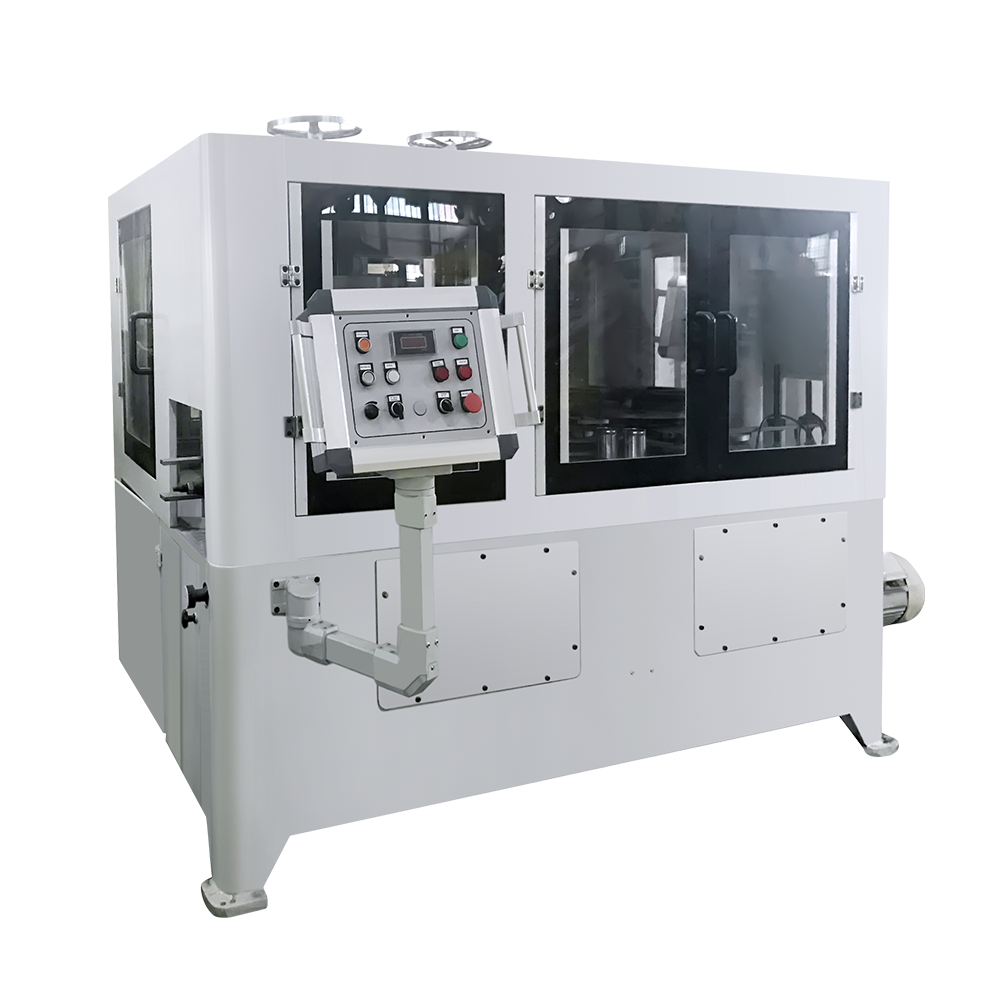
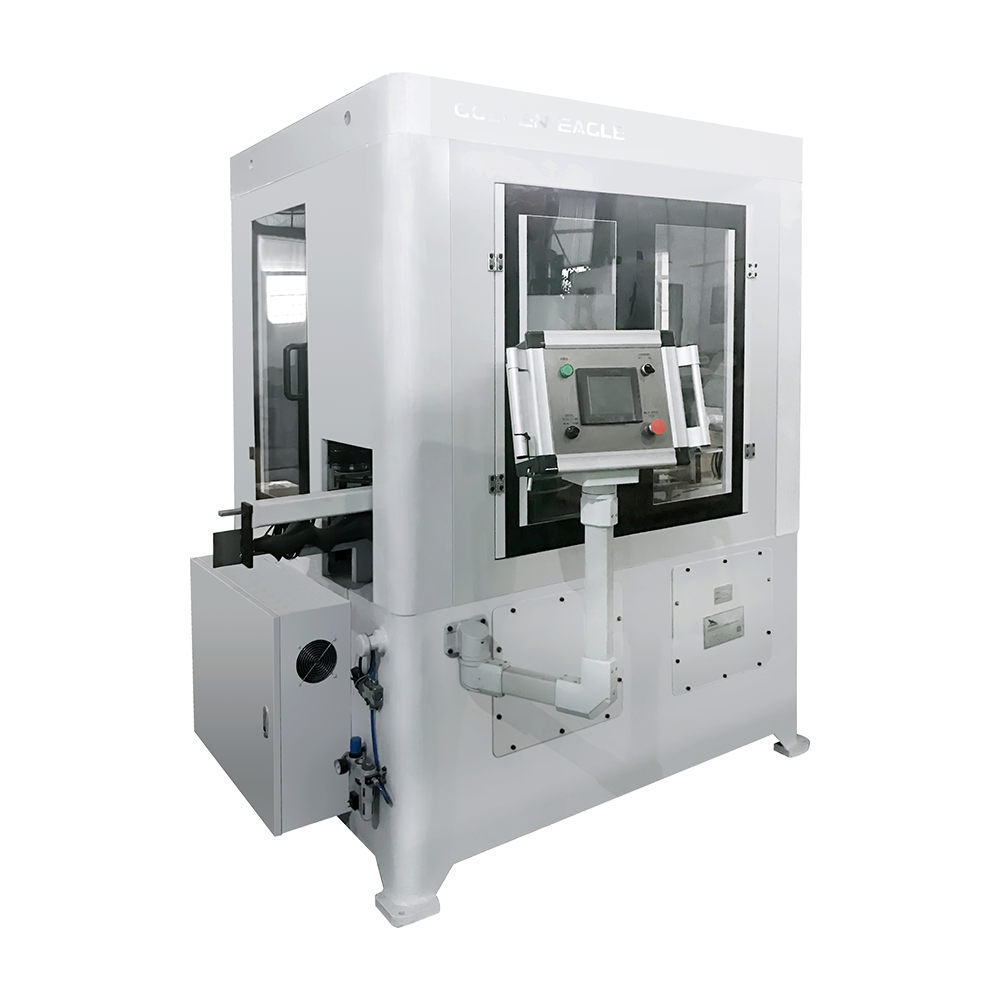
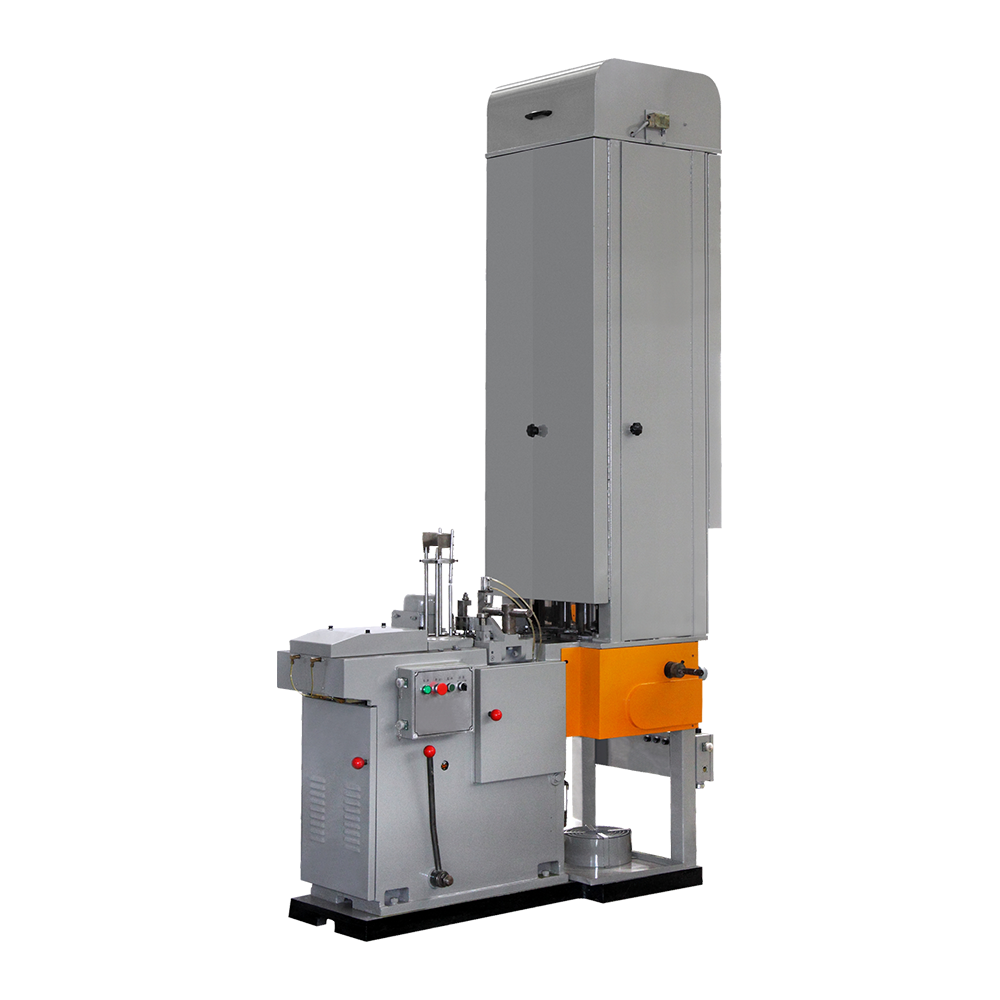
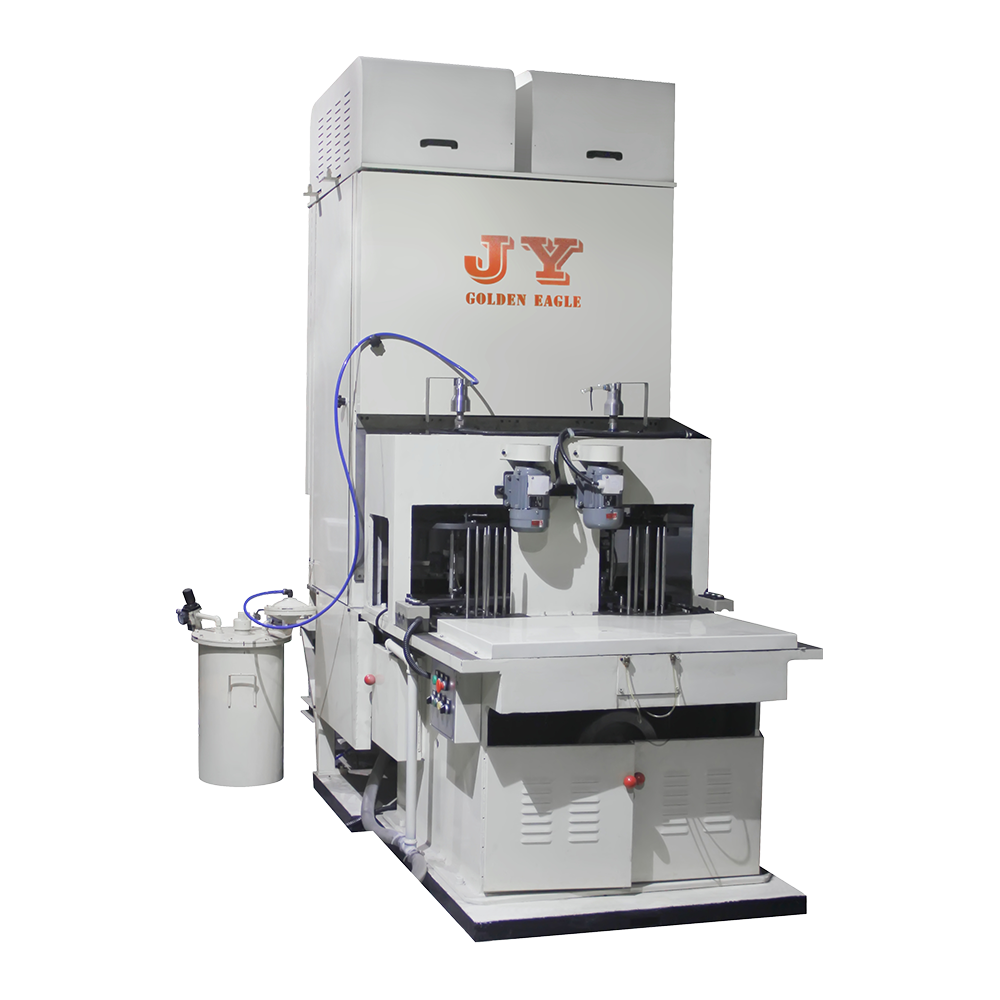
One of the most fundamental safety protection devices on an aerosol can making machine is the physical guard or enclosure. These guards are typically installed around moving parts such as rotating shafts, belts, chains, and forming stations. Their primary function is to prevent direct contact between the operator and hazardous mechanical components. Transparent materials such as reinforced polycarbonate are often used for enclosures, allowing operators to observe the production process while maintaining a physical barrier. Properly designed guards also help contain debris or metal fragments that could be generated during abnormal operating conditions.
Emergency stop systems are a standard safety requirement for aerosol can making machines. These systems usually consist of prominently placed emergency stop buttons that can be quickly accessed by operators from multiple positions around the machine. When activated, the emergency stop immediately cuts power to critical machine components, bringing motion to a controlled halt. This feature is especially important in situations where an operator detects an abnormal sound, jam, or unsafe condition. The presence of multiple emergency stop points ensures that rapid intervention is possible regardless of where the operator is positioned.
Electrical systems in aerosol can making machines are designed with several layers of protection. Control cabinets are typically enclosed and grounded to reduce the risk of electric shock. Circuit breakers, overload relays, and fuses are used to protect electrical components from excessive current or short circuits. Many machines also incorporate low-voltage control circuits for operator interfaces, which further reduces potential hazards. Clear labeling and organized wiring layouts contribute to safer maintenance and troubleshooting activities.
Interlock devices are commonly installed on access doors and maintenance panels of aerosol can making machines. These devices are designed to stop machine operation automatically when a door or panel is opened. This prevents the machine from running while an operator is performing adjustments, cleaning, or maintenance tasks inside the guarded area. Interlocks help ensure that moving parts are fully stopped before access is granted, reducing the risk of accidental contact with mechanical components.
Many aerosol can making machines rely on pneumatic or hydraulic systems to drive forming and transfer mechanisms. Safety protection devices in these systems include pressure regulators, relief valves, and pressure sensors. These components help maintain system pressure within safe operating limits. In the event of a pressure spike or leakage, relief valves can release excess pressure to prevent damage or sudden component failure. Clearly marked shut-off valves also allow operators to isolate energy sources during maintenance.
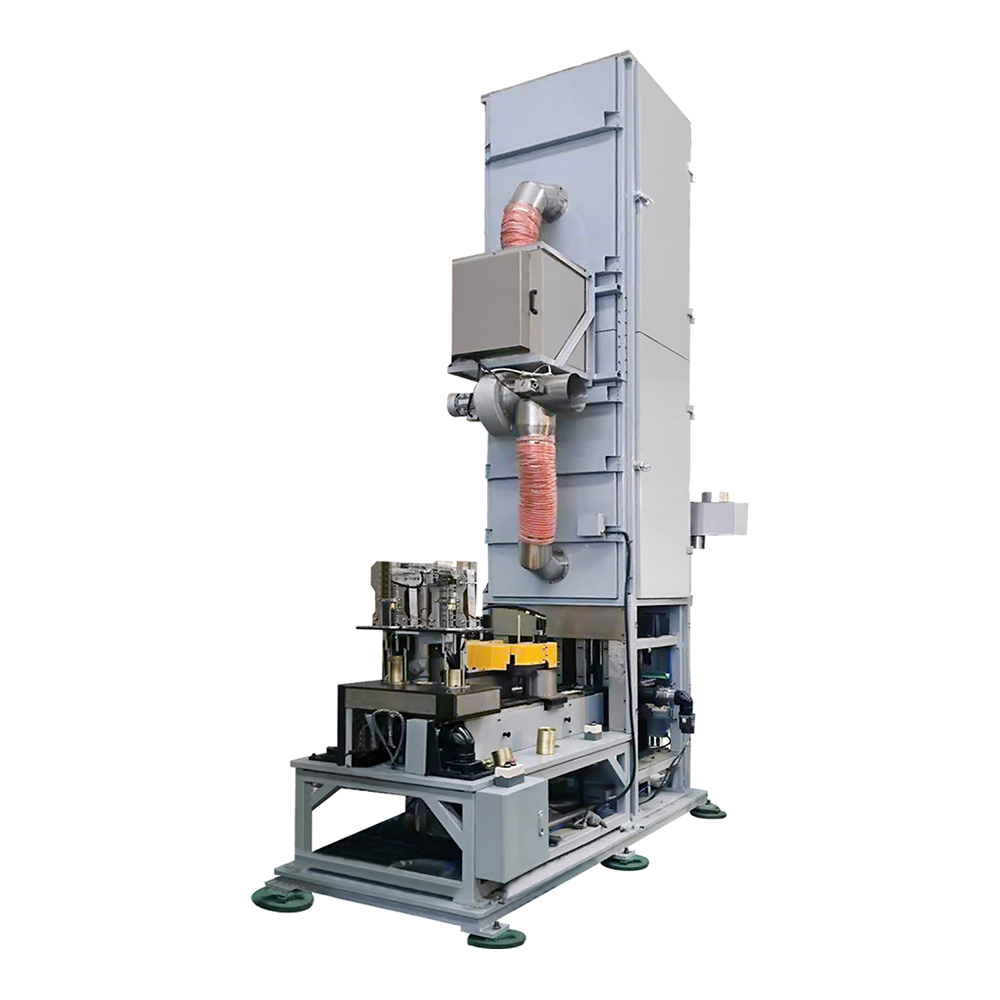
Although aerosol can manufacturing primarily involves metal forming, safety considerations related to fire and explosion risks are still relevant, especially in facilities where propellants or flammable substances are present nearby. Machines may be designed with spark-resistant components, proper grounding, and static discharge control to reduce ignition risks. Ventilation systems are often integrated to prevent the accumulation of flammable vapors. These measures work together to create a safer production environment in facilities handling aerosol-related products.
High-speed aerosol can making machines can generate considerable noise during operation. To address this, manufacturers often incorporate noise reduction features such as sound-dampening enclosures and vibration isolation mounts. While these features are not traditional safety devices in the mechanical sense, they play an important role in protecting operator hearing and improving workplace comfort. Reduced noise levels also make it easier for operators to detect unusual sounds that may indicate a developing problem.
Modern aerosol can making machines are frequently equipped with sensors and monitoring systems that detect abnormal operating conditions. These may include sensors for misfeeds, jams, pressure irregularities, or motor overloads. When a fault is detected, the machine can automatically stop and trigger visual or audible alarms. This not only protects the equipment from damage but also reduces the risk of injury by alerting operators to potential hazards before they escalate.
The human-machine interface plays a significant role in overall safety. Touchscreens or control panels on aerosol can making machines often display real-time operating data, warning messages, and safety instructions. Clear icons, readable text, and logical menu structures help operators understand machine status quickly. When safety-related alerts are clearly communicated, operators can respond more effectively to abnormal situations.
Aerosol can making machines are generally designed to comply with relevant international and regional safety standards. These may include machinery safety directives, electrical safety regulations, and workplace safety guidelines. Compliance ensures that safety protection devices are not only present but also designed and tested according to established criteria. For end users, this provides confidence that the machine meets commonly accepted safety expectations.
While safety protection devices are built into the machine, their effectiveness is closely linked to operator training and proper use. Machine manufacturers often provide safety manuals, operating guidelines, and training support to help users understand how each safety device functions. Clear documentation ensures that operators know how to respond to alarms, use emergency stops correctly, and follow safe procedures during setup and maintenance.
Regular maintenance is essential to ensure that safety protection devices continue to function as intended. Aerosol can making machines are usually designed with maintenance safety in mind, offering lockout points and clear access to service areas. Lockout and tagout provisions allow energy sources to be safely isolated during servicing. This reduces the risk of accidental startup while maintenance personnel are working on the machine.
| Safety Device | Main Function | Typical Application Area |
|---|---|---|
| Physical Guards | Prevent contact with moving parts | Forming stations and drive systems |
| Emergency Stop Buttons | Immediate shutdown during emergencies | Operator access points |
| Interlock Switches | Stop machine when doors are opened | Access panels and enclosures |
| Pressure Relief Valves | Control system pressure levels | Pneumatic and hydraulic circuits |
| Alarm Systems | Alert operators to faults | Control panels and interfaces |
Safety protection devices in aerosol can making machines are increasingly designed to work in harmony with production efficiency. Rather than slowing down operations, well-integrated safety systems help maintain stable output by preventing damage and reducing downtime caused by accidents or mechanical failures. Automated fault detection, for example, allows issues to be addressed early, which supports consistent production without compromising operator safety.
Aerosol can making machines are used in a variety of production environments, from large-scale industrial plants to more compact manufacturing lines. Safety protection devices are often designed with this adaptability in mind. Adjustable guard configurations, flexible emergency stop placement, and configurable alarm settings allow the machine to meet safety needs across different layouts and operating conditions.
The long-term effectiveness of safety protection devices depends on both design quality and routine inspection. Manufacturers typically select durable materials and reliable components for safety-related systems to ensure stable performance over extended periods. When combined with scheduled inspections and timely replacement of worn parts, these devices continue to provide consistent protection throughout the machine’s service life.
Related Products

Founded in 1978, the company is one of the largest can-making machinery well-known companies at home and abroad.
Product Categories
Contact Information
Zhongshatou Shenjiamen Zhoushan Zhejiang China
+86-580-3056646

 English
 中文简体
中文简体
 русский
 عربى
عربى