NEWS

Home / News / Maximizing Efficiency in Packaging with Tin Can Auto-Welding Machines

Maximizing Efficiency in Packaging with Tin Can Auto-Welding Machines

2026-04-16

What is a Tin Can Auto-Welding Machine?

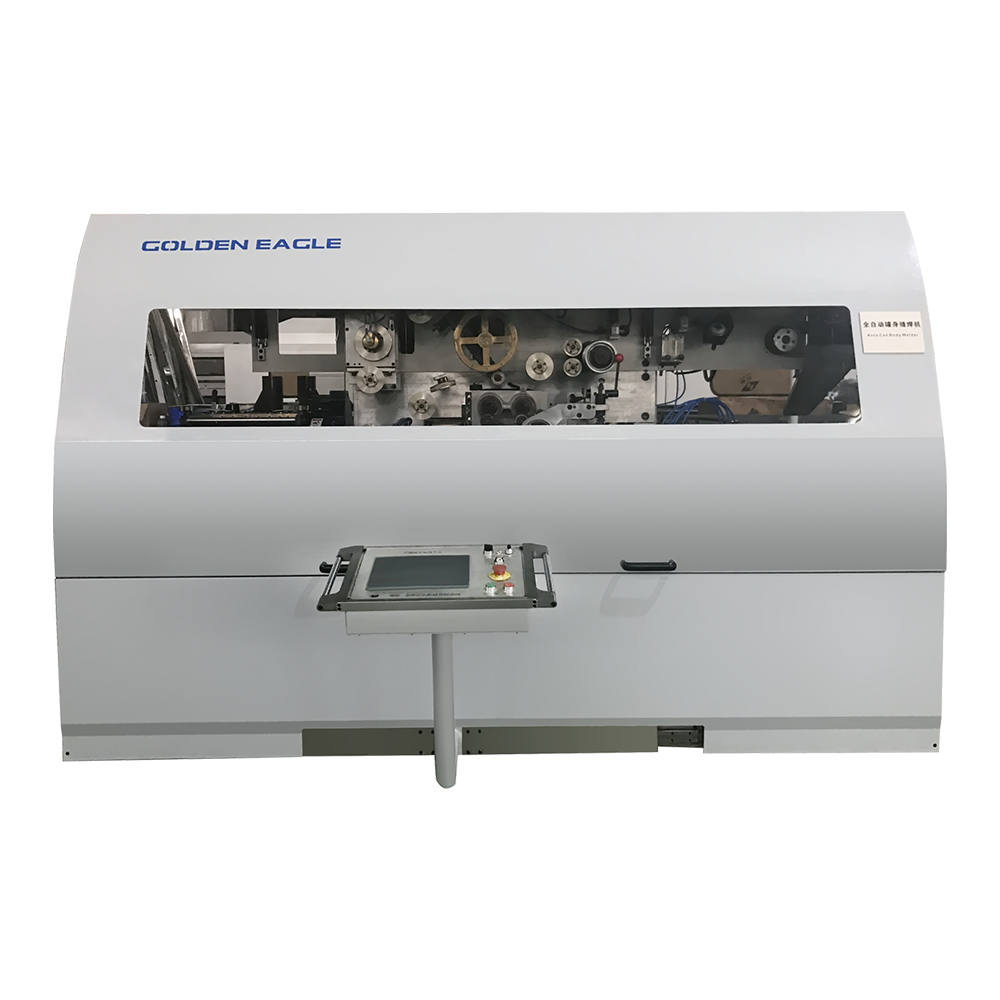
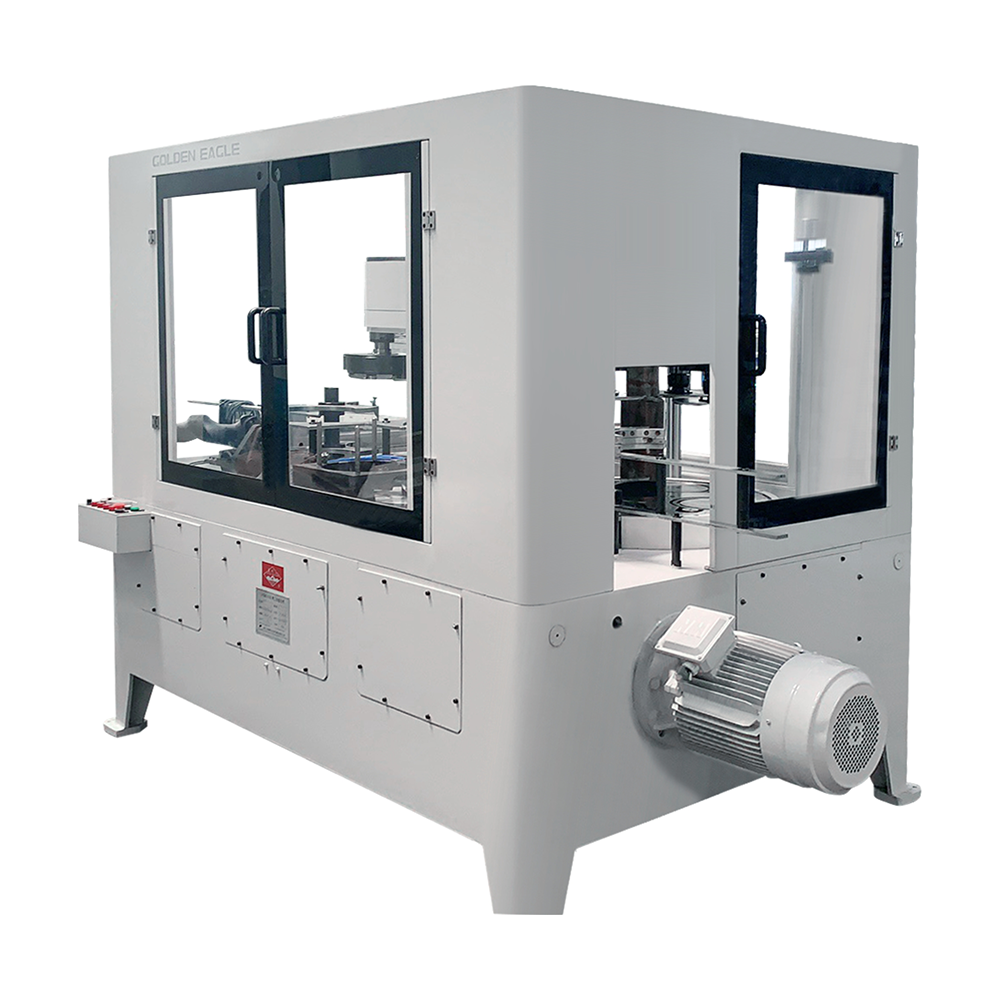
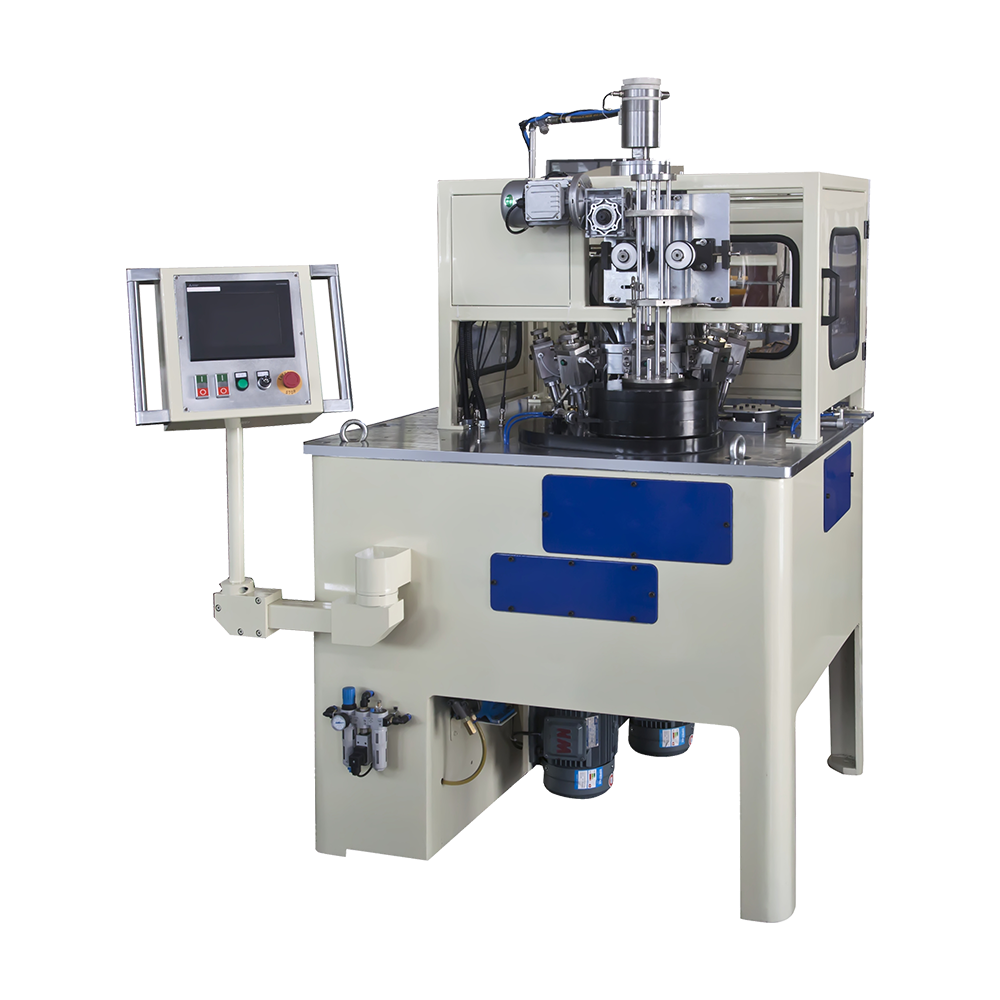
A tin can auto-welding machine is an industrial tool used in the manufacturing process of tin cans, particularly for the welding of seams. This machine automates the welding process, ensuring precise, high-quality welds, and greatly improving production speed and consistency. In industries like food, beverage, and aerosol production, where tin cans are crucial for packaging, the use of these machines is essential for maintaining production efficiency and reducing costs.

How the Tin Can Auto-Welding Machine Works

The tin can auto-welding machine functions by welding the seams of the can body during the manufacturing process. Typically, the machine uses high-frequency current to create a strong bond between the two edges of the can's body. This method, known as high-frequency welding, ensures that the seams are tightly sealed, preventing any leaks and providing structural integrity to the can.

The key components of the machine include a welding electrode, a seam welding wheel, and a feeding system that automatically feeds the can into position for welding. The machine is highly automated, allowing it to handle large volumes of cans with minimal manual intervention, which significantly boosts production efficiency.

Benefits of Using a Tin Can Auto-Welding Machine

The adoption of tin can auto-welding machines offers several benefits to manufacturers:

  • Increased Efficiency: Automation reduces the need for manual labor, speeding up the production process and ensuring that large quantities of cans are welded in a short time.
  • Consistent Quality: The machine’s precise welding technology ensures uniform seams with minimal variability, leading to a higher-quality product.
  • Cost-Effective: By reducing the need for human intervention and minimizing errors, the machine lowers production costs over time.
  • Enhanced Safety: Automation minimizes the risk of human error and injury during the welding process, leading to a safer working environment.
  • Versatility: These machines can handle different can sizes and types, making them adaptable to a variety of production needs.

Types of Tin Can Auto-Welding Machines

There are several different types of tin can auto-welding machines, each designed for specific tasks in the can manufacturing process:

  • Continuous Welding Machines: These machines are ideal for high-volume production. They can continuously weld seams, making them suitable for large-scale manufacturing environments.
  • Intermittent Welding Machines: These machines are designed for lower-volume production, where cans are welded in batches rather than continuously.
  • Customizable Welding Machines: These machines are highly adaptable and can be adjusted to accommodate different can sizes, materials, and production requirements.

Applications of Tin Can Auto-Welding Machines

Tin can auto-welding machines are used in various industries, particularly in sectors that rely heavily on packaging. The main applications include:

  • Food and Beverage Industry: For the packaging of soups, beverages, and canned food items, where can integrity and seam strength are critical.
  • Aerosol Industry: For the production of aerosol cans, which require sealed seams to ensure the safety and effectiveness of the product.
  • Paint and Chemical Packaging: To weld seams of metal cans used for chemicals and paints, where leak prevention is vital.
  • Consumer Goods: For packaging of various consumer goods that are packaged in cans such as cosmetics, automotive products, and more.

Factors to Consider When Choosing a Tin Can Auto-Welding Machine

When selecting a tin can auto-welding machine, several factors need to be considered to ensure the machine meets the specific needs of the production line:

  • Production Volume: Choose a machine based on whether the production is continuous or batch-based. High-volume operations benefit from continuous welding machines.
  • Can Size and Type: Some machines are adjustable to accommodate different can sizes. Make sure the machine you choose can handle your specific can requirements.
  • Speed and Efficiency: Evaluate the speed of the welding process and how it integrates with the overall production line to ensure a smooth and fast workflow.
  • Maintenance and Support: Look for machines that require minimal maintenance and come with strong customer support services to ensure minimal downtime.

Conclusion

The tin can auto-welding machine is a crucial piece of equipment in the packaging industry. It significantly enhances production speed, ensures consistent quality, and reduces operational costs. By selecting the right type of welding machine based on production needs, businesses can achieve higher efficiency and maintain high standards in packaging integrity. Whether for food, beverages, or chemicals, these machines ensure that the canning process is safe, reliable, and cost-effective.