2026-04-09
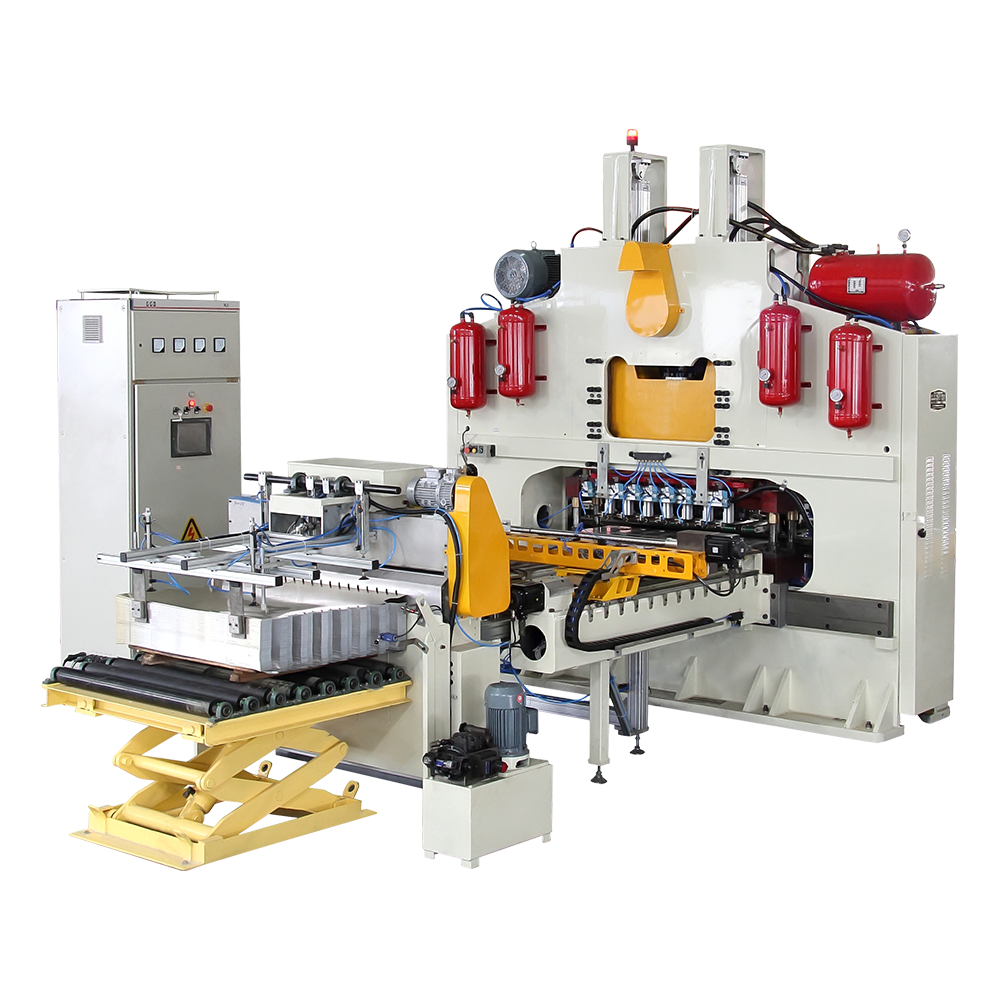
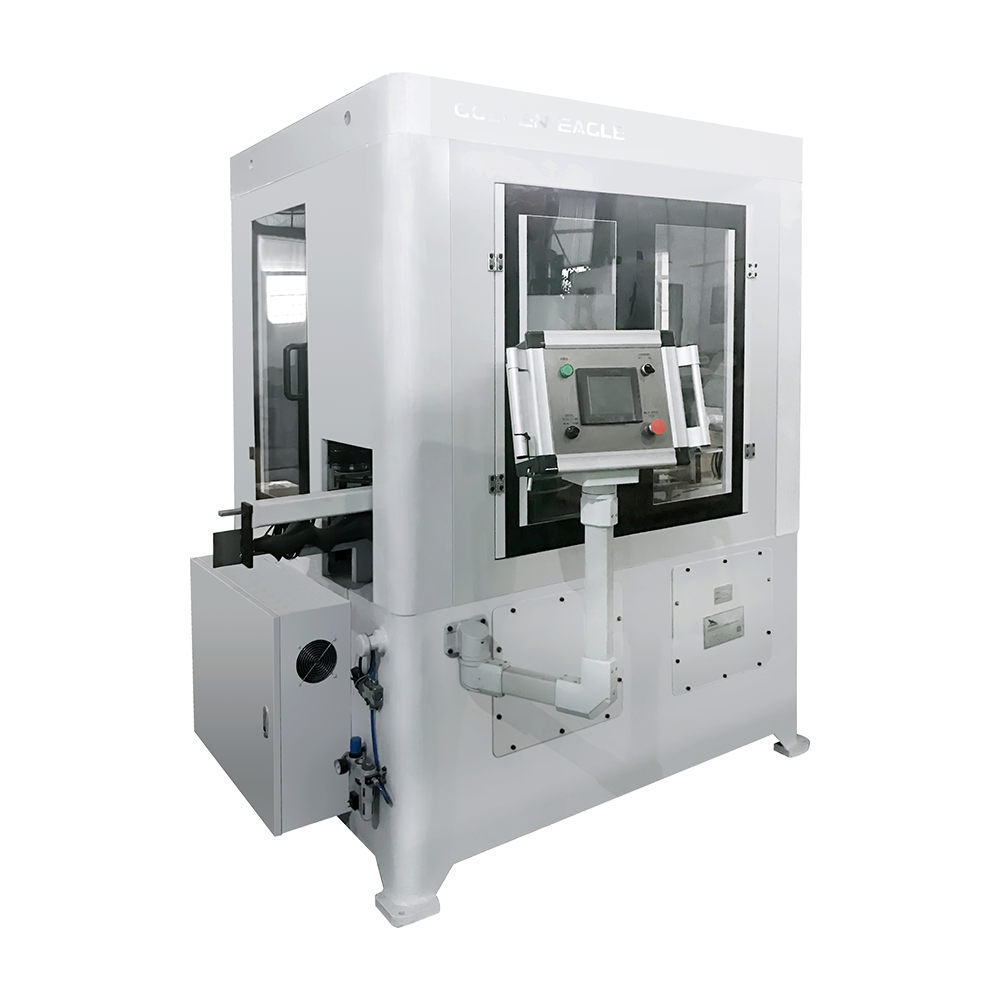
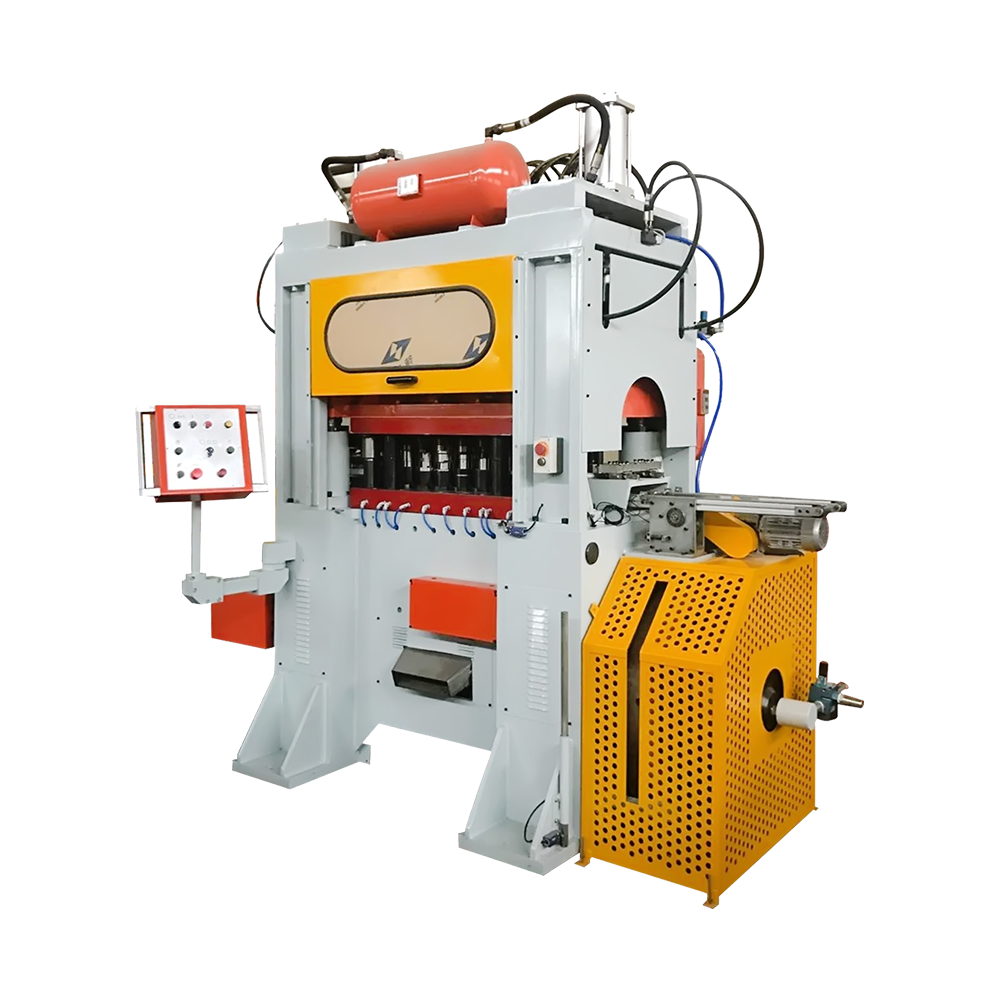
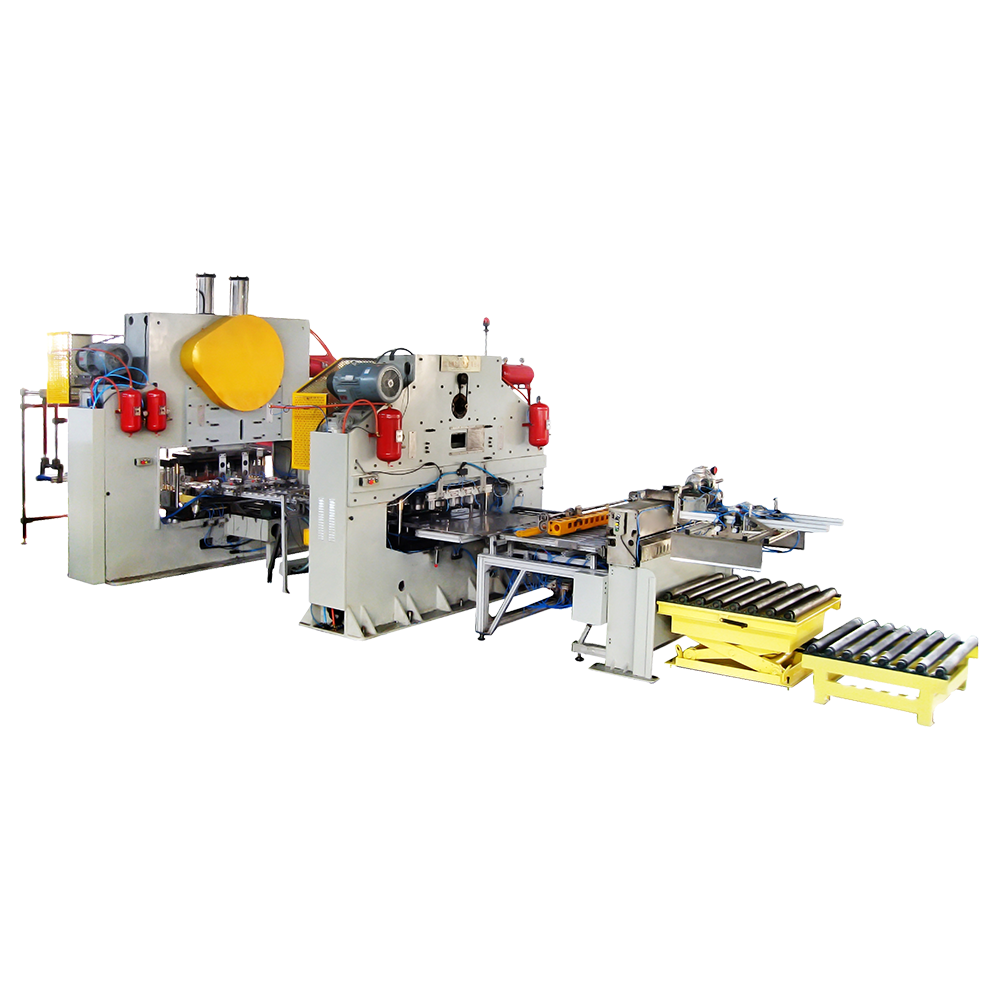
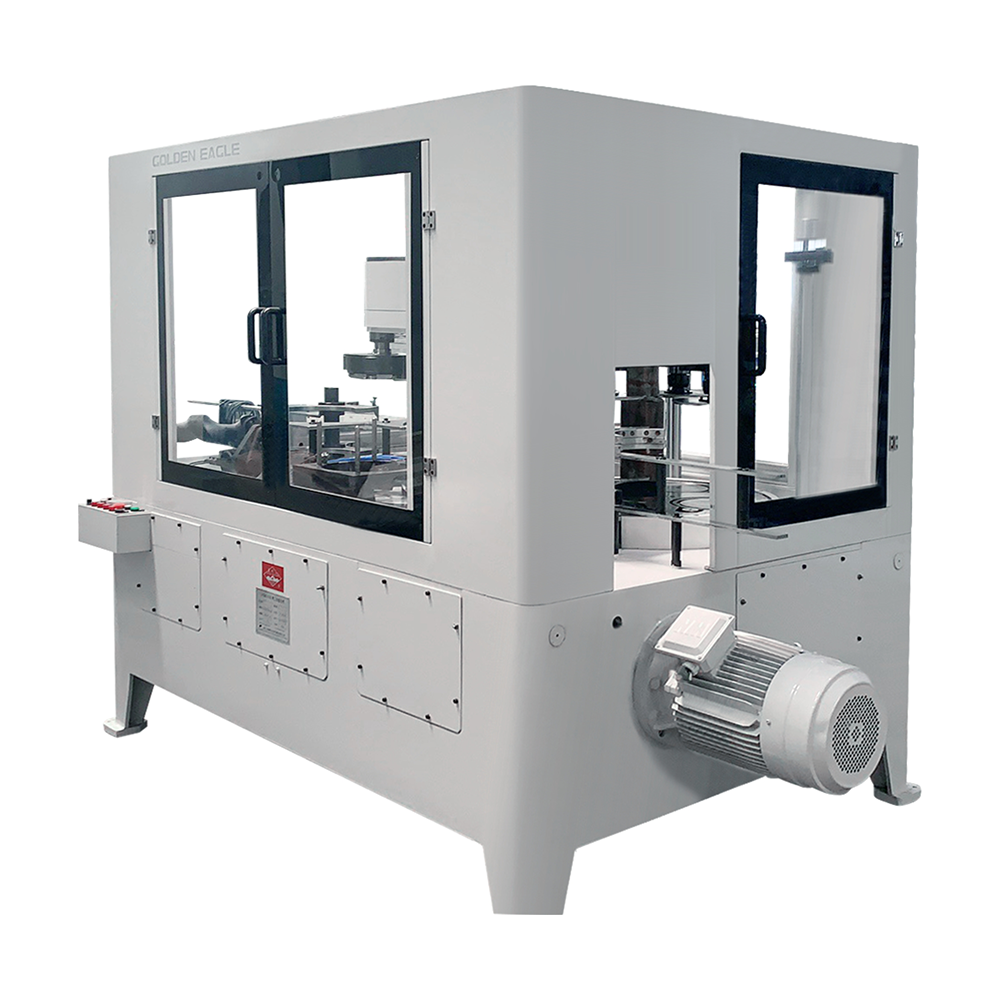
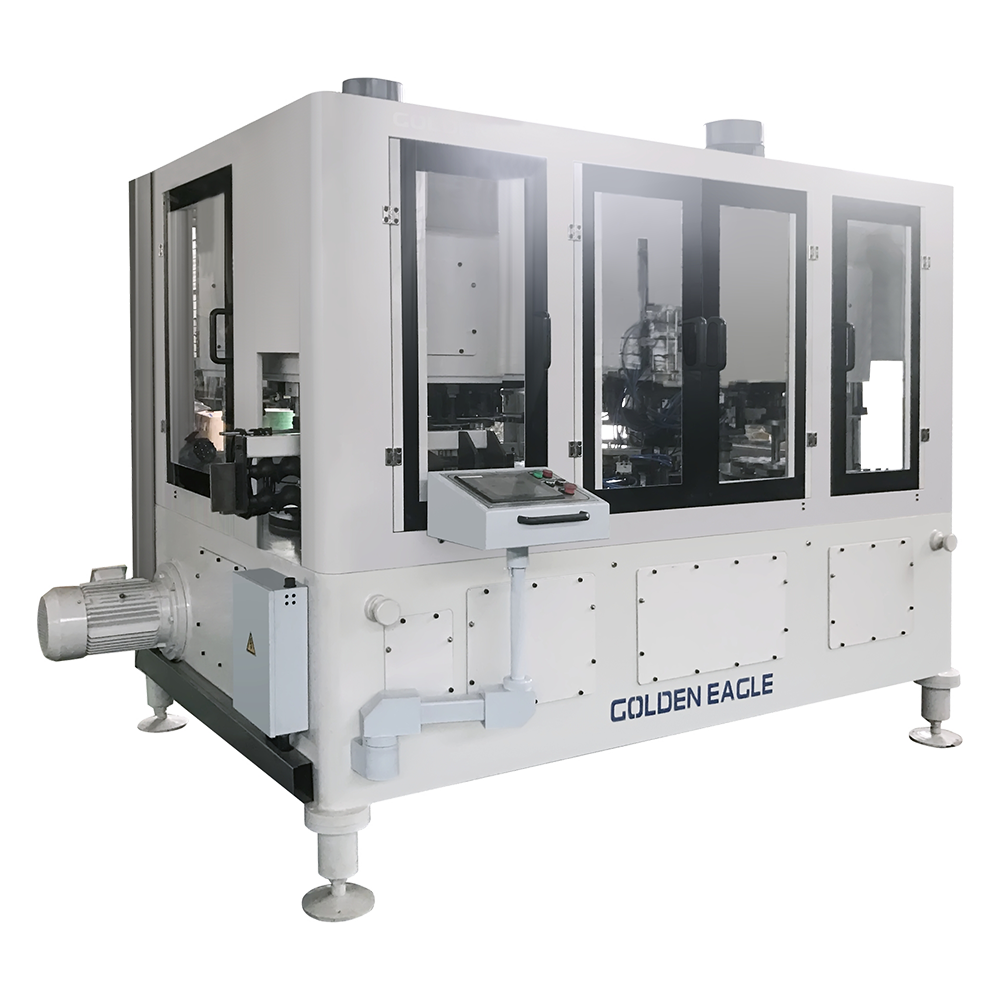
Milk powder can making machines play a crucial role in the dairy industry by providing an efficient and standardized way to package milk powder. These machines are designed to manufacture cans specifically for storing and transporting milk powder, ensuring safety, hygiene, and convenience throughout the supply chain.
The process of making milk powder cans involves several stages, from raw material preparation to the final packaging. These machines are equipped with advanced technologies that automate the entire process, including shaping, sealing, and labeling. The efficiency of milk powder can making machines significantly improves production speed while ensuring quality consistency.
The process begins with the selection of suitable materials, typically high-quality steel or aluminum. These materials are carefully chosen for their durability, resistance to corrosion, and ability to protect the milk powder from environmental factors.
Once the raw material is selected, it is fed into the machine, where it undergoes a series of shaping processes. These processes include cutting, rolling, and welding to form the basic structure of the can. This is done with high precision to ensure uniformity in size and shape.
After shaping, the cans are sealed to prevent leakage. This is followed by labeling, where important information such as the product name, nutritional details, and expiration date are printed onto the cans. These labels ensure the product is identifiable and meet regulatory standards.
Milk powder can making machines are designed to be fast, reliable, and precise. Here are some key features of these machines:
There are different types of milk powder can making machines available, each catering to various production needs. Here are the main types:
These machines are designed for small to medium-scale production. They handle one process at a time, such as shaping or sealing, and are ideal for businesses with moderate production needs.
Multi-station machines are more advanced and can perform multiple processes simultaneously. They are suitable for large-scale operations that require high output and consistent product quality.
Fully automated milk powder can making machines integrate multiple functions in one system. They are capable of handling the entire production process from raw material feeding to finished can output, reducing the need for manual labor.
The use of milk powder can making machines offers several key benefits for dairy manufacturers:
Milk powder can making machines are vital to the dairy industry, providing an efficient and reliable method of producing high-quality cans for milk powder. These machines help streamline the production process, reduce labor costs, and improve product safety. With the growing demand for dairy products, investing in high-quality can making machinery can significantly enhance production capabilities and business profitability.
Related Products

Founded in 1978, the company is one of the largest can-making machinery well-known companies at home and abroad.
Product Categories
Contact Information
Zhongshatou Shenjiamen Zhoushan Zhejiang China
+86-580-3056646

 English
 中文简体
中文简体
 русский
 عربى
عربى
 Español