2026-07-30
Investing in advanced food and beverage can making machine technology requires a thorough understanding of production mechanics, material yield, and long-term operational costs to achieve a profitable return on investment.
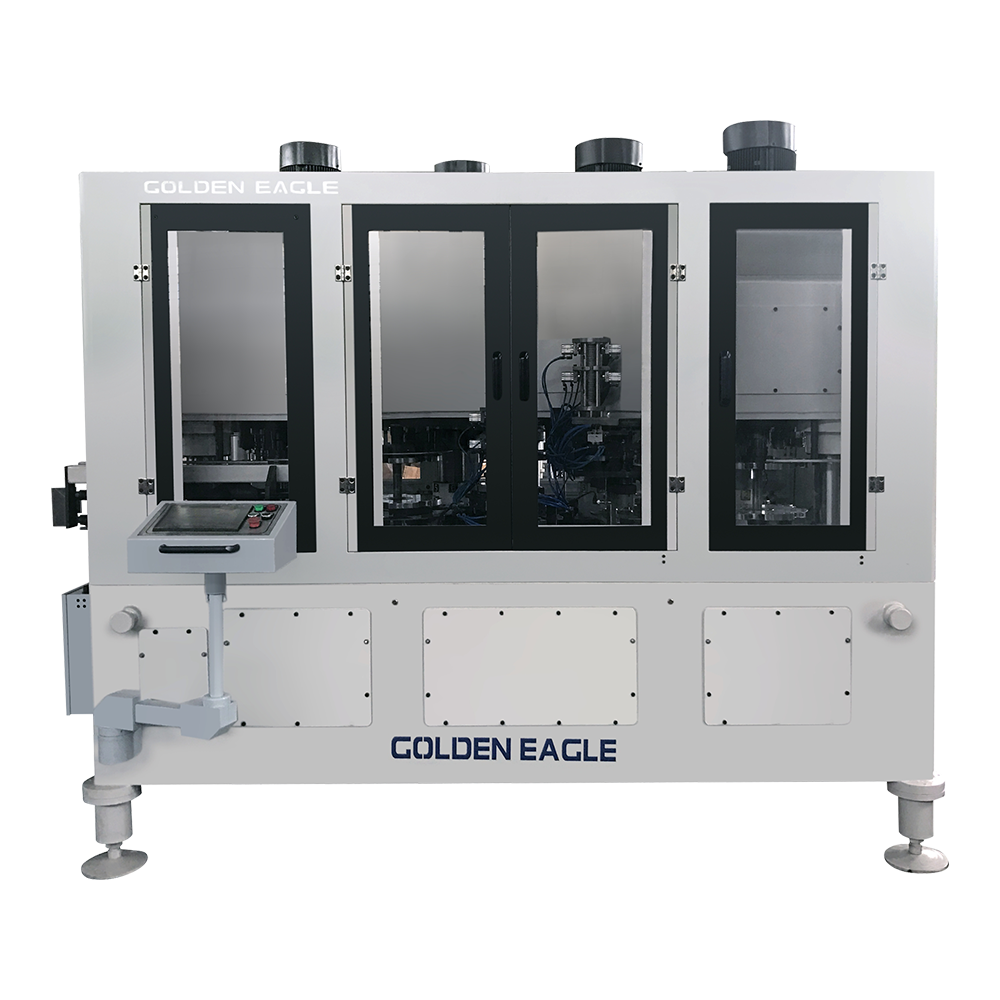
Industrial packaging demands absolute precision, high speeds, and unwavering reliability. Whether scaling up an existing manufacturing plant or building a greenfield facility, selecting the right can making machine dictates your production ceiling, scrap rates, and overall operational expenditure. The global market primarily revolves around two distinct production philosophies: the high-speed two-piece container line and the highly flexible three-piece container line.
The fundamental engineering approach separates how metal is formed, sealed, and prepared for commercial use. A beverage can making machine typically utilizes a drawn and ironed (D&I) process designed for aluminum substrates, ensuring seamless walls capable of withstanding internal carbonation pressures up to 90 psi. Conversely, traditional food packaging lines often rely on three-piece configurations where a body blank is rolled and welded, complemented by separate top and bottom ends.
High-value plant operators must analyze how these architectural variations impact raw material consumption. For instance, a standard aluminum beverage line minimizes leakage points through its seamless design, whereas a steel-based three-piece food setup offers exceptional structural rigidity for heavy, sterilized thermal processing.
To operationalize procurement decisions, facility managers must weigh technical metrics across multiple parameters. The following comparison highlights the operational profiles of each manufacturing route:
| Performance Metric | Two-Piece Can Making Machine | Three-Piece Can Making Machine |
| Primary Application | Carbonated beverages, beer, soft drinks | Processed foods, soups, sauces, aerosols |
| Production Speed | Ultra-high speed (up to 2,500 cans/min) | Moderate to high speed (300 to 600 cans/min) |
| Substrate Material | Aluminum coil (typically 0.25mm - 0.28mm) | Tinplate or TFS (Tin-Free Steel) |
| Sealing Mechanism | Integral bottom; single top end double-seam | Side weld seam + top and bottom double-seams |
| Changeover Flexibility | Rigid tooling; time-consuming diameter shifts | High flexibility for diverse heights and diameters |
Procuring a food and beverage can making machine requires looking beyond the initial purchase order. Total Cost of Ownership (TCO) is heavily influenced by energy consumption, material scrap rates, and maintenance downtime.
"In high-volume beverage packaging, a mere 0.5% reduction in aluminum coil scrap can yield over $150,000 in annual raw material savings per production line."
Key cost drivers to monitor during system selection include:
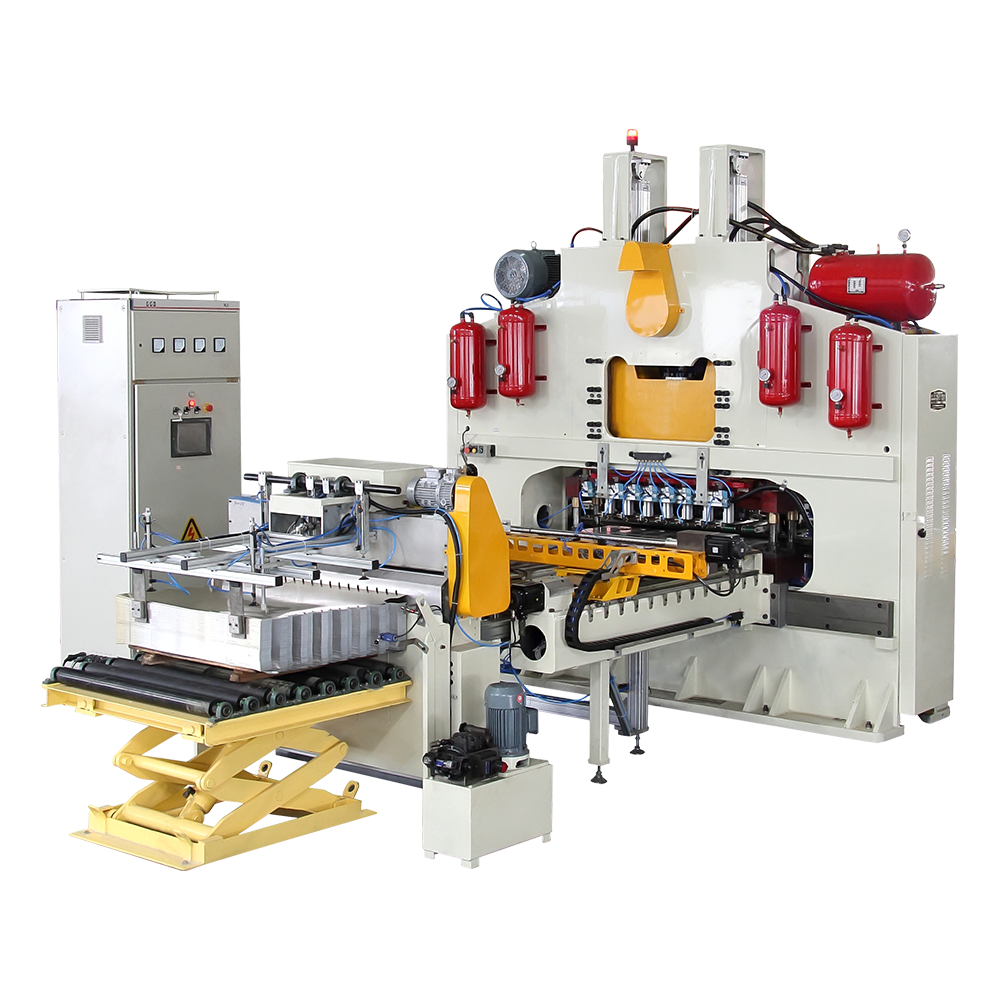
Standalone efficiency means little if the bottleneck shifts to downstream conveyance or inspection units. A state-of-the-art can making machine must synchronize seamlessly with automated cupping presses, body makers, trimmers, washer systems, internal/external coaters, and light-tester stations.
Advanced plants utilize Industry 4.0 protocols, embedding IoT sensors across the entire line. Real-time monitoring of ram vibration, lubrication pressure, and temperature anomalies allows maintenance teams to execute predictive interventions, avoiding catastrophic line stoppages that disrupt supply chains.
1. What is the typical lifespan of a commercial can making machine?
With proper preventive maintenance, rigorous lubrication schedules, and periodic overhauls of high-wear components like rams and dies, a heavy-duty industrial line can operate efficiently for 15 to 25 years.
2. How do I choose between aluminum and steel for my packaging line?
Aluminum is ideal for carbonated beverages due to its lightweight nature and corrosion resistance. Steel (tinplate or TFS) is preferred for food items requiring rigorous thermal processing (retorting) and high structural stackability.
3. What causes high scrap rates in a D&I can manufacturing process?
Scrap is typically caused by variations in metal coil thickness, improper lubrication during the drawing phase, worn-out punch profiles, or misalignment in the bodymaker transfer mechanism.
4. Can a single production line handle multiple container sizes?
While three-piece lines allow for relatively fast height adjustments, two-piece D&I lines require extensive tooling changeovers (converting trimmers, neckers, and flangers) which can take several hours.
5. How do modern systems minimize environmental impact?
Modern lines employ closed-loop coolant filtration, energy-efficient LED curing, thermal oxidizers with heat exchangers, and thinner gauge metal reductions (down-gauging) to conserve raw materials.
Related Products

Founded in 1978, the company is one of the largest can-making machinery well-known companies at home and abroad.
Product Categories
Contact Information
Zhongshatou Shenjiamen Zhoushan Zhejiang China
+86-580-3056646

 English
 中文简体
中文简体
 русский
 عربى
عربى
 Español