2026-04-30
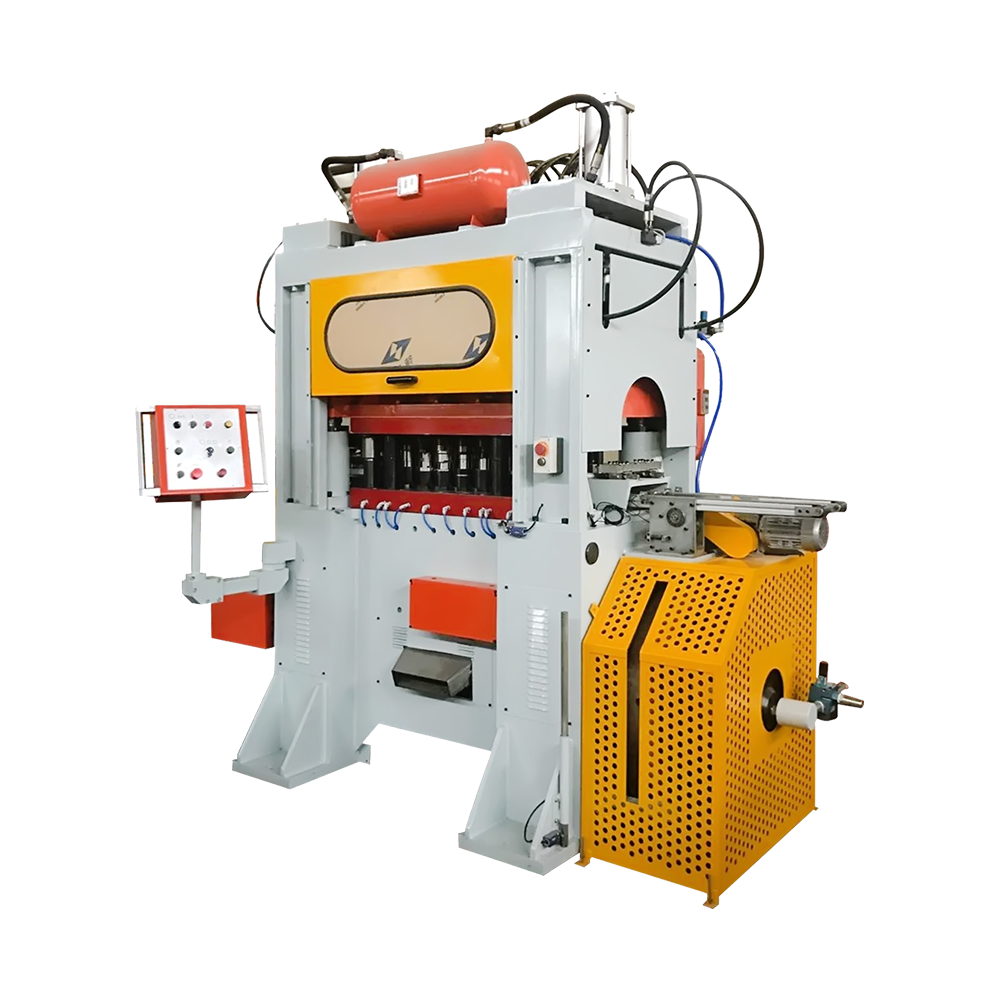
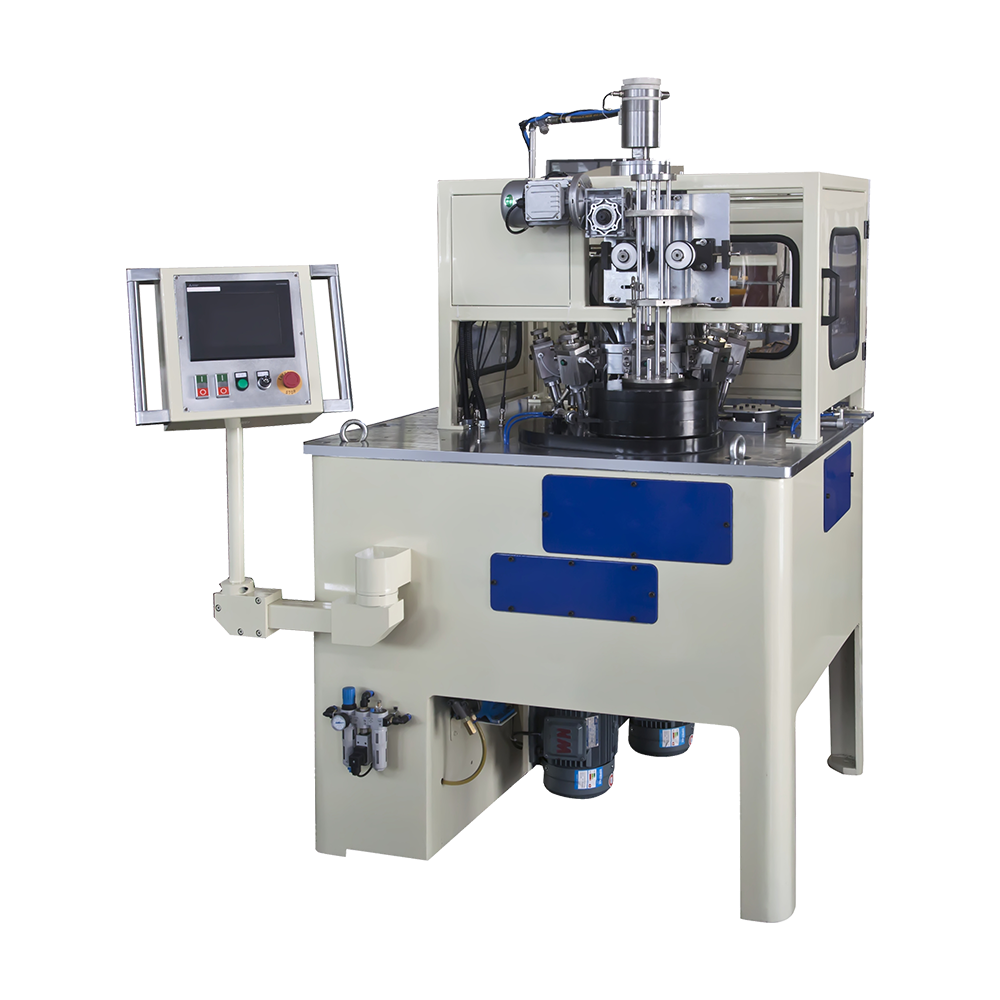
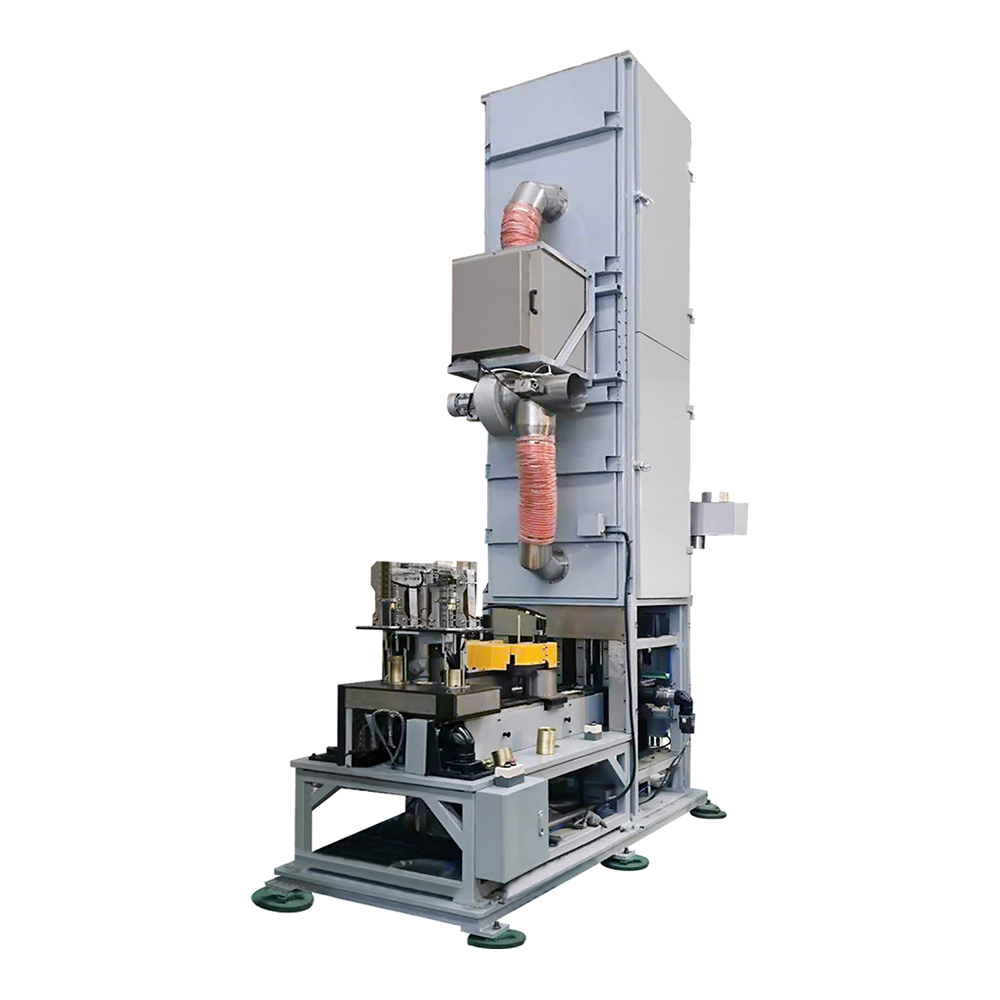
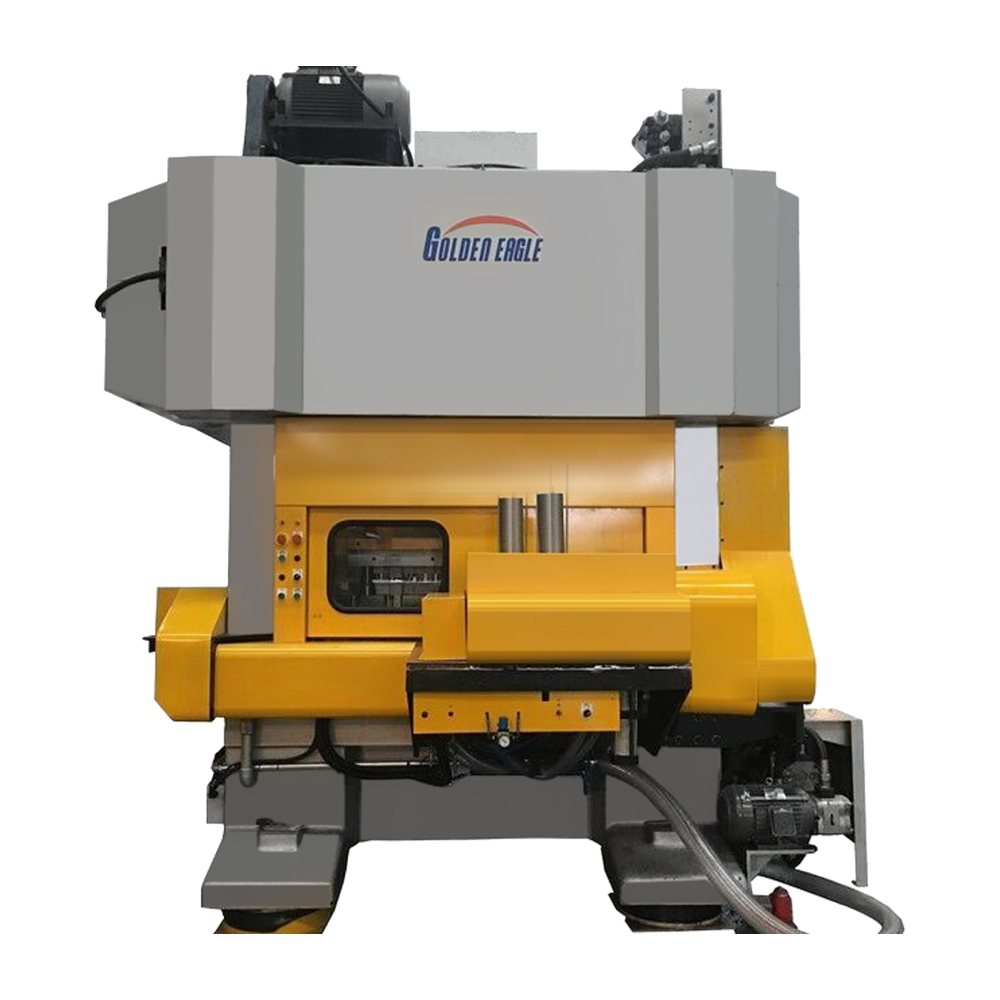
Can making machines are essential for efficient and precise metal container production, delivering consistent quality across food, beverage, and industrial packaging applications. They combine speed, reliability, and flexibility to meet varying production needs.
Can making machines vary in automation levels and production capacity, providing tailored solutions for different operational scales.
These machines combine mechanical automation with manual operator input. They are ideal for small to medium-scale production, allowing quick adjustments for different can sizes and designs while keeping costs manageable.
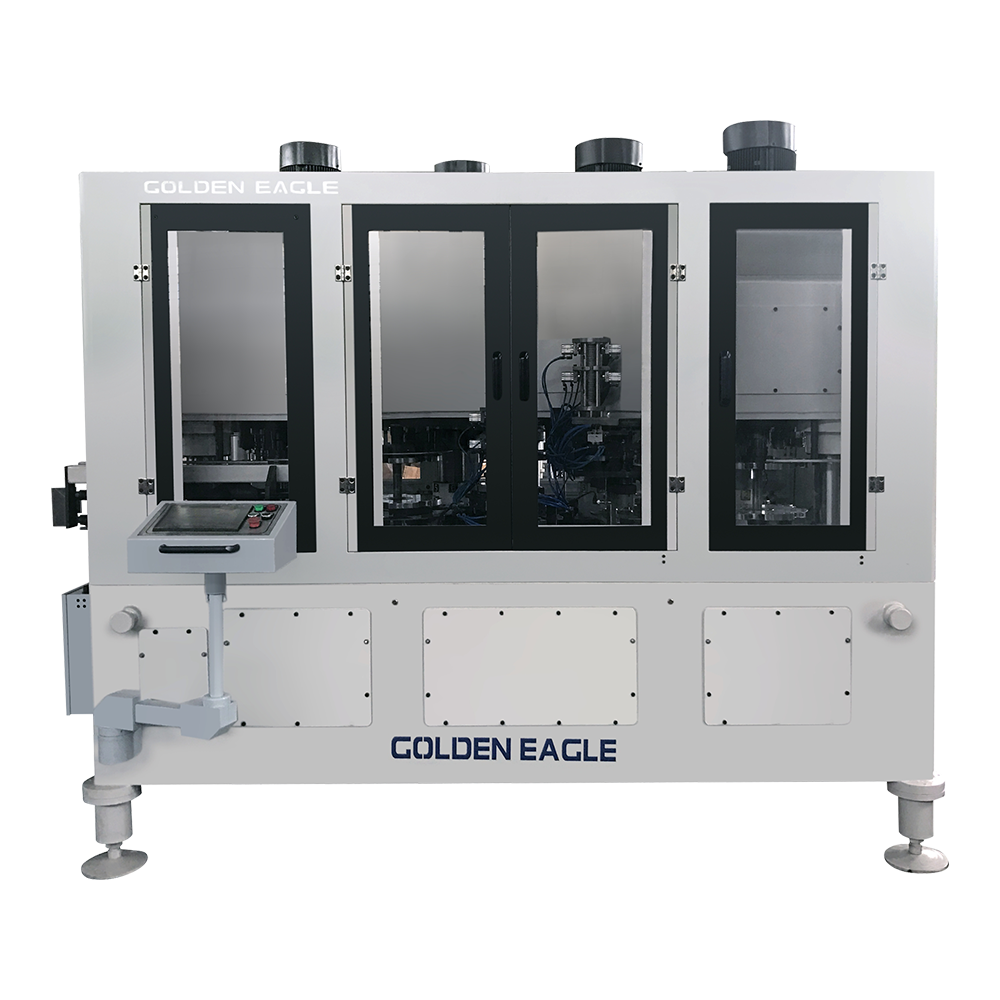
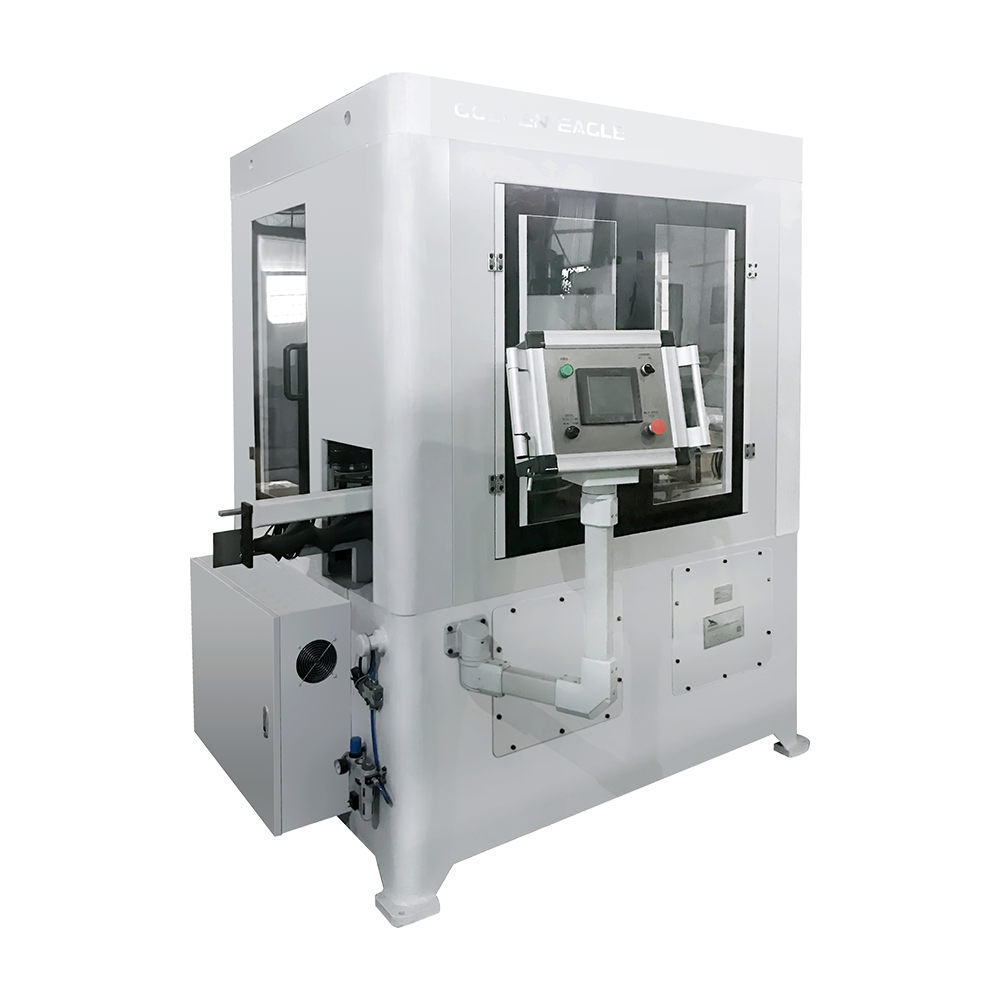
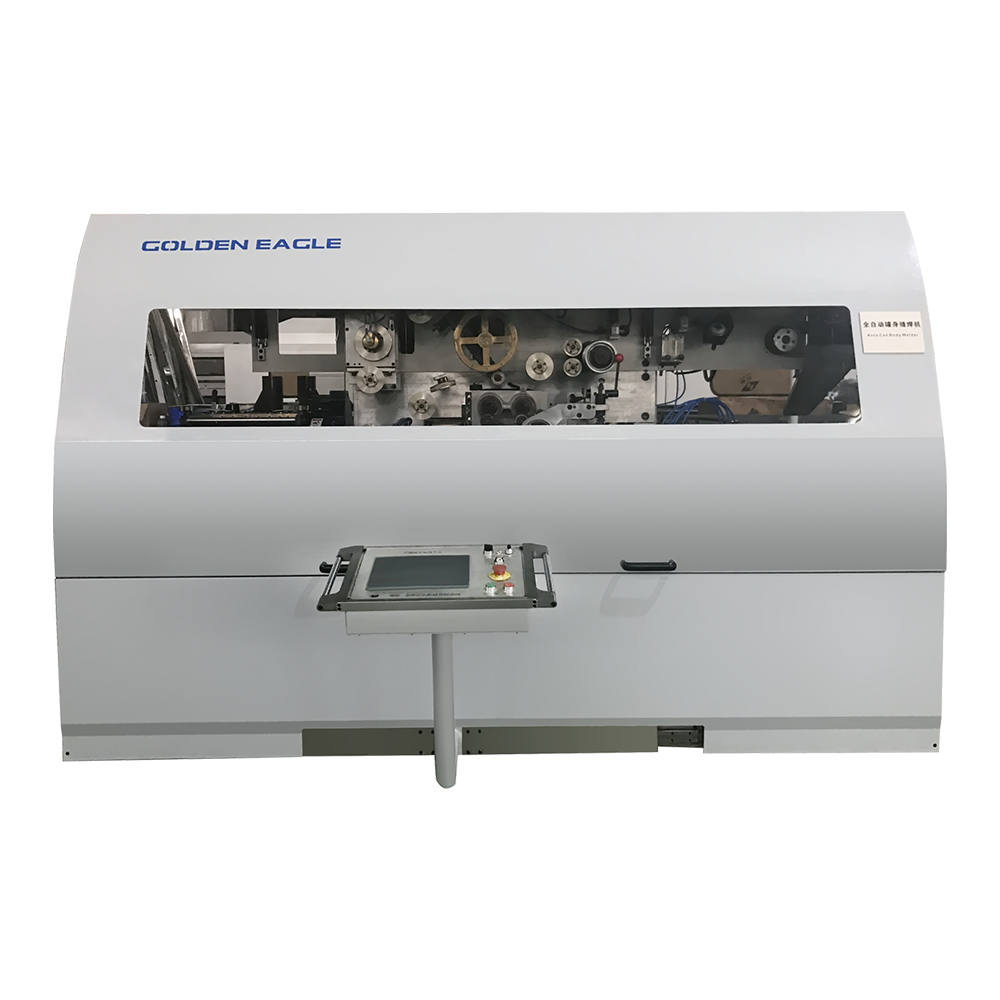
Fully automatic machines handle the entire production process, from sheet feeding to final can seaming. They achieve higher production rates and reduce manual labor, making them suitable for large-scale operations.
Certain machines are designed for specific can types such as aerosol cans, beverage cans, or large industrial containers. Customization ensures precise dimensions and seam quality tailored to product requirements.
Understanding the components of can making machines helps manufacturers maintain quality and maximize efficiency.
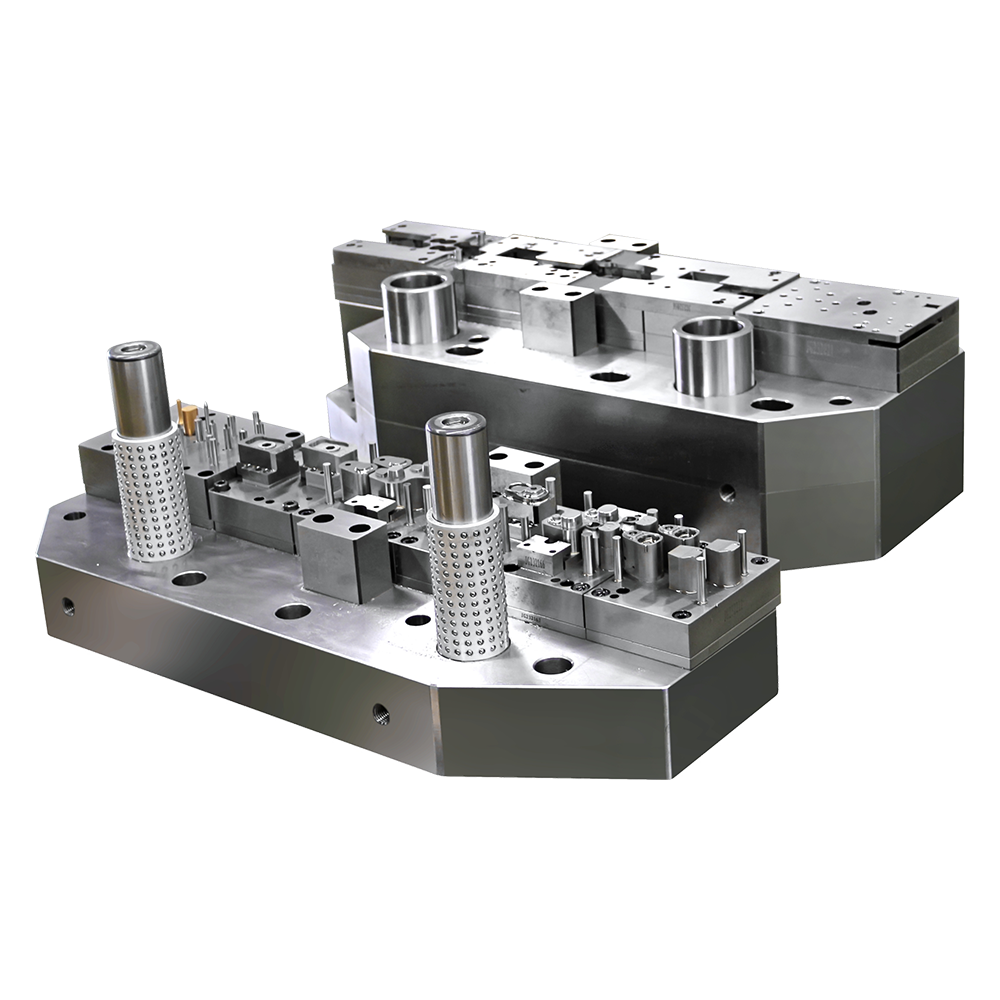
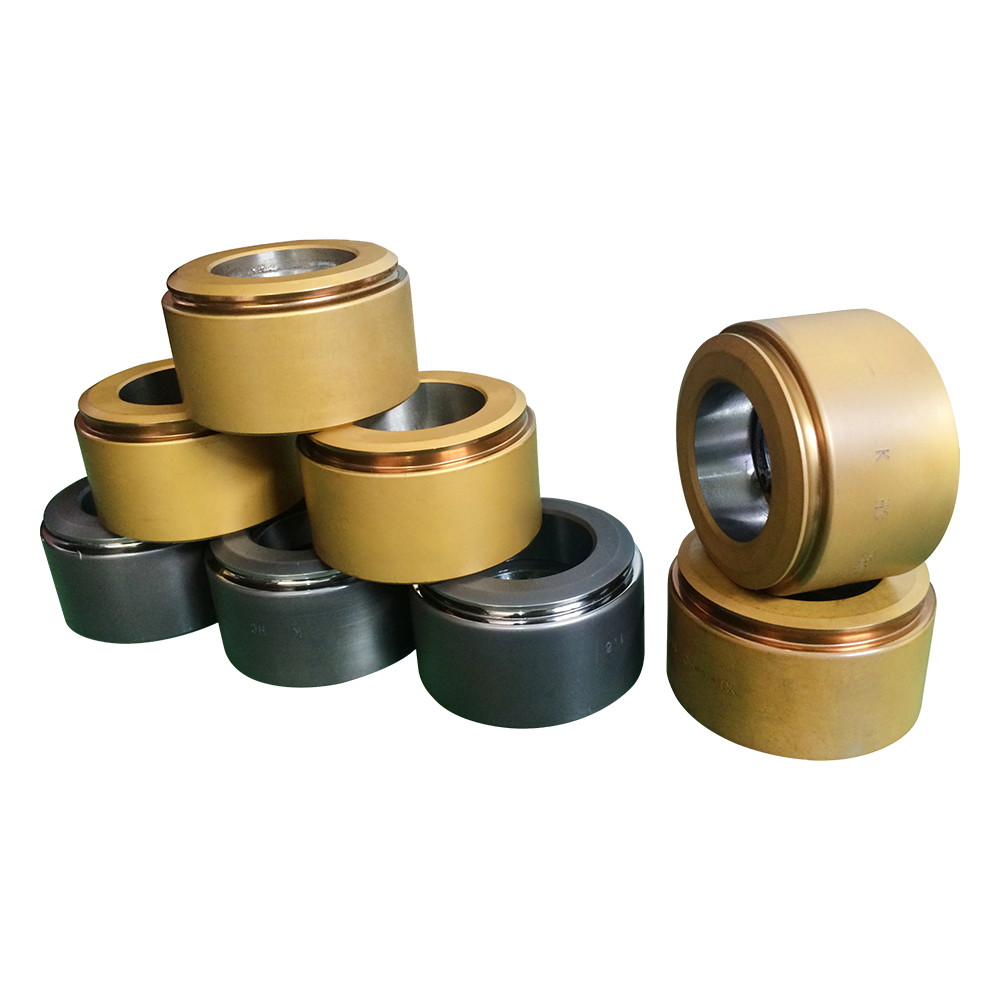
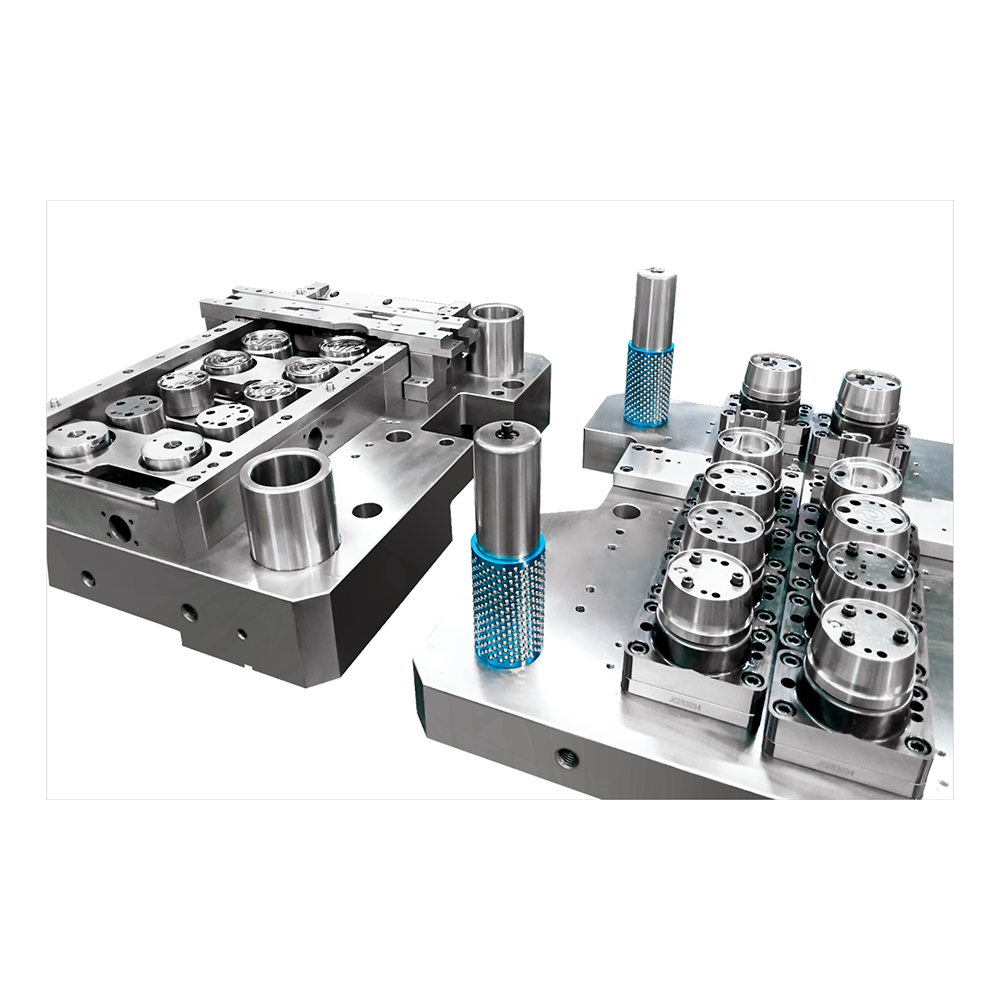
Dies and rollers shape and seam the metal sheets into cans. High-quality components ensure consistent dimensions and smooth surfaces, reducing the risk of leaks or defects.
Reliable motors control the speed and torque required for metal forming. Advanced drive systems allow precise adjustment of production speed and improve energy efficiency.
These units create airtight and durable seams for liquid or solid contents. Accurate seaming prevents leakage and maintains product integrity during storage and transport.
Can making machines are essential in a wide variety of sectors:
Efficiency depends on machine type, can size, and operator skill. Semi automatic machines produce fewer cans per hour than fully automatic ones but allow greater flexibility for small batches.
| Machine Type | Production Rate (Cans/Hour) | Suitable Can Sizes |
|---|---|---|
| Semi Automatic | 200–1000 | Small to Medium |
| Fully Automatic | 2000–8000 | All Sizes |
| Specialized | 100–1500 | Customized |
Proper maintenance ensures longevity and safety. Operators should routinely inspect dies, lubricate moving parts, and verify seam accuracy. Safety shields and emergency stops are critical to prevent accidents.
Selecting the right raw materials is crucial for both machine performance and final can quality. Commonly used materials include tinplate, aluminum, and steel sheets.
Tin-coated steel provides corrosion resistance and is ideal for food packaging. Its malleability allows precise forming without cracking, ensuring airtight cans.
Lightweight and corrosion-resistant, aluminum is often used for beverage cans. Its flexibility supports high-speed production in fully automatic machines.
Plain steel sheets are durable for industrial and aerosol cans. They require precise seaming to prevent leaks and maintain structural integrity.
Innovation continues to improve efficiency, safety, and flexibility in can production.
Integration of sensors, PLCs, and touch screen interfaces allows real-time monitoring of production parameters and predictive maintenance, reducing downtime.
Newer models optimize motor load and hydraulic systems to reduce energy consumption by up to 20% without compromising production speed.
Modern machines allow rapid adjustment for different can diameters, heights, and seam types, supporting customized packaging solutions for diverse markets.
Investing in can making machines requires balancing initial cost, production scale, and return on investment.
Can making machines are indispensable in modern packaging industries. From semi automatic to fully automatic models, these machines enhance production efficiency, ensure high-quality cans, and accommodate diverse material types. Careful selection based on production scale, can design, and operational efficiency maximizes benefits for manufacturers.
Related Products

Founded in 1978, the company is one of the largest can-making machinery well-known companies at home and abroad.
Product Categories
Contact Information
Zhongshatou Shenjiamen Zhoushan Zhejiang China
+86-580-3056646

 English
 中文简体
中文简体
 русский
 عربى
عربى
 Español