2026-09-10
Buying a tin can making machine is a decision that affects your plant’s output, packaging cost, and product quality for years. The quickest way to narrow the options is to define the can you will produce: its diameter, height, seam type, and required output per minute. Once those numbers are fixed, the machine configuration—whether a single combiner, a multi-station line, or a full production system—becomes much easier to evaluate. This article explains the core functions of tin can making equipment, the buying factors that have the greatest impact on value, and how to match machine configurations to real production needs.
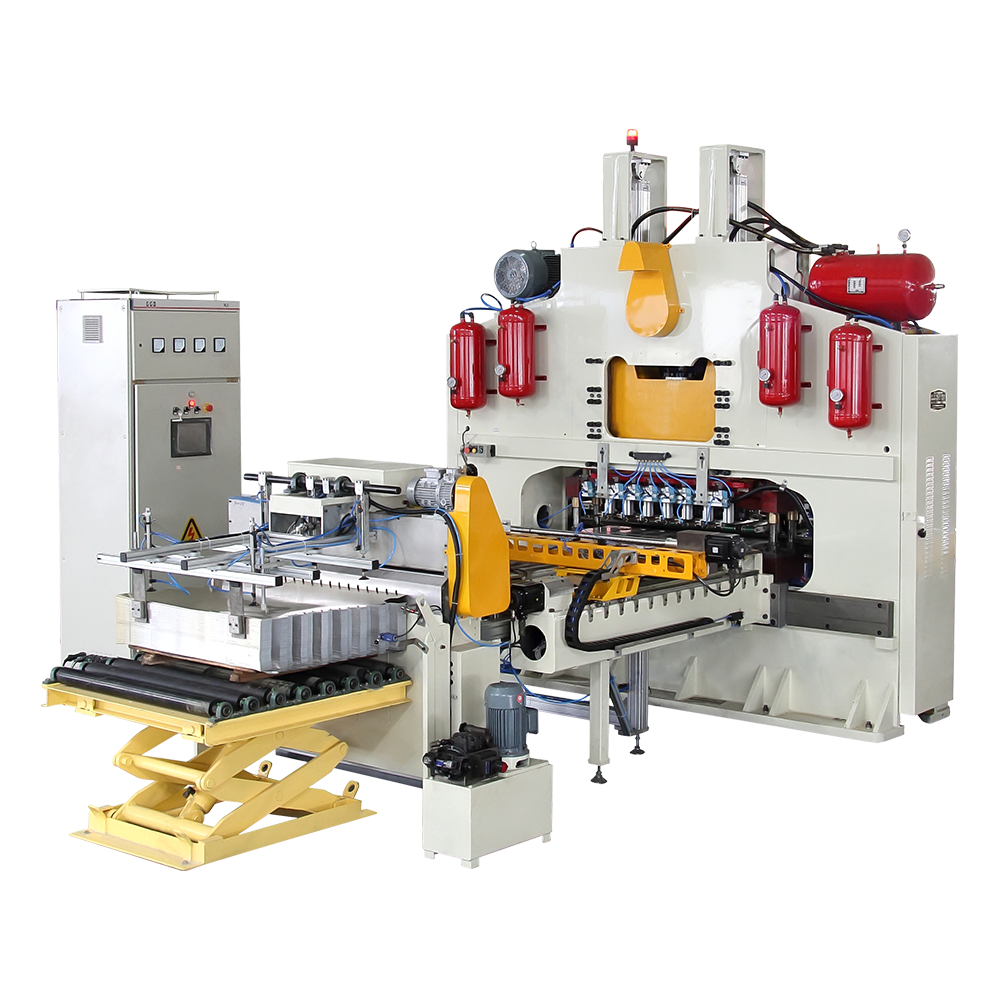
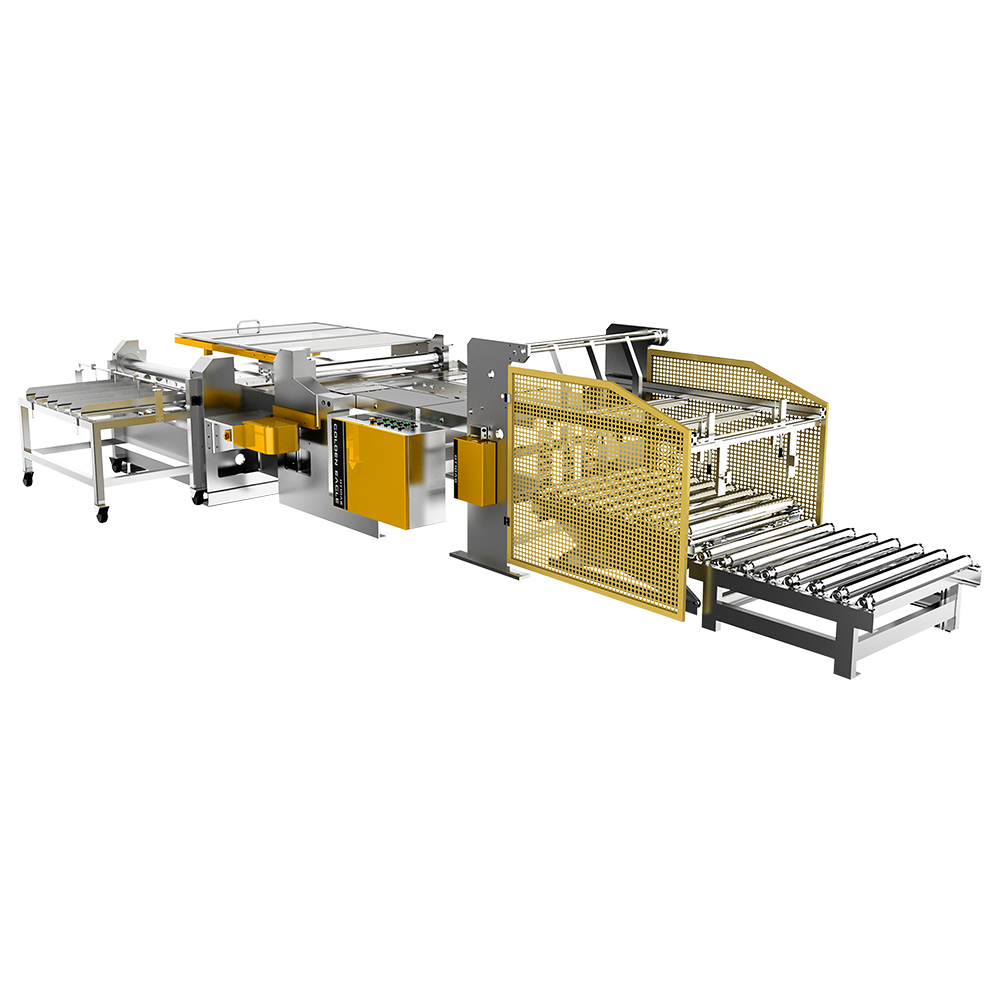
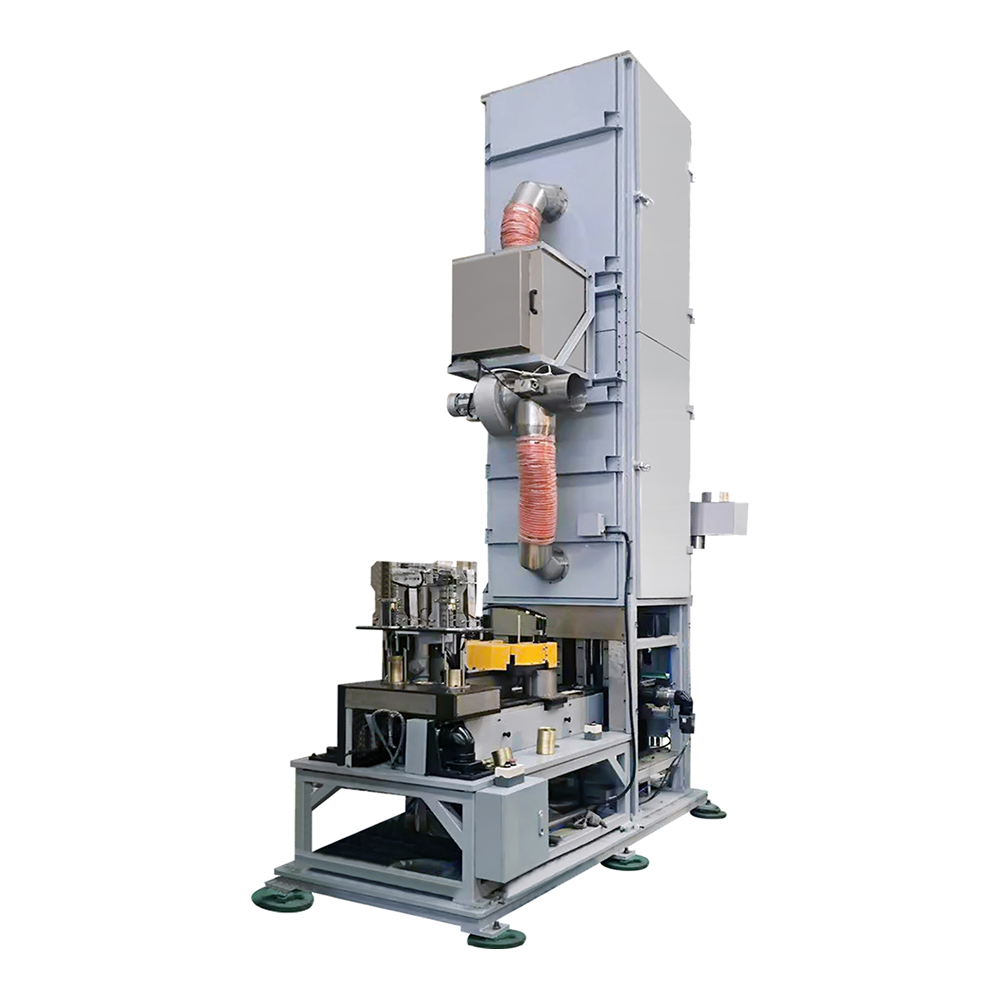
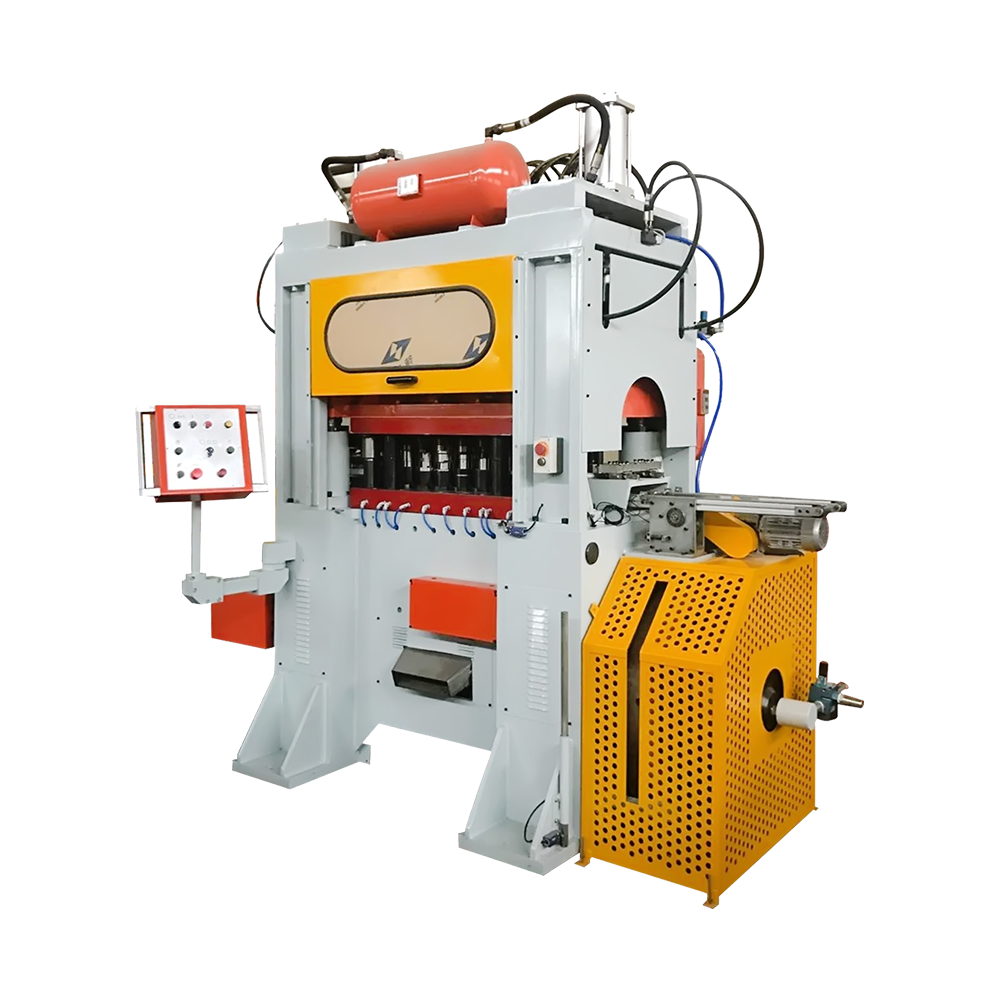
A tin can making machine is not one machine; it is a sequence of forming, joining, and finishing stations. Most tin cans used for food and beverages are three-piece cans, made from a rectangular tinplate body blank, two ends, and a side seam. The equipment you buy must handle each of those steps with controlled timing and tolerances.
A representative line includes these operations:
The exact layout depends on the can type and production speed. High-speed lines often include automatic inspection for weld defects, can height, and leaks. Slower lines for specialty cans may use more manual transfer between stations. The machine’s real value lies in how stable it remains at your target speed, not only at its maximum rated output.
The lowest-priced machine is rarely the lowest-cost machine once production losses, changeover downtime, and scrap are included. In our experience, these five factors separate a useful line from a recurring problem.
Output is usually expressed in cans per minute or cans per hour. Realistic speed depends on can diameter and height; a machine rated for one size may run slower on a taller or larger-diameter can. Ask for speed curves rather than a single maximum number. A line rated at 200 cans per minute for a 65 mm diameter can may drop to 150 for a 99 mm can. Match the rated speed to your daily filling plan, not to an ideal marketing figure.
Changeover time determines how cost-effective the line is for smaller batches. Ask for the tooling change procedure for diameter and height adjustments. The best designs use quick-release clamps and pre-set tooling to reduce changeover from hours to minutes. Also check how many sizes the machine can handle without replacing major forming frames. If you plan to run several can heights on one line, this will be one of your most important daily cost drivers.
Modern lines can include automatic feeders, stacking systems, and integrated line controls. Automation helps reduce labor and improve consistency, but extra sensors and servos should be justified by your throughput. For plants expanding output, a line that can later connect to a palletizer, end-cover line, or central control system is more future-proof. Before choosing a high level of automation, confirm that your operators have the skill to troubleshoot the control system, or that the supplier offers sufficient training.
Seam geometry and weld quality are the two most important quality parameters. Look for precise control of body blank overlap, welding current, and seaming roller pressure. A good machine holds repeatable tolerances across long runs, which directly affects leaker rates and customer complaints. Request details on how the machine monitors these parameters and whether it can stop automatically when values move outside the set range.
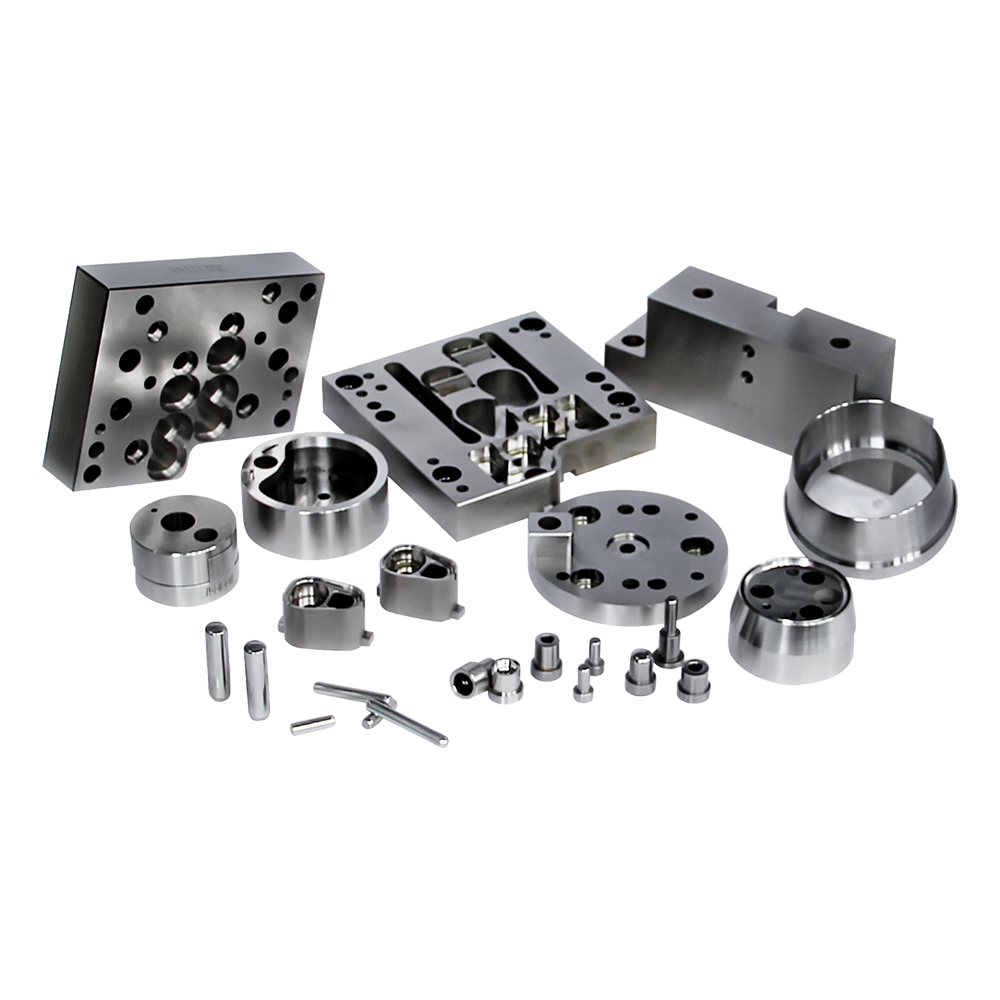
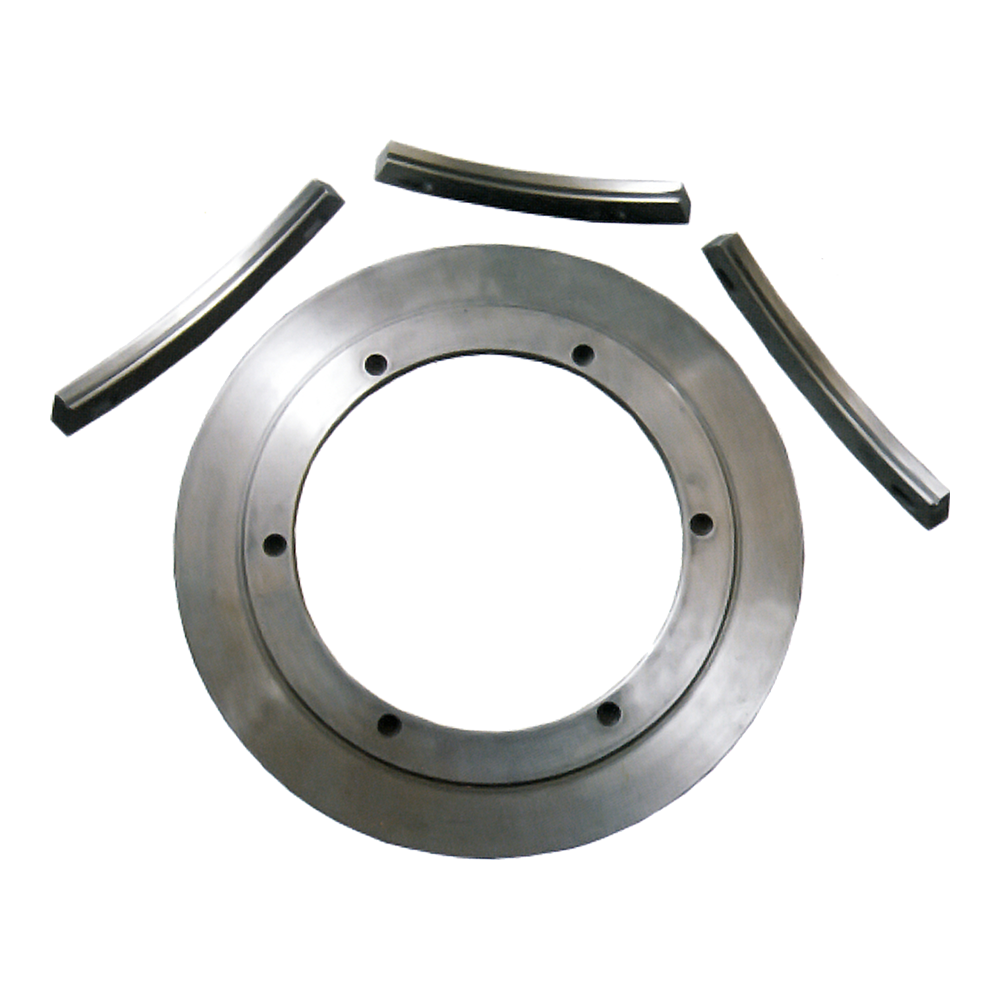
Tooling such as seaming rollers, dies, and cutting blades wears out. The supplier should offer a clear spare parts list, expected lifetime, and delivery times. For overseas buyers, local service or remote diagnostics can also be decisive. Ask about response times for breakdowns and whether the machine design is compatible with your plant’s utilities and operator skill level.
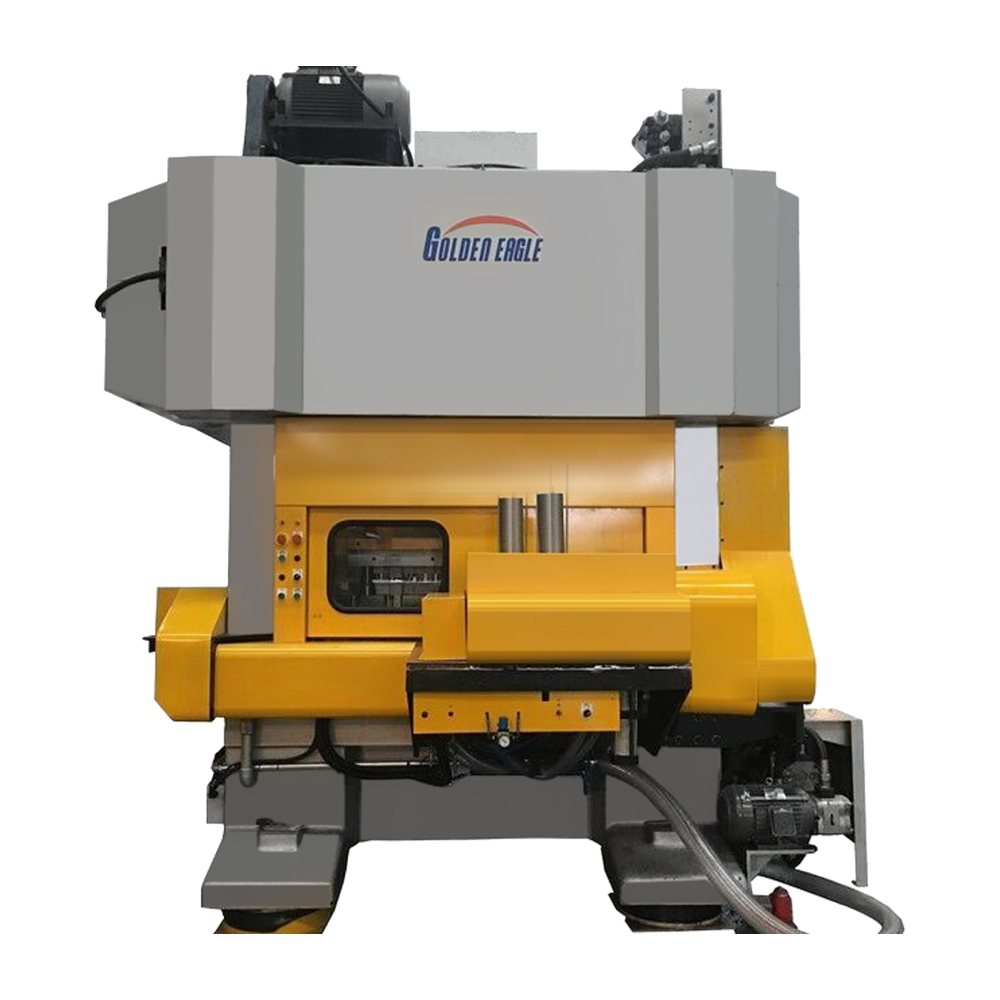
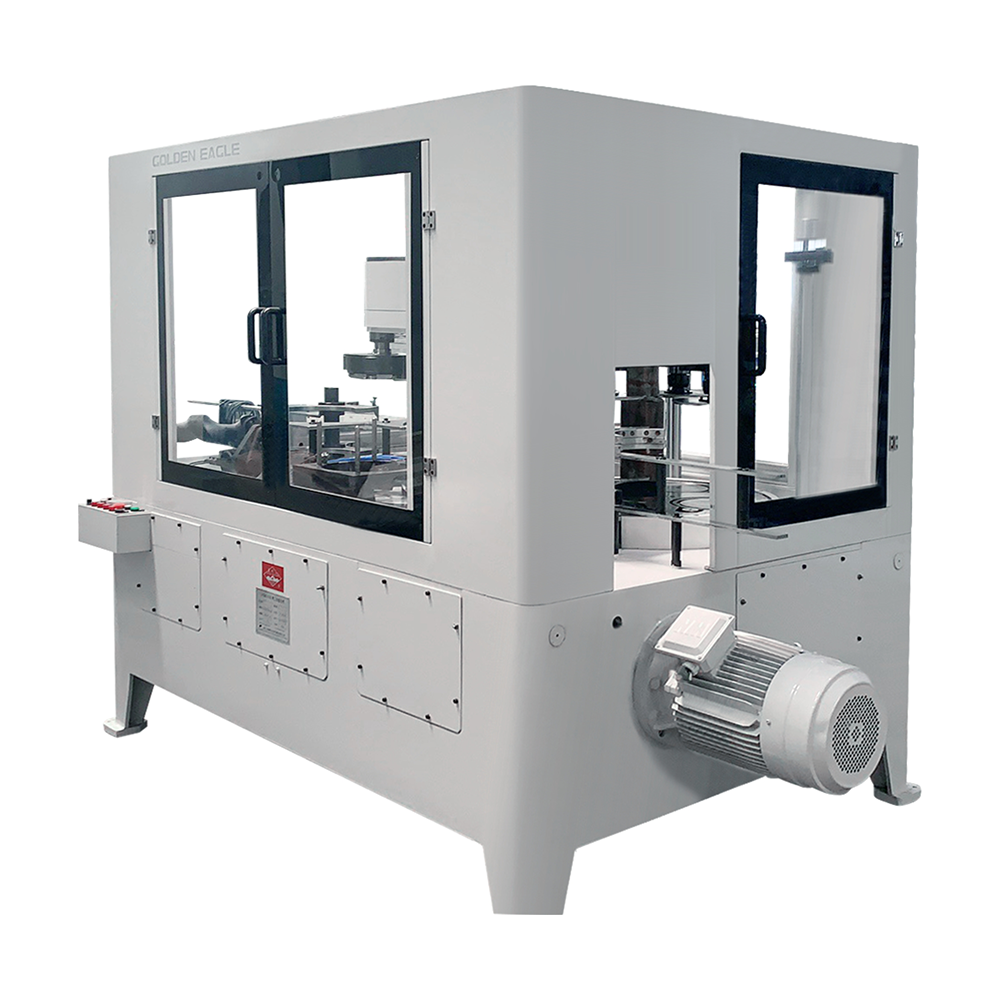
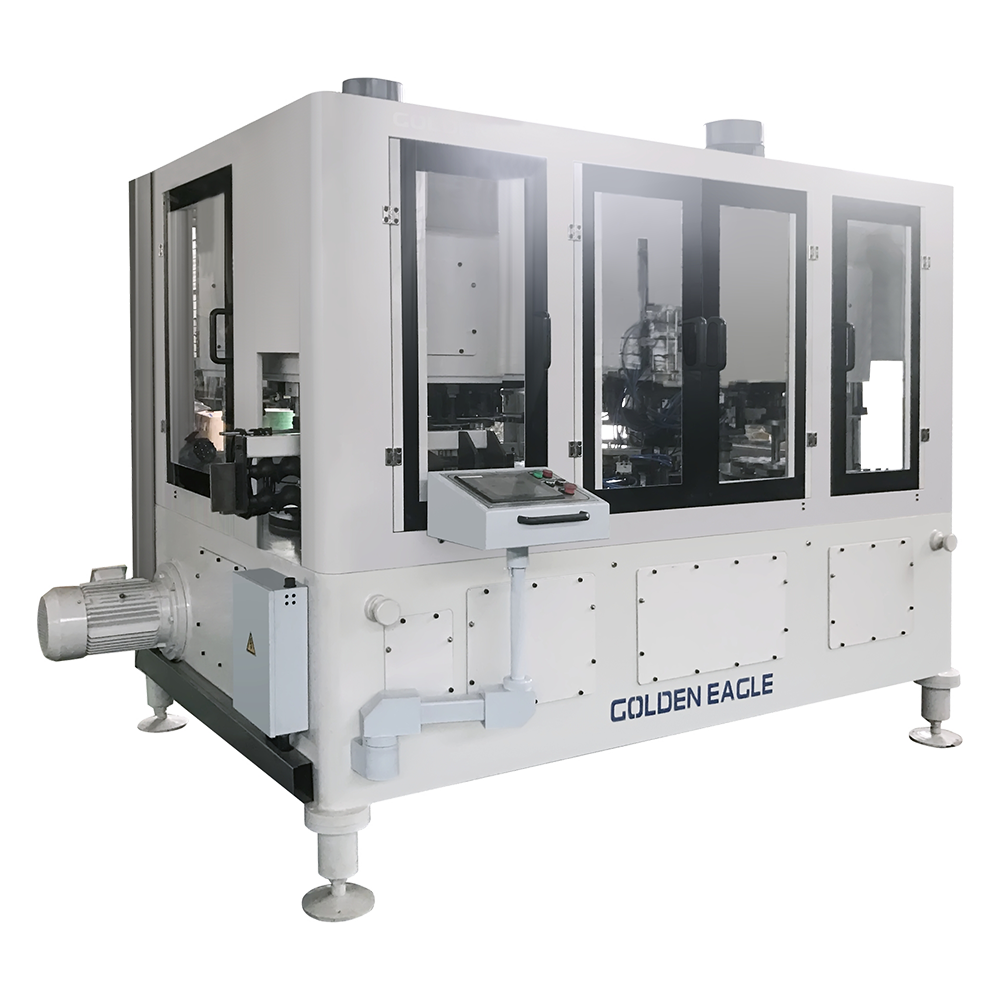
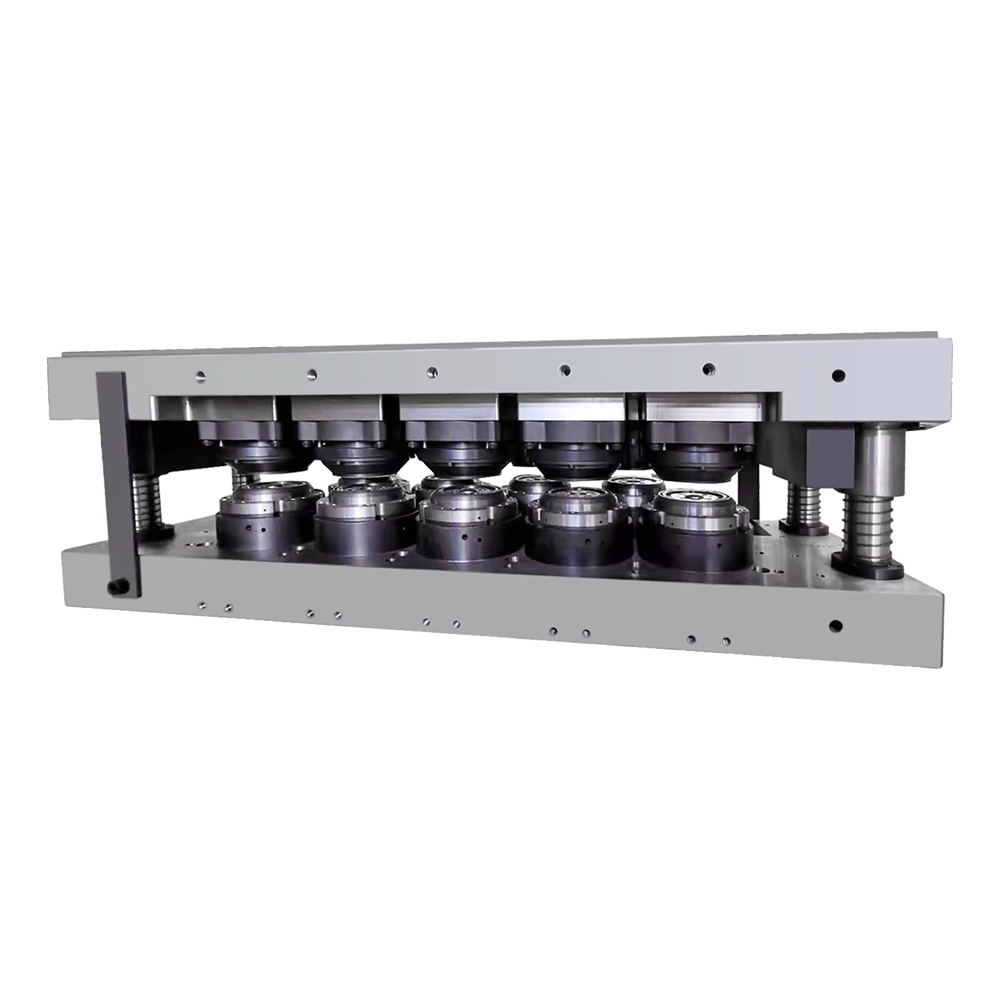
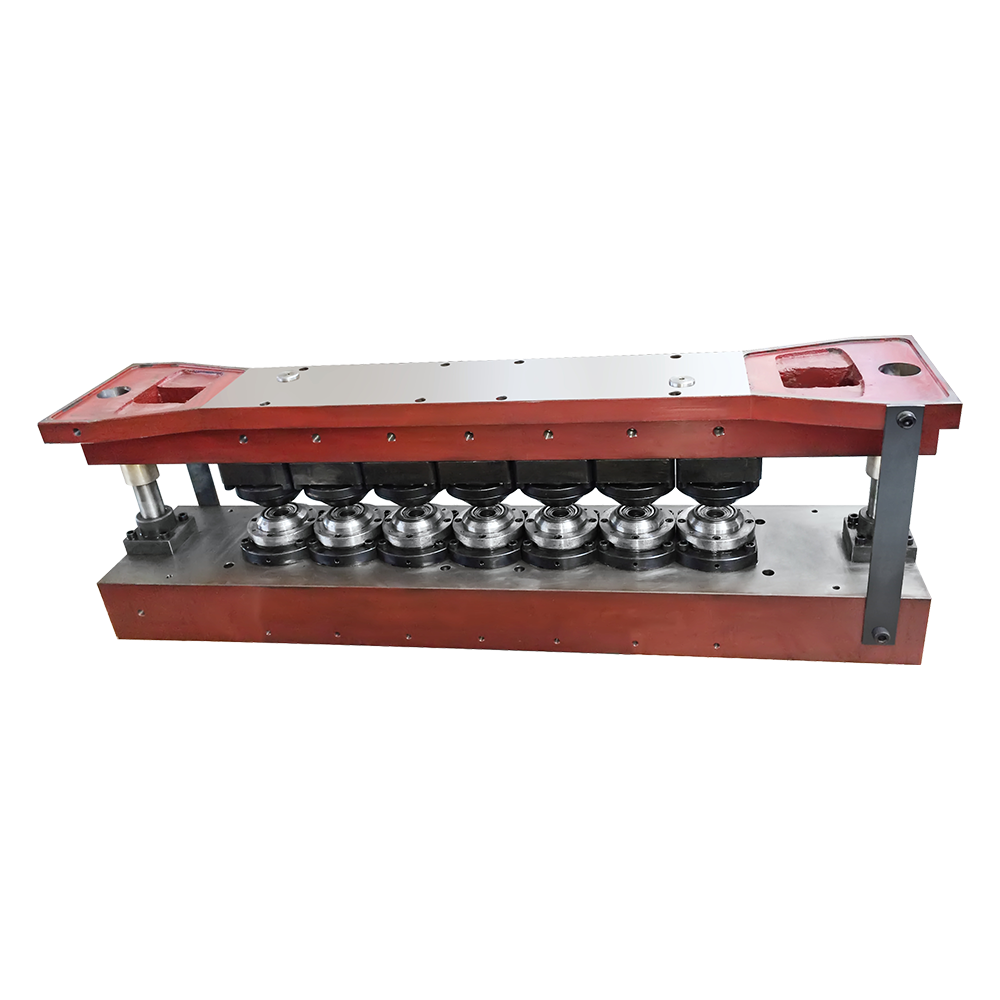
For a basic three-piece tin can line, the body-forming section often centers on a combiner that performs several operations in one machine. The three-station combiner can making machine typically handles flanging, beading, and seaming in one pass, which is a good fit for standard cylindrical food cans. When the end panel is smaller than the body—for example, a necked-in can for beverage or aerosol—the four-station combiner can making machine adds a necking station before flanging and seaming. This additional station keeps the line compact without sacrificing positioning accuracy.
| Combiner type | Operations included | Best suited for |
|---|---|---|
| Three-station combiner | Flanging, beading, seaming | Standard cylindrical food and beverage cans |
| Four-station combiner | Necking, flanging, beading, seaming | Necked-in cans and easy-open end applications |
The idea is to let the machine’s station count match the deformation steps your can design requires. Adding stations you do not need raises cost and complexity; omitting a necessary station forces awkward add-on equipment later. When you plan a line, list every forming step from your can drawing and confirm which combiner covers each one. For complete projects, also consider side seam welding, end cover production, and compound lining equipment as part of the same planned workflow.
A machine is only as reliable as the engineering and support behind it. Look for a manufacturer with a long history in can making machinery, because tooling details and process know-how accumulate over many projects. A supplier that has built thousands of can-making machines and served customers across different continents will have encountered the specific production problems your plant may face.
We have been manufacturing tin can making machinery since 1978, and more than 10,000 machines and dies have been delivered to can plants worldwide. Our design team combines CNC precision machining with practical operations experience, and our quality management and environmental management systems follow ISO standards. These details matter because they translate into more stable tooling, clearer documentation, and easier communication during installation and after-sales support.
Before choosing a supplier, check whether the factory can demonstrate consistent quality, whether it offers training for your operators, and whether it has service channels in your region. Ask for customer references in your industry. A machine built by an experienced maker is usually easier to maintain because spare parts, tooling, and process knowledge are all available from one source.
Choosing a tin can making machine is ultimately a matter of matchmaking. Start with your can specifications and production target, evaluate the machine’s real speed, changeover flexibility, and quality controls, and verify that the supplier has the engineering and service depth to support the line for its entire life. A machine chosen this way will deliver low leaker rates, stable output, and a sensible return on investment. If you are planning a new line or upgrading an existing one, begin by documenting your can sizes and the output you need. That information alone will make every subsequent equipment conversation more productive.
Related Products

Founded in 1978, the company is one of the largest can-making machinery well-known companies at home and abroad.
Product Categories
Contact Information
Zhongshatou Shenjiamen Zhoushan Zhejiang China
+86-580-3056646

 English
 中文简体
中文简体
 русский
 عربى
عربى
 Español