2026-11-12
Picture a plant that has just won a two-year contract for 400 g vegetable cans. The body welder is already installed, the compressor room still has spare capacity, and the only open item is which tin can making machine to place downstream of the body former. Most teams answer that question from a price list, and that is usually where the schedule starts to slip.
The short version: buy the line, not the machine. A tin can making machine only earns its keep when the stations feeding it and following it are matched to your can diameter, tinplate gauge, order pattern and changeover frequency. Two suppliers can quote the same nominal speed and deliver very different real output, because a line runs at the pace of its slowest station and its fastest size change.
In a three-piece welded can plant, the phrase rarely describes a single unit. It describes a chain of equipment, and every link brings its own tolerance stack, maintenance routine and failure mode. A workable mental map looks like this:
Two-piece lines take a different route: cupping press, body maker, trimmer, washer, necker and decorator. If your mix is mostly beverage or aerosol, the equipment list changes before anyone mentions a combiner.
Welding fixes the quality ceiling of the whole line. A welded seam that is slightly too wide wastes tinplate and heat; one that is too narrow shows up months later as a leaker in a customer's warehouse. When you specify a welder, ask for the overlap range it holds across a full coil, the wire diameter it runs, and how the machine behaves when tinplate gauge drifts by a few hundredths of a millimetre between deliveries.
Zhejiang Golden Eagle Food Machinery builds the GT10C-500 automatic can body welder within its welder series, alongside induction heating units for curing and drying. The company has been making can making machinery and moulds in Zhoushan since 1978, reports more than 350 staff, and states it has produced over 10,000 can and can-end machines.
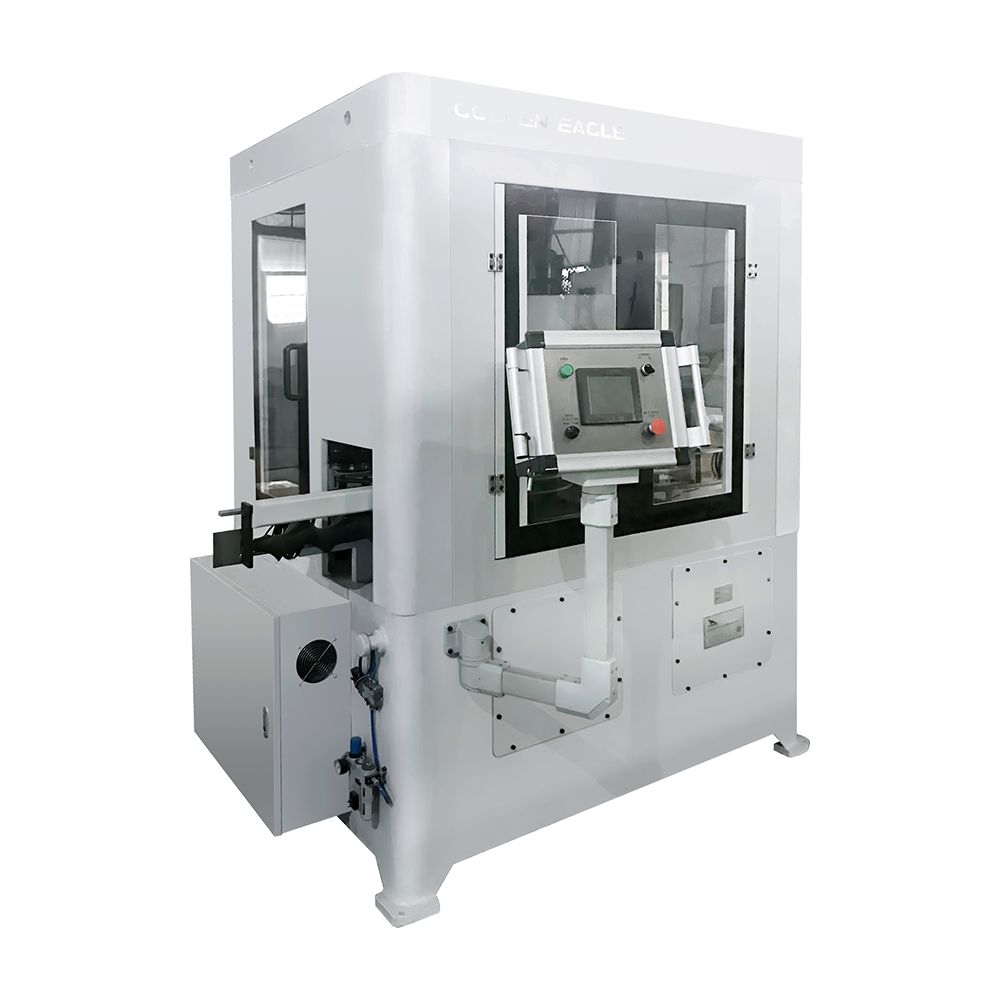
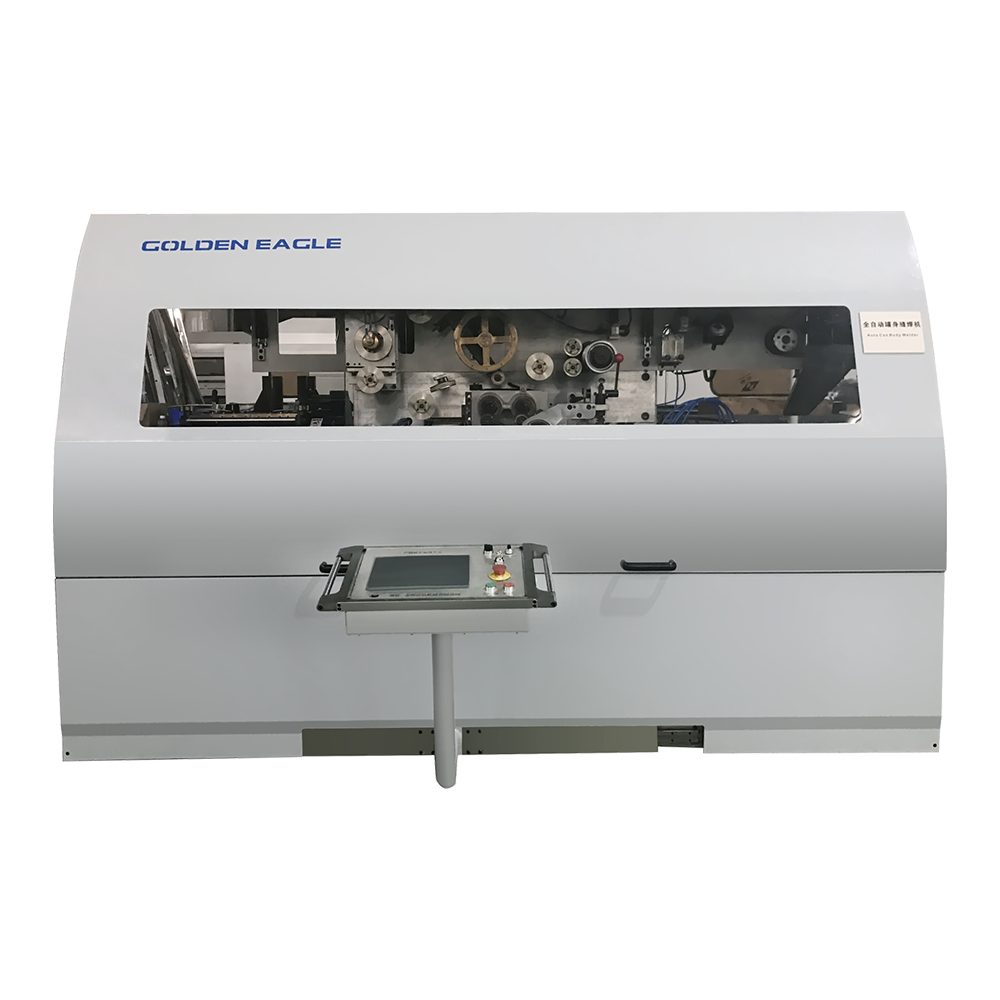 GT10C-500 Automatic Can Body WelderHigh-speed seam welder for tin can bodies, rated 500 cpm, with listed can diameter and height ranges; relevant when reviewing welding capacity before downstream lining.View Product →
Compound lining is the quiet station. A vertical compound lining machine that lines and dries in one pass saves floor space, but the drying curve still has to match your lacquer, your compound and your line speed. Where the compound is cut and fed matters too — an automatic compound cutting machine with a stable cut width removes a variable that operators usually absorb with manual adjustment.
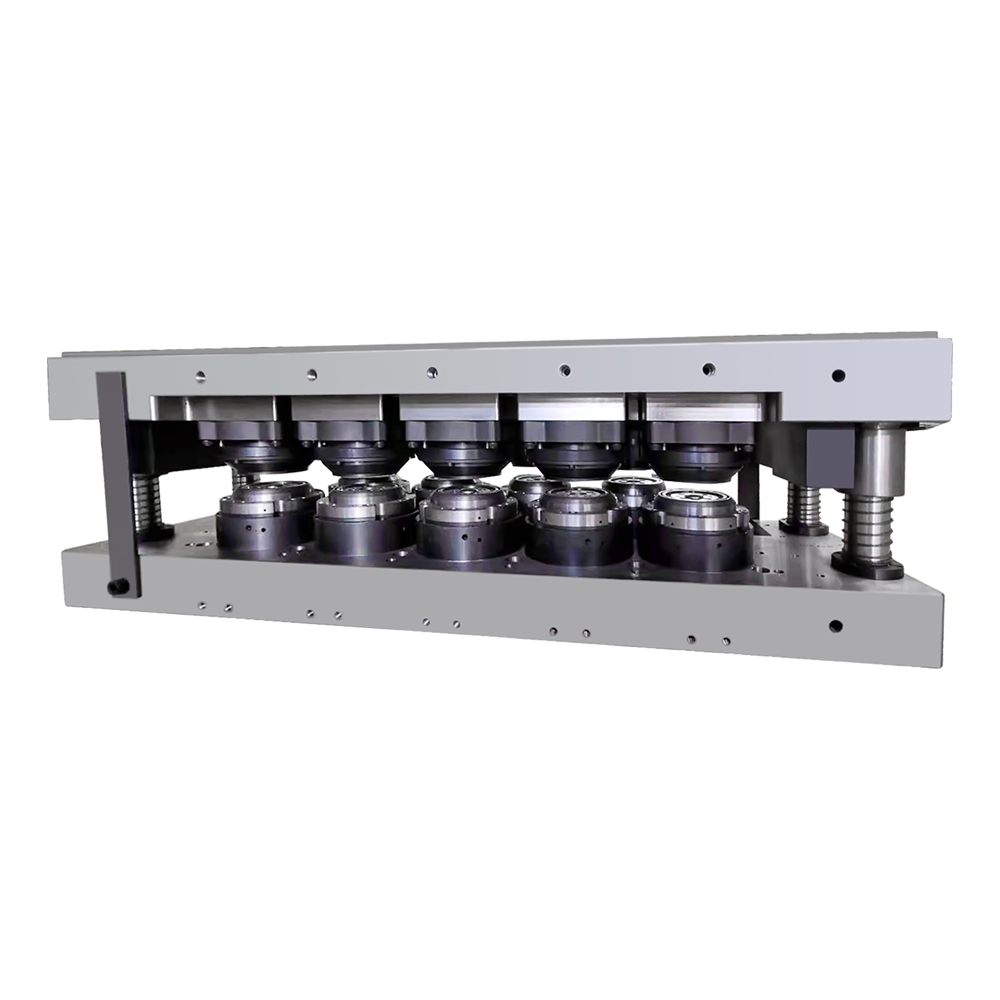
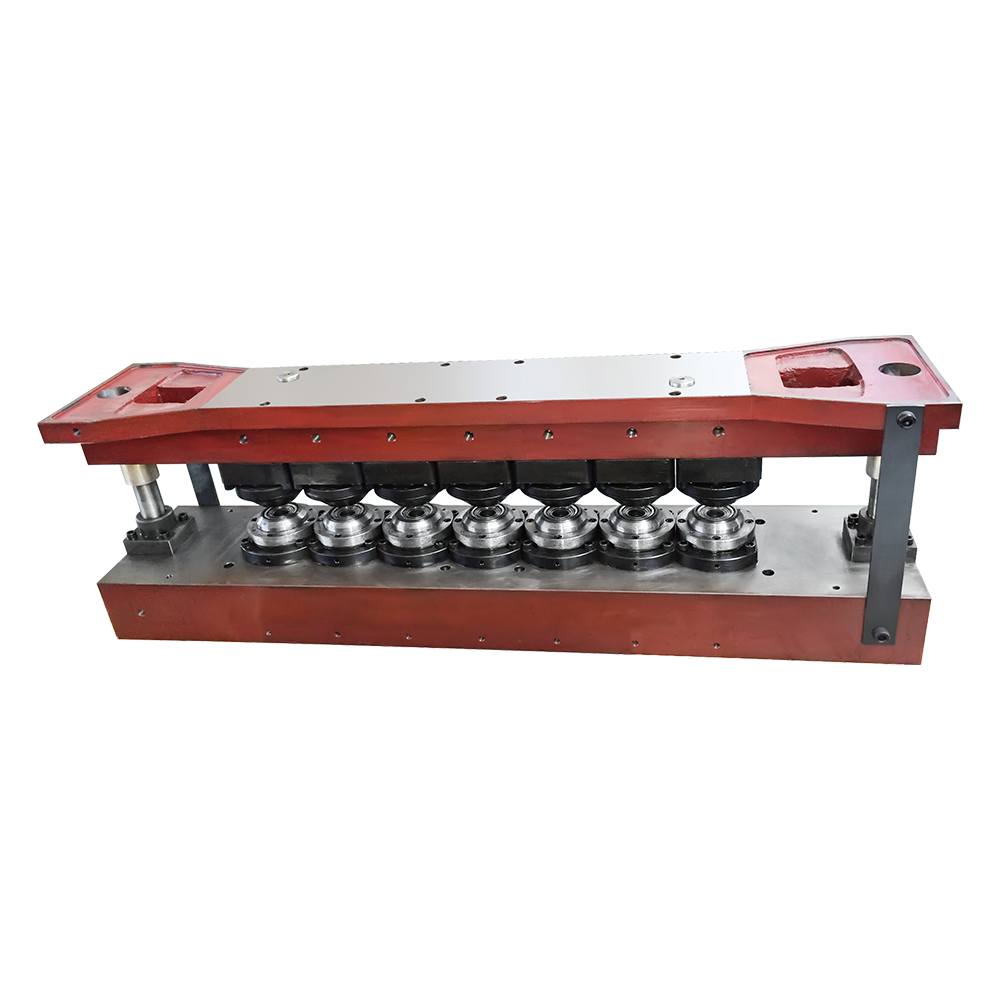
Downstream, necking, flanging, beading and seaming determine whether the can stacks, prints and seams properly. A four-station combiner handles those operations on one frame, which reduces transfer damage and floor space; the trade-off is that one station fault stops the group, so setup discipline matters more than with separate units.
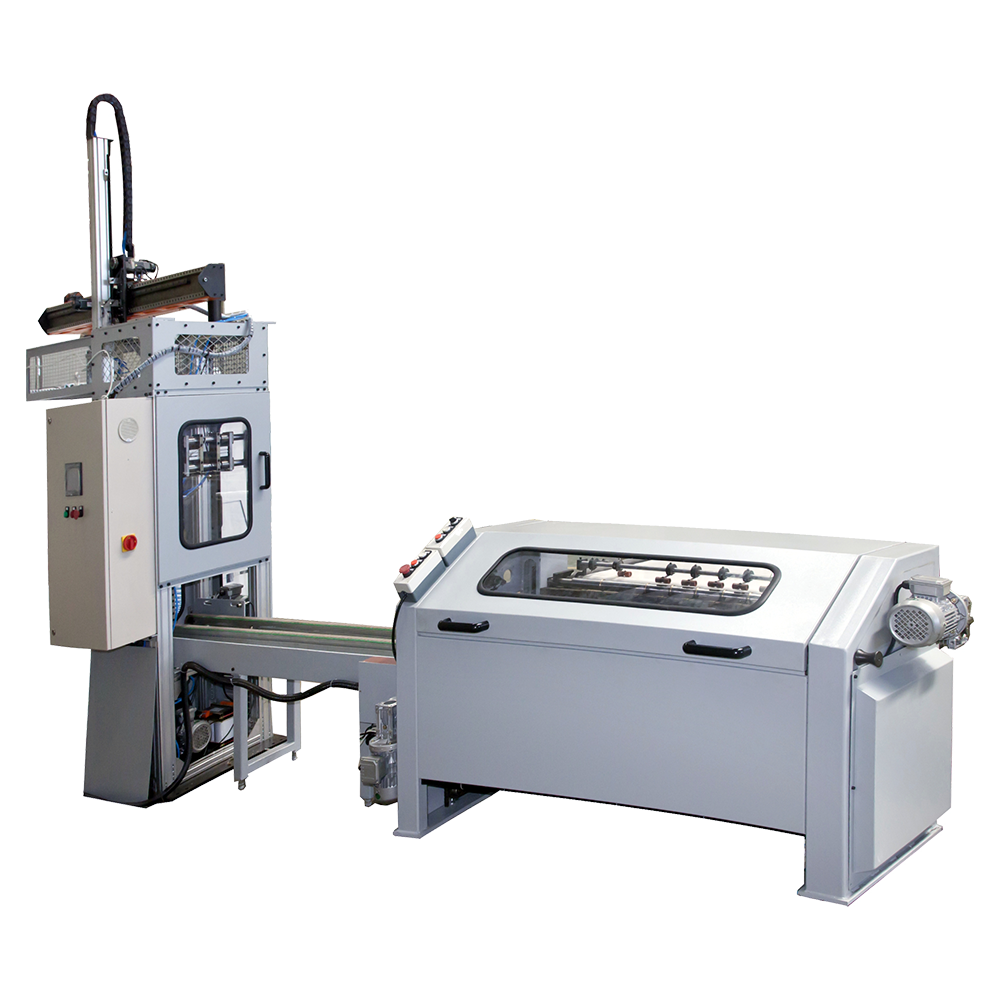
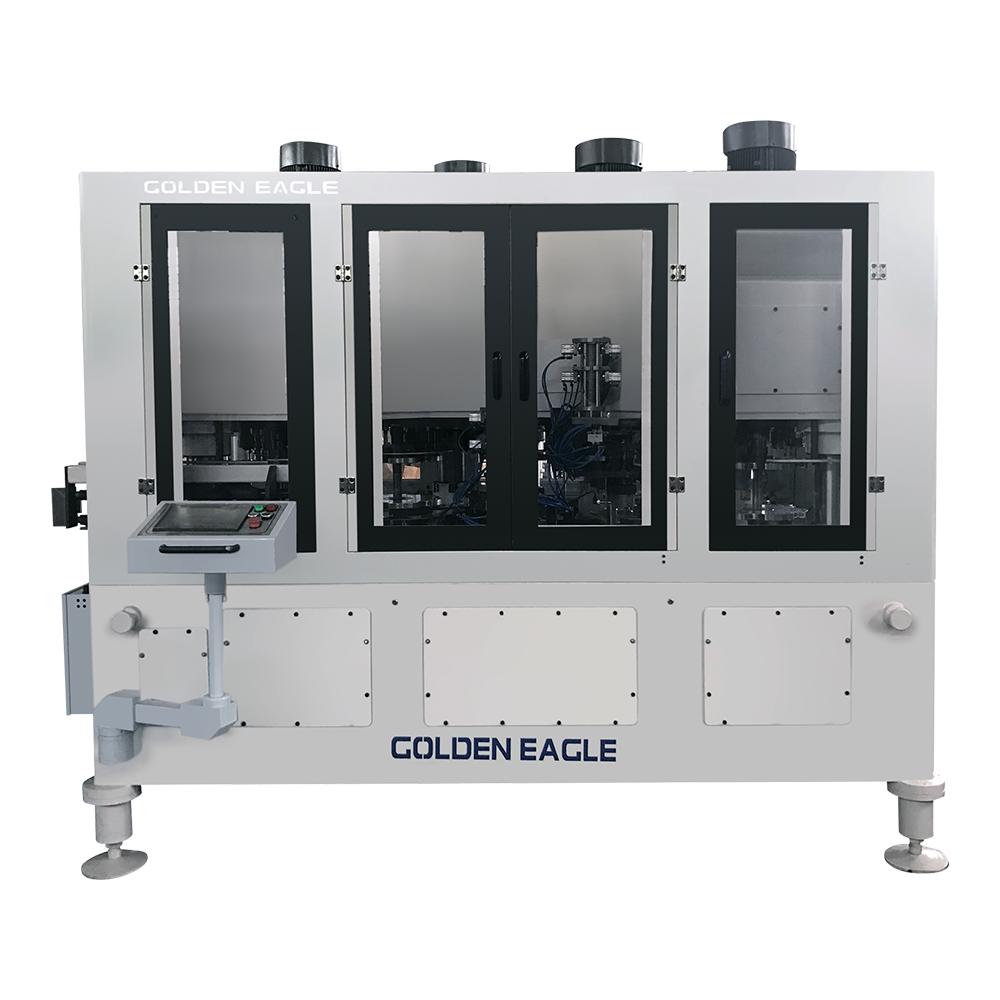 Four-Station Necking, Flanging, Beading and Seaming MachineCombines necking, flanging, beading and seaming on one frame to reduce transfer damage and floor space; check model-specific diameter, height and output.View Product →
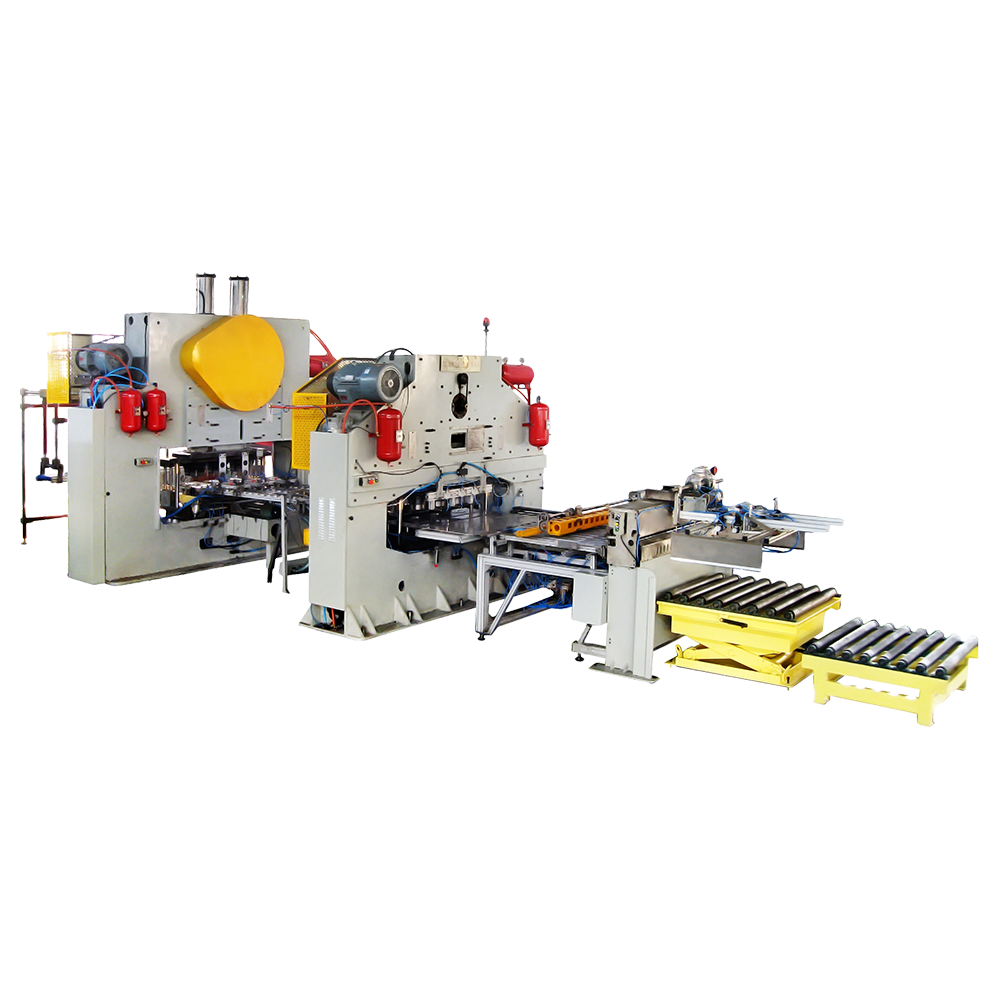
Ends deserve their own budget line. A complete end cover line, a conversion press for easy-open lids, and a post-repair coating and drying machine are three different investments, and the third is the one most often skipped. Repair coating protects the score line, which is exactly where an easy-open lid fails if the coating is thin or under-cured.
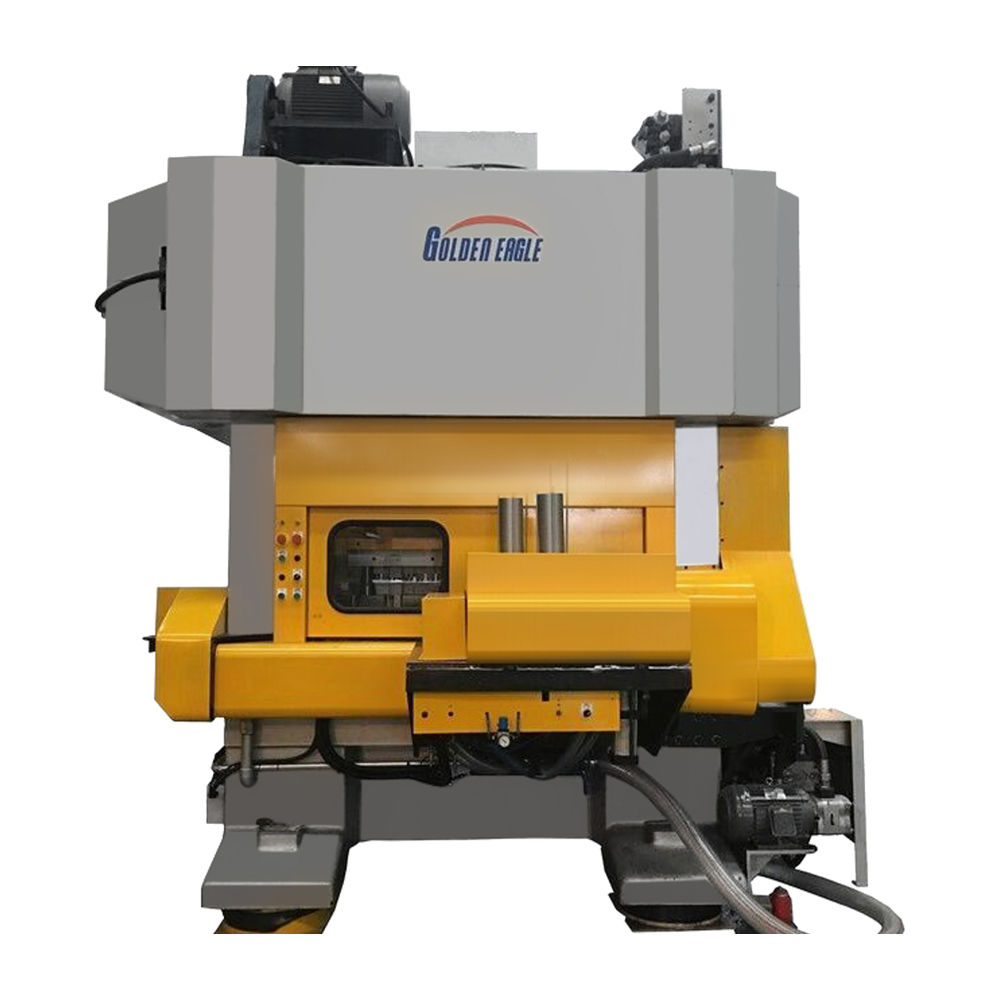
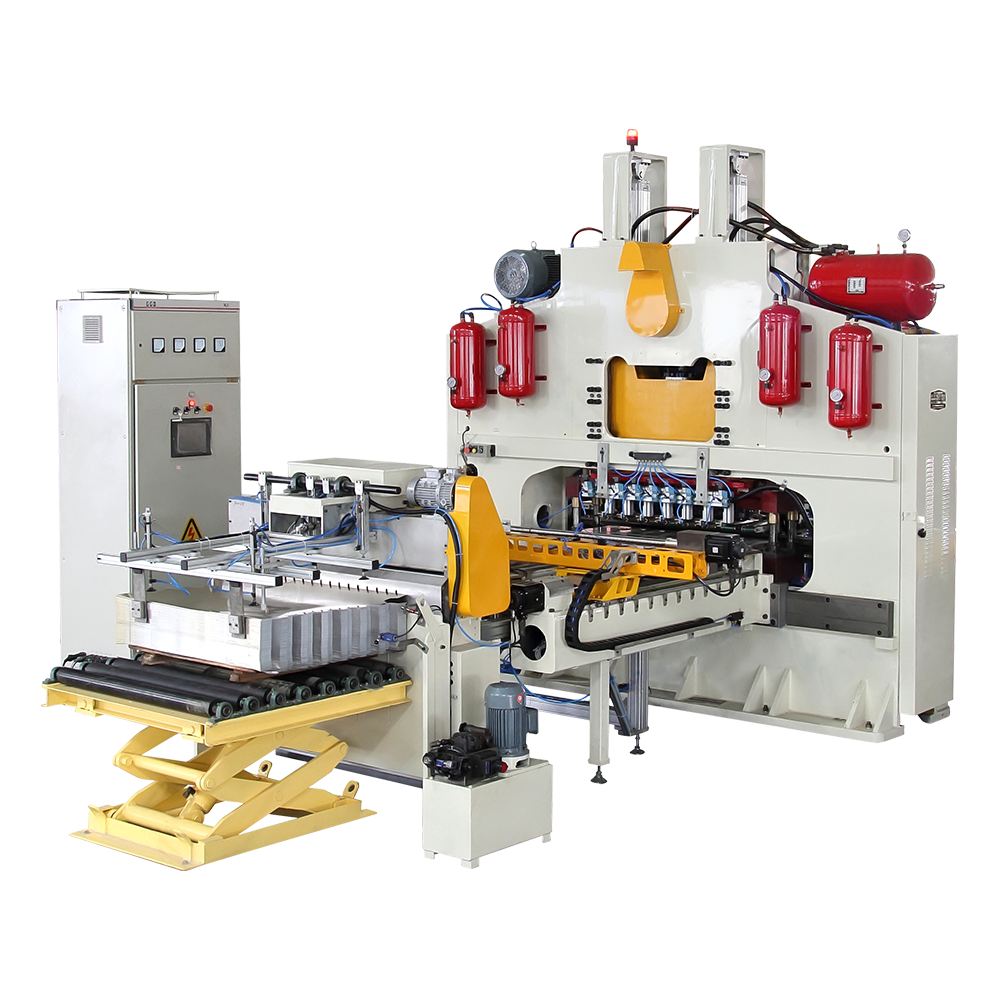 CNC Automatic Punch for Can End ProductionPLC-controlled press with double-sheet detection and overload protection, supporting multiple mold heads for bottom and base cover production; compare model pressure and stroke.View Product →
Most projects stall on one question: single-station, three-station or four-station? The answer depends less on the brochure than on how often you change size and how tight your seam tolerances need to be.
| Configuration | Typical use | Works well when | Watch-outs |
|---|---|---|---|
| Single-station combiner | Milk powder and small round cans | Frequent size changes, moderate volume | More handling between stations and more floor space per can |
| Two-station combiner | Milk powder cans, medium round cans | You need balance between output and footprint | Fewer grouped stations means more transfer points to maintain |
| Three-station combiner | Food and beverage three-piece cans | Standard can range, mixed orders | Ask exactly which three operations are grouped and where seaming sits |
| Four-station combiner | Necking, flanging, beading and seaming on one frame | Long runs, few changeovers, tight seam tolerances | Setup is less forgiving; one station down stops the whole group |
| Welder plus separate finishing units | Heavy-gauge or unusual body sizes | Weld quality dominates the specification | More conveyors, more transfer damage, more operators |
Line balance is the concept that explains most of the difference between quoted and achieved output. A fast welder cannot rescue a slow seamer.
Illustrative index, not a specification. Real cycle times depend on can diameter, tinplate gauge, compound weight and how the stations are linked.
The practical reading: budget the finishing end at or above the welder's capacity, or accept that your expensive body former will idle. If your order book swings between two or three can diameters, price the changeover before you price the machine — a line that takes four hours to switch sizes will lose more money across a year than a slightly slower line that switches in ninety minutes.
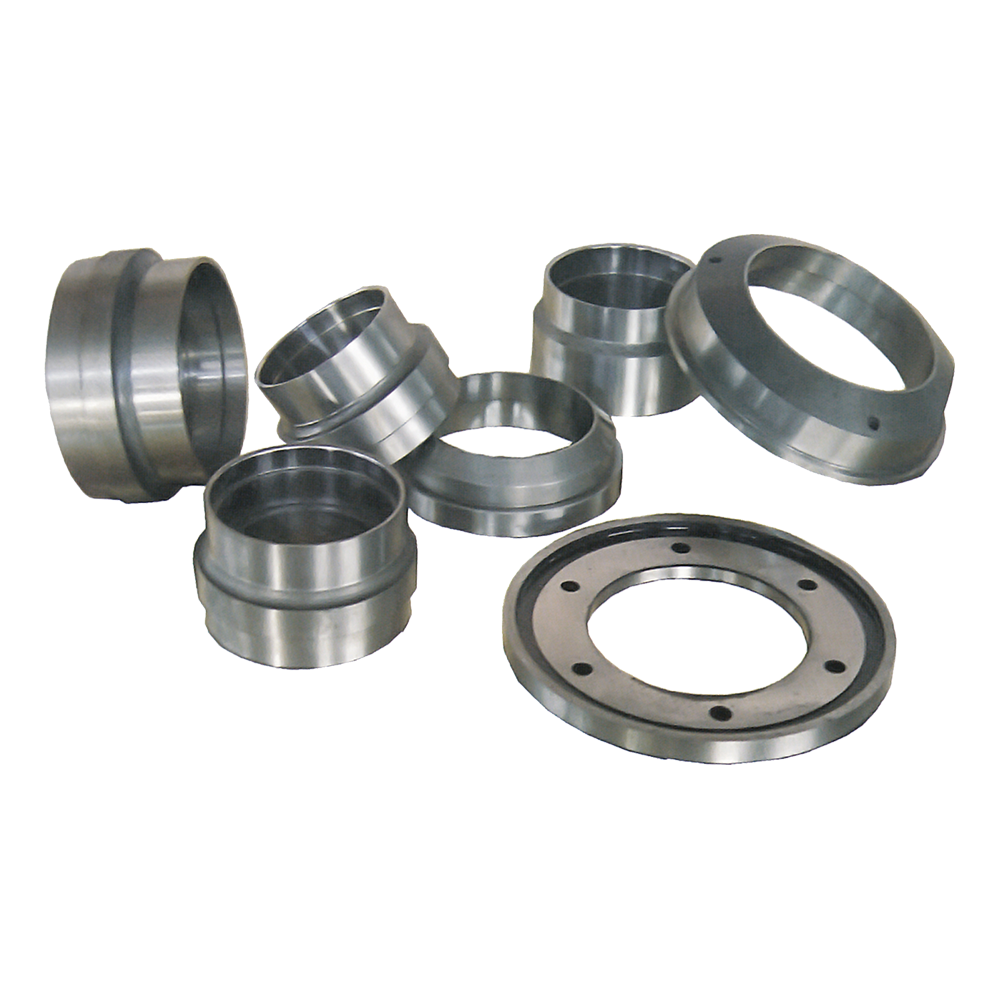
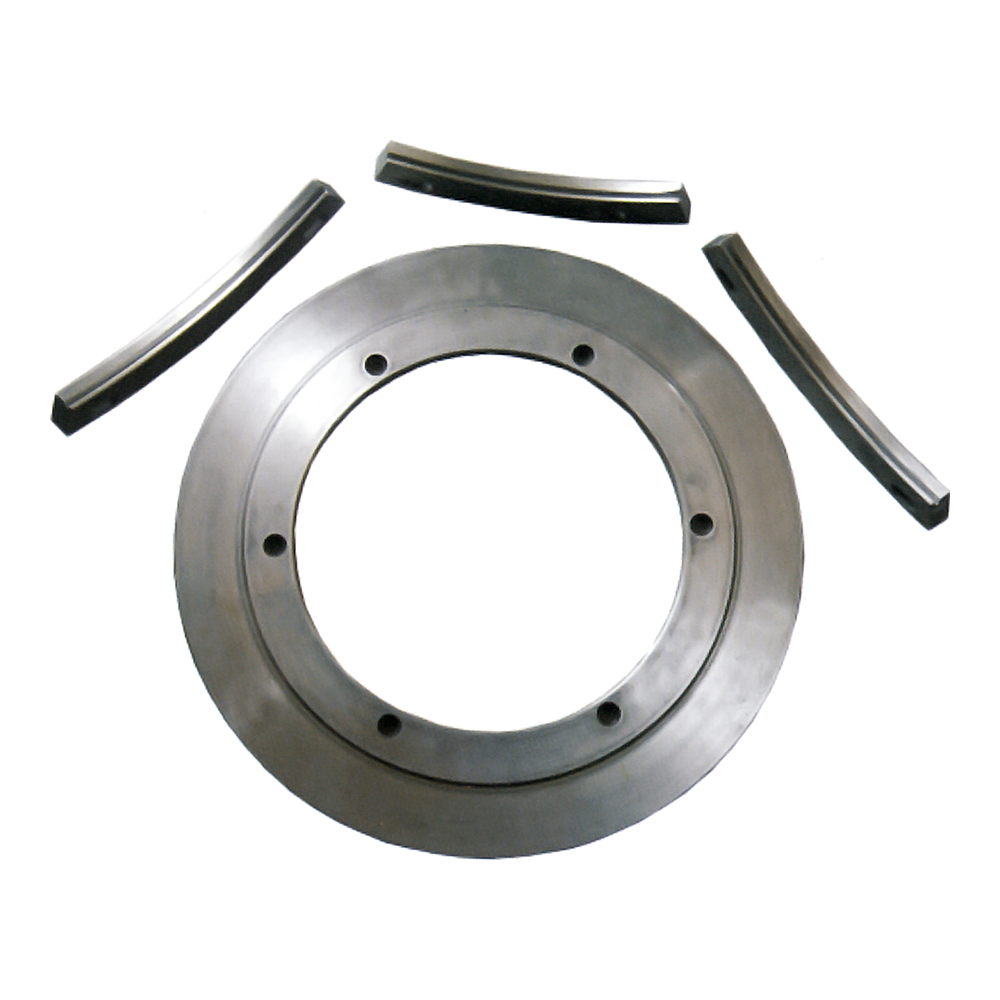
Tooling is where budget projects quietly unravel. Seaming rollers wear, and a worn groove profile changes seam tightness long before anyone notices a leak. Conversion press tooling — channel dies, drawing dies, scroll shearing dies, tab dies, scroll knives — is consumable in the commercial sense, so spares lead time belongs in the contract, not in a later email.
Certification is a starting point, not proof of fit. Golden Eagle holds ISO 9001 and ISO 14001 and exports to Europe, Asia, Africa, North and South America and Oceania, which tells you the equipment travels well but says nothing about how it will run on your tinplate. Verify the following on site or with references:
If you are still narrowing the shortlist, this guide on how to choose the right can making machine sets out the comparison criteria in more detail, and our can making machinery range shows how the stations above fit together as a single line.
A tin can making machine is a system decision disguised as an equipment purchase. Decide the can first, then the finishing configuration, then the welder and lining capacity that feed it, and only then compare prices. The quote that looks five percent cheaper often hides a changeover, a spares lead time or a station that cannot keep up with the one in front of it — and those costs arrive every shift, not once at the invoice.
Related Products

Founded in 1978, the company is one of the largest can-making machinery well-known companies at home and abroad.
Product Categories
Contact Information
Zhongshatou Shenjiamen Zhoushan Zhejiang China
+86-580-3056646

 English
 中文简体
 русский
 عربى
 Español