2026-07-02
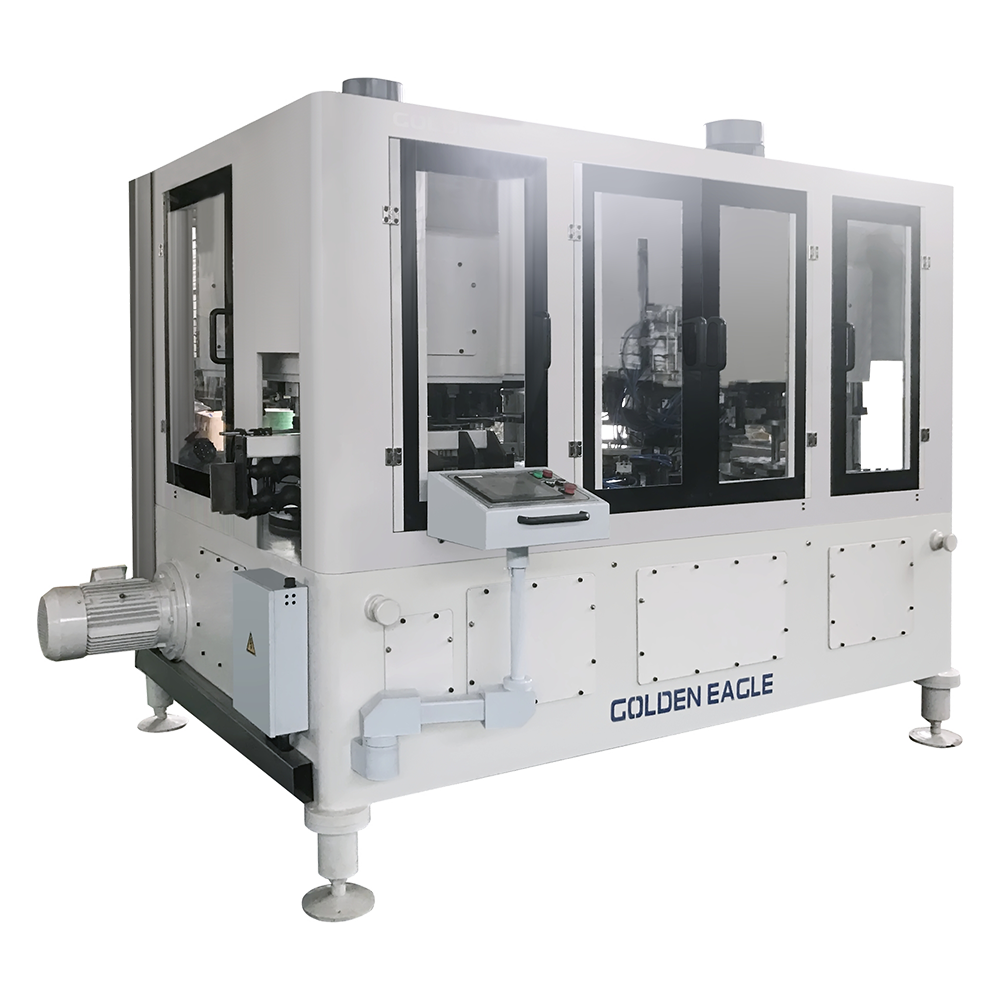
For beverage cans, a two-piece can making machine using draw and wall-ironing (DWI) is the industry standard because it produces a seamless body with no side joint, running at far higher speeds than any three-piece line can match.
Three-piece can making machines still make sense for larger-format food cans, thicker-wall containers, and lower-volume runs where the higher tooling cost of a two-piece DWI line isn't justified by output.
Pick up an aluminum beverage can and a large steel food can side by side and the manufacturing story behind each one is almost completely different, even though both started as flat metal stock. One was formed from a single disc pulled and stretched into shape with no seam anywhere on the body. The other was rolled into a cylinder, welded along one seam, and had separate top and bottom pieces attached. Which machine type actually makes sense for a given production line comes down to a handful of concrete factors — can format, wall thickness, run volume, and feedstock — rather than one type simply being the newer or better option.
A two-piece can starts as a flat metal disc that gets drawn into a shallow cup, then run through wall-ironing stations that stretch and thin the cup walls while forming the final body height, leaving only the top end open for filling and seaming. A three-piece can starts as a flat sheet rolled into a cylinder, welded along a single seam, with a separately formed bottom end attached before filling and a top end attached after.
That seam difference isn't cosmetic — it's the reason two-piece cans dominate the beverage market. A seamless body has one less failure point for leaks and no weld line that could weaken under the internal pressure of a carbonated drink, while a welded three-piece seam, though reliable for most food products, adds a manufacturing step and a potential inspection point that a two-piece line simply doesn't have.
Within two-piece can making, there are two distinct forming approaches, and mixing them up leads to the wrong equipment choice for the product. DWI machines draw the cup and then thin and elongate the walls through a series of ironing rings, producing the tall, thin-walled body typical of standard beverage cans. DRD machines draw and redraw the cup into a shorter, wider shape without significant wall thinning, which suits shallow cans like tuna or pet food tins rather than tall beverage bodies.
Food cans face different mechanical demands than beverage cans — they're often larger in diameter, need to withstand retort sterilization temperatures, and sometimes require thicker walls to survive rougher handling in food distribution. That combination is where three-piece lines still hold a clear advantage.
Works well for smaller, moderate-volume food cans where the seamless body's leak resistance matters and can diameter fits within standard DWI tooling ranges.
Better suited to large-diameter or oddly proportioned cans, thicker-gauge steel bodies for heavy or dense products, and lower-volume specialty runs where retooling a DWI line wouldn't be cost-effective.
| Attribute | Two-Piece DWI Line | Three-Piece Line |
| Typical output | 2,000–2,400 cans/min | 400–600 cans/min |
| Body seam | None | One welded seam |
| Changeover time (size change) | Longer, tooling-intensive | Shorter, more modular |
| Best fit volume | Very high volume, standardized SKU | Moderate volume, varied formats |
| Typical feedstock | Aluminum (most common), some steel | Steel (common), aluminum less common |
The speed gap is the clearest argument for DWI in beverage production: a single two-piece line running at full rate can output in one minute what a three-piece line needs four to five minutes to match, which compounds into a substantial capacity difference across a full production shift.
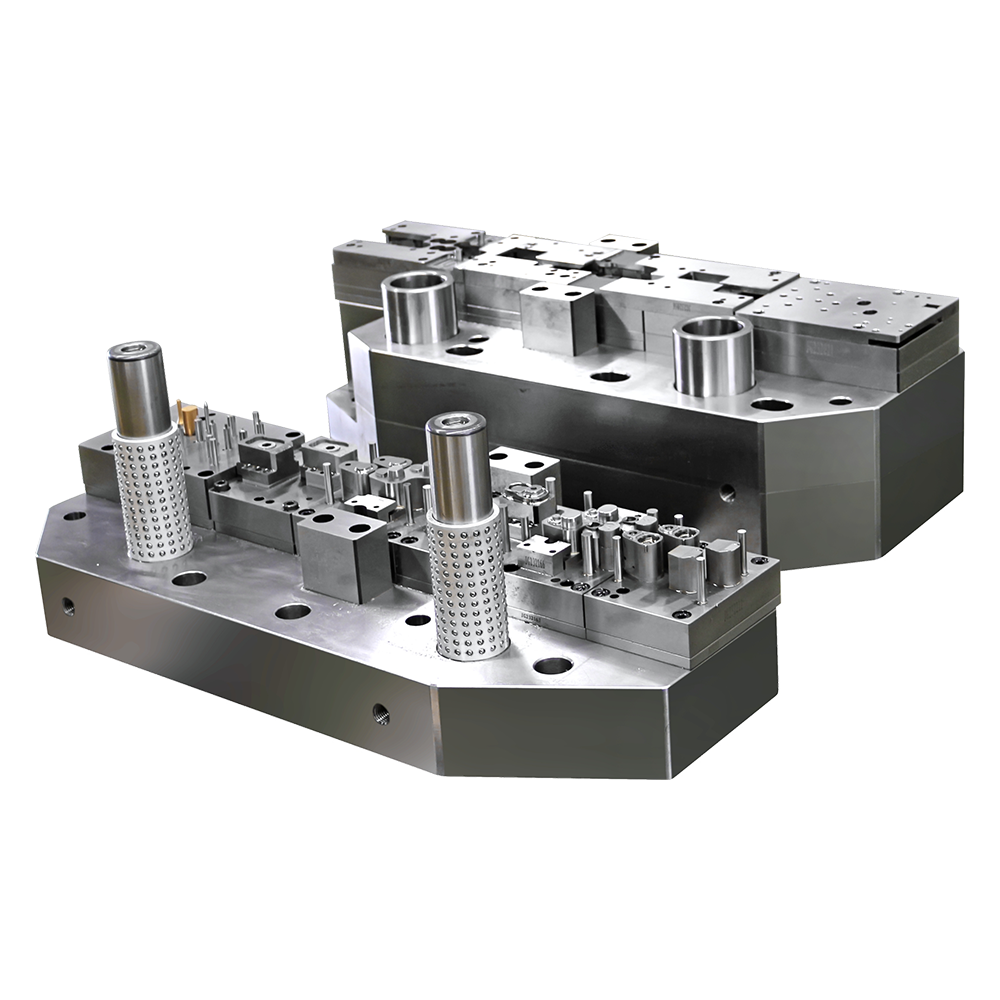
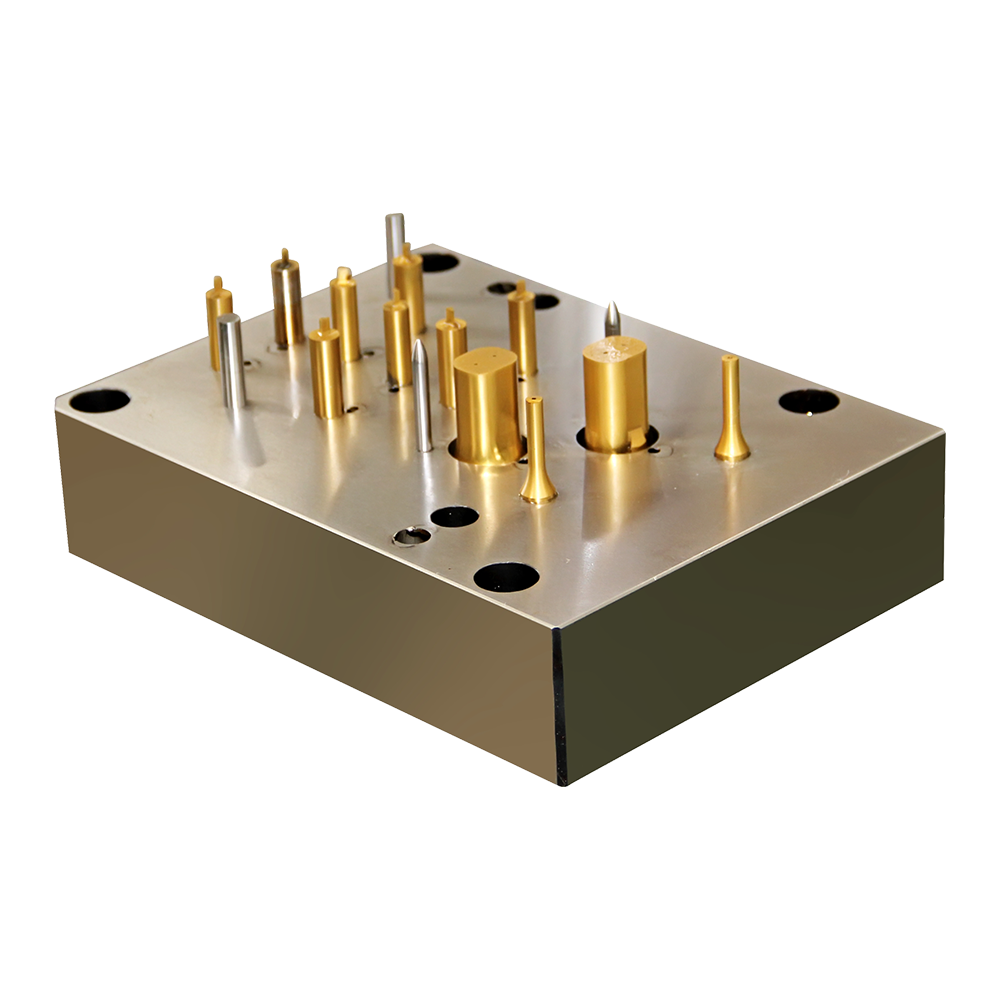
A DWI line's tooling — dies, punches, ironing rings — represents a significant upfront investment, and that cost only pays off at high running volumes where the per-can savings on material and labor offset the initial spend. For a producer running under roughly 50 million units annually on a single SKU, a three-piece line's lower tooling cost and faster size-changeover often make more financial sense, even though its per-minute output is lower.
Aluminum and steel behave differently under forming stress, which is part of why each process leans toward a particular material. Aluminum's high ductility tolerates the aggressive multi-stage ironing in a DWI line without cracking, while steel — stronger but less ductile — is more commonly run through three-piece welding processes or shallower DRD forming that doesn't demand the same wall elongation. Tin-coated or tin-free steel is still widely used for food cans specifically because of its corrosion resistance and compatibility with retort processing, which is a separate consideration from which forming method the line uses.
Related Products

Founded in 1978, the company is one of the largest can-making machinery well-known companies at home and abroad.
Product Categories
Contact Information
Zhongshatou Shenjiamen Zhoushan Zhejiang China
+86-580-3056646

 English
 中文简体
中文简体
 русский
 عربى
عربى
 Español