2026-09-15
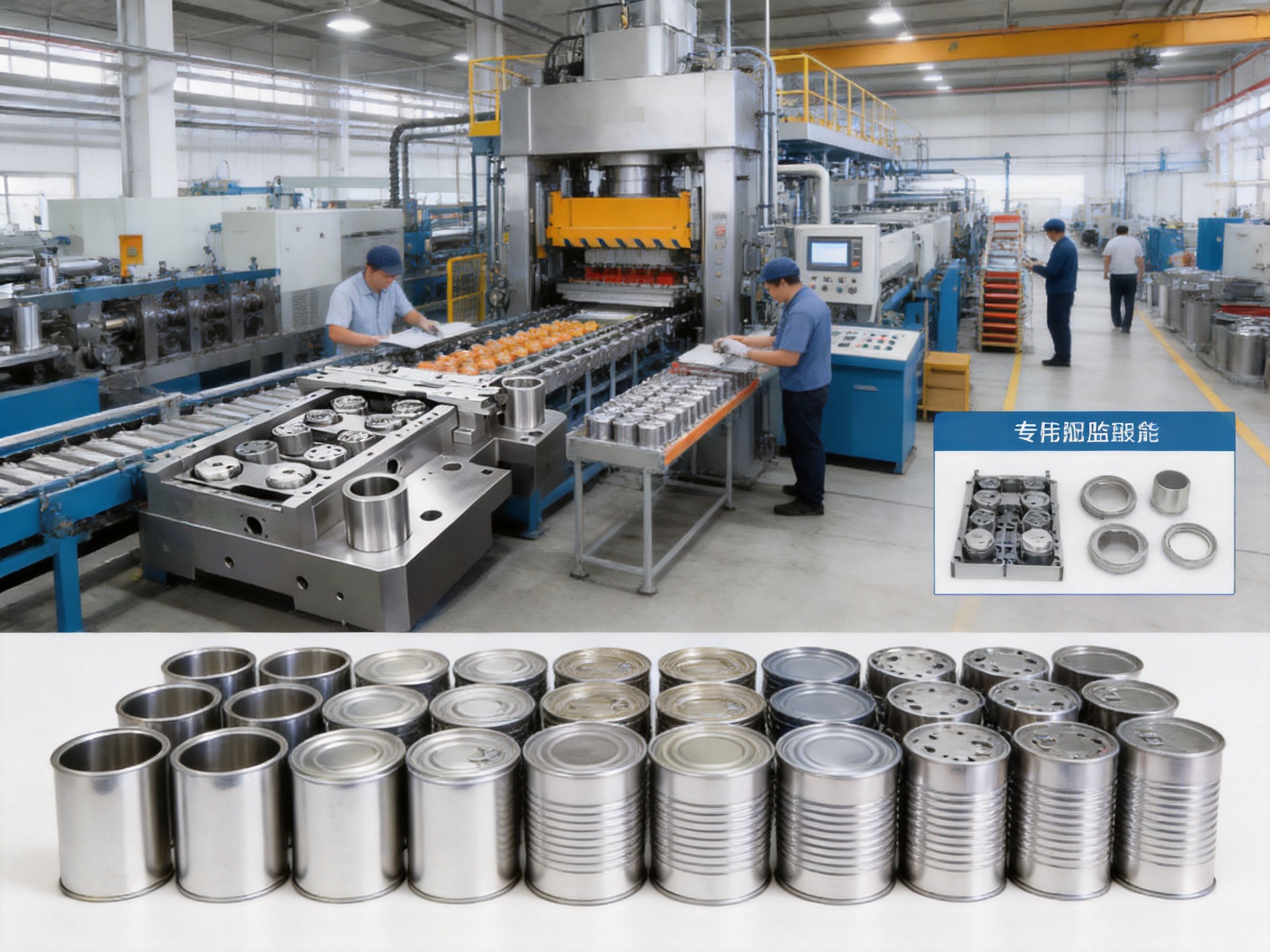
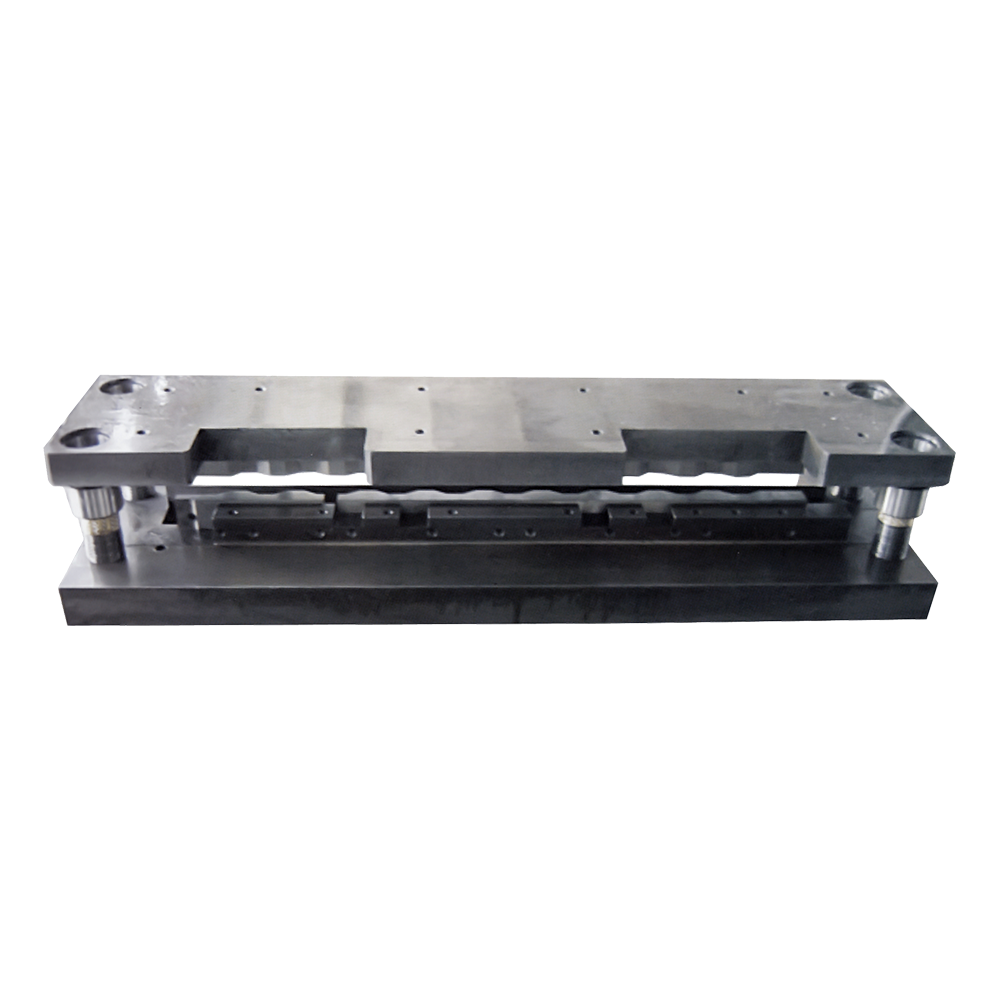
In modern metal packaging production, the quality of a can lid depends on much more than the press itself. The die set installed in the conversion press determines how accurately the metal is formed, how consistently the channel profile is reproduced, how efficiently material is processed, and how reliably the tooling performs during long production runs. A well-designed conversion press channel die is therefore a fundamental component in the manufacture of food can ends, beverage can lids, chemical container closures, aerosol components, and other tinplate products.
A conversion press channel die is engineered to form, draw, curl, shape, or otherwise process a metal shell into a precise lid or end component. It must work at high speed while maintaining dimensional stability, smooth material flow, low scrap rates, and dependable service life. The die also needs to match the press structure, material specification, lid design, production volume, and downstream operations. For these reasons, choosing the correct die supplier is as important as selecting the right press.
Zhejiang Golden Eagle Food Machinery Co., Ltd. has specialized in can-making machinery and can-making molds since 1978. The company manufactures tooling for a wide range of metal packaging applications and has developed extensive experience in the design, machining, assembly, testing, and service of conversion press components. Its Conversion Press Channel Die is designed for manufacturers seeking accurate forming performance, stable production, adaptable specifications, and long-term tooling value.
The product belongs to the Mold category and is intended for use in conversion press operations associated with can lid and metal end production. It can be developed according to the customer’s lid structure, material requirements, press parameters, production speed, and desired output. With high-precision manufacturing equipment, experienced engineers, and a large industrial production base, the supplier is positioned to support both individual tooling projects and complete can-making machinery programs.
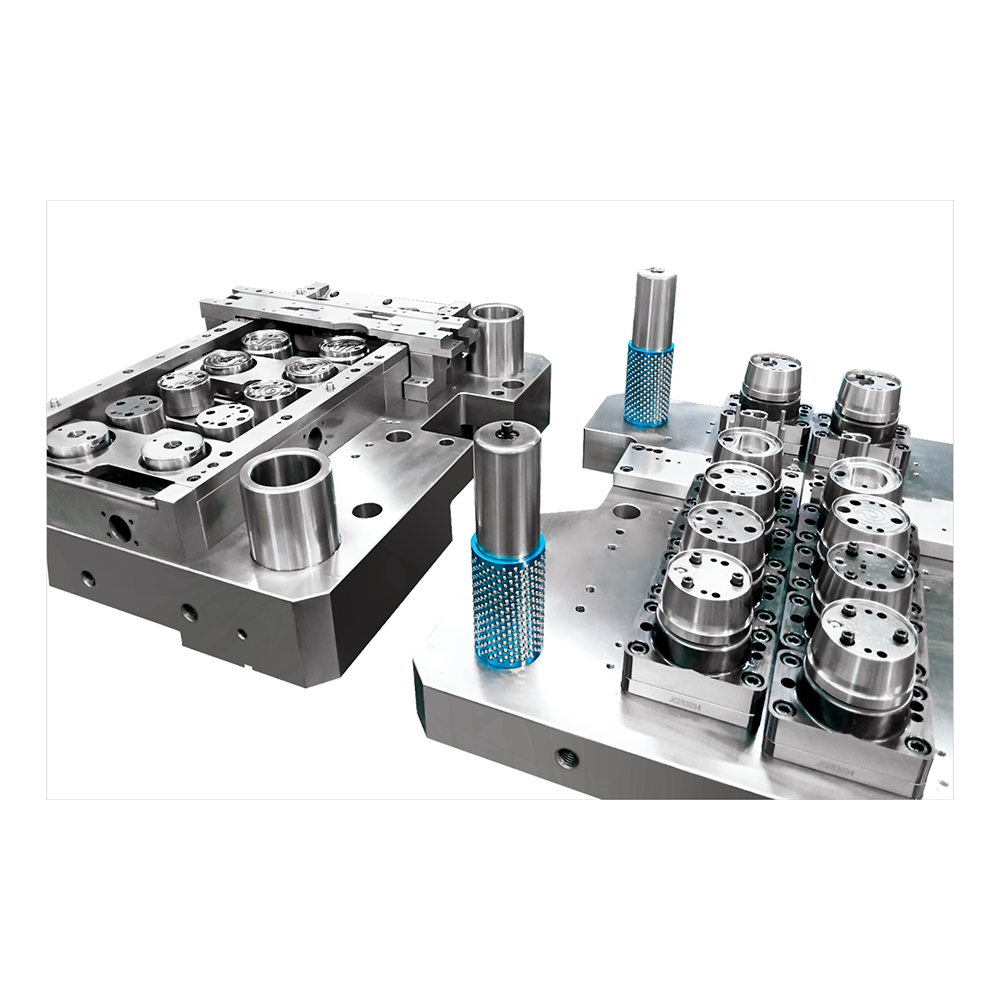
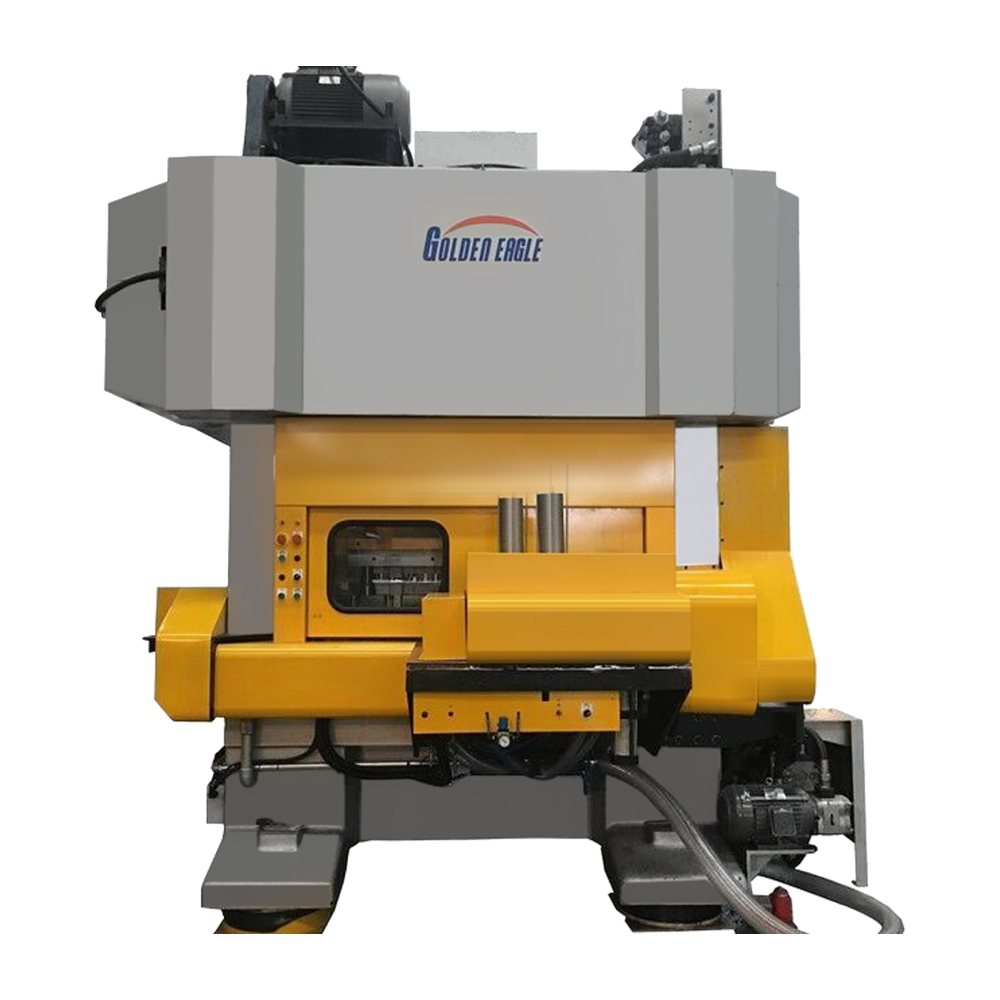
Conversion Press Channel Die
A conversion press channel die is a specialized forming tool used in a metal can end or lid production line. It is installed in a conversion press, where a previously prepared metal shell is transferred through a sequence of forming operations. Depending on the specific design, the tooling may shape the peripheral channel, refine the curl, control the profile of the end, form structural features, or prepare the component for additional operations such as scoring, tab forming, riveting, sealing compound application, or inspection.
The channel is one of the most important structural areas of a can end. It contributes to the relationship between the lid and the container body, affects sealing performance, influences stacking behavior, and helps determine the overall stiffness of the finished end. If the channel is not formed consistently, the final product may suffer from poor dimensional accuracy, unstable sealing, excessive variation, or difficulty during later assembly.
A high-quality die must guide the metal smoothly through the forming process. It should avoid sudden changes in deformation, reduce the risk of wrinkling and tearing, and maintain a stable relationship between the punch, die, stripper, guide components, and workpiece. Its working surfaces must also withstand repeated contact with coated or uncoated tinplate and other materials used in can manufacturing.
Unlike a simple cutting tool, a conversion press channel die is part of a controlled forming system. Its performance depends on geometry, clearance, surface finish, heat treatment, alignment, press compatibility, lubrication, and maintenance. Even a small dimensional error can become significant when multiplied across thousands or millions of production cycles. The tooling must therefore be designed with both mechanical precision and practical production experience.
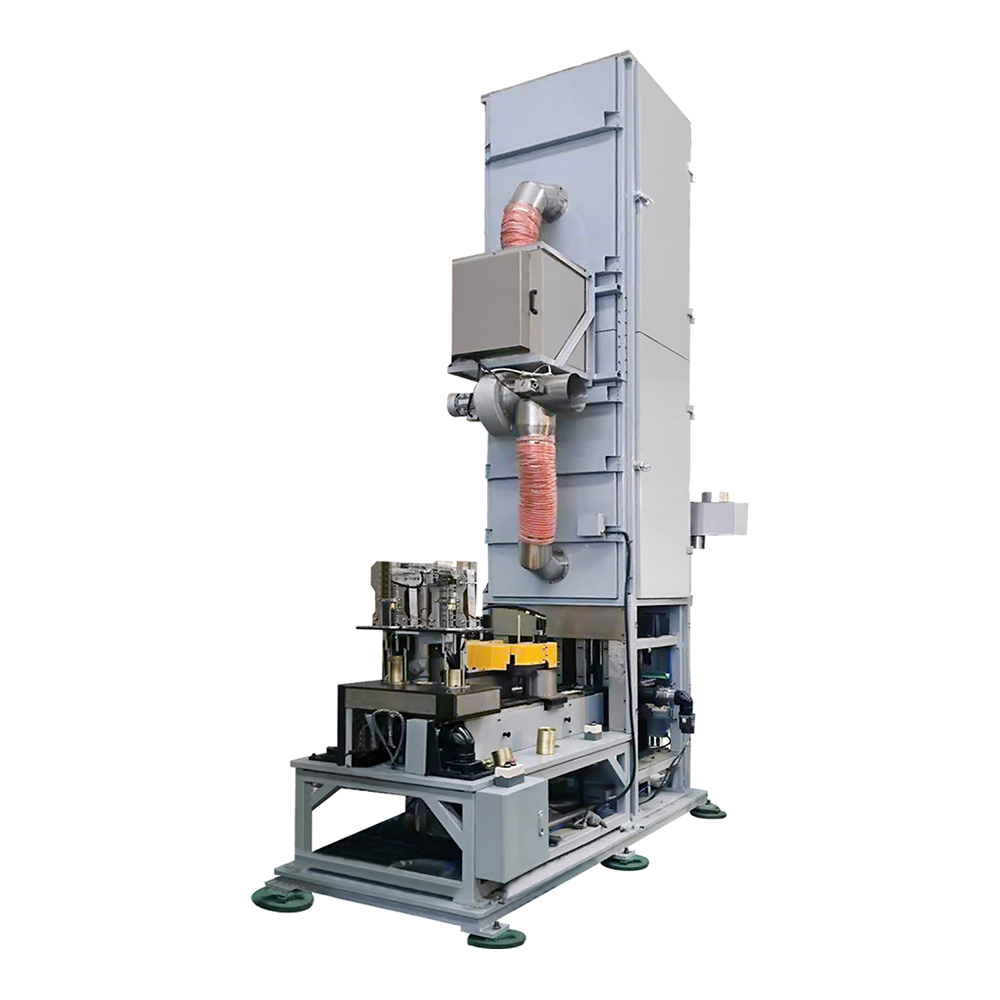
In a typical can end manufacturing process, metal sheet is first printed or coated when required and then cut into shells or blanks. These blanks are formed through various operations before reaching the conversion press. The conversion press uses a series of coordinated tools to create the final shape and functional features of the lid. The channel die supports the forming of the lid perimeter and helps establish a repeatable profile.
The die can be integrated into a production system for food can ends, beverage can ends, chemical containers, aerosol components, or other metal packaging products. The exact structure depends on the product. A shallow food can end may require a different channel design from a deep-drawn end, a pressure-resistant beverage end, or a specialized chemical container closure.
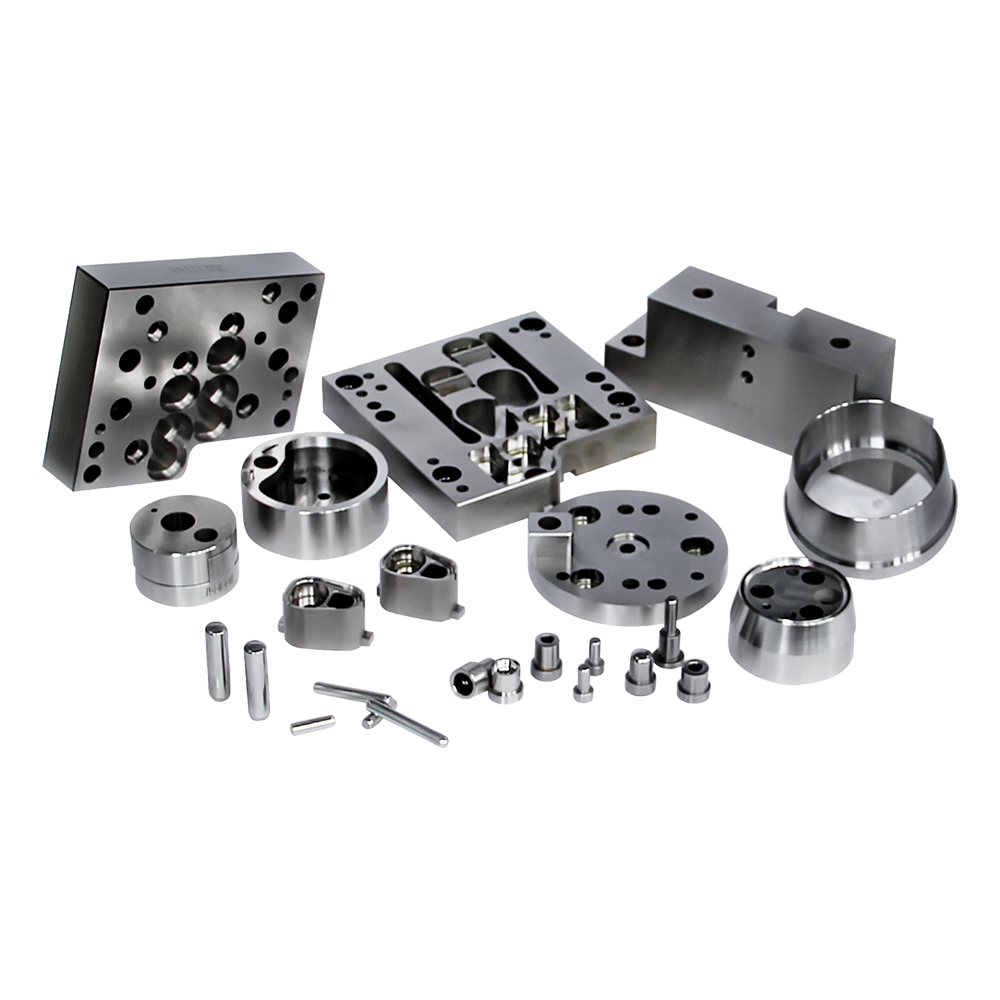
In addition to shaping the channel, the tooling must work in harmony with the other elements of the conversion press. These may include punches, knockouts, pressure pads, lifters, guide pillars, cutting elements, forming rings, scoring tools, and tab-related components. The entire set must be assembled with sufficient accuracy to prevent uneven loading and premature wear.
Because different can manufacturers use different press brands, shell dimensions, materials, and production targets, a channel die should not be treated as a universal item without verification. The correct solution is normally developed from technical information supplied by the customer. This may include drawings, sample parts, material thickness, alloy or temper, press model, stroke rate, tooling envelope, and the required channel dimensions.
Dimensional accuracy is one of the primary advantages of a professionally manufactured channel die. The channel profile must remain within the customer’s specified tolerances during repeated production. Accurate machining of the die components helps maintain consistent depth, width, radius, and concentricity.
Stable dimensions provide direct benefits to the can manufacturer. They reduce variation between finished lids, support consistent double-seaming or joining operations, and help prevent quality problems caused by irregular edge geometry. Accurate tooling also makes process adjustment easier because operators can work from a predictable baseline rather than compensating for inconsistent die behavior.
A channel die should produce a repeatable result from the first acceptable part of a production run to the last. Consistency depends on correct geometry, appropriate clearances, precise alignment, and controlled surface quality. The die is designed to guide the workpiece through the forming stage without unnecessary lateral movement or uneven pressure.
Consistent forming is particularly valuable in high-volume production. When every lid has a similar profile, downstream equipment can operate with fewer interruptions. Inspection results become more stable, process capability improves, and the production team can identify actual material or machine problems more quickly.
Metal flow is central to the performance of any forming die. If the workpiece is forced to deform too abruptly, it may develop wrinkles, splits, scratches, or excessive thinning. A carefully designed channel profile distributes deformation more effectively and allows the material to move in a controlled manner.
Improved metal flow may reduce the risk of production defects and help manufacturers make better use of their tinplate or other metal stock. Lower defect rates can reduce material waste, rework, line stoppages, and unnecessary inspection effort. The specific result depends on the material and product design, but proper tooling geometry is an essential starting point.
Conversion presses operate under repeated mechanical loads. The die components must resist wear, deformation, impact, and surface damage. Durable materials, appropriate heat treatment, careful machining, and suitable finishing processes all contribute to a longer working life.
A longer-lasting die does more than reduce replacement frequency. It helps preserve product quality over time and lowers the total cost of ownership. When the tooling maintains its geometry for a longer period, production teams spend less time on corrective adjustments and can plan maintenance activities more effectively.
Can-making plants often require continuous and high-output operation. The channel die is therefore designed for compatibility with the cycle speed and mechanical conditions of the applicable conversion press. Its moving and locating surfaces must be able to function reliably under repeated strokes while maintaining correct timing and alignment.
High-speed suitability does not mean that every die can run at the same speed in every press. The actual operating limit depends on the press, material, lubrication, product configuration, tooling condition, and process settings. Nevertheless, a die produced with industrial-grade design and manufacturing controls provides a more reliable foundation for high-speed production than a poorly fitted or inconsistently machined tool.
Can ends are manufactured in many shapes and sizes. The channel profile, end diameter, material thickness, and forming sequence may differ according to the package application. A major advantage of a professional tooling supplier is the ability to develop the die around the customer’s product rather than forcing the product to fit an unsuitable standard.
The Conversion Press Channel Die can be considered for customized applications in food packaging, beverage packaging, chemical tanks, aerosol containers, and related metal packaging products. The final configuration should be confirmed through engineering review, drawings, sample analysis, and press compatibility checks.
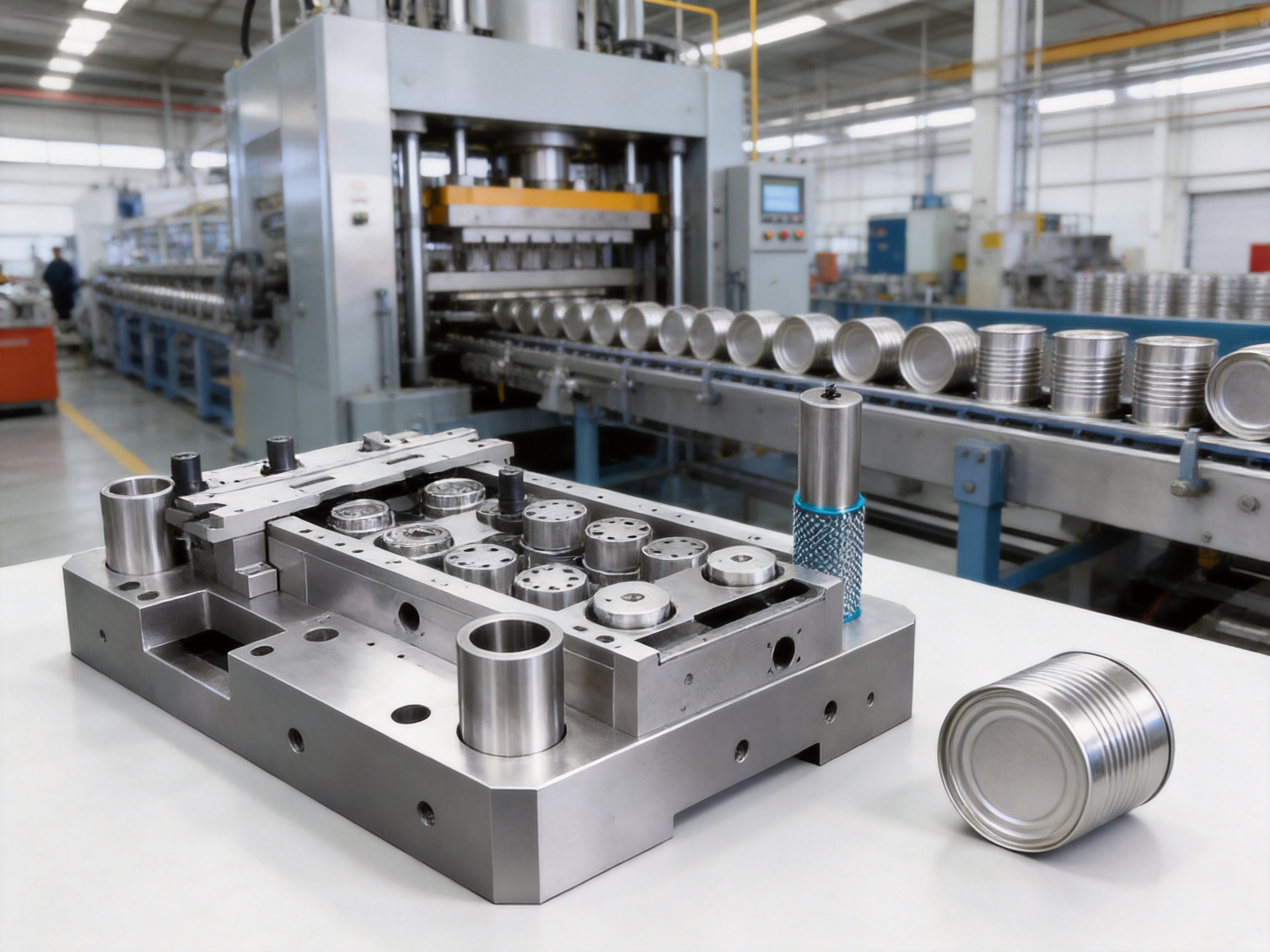
The manufacturing process begins with a technical review. Engineers examine the product drawing, material data, forming sequence, press specifications, production requirements, and connection points with neighboring tooling. This stage is essential because die performance is determined by the relationship between the tool and the complete production system.
Designers consider the required channel dimensions, forming radii, material behavior, pressure distribution, stripping method, alignment, and maintenance access. They also consider how the die will be installed, adjusted, inspected, removed, and serviced. A tool that performs well but is difficult to maintain may create unnecessary operating costs, so practical serviceability is part of good design.
Computer-aided design allows the engineering team to review component relationships before machining begins. It helps identify possible interference, check assembly clearances, and refine the sequence of operations. For customized projects, design review can also incorporate customer drawings, samples, or data from an existing production line.
High-precision CNC machining is used to produce the critical surfaces and components of the die. Computer-controlled machining provides repeatable movement and allows complex profiles to be manufactured with greater consistency than conventional manual methods alone. It is especially valuable for forming surfaces, guide locations, concentric features, and components requiring close dimensional control.
The company has advanced CNC high-precision machining equipment together with complete mechanical processing equipment. This combination supports the production of individual die parts and larger tooling assemblies. The ability to control multiple stages internally can improve coordination between design, machining, fitting, and final inspection.
Machining strategy is selected according to the geometry and material of each component. Rough machining removes excess material efficiently, while finishing operations create the final profile and surface condition. Critical surfaces may require careful tool selection, controlled cutting parameters, and additional finishing to achieve the intended result.
Die components are exposed to repeated loading and contact. Their material properties must therefore be appropriate for the intended application. Heat treatment may be used to increase hardness, wear resistance, strength, or dimensional stability. The process must be controlled carefully because excessive hardness or inappropriate treatment can create brittleness, distortion, or difficulty during finishing.
Material selection and heat treatment are matched to the function of each component. A wear surface may require different characteristics from a structural base, guide element, or replaceable insert. Through suitable engineering decisions, the tooling can balance service life, toughness, machinability, and maintenance requirements.
Surface finish influences friction, metal flow, wear, cleaning, and the appearance of the finished workpiece. The forming surfaces of a channel die must be smooth and free from machining marks that could scratch the coating or interfere with material movement. Finishing may include precision grinding, polishing, lapping, or other suitable processes.
Good surface preparation also makes inspection easier. Defects, burrs, and irregularities can be identified before the die is assembled. A carefully finished surface helps reduce the chance that small imperfections will be transferred to thousands of production parts.
Even precisely machined components must be fitted and assembled correctly. The die parts are checked for alignment, movement, seating, clearance, and interaction with associated tooling. Experienced technicians examine whether the assembly operates smoothly and whether the working components maintain their intended relationship throughout the stroke.
Fitting is especially important when a tool contains multiple components that must work together. The punch, die, stripper, guide system, and positioning elements must not create uneven loading or unwanted contact. Proper assembly contributes to stable production and simplifies future maintenance.
Inspection is conducted throughout manufacturing rather than only at the end. Raw materials, machined parts, heat-treated components, surface-finished areas, and assembled tooling can all be checked against technical requirements. Dimensional inspection helps verify the accuracy of critical features, while visual and functional checks identify surface or assembly problems.
Where applicable, trial operation or sample forming can be used to evaluate the die under practical conditions. Sample parts can be examined for channel dimensions, surface quality, concentricity, wrinkles, cracks, and other characteristics. Feedback from testing can support final adjustments before shipment.
This production approach helps bridge the gap between theoretical design and actual factory operation. A die may meet a drawing dimension yet still require refinement if the material, press, lubrication, or surrounding tooling produces unexpected behavior. Practical verification is therefore valuable for demanding applications.
Zhejiang Golden Eagle Food Machinery Co., Ltd. was established in 1978 and has more than 46 years of experience in can-making machinery and mold manufacturing. The company was formerly known as Zhejiang Food Machinery Factory and Zhoushan Mold Factory. Its long operating history provides a broad base of experience in the forming, cutting, welding, feeding, and assembly processes used in metal packaging production.
The company has a workforce of more than 350 trained personnel, including experienced design and development engineers. This allows it to combine engineering design with practical knowledge of can-making production. Tooling is not developed in isolation from the machine line; it is considered within the wider requirements of can manufacturers and canning factories.
Its product range covers food can production lines, beverage can production lines, can lid production lines, chemical tank production lines, aerosol canister production lines, two-piece can production lines, pop can production lines, and related molds. This broad product scope is an advantage when a customer needs a channel die that must coordinate with other machines or tooling in the same factory.
The company uses CNC high-precision machining equipment and complete mechanical processing facilities. These resources support the manufacture of complex die structures and allow tighter coordination between the different stages of production. The company has also produced more than 10,000 pieces of can and can-lid equipment, demonstrating substantial experience with industrial-scale customer requirements.
Quality management is supported by ISO 9001 certification, while environmental management is supported by ISO 14001 certification. These systems provide a framework for controlled procedures, documentation, continual improvement, and responsible production practices. Certification alone does not replace technical skill, but it supports a more systematic approach to manufacturing and service.
The company reports that its product design principles are similar to those associated with established European can-making machinery manufacturers. At the same time, its engineers combine design knowledge with practical experience gained through production and customer applications. This combination can help create tooling that is both technically refined and suitable for real factory conditions.
A general-purpose mold manufacturer may be able to machine a metal component, but can-making tooling requires a deeper understanding of thin-gauge material, forming sequences, press timing, lid geometry, coating protection, and downstream seam performance. A supplier dedicated to can-making machinery is more familiar with these connected requirements.
This experience can improve the design review process. Engineers can identify practical risks earlier, ask more relevant technical questions, and recommend solutions based on comparable applications. The customer benefits from more than a finished component; the customer gains access to knowledge developed through long-term involvement in the can-making industry.
The ability to manufacture both machines and molds can simplify technical coordination. A channel die must fit the press in which it operates, and a supplier that understands both sides of the interface may be better positioned to review mounting, stroke, alignment, and operating requirements.
This integrated capability is also useful for customers planning a new production line or upgrading an existing one. The supplier can potentially support equipment, tooling, replacement parts, installation, commissioning, and training within a coordinated service framework.
Food cans, beverage cans, chemical containers, and aerosol products impose different demands on their components. A specialized supplier can adapt tooling concepts to the functional requirements of each package. The die may be adjusted for product dimensions, metal type, forming depth, channel structure, and production speed.
Customization is especially important when a customer is replacing an obsolete die, matching an existing lid, or improving a production process without changing the entire press. In such cases, careful measurement and technical communication are required to ensure that the replacement tool works with the existing equipment.
Tooling performance continues beyond delivery. Operators may need guidance on installation, adjustment, lubrication, inspection, cleaning, and replacement of wear components. The supplier provides after-sales support that includes installation, commissioning, technical guidance, operation training, and parts supply.
Responsive parts support can reduce downtime when a wear component eventually requires replacement. Training also helps operators use the die correctly and recognize early warning signs such as abnormal marks, uneven forming, increased noise, or changing dimensional results.
Conversion press channel dies may be used with tinplate and other metal materials used in can production. The exact material must be identified during design because yield strength, elongation, thickness, coating, temper, and surface condition all influence forming behavior.
Tinplate is widely used for food cans, beverage packaging, chemical containers, and other metal packages. Its coating protects the steel substrate and supports corrosion resistance, but the coating must be protected during forming. Poor tooling surfaces, excessive pressure, or incorrect clearances may damage the coating and affect the appearance or performance of the finished part.
Material thickness is another important factor. A die designed for one gauge may not perform correctly with a significantly different thickness. The forming load, clearance, radius, and material flow all change as thickness changes. Customers should provide accurate material information so the tooling can be developed appropriately.
Where coated, printed, or lacquered material is used, the die should be evaluated for surface contact and potential marking. Smooth working surfaces and controlled forming conditions help protect the decorative or functional coating. Trial production is recommended when the material is new, unusually sensitive, or significantly different from the original specification.
The most important benefit of a well-made channel die is stable production. When the tooling forms the channel accurately, the production line can operate with fewer adjustments and less variation. This stability supports better use of press capacity and can help reduce interruptions caused by tooling-related defects.
Lower scrap is another potential benefit. Defective lids consume metal, coatings, energy, labor, and production time. By improving forming consistency and reducing the risk of wrinkles, cracks, scratches, and dimensional errors, the die can contribute to more efficient material utilization.
Reliable tooling also improves quality control. Inspectors can work with a more uniform product, and statistical process monitoring becomes more meaningful when tooling variation is minimized. If an abnormal result appears, the cause can be investigated more quickly because the die provides a stable reference condition.
Maintenance planning may also improve. Durable die components and replaceable wear elements allow maintenance teams to schedule inspections and replacements before a serious breakdown occurs. A supplier that provides technical documentation and parts support can further reduce uncertainty during the tool’s service life.
Finally, a properly selected channel die can help protect the investment in the conversion press. Poorly fitted tooling may cause abnormal loads, vibration, uneven wear, or repeated stoppages. Correctly designed tooling distributes forming forces more effectively and allows the press to operate closer to its intended conditions.
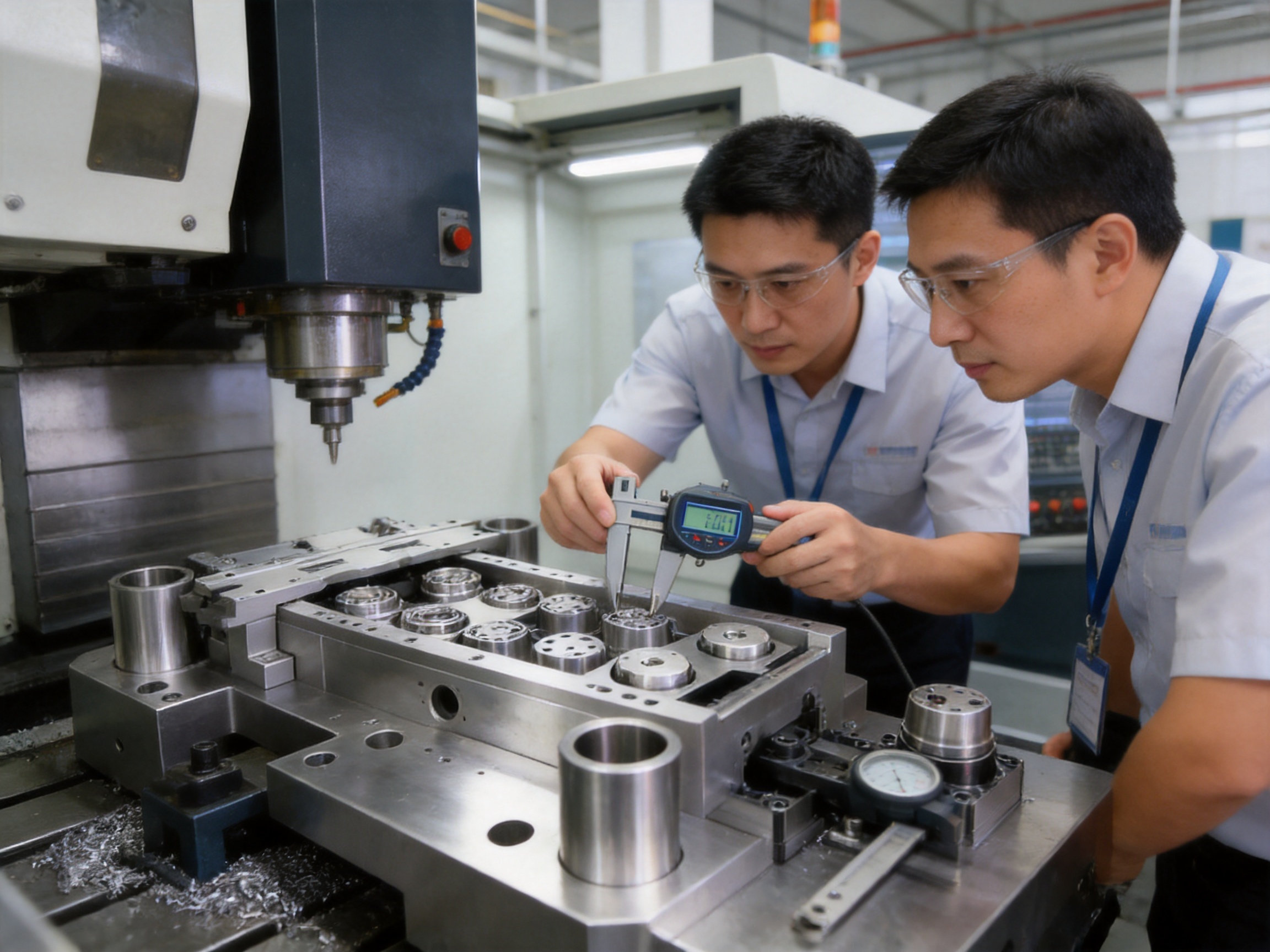
The customer should provide a detailed drawing of the lid or end, including outside diameter, channel dimensions, radii, material thickness, tolerances, and any related features. If a drawing is unavailable, a physical sample may be used as a starting point, although a complete technical review is still recommended.
The press model, stroke, nominal capacity, speed, mounting arrangement, and available tooling space should be confirmed. The die must fit the press mechanically and operate within its motion and load limits. Information about existing punches, holders, guide systems, and adjacent stations is also useful.
Material grade, temper, thickness, coating, surface treatment, and lubrication conditions should be identified. These factors affect metal flow and forming load. If several materials will be used, the customer should explain the full range so the design can account for the most demanding condition.
Expected output, operating speed, shift pattern, annual production volume, and acceptable maintenance intervals help determine the appropriate tooling approach. A die for occasional production may not need the same configuration as a die for continuous, high-volume operation.
Customers should ask about inspection points, replacement parts, recommended cleaning, lubrication, wear limits, and adjustment procedures. A tool designed for practical maintenance can reduce the time required for service and help operators preserve its performance.
Before installation, the die and press interface should be cleaned and checked. Mounting surfaces must be free from burrs, foreign material, and damage. The tooling should be installed according to the supplier’s instructions, with all fasteners tightened correctly and alignment verified.
Initial operation should normally begin at a controlled speed. Operators can inspect the first formed parts for dimensional accuracy, surface marks, wrinkles, cracks, and channel uniformity. If adjustment is required, changes should be made systematically rather than through multiple uncontrolled alterations at once.
Lubrication should be applied according to the material and process requirements. Excessive lubrication can contaminate the product or affect subsequent operations, while insufficient lubrication may increase friction and wear. The correct practice depends on the tooling design, material, press conditions, and factory standards.
After commissioning, the production team should record the initial settings and inspection results. This information becomes a useful reference for future maintenance, die replacement, and process troubleshooting. It can also help distinguish normal wear from sudden damage.
Regular cleaning prevents metal particles, coating residue, lubricant deposits, and other contaminants from accumulating on the working surfaces. Build-up can alter clearances, interfere with stripping, and create marks on the finished lid. Cleaning should be performed with methods that do not scratch or damage precision surfaces.
Inspection should focus on forming edges, radii, guide components, contact surfaces, fasteners, and replaceable wear parts. Operators should look for burrs, galling, unusual polishing, cracks, chipped areas, and changes in the formed channel. A gradual increase in dimensional variation may indicate wear even when the die appears visually acceptable.
Maintenance intervals should be based on production volume, material characteristics, operating speed, lubrication, and previous service history. High-volume lines may require more frequent inspections than intermittent operations. Recording inspection results helps establish realistic replacement intervals instead of relying only on fixed calendar dates.
When a component reaches its wear limit, replacement or reconditioning should be carried out promptly. Continuing to operate with damaged tooling can increase scrap and may cause secondary damage to the press or neighboring components. Using correctly manufactured replacement parts helps restore the intended geometry and alignment.
| Information Category | Recommended Details | Why It Matters |
|---|---|---|
| Product specification | Lid diameter, channel profile, forming depth, tolerances, and related features | Defines the required die geometry and dimensional targets |
| Material | Material type, thickness, temper, coating, and surface condition | Influences metal flow, forming load, friction, and surface protection |
| Press information | Press model, stroke, speed, capacity, mounting dimensions, and available space | Confirms mechanical compatibility and operating conditions |
| Production target | Output per minute, shifts per day, annual volume, and product mix | Supports decisions about durability, spares, and maintenance planning |
| Existing tooling | Punches, holders, guide systems, neighboring stations, and sample parts | Helps coordinate the channel die with the complete conversion system |
| Quality requirements | Critical dimensions, appearance standards, allowable variation, and inspection method | Provides measurable acceptance criteria for testing and production |
| Service expectations | Installation, commissioning, training, spare parts, and technical support | Ensures that after-sales support matches the factory’s needs |
Food can production requires reliable end geometry, corrosion protection, and compatibility with sealing operations. A channel die can support the production of ends for various food products, provided that the tool is designed for the specific end dimensions, material, and press arrangement.
Beverage packaging often involves high production rates and strict dimensional requirements. The channel and surrounding profile must be consistent to support reliable joining and pressure management. High-speed production places additional demands on wear resistance, alignment, and process stability.
Chemical containers may use heavier material or specialized closure configurations. The tooling must be selected according to the mechanical and corrosion-related requirements of the package. A robust die structure and carefully controlled forming surfaces can support the production of durable closures.
Aerosol packaging involves pressure-related safety considerations and precise component relationships. Tooling for aerosol cones, domes, ends, or related parts must be designed according to the product’s forming sequence and performance requirements. The channel die may form part of a broader tooling program for aerosol can manufacture.
Many customers require nonstandard dimensions, legacy tooling replacement, or special profiles. In these cases, engineering review and sample verification are particularly important. A specialized manufacturer can study the existing component and develop a replacement or improved die that matches the customer’s production conditions.
Competitive value is not determined only by the purchase price of the die. The more meaningful evaluation includes dimensional consistency, expected working life, maintenance requirements, spare-part availability, production stability, and technical support. A lower-priced tool that produces excessive scrap or requires frequent replacement may cost more over its operating life.
The Conversion Press Channel Die is positioned as a precision component supported by the supplier’s broader experience in can-making machinery and molds. The company’s manufacturing resources, engineering team, quality systems, and product range provide a foundation for delivering tooling suited to industrial production rather than one-time or limited-use applications.
Internal control over design and machining can improve communication. Technical questions can be discussed with engineers who understand the manufacturing process, while production teams can coordinate machining and assembly requirements more directly. This can be particularly valuable for custom tools, replacement tooling, and projects involving several related machines.
International experience also supports the company’s ability to work with customers from different markets. Its equipment and products have been exported to Europe, Asia, Africa, North America, South America, and Oceania. Customers may therefore expect experience with different production practices, technical documentation requirements, and factory conditions.
A can-making die is most valuable when it can be integrated successfully into the customer’s process. The supplier provides support that may include installation, commissioning, technical guidance, operation training, and parts supply. These services help customers move from delivery to stable production more efficiently.
Installation assistance can help verify the mechanical interface and initial alignment. Commissioning support can help evaluate sample parts and operating settings. Technical guidance can help operators understand maintenance requirements, while training can reduce mistakes during daily operation.
Parts availability is also important. Precision tooling contains components that may eventually wear because of repeated production. Supplying replacement parts at an appropriate speed helps limit downtime and supports the continued use of the original die assembly.
Customers can improve service efficiency by providing accurate information when requesting assistance. Useful details include the press model, die identification, production speed, material specification, defect photographs, dimensional inspection results, and recent maintenance history. Clear information enables more accurate troubleshooting.
The main purpose is to form and control the channel or related peripheral profile of a metal can lid or end during conversion press production. It helps establish repeatable geometry for later sealing, joining, stacking, or assembly operations.
Yes. The die can be developed according to the required lid dimensions, channel profile, material, press arrangement, and production conditions. Customers should provide drawings or samples together with press information for engineering evaluation.
The die is primarily intended for metal packaging materials such as tinplate and related sheet materials. Compatibility depends on thickness, temper, coating, forming requirements, and press conditions. The material specification should be confirmed before design and manufacture.
It may be suitable for an existing press when the mounting dimensions, stroke, tooling envelope, alignment, and forming sequence are compatible. The press model and current tooling information should be reviewed before an order is finalized.
Accurate geometry, controlled clearances, smooth forming surfaces, and proper alignment help guide the metal consistently. These characteristics may reduce wrinkles, cracks, scratches, dimensional variation, and other tooling-related defects.
Service life can be extended through correct installation, suitable lubrication, regular cleaning, scheduled inspection, controlled operating conditions, and timely replacement of worn components. Operators should avoid continuing production with damaged or severely worn tooling.
Useful information includes the product drawing, sample part, material type and thickness, press model, production speed, tooling dimensions, target output, quality requirements, and expected delivery or service conditions.
The company provides after-sales services including installation, commissioning, technical guidance, operation training, and parts supply. The exact service scope should be confirmed for each project.
It can be developed for food and beverage can end applications when the tooling design, material, surface condition, and production line are specified for those products. The final suitability depends on the customer’s product drawing and process requirements.
The company has ISO 9001 quality management system certification and ISO 14001 environmental management system certification. It also uses CNC high-precision machining equipment and complete mechanical processing facilities.
The company supplies complete series of can-making equipment for food cans, beverage cans, can lids, chemical tanks, aerosol canisters, two-piece cans, and other products. A channel die can be discussed as part of an integrated machinery or tooling program.
The Conversion Press Channel Die is a critical tooling component for accurate, stable, and efficient can lid manufacturing. Its performance influences channel geometry, metal flow, product consistency, sealing compatibility, production speed, and long-term maintenance requirements. A carefully designed and precisely manufactured die can help can manufacturers reduce variation, limit scrap, improve line reliability, and protect their investment in conversion press equipment.
Zhejiang Golden Eagle Food Machinery Co., Ltd. brings more than four decades of experience in can-making machinery and molds to this product. Its trained workforce, professional engineering team, CNC precision machining capability, complete mechanical processing facilities, quality management systems, and broad product range support the development of tooling for demanding industrial applications.
Compared with less specialized alternatives, the product benefits from a stronger understanding of can-making processes and the relationship between machines, molds, materials, and production quality. The company can support customized tooling requirements, replacement projects, complete line integration, installation, commissioning, training, and spare-parts supply.
For manufacturers evaluating a new or replacement channel die, the best results begin with complete technical communication. Providing accurate drawings, material data, press information, production targets, and quality requirements allows the die to be designed for the actual application. With suitable engineering, precision manufacturing, verification, and maintenance, a conversion press channel die can become a dependable foundation for long-term metal packaging production.
1. General principles of sheet-metal forming and die design, industrial manufacturing engineering references.
2. General practices for tinplate can and can-end production, metal packaging technology references.
3. Quality management principles based on ISO 9001 requirements.
4. Environmental management principles based on ISO 14001 requirements.
5. Press tooling inspection, maintenance, and production control practices for metal packaging machinery.
6. Product and company information supplied for Zhejiang Golden Eagle Food Machinery Co., Ltd. and the Conversion Press Channel Die.
Related Products

Founded in 1978, the company is one of the largest can-making machinery well-known companies at home and abroad.
Product Categories
Contact Information
Zhongshatou Shenjiamen Zhoushan Zhejiang China
+86-580-3056646

 English
 中文简体
中文简体
 русский
 عربى
عربى
 Español