2026-09-17
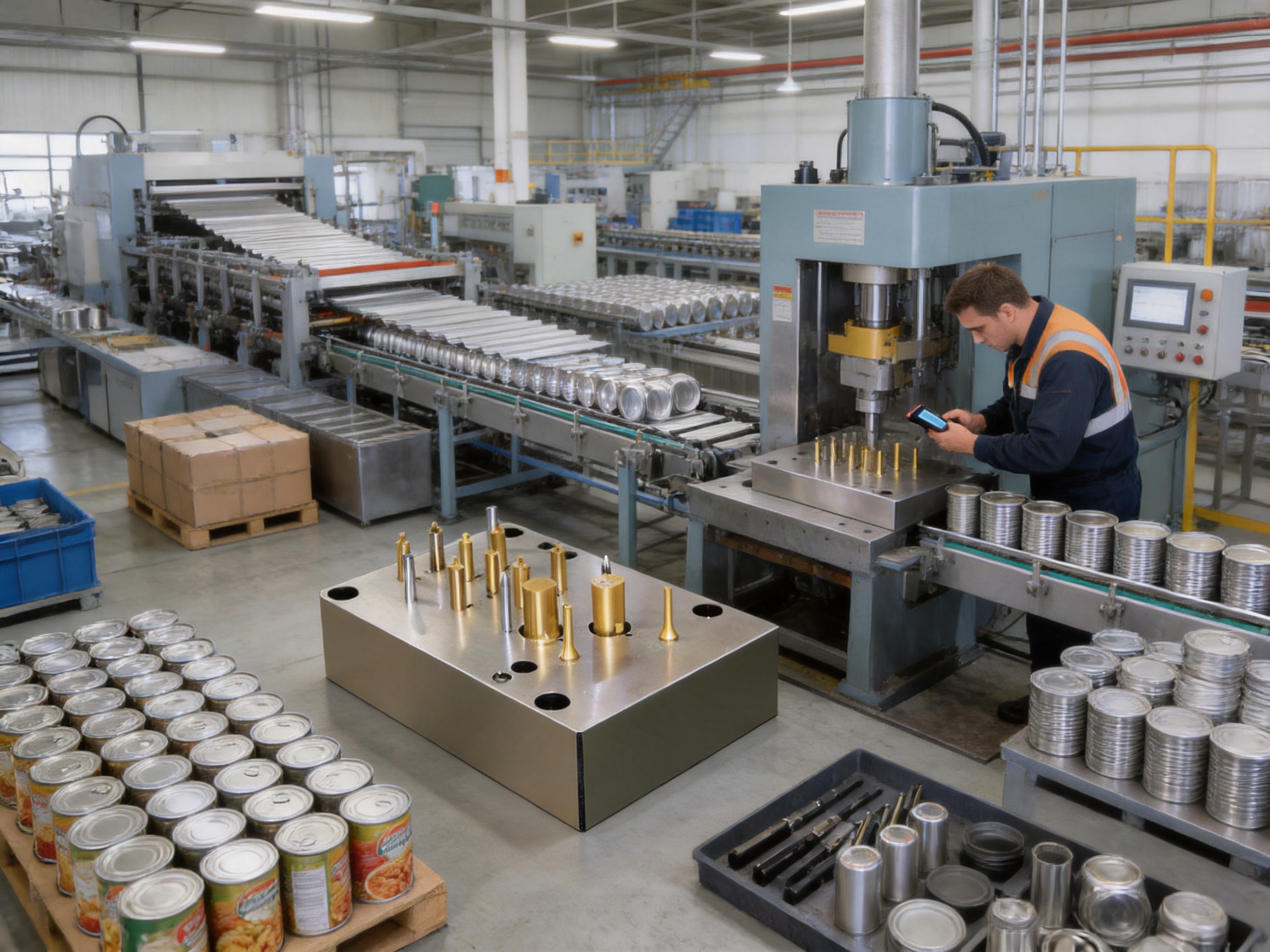
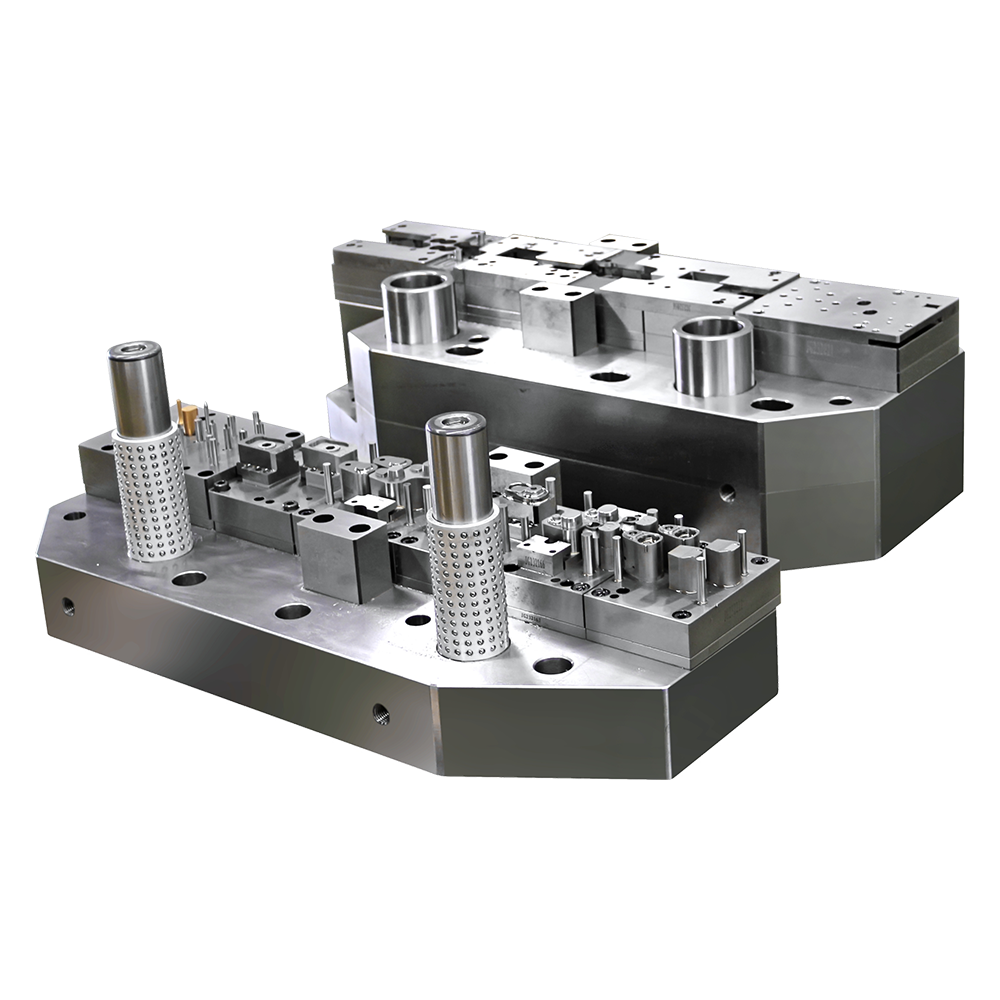
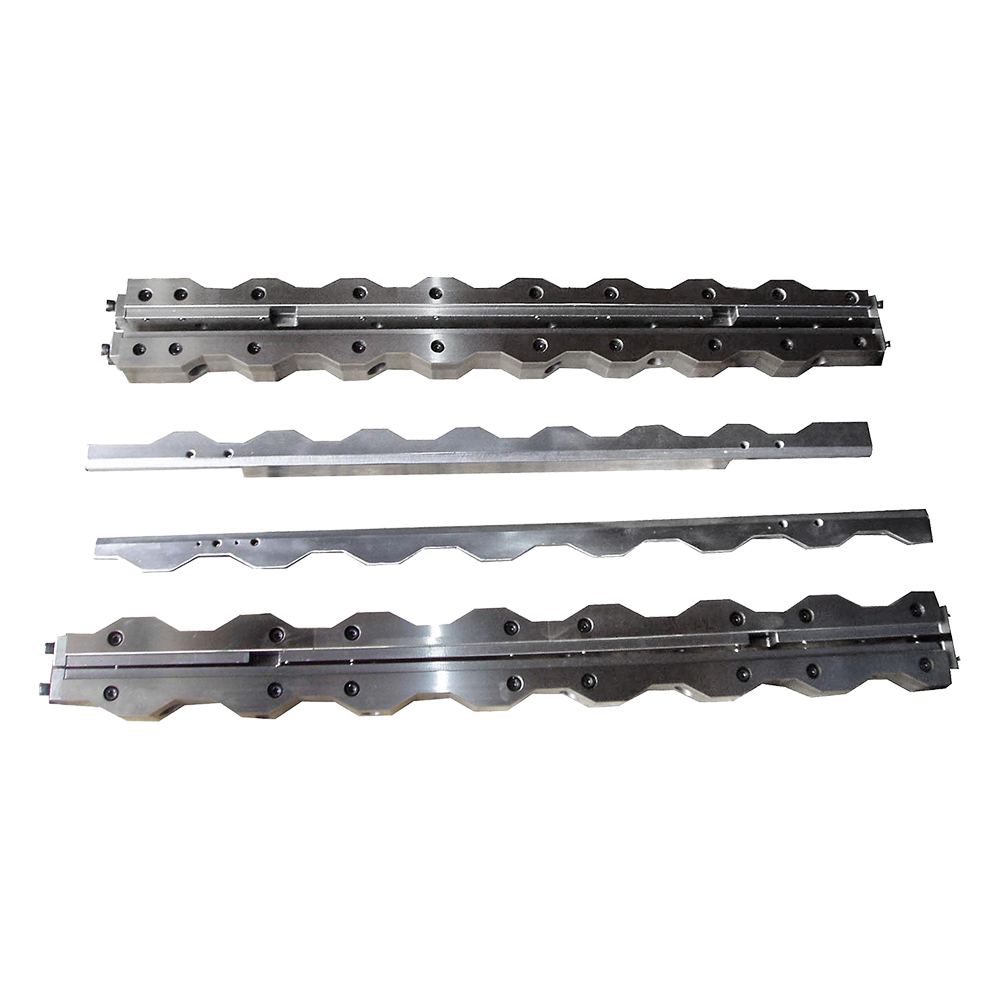
Conversion press channel dies are among the most important tooling components in modern metal can and can-lid manufacturing. Although a die may appear to be a relatively small part of a production line, its design and manufacturing quality directly influence forming accuracy, production speed, material utilization, tool life, product consistency, and overall operating cost. A properly engineered channel die allows a conversion press to transform stamped metal components into accurately formed can ends and related parts with reliable repeatability.
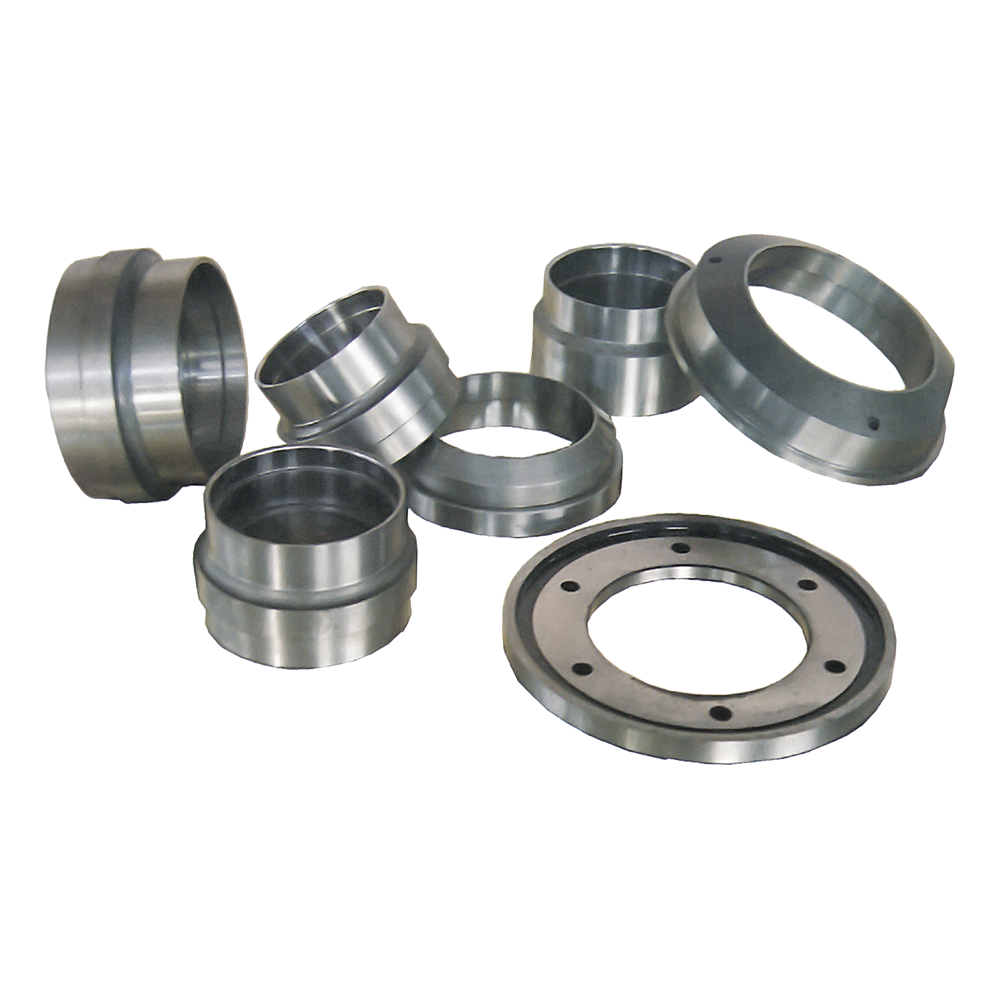
The Conversion Press Channel Die (Bulk) is designed for manufacturers that require dependable tooling for large-volume can-making operations. It is intended for use in demanding production environments where every forming cycle must be stable, precise, and compatible with a high-output manufacturing system. The die can support the forming and conversion stages required in can-end production while helping manufacturers maintain consistent dimensions and surface quality over extended operating periods.
For companies producing food cans, beverage cans, aerosol containers, chemical containers, and other tinplate packaging products, the quality of the tooling is closely connected to the quality of the finished package. A channel die that is accurately designed, carefully machined, and correctly maintained can reduce dimensional variation, limit scrap, improve line efficiency, and simplify downstream assembly. These benefits make advanced die manufacturing an essential part of a complete tinplate can production strategy.
A conversion press is used to carry out one or more forming operations on a previously stamped can end or metal component. Depending on the production line and product design, the conversion process may include operations such as curling, beading, panel formation, countersinking, scoring, forming, embossing, and other shaping steps. The channel die guides and supports the workpiece while the press applies the required force.
The channel die must maintain the position of the workpiece throughout the forming cycle. It also has to control the movement of the material as it passes through the tooling. If the channel geometry is inaccurate, the metal may shift, wrinkle, crack, or fail to form correctly. Even small deviations in the working surfaces may result in poor sealing performance, uneven dimensions, or visible defects on the finished can end.
In high-speed production, the die performs the same operation repeatedly, often for many hours each day. This means that the tooling must not only be accurate when new, but must also retain its working performance under repeated loading, friction, vibration, and contact with metal stock. Its material selection, heat treatment, surface condition, geometry, and assembly accuracy all contribute to its service performance.
The term “bulk” generally indicates a configuration or supply format intended for production requirements involving multiple tooling components, replacement demand, or larger-scale manufacturing. The exact configuration may be adapted to the customer’s product specification, press model, production capacity, and can-end design. For this reason, professional consultation before manufacture is important. The die should be matched to the complete forming process rather than selected as an isolated component.
Can production is a precision manufacturing process. Tinplate and other coated steel materials are thin, strong, and sensitive to forming conditions. The metal must be shaped without damaging the protective coating, creating excessive thinning, or introducing defects that could affect the final package. Since can ends often perform a critical sealing function, dimensional accuracy is particularly important.
A high-quality channel die can help a manufacturer achieve the following production objectives:
Stable forming: Accurate working surfaces guide the metal consistently during each press cycle.
Improved dimensional control: Correct die geometry supports uniform diameters, heights, channels, beads, and other critical features.
Lower scrap rates: Consistent forming reduces rejected parts caused by wrinkles, cracks, incomplete shapes, and off-center profiles.
Longer tool life: Appropriate materials and manufacturing processes help the die withstand repeated production loads.
Reliable line performance: Stable tooling reduces interruptions caused by adjustment, premature wear, or repeated quality problems.
Better downstream compatibility: Consistent components are easier to feed, assemble, seal, test, and pack.
Reduced maintenance pressure: Well-made tooling can make inspection and replacement planning more predictable.
These benefits are especially important in food and beverage packaging, where production volumes are high and quality requirements are strict. They are also valuable in aerosol and chemical container production, where the finished package may need to withstand internal pressure, handling stress, or demanding storage conditions.
The channel profile is the foundation of the die’s forming performance. It must correspond to the shape and dimensions of the workpiece as well as the movement required during conversion. The transition between different forming areas should be smooth and controlled. Sharp or poorly matched transitions can concentrate stress in the metal and increase the possibility of cracking or wrinkling.
Accurate geometry also helps ensure that the forming force is distributed correctly. When the working profile is properly balanced, the press can complete the operation with a more controlled load. This may help reduce unnecessary stress on the press, tooling, and material.
A channel die must hold the part in the correct position while allowing the required forming movement. Effective guidance helps prevent eccentric forming, uneven curling, and inconsistent edge profiles. It also supports smooth transfer between stations when the die is part of a larger conversion press system.
For automated production lines, stable guidance is particularly important because the feeding mechanism and press cycle operate at a fixed rhythm. If the workpiece is not consistently located, small variations can accumulate and create a high rejection rate.
The working surfaces of the die are exposed to repeated contact and sliding action. Wear can gradually alter the geometry of the channel and reduce forming accuracy. A suitable tool material, combined with appropriate heat treatment and surface finishing, can help maintain the profile for a longer operating period.
Wear resistance should not be considered separately from toughness. A die that is extremely hard but insufficiently tough may be vulnerable to chipping or cracking. Effective tooling design balances hardness, strength, toughness, machinability, and service conditions.
A smooth and consistent surface finish helps reduce friction and minimizes the risk of scratching or marking the coated metal. It can also support easier cleaning and inspection. Surface quality is especially important where the material slides against the channel or where the die forms a visible edge on the finished component.
The die should be designed around the customer’s press type, product dimensions, material specifications, operating speed, and expected production volume. A tooling solution that works well in one production environment may require modification for another. Professional die engineering therefore considers the entire production system, not only the shape of the individual component.
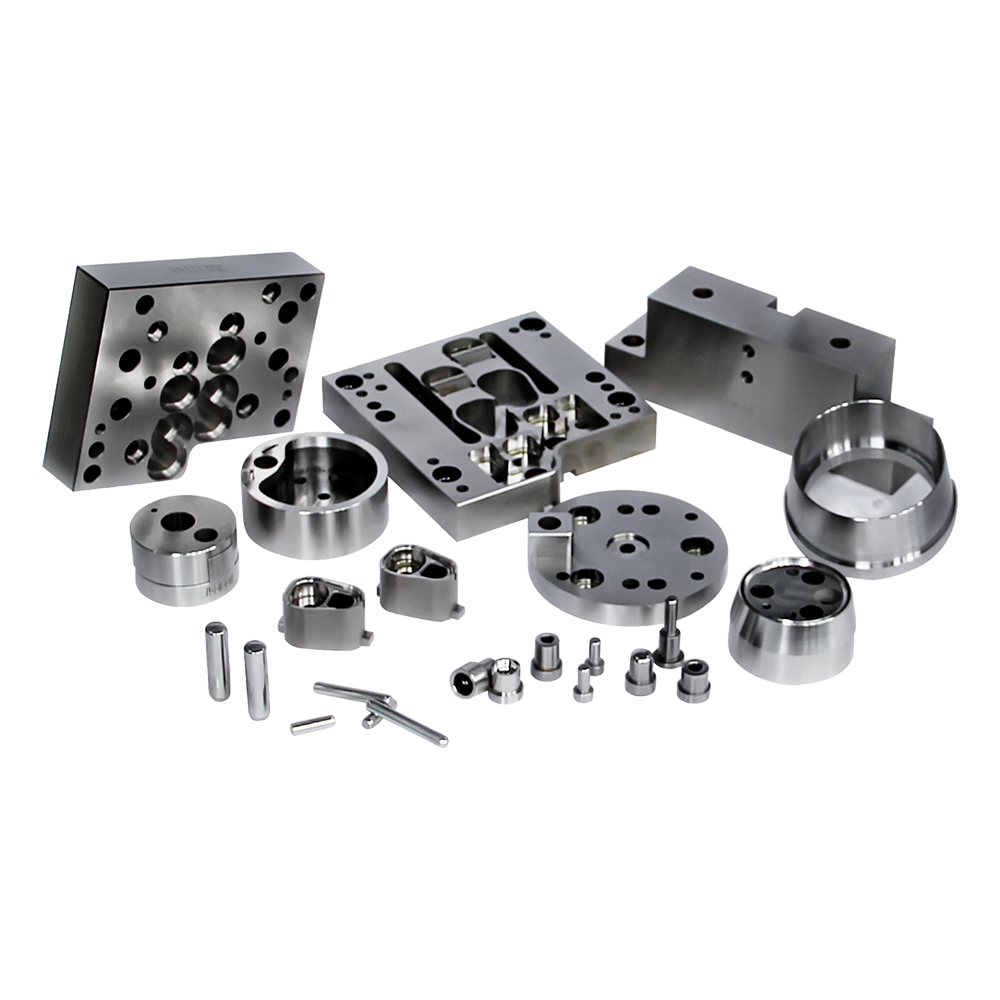
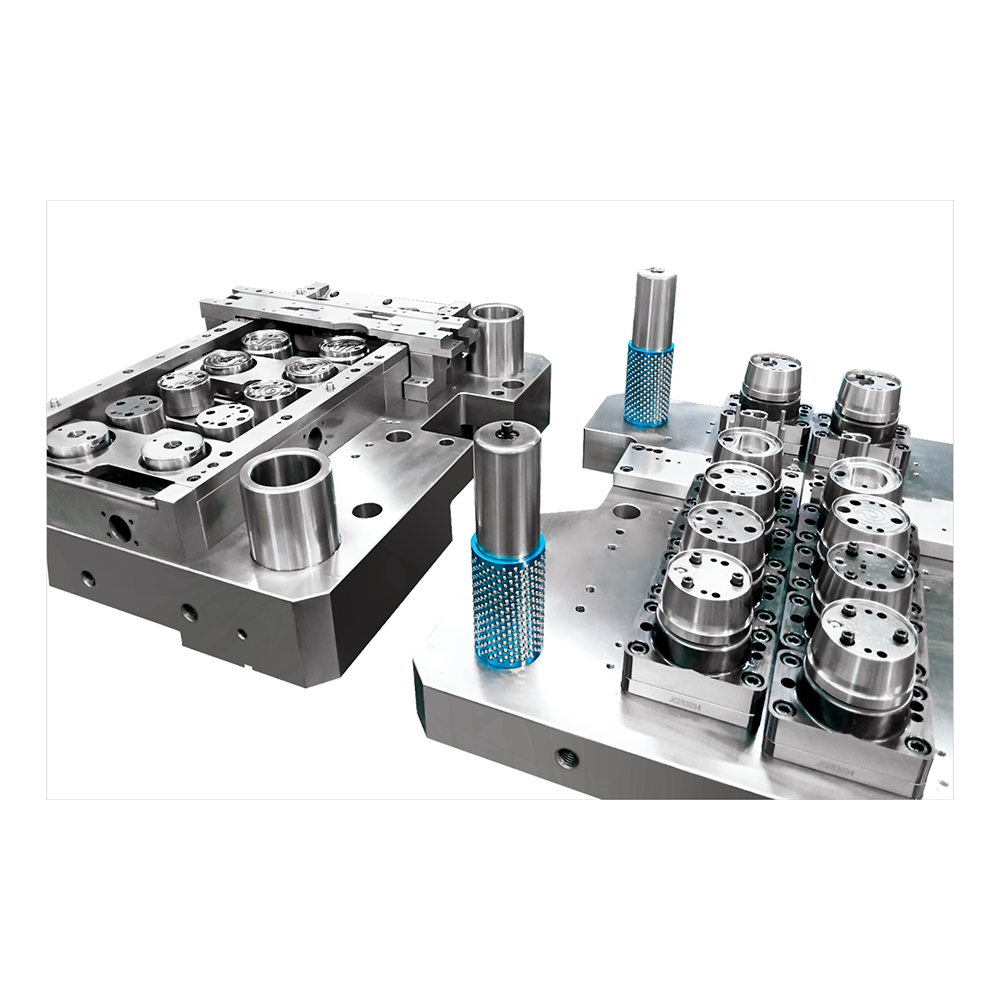
The performance of a precision die begins with a disciplined manufacturing process. A reliable production method normally includes technical review, drawing confirmation, material preparation, rough machining, heat treatment, precision machining, surface finishing, inspection, trial fitting, and final verification.
Before production begins, engineers review the customer’s drawings, sample components, press information, and application requirements. Important parameters may include the workpiece diameter, material thickness, forming sequence, required tolerances, press capacity, production speed, and interface dimensions.
This review helps identify possible conflicts between the die and other tooling components. It also provides an opportunity to optimize the forming sequence and confirm whether the proposed channel profile is suitable for the intended material and production conditions.
Where necessary, the design can be evaluated using engineering calculations and practical manufacturing experience. The objective is to create a die that is not only dimensionally correct on paper, but also practical to manufacture, install, operate, inspect, and maintain.
Tool steel or another suitable engineering material is selected according to the expected loading and wear conditions. Material quality is important because internal defects, inconsistent structure, or unsuitable composition can reduce service life and make heat treatment less predictable.
The material is prepared with sufficient allowance for subsequent machining and finishing. Traceability during this stage helps connect the finished die with its material records and production documentation.
Rough machining establishes the main form of the die while leaving material for later precision operations. Modern mechanical machining equipment can remove material efficiently while maintaining a controlled reference system. Correct datum management at this stage is essential because all subsequent operations depend on the established reference surfaces.
Rough machining must also avoid creating unnecessary stress concentrations or excessive heat. Proper cutting conditions can help maintain dimensional stability and produce a sound foundation for heat treatment and finishing.
Heat treatment is used to develop the mechanical properties required for service. Depending on the selected material and application, the process may include hardening, tempering, stress relieving, or other controlled thermal operations.
The objective is to achieve a suitable balance between hardness, wear resistance, toughness, and dimensional stability. Heat treatment must be carefully controlled because uncontrolled temperature changes or uneven cooling may cause distortion. After heat treatment, the component is normally inspected and precision-machined to restore final dimensions.
Computer numerical control machining allows the channel profile and related surfaces to be produced with a high level of repeatability. CNC equipment can follow complex tool paths and maintain consistent relationships between multiple surfaces. This is valuable when a die includes curved channels, transitional profiles, close-fitting interfaces, or repeated features.
Advanced CNC machining also supports efficient reproduction of proven designs. Once the design and process parameters have been verified, subsequent tooling can be manufactured with consistent results. This is particularly helpful for customers operating several similar production lines or requiring replacement tooling over time.
Grinding and finishing operations refine the working surfaces after machining. These steps may improve dimensional accuracy, remove minor machining marks, and establish the surface condition required for smooth material movement.
Finishing should be performed with attention to the geometry of the channel. Excessive polishing or uncontrolled material removal can change the profile, while insufficient finishing can leave friction-producing irregularities. Skilled technicians therefore combine equipment capability with measurement and practical inspection.
If the die consists of multiple components, assembly and fitting are performed according to the approved design. Mating surfaces, clearances, guide elements, and fastening locations are checked to confirm proper alignment.
Correct fitting is important because a precision-machined component may still perform poorly if it is incorrectly assembled. The complete tool must function as a coordinated system, with all parts maintaining the intended relationship during the press cycle.
Final inspection may include dimensional measurement, profile verification, visual examination, surface inspection, and functional checks. Critical dimensions are compared with the approved drawings or technical specifications. Where appropriate, the tooling can also be evaluated through trial fitting or production testing.
Inspection records help establish confidence in the finished die and provide useful information for future maintenance or replacement. A documented quality process is especially valuable for international customers that require consistent tooling across different facilities.
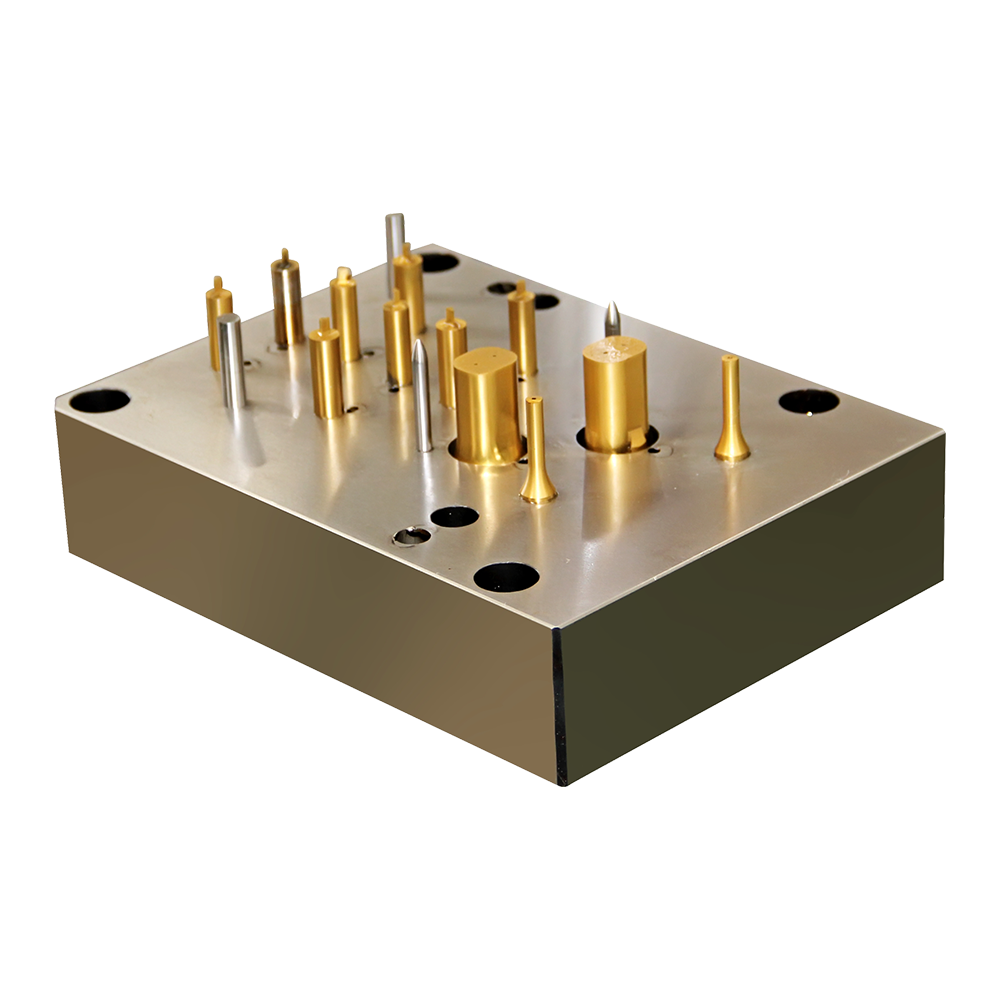
Conversion Press Channel Die(Bulk)
The manufacturer of this conversion press channel die has a long history in can-making machinery and mold production. Established in 1978 and formerly associated with a food machinery factory and mold manufacturing operation in Zhejiang, the company has developed extensive experience in designing and producing tooling for metal packaging applications.
More than four decades of continuous production have provided practical knowledge of the relationship between tooling design, press operation, material behavior, and finished can quality. This experience is important because can-making dies cannot always be optimized through theoretical calculations alone. Production history, maintenance feedback, operator experience, and field performance all contribute to better tooling decisions.
The company has a workforce of more than 350 trained personnel, including experienced design and development engineers. This organizational capability supports the entire product cycle, from technical communication and design to machining, inspection, delivery, and after-sales service.
Its manufacturing facilities include CNC high-precision machining equipment and a complete range of mechanical processing equipment. Such equipment supports the production of complex can-making molds and related tooling with controlled dimensional accuracy. The use of advanced machining technology also helps improve consistency between batches and reduce dependence on manual correction.
The company’s product design principles are comparable to established international approaches associated with major can-making equipment manufacturers. At the same time, the company combines these engineering principles with experience gained from practical production conditions. This combination allows tooling to be adapted to real manufacturing needs, including material variation, operating speed, maintenance practices, and customer-specific line configurations.
Quality management is supported by ISO 9001 certification, while environmental management is supported by ISO 14001 certification. These systems indicate a structured approach to process control, documentation, resource management, and continuous improvement. Certification alone does not replace technical skill, but it provides an organized framework for maintaining manufacturing discipline.
Not all channel dies provide the same level of performance. A generic die may appear economical at the purchasing stage, but its actual cost can increase if it produces excessive scrap, requires frequent adjustment, or wears quickly. A die developed through experienced engineering and controlled manufacturing can offer several practical advantages.
Accurate tooling helps maintain consistent profiles across long production runs. This consistency is important for reliable sealing and for compatibility with other components. It can also reduce the need for frequent manual corrections by machine operators.
Proper material selection, heat treatment, and surface finishing make tool wear easier to monitor. When wear develops at a predictable rate, the manufacturer can schedule inspection and replacement before the die causes widespread quality problems.
A poorly manufactured die may require repeated adjustments or unexpected repair. These interruptions affect press utilization and can delay customer deliveries. A carefully produced die is more likely to remain stable under normal operating conditions.
Thin metal materials are valuable, and defects often result in direct material loss. By controlling the forming action more accurately, a quality die can help reduce scrap associated with incomplete or distorted parts. The exact saving depends on the product, material, machine, and process settings, but the potential economic effect can be significant in high-volume production.
When the tooling supplier also understands can-making machinery and complete production lines, technical communication is often more efficient. The supplier can consider how the die interacts with feeding equipment, conversion presses, can-end systems, and downstream operations.
Manufacturers frequently need replacement tooling after extended use or when expanding production capacity. Consistent design records and controlled manufacturing make it easier to produce replacement dies that match the original production system.
The Conversion Press Channel Die (Bulk) can be considered for a range of metal packaging applications, subject to confirmation of the technical specification and press compatibility.
Food cans require dependable forming and sealing performance. The can end must maintain its shape during filling, sealing, sterilization, storage, transport, and handling. Stable die performance supports the production of components with consistent geometry and reliable downstream assembly.
Beverage packaging lines typically operate at high speed and place strong demands on repeatability. Tooling must support continuous production while limiting scratches, deformation, and dimensional variation. A well-maintained channel die can contribute to stable forming and efficient production management.
Aerosol containers require carefully controlled forming because the finished package may be exposed to internal pressure. Tooling accuracy is therefore associated not only with appearance but also with the dimensional and structural requirements of the container system.
Chemical tanks and related containers may require robust construction and consistent sealing. The forming process must be matched to the material, thickness, and product design. Precision tooling supports repeatability when producing specialized ends and related metal components.
Two-piece can production involves different forming principles from traditional three-piece can production, but precision tooling remains essential. Depending on the production line, channel dies and related molds may be used in forming, conversion, trimming, or end-making processes.
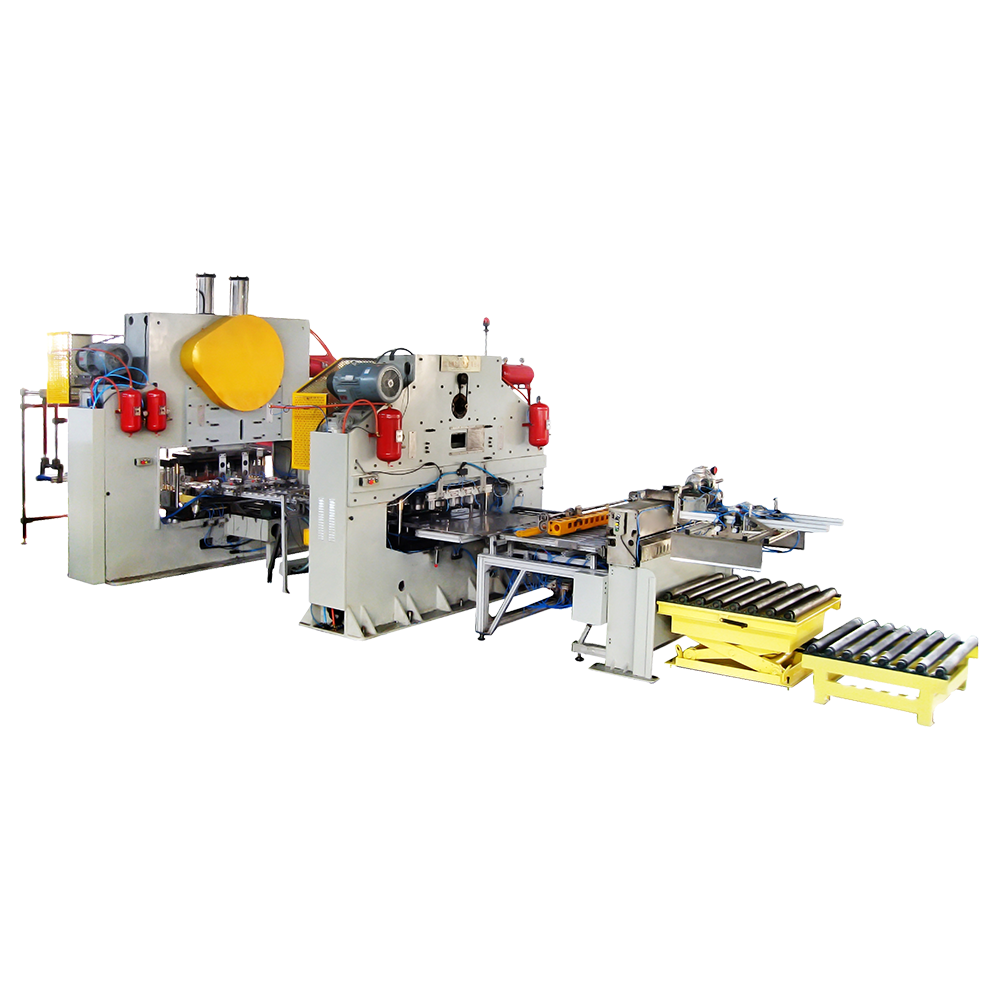
A conversion press channel die should be viewed as one part of a coordinated manufacturing system. Its performance depends on the condition and adjustment of related equipment. The complete line may include sheet feeding, stamping, shell forming, conversion pressing, inspection, conveying, sealing, and packaging operations.
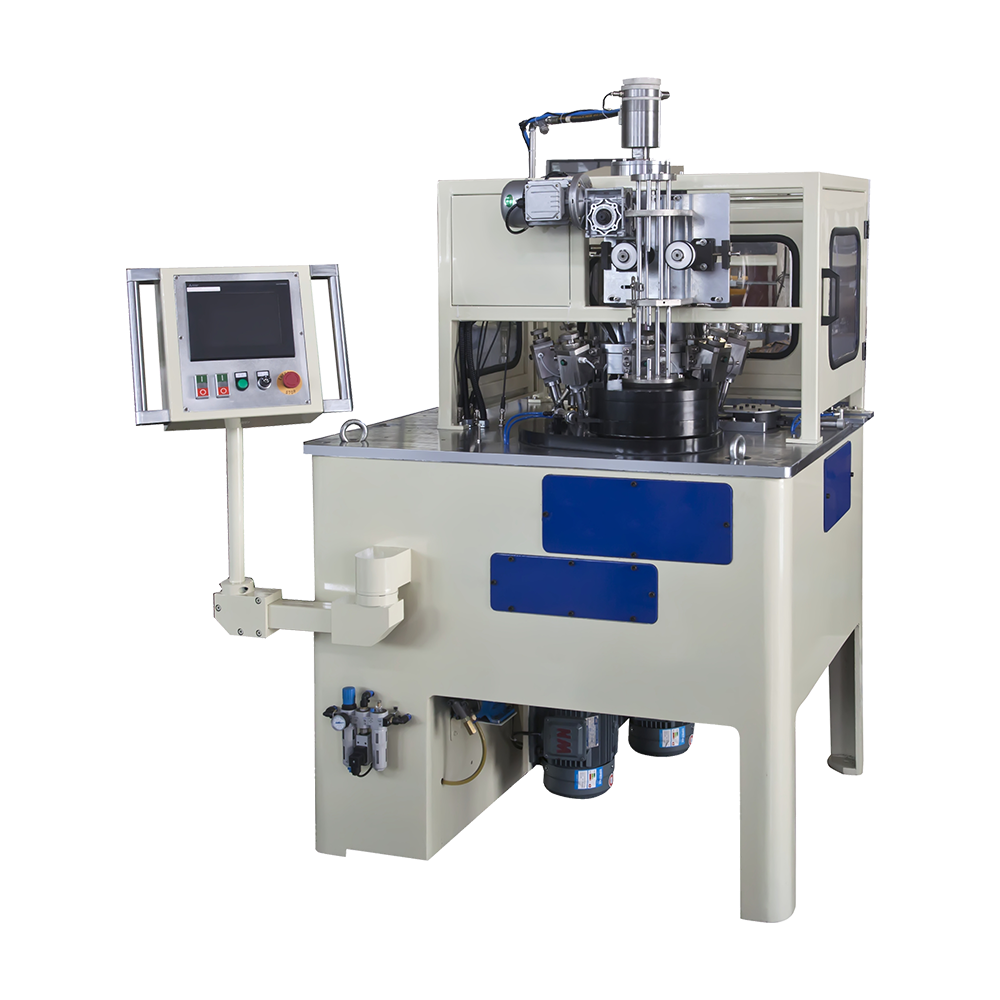
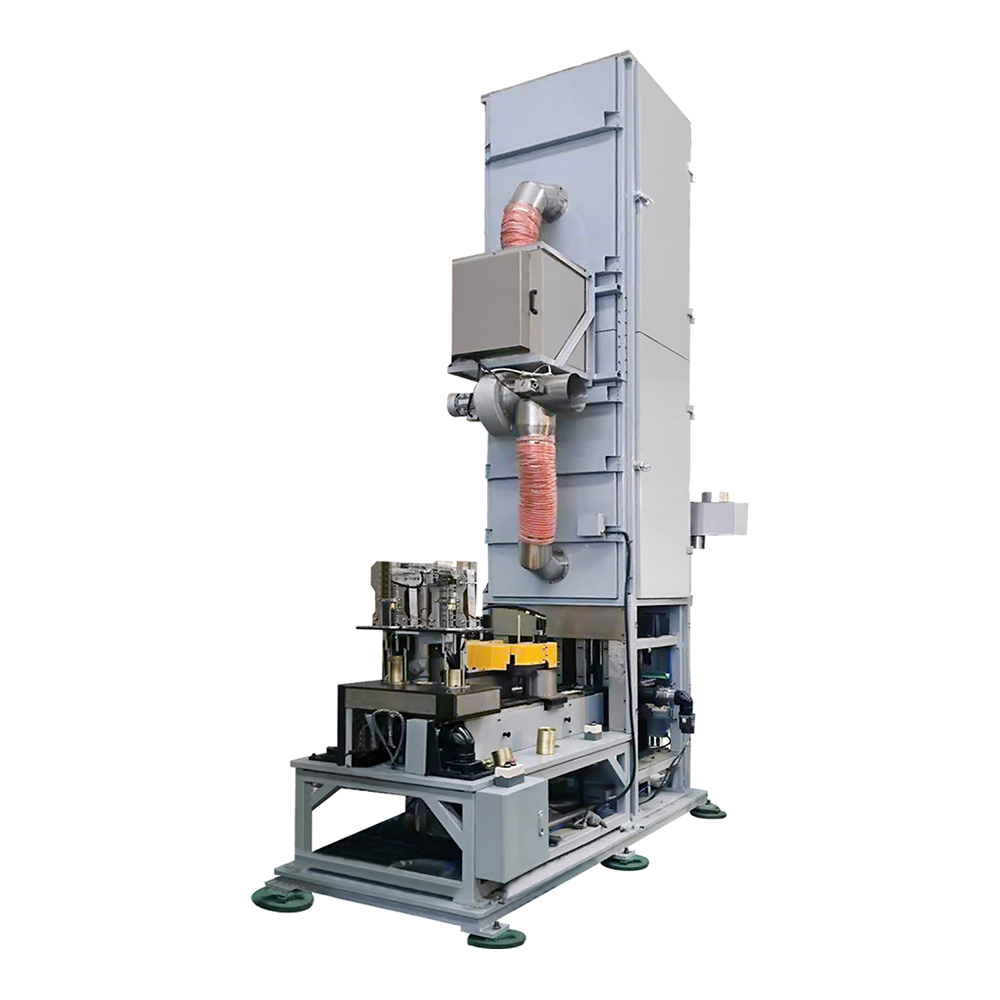
The manufacturer offers a broad range of can-making equipment and molds, including food can production lines, beverage can production lines, can-lid production lines, chemical tank production lines, aerosol canister production lines, two-piece can production lines, and pop-can production lines. This broad product range can be useful when a customer wants to coordinate tooling and machinery through one experienced supplier.
Integrated technical understanding can simplify the selection of die dimensions, press interfaces, feeding arrangements, and replacement parts. It may also reduce the risk of incompatibility between equipment supplied by different sources. The final solution should still be confirmed against the customer’s actual drawings, machine model, production target, and material specification.
| Evaluation Area | Importance in Production | Value of a Precision Channel Die |
|---|---|---|
| Dimensional accuracy | Ensures that formed components meet design requirements | Supports stable profiles and repeatable forming |
| Surface finish | Influences friction, marking, and material movement | Helps protect coated metal and reduce drag |
| Wear resistance | Determines how well the die retains its profile | Supports longer service intervals and predictable maintenance |
| Alignment | Affects centering and interaction with press components | Reduces eccentric forming and uneven results |
| Material selection | Influences toughness, hardness, and service life | Allows the die to be matched to operating conditions |
| Inspection control | Confirms that the finished tool meets technical requirements | Improves confidence before installation and production |
| Technical support | Helps customers install, adjust, and maintain the tooling | Reduces commissioning time and operating uncertainty |
Correct installation is essential for achieving the expected performance of a channel die. Before installation, the die and related press components should be checked for cleanliness, damage, correct identification, and compatibility with the approved drawings.
Mounting surfaces should be free from burrs, contamination, and unwanted particles. Fasteners must be tightened according to the required procedure, and alignment should be confirmed before the press is operated at full speed. Incorrect installation can create uneven loading, accelerated wear, or poor forming even when the die itself has been manufactured accurately.
Initial commissioning should normally begin at a controlled speed. Operators can inspect the formed components for centering, channel shape, surface condition, and other relevant characteristics. If necessary, adjustments can be made gradually while recording the effect on the product.
Lubrication, where required by the production process, should be applied consistently and in the correct quantity. Excessive or insufficient lubrication can both create problems. The specific approach depends on the material, press design, coating, production speed, and factory requirements.
After the initial trial, the production team should establish a baseline for acceptable dimensions and appearance. This baseline can later be used during routine inspection and maintenance.
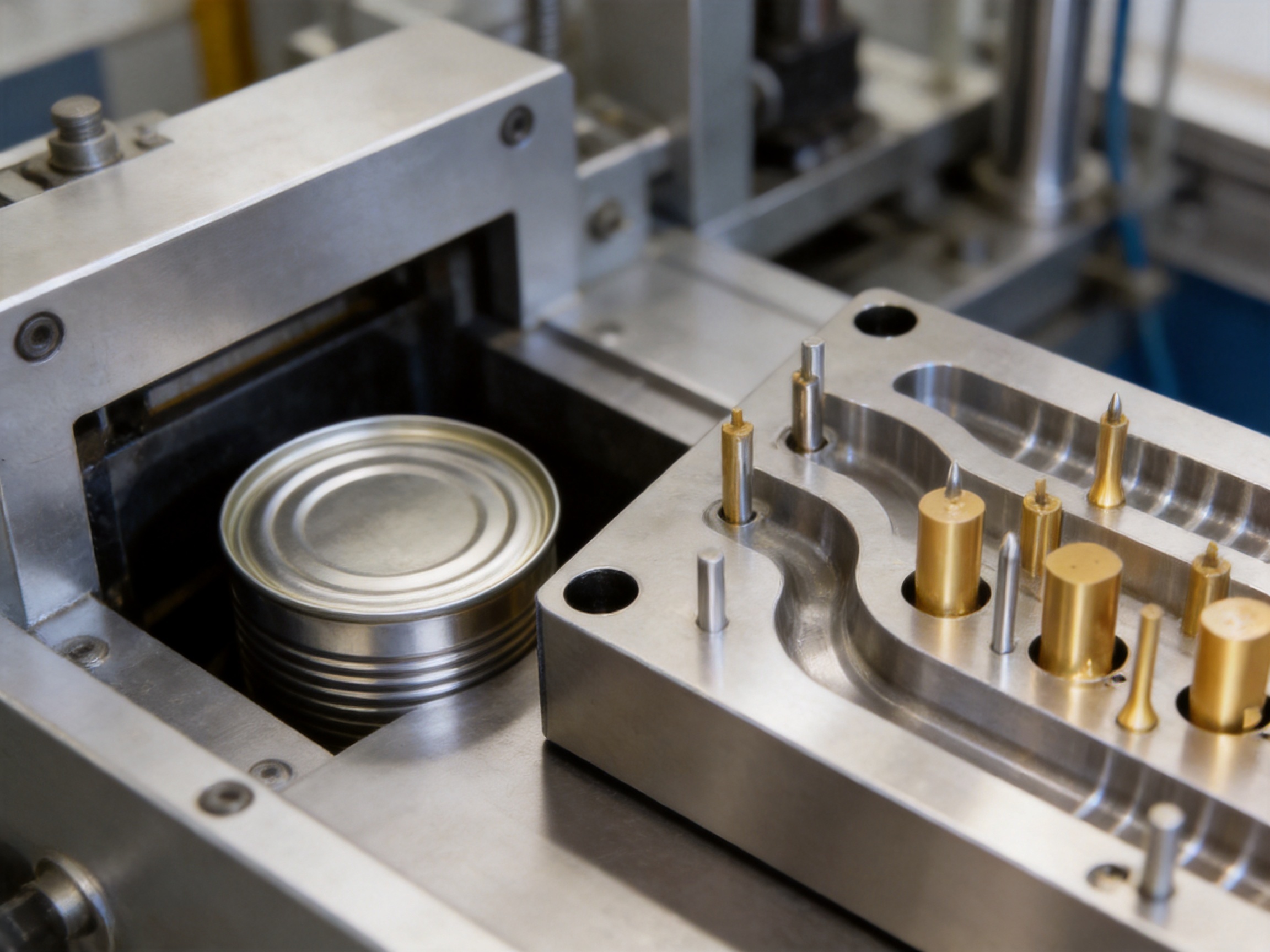
Routine maintenance helps preserve the accuracy and reliability of a conversion press channel die. A maintenance program should be based on production volume, material characteristics, operating speed, and the manufacturer’s technical recommendations.
Metal particles, oil residue, coating fragments, and other contaminants should be removed from the working surfaces. Accumulated debris can affect the movement of the workpiece and may cause surface marks or dimensional variation.
Operators and maintenance personnel should look for scratches, dents, chipping, abnormal wear, discoloration, and signs of misalignment. Early identification of a problem can prevent more extensive damage to the die and related press components.
Critical dimensions should be checked at defined intervals. The frequency depends on the production environment, but higher-volume or more demanding applications may require more frequent monitoring. Comparing current measurements with the original inspection record can reveal gradual wear.
Tooling wear is not always caused by the die itself. Press alignment, feeding accuracy, fastening condition, and neighboring components can all affect the load applied to the channel die. Regular equipment checks help distinguish tooling wear from machine-related problems.
Production managers should maintain a record of operating hours, maintenance activity, inspection results, and replacement parts. This information supports better planning and reduces the risk of an unexpected line stoppage.
For an international can-making machinery supplier, quality assurance must cover more than the final machining step. It should include design review, purchasing, material control, process documentation, inspection, packaging, delivery, and technical support.
The company’s ISO 9001 quality management system provides a framework for controlled production and continuous improvement. Documentation can help ensure that technical requirements are communicated between departments and that inspection results are retained for reference.
The ISO 14001 environmental management system reflects attention to environmental responsibilities in manufacturing operations. Responsible use of materials, energy, machining resources, and waste-management procedures can contribute to more sustainable production practices.
Quality assurance is also strengthened by practical experience. The company reports that it has produced more than 10,000 pieces of can and can-lid equipment. Such a large installed production base provides opportunities to learn from different operating conditions and customer requirements.
Products supplied by the company are used by can manufacturers and canning factories in markets across Europe, Asia, Africa, North America, South America, and Oceania. Experience with different climates, production standards, machine configurations, and customer expectations can support more effective international cooperation.
Tooling performance does not end when the product is shipped. Installation, commissioning, operator training, spare-parts supply, and troubleshooting can all affect the customer’s final result. A supplier with machinery and mold experience can provide support throughout these stages.
Available service may include installation guidance, commissioning assistance, technical instruction, operational training, and the supply of replacement parts. The exact service arrangement should be agreed before delivery according to the customer’s location, equipment configuration, and production schedule.
Training is particularly useful when a customer is introducing a new can-making line or replacing older tooling. Operators can learn how to identify abnormal forming conditions, perform routine checks, protect the die from damage, and respond to early signs of wear.
Fast access to replacement parts can also reduce downtime. Since production schedules are often tightly planned, a supplier that can coordinate tooling, machinery, and spare components may provide an operational advantage over a source that only supplies an isolated die.
Customers should provide complete technical information when requesting a channel die. The more accurately the application is defined, the easier it is to produce tooling that performs as expected.
Important information may include the can-end or component drawing, material type, material thickness, dimensions, press model, production speed, forming sequence, existing tooling references, required tolerances, and expected annual output.
It is also useful to explain current production difficulties. For example, the customer may be experiencing uneven forming, excessive scratches, frequent tool adjustment, rapid wear, or high scrap rates. Understanding these problems can help engineers determine whether the die design, machine setting, material, or related tooling requires attention.
Where possible, customers should provide samples or photographs of acceptable and defective components. These references can make technical communication more precise, especially when the issue involves appearance, surface marks, or a subtle forming difference.
Replacement tooling should be compared with the original die using verified dimensions rather than visual similarity alone. Small differences in clearances, working radii, or mounting features can affect the performance of the complete press.
The purchase price of a die is only one part of its economic value. A lower-cost tool may become more expensive over its working life if it causes higher scrap, more frequent adjustment, shorter service intervals, or unexpected production stoppages.
Precision tooling can create value through improved yield, reduced downtime, longer service life, and more predictable maintenance. It may also reduce the labor required for repeated manual correction. In high-volume can production, even a small improvement in the rejection rate can have a meaningful effect on total operating cost.
Another economic benefit is production stability. When a die performs consistently, the manufacturer can plan output more reliably and reduce the risk of delayed orders. Stable quality also supports customer confidence and helps protect the reputation of the can producer.
The exact return on investment depends on the application. Production volume, material cost, press speed, product design, maintenance practices, and quality standards should all be considered when evaluating the total cost of ownership.
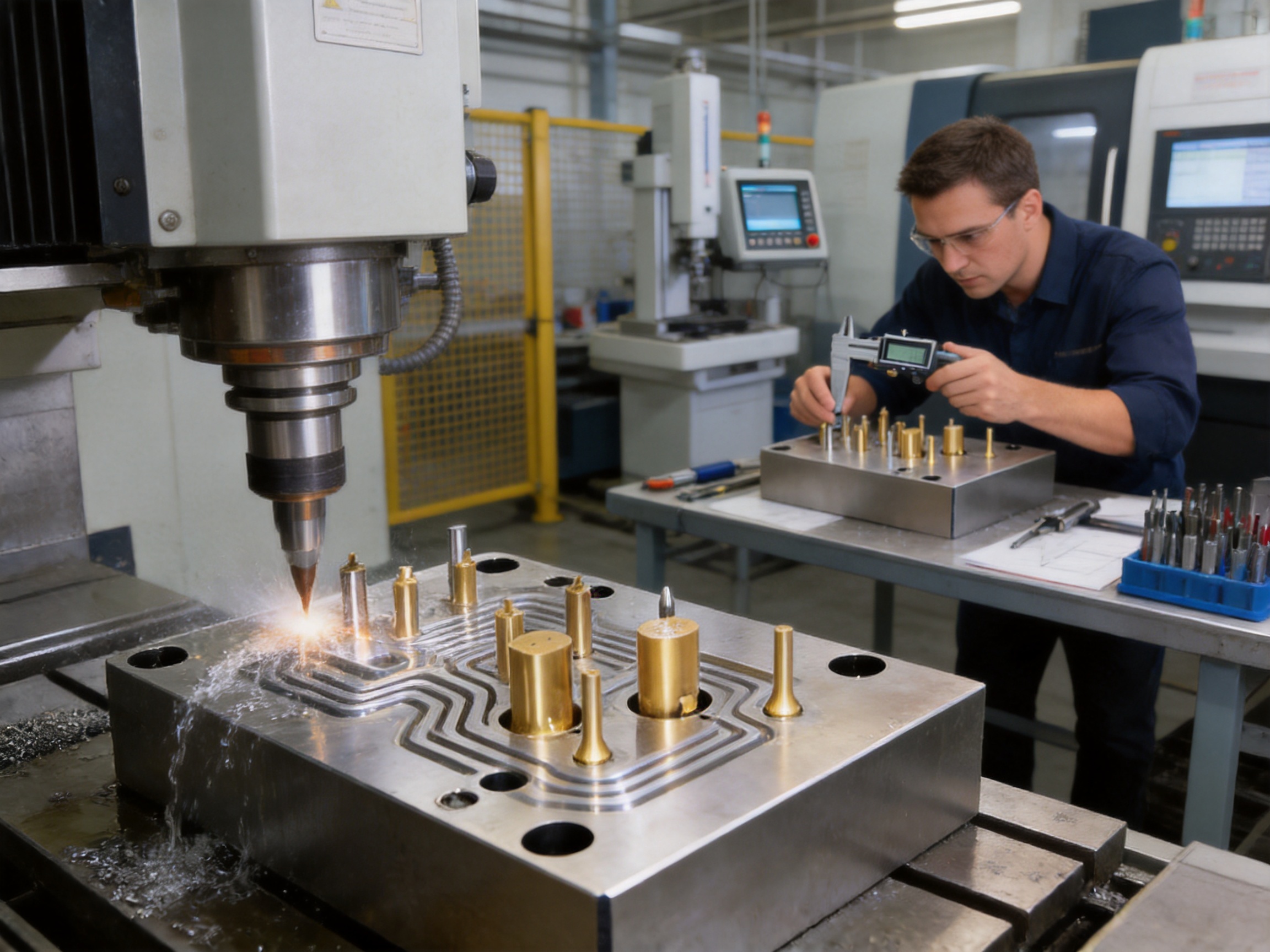
A conversion press channel die is a precision tooling component used to guide and shape metal components during a conversion press operation. It helps control the position and forming movement of a can end or related part.
The die may be suitable for can-lid and can-end production used in food cans, beverage cans, aerosol containers, chemical containers, and other metal packaging applications. Compatibility depends on the product design and press configuration.
Yes. Channel dies are normally designed according to the customer’s product dimensions, material, forming sequence, press model, and production requirements. Drawings and technical information should be reviewed before manufacture.
CNC machining supports repeatable production of complex profiles and close-tolerance surfaces. It can improve consistency between tooling components and reduce the amount of manual correction required after machining.
Heat treatment develops the hardness, strength, toughness, and wear resistance required for service. It must be carefully controlled to avoid distortion and to maintain dimensional stability.
Accurate tooling guides the workpiece more consistently and controls the forming action. This can reduce defects such as wrinkles, cracks, off-center profiles, incomplete shapes, and surface damage. The actual reduction depends on the complete production process.
Maintenance frequency depends on production volume, press speed, material, lubrication, and operating conditions. Cleaning should be performed regularly, while dimensional and wear inspections should follow a planned schedule.
Useful information includes product drawings, material type and thickness, press model, forming sequence, target production speed, required tolerances, existing tooling references, and any known production problems.
The company provides after-sales services that may include installation, commissioning, technical guidance, operation training, and replacement-parts supply. The specific arrangement should be confirmed for each project.
The company supplies various can-making machines, can-lid equipment, molds, and complete production-line systems. Customers can discuss whether the die should be integrated with other equipment or supplied as a replacement component.
The company has been certified to ISO 9001 for quality management and ISO 14001 for environmental management. These systems support documented processes and structured manufacturing control.
An experienced supplier understands how die geometry, machine settings, material behavior, maintenance, and downstream operations interact. This broader knowledge can make it easier to select, install, and maintain tooling for reliable production.
The Conversion Press Channel Die (Bulk) is a specialized tooling solution for manufacturers seeking stable and repeatable can-end production. Its value lies not only in the physical die, but also in the engineering, materials, machining accuracy, inspection procedures, and technical support behind it.
A well-designed channel die can help improve dimensional consistency, protect the quality of coated metal, reduce scrap, extend maintenance intervals, and support reliable high-volume operation. These advantages are especially important in food, beverage, aerosol, chemical, and other metal packaging industries where production efficiency and finished-package performance are closely connected.
The manufacturer’s long history in can-making machinery and mold production, experienced engineering team, advanced CNC equipment, complete mechanical processing capability, quality and environmental management systems, and international service experience provide a strong foundation for producing precision tooling. Its broader range of can-making machinery also allows customers to consider channel dies within the context of a complete production line.
For the best result, each die should be selected and manufactured according to the exact product, press, material, and process requirements. Careful technical communication before production, combined with correct installation and regular maintenance after delivery, allows the tooling to deliver its full potential throughout the production cycle.
1. General principles of metal forming and press-tool design.
2. Industrial practices for tinplate can and can-end manufacturing.
3. Tool steel selection, heat treatment, and wear-control principles for forming dies.
4. ISO 9001 quality management system principles.
5. ISO 14001 environmental management system principles.
6. Manufacturer-provided information on can-making machinery, molds, production capabilities, certifications, and technical services.
Related Products

Founded in 1978, the company is one of the largest can-making machinery well-known companies at home and abroad.
Product Categories
Contact Information
Zhongshatou Shenjiamen Zhoushan Zhejiang China
+86-580-3056646

 English
 中文简体
中文简体
 русский
 عربى
عربى
 Español