2026-09-19

Reliable drying is an essential stage in modern tinplate can production. After a can body, seam, coating, or printed surface has been processed, residual moisture must be removed quickly and consistently before the container moves to the next operation. Inadequate drying can lead to corrosion, coating defects, poor adhesion, contamination, and unstable product quality. For this reason, an efficient drying machine is not simply an auxiliary device. It is an important part of the overall can-making production line.
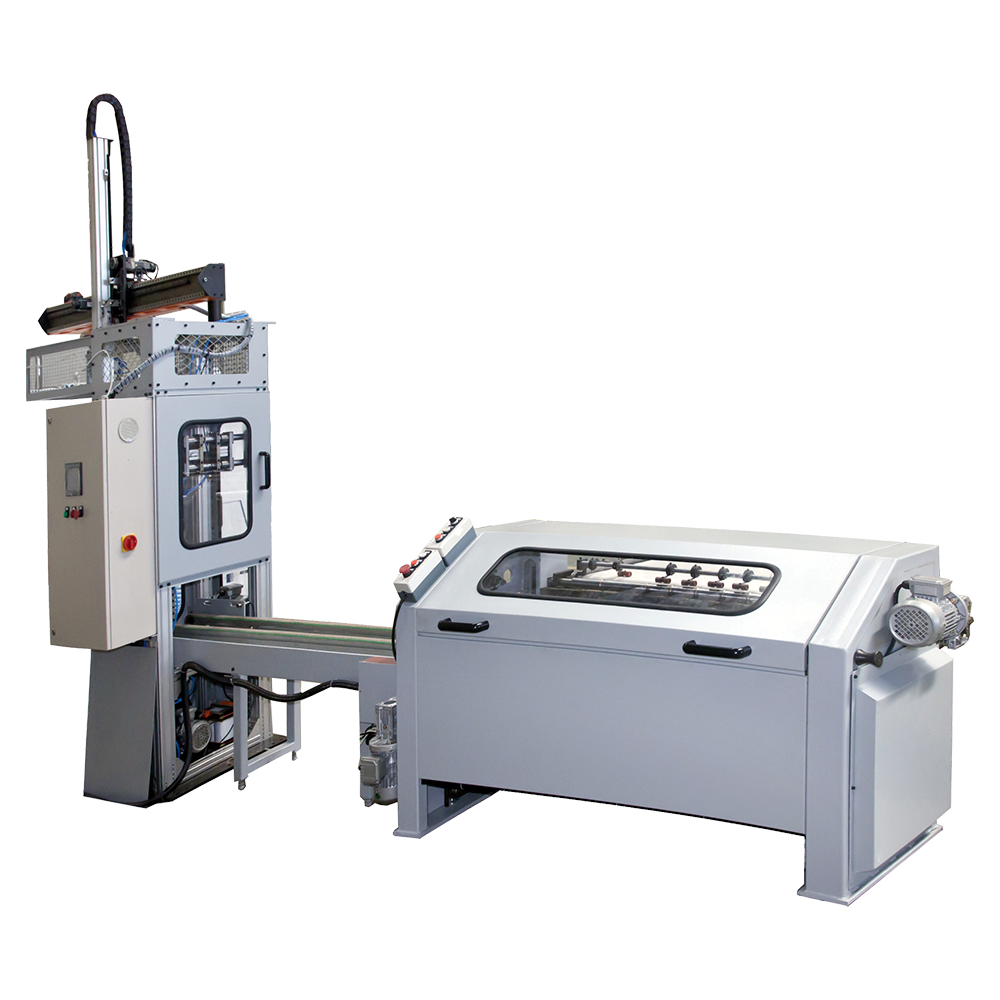
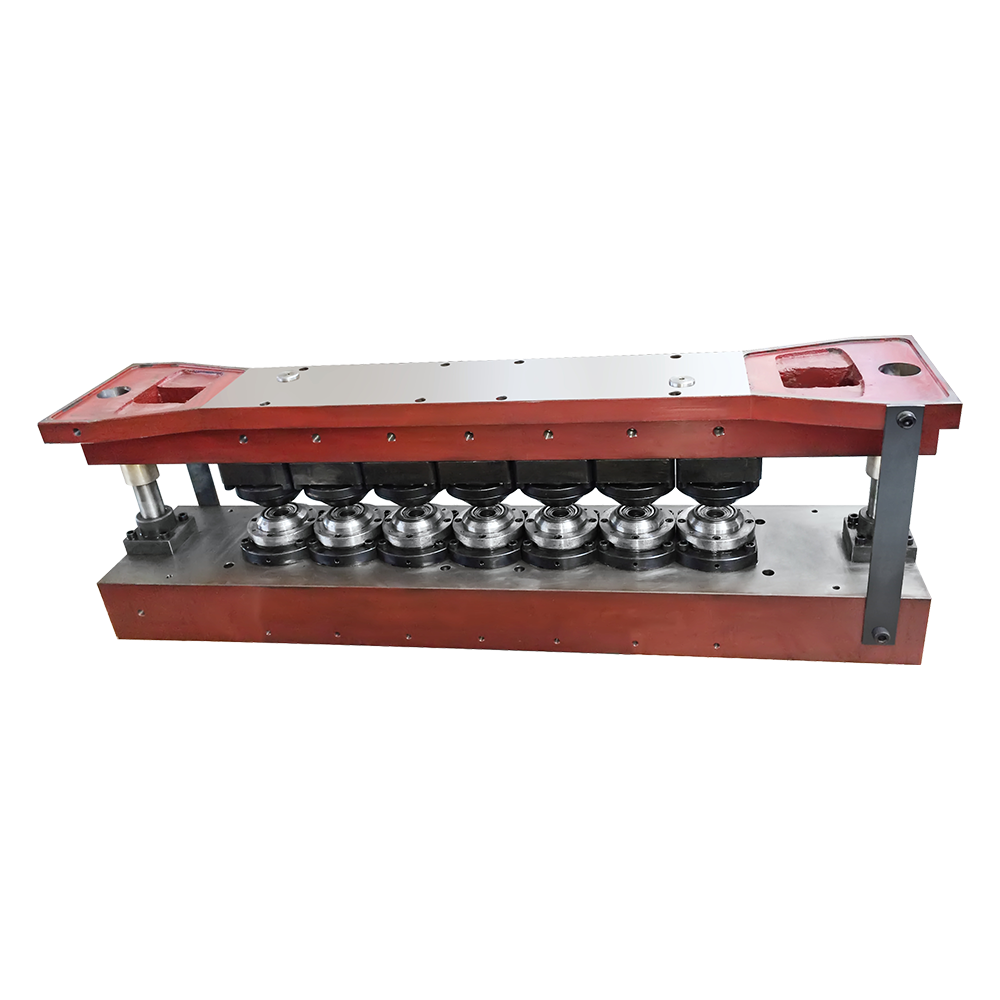
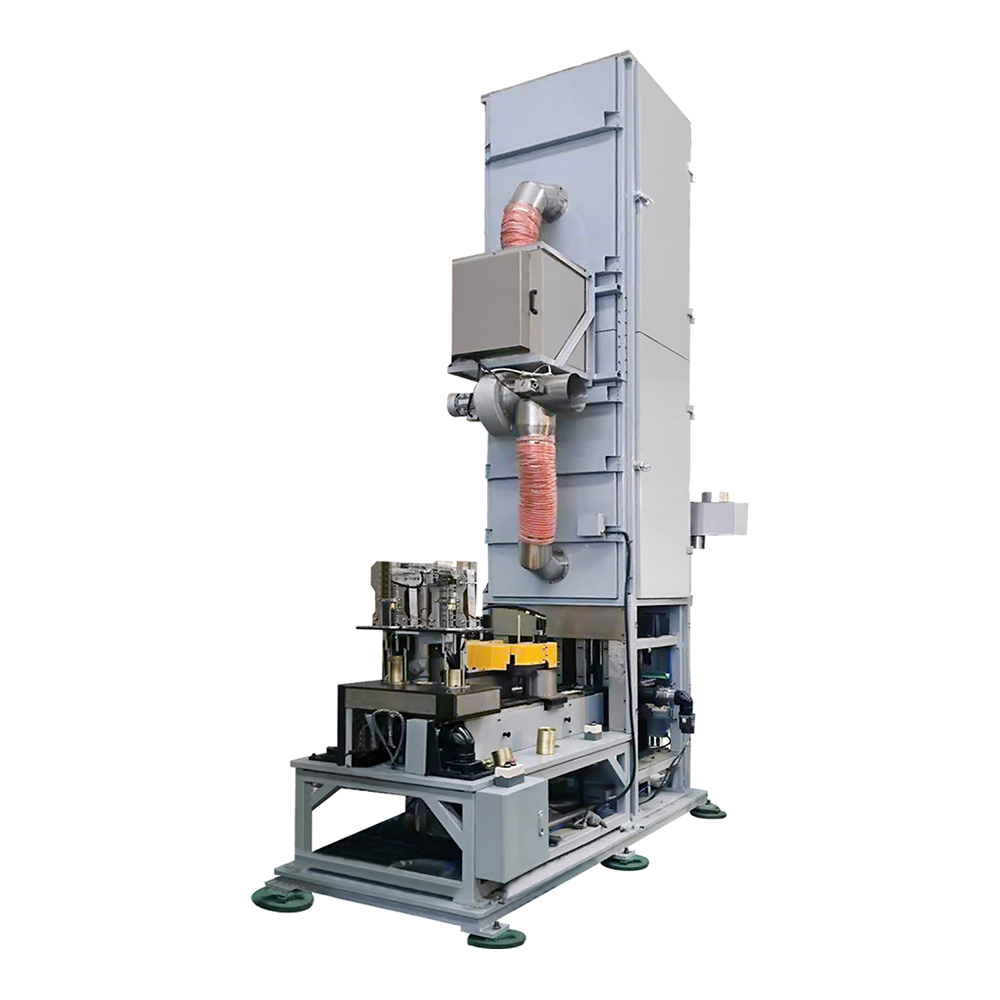
The GT3B10 high-speed tinplate canbody drying machine is an automatic induction drying system developed for food can-making, beverage can-making, and related metal packaging applications. It is designed to support the drying of can seams and processed can bodies while maintaining a stable production rhythm. The equipment can be configured with four, six, eight, or twelve drying heads, allowing users to select a suitable arrangement for their required throughput and production layout.
Using induction heating technology, the machine transfers energy rapidly and directly to the appropriate metal area. This operating principle offers a compact heating process, responsive temperature control, and a reduced dependence on large conventional heating chambers. The machine is suitable for can diameters from 52 to 153 millimeters, while production speed can be tailored according to the customer’s line configuration, can specifications, coating requirements, and drying conditions.
Manufactured by Zhejiang Golden Eagle Food Machinery Co., Ltd., the GT3B10 forms part of a wider portfolio of can-making machinery, can-lid equipment, molds, and complete production-line solutions. The manufacturer has been engaged in the can-making machinery industry since 1978 and combines mechanical design, precision machining, electrical integration, and practical production experience in the development of its equipment.
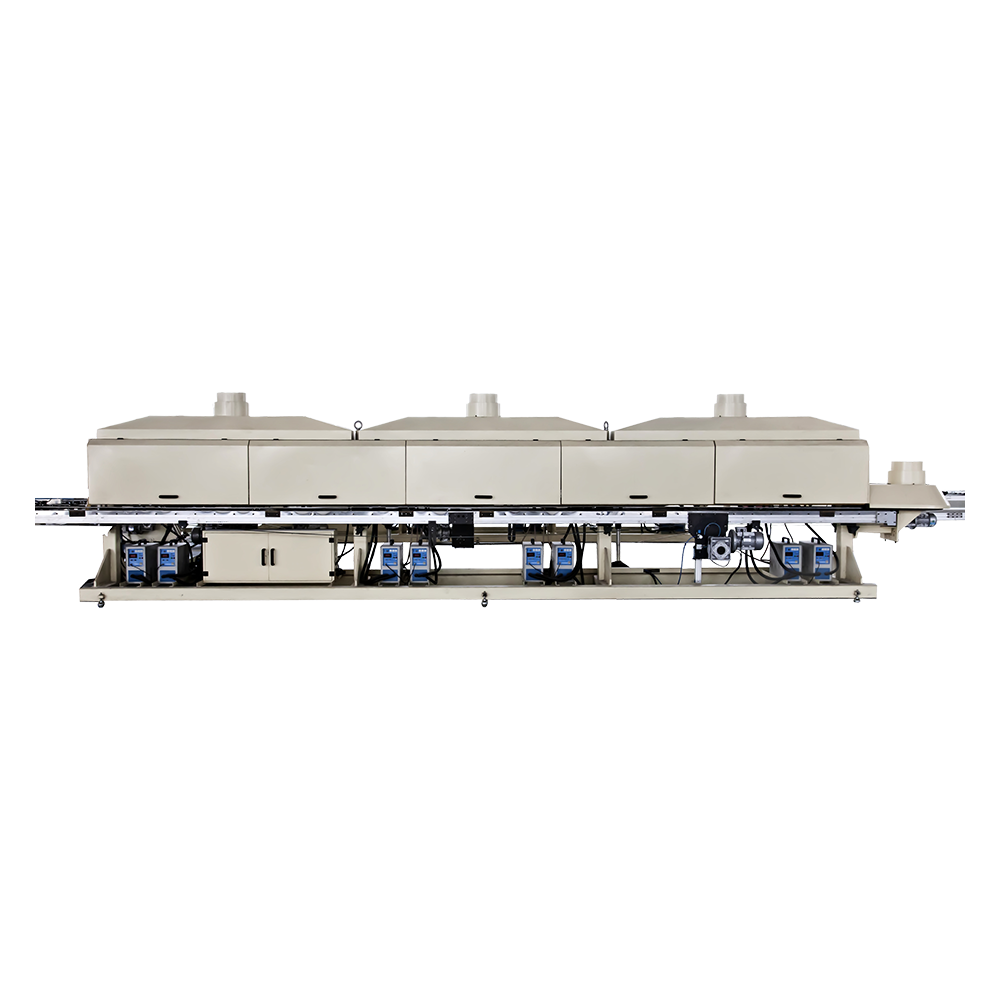
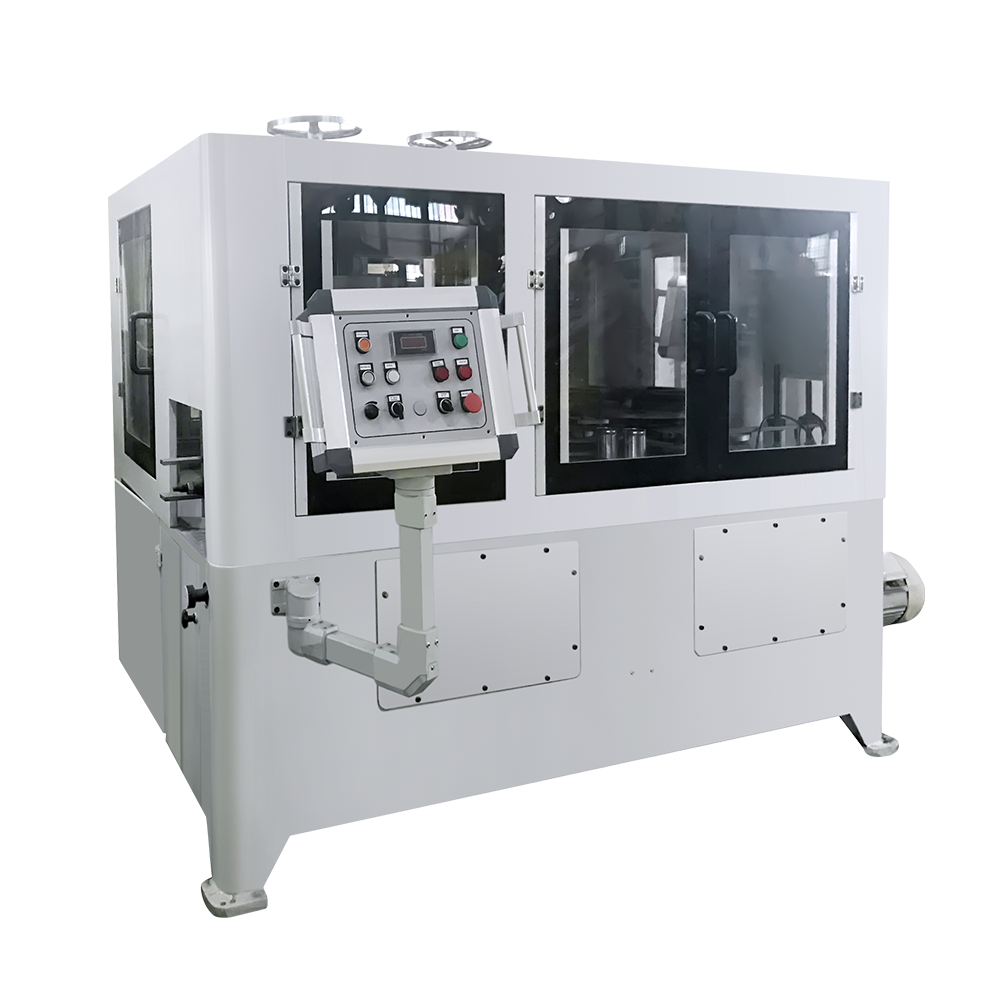
GT3B10 High Speed Tinplate Canbody Drying Machine for Food/Beverage/Aerosol Can making
Tinplate containers are widely used for food, beverages, aerosols, chemicals, and other packaged products. Their production typically involves several operations, including sheet feeding, cutting, printing or coating, forming, welding, flanging, seaming, testing, and finishing. At various points in this sequence, moisture or liquid residues may remain on the surface of the can or around a processed seam.
Drying is necessary because water and other residues can interfere with subsequent manufacturing stages. For example, moisture near a welded seam may affect coating adhesion or create an undesirable appearance. Moisture trapped on a can body can also encourage oxidation during storage. In food and beverage packaging, the quality of the container surface is particularly important because the package must protect the contents throughout filling, transportation, and shelf storage.
A drying system must therefore meet several requirements at the same time. It must deliver enough energy to remove residual moisture, operate at a production speed compatible with upstream and downstream machinery, avoid damaging coatings or metal surfaces, and maintain a repeatable result across different can sizes. It should also be easy to integrate into an automated line and simple for operators to monitor.
Traditional drying arrangements may depend on heated air, gas combustion, resistance elements, or large thermal chambers. These methods can be useful in certain applications, but they may require more space, longer warm-up periods, and greater thermal exposure. A well-designed induction system offers a different approach by concentrating energy where it is required and supporting fast response during production changes.
The GT3B10 is an automatic drying induction oven intended for food can-making and beverage can-making applications. It is also suitable for related tinplate packaging processes, including selected aerosol can and metal-container operations, provided that the final configuration is confirmed according to the product material, seam construction, coating system, and line speed.
The machine is identified as a high-speed tinplate canbody drying machine and is categorized as a tin can auto-welding machine accessory or associated process unit. Its principal application is food can seam drying. The equipment can be supplied with different numbers of drying heads, including four-head, six-head, eight-head, and twelve-head models.
The available model designations are GT3B10-4, GT3B10-6, GT3B10-8, and GT3B10-12. The number in each designation corresponds to the number of drying heads. This modular selection enables the customer to choose a configuration that corresponds to the desired production capacity and available installation space.
The machine is designed for can sizes ranging from 52 to 153 millimeters in diameter. Because actual drying requirements depend on the can material, coating, seam geometry, surface condition, line speed, and required final moisture level, the speed is described as tailor-made rather than fixed as one universal value. This approach is more practical for industrial customers because can-making lines often involve different product specifications and production targets.
The GT3B10 combines automatic operation, induction heating, water cooling, and multiple-head configuration in one production unit. Its primary characteristics include the following:
• Automatic operating mode for integration into a continuous production line.
• Application in food can seam drying and related tinplate can processes.
• Support for can diameters from 52 to 153 millimeters.
• Four, six, eight, or twelve drying-head configurations.
• AC 220 V input power with a stated tolerance of plus or minus 10 percent.
• Fifteen-kilowatt output power listed for each model configuration.
• Cooling-water pressure requirement of 0.05 to 0.25 MPa.
• Frequency range of 30 to 100 kHz.
• Tailor-made production speed according to the customer’s line requirements.
Induction heating uses an alternating electromagnetic field to generate heat in a conductive metal component. In a can-making application, the induction system is positioned so that energy is concentrated around the required drying area. The metal responds rapidly to the electromagnetic field, and the resulting heat helps evaporate moisture or dry a processed surface.
Unlike a large hot-air chamber that heats the surrounding air before transferring energy to the workpiece, induction heating can act more directly on the metal area. This can reduce unnecessary heating of the machine enclosure and surrounding environment. It may also allow the equipment to respond more quickly when the production line starts, stops, or changes speed.
The effectiveness of induction drying depends on the relationship between frequency, output power, material properties, workpiece geometry, line speed, and the distance between the induction components and the can. The GT3B10 provides a frequency range of 30 to 100 kHz, giving the system a useful operating range for different process conditions. The final frequency and operating parameters should be determined during commissioning and validated with the customer’s actual cans and coating materials.
Water cooling is used to control the temperature of relevant induction components and maintain stable operation. The listed cooling-water pressure range is 0.05 to 0.25 MPa. Proper cooling-water quality, flow, pressure, and temperature are important for reliable operation. Before installation, the customer should confirm the site’s water system and ensure that it meets the manufacturer’s technical requirements.
One of the main benefits of induction heating is fast energy transfer. When a production line starts, the system can reach its working condition more quickly than a large thermal oven that must heat a substantial internal air volume. This characteristic can be useful in plants that experience frequent product changes, planned stops, or multiple shifts.
Fast response can also help reduce the time during which partially processed cans remain in the production line. A shorter thermal response may support better coordination between welding, drying, inspection, and conveying equipment. The exact performance depends on the production layout and operating parameters, but the induction principle is well suited to processes that require concentrated and controllable heating.
Because the drying effect can be focused on the relevant section of the can body or seam, the machine can limit unnecessary heating of other areas. Localized heating may help protect sensitive coatings, printed surfaces, seals, and other components that do not require the same thermal exposure.
This is particularly valuable in metal packaging, where the finished appearance and surface integrity are important. A controlled drying zone can help reduce the risk of uneven heating, excessive thermal exposure, and unwanted changes in surface appearance. Actual temperature limits must always be established according to the coating supplier’s specifications and the customer’s product tests.
A major advantage of the GT3B10 is its choice of drying-head configurations. The four-head, six-head, eight-head, and twelve-head options allow the system to be matched to different line capacities. A smaller configuration may be suitable for a compact production line, a specialized product, or a facility with limited floor space. A larger configuration can be considered when the customer requires greater process coverage or higher production output.
The drying-head arrangement should be selected after reviewing the can diameter, can height, line speed, seam location, conveyor design, and required drying distance. The number of heads alone does not determine final capacity. Effective performance depends on the complete production system and on the correct positioning and adjustment of the induction units.
| Model | Number of Drying Heads | Input Power | Output Power | Cooling-Water Pressure | Frequency |
|---|---|---|---|---|---|
| GT3B10-4 | 4-head | AC 220 V ±10% | 15 kW | 0.05–0.25 MPa | 30–100 kHz |
| GT3B10-6 | 6-head | AC 220 V ±10% | 15 kW | 0.05–0.25 MPa | 30–100 kHz |
| GT3B10-8 | 8-head | AC 220 V ±10% | 15 kW | 0.05–0.25 MPa | 30–100 kHz |
| GT3B10-12 | 12-head | AC 220 V ±10% | 15 kW | 0.05–0.25 MPa | 30–100 kHz |
The technical information supplied for the equipment also lists “Φ1.38–1.50” under the field described as cooling-water temperature. Because this entry appears to use a diameter symbol rather than a temperature unit, customers should confirm the intended specification with the manufacturer before final installation. This verification is a normal part of technical clarification and helps ensure that utilities and installation drawings are prepared correctly.
When compared with conventional large-chamber or generalized hot-air drying systems, an induction drying machine can offer several practical advantages. These advantages should be evaluated in relation to the customer’s specific product and validated during testing, but they explain why induction technology is attractive for high-speed can manufacturing.
Induction systems can concentrate heating near the required process area. This may reduce the need for a long heated tunnel or a large thermal enclosure. A compact design can help the customer use factory floor space more efficiently, particularly when the drying unit must be installed in an existing can-making line.
Smaller equipment dimensions may also simplify access for inspection and maintenance. In a factory where multiple lines operate close together, compact equipment can make it easier to plan operator walkways, material flow, and service areas. The final footprint depends on the selected configuration and the customer’s line design.
Conventional ovens may need time to warm up before reaching a stable operating temperature. Induction heating generally provides a faster response because the electromagnetic field produces heat in the conductive workpiece and related process components without requiring the entire oven volume to reach temperature first.
This feature can be beneficial when the line is restarted after a brief stop or when the operator changes production specifications. Faster response may reduce startup waste and help the line return to normal operation more quickly. The actual result depends on the control system, conveyor speed, can geometry, and process recipe.
Localized heating allows the customer to focus the drying effect on the seam or other required area. This can reduce the possibility of overheating parts of the can that do not need drying. In applications involving printed tinplate, internal coatings, or external varnishes, controlled thermal exposure can support consistent appearance and product quality.
The GT3B10 is specified for automatic operation. Automatic operation supports continuous conveying and reduces the need for manual intervention during the drying process. When properly integrated with upstream and downstream equipment, the machine can become part of a coordinated production line that includes feeding, welding, seam treatment, inspection, and packing.
Automatic operation also improves repeatability. Once the correct settings have been confirmed for a specific can, the operating procedure can be standardized. This may help reduce differences between shifts and simplify operator training.
The four available drying-head configurations provide an alternative to a one-size-fits-all machine. Customers can select a model according to current production demand while considering future expansion. This flexibility is especially useful for manufacturers producing several can formats or operating more than one production line.
Because induction heating can be directed to a defined area, it may reduce the amount of energy used to heat surrounding air, machine walls, and unused oven space. Energy performance depends on the duty cycle, product material, line speed, control settings, and cooling requirements. Nevertheless, focused heating is an important design advantage when compared with processes that heat a large chamber continuously.
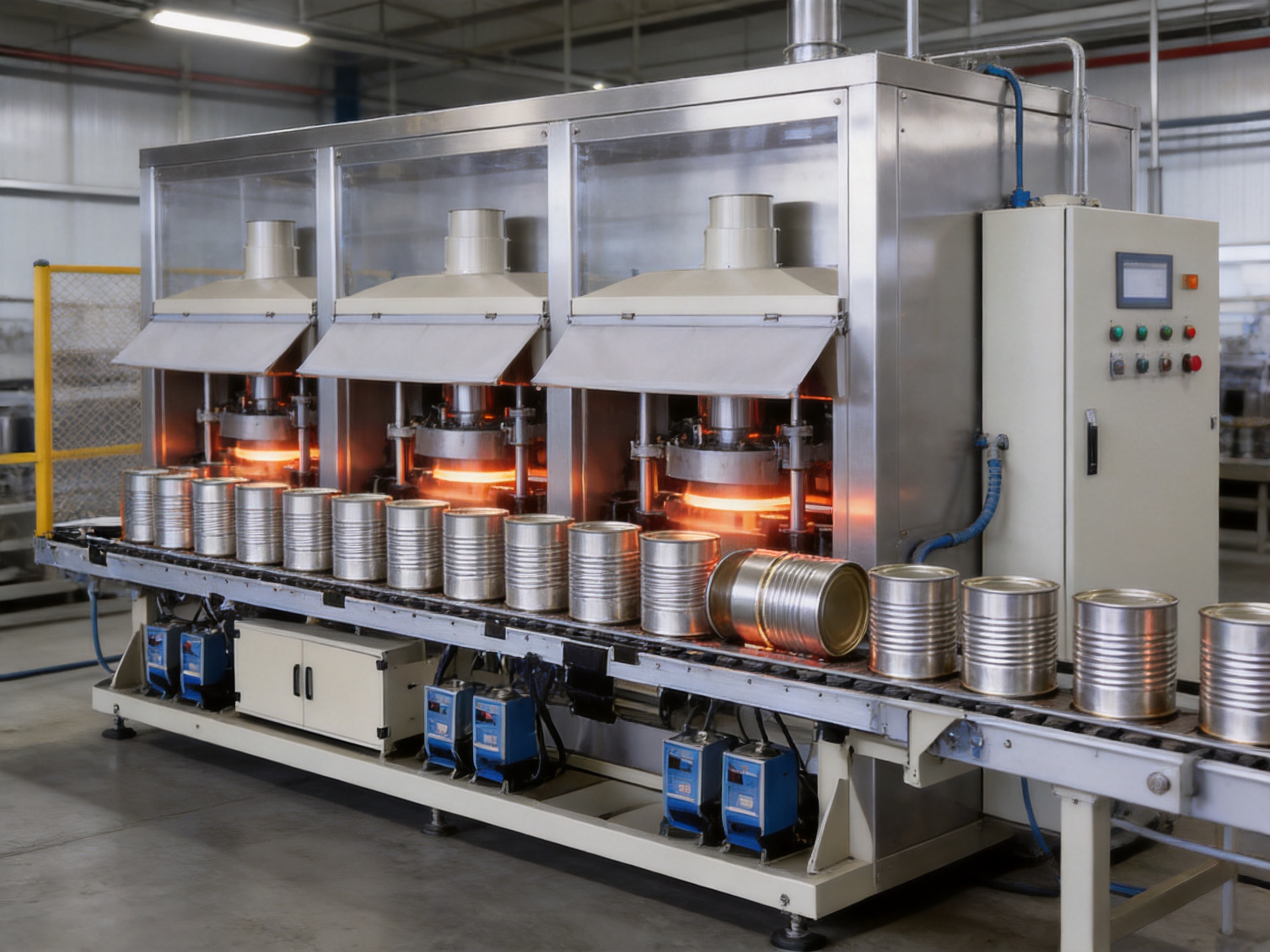
The GT3B10 is intended primarily for tinplate food and beverage can-making applications. It can support drying around processed seams and other areas where moisture must be removed before the next production stage. Food cans often require reliable surface treatment because the packaging must provide a clean, stable, and protective barrier for the contents.
Beverage can production may also benefit from rapid and consistent drying, particularly when the line operates continuously and production speeds are high. The appropriate machine configuration should be selected according to the beverage container’s diameter, material thickness, coating system, and process sequence.
The product title also identifies aerosol can-making as a related application. Aerosol containers have specific requirements involving pressure resistance, seam quality, coating performance, and dimensional accuracy. Therefore, customers considering the GT3B10 for aerosol applications should provide complete technical information before ordering. The manufacturer can then assess the can construction, drying location, line arrangement, and required process parameters.
Other possible applications may include selected chemical containers and metal packaging components, provided that the material and process conditions are compatible with induction drying. Since chemical packaging may involve different coatings and safety requirements, application approval should be based on a technical review rather than on can diameter alone.
Before selecting a model, a customer should prepare the following information:
• Can diameter and height.
• Tinplate grade, thickness, and magnetic or conductive characteristics.
• Type and location of the seam or treated area.
• Coating, varnish, lacquer, sealant, or adhesive used on the can.
• Moisture condition before drying.
• Required final dryness or surface condition.
• Target production speed and operating schedule.
• Available electrical supply.
• Available cooling-water pressure, flow, and quality.
• Upstream and downstream conveyor dimensions.
• Factory layout and service-access requirements.
The performance of a drying machine depends not only on its heating principle but also on the quality of its mechanical construction, electrical system, cooling circuit, and assembly process. Zhejiang Golden Eagle Food Machinery Co., Ltd. has been engaged in can-making machinery and can-making molds since 1978. This long operating history provides practical experience in the design and manufacture of equipment for metal packaging plants.
The company reports a workforce of more than 350 trained personnel, including experienced design and development engineers. A substantial engineering team is valuable for equipment such as the GT3B10 because the drying system must be coordinated with can-making machinery, conveyors, welding equipment, controls, and customer-specific line conditions.
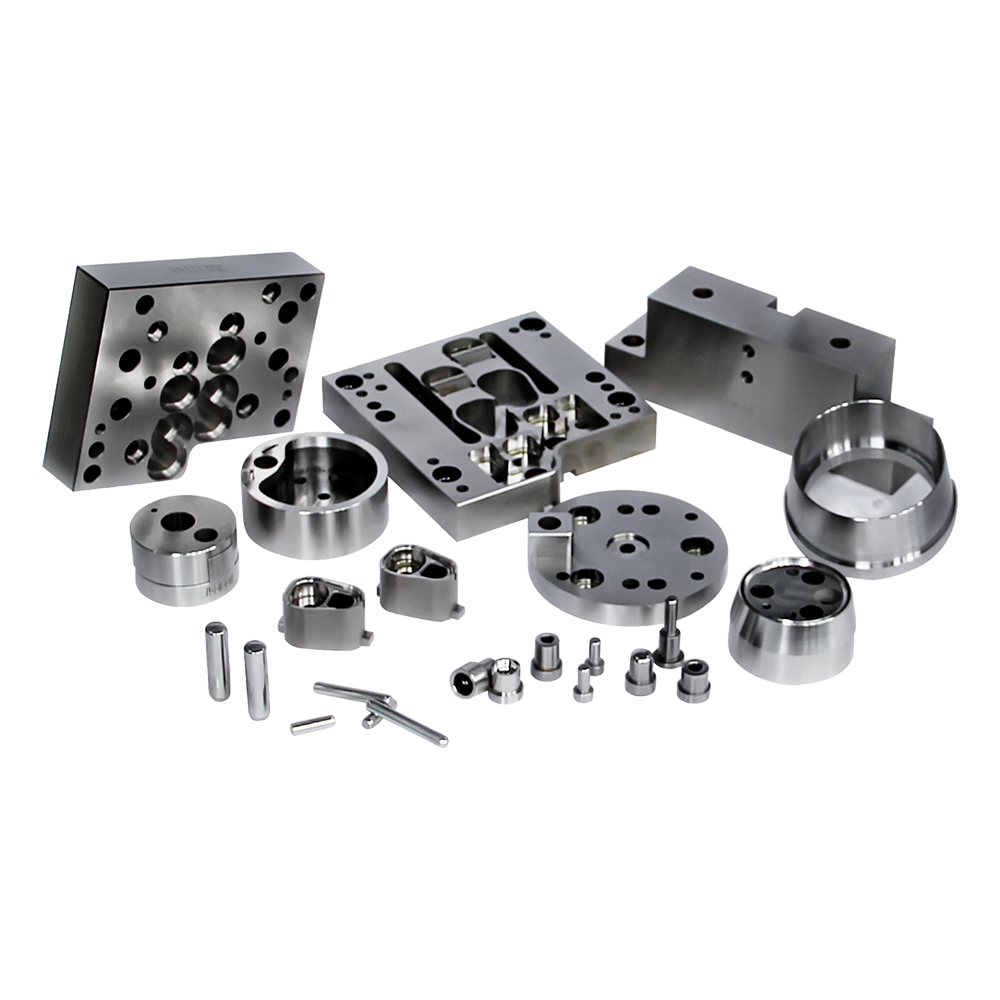
The manufacturer uses CNC high-precision machining equipment together with a complete range of mechanical processing equipment. Precision machining helps support dimensional consistency in key mechanical components, mounting structures, guides, fixtures, and other parts that affect the stability of the production line. Accurate parts can also simplify assembly, adjustment, and future maintenance.
The company states that its product design principles are similar to those used by established international can-making machinery manufacturers, including KRUPP, SOUDRONIC, and ALFONS-HAAR. It also emphasizes the combination of practical production experience with ongoing product improvement. For customers, this combination is important because can-making equipment must perform reliably under continuous industrial conditions rather than only during short demonstrations.
An induction drying machine requires more than a heating generator. It includes the machine frame, can conveying or positioning elements, drying-head supports, control components, cooling-water connections, protective enclosures, and operator interfaces. The manufacturer’s broader experience in can-making machinery enables these elements to be considered as part of a complete production system.
Integration experience can help reduce problems related to line synchronization, can transfer, clearance, product changeover, and equipment access. It also helps the manufacturer understand how a drying machine should operate alongside welding machines, feeding systems, seam treatment units, testing equipment, and packaging machinery.
The company reports certification to the ISO 9001 quality management system and ISO 14001 environmental management system. ISO 9001 provides a structured framework for quality-related procedures, documentation, process control, and continual improvement. ISO 14001 addresses environmental management, including the management of environmental responsibilities and improvement objectives.
Certification does not eliminate the need for customer inspection or equipment testing, but it demonstrates that the manufacturer has established formal management systems. For international buyers, these systems can provide additional confidence during supplier evaluation, project documentation, and production acceptance.
According to the supplied company information, more than 10,000 pieces of can and can-lid equipment have been produced. The manufacturer has supplied machinery to can manufacturers and canning factories in Europe, Asia, Africa, North America, South America, and Oceania.
This international experience may be useful when customers require export packaging, documentation, installation support, spare parts, and technical communication across different markets. It also indicates familiarity with a range of production environments and customer expectations.
A reliable industrial drying machine begins with a clear understanding of the application. The manufacturer first needs to evaluate the customer’s can dimensions, drying location, production speed, coating system, and line arrangement. This information forms the basis for selecting the number of drying heads and determining the appropriate operating parameters.
After the technical requirements are confirmed, mechanical components can be designed and processed. CNC machining supports the production of accurate parts, while other mechanical equipment is used for cutting, forming, drilling, welding, finishing, and assembly. Critical dimensions should be checked during production to maintain alignment and reliable operation.
The induction system, electrical controls, cooling circuit, and mechanical structure must then be integrated. The machine should be inspected for correct wiring, secure connections, appropriate protection, water-circuit integrity, and operating safety. Control functions should be checked under simulated or actual production conditions where possible.
Final testing should include operation of the drying heads, verification of the electrical supply, inspection of the cooling-water system, evaluation of the control response, and confirmation of can transfer through the machine. When the customer provides representative cans and coatings, application testing can offer a more accurate basis for confirming speed and drying performance.
This production approach is particularly important for tailor-made equipment. A drying machine specified for one can size and coating system may require different settings from a machine used for another product. Application-specific testing helps avoid assumptions and allows the customer and manufacturer to define practical operating parameters before shipment or installation.
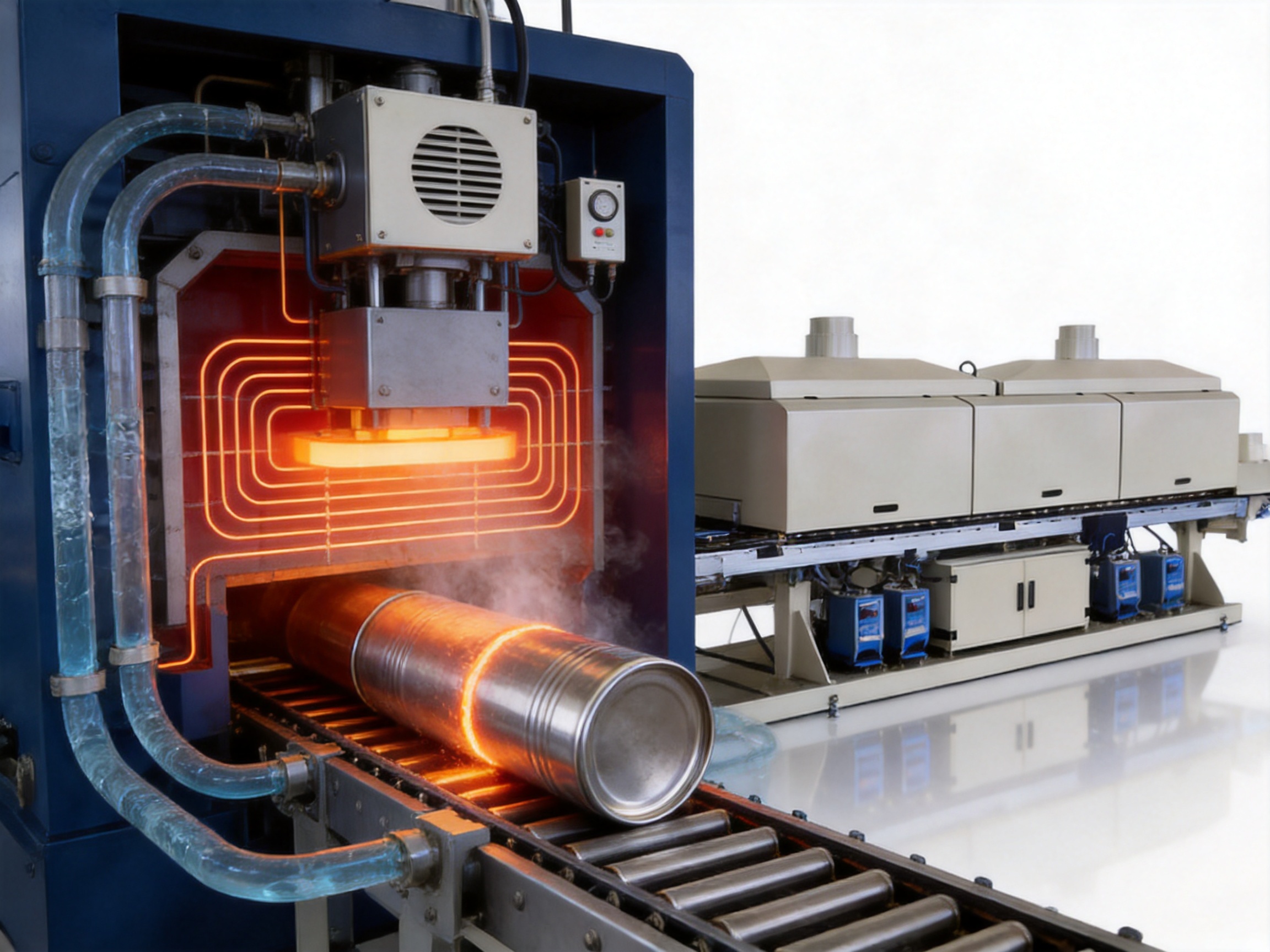
The GT3B10 should be installed on a stable foundation with sufficient clearance for operation, inspection, cleaning, and maintenance. The installation area must provide the specified electrical power and a suitable cooling-water supply. The customer should also reserve enough space around the machine for operators to observe the can path and access the drying heads and control components.
Line integration requires careful coordination with upstream and downstream equipment. The can body must enter the drying area in a stable and repeatable position. The conveying speed should match the drying process, and the distance between the can and the drying head should be adjusted according to the machine design and application requirements.
Electrical installation should be completed by qualified personnel. The stated input supply is AC 220 V with a tolerance of plus or minus 10 percent. Before energizing the machine, the customer should confirm the actual site voltage, grounding arrangement, protective devices, cable capacity, and local electrical regulations.
The cooling-water circuit should be flushed and checked before operation. Water pressure must remain within the specified range of 0.05 to 0.25 MPa. The customer should also verify water cleanliness, temperature, flow, and any filtration or circulation requirements specified by the manufacturer. Insufficient or unstable cooling can affect equipment reliability.
During commissioning, technicians normally verify the mechanical alignment, electrical functions, cooling-water circuit, emergency stops, protective devices, and automatic operating sequence. Representative cans should then be passed through the machine while the operator observes the drying result and production stability.
Process parameters may be adjusted according to can diameter, line speed, material thickness, moisture level, and coating characteristics. The aim is to achieve sufficient drying without unnecessary heating. Test results should be recorded so that the customer can establish repeatable production settings for each can specification.
The manufacturer states that it provides installation, commissioning, technical guidance, and operation training. These services can help customers shorten the learning period and establish appropriate maintenance and operating procedures.
Operators should be trained to understand the machine’s control functions, production limits, emergency procedures, and inspection requirements. They should know how to check cooling-water pressure, identify abnormal sounds or vibrations, inspect the can path, and respond to a line stop.
Induction equipment generates electromagnetic fields and heat. The machine should therefore be operated with its protective structures and covers correctly installed. Personnel should follow the manufacturer’s safety instructions and applicable local regulations. Unauthorized modification of the electrical, cooling, or induction systems should be avoided.
Before cleaning or maintenance, the equipment should be stopped, isolated from its power supply, and secured against unexpected startup. Cooling-water pressure should also be relieved where necessary. Only qualified personnel should inspect electrical components or work on the induction generator.
Routine checks may include inspection of the drying-head position, machine fasteners, can guides, conveyor condition, cooling-water pressure, hoses, fittings, electrical connections, and protective devices. Operators should also watch for changes in drying quality, unusual heating, product scuffing, or unstable can transfer.
Cooling-water systems should be maintained according to the water quality and circulation arrangement. Filters, pumps, heat exchangers, and hoses may require periodic inspection. Keeping the cooling system clean and stable helps protect the induction components and supports consistent operating performance.
Maintenance records should include inspection dates, observed conditions, adjustments, replacement parts, and corrective actions. A documented maintenance program can help identify gradual changes before they lead to production downtime.
For a can-making machine, the supplier’s industry experience can be as important as the nominal technical specification. A drying machine does not operate in isolation. It must function within a production environment that includes metal sheets, welded seams, coatings, conveyors, sensors, electrical controls, and quality-inspection requirements.
A manufacturer focused on can-making machinery is more likely to understand the practical problems that can occur during production. These may include unstable can orientation, differences in tinplate behavior, variations in coating thickness, line-speed changes, difficult changeovers, and limited maintenance access.
Zhejiang Golden Eagle Food Machinery Co., Ltd. has developed can-making machines, can-lid equipment, molds, and complete production-line products for decades. Its product range includes food can production lines, beverage can production lines, can-lid production lines, chemical tank production lines, aerosol canister production lines, two-piece can production lines, and pop-can production lines.
This broad product range gives the company a system-level understanding of metal packaging production. Customers purchasing a drying machine can discuss not only the individual unit but also its relationship to other machinery in the plant. This can be useful when planning a new line, modernizing an existing line, or replacing a conventional drying system.
Customers should consider more than the model name when comparing drying machines. A meaningful comparison should include heating technology, usable can-size range, operating speed, energy requirements, control functions, cooling requirements, service support, spare-parts availability, and integration capability.
The GT3B10’s four-head to twelve-head selection provides a clear basis for capacity planning. However, the customer should request a technical proposal based on actual production conditions. Important details include the desired can diameter, can height, seam position, coating type, moisture level, and required output.
Customers should also clarify whether the quoted equipment includes conveyors, control cabinets, sensors, cooling units, safety covers, installation, commissioning, spare parts, and operator training. Clear scope definition helps prevent misunderstandings during delivery and installation.
For export projects, documentation should be reviewed in advance. This may include electrical diagrams, foundation requirements, utility specifications, operating manuals, maintenance instructions, spare-parts lists, packing information, and acceptance-test procedures. Early documentation review can make installation more efficient.
The GT3B10 is an automatic induction drying machine for tinplate can-making. Its primary stated application is drying food-can seams, although it can also be evaluated for beverage cans, aerosol cans, and other compatible metal-packaging applications.
The stated can-size range is 52 to 153 millimeters in diameter. The customer should provide complete can dimensions and production details so that the correct mechanical arrangement and drying-head settings can be confirmed.
The available configurations are GT3B10-4, GT3B10-6, GT3B10-8, and GT3B10-12. They provide four, six, eight, and twelve drying heads respectively.
Yes. The product information identifies the operation as automatic. It is intended to be integrated with an automatic can-making or can-processing line.
The listed input power supply is AC 220 V with a tolerance of plus or minus 10 percent. The stated output power is 15 kW for the listed model configurations. Site electrical conditions should be confirmed before ordering.
The supplied specification lists a cooling-water pressure of 0.05 to 0.25 MPa. The customer should also confirm the required water flow, temperature, cleanliness, filtration, and circulation arrangement with the manufacturer.
The stated frequency range is 30 to 100 kHz. The most suitable operating frequency depends on the can material, geometry, drying area, coating, and production conditions.
No. The product information describes the speed as tailor-made. Final speed depends on can size, material, seam design, moisture condition, coating, drying requirements, and the arrangement of the complete production line.
Yes. The equipment is described as a drying induction oven for food can-making and beverage can-making. Application testing and technical confirmation are recommended for each specific beverage-can design.
The product title identifies aerosol can-making as a related application. Because aerosol cans have specialized pressure, seam, coating, and safety requirements, the customer should submit detailed technical information for confirmation before purchase.
The company states that it provides installation, commissioning, technical guidance, operation training, and spare-parts supply. The exact service scope should be included in the commercial and technical agreement.
The customer should provide can dimensions, material, coating details, seam location, production speed, moisture condition, line layout, electrical supply, cooling-water conditions, and the required level of automation. Representative samples are useful for application evaluation.
Induction heating can deliver energy rapidly and locally to conductive metal components. This supports a compact drying arrangement, fast process response, and controlled heating. Actual performance depends on correct machine selection and application-specific parameter adjustment.
Yes. The supplied table lists “Φ1.38–1.50” under the field labeled cooling-water temperature. Because this entry does not use a normal temperature unit, it should be clarified with the manufacturer before installation planning.
The GT3B10 high-speed tinplate canbody drying machine is designed to provide automatic induction drying for food, beverage, and selected aerosol or metal-packaging applications. Its main strengths include a 52 to 153 millimeter can-diameter range, four available drying-head configurations, a 30 to 100 kHz frequency range, 15 kW listed output power, and a compact process concept based on localized induction heating.
Compared with conventional large thermal drying arrangements, induction technology can offer rapid response, concentrated heating, flexible production integration, and the potential to reduce unnecessary heating of surrounding air and equipment. These advantages are especially relevant to modern can-making lines that require consistent quality, efficient use of factory space, and reliable automatic operation.
The value of the equipment is further supported by the manufacturer’s long experience in can-making machinery and molds. Since 1978, Zhejiang Golden Eagle Food Machinery Co., Ltd. has developed a broad range of machines and complete production-line solutions. Its reported engineering staff, CNC precision machining capabilities, ISO 9001 and ISO 14001 management certifications, international supply experience, and after-sales support provide a strong foundation for customized industrial projects.
For the best result, customers should select the machine through a complete technical evaluation rather than by nominal power or model name alone. Can specifications, coatings, seam construction, line speed, cooling-water conditions, and installation layout all influence the final performance. With suitable configuration, testing, commissioning, and maintenance, the GT3B10 can serve as a practical drying solution for modern tinplate can production.
1. Product technical information for the GT3B10 high-speed tinplate canbody drying machine, including model configurations, can-size range, power, cooling-water pressure, and frequency data.
2. Zhejiang Golden Eagle Food Machinery Co., Ltd. company profile and manufacturing capability information.
3. General principles of induction heating and electromagnetic energy transfer in conductive metal materials.
4. ISO 9001 quality management system principles for manufacturing organizations.
5. ISO 14001 environmental management system principles for industrial enterprises.
6. General engineering practices for tinplate can production, seam processing, coating protection, machine integration, and preventive maintenance.
Related Products

Founded in 1978, the company is one of the largest can-making machinery well-known companies at home and abroad.
Product Categories
Contact Information
Zhongshatou Shenjiamen Zhoushan Zhejiang China
+86-580-3056646

 English
 中文简体
中文简体
 русский
 عربى
عربى
 Español