2026-09-23
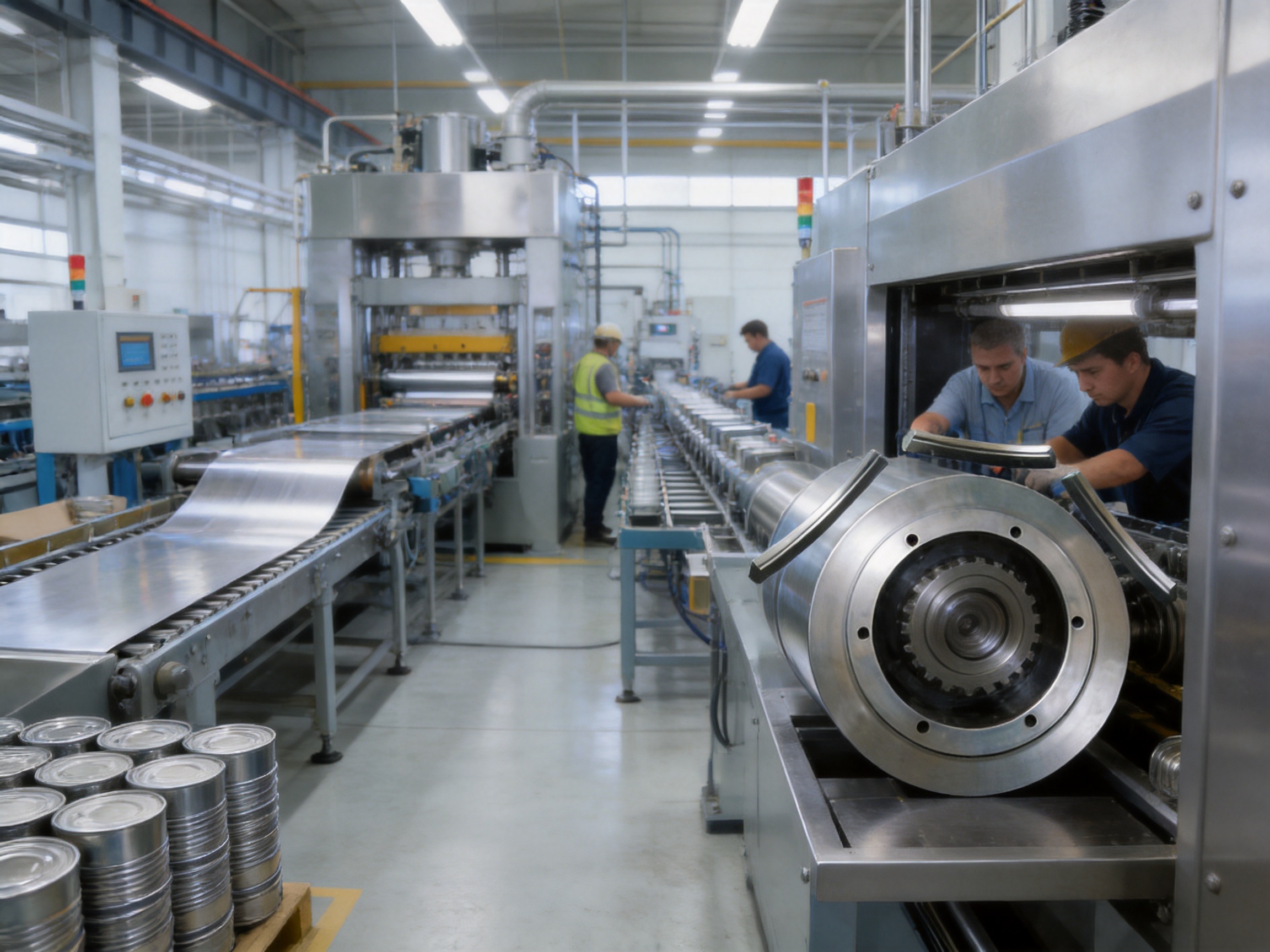
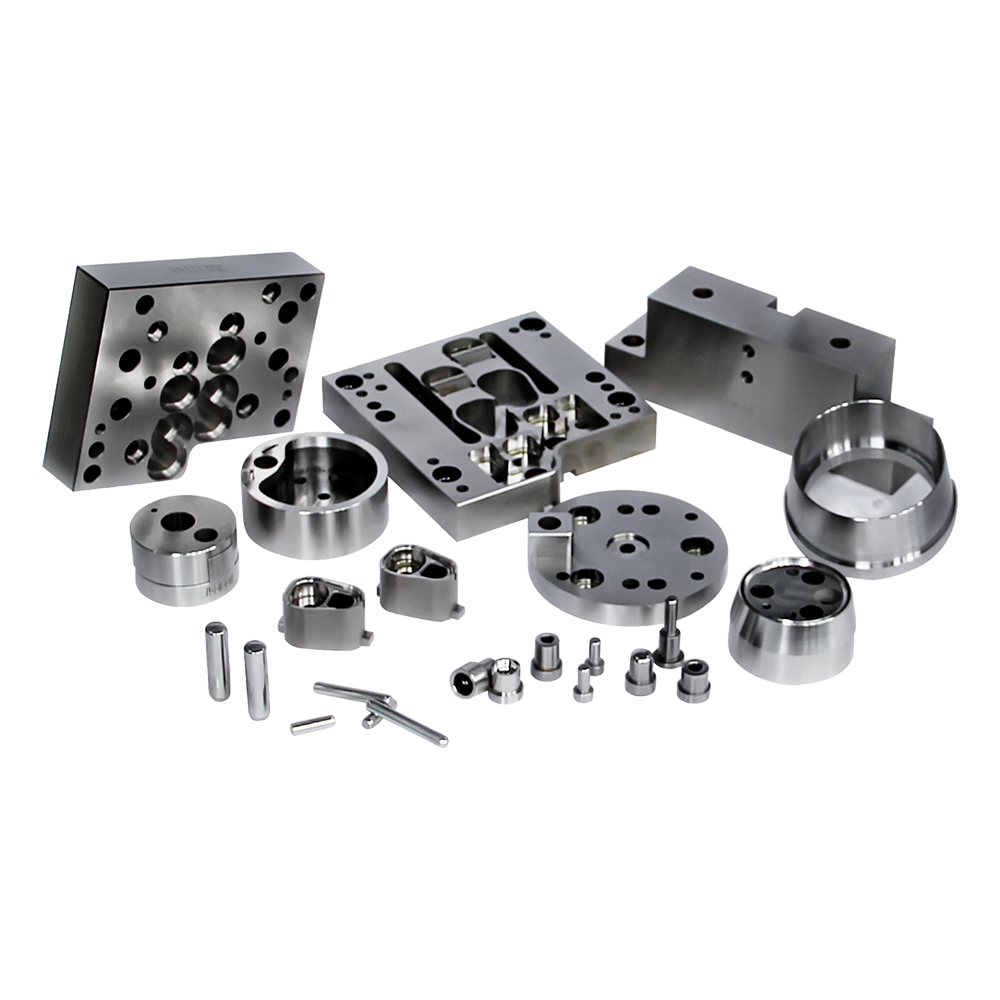
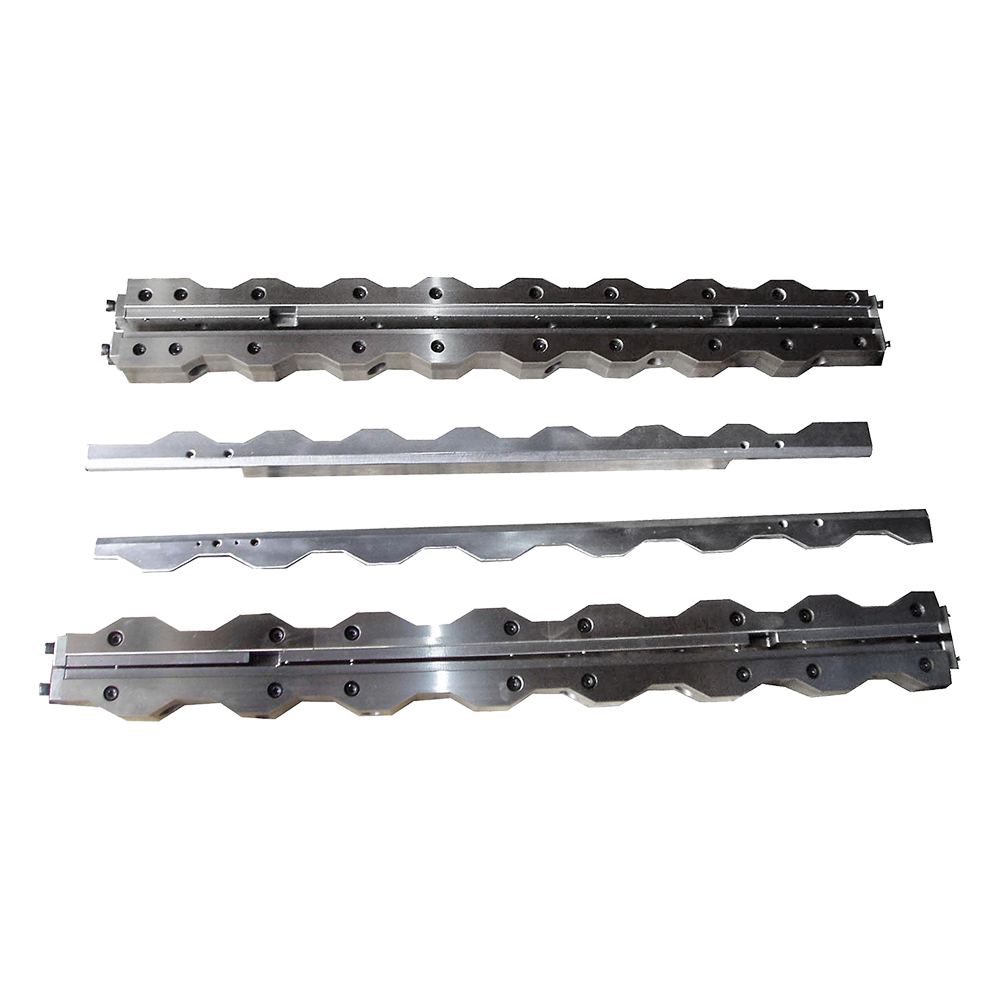
Conversion press seaming roller dies are precision tooling components used in can-making operations where flat metal shells are formed, transferred, and prepared for dependable lid or end production. Although the die is compact compared with an entire can-making line, its influence on dimensional accuracy, forming stability, production speed, and finished-can quality is substantial. A properly engineered seaming roller die helps manufacturers maintain consistent profiles, reduce scrap, protect press components, and achieve repeatable results across long production runs.
The Conversion Press Seaming Roller Die supplied by Zhejiang Golden Eagle Food Machinery Co., Ltd. is designed for manufacturers seeking dependable tooling for tinplate and related metal packaging applications. It belongs to the company’s mold product range and is developed within a manufacturing organization specializing in can-making machinery, can-making molds, conversion equipment, and complete production lines. The product is intended to support demanding industrial environments in which tooling accuracy, service life, maintainability, and compatibility with existing equipment are essential.
In a modern can plant, the quality of a finished end or lid depends on the coordination of many factors. Metal characteristics, lubricant control, press timing, feed accuracy, die geometry, machine rigidity, and operator adjustment all contribute to the result. The seaming roller die is one of the key points of contact between the forming system and the workpiece. Its working surfaces must be manufactured accurately and finished carefully so that the metal is guided and shaped without unnecessary marking, distortion, or instability.
This article explains the working role, construction considerations, advantages, manufacturing strengths, application value, maintenance requirements, and purchasing considerations associated with a conversion press seaming roller die. It also introduces the capabilities of Zhejiang Golden Eagle Food Machinery Co., Ltd., a manufacturer with a long history in can-making machinery and molds.
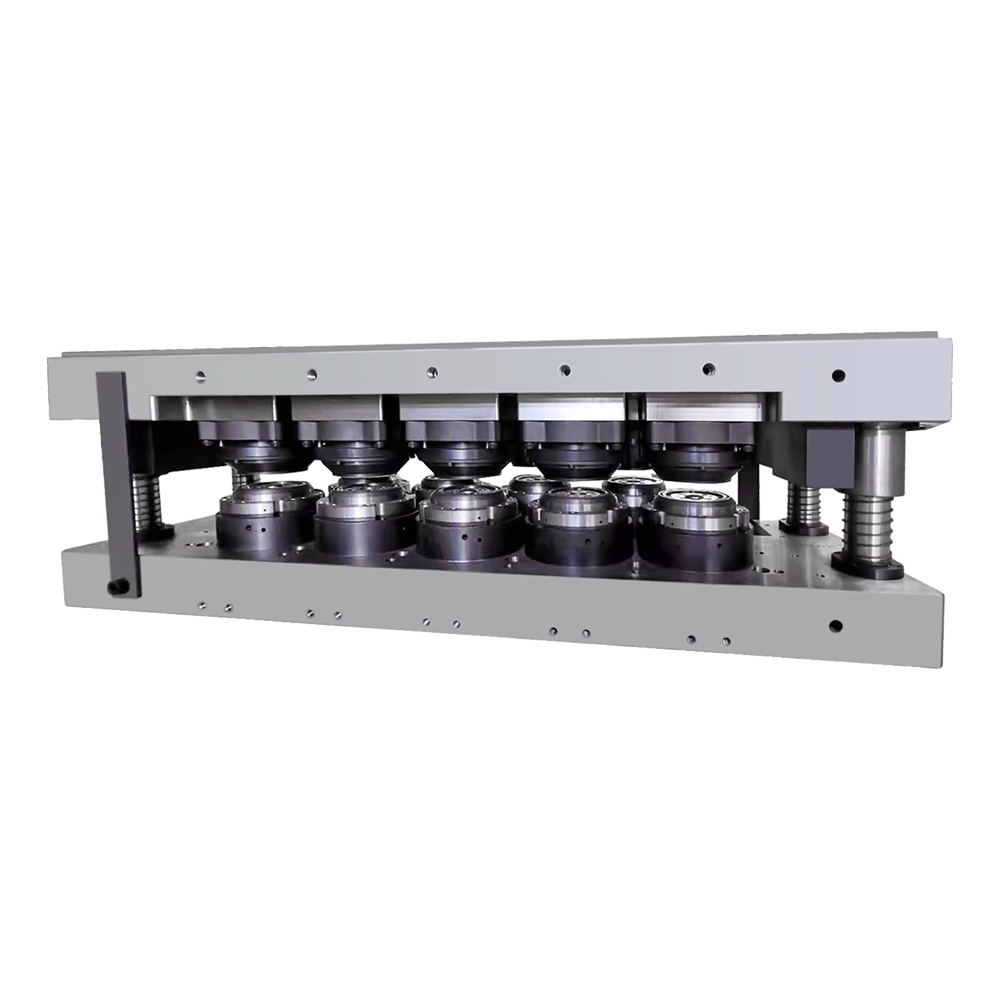
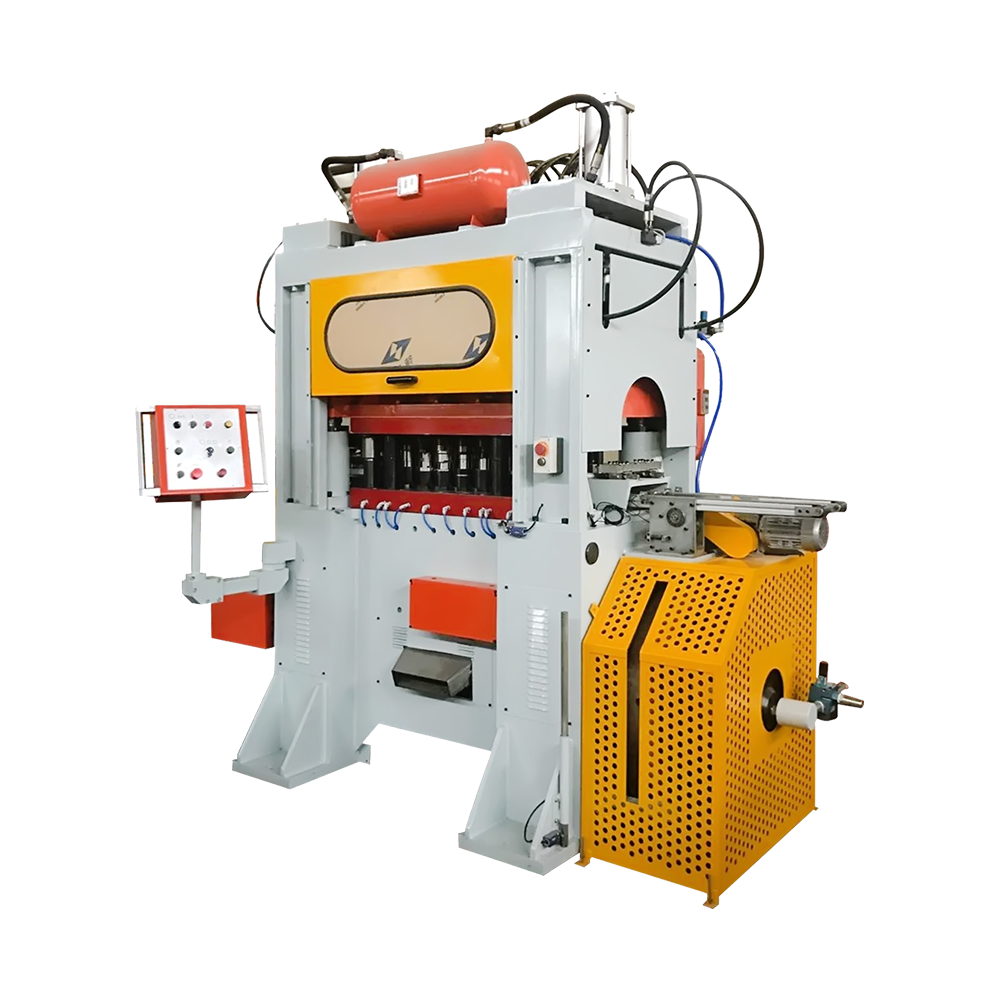
A conversion press transforms prepared sheet-metal components into useful can ends, lids, shells, or related packaging parts. Depending on the production line configuration, the process can include blanking, drawing, curling, beading, embossing, compound forming, scoring, and other operations. A seaming roller die is used to support controlled metal forming in a stage where the shape and edge condition of the component must remain within a narrow range.
The term “seaming” is commonly associated with the process of joining a can body and an end by mechanically folding their interlocking edges. However, the tooling used in a conversion press may also be involved in preparing the edge profile or forming characteristics required for later seaming. The roller die therefore has a direct relationship with the final seam. If the roller profile is inaccurate, worn, poorly aligned, or unsuitable for the material, downstream seam quality may be affected.
A high-quality roller die normally performs several functions at the same time. It guides the workpiece, applies forming pressure through a controlled profile, supports repeatable geometry, and withstands repeated contact with metal surfaces. During high-volume operation, the component may experience thousands or millions of working cycles. The die must therefore combine dimensional precision with mechanical strength and wear resistance.
In practical production, the value of the die is not measured only by its initial purchase price. A tooling component that appears inexpensive may create hidden costs if it causes frequent adjustments, inconsistent lid dimensions, excessive scrap, short replacement intervals, or unplanned downtime. A well-made die can provide a lower total cost of ownership by improving process stability and extending the useful life of the conversion press.
Metal packaging production is a high-throughput process. A small dimensional error repeated across a large number of pieces can become a significant quality problem. A variation in edge curl, profile diameter, or forming depth may influence stacking, feeding, sealing, or final seam performance. For this reason, conversion tooling must be produced with close attention to geometry and repeatability.
The working profile of a roller die should correspond to the intended product specification. Its radius, transition areas, reliefs, contact surfaces, and functional clearances all influence the way the metal flows. An overly sharp transition can concentrate stress and produce marks or cracks. An excessive clearance can result in an incomplete or loose profile. An unsuitable radius may change the final shape or make the component difficult to seam consistently.
Alignment is equally important. A precisely manufactured die can still perform poorly if it is installed incorrectly or used with a misaligned press. For this reason, the die should be designed with appropriate mounting features and manufactured according to the dimensional requirements of the target machine. Compatibility with the conversion press, workpiece dimensions, material thickness, and production process should be confirmed before ordering.
Good tooling also contributes to process repeatability. When the working profile is consistent from one die to the next, technicians can use established setup parameters with greater confidence. Replacement becomes more predictable, and the production team does not need to compensate for unexplained differences between tooling sets.
For manufacturers supplying food, beverage, aerosol, chemical, or general-purpose metal containers, repeatability is especially valuable. Packaging components must often satisfy both appearance requirements and functional requirements. A clean, consistent edge profile supports the visual quality of the package while helping the finished container meet mechanical and sealing expectations.
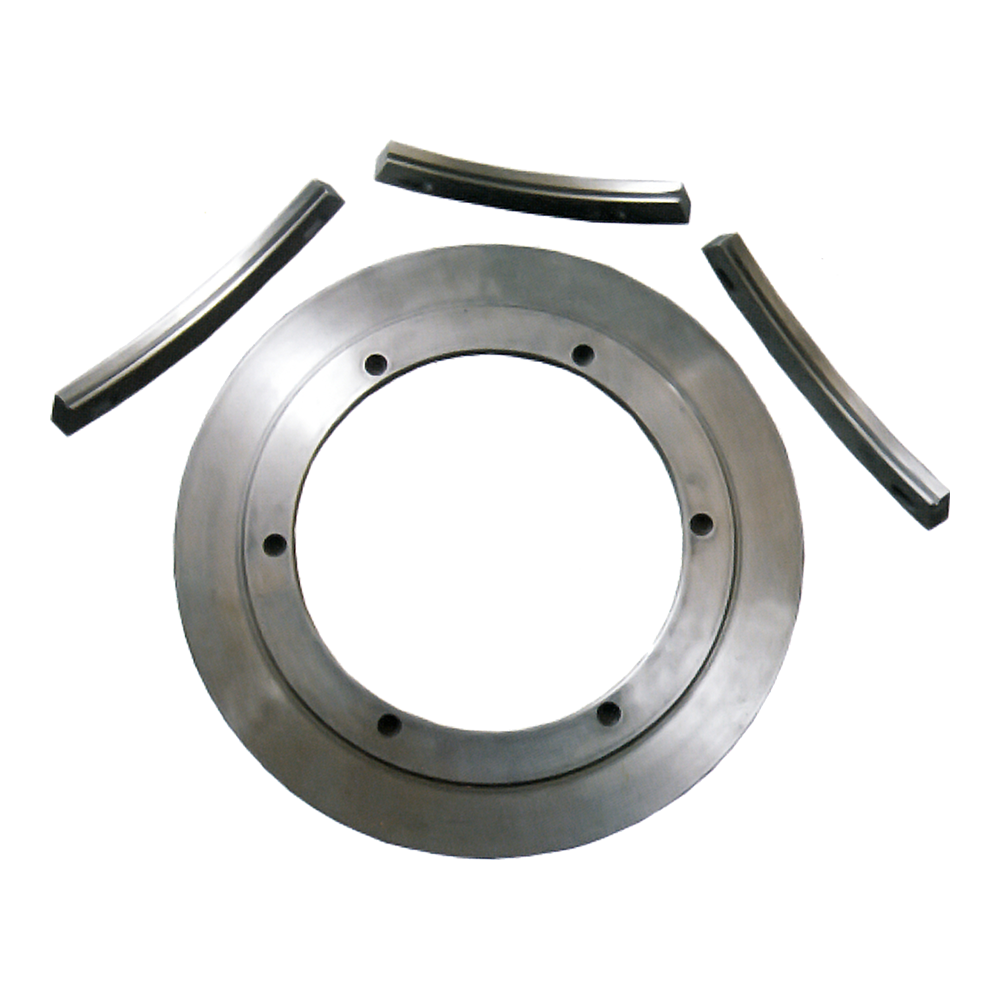
Conversion Press Seaming Roller Die
The Conversion Press Seaming Roller Die is developed as a precision mold component for conversion press applications in the can-making industry. Its primary value lies in the combination of accurate geometry, dependable material selection, controlled machining, and compatibility with industrial production environments.
The working profile is the most important functional area of a seaming roller die. It must be produced according to the required lid or end design so that the metal is shaped smoothly and consistently. A carefully controlled profile helps reduce irregular contact, excessive friction, and unpredictable metal movement.
Accurate profile production is especially important when the die is used for repeat orders or replacement tooling. If the geometry is consistent, the new die can be integrated into an existing process with fewer adjustments. This helps reduce setup time and limits interruptions to production.
Can-making equipment is often expected to operate for extended periods. The die must withstand repeated mechanical loading without rapid deterioration of its functional surfaces. Appropriate material preparation, heat treatment where required, surface finishing, and dimensional inspection all support stable performance.
Stable performance does not mean that the die is immune to wear. All tooling eventually requires inspection and replacement. However, a properly engineered component can help ensure that wear develops gradually and predictably rather than causing sudden changes in product quality.
Conversion presses commonly process tinplate and other thin metal materials used for food cans, beverage cans, aerosol containers, chemical containers, and related packaging. The die must be designed around the material thickness, temper, coating, surface condition, and forming behavior of the intended application.
Material compatibility should be evaluated jointly with the die supplier and the equipment user. Different products may require different profiles, clearances, surface treatments, or operating parameters. A tooling solution that performs well for one end diameter or material grade may not be directly interchangeable with another.
Can manufacturers frequently require replacement tooling for equipment already installed in their factories. They may also need new dies for a revised product specification, a different lid diameter, a new metal thickness, or a modified production line. A capable mold manufacturer should be able to work from technical drawings, existing samples, machine specifications, or application requirements.
Zhejiang Golden Eagle Food Machinery Co., Ltd. supplies can-making molds in complete varieties and can support tooling requirements associated with different can-making applications. Customized production should be based on confirmed dimensions, machine interfaces, material information, and expected operating conditions.
Competition in the can-making industry is not limited to the visible purchase price of a die. The more important comparison concerns production performance over time. A precision-manufactured roller die can offer several advantages over poorly made, worn, or incorrectly matched alternatives.
Accurate tooling helps maintain consistent component dimensions throughout a production run. This can reduce variation in the edge profile, forming depth, and contact geometry. Consistency is valuable because downstream equipment is usually designed to receive components within a defined dimensional range.
When variation is excessive, operators may need to make frequent adjustments. In severe cases, products may require sorting or rework. Consistent tooling reduces the likelihood of these problems and supports more predictable production planning.
Rough, damaged, or incorrectly finished working surfaces can mark the metal. Visible scratches, dents, scuffing, or coating damage may affect package appearance and may also create areas more vulnerable to corrosion. A properly finished die helps provide smoother contact between the tool and the workpiece.
Surface quality is particularly important for products that use printed or coated tinplate. Damage to the coating or decoration can lower the commercial value of the finished package even when the dimensional characteristics remain acceptable.
Tooling that matches the press and product specification helps the production team establish stable operating conditions. Once the correct setup is confirmed, the machine can often run with fewer interventions. This contributes to improved equipment utilization and more reliable production scheduling.
Stable tooling also makes troubleshooting easier. When the die profile and dimensions are controlled, process personnel can focus on other variables such as feed alignment, lubrication, material variation, or machine timing.
Unstable forming can create defective parts, jammed feeding systems, or unplanned press stops. Although a die is only one factor in the process, its condition can have a direct effect on these events. A robust roller die helps lower the likelihood of defects caused by profile inconsistency or premature wear.
Lower scrap improves material utilization. Lower downtime improves the output of the complete line. Together, these benefits may be more financially important than the difference between two initial tooling quotations.
Can-making machinery is a long-term capital investment. Manufacturers may continue using the same basic press for many years while replacing wear parts and adapting the line to new products. A mold supplier with broad equipment knowledge can provide tooling that supports this long service life.
Because Zhejiang Golden Eagle Food Machinery Co., Ltd. manufactures both can-making machinery and can-making molds, it has an integrated understanding of the relationship between tooling and equipment. This background can be useful when a customer needs a replacement component, a revised die, or technical assistance with an existing press.
The performance of a conversion press seaming roller die depends strongly on the manufacturing process used to produce it. Zhejiang Golden Eagle Food Machinery Co., Ltd. has developed its capabilities through decades of experience in can-making equipment and mold production.
The company was established in 1978 and was formerly known as Zhejiang Food Machinery Factory and Zhoushan Mold Factory. More than four decades of experience have allowed the organization to accumulate knowledge related to can forming, lid production, mechanical design, mold manufacturing, equipment integration, and production-line operation.
This experience is valuable because tooling cannot be evaluated only as an isolated mechanical part. Its design must be connected to the workpiece, press, feeding method, production speed, material, and downstream operation. A manufacturer that understands these relationships is better positioned to develop practical tooling solutions.
The company has a workforce of more than 350 trained personnel, including experienced design and development professionals and engineers. A strong engineering team supports the preparation of drawings, product adaptation, process improvement, troubleshooting, and technical communication with customers.
Engineering capability is especially important when the customer does not have complete original drawings. In such cases, the supplier may need to analyze samples, review equipment details, confirm product dimensions, or propose a replacement solution based on actual operating conditions.
The company uses CNC high-precision machining equipment together with complete mechanical machining equipment. CNC machining supports repeatable production of complex profiles and mounting features. It also improves the ability to reproduce tooling accurately when replacement parts are required.
Modern machining equipment does not replace engineering judgment, inspection, or skilled production personnel. Instead, it provides a controlled platform for converting approved designs into physical components with reliable dimensional accuracy. The combination of advanced equipment and experienced workers is important for producing functional molds and dies.
The company states that its products have been improved through practical production experience and continuous innovation. This approach is significant in can-making because actual production can reveal issues that are not obvious during theoretical design. Feedback from factories may identify opportunities to improve wear behavior, setup convenience, maintenance access, or compatibility with specific operating conditions.
Continuous improvement may also involve refining machining processes, improving inspection methods, updating equipment, or adjusting product designs to reflect changes in metal packaging. A tooling supplier that remains close to production practice can respond more effectively to these requirements.
Zhejiang Golden Eagle Food Machinery Co., Ltd. has been certified to the ISO9001 quality management system and ISO14001 environmental management system. ISO9001 emphasizes controlled quality processes, documentation, responsibility, and continuous improvement. ISO14001 focuses on environmental management and the systematic control of environmental responsibilities.
Certifications do not replace product-specific inspection, but they indicate that the company has established formal management systems. For international customers, this can provide additional confidence when evaluating a supplier for molds, equipment, spare parts, and production-line projects.
A conversion press seaming roller die may be used in a range of metal packaging applications, depending on its design and the associated press configuration. The relevant sectors include food cans, beverage packaging, aerosol containers, chemical tanks, and other tinplate products.
Food can production requires clean, consistent, and mechanically reliable components. The lid or end must fit the can body correctly and support a secure seam after filling and closing. Tooling accuracy contributes to the repeatability of the edge profile and helps maintain a stable production process.
Food packaging lines may operate at high volume, making die life and changeover efficiency important. A suitable roller die can support dependable operation while reducing the number of quality interruptions caused by inconsistent forming.
Beverage packaging can involve strict dimensional requirements, high output, and demanding appearance standards. A variation in the lid profile may affect feeding, stacking, or the relationship between the lid and the can body. Precision tooling supports the consistency required by automated production.
The exact die design will depend on the product configuration and press. Customers should provide detailed information about the lid type, nominal dimensions, material, and machine model when requesting a quotation.
Aerosol containers and components require carefully controlled forming operations because the finished package must meet functional and safety expectations. The company supplies aerosol can-making machinery and aerosol cone and dome making equipment, giving it experience in a broader range of metal packaging processes.
When a roller die is used in an aerosol-related conversion process, its profile and surface condition must be matched carefully to the required component. The tooling supplier should review the product drawing and operating conditions before production.
Chemical tanks and industrial containers may use heavier or specially specified metal materials. Their forming requirements can differ from those of small food or beverage cans. The die must therefore be selected according to the material thickness, product geometry, press capacity, and required production rate.
The company’s product range includes chemical tank-making machinery, enabling it to serve customers across different segments of the metal packaging industry. This broad application experience can be useful when a customer needs tooling for a specialized container.
A roller die does not operate independently from the rest of the manufacturing system. Its performance should be considered as part of a complete production line that may include sheet preparation, printing, slitting, feeding, pressing, forming, inspection, stacking, and packaging.
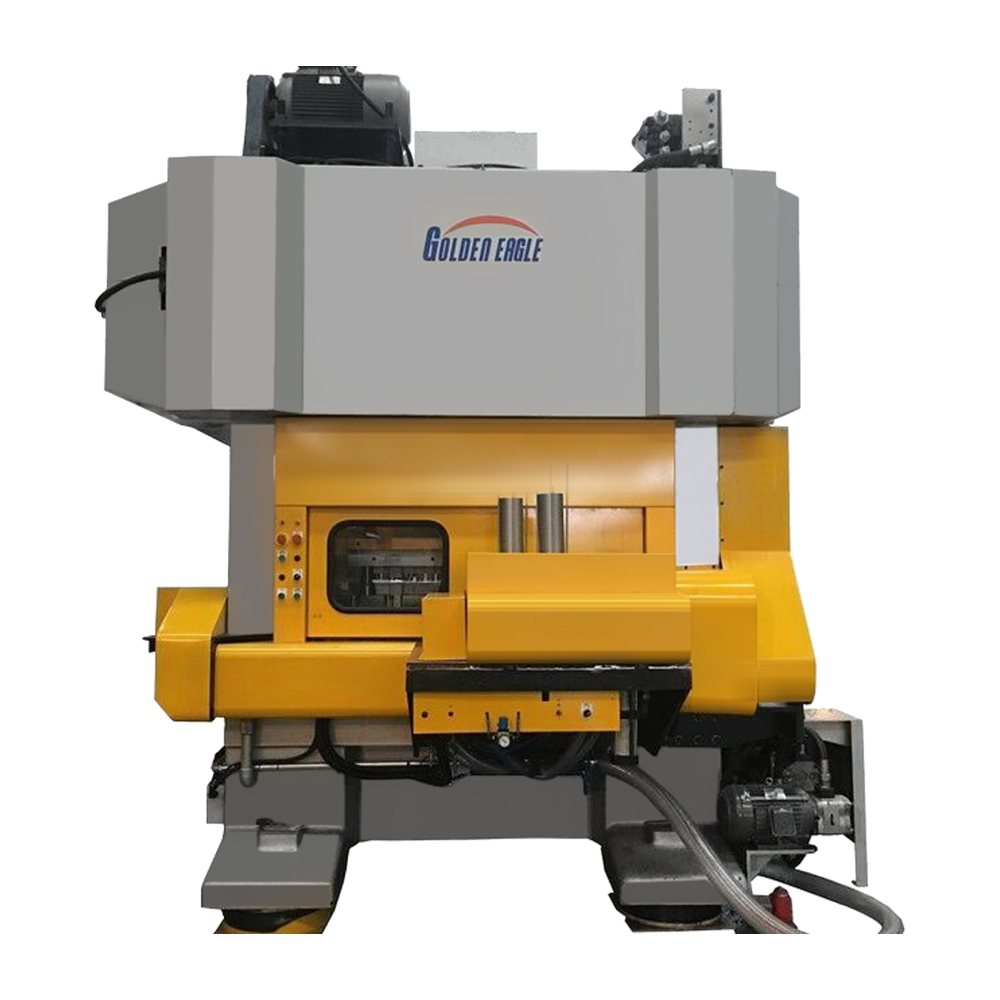
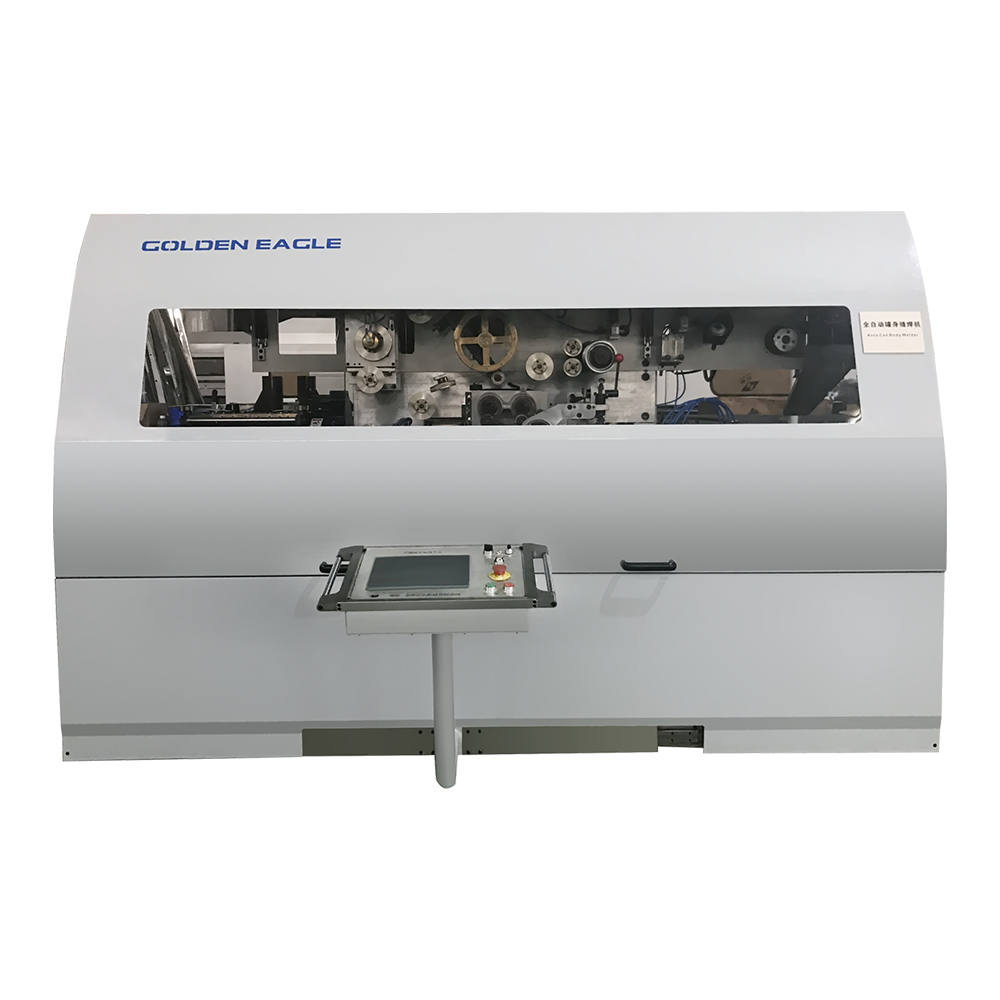
Zhejiang Golden Eagle Food Machinery Co., Ltd. supplies a broad range of equipment, including food can production lines, beverage can production lines, can lid production lines, chemical tank production lines, aerosol canister production lines, two-piece can production lines, and pop can production lines. It also supplies cutting machines, duplex slitters, automatic feeding machines, tin can auto-welding machines, and related equipment.
This broad product coverage creates an integrated technical perspective. The company can evaluate how a mold or die interacts with feeding equipment, press operations, and downstream processes. For customers planning a complete line, the ability to communicate with one supplier about several connected stages may simplify project coordination.
Integrated support can also be helpful when upgrading an existing factory. A customer may not require a complete new line but may need a replacement die, an automatic feeder, a revised press component, or a production improvement. Understanding the wider line allows the supplier to recommend a more suitable solution rather than treating each component as an isolated purchase.
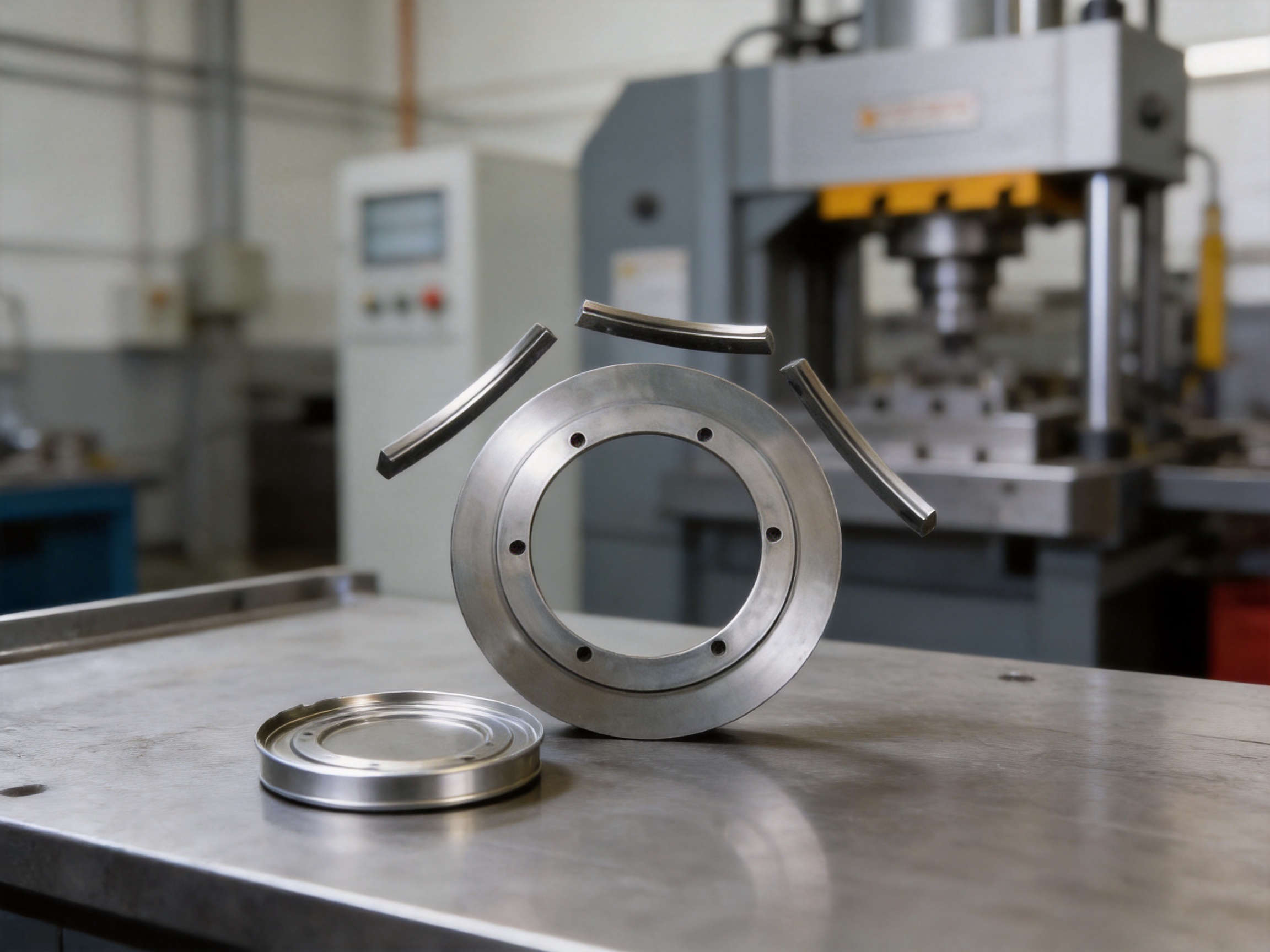
Before ordering a conversion press seaming roller die, the customer should provide as much technical information as possible. Complete information helps prevent dimensional errors and reduces the need for later modifications.
Important equipment details may include the press manufacturer, model, nominal capacity, working speed, mounting arrangement, shaft or holder dimensions, and existing die configuration. Photographs and drawings of the installation area can also be useful when original technical documentation is incomplete.
The supplier should receive the finished lid or end drawing whenever possible. Relevant information may include outside diameter, inside diameter, curl dimensions, bead or groove details, forming depth, profile radii, tolerances, and any special features.
If the product is already in production, a physical sample may help confirm the intended geometry. However, samples should be accompanied by dimensional data because visual inspection alone may not reveal all functional requirements.
Material information should include metal type, nominal thickness, temper or hardness, coating condition, and any relevant surface treatment. Tinplate behavior can vary according to grade and temper, and these differences may influence forming pressure, springback, and wear on the working surface.
The expected production speed, operating hours, batch size, changeover frequency, and target service life are also important. A die intended for occasional production may have different priorities from one intended for continuous high-volume operation.
Customers should also identify whether the die is for a new press, a replacement application, or a process modification. This helps the manufacturer determine the correct manufacturing and inspection approach.
Acceptance requirements should be agreed upon before production. These may include dimensional inspection reports, surface-finish expectations, material certificates, hardness information, trial production results, or compatibility checks. Clear acceptance criteria help both parties evaluate the tooling objectively.
The exact manufacturing sequence varies according to the design, material, and customer requirements. A typical controlled process may include technical review, drawing preparation, material preparation, rough machining, heat treatment where applicable, finish machining, surface treatment or polishing, inspection, and final packing.
The process begins with a review of the product requirements and machine interface. Engineers examine the working profile, installation dimensions, clearances, material, and expected operating conditions. Any unclear dimensions or conflicting requirements should be resolved before machining begins.
Tool steel or another suitable engineering material may be selected according to the expected load, wear conditions, and required surface properties. Material selection should balance hardness, toughness, machinability, dimensional stability, and the intended service environment.
Rough machining removes excess material while establishing the basic shape. Finish machining then produces the functional profile and critical mounting features. CNC equipment can help reproduce programmed geometry and support consistent production across multiple pieces.
Special attention is required at transition areas and radii. These regions may strongly influence metal flow and are often sensitive to machining errors or surface irregularities.
Where the selected material and design require it, heat treatment may be used to improve hardness, wear resistance, or mechanical stability. Heat treatment must be controlled carefully because it can introduce dimensional changes. Post-treatment machining or correction may be required to achieve the final specification.
Surface finishing removes unwanted machining marks and prepares the working surfaces for contact with the metal component. The required finish depends on the application, material, coating, and forming conditions. A smooth and uniform surface can reduce friction and limit the risk of marking.
Inspection should cover critical dimensions, profile accuracy, runout, concentricity where applicable, mounting features, surface condition, and overall appearance. Measuring equipment and inspection methods should be selected according to the tolerance requirements.
Final verification helps identify problems before shipment. It also creates useful documentation for future replacements and maintenance records.
Even a well-manufactured die requires correct installation. Before fitting the component, technicians should clean the holder, remove contamination, inspect adjacent components, and confirm that the mounting surfaces are free from burrs or damage.
The die should be installed according to the equipment manufacturer’s procedures. Fasteners must be tightened appropriately, and the assembly should be checked for correct orientation, runout, and alignment. Forcing a component into an unsuitable holder can damage both the die and the machine.
Initial setup should normally begin at a conservative operating condition. Technicians can inspect sample parts, verify the profile, and make controlled adjustments before increasing the press speed. This approach helps identify alignment or feeding issues without generating a large quantity of defective products.
Lubrication should be compatible with the material, process, and packaging requirements. Excessive lubricant may create contamination or interfere with later operations, while insufficient lubrication can increase friction and accelerate wear. The correct balance should be established through controlled production trials.
After commissioning, operators should record the installation date, machine settings, material specification, production speed, and initial inspection results. These records provide a baseline for future maintenance and help identify changes caused by wear or process variation.
Regular maintenance is essential for protecting the service life of a seaming roller die. Operators should inspect the working surfaces at planned intervals and look for scratches, pitting, abnormal polishing, edge damage, deformation, or deposits from the production process.
Cleaning should be performed using methods that do not damage the surface or leave harmful residues. Abrasive tools should be avoided unless specifically approved for the component. Small defects can become larger problems if they are allowed to remain in the working area.
Alignment and adjacent tooling should also be checked. A die may appear to be wearing prematurely when the actual cause is a damaged holder, incorrect clearance, press vibration, poor feeding, or another component that is not positioned correctly.
Wear limits should be established based on product quality and process performance rather than appearance alone. If finished parts begin to show dimensional drift, surface marks, unstable feeding, or seam-related problems, the die should be inspected even if the visible wear seems minor.
Keeping a usage record can help predict replacement requirements. Useful information includes operating hours, production quantity, material grade, maintenance actions, defects observed, and the date of replacement. This information can support more efficient inventory planning.
Quality control should combine tooling inspection with finished-product inspection. Measuring the die alone cannot guarantee a good result if the press is misaligned or the material varies significantly. Conversely, inspecting only the finished product may make it difficult to identify the source of a problem.
Typical finished-part checks may include outside diameter, inside diameter, edge profile, curl dimensions, forming depth, visual appearance, coating condition, and compatibility with the can body. Where the component is intended for a seaming operation, seam evaluation should also be included in the quality program.
Process control charts can help identify gradual changes. A slow dimensional shift may indicate normal wear, while sudden variation may suggest damage, contamination, misalignment, or a machine problem. Early detection allows corrective action before a large quantity of product is affected.
For international customers, documentation is also important. Drawings, inspection reports, packing records, and operating recommendations can help the customer maintain traceability and support future reorders. Consistent documentation is particularly useful when several similar dies are used in the same factory.
Tooling performance is influenced by installation, commissioning, operation, and maintenance. For this reason, technical support can be an important part of the supplier relationship. Zhejiang Golden Eagle Food Machinery Co., Ltd. provides after-sales services including installation, commissioning, technical guidance, operation training, and parts supply.
Installation support can help customers verify the mechanical interface and initial settings. Commissioning support can assist with sample production and process adjustment. Technical guidance can help operators understand correct use and maintenance practices, while training supports consistent operation after the supplier’s specialists have completed the initial work.
Fast parts supply is also valuable for production continuity. Can-making factories may operate according to fixed delivery schedules, and a missing wear component can interrupt an entire line. A supplier with a broad manufacturing base and experience in spare parts can help customers reduce the impact of unexpected maintenance events.
Customers should communicate clearly when requesting technical assistance. Providing photographs, sample dimensions, machine settings, defect descriptions, and production conditions can help engineers identify the likely cause more efficiently.
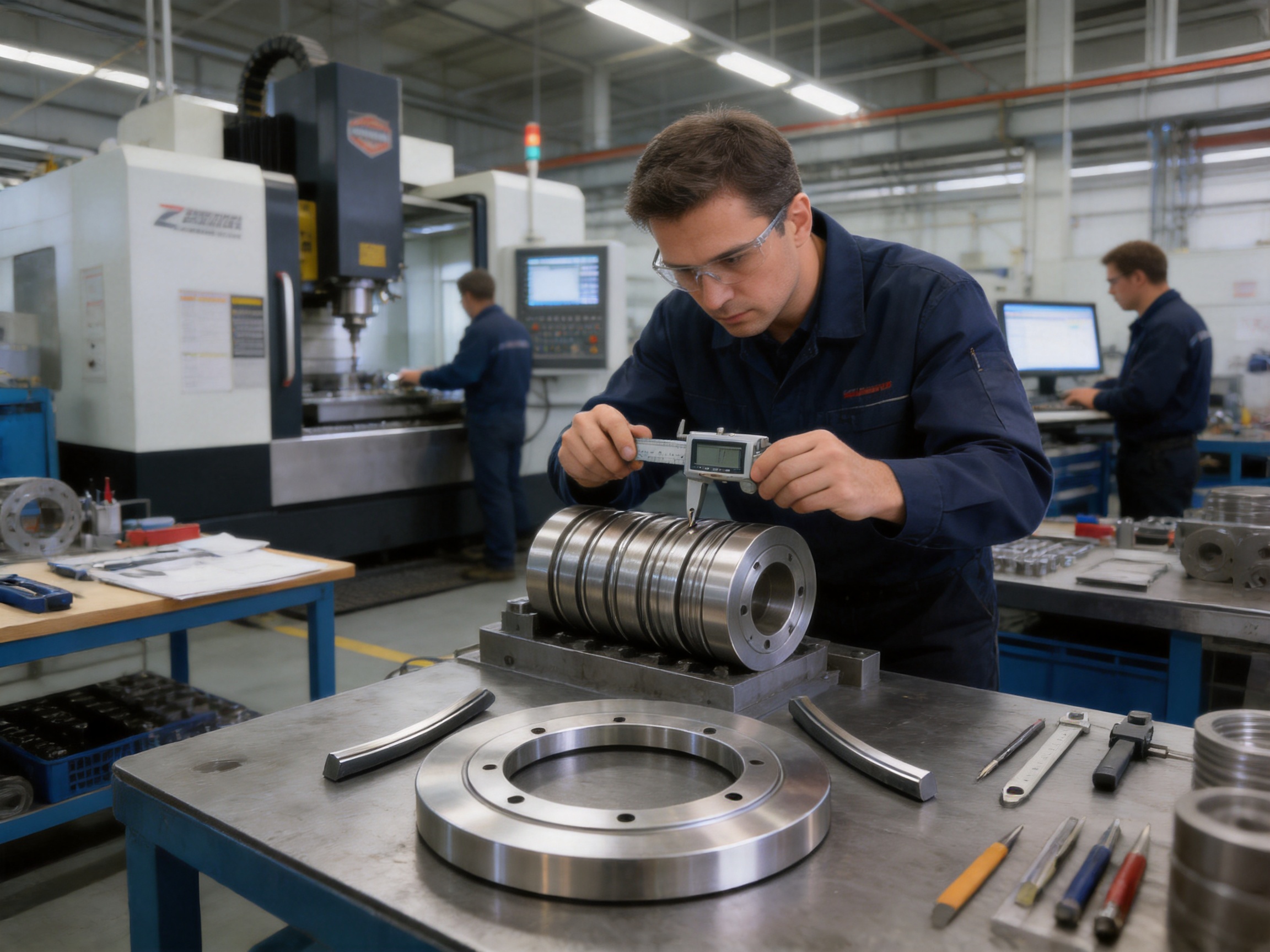
Choosing a mold supplier involves more than comparing catalogue descriptions. The supplier should understand the relationship between the mold, machine, product, material, and production target. Experience in the same industry can reduce the risk of selecting a component that appears compatible but performs poorly in actual operation.
Zhejiang Golden Eagle Food Machinery Co., Ltd. has produced more than 10,000 pieces of can and can-lid equipment. Its products have been used by can manufacturers and canning factories in many markets. The company has exported equipment and tooling to countries and regions across Europe, Asia, Africa, North America, South America, and Oceania.
This international experience suggests familiarity with different customer requirements, production practices, technical documentation expectations, and equipment configurations. It also reflects the company’s ability to support customers beyond its domestic market.
The company’s combination of machinery and mold production is another advantage. A tooling-only supplier may be highly capable in machining but have limited knowledge of complete can production. A machinery-only supplier may understand equipment but outsource all precision mold work. An organization that develops both can-making machinery and molds can evaluate the complete production relationship more effectively.
The economic value of a roller die should be evaluated through total cost of ownership. The calculation may include purchase price, shipping, installation, setup time, production losses, scrap, maintenance, replacement frequency, and the effect on downstream operations.
A die with a reasonable service life can reduce the frequency of changeovers and maintenance stops. Consistent geometry can reduce scrap and improve material utilization. Good surface finishing can reduce the risk of cosmetic defects. Technical support can reduce the time needed to resolve installation or operation problems.
These benefits are difficult to express in a single catalogue specification, but they are important in a high-volume factory. A stable component can improve the performance of the complete press rather than only its own immediate operation.
Cost analysis should also consider inventory. If the supplier can reproduce tooling accurately and maintain clear records, the customer can plan replacement purchases more effectively. Keeping critical spare dies available may cost more initially, but it can protect production against unexpected wear or damage.
| Evaluation Area | Recommended Information or Question | Practical Benefit |
|---|---|---|
| Machine compatibility | Does the die match the press model, holder, shaft, and mounting dimensions? | Reduces installation problems and alignment risk. |
| Product geometry | Are the lid dimensions, profile radii, clearances, and tolerances confirmed? | Supports correct forming and repeatable finished-part quality. |
| Material suitability | Has the supplier reviewed the metal grade, thickness, temper, and coating? | Helps control forming behavior and tool wear. |
| Manufacturing capability | Does the supplier have CNC machining, inspection, and experienced engineering personnel? | Improves accuracy and repeatability. |
| Quality management | Are quality procedures, inspection documents, and acceptance criteria available? | Provides traceability and objective verification. |
| Service support | Are installation, commissioning, training, and technical guidance available? | Shortens setup time and supports correct operation. |
| Replacement planning | Can the supplier reproduce the die for future orders? | Improves long-term maintenance and inventory planning. |
| Total ownership cost | What are the expected service life, maintenance needs, and production effects? | Allows a more accurate comparison than purchase price alone. |
A conversion press seaming roller die is a precision tooling component used to guide and form a metal lid, end, or related can component during a conversion press operation. Its exact function depends on the equipment and product design, but it generally contributes to controlled edge or profile formation required for reliable downstream seaming and packaging performance.
The die may be suitable for selected food cans, beverage cans, aerosol components, chemical containers, and other tinplate or metal packaging products. Suitability depends on the product geometry, press configuration, metal material, thickness, and required forming operation. Customers should confirm these details before ordering.
Tooling can generally be manufactured according to technical drawings, samples, machine details, and product requirements. Customization may involve the working profile, mounting dimensions, material, surface finish, or other functional features. A technical review should be completed before production.
The most useful information includes the press manufacturer and model, existing die details, product drawings, material grade and thickness, production speed, working conditions, required quantity, and photographs of the installation area. A sample part may also help confirm the required profile.
Precision tooling can reduce costs by supporting stable dimensions, limiting scrap, reducing setup adjustments, lowering the risk of surface damage, and extending the time between replacements. The actual result depends on the complete production process, machine condition, material, and maintenance practices.
There is no universal replacement interval because service life depends on material, production speed, lubrication, alignment, operating hours, and maintenance. The die should be replaced or refurbished when wear begins to affect product dimensions, surface quality, feeding stability, or seam performance.
Possible signs include gradual dimensional drift, visible scratches or pitting, abnormal marks on the workpiece, inconsistent edge profiles, increased adjustment frequency, unstable feeding, and changes in seam quality. These symptoms should also be checked against other machine and material variables.
Zhejiang Golden Eagle Food Machinery Co., Ltd. provides after-sales services including installation, commissioning, technical guidance, operation training, and parts supply. The available support should be confirmed according to the project scope and customer location.
Yes. The company supplies a wide range of can-making machinery and molds, including equipment for food cans, beverage cans, can lids, chemical tanks, aerosol canisters, two-piece cans, and pop cans. It also offers equipment such as cutting machines, duplex slitters, automatic feeding machines, and tin can auto-welding machines.
Yes. The company has exported its products to customers in Europe, Asia, Africa, North America, South America, and Oceania. International customers can contact the company to discuss specifications, delivery arrangements, technical support, and project requirements.
The Conversion Press Seaming Roller Die is a small but important component in the production of reliable metal packaging. Its working profile, material condition, surface finish, alignment, and wear resistance can influence the consistency of formed lids and ends, the stability of the conversion press, and the quality of the final seam.
For manufacturers, the best tooling choice should be based on more than initial price. Compatibility, dimensional accuracy, manufacturing control, service life, maintenance, technical support, and replacement capability all contribute to the total value of the product. A die produced with controlled machining and supported by an experienced can-making organization can help reduce production risk and support dependable long-term operation.
Zhejiang Golden Eagle Food Machinery Co., Ltd. combines more than 46 years of industry development with engineering personnel, CNC high-precision machining equipment, complete mechanical processing resources, quality and environmental management systems, and experience in complete can-making machinery and molds. Its ability to supply both equipment and tooling provides an integrated foundation for customers seeking replacement dies, customized molds, or broader can production solutions.
Manufacturers interested in the Conversion Press Seaming Roller Die should provide detailed product, machine, material, and production information so that the die can be designed and manufactured for the intended application. With appropriate selection, installation, inspection, and maintenance, the roller die can become a valuable part of a stable and efficient can-making process.
1. International Organization for Standardization. Quality Management Systems: Fundamentals and Vocabulary.
2. International Organization for Standardization. Quality Management Systems: Requirements.
3. International Organization for Standardization. Environmental Management Systems: Requirements with Guidance for Use.
4. Metal Packaging Manufacturing Practice. General principles of can forming, end production, and mechanical seaming.
5. Press Tool Design Principles. Guidance on forming profiles, clearances, alignment, wear, and dimensional control.
6. Industrial Maintenance Practice. Preventive inspection and service-life management for production tooling.
7. Zhejiang Golden Eagle Food Machinery Co., Ltd. Product and company information for can-making machinery and molds.
Related Products

Founded in 1978, the company is one of the largest can-making machinery well-known companies at home and abroad.
Product Categories
Contact Information
Zhongshatou Shenjiamen Zhoushan Zhejiang China
+86-580-3056646

 English
 中文简体
中文简体
 русский
 عربى
عربى
 Español