2026-04-23
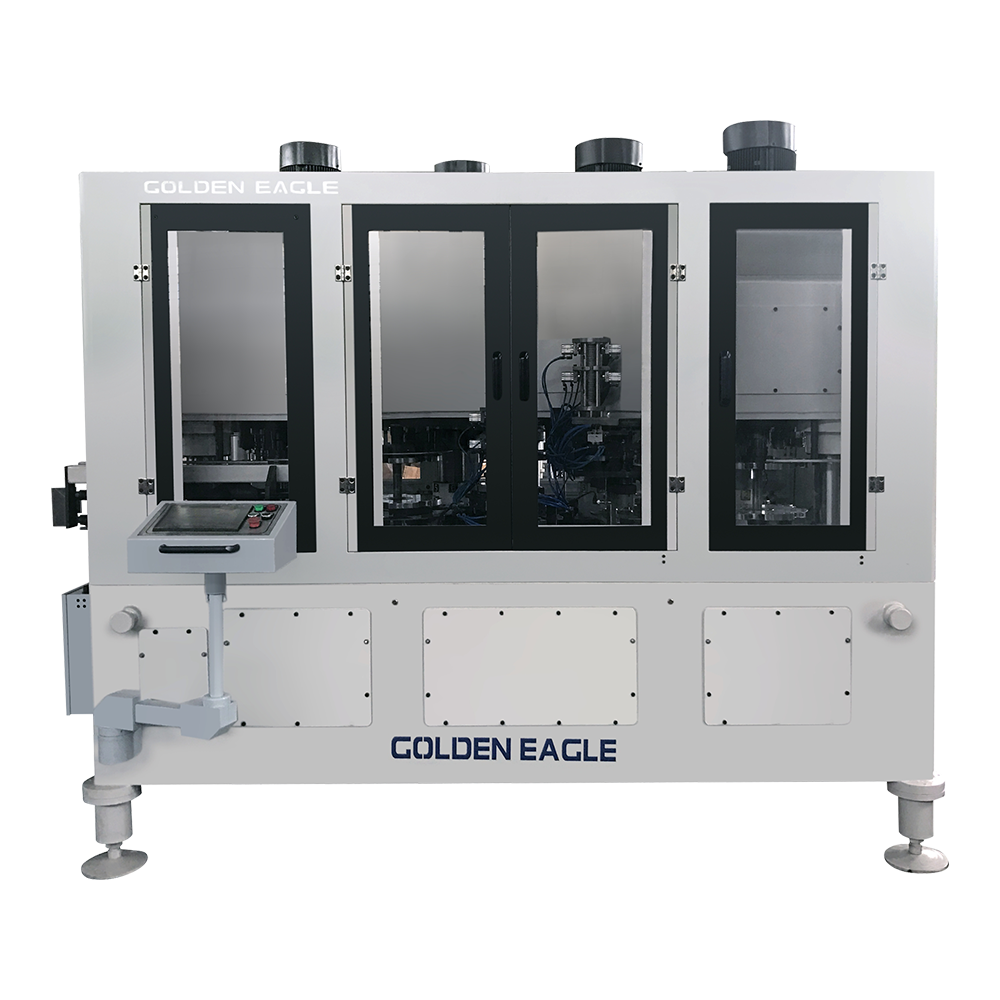
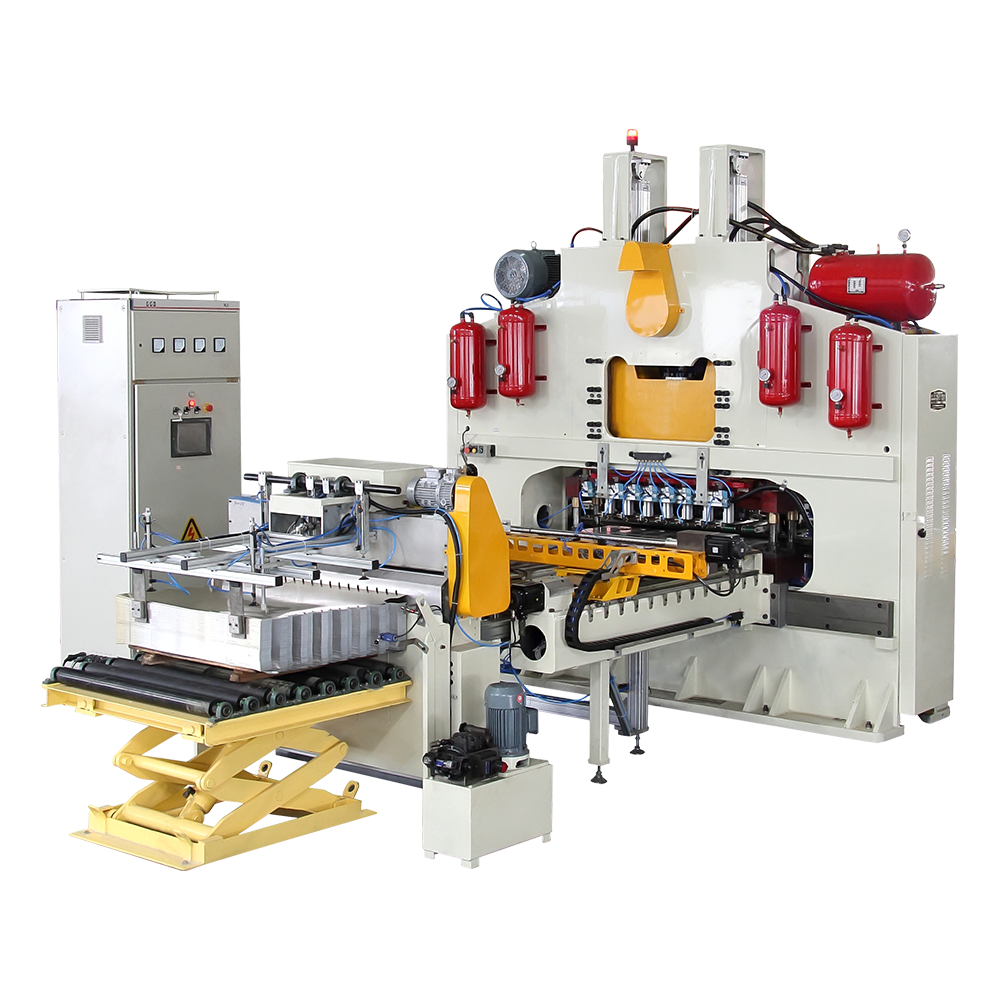
A can making machine is an industrial system designed to manufacture metal or aluminum cans through automated forming, trimming, washing, and sealing processes, widely used in food and beverage packaging industries.
In beverage production lines, a high-speed food beverage can making machine can reach outputs exceeding 300–1200 cans per minute, depending on line configuration, making it a critical component in large-scale manufacturing plants.
The production process of cans involves multiple precision stages that ensure structural integrity and hygiene standards for food-grade packaging.
Modern automated systems reduce defect rates to below 0.3%, significantly improving packaging consistency and food safety compliance.
A food beverage can making machine is specifically designed for producing cans used in soft drinks, beer, juices, and processed food packaging.
Beverage can production lines often integrate nitrogen filling and vacuum sealing systems to extend product shelf life by up to 24–36 months.
A complete production line consists of multiple interconnected systems, each responsible for a specific manufacturing stage.
| Component | Function | Importance |
|---|---|---|
| Feeding System | Delivers metal sheets | Ensures continuous production |
| Forming Unit | Shapes cylindrical cans | Defines can structure |
| Welding System | Seals metal seams | Ensures airtight integrity |
| Coating Unit | Applies inner protective layer | Prevents corrosion |
Each module must operate in synchronization to maintain production stability, especially in high-speed beverage can manufacturing lines.
Industrial can making systems are designed for high-volume output with minimal downtime.
High-efficiency beverage can lines can produce over 1.5 million cans per day in 24-hour continuous operation, making them essential for global beverage brands.
Material selection directly impacts strength, weight, and recyclability of finished cans.
Aluminum cans dominate the beverage industry, accounting for over 75% of global drink packaging production.
Advanced inspection technologies ensure every can meets strict safety and dimensional standards.
Automated inspection reduces human error and can lower product rejection rates by more than 40% in modern production facilities.
Can making machines are widely used across multiple packaging sectors.
In beverage industries, automated can lines reduce labor costs by up to 60% compared to semi-automatic systems.
Related Products

Founded in 1978, the company is one of the largest can-making machinery well-known companies at home and abroad.
Product Categories
Contact Information
Zhongshatou Shenjiamen Zhoushan Zhejiang China
+86-580-3056646

 English
 中文简体
中文简体
 русский
 عربى
عربى
 Español