2026-02-19
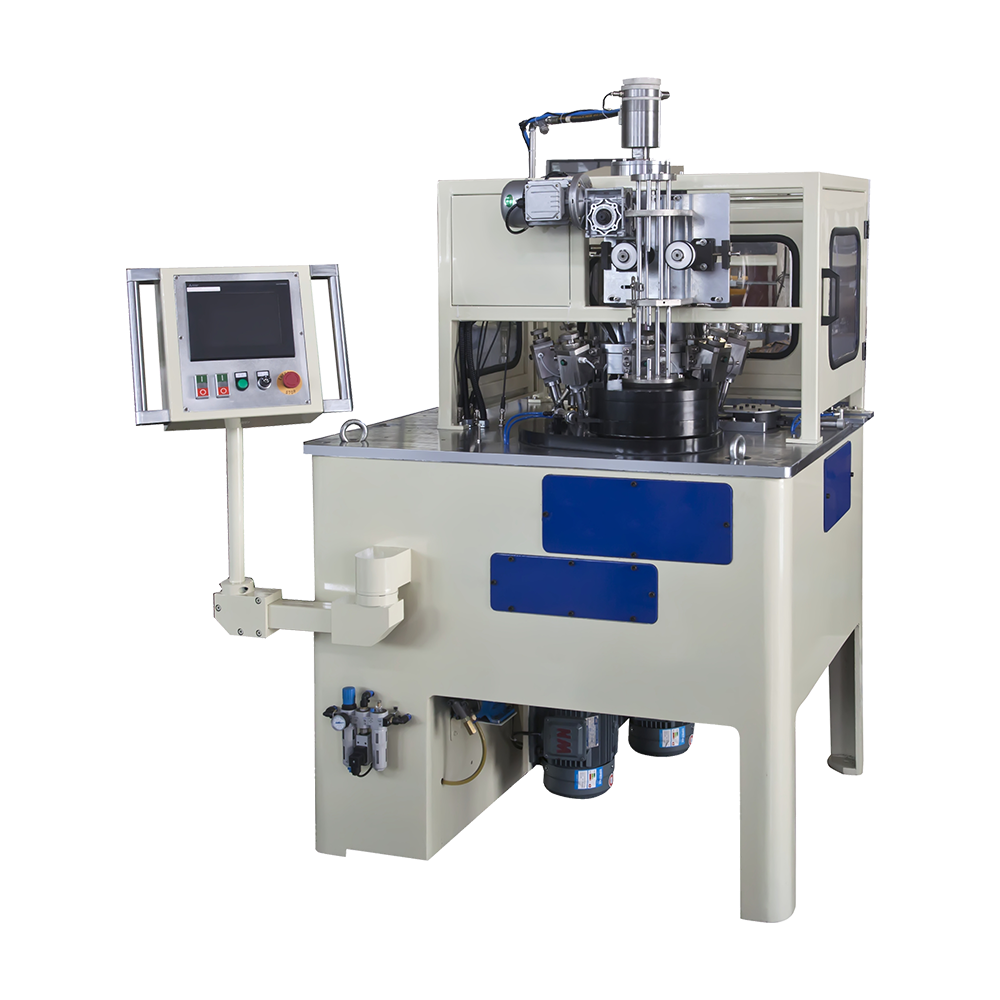
Chemical tank making machines are industrial systems designed to manufacture containers used for storing or transporting chemical substances. These tanks may be made from carbon steel, stainless steel, or other alloys depending on chemical compatibility and regulatory requirements. During production, forming, welding, and finishing processes are combined to create sealed vessels. Because chemical tanks are often required to hold liquids or gases without leakage, testing for airtightness and water pressure becomes a critical consideration in the overall manufacturing workflow.
Chemical tanks are frequently exposed to internal pressure, temperature changes, and potentially hazardous contents. Airtightness ensures that gases or vapors do not escape into the surrounding environment, while water pressure testing verifies the structural integrity of welds and joints under simulated load conditions. These requirements influence whether chemical tank making machines integrate testing functions directly or rely on downstream inspection systems.
Some chemical tank making machines are designed as part of an integrated production line that includes forming, welding, and testing stages. In such configurations, airtightness or water pressure testing can be incorporated as an inline process. This allows tanks to be evaluated immediately after fabrication, reducing the risk of defective units progressing to later stages such as coating or shipment.
Airtightness testing focuses on detecting leaks that may not be visible to the naked eye. Common methods include air pressure holding tests, where compressed air is introduced into the tank and pressure decay is monitored over time. Chemical tank making machines that support airtightness testing often include sealing fixtures and sensors to measure pressure stability, ensuring that weld seams and joints meet defined leakage thresholds.
Water pressure testing, sometimes referred to as hydrostatic testing, involves filling the tank with water and applying pressure to simulate operating conditions. Water is used because it is incompressible, which reduces the risk associated with stored energy during testing. Machines that support this function require reinforced fixtures, pressure pumps, and drainage systems to manage water flow safely and efficiently.
When airtightness or water pressure testing is built into a chemical tank making machine, the machine frame and tooling must withstand additional loads. Test pressures may exceed normal operating levels to provide a safety margin. As a result, machine designers account for stress distribution, sealing reliability, and fixture alignment to prevent deformation or inaccurate test results.
The effectiveness of airtightness and pressure testing is closely linked to welding quality. Chemical tank making machines often use automated welding systems to ensure consistency. Integrated testing helps verify that weld penetration and continuity are sufficient, providing feedback that can be used to adjust welding parameters if repeated issues are detected.
Not all chemical tank making machines include built-in testing modules. In some production setups, tanks are transferred to separate stations for airtightness or water pressure testing. Inline testing offers faster feedback and reduced handling, while offline testing provides flexibility and may accommodate higher pressure ranges or longer test durations. The choice depends on production volume, tank size, and regulatory requirements.
Machines that support testing typically include control systems capable of monitoring pressure, time, and sensor feedback. These systems record test data and may trigger alarms if pressure drops or abnormal behavior is detected. Digital monitoring improves traceability and helps manufacturers demonstrate compliance with internal quality standards or customer specifications.
Chemical tanks vary widely in volume and geometry. Testing systems integrated into making machines must accommodate these variations through adjustable fixtures and configurable pressure parameters. This adaptability allows the same machine to process multiple tank designs while maintaining consistent testing conditions.
Pressure testing introduces additional safety considerations for operators. Chemical tank making machines designed with testing functions often include protective enclosures, pressure relief devices, and automated controls to minimize manual intervention. These measures reduce exposure to pressurized systems and support stable operation during testing cycles.
| Test Method | Medium Used | Main Purpose | Typical Application |
| Airtightness testing | Compressed air or gas | Detect small leaks | Gas or vapor containment |
| Water pressure testing | Water | Verify structural strength | Liquid storage tanks |
The material used in tank fabrication affects how testing is performed. Stainless steel tanks may tolerate higher test pressures than thin carbon steel tanks. Chemical tank making machines that support testing must allow pressure settings to be adjusted according to material strength and thickness, ensuring that tests remain meaningful without overstressing the tank.
Temporary seals are often required to close openings such as inlets, outlets, or manways during testing. Machines designed for integrated testing include standardized sealing components that can be installed quickly and removed after testing. The reliability of these seals directly influences test accuracy.
Including airtightness or water pressure testing within the chemical tank making process can affect cycle time. Testing adds steps that may slow throughput, but it also reduces rework and post-production inspection. Many manufacturers view integrated testing as a trade-off between immediate productivity and long-term quality control.
Testing systems often generate data that can be stored for quality documentation. Pressure curves, hold times, and pass or fail results provide a record of each tank’s performance during testing. Chemical tank making machines with integrated data logging support traceability, which is increasingly important in regulated industries.
Pressure pumps, sensors, and seals used in testing require regular maintenance to ensure reliable operation. Machines that support testing functions must be maintained not only as fabrication equipment but also as measurement systems. Routine calibration and inspection help maintain confidence in test results.
Different industries impose different standards for tank testing. Some require only basic leak checks, while others specify pressure levels, durations, or acceptance criteria. Chemical tank making machines can be customized to support these varying requirements through modular testing units or programmable control settings.
While integrated testing provides many benefits, it may not cover all possible scenarios. Extremely large tanks or those requiring very high pressure tests may still need dedicated external testing facilities. Built-in testing is most effective when aligned with the machine’s structural and operational limits.
Over time, test results collected during production can reveal trends related to tooling wear, welding consistency, or material variation. Chemical tank making machines that support airtightness or water pressure testing provide valuable feedback that can be used to refine processes and maintain stable manufacturing performance.
Chemical tank making machines can support airtightness and water pressure testing either through integrated modules or coordinated external systems. Their ability to do so depends on machine design, control capabilities, and production requirements. When properly implemented, these testing functions contribute to safer, more reliable chemical tanks without relying on subjective inspection alone.
Related Products

Founded in 1978, the company is one of the largest can-making machinery well-known companies at home and abroad.
Product Categories
Contact Information
Zhongshatou Shenjiamen Zhoushan Zhejiang China
+86-580-3056646

 English
 中文简体
中文简体
 русский
 عربى
عربى
 Español