2026-10-01
When a food company decides to make its own cans, the first mistake is to search for a single can closer. Cans do not appear from a closing head; they are built from tinplate by a chain of machines, and that chain is what people call a food machine production line. In the metal packaging world, this phrase means much more than an array of food processing equipment. It refers to an integrated system for forming, welding, coating, and inspecting the metal containers themselves.
Get this distinction right early, and your capital project has a clear direction. Get it wrong, and you will end up with machines that do not communicate, tooling that does not match, and a line that cannot hold the tolerances required for food safety.
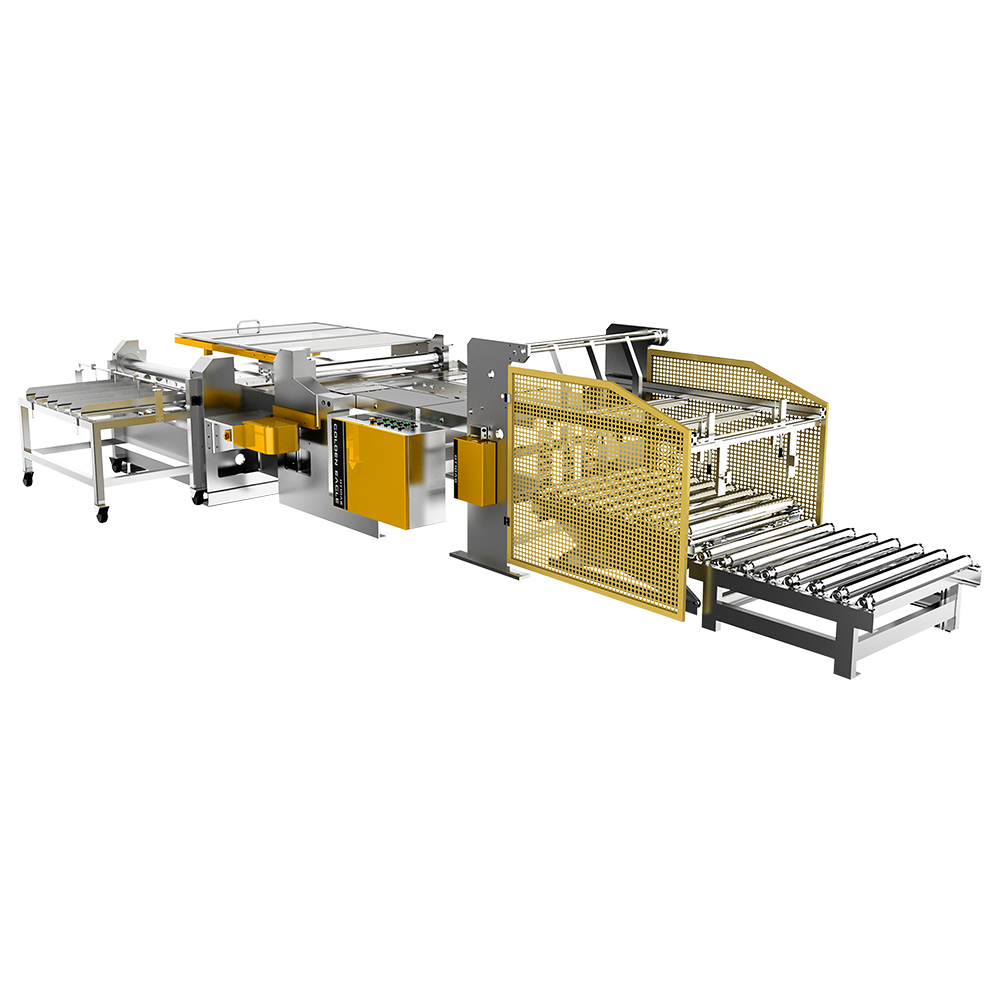
A complete line for three-piece metal food cans typically starts with tinplate coil or sheets and ends with a stack of open cans ready for filling. The equipment within that span can be grouped into five functions.
| Function | Typical equipment | Output it creates |
|---|---|---|
| Material preparation | Decoiler, slitter, automatic compound cutting machine | Accurately sized blanks |
| Body blank forming | Single-, two-, three-, or four-station combiner | Notched and flexed cylinder blanks |
| Body welding | Automatic can body welder | Welded cylindrical body |
| Side-seam treatment | Coating machine, drying oven | Protected weld seam |
| End closure making | End cover line, easy-open conversion press | Can ends with lining or opening tab |
| Finish and inspection | Flanger, seamer, leak tester | Finished cans checked for integrity |
The exact scope of your line depends on whether the cans are round, rectangular, aerosol, milk powder, or chemical container types. In this article, we focus on food cans, where hygiene, seam integrity, and lining quality are paramount.
Looking under the hood, the production flow of a modern food can line follows six repeating steps.
Every stage must be timed to the same cycle. A line that forms faster than it welds only increases work in progress; a line that coats faster than it cures creates sticky cans.
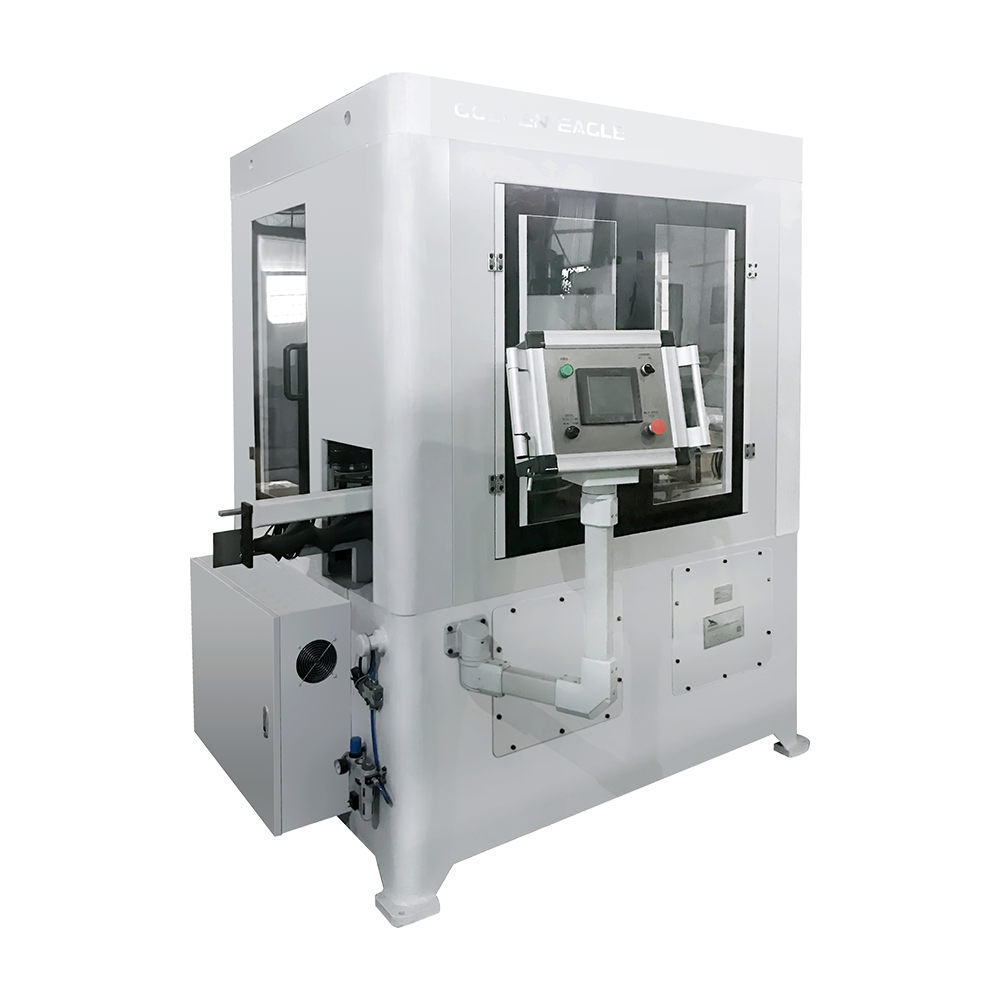
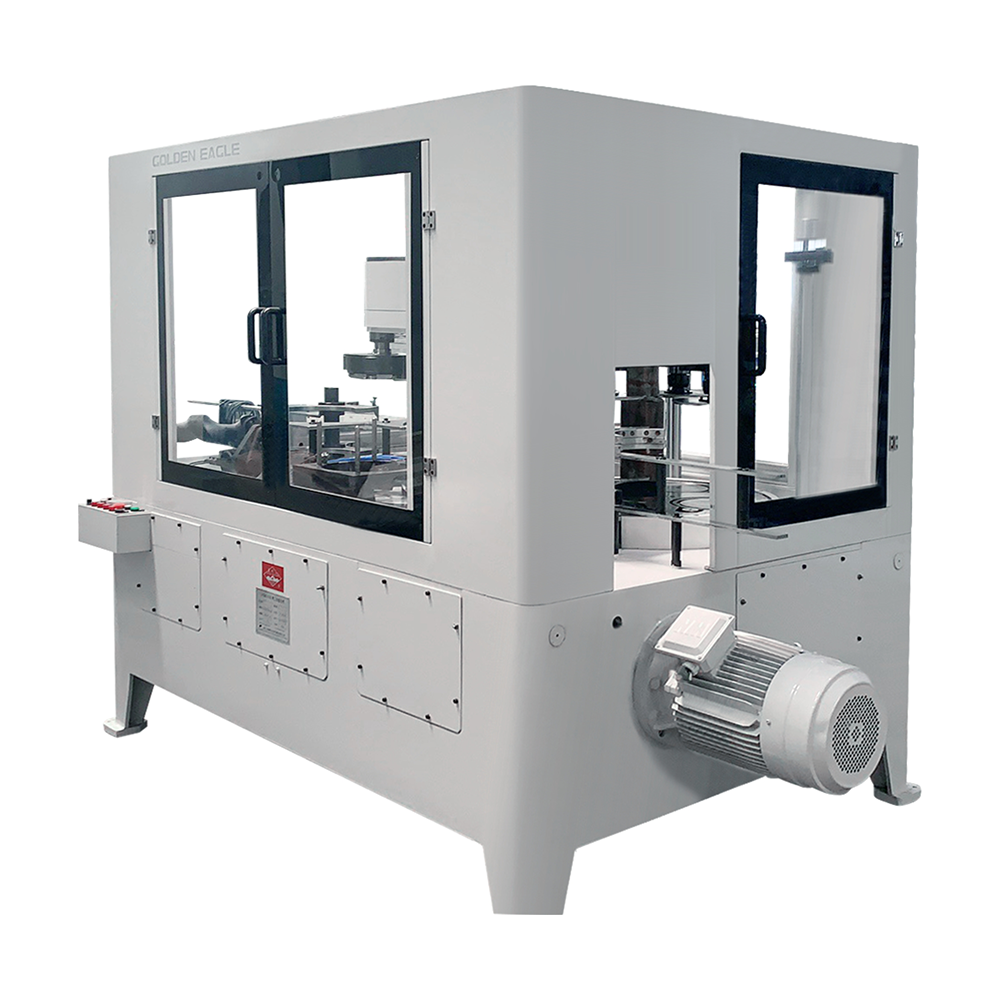
At the body-forming stage, many food can manufacturers choose a four-station combiner because it completes four movements in one press cycle and reduces the number of operators between blank and welded body.
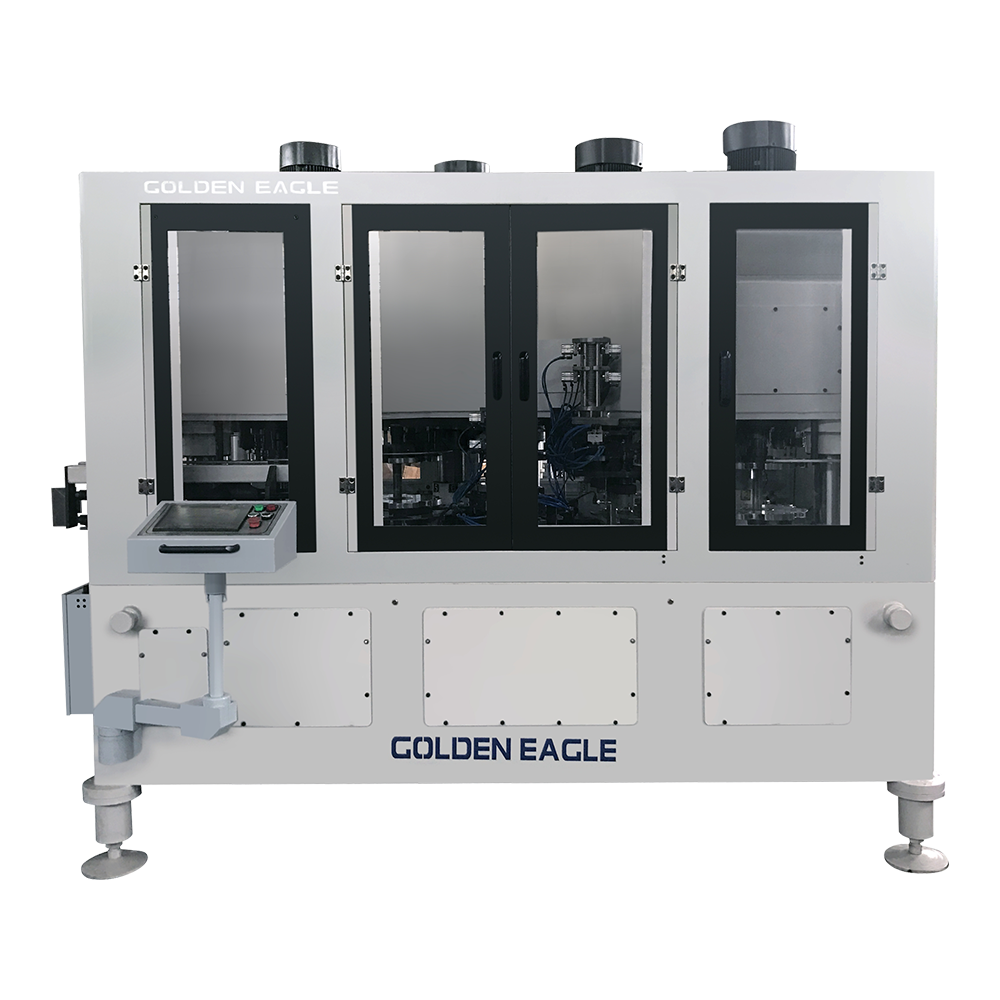 Four-Station Necking Flanging Beading Seaming Can Making MachineCombines four container-forming movements in one press cycle to reduce operators between blank and welded body. Relevant here as the efficient body-forming stage before the linked production line.View Product →
Standalone machines can work, but they usually work against each other. A food machine production line is designed as one linked process: discharges from the former go directly into the welder’s feed track, and after welding the body moves without human contact into the coating section.
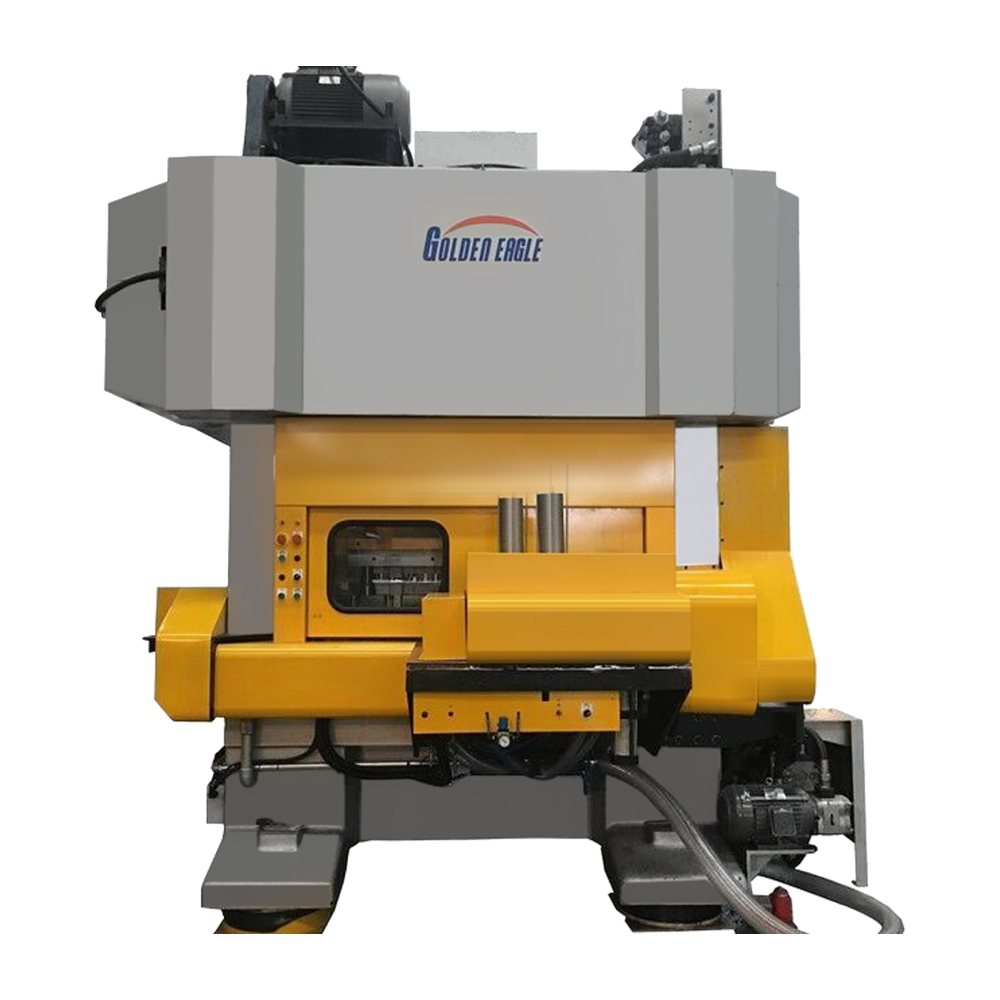
The welding station is the technical heart. An automatic can body welder with induction heating gives a clean, narrow overlap seam and runs at speeds that no manual transfer system can follow. Pair it with a coil feed and automatic take-off, and the line can operate with minimal supervision.
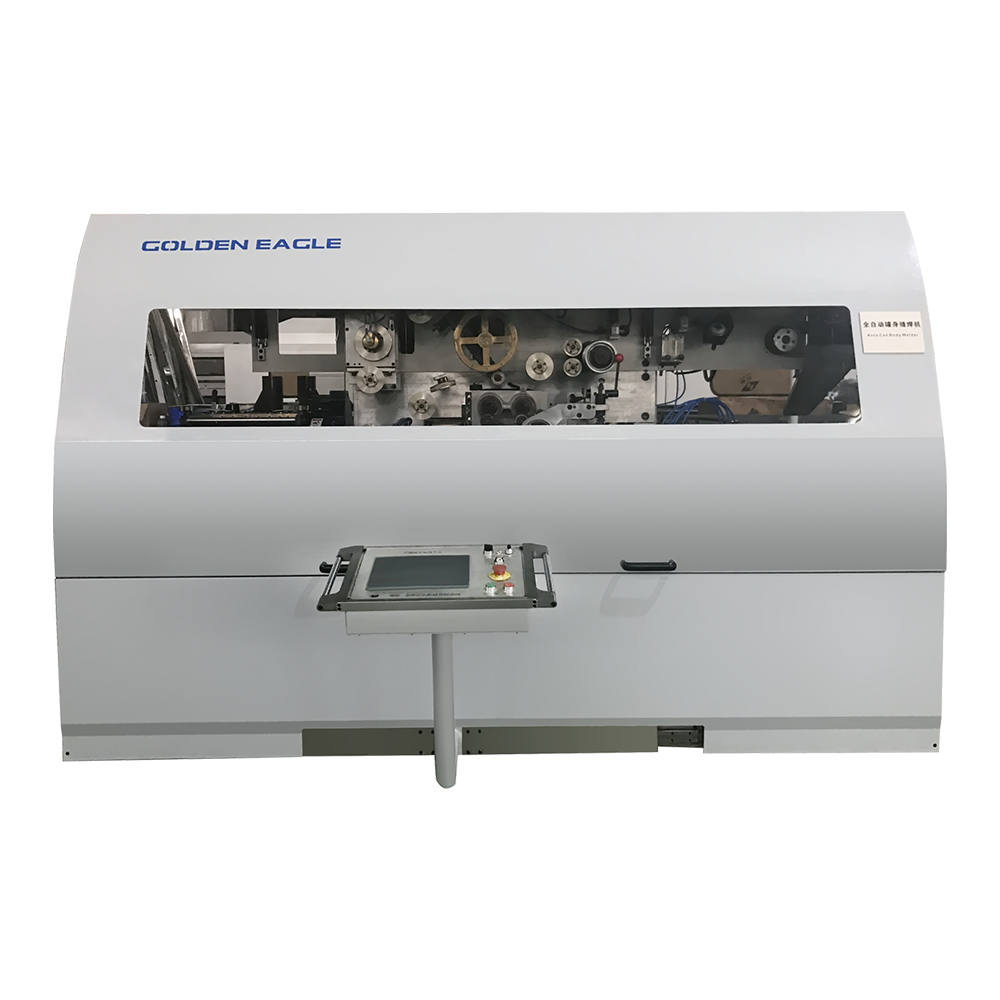 GT10C-500 Automatic Can Body Welder, 500 cpmHigh-speed automatic welder with induction heating for clean narrow seams, designed to operate with a coil feed and automatic take-off. Fits the welding station as the technical heart of the line.View Product →
Before you call a supplier, define the must-haves: can body diameter, can height, material thickness, output in cans per minute, and the number of format changes per week. These parameters decide nearly every mechanical choice that follows.
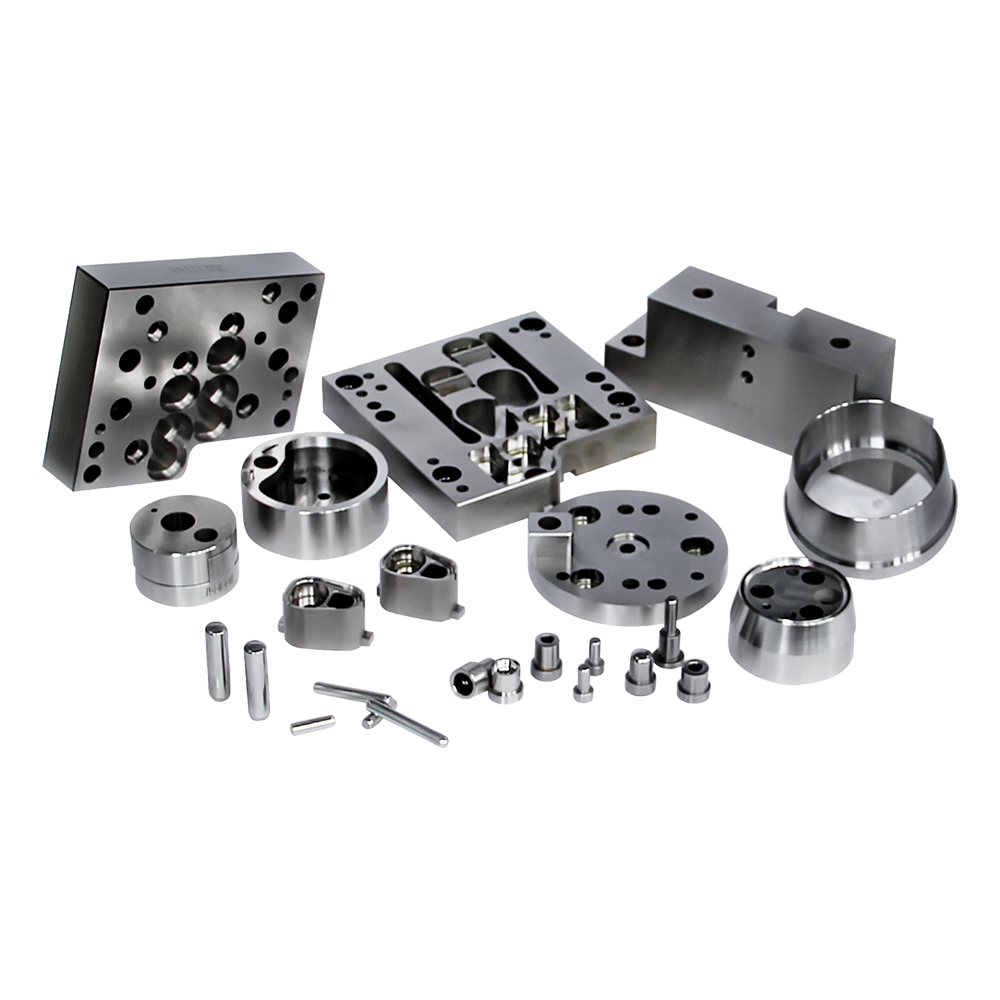
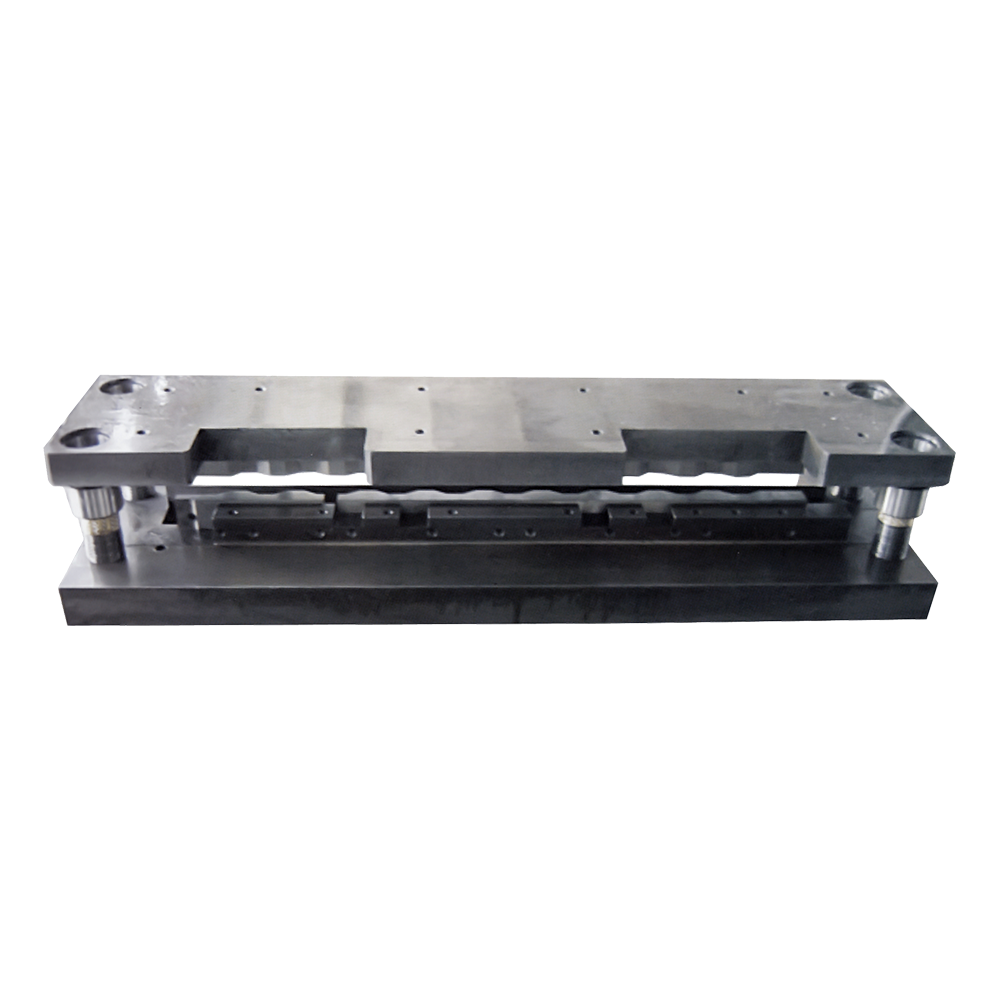
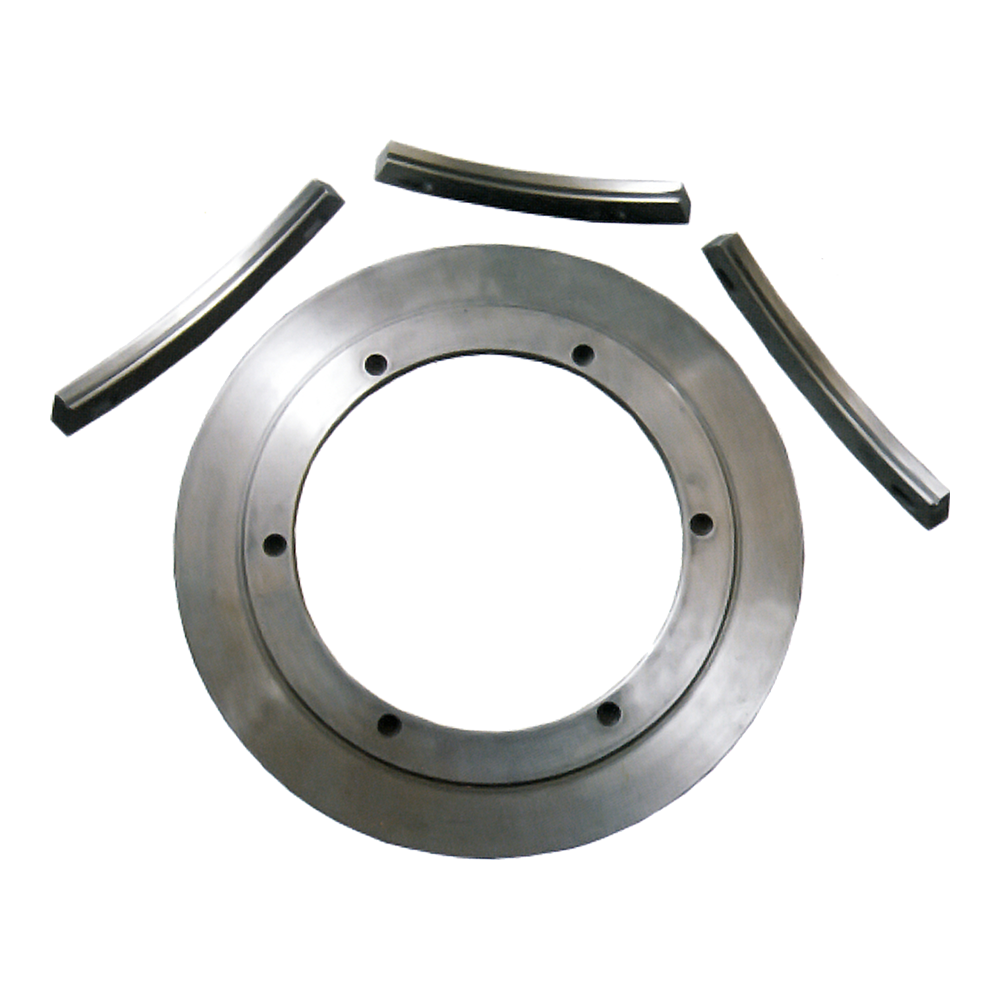
Tooling deserves special attention. The body former, end press, and seamer all depend on dies and rollers that wear. If your supplier designs and manufactures these themselves, the reorder cycle is shorter and the fit is guaranteed.
For a more detailed decision framework, read how to choose the right can making machine before you outline your request for quotation.
Nobody can quote a food machine production line without a specification. The price swings with capacity, automation, number of tools, and the supplier’s scope. Still, all budgets share the same structure.
Many plants calculate the machine price and forget the infrastructure. A resistance welder needs a stable power supply and clean compressed air; a coating dryer needs ventilation; the line needs enough floor space for coil storage and finished-can handling. These costs are part of the project.
For a deeper look at the expense side, review this summary of how much it costs to set up a tin can production line. It will help you prepare a complete capital request.
Food can making depends on small tolerances. A worn flanger or a misaligned seam roller can cause leakers that are not detected until the filling line rejects them. That is why the supplier’s engineering history matters as much as the price sheet.
One company that has lived this specific craft since 1978 is Zhejiang Golden Eagle Food Machinery Co., Ltd. The company started as a food machinery and mold factory in Zhoushan, China, and has since produced more than 10,000 sets of can and cap equipment. Its machines and tooling are working in plants across Europe, Asia, Africa, North America, South America, and Oceania. The team of more than 350 employees includes design and development engineers who still build lines for a wide range of can geometries.
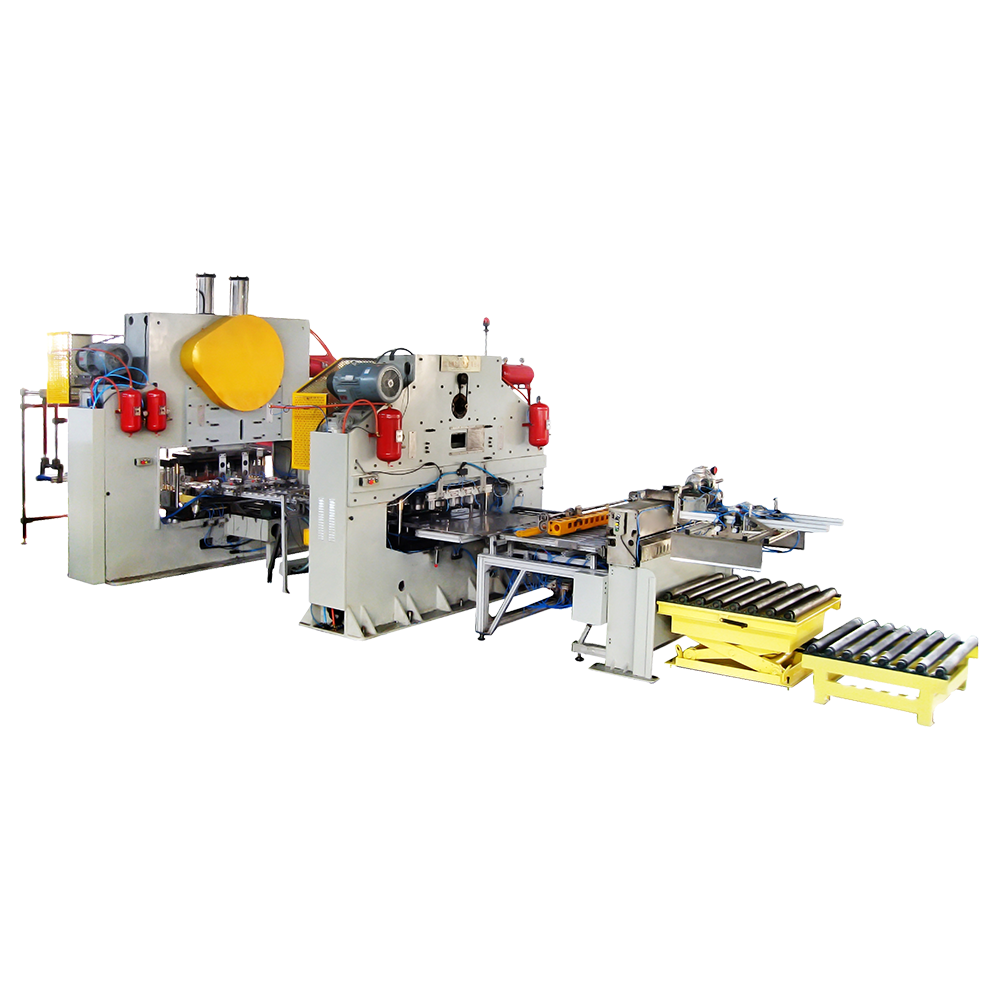
A complete food machine production line, however, is not just the can body line. Plants also need end shells, easy-open ends, and compound lining equipment. Without end cover capacity, you remain dependent on another factory for a critical component.
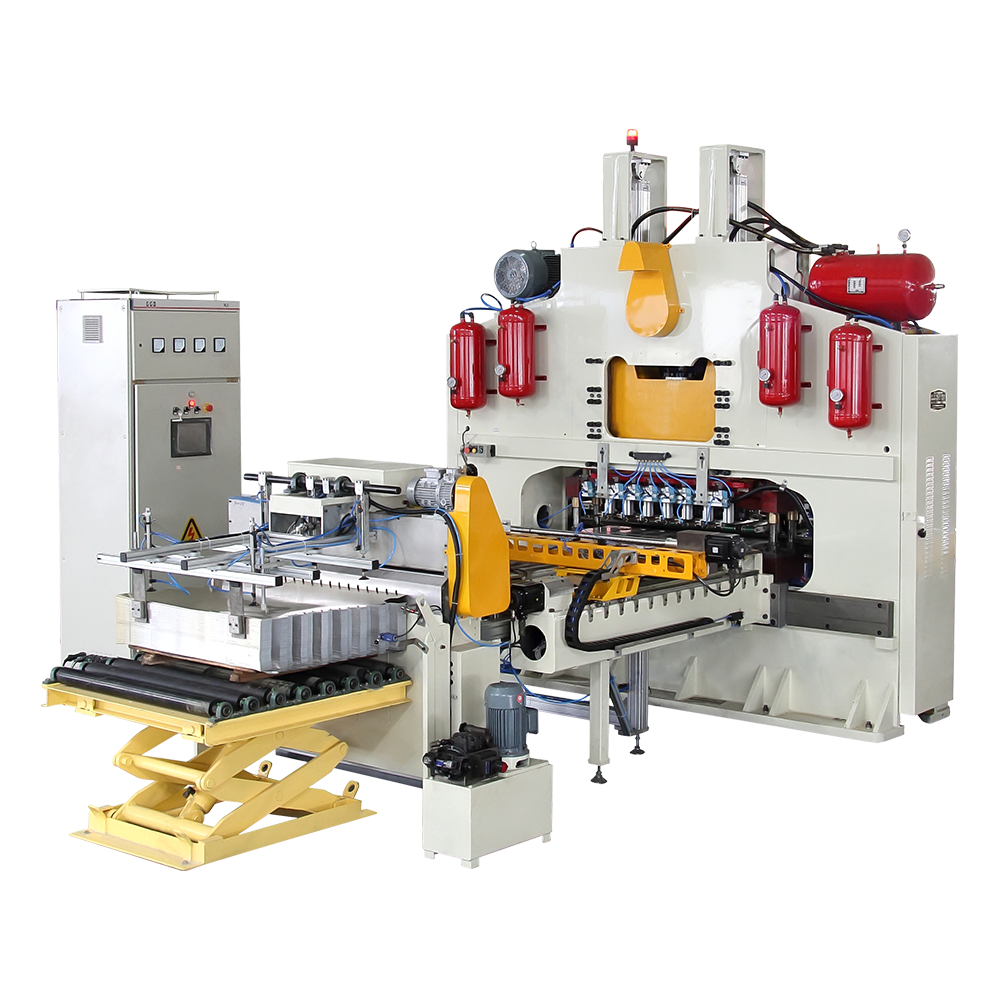 CNC Automatic Digital Controlling Punch PressAutomated sheet pressing press with 1-15 mold heads, double-sheet detector, overload protection, and PLC control for different end sizes. Supports in-house end cover production to avoid external dependency.View Product →
Every successful line purchase starts the same way: with a clear process map. List every operation, measure the speed of each step, and then look for a machine that balances the whole chain. You may not need the fastest welder if your body former and end seamer are the slowest points.
When you compare offers, compare complete scenarios. Ask for the output of the full food machine production line, not the output of its fastest single machine. Ask how the line will perform with your chosen can size, your tinplate quality, and your operators’ skill level.
Choose a supplier with a product portfolio that matches your product line, and make sure they provide tooling, installation, and after-sales support. With that in place, the line you install today can still be reliable when the next generation of cans comes to market.
Related Products

Founded in 1978, the company is one of the largest can-making machinery well-known companies at home and abroad.
Product Categories
Contact Information
Zhongshatou Shenjiamen Zhoushan Zhejiang China
+86-580-3056646

 English
 中文简体
中文简体
 русский
 عربى
عربى
 Español