2026-10-08
A 0.02 mm difference in seaming roller pressure can turn a 500 cpm tin can line into a 3 percent leak rate. That is the reality behind the phrase tin can making machine: it is not a single unit but a chain of forming, welding, coating, necking, and seaming stations that must hold tolerances together. The practical conclusion is simple. Before comparing price, compare the machine's rated can diameter range, tinplate thickness window, seam quality control, and changeover method against your actual product mix.
This article explains what each stage does, which machine configuration matches which output target, and where buyers most often lose money after installation.
A tin can making machine covers a sequence of operations that begin with a flat tinplate coil and end with a sealed, tested can. Each stage adds a tolerance that the next stage must absorb. If the body diameter drifts by 0.05 mm, the seaming station may still close the seam, but the overlap becomes uneven and the leak risk rises.
The machine's rated speed is only useful if the upstream and downstream equipment can match it. A 300 cpm welder feeding a 150 cpm seamer will create a buffer problem, not a production gain.
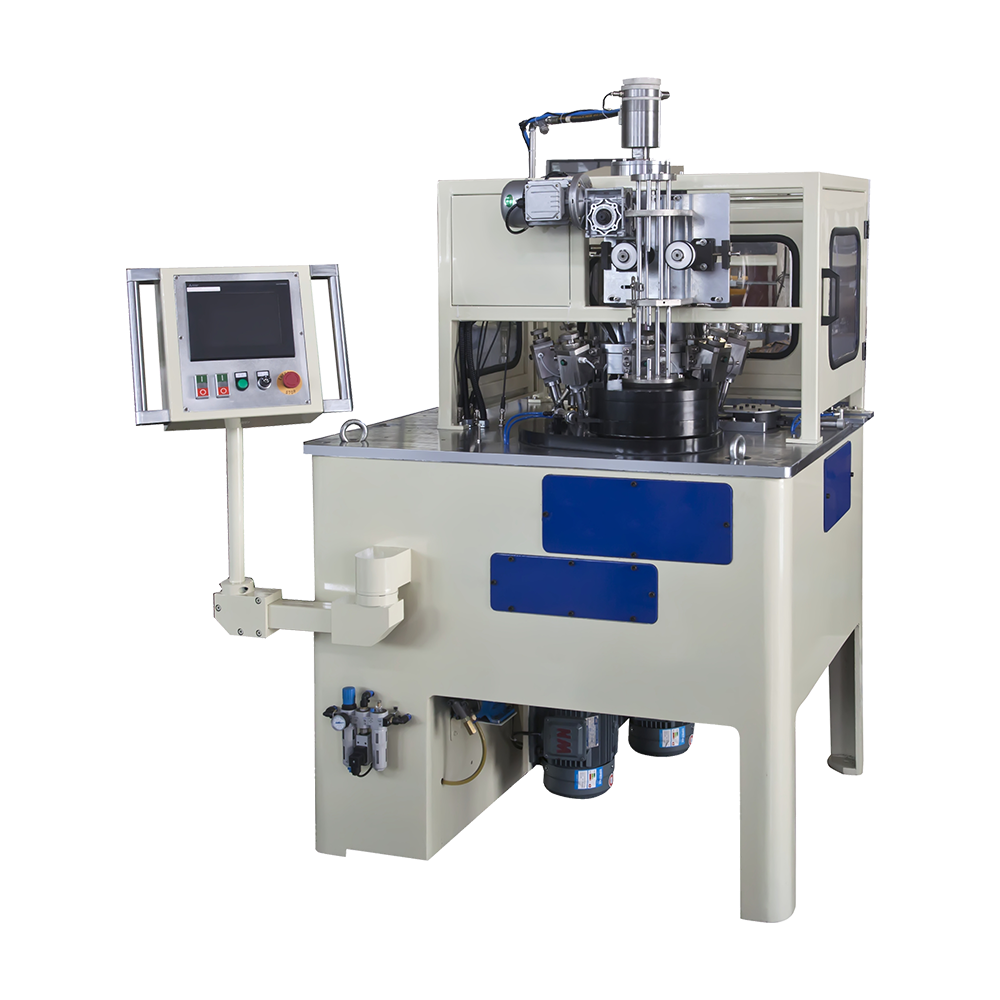
Single-station machines perform one operation at a time, usually for low-volume or irregular can sizes. Three-station combiners combine necking, flanging, and seaming in one frame, which reduces floor space and handling damage. Four-station combiners add beading or a second flanging step and are common for beverage and food cans at higher speeds.
For a food or beverage can line, a three-station combiner is often the practical starting point. It handles can diameters from about 52 mm to 200 mm and speeds from 120 to 300 cpm, depending on the drive and tooling.
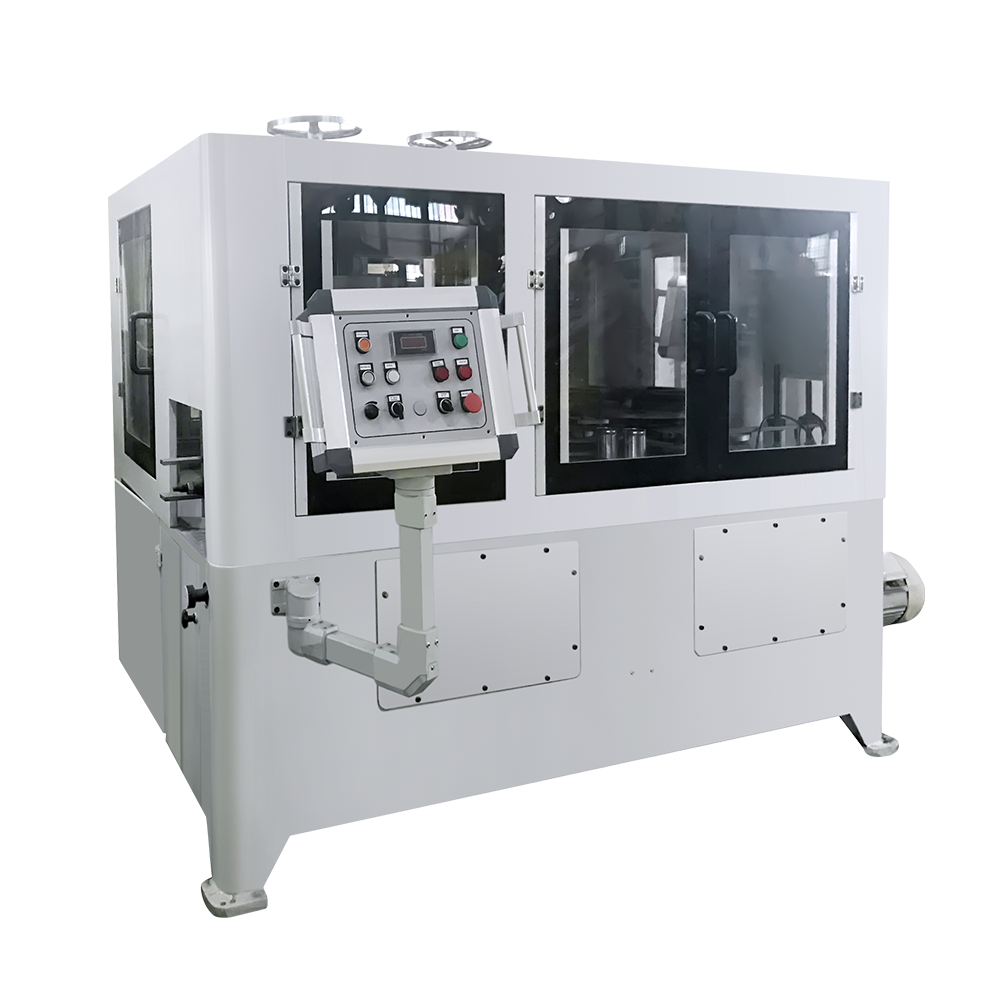 Automatic Necking Flanging Beading Combination Can Making MachineFood and beverage can line equipment for automatic necking, flanging, and beading, with multiple head and speed configurations for varied can sizes.View Product →
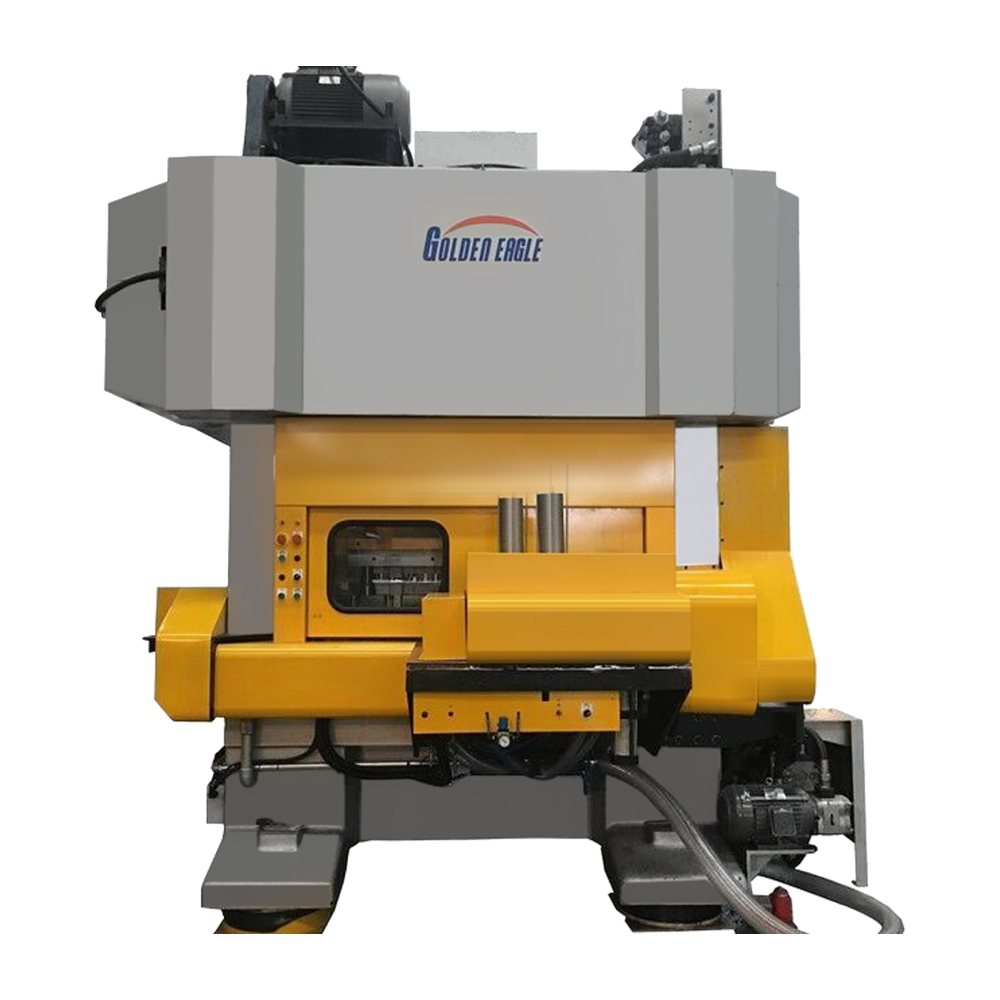
When the product mix includes taller cans or requires beading before seaming, a four-station combiner adds the extra forming station without a second machine. It is also easier to keep seam overlap consistent when the body length changes frequently.
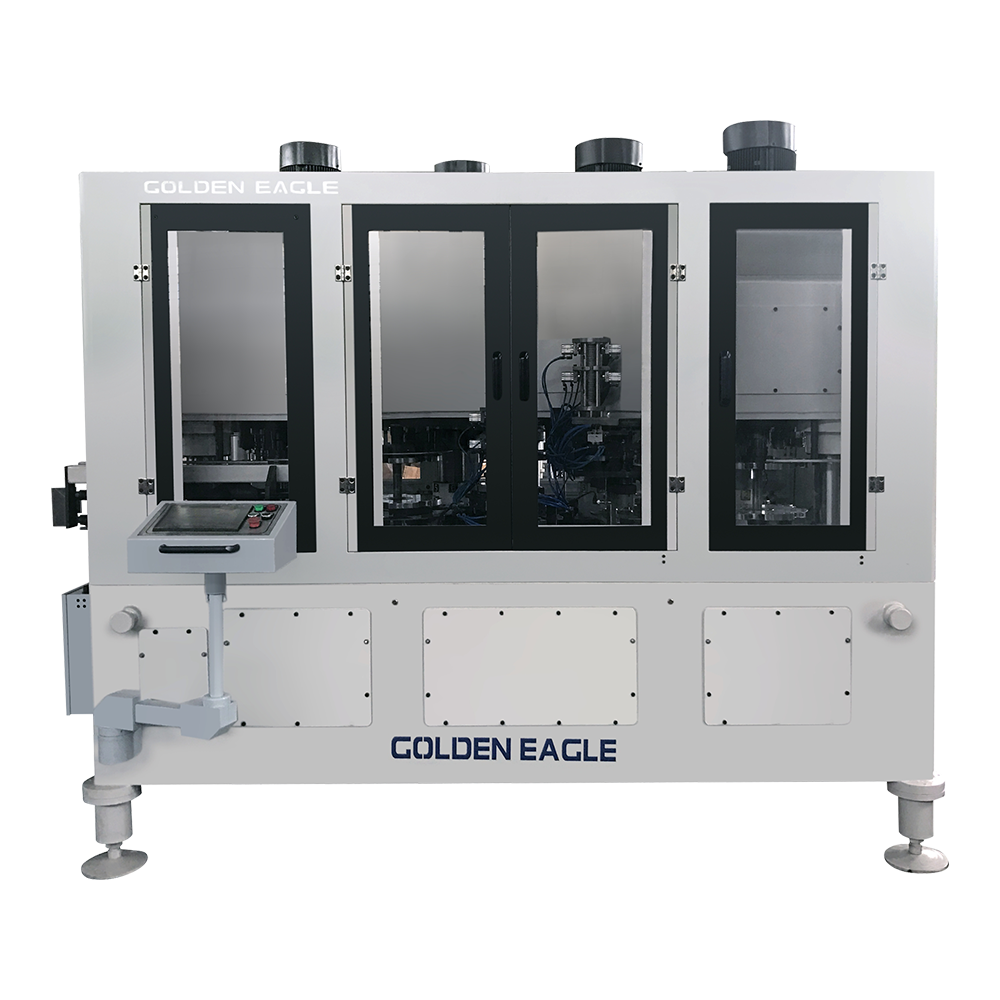 Four-Station Necking Flanging Beading Seaming Can Making MachineAdds a forming station for taller cans or beading before seaming, helping maintain seam overlap as body length changes.View Product →
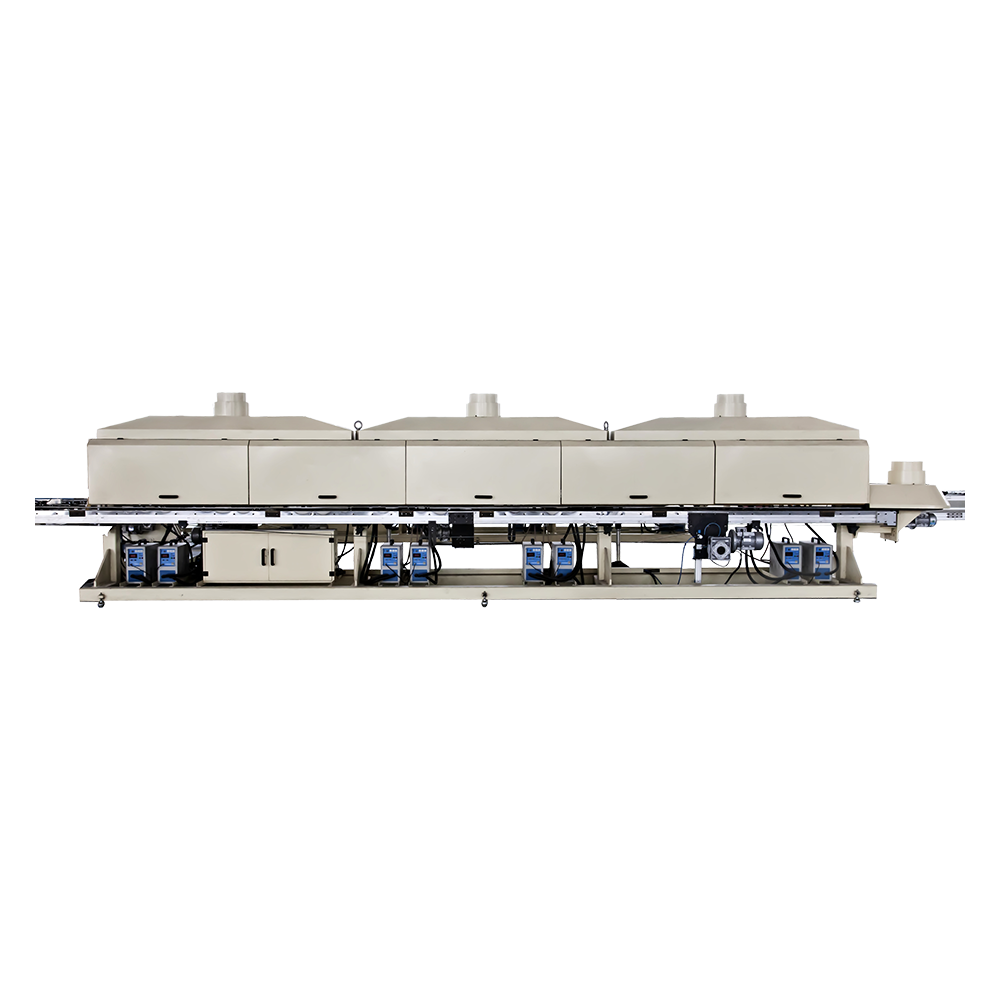
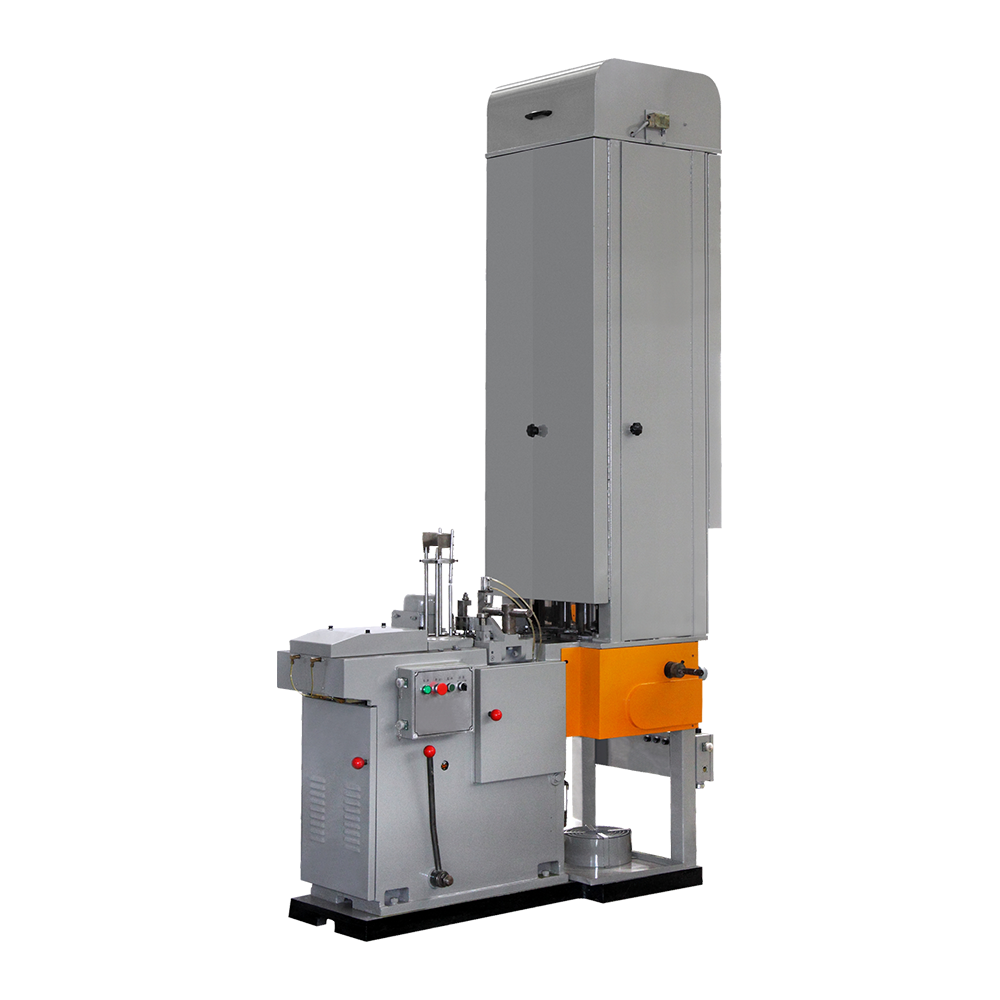
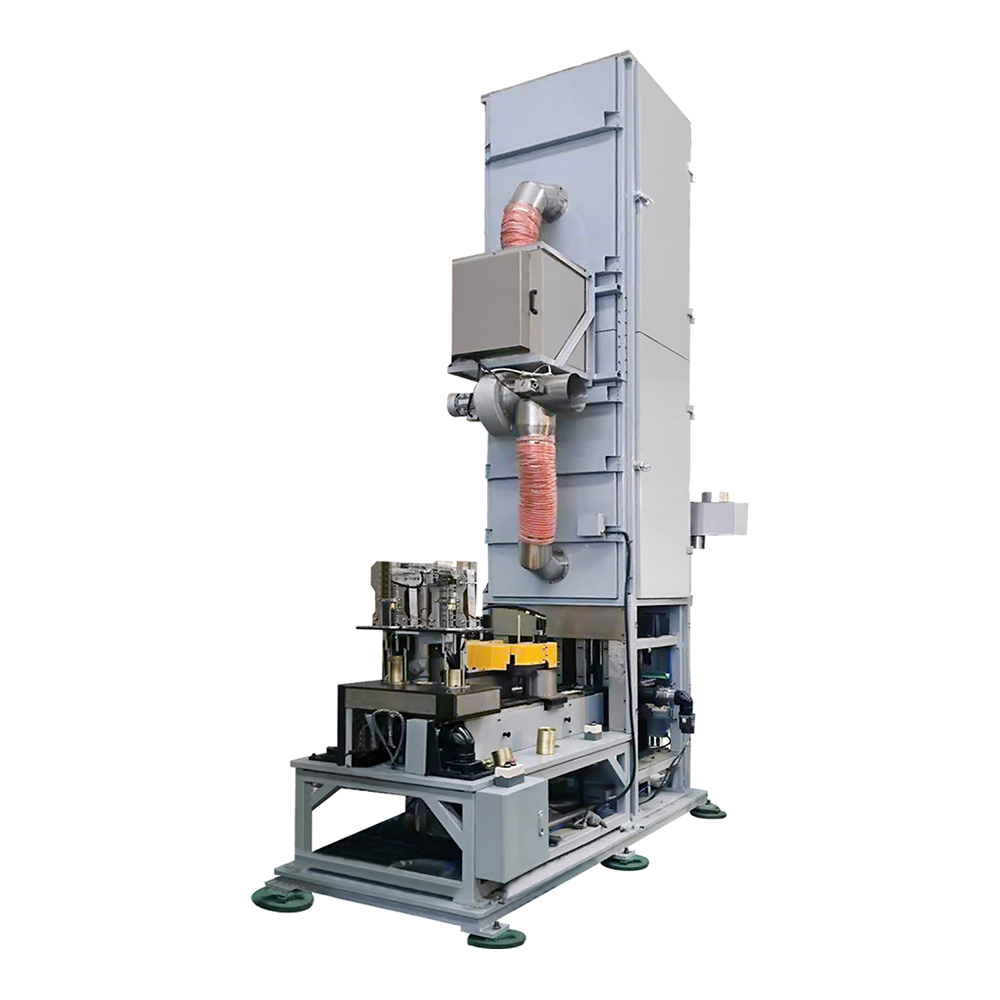
Welding is the other critical unit. A 500 cpm automatic can body welder uses copper wire electrodes and a controlled overlap to produce a side seam that can survive coating, necking, and seaming without cracking.
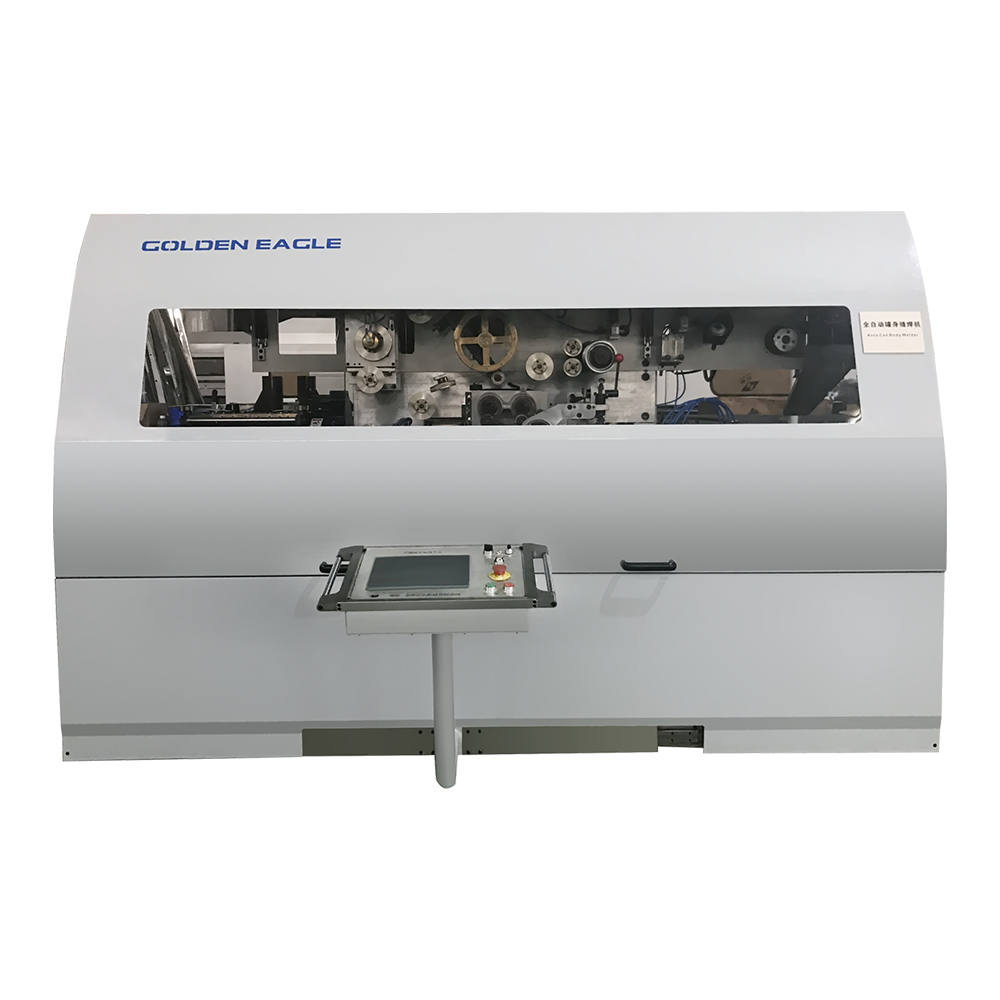 GT10C-500 Automatic Can Body Welder for Tin CansHigh-speed automatic seam welder for tin can bodies, with 500 cpm output and copper wire electrodes for consistent side seams.View Product →
The table below compares three common configurations. The numbers are indicative and should be confirmed against the manufacturer's actual test data for your can size and tinplate specification.
| Parameter | Semi-automatic line | Automatic combiner | High-speed line |
|---|---|---|---|
| Tinplate thickness | 0.20-0.38 mm | 0.15-0.35 mm | 0.14-0.30 mm |
| Can diameter | 52-180 mm | 52-200 mm | 52-300 mm |
| Rated speed | 30-60 cpm | 120-300 cpm | 300-600 cpm |
| Changeover time | 2-4 hours | 45-90 minutes | 60-120 minutes |
| Seam tolerance target | +/- 0.05 mm | +/- 0.03 mm | +/- 0.02 mm |
| Operators per shift | 4-6 | 2-3 | 1-2 |
A narrow tinplate window is not a defect. High-speed lines often run thinner plate because the forming and welding stations are designed to control stretch and heat input more precisely. The risk is buying a high-speed line for a product mix that needs frequent size changes, then losing hours on changeover and retooling.
Capital cost is only one line in the payback equation. Labor, changeover downtime, spare die life, and scrap rate often decide whether a line returns its investment within two years or five. The chart below shows relative cost and labor profiles for three configurations.
| Configuration | Typical output | Relative capital cost | Relative labor cost |
|---|---|---|---|
| Semi-automatic | 30-60 cpm | ||
| Automatic combiner | 120-300 cpm | ||
| High-speed line | 300-600 cpm |
A semi-automatic line may cost less upfront, but it needs four to six operators per shift and changeover can take half a day. For a plant running three or more can sizes per week, the labor and downtime cost can exceed the price difference within 18 months. A high-speed line only pays back when the order book supports long runs and the tinplate supply is consistent.
Most post-installation problems are not caused by a broken machine. They come from mismatched tooling, unclear acceptance criteria, and missing spare parts. Before signing, check these points:
For a deeper checklist on matching machine features to your product mix, see this guide on choosing the right can making machine.
A tin can making machine is a precision tool, and its uptime depends on a simple maintenance rhythm. Daily checks should cover seaming roller pressure, welding electrode wear, and lubrication points. Weekly checks should include the side seam coating nozzle, the necking die surface, and the drive belt tension.
Keeping a spare set of seaming rollers, a welding electrode assembly, and critical sensors on site can reduce a two-day shutdown to a two-hour change.
The engineering behind a reliable line comes from years of building and servicing the same machine families. Zhejiang Jingying Food Machinery, based in Zhoushan, China, has manufactured can making machinery and molds since 1978. The company reports more than 350 employees, over 10,000 can and end making machines produced, and ISO 9001 and ISO 14001 certification. Its design principles reference KRUPP, SOUDRONIC, and ALFONS-HAAR, with adjustments based on its own production experience.
Jingying's product range covers food and beverage can lines, milk powder can machines, aerosol can equipment, chemical can machines, end cover lines, easy-open-end systems, welders, and conversion press molds. The company exports to Europe, Asia, Africa, North America, South America, and Oceania. You can review its full equipment range on Jingying's manufacturing site before requesting a quotation.
A tin can making machine purchase is a capacity decision, not a catalog purchase. Start with the can sizes you will run next year, the tinplate thickness you can reliably source, and the changeover time your order book can tolerate. Then match the machine's rated speed, seam tolerance, and tooling package to those facts. The lowest price per machine is rarely the lowest cost per can.
Related Products

Founded in 1978, the company is one of the largest can-making machinery well-known companies at home and abroad.
Product Categories
Contact Information
Zhongshatou Shenjiamen Zhoushan Zhejiang China
+86-580-3056646

 English
 中文简体
中文简体
 русский
 عربى
عربى
 Español