2026-08-20
Published speed ratings tell only part of the story when you are buying an aerosol can making machine. The real performance question is whether the line holds dimensional accuracy when tinplate thickness varies, whether changeover between can sizes takes minutes or hours, and whether tooling wear is predictable enough to plan maintenance around it. This article explains what aerosol can making equipment does, how the production process is structured, and which machine characteristics deserve the most attention when you compare suppliers.
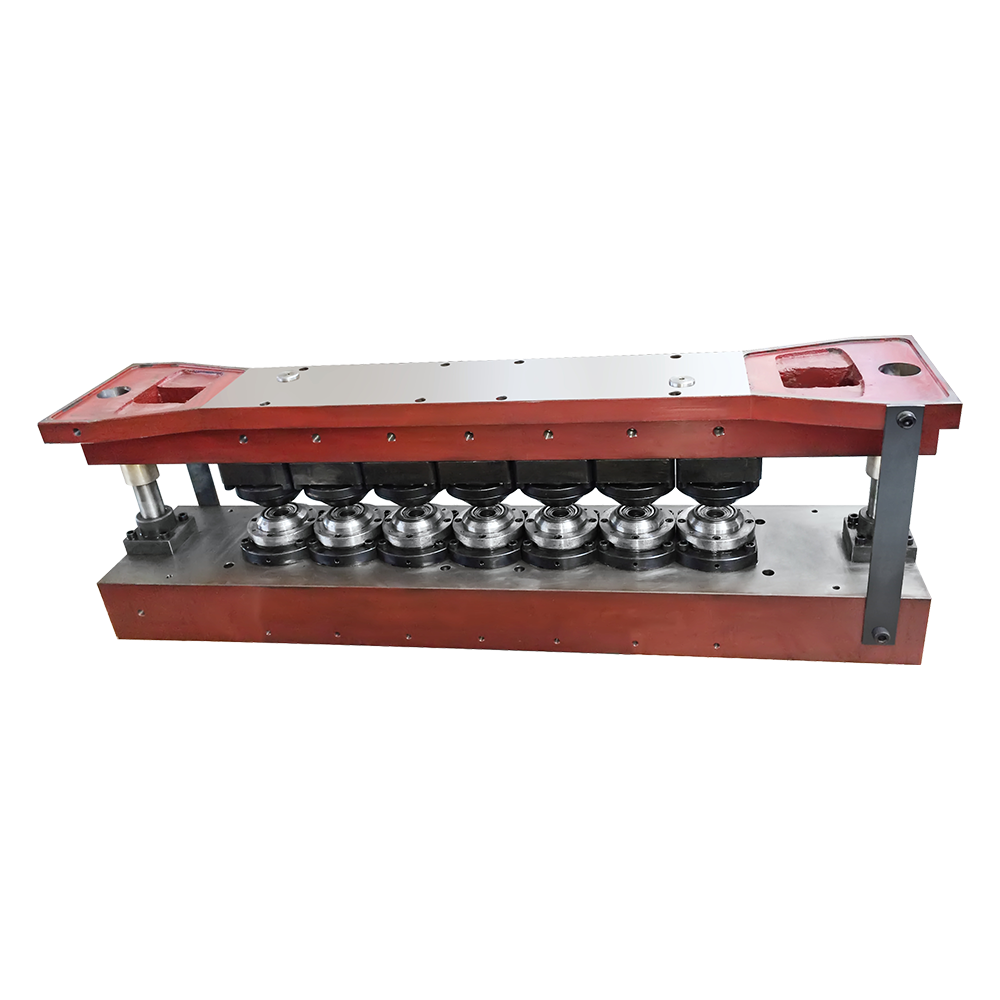
An aerosol can making machine is not a single unit but a coordinated group of forming, welding, and assembly stations that convert coated tinplate into pressure-rated metal containers. Most aerosol cans on the market use a three-piece design. The body is a slender welded cylinder. The top is a formed cone or dome with a center opening that accepts the valve assembly. The bottom is a concave end shaped to resist the internal force created by the propellant.
Because the three components follow different forming routes, a complete aerosol can making machines series usually combines a body shop, a stamping section for the cone and bottom end, and a seaming station that joins everything into a gas-tight can. The configuration depends on what you fill. A personal-care plant running deodorants and hairsprays may prioritize quick size changeover, while an industrial paint producer often cares more about robust operation at medium speed and low scrap. Matching the line to your filling conditions matters more than picking the fastest machine on paper.
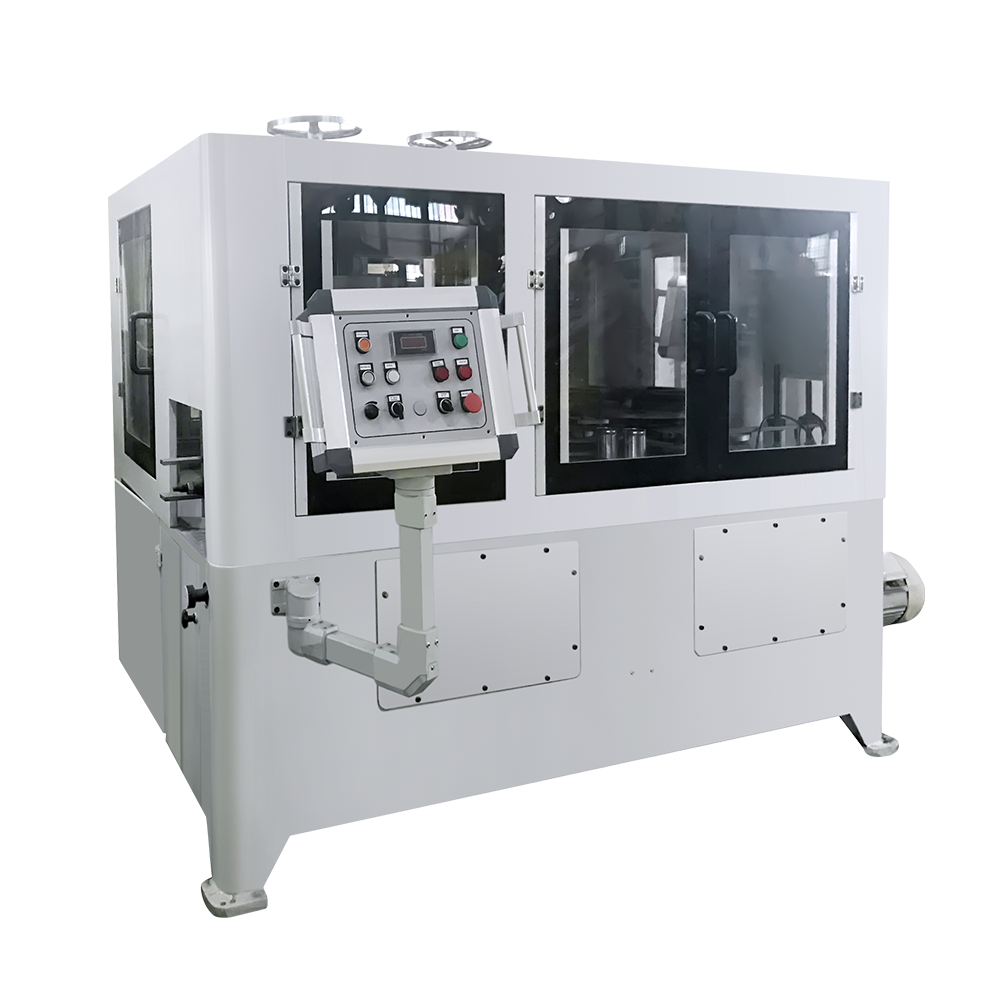
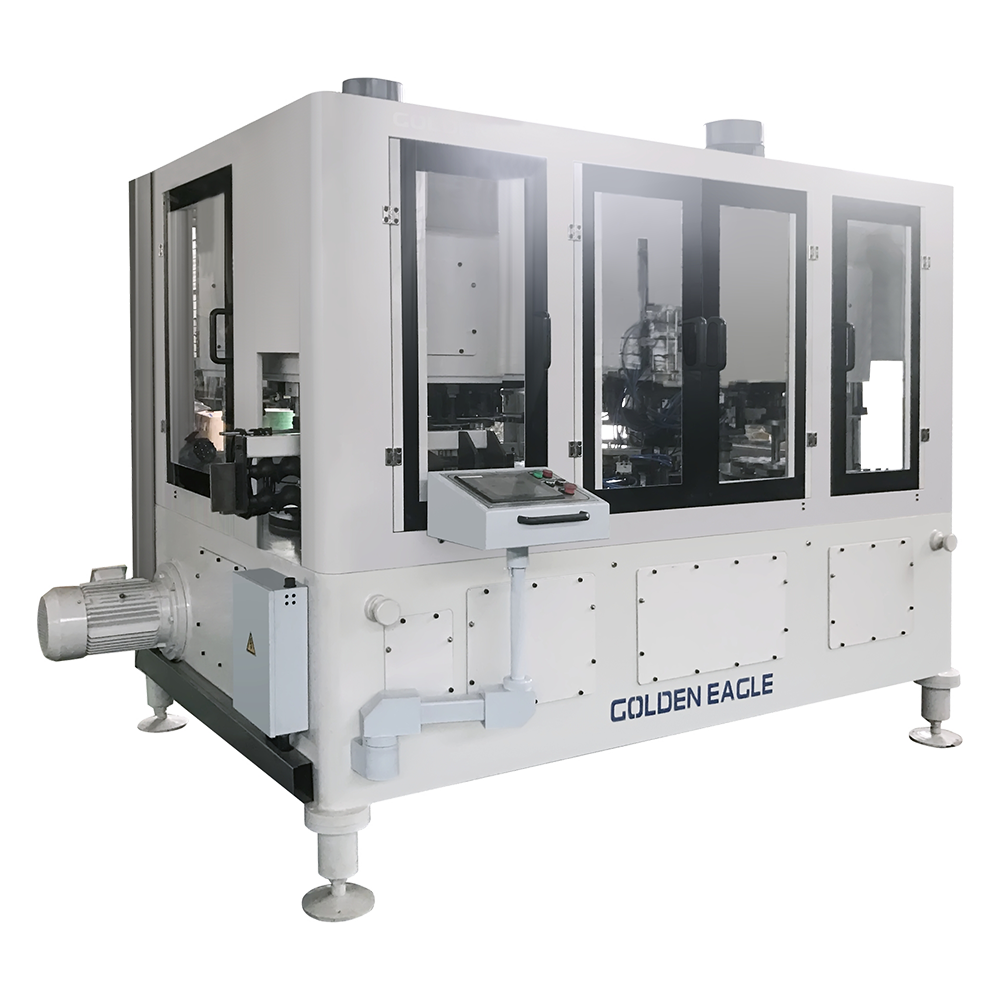 OEM/ODM Aerosol Can Making Machines Manufacturers, SuppliersZhejiang Golden Eagle Food Machinery Co., Ltd. is China aerosol can making machines manufacturers and suppliers, we offer OEM/ODM high-sp...View Product →
Understanding the manufacturing sequence helps buyers interpret machine specifications correctly. The complete flow, from raw materials to a finished aerosol can, follows the same basic stages whether you run a single machine or a fully integrated line.
Practical lines use buffer conveyors between the welding section and the stamping presses so a short stop at one machine does not halt the entire line. This detail is one of the first things to check in a layout proposal, because it directly affects the output you can plan around.
Aerosol can lines are built around a few main machine groups. Understanding what each one does makes it easier to compare quotes and to see where quality problems are actually created.
| Machine Group | Work Done in the Line | What to Compare |
|---|---|---|
| Automatic body welder | Rolls the body blank and welds the longitudinal seam | Welding speed, tolerance for tinplate thickness variation, electrode service life |
| Cone and dome forming machine | Shapes the top profile of the can and the valve opening | Dimensional stability at speed, die change time, material yield |
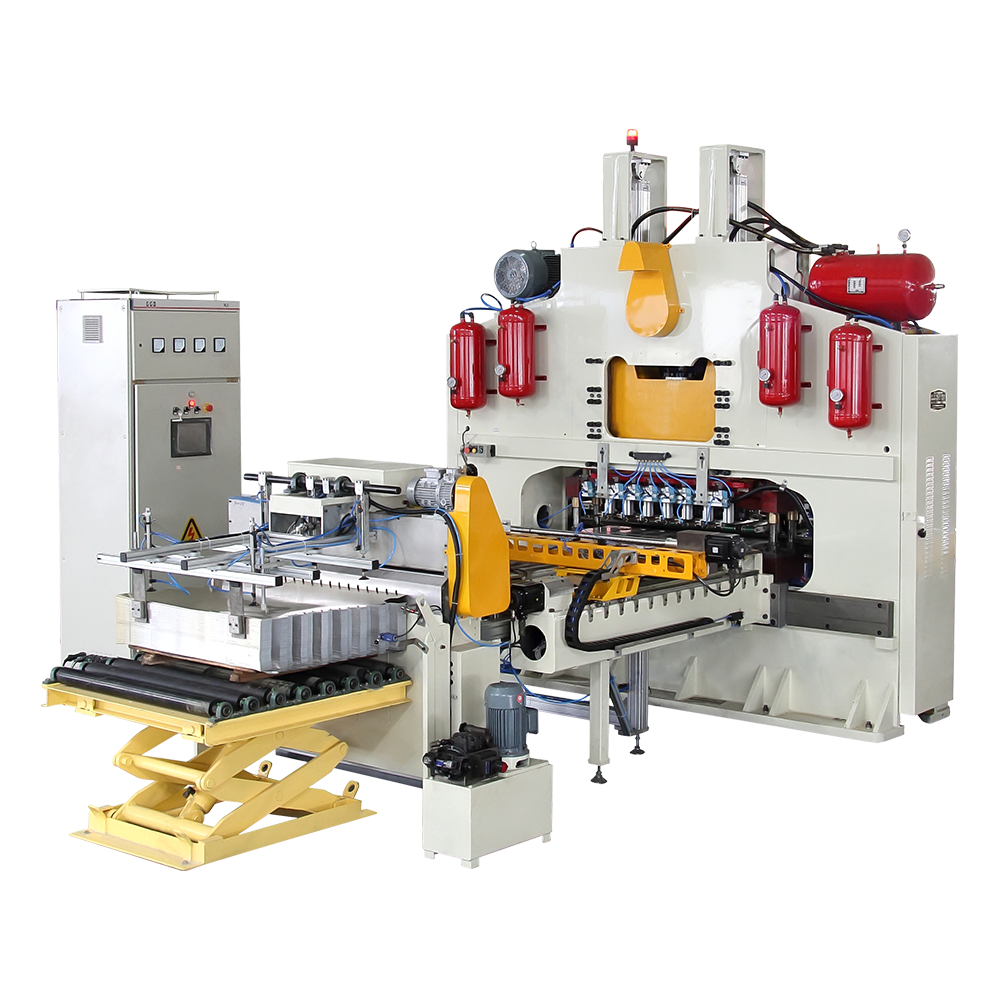
| Top cover punch | Stamps top covers and end components to final dimensions | Press speed, repeatable accuracy, tooling wear rate |
| Seaming and assembly machine | Locks the cone and bottom end onto the body | Seam tightness, centering accuracy, rejection handling |
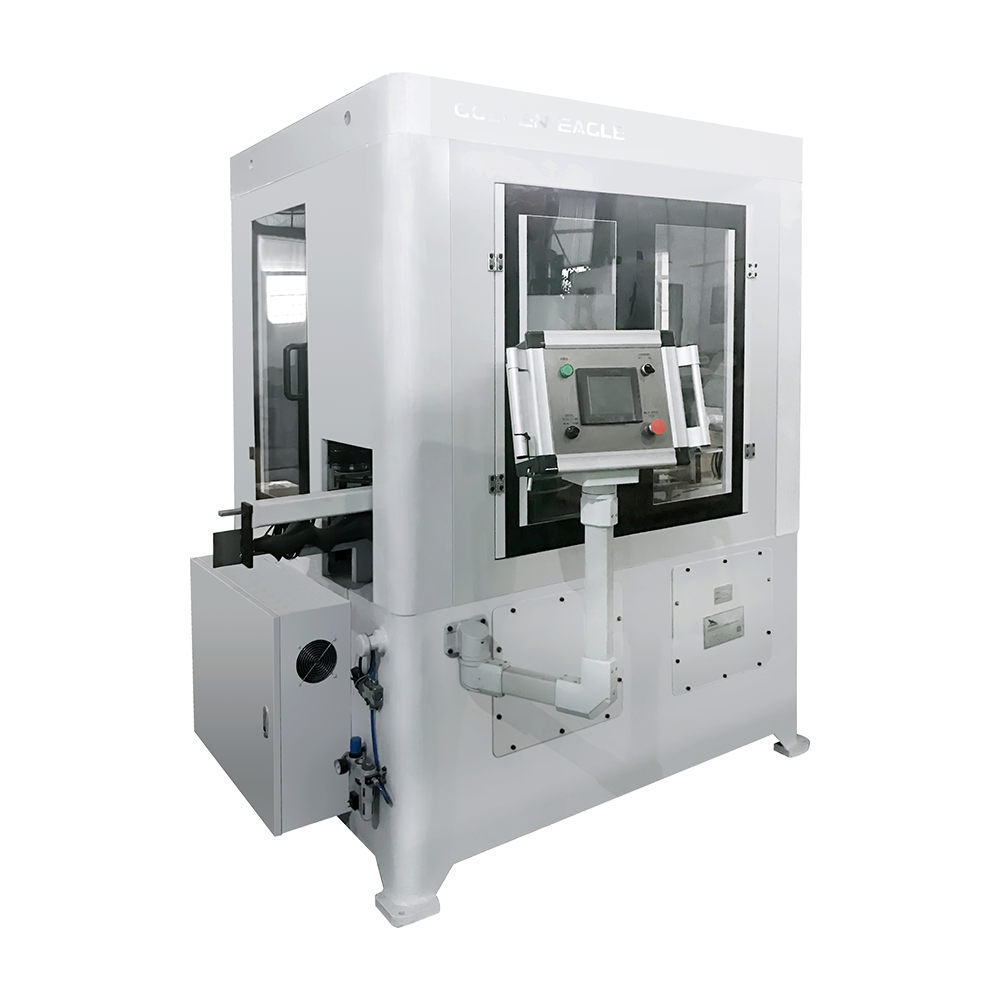
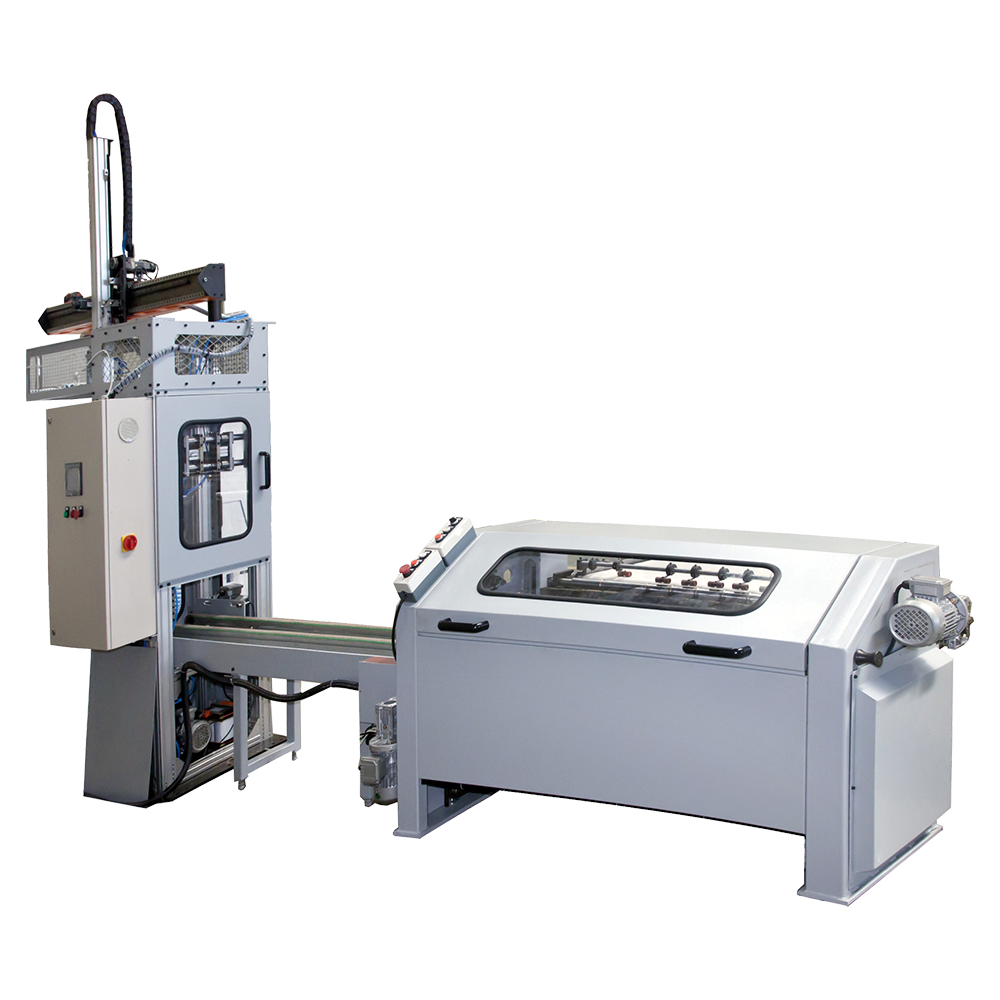
The body welder determines the maximum output of the entire line, because the welded seam is the most safety-critical feature of the can. Weld quality depends on electrode condition, tinplate surface cleanliness, and the accuracy of the overlap guiding system. A machine such as the GT10C-500 automatic can body welder illustrates how far body welding has come in terms of continuous operation and quick adjustment between tinplate thicknesses.
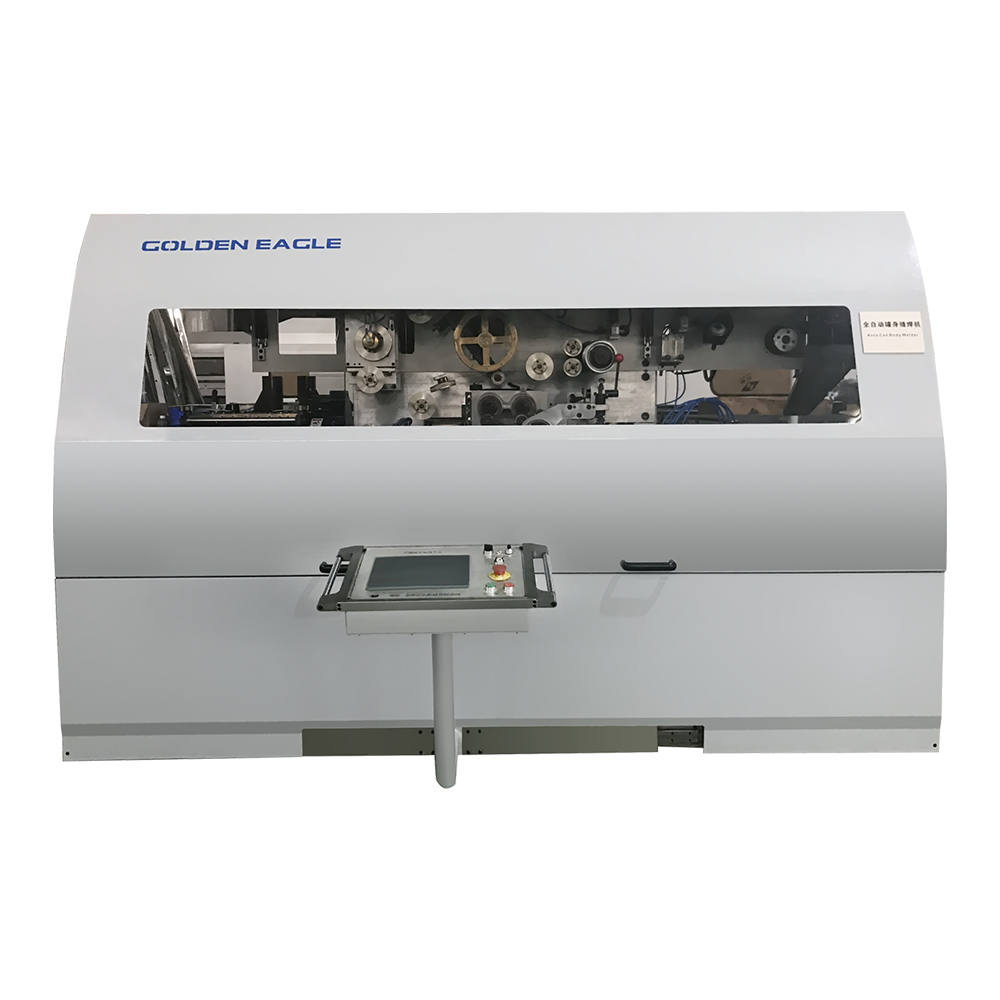 OEM/ODM 500cpm GT10C-500 Automatic can body welder Machine Factory, ManufacturerZhejiang Golden Eagle Food Machinery Co., Ltd. is China OEM/ODM 500cpm GT10C-500 Automatic can body welder Machine factory and manufactur...View Product →
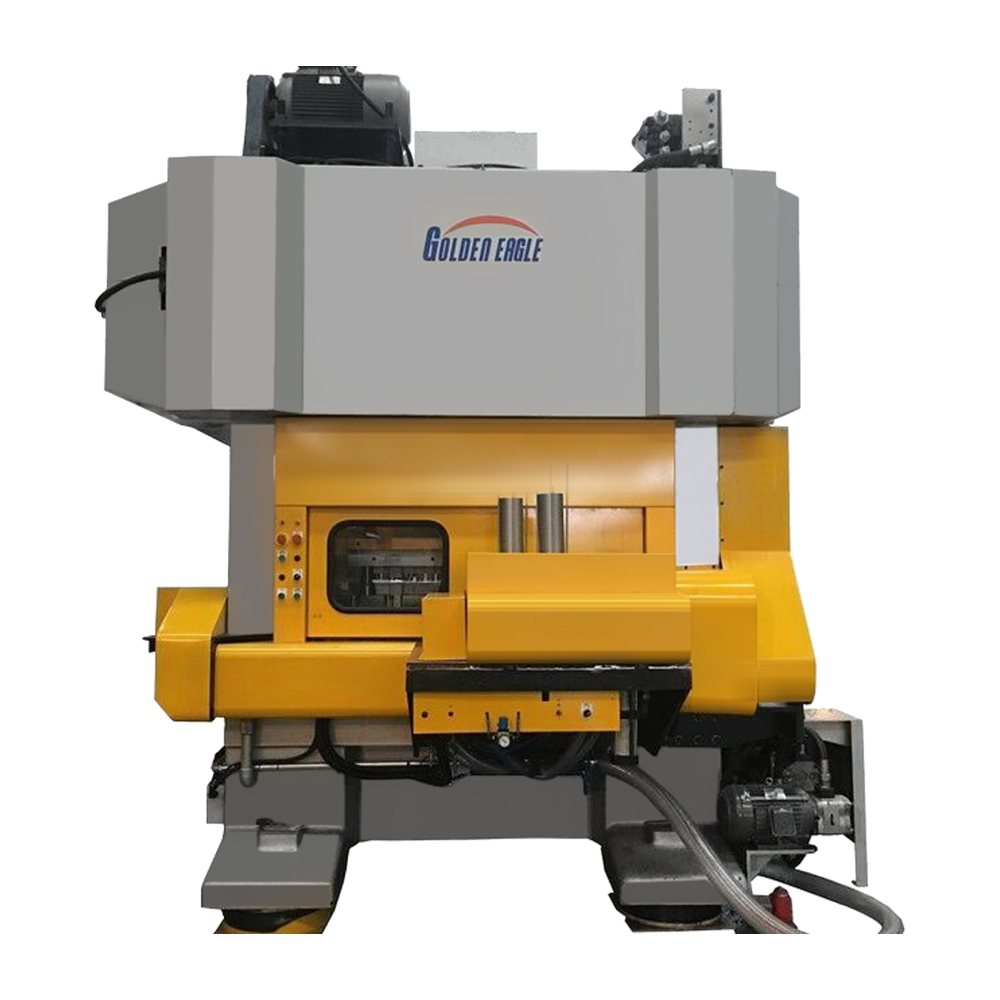
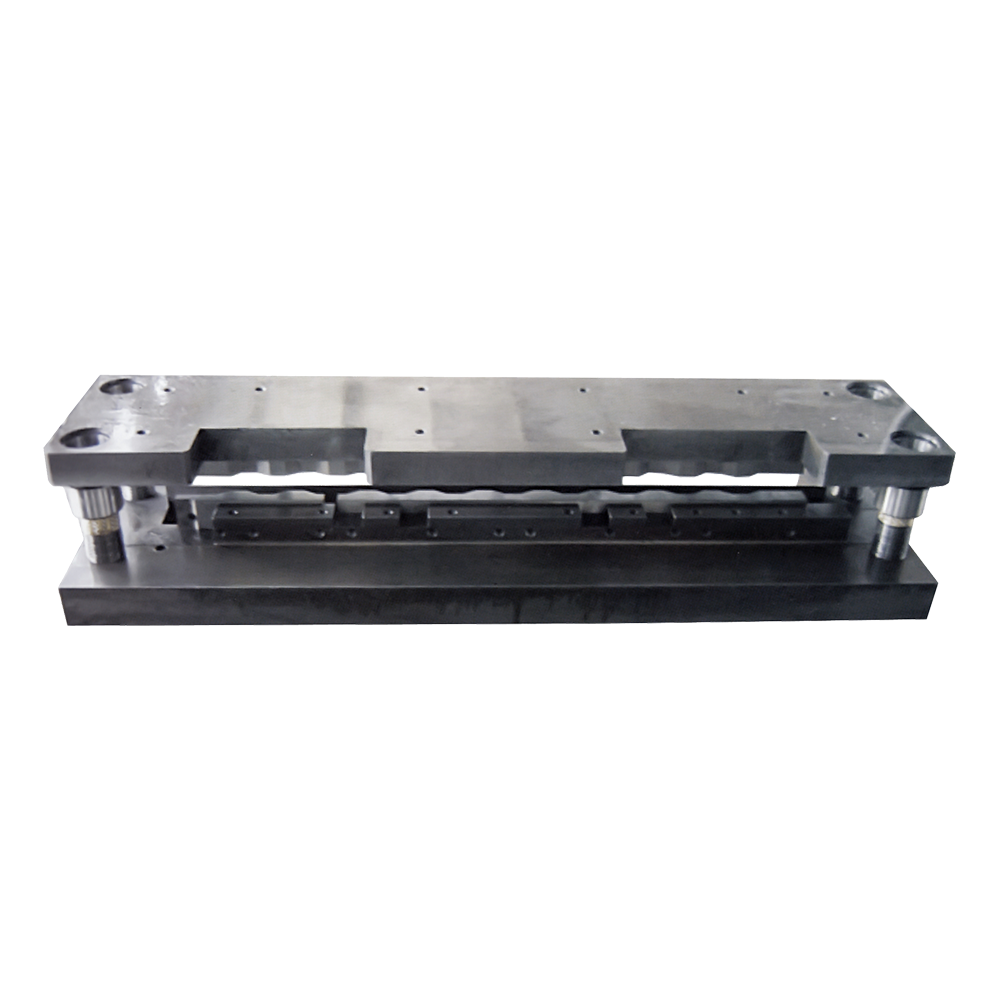
The cone and dome former needs the tightest dimensional control. A small deviation in the dome profile changes how the valve cup seats, which shows up later as leak rejects during filling. For the top cover and end stamping work, a dedicated aerosol top cover punch keeps output consistent because the press cycle is not shared with other components of the line.
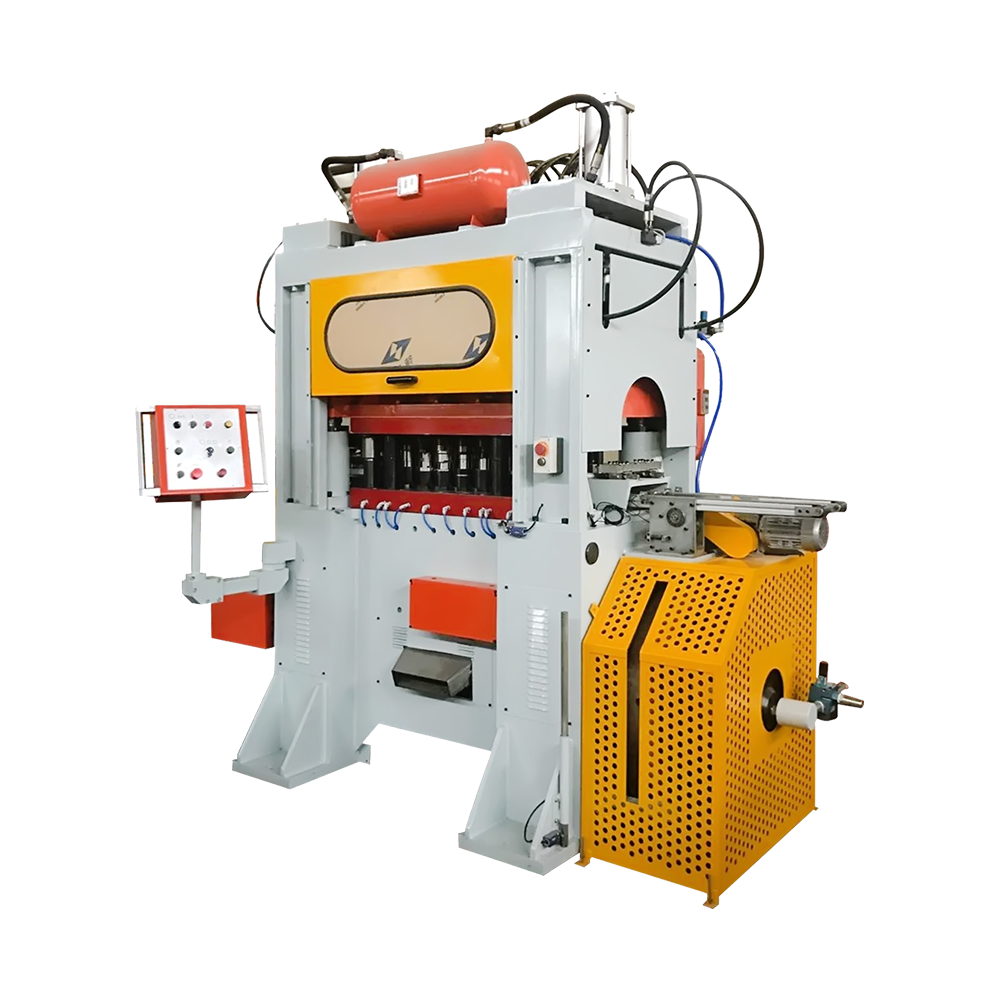 OEM/ODM Aerosol Top Cover Punch Factory, Manufacturers - Zhejiang Golden Eagle FZhejiang Golden Eagle Food Machinery Co., Ltd. is China OEM/ODM Aerosol Top Cover Punch factory and manufacturers,View Product →
Buyers who focus only on speed and price often underestimate the operating costs that appear after installation. The following points belong on every evaluation checklist, especially when a line will run two shifts or more.
A structured comparison method helps avoid surprises. Our article on how to choose an aerosol can making machine walks through the decision criteria in a practical order and highlights the questions to ask a supplier before ordering.
Aerosol cans hold liquefied gas under pressure, so the margin for manufacturing error is slim. Seam integrity is the most safety-critical parameter. A leaking can is more than a quality complaint; it becomes a safety issue during transport and warehousing. This is why established suppliers integrate leak testing and dimensional checks into the line rather than relying on operators to inspect samples. Bubble-type water bath testers and air-based inline leak testers are both common, and the right choice depends on line speed and the level of automation.
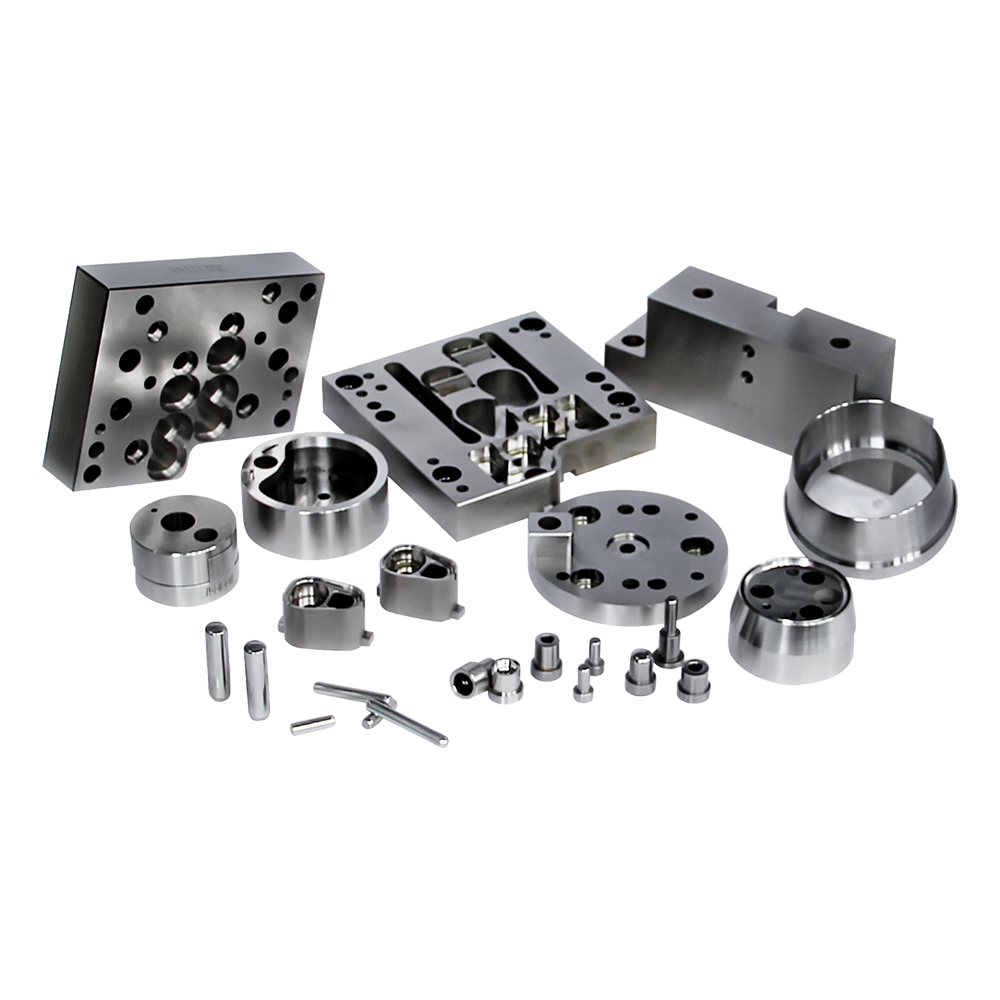
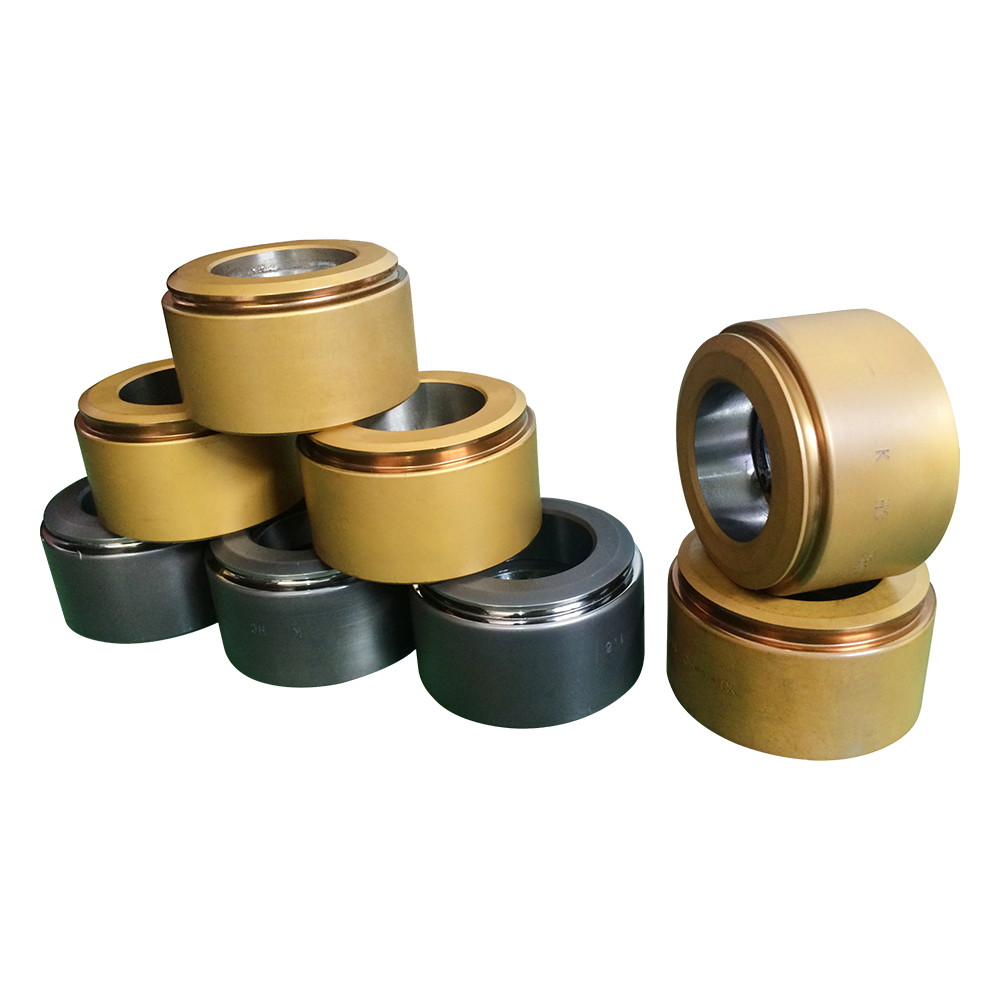
Quality problems in aerosol can production usually trace back to three sources: incorrect tooling geometry, unstable tinplate surface conditions, and improperly adjusted seaming parameters. Tooling quality depends on the manufacturer's machining capability. CNC-controlled cutting, grinding, and wire EDM are what separate a die set that produces millions of parts consistently from one that drifts out of tolerance after a short run. Suppliers with decades of practical can-tooling experience, such as Zhejiang Golden Eagle Food Machinery, carry this knowledge into the design of forming dies, seaming rollers, and transfer systems.
The operating cost picture also includes energy consumption, lubrication, and scrap disposal. A line that produces less scrap than a competitor's machine often justifies a higher purchase price within the first year of operation. The same logic applies to after-sales support: operator training, documented die maintenance procedures, and reasonably stocked spare parts prevent long unplanned stops.
Selecting an aerosol can making machine is a long-term decision. The supplier's depth in can-making tooling, welding technology, and line integration shows up in the consistency of daily output and in the speed with which problems are solved. Before signing an order, ask for reference installations, operator training plans, spare parts commitments, and documented changeover procedures. These details will say more about the machine's real value than any brochure speed figure.
Related Products

Founded in 1978, the company is one of the largest can-making machinery well-known companies at home and abroad.
Product Categories
Contact Information
Zhongshatou Shenjiamen Zhoushan Zhejiang China
+86-580-3056646

 English
 中文简体
中文简体
 русский
 عربى
عربى
 Español