2026-08-27
Most buyers do not start with a machine model. They start with a metal can: its diameter, height, lid style, required output, and the production cost per can that makes the project viable. A can making machine is not one appliance. It is a sequence of forming, welding, coating, drying, lining, and seaming stations that turn tinplate into a sealed container.
Before comparing quotations, it helps to separate the process into the machine that makes the can body, the machine that makes the end, and the machine that joins them. The choice between a single station and a full production line comes after those three questions are answered.
A can making machine is a forming system for metal packaging. Most food, aerosol, chemical, and beverage cans are three-piece cans: a rectangular tinplate sheet is fed into a body former, curved into a cylinder, welded along the side seam, and then flanged at both ends. After the body is made, the bottom end is seamed on, the can is tested, and the top end is applied after filling.
Some lines combine several processes into one rotary or linear machine, while others use separate units linked by conveyors. The principle remains the same. The body, the end, and the seaming rollers must stay precisely aligned, because a poor roll seam will leak even if the tinplate and coating quality are correct.
A full walkthrough of the production sequence is easier to follow when you see how a can making machine works at factory level.
Not every can making machine uses the same process. The first step in sourcing is to select the machine family that matches your can design. The table below summarizes the normal starting points for common can categories.
| Machine family | Typical can formats | Main process steps |
|---|---|---|
| Food and beverage can combiners | Round food cans, beverage cans | Body forming, welding, necking, flanging, beading, seaming |
| Milk powder can machines | Large round cans for powdered products | Body forming, lining, drying, double seaming, end attachment |
| Aerosol can machines | Three-piece aerosol cans | Body welding, top and bottom forming, necking, flanging, testing |
| Chemical can machines | Industrial pails and chemical containers | Heavy-gauge forming, welding, chime expansion, lid assembly |
| End cover and EOE lines | Plain ends, easy-open ends | Coil feeding, scoring, tab conversion, lining, drying |
This is not a strict classification. Some suppliers build machines that cross these categories, and some plants use shared equipment for similar can sizes. Still, the table gives a practical starting point for a buyer who has not purchased can making machinery before.
Once you define the can type, evaluate the machine on four practical issues. The answers determine whether the line will pay back in your plant.
Output is usually stated in cans per minute, but that number tells only part of the story. Ask for the machine speed at the required can height and diameter, not the maximum mechanical speed. A machine rated high on a short beverage can can drop sharply when it has to flange a taller food can. The same applies to the compound lining and drying sections, which often become the real bottleneck.
A can making machine is highly tooling dependent. Body size changes require change parts: flanging tools, seaming rollers, transfer guides, and dies. If you plan to run three diameters, the changeover design matters as much as output. A quick-change system reduces downtime, while a poorly planned changeover can erase any speed advantage.
Automation should be considered line-wide, not machine by machine. The critical points are feeding, stacking, and inspection. An automatic feeder protects operators and keeps the process continuous. Automatic inspection prevents bad cans from reaching the seamer. A combined machine reduces manual transfer points, which tends to improve both quality and efficiency.
Use seam dimensions, flange width, and leak test results as acceptance criteria. Check that the machine can hold tolerance across a full shift, not only during the initial trial. Manufacturers that work under ISO 9001 procedures tend to document their quality checks more clearly, and that documentation becomes useful during troubleshooting.
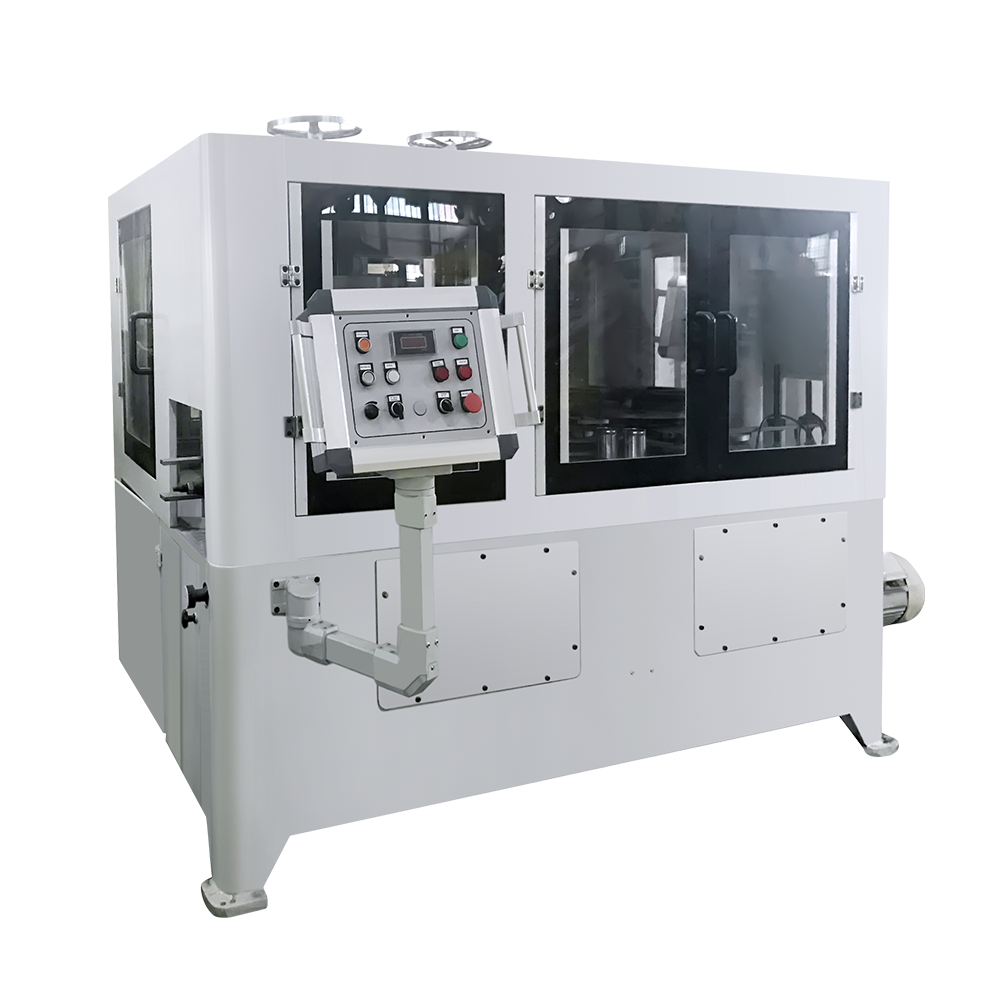
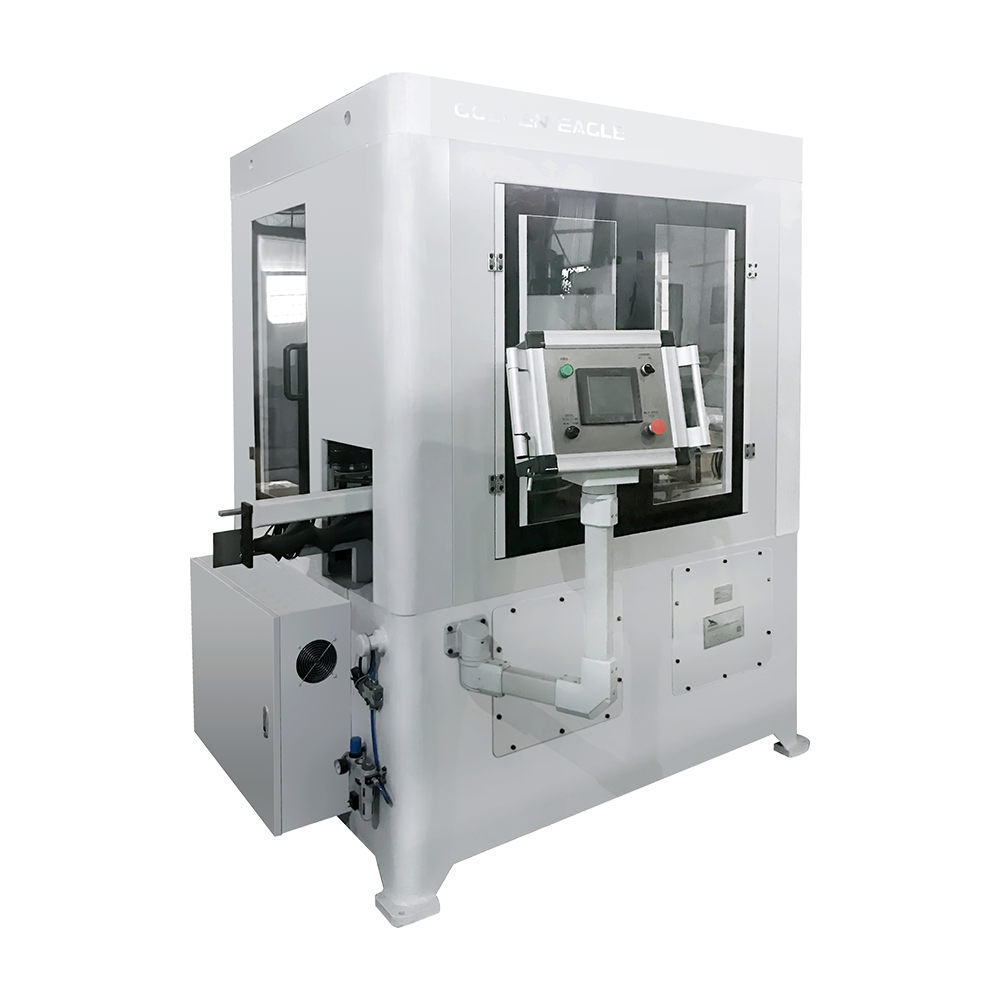
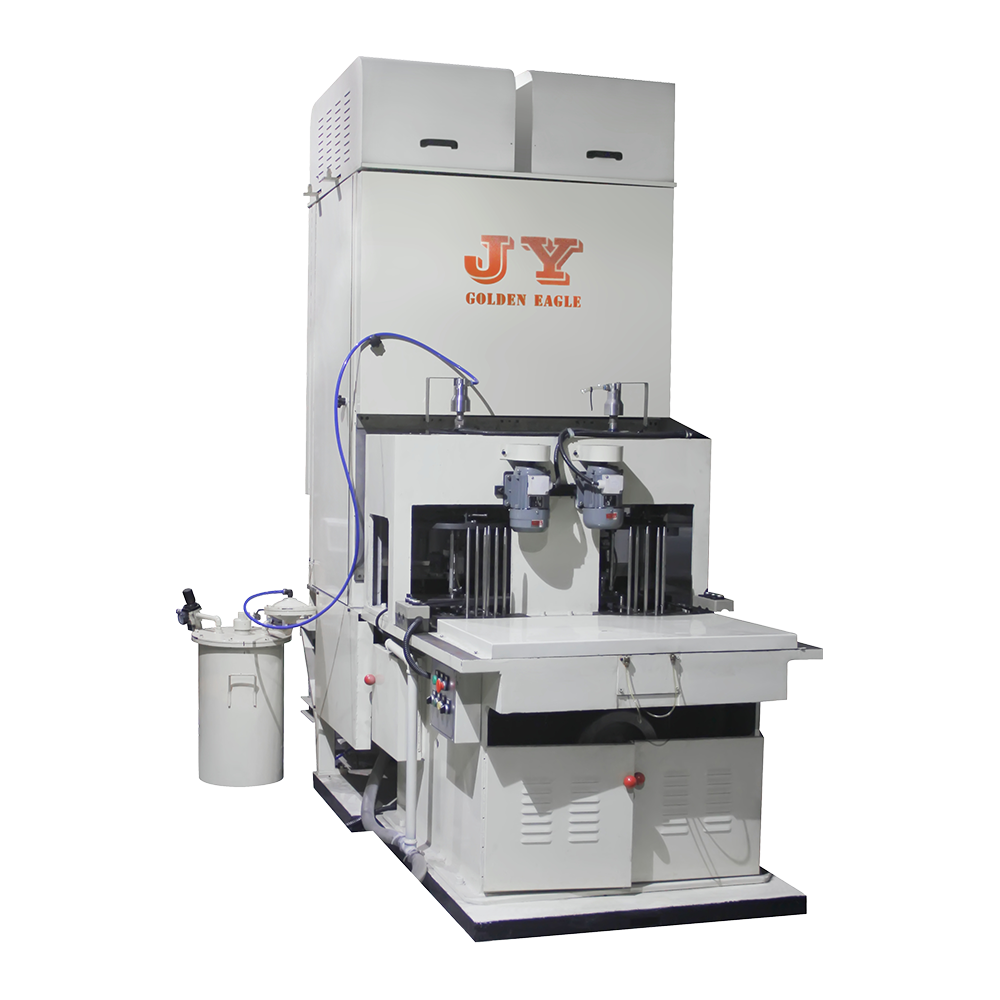
For large runs of round food and beverage cans, the most efficient machine design is usually a combination type that performs necking, flanging, beading, and seaming in one pass. This reduces the number of transfer points and keeps the can body aligned through the critical final steps. A four-station combiner can making machine is a good reference point for this layout.
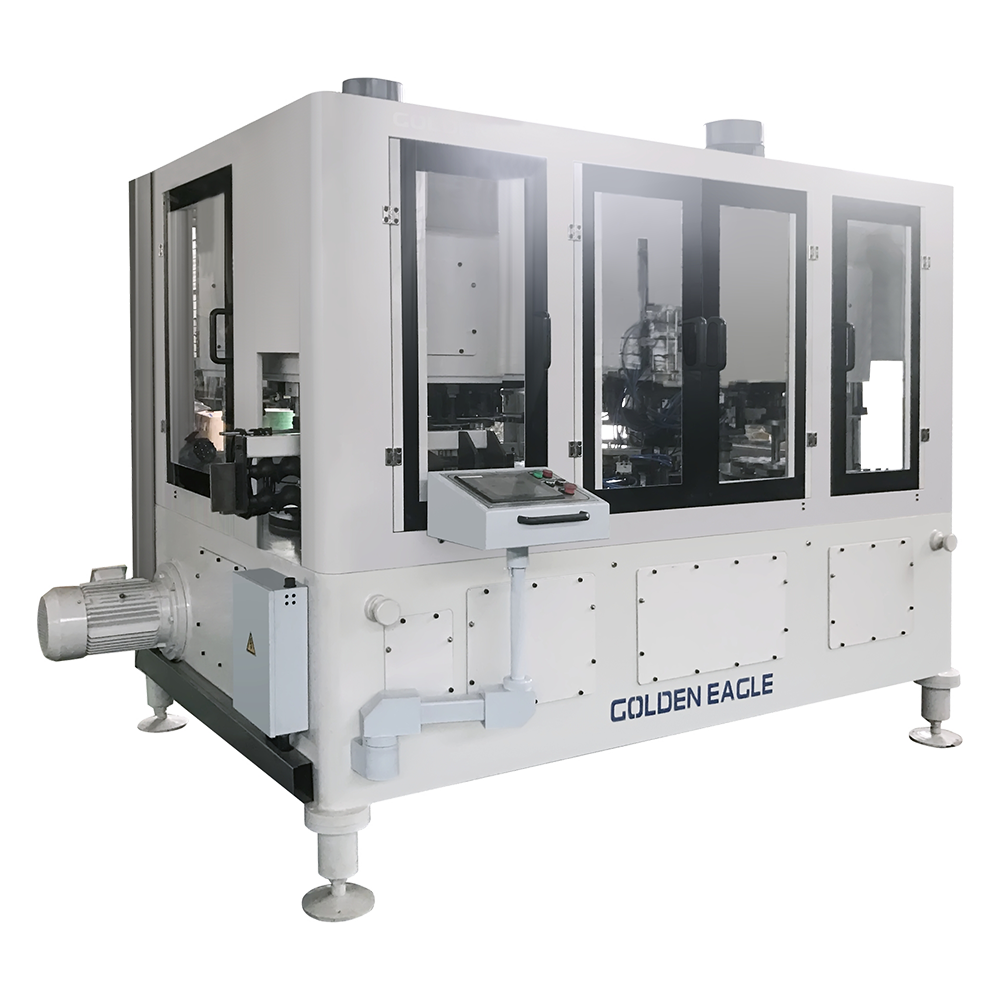
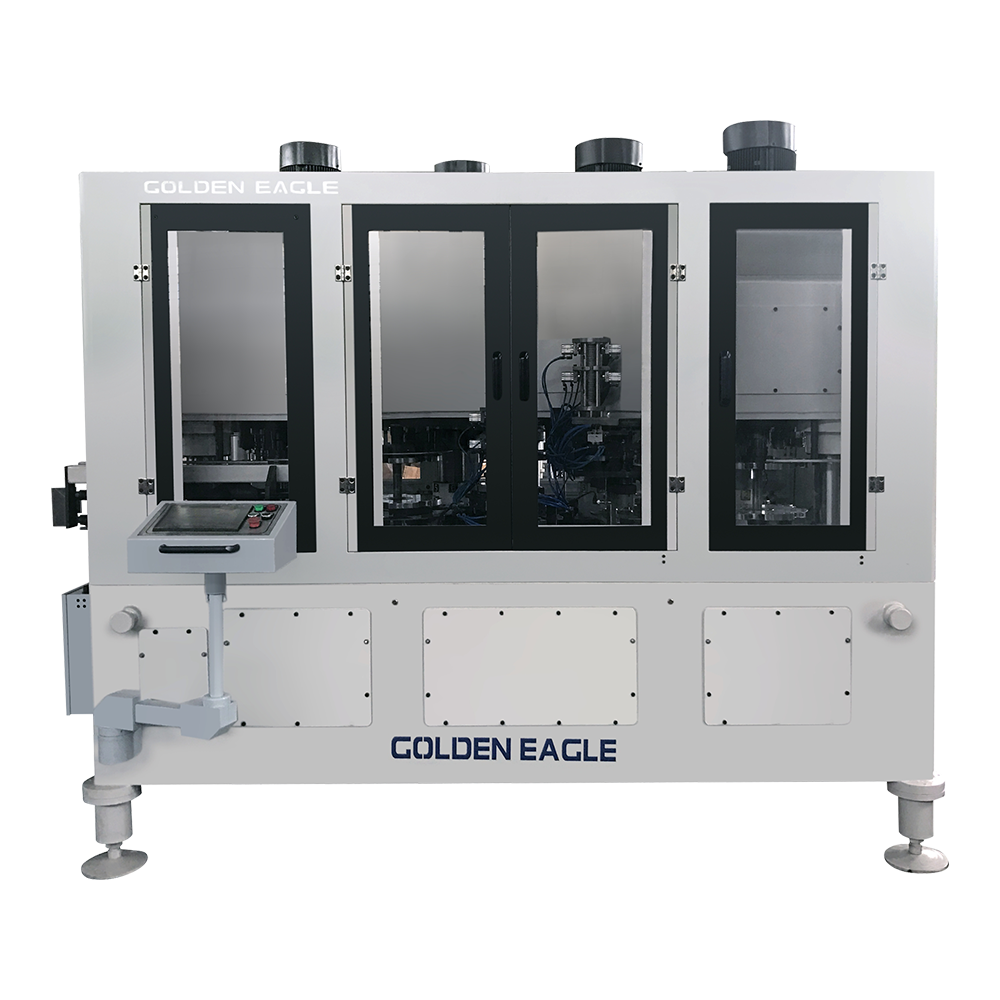 OEM/ODM Necking Flanging Beading Seaming Four station Can Making Machine FactoryZhejiang Golden Eagle Food Machinery Co., Ltd. is China OEM/ODM Necking Flanging Beading Seaming Four station Can Making Machine factory ...View Product →
If your production volume is moderate, a smaller combiner may be sufficient. If the project is a full plant start-up, plan for automatic feeding, compound lining, drying, and leak testing at the same time. The can making machine itself is only one part of the line.
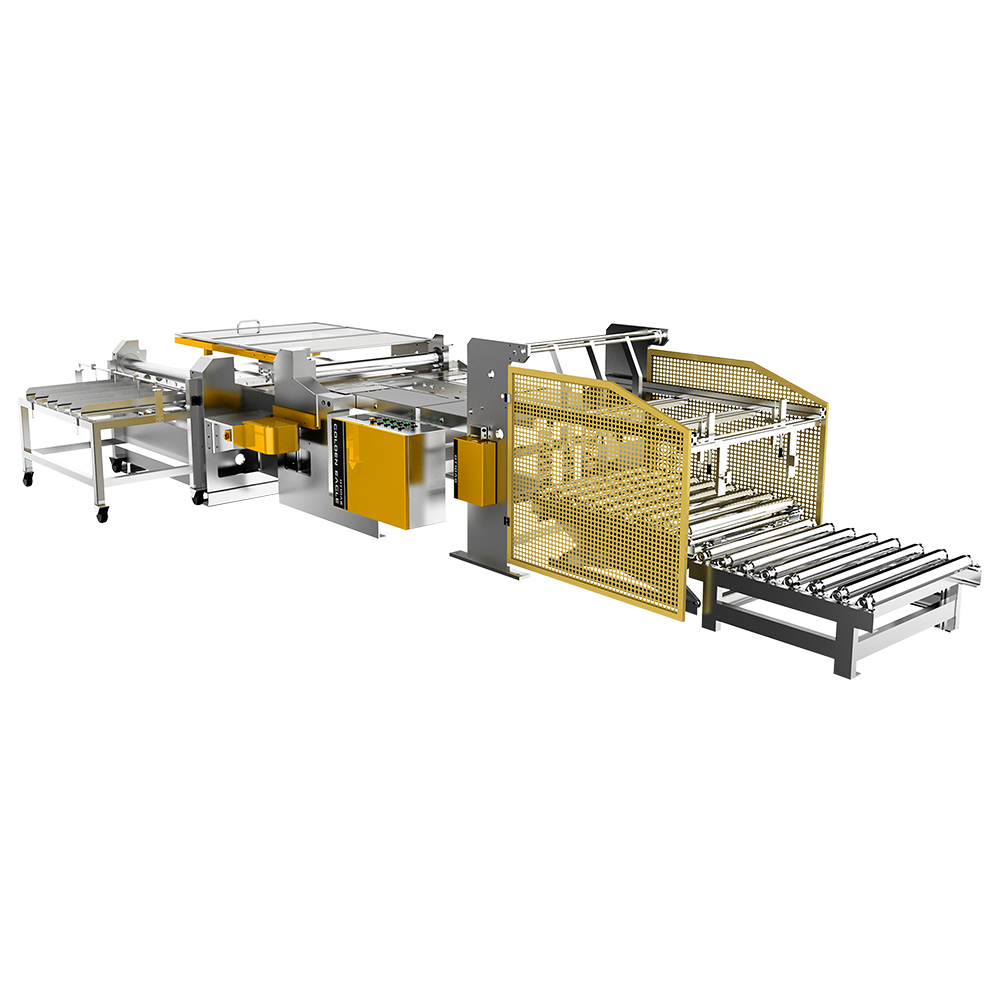
Can end production is often overlooked during the first machine search, but it affects both cost and user convenience. An end cover line produces the ends that are later seamed onto the can body. The line controls the curl profile, the compound deposit, and the drying cycle, all of which determine how reliably the end will seal.
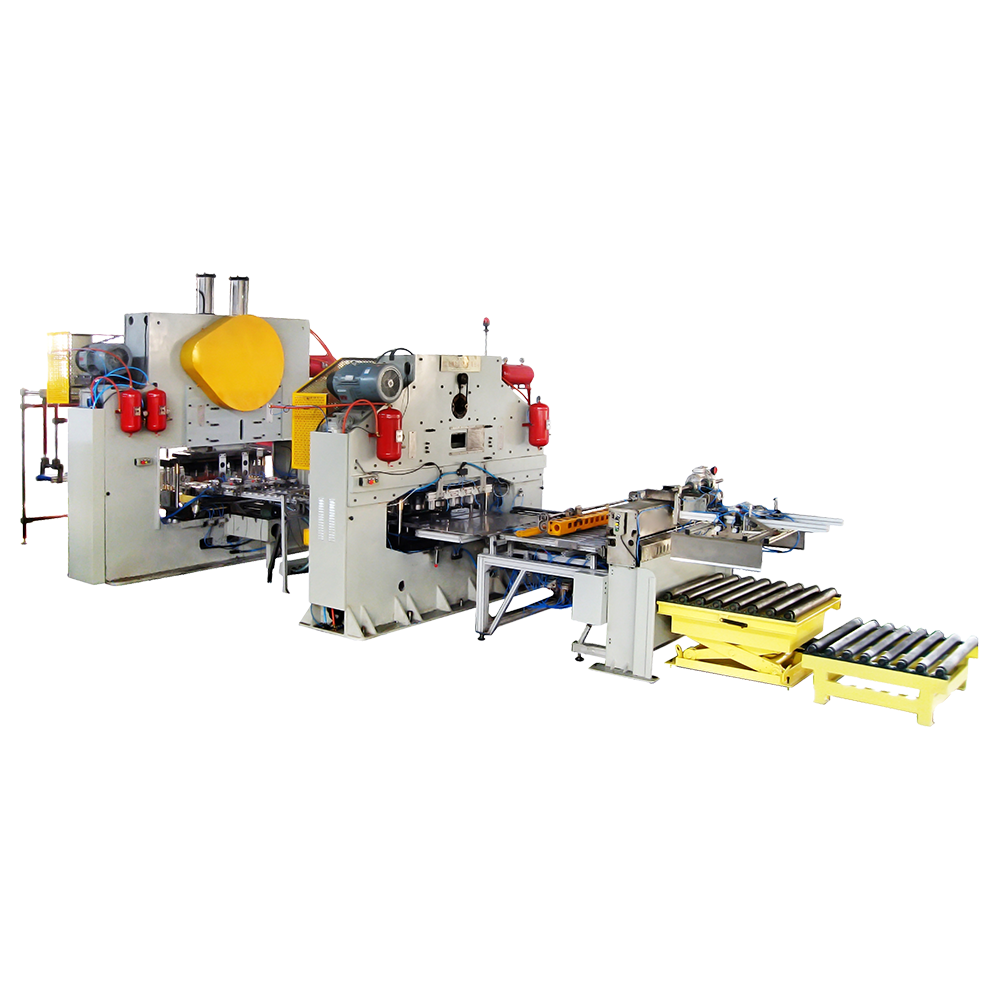
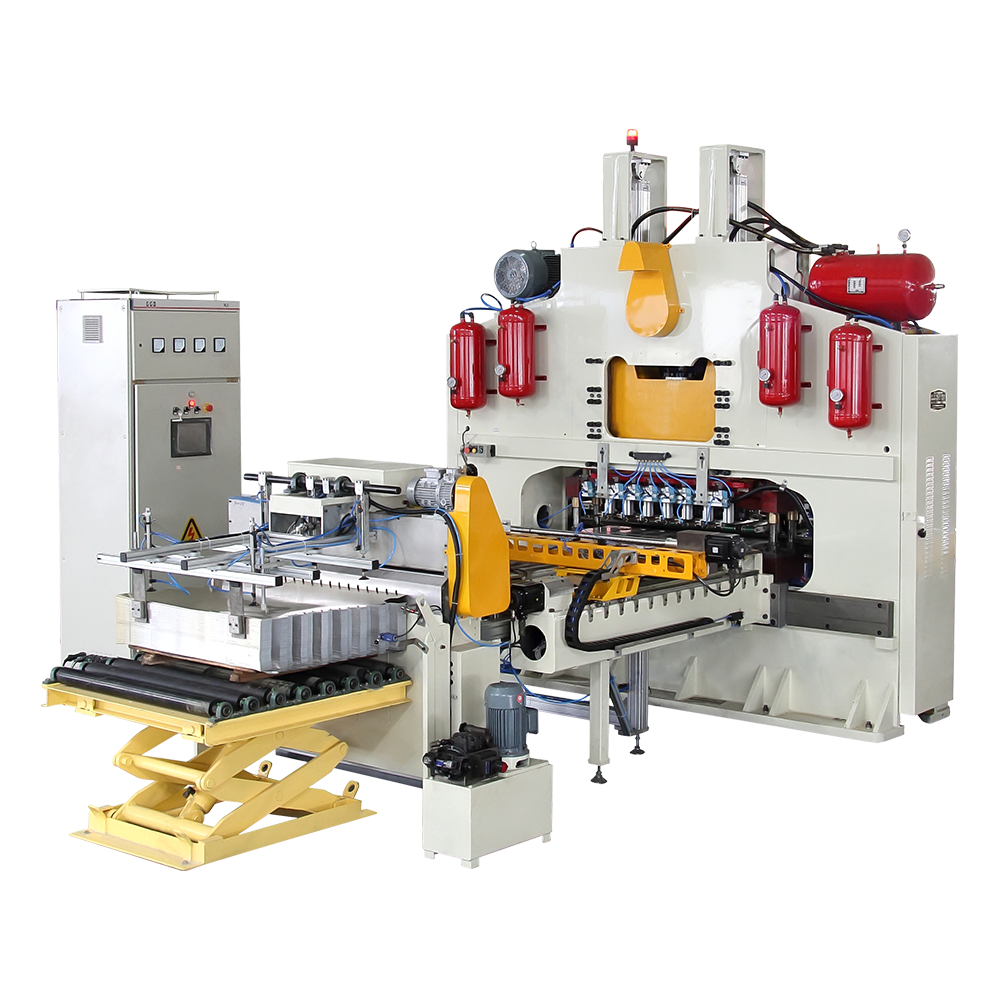 OEM/ODM CNC Automatic digital controlling punch Factory, Manufacturers - ZhejianZhejiang Golden Eagle Food Machinery Co., Ltd. is China OEM/ODM CNC Automatic digital controlling punch factory and manufacturers, This p...View Product →
If you need easy-open ends, add a conversion press system to score the panel and attach tabs. This is where thin material, tight tolerances, and coating control become critical. A poorly scored end may be either difficult to open or too weak to survive distribution.
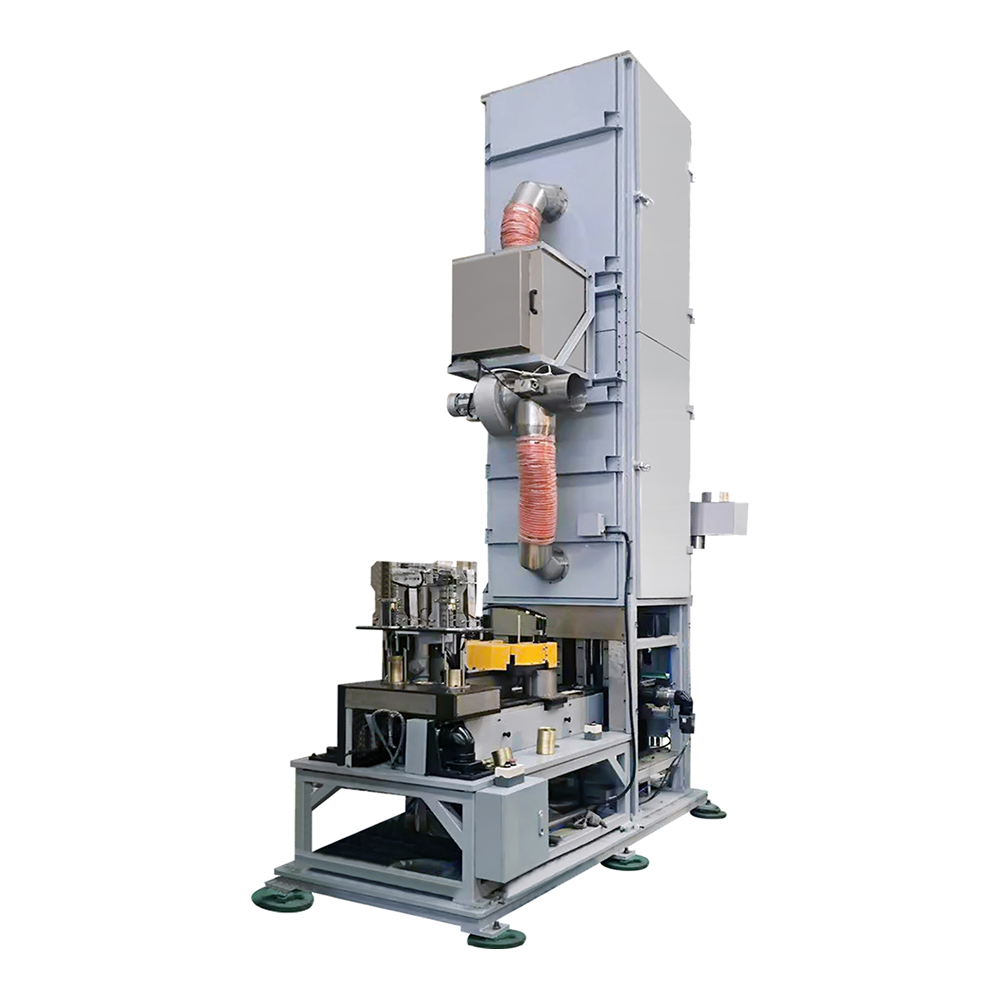
For a three-piece can, the side seam is the structural weak point. A can making machine that relies on welding needs stable weld current, clean material, and consistent pressure. A dedicated automatic can body welder gives a more reliable result than a general-purpose press adapted for can bodies.
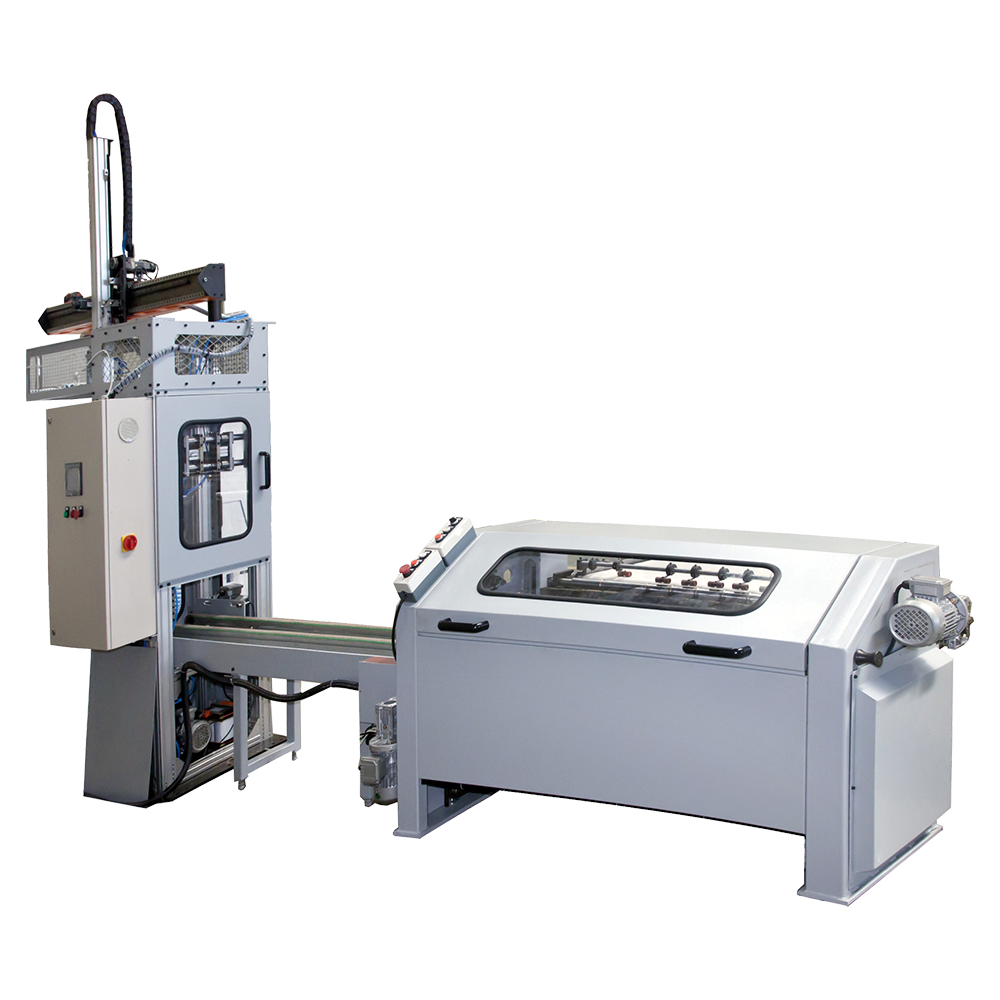
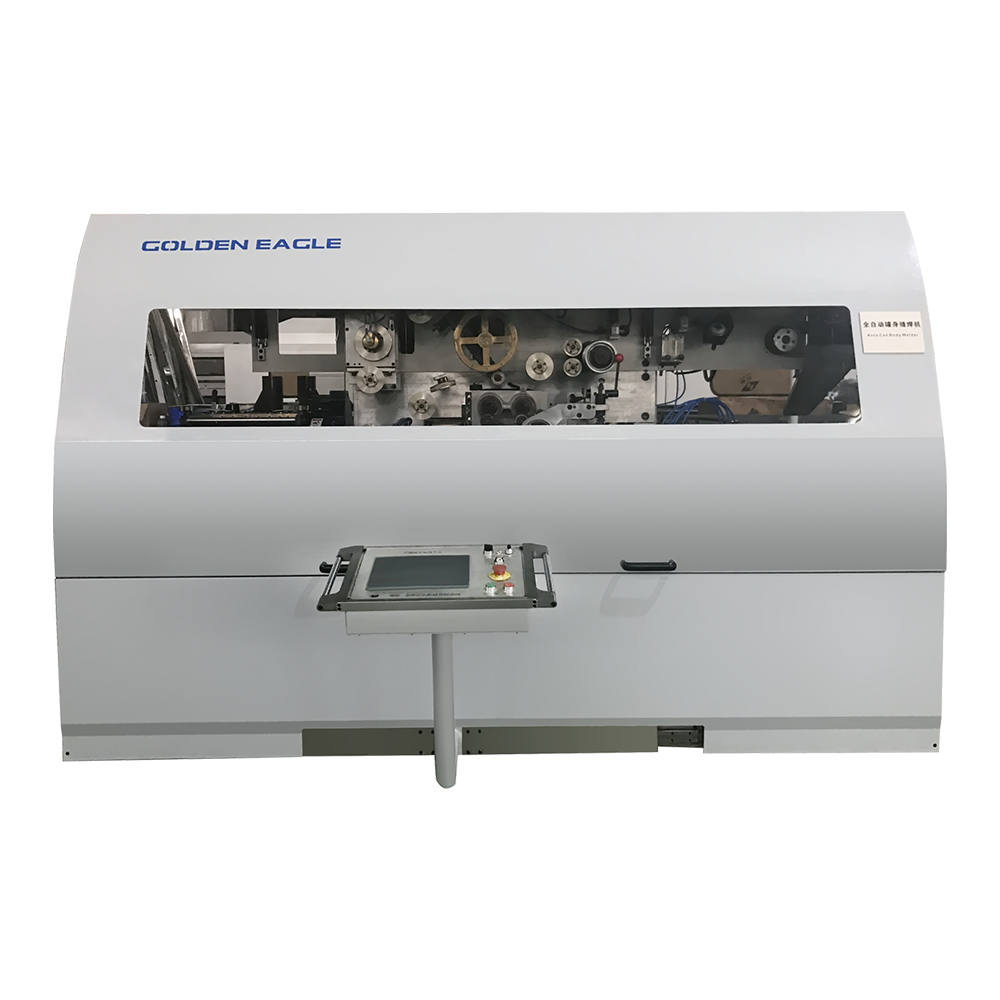 OEM/ODM 500cpm GT10C-500 Automatic can body welder Machine Factory, ManufacturerZhejiang Golden Eagle Food Machinery Co., Ltd. is China OEM/ODM 500cpm GT10C-500 Automatic can body welder Machine factory and manufactur...View Product →
After welding, the seam is normally protected with a repair coating and dried before the can is flanged. This step is easy to underestimate. Coating failures show up later as corrosion problems on the retail shelf, so the drying stage must match the speed of the welder.
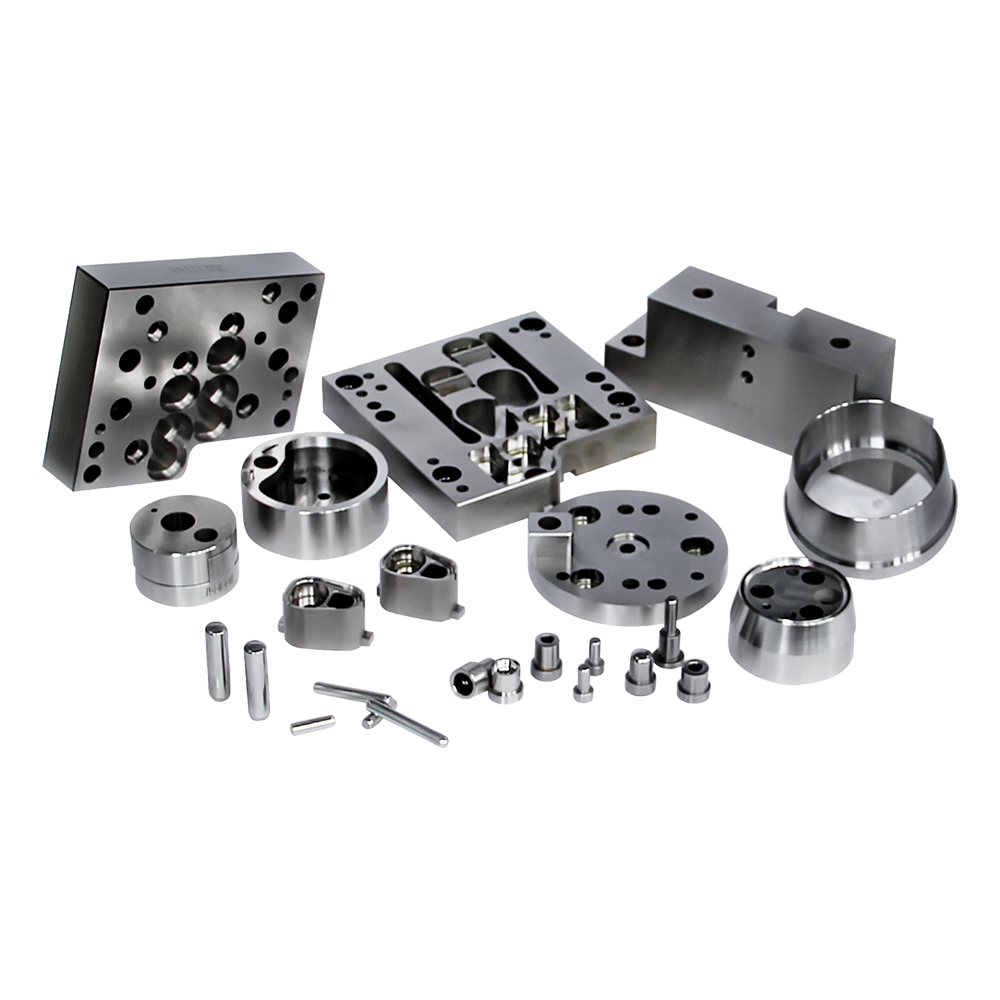
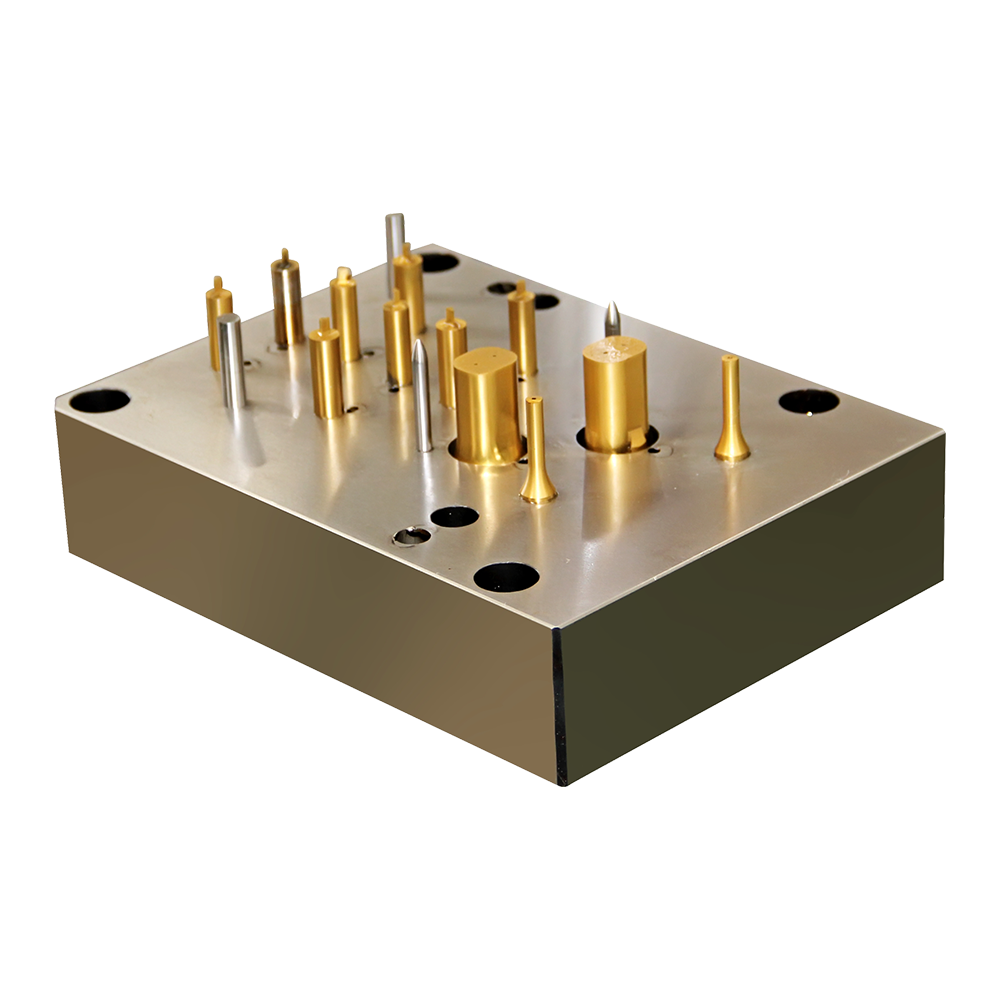
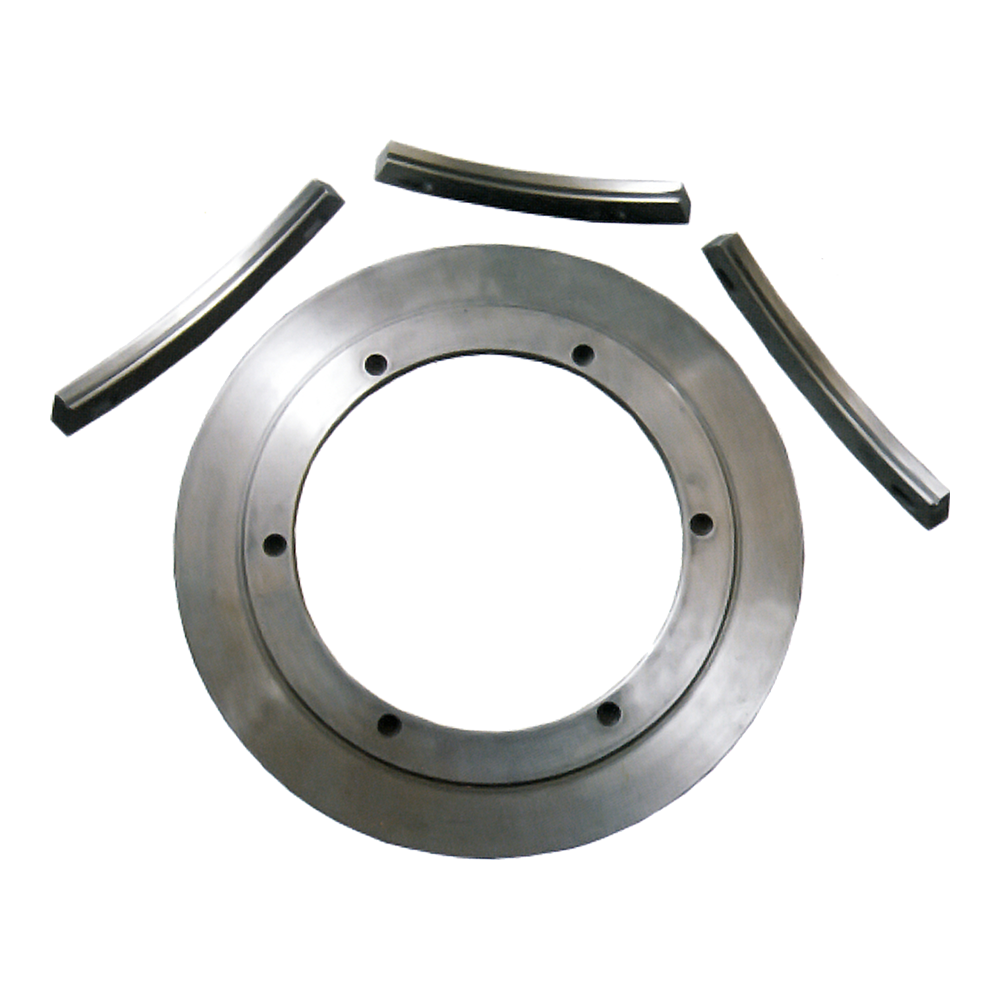
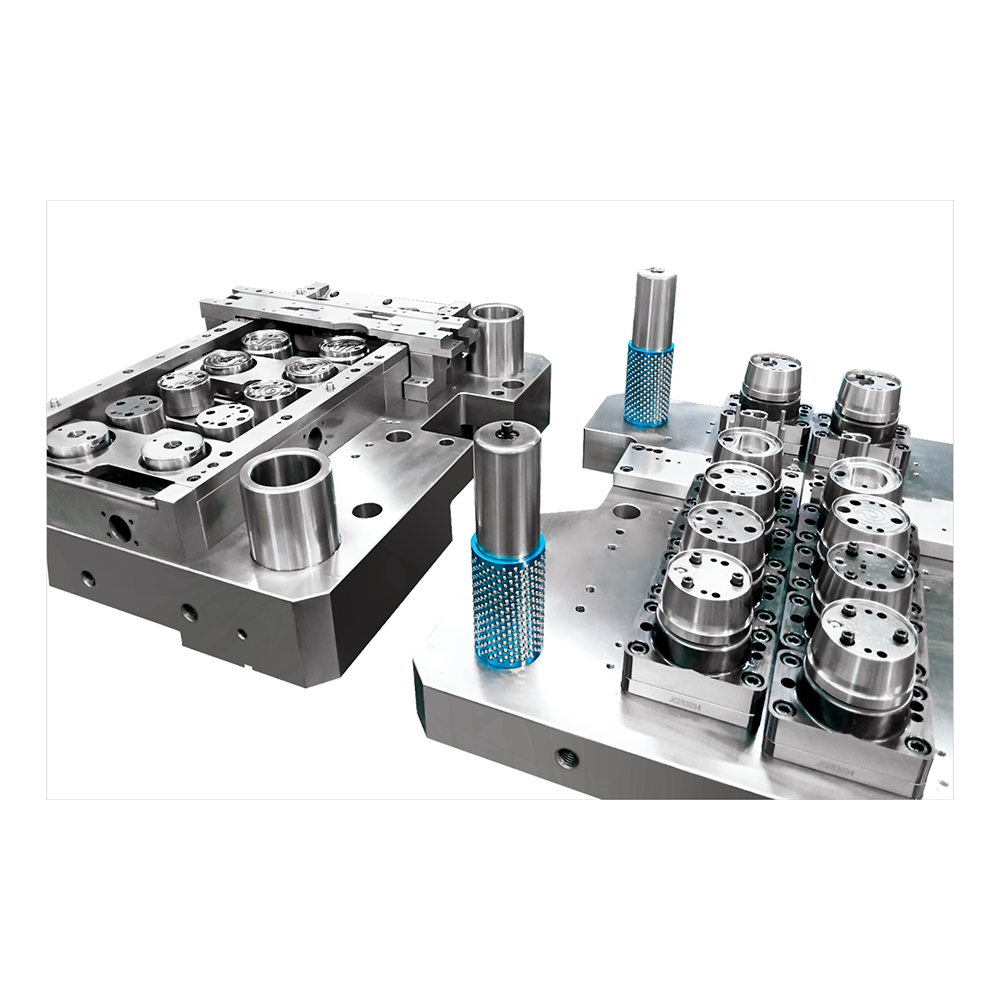
Tooling is part of the machine purchase. The machine model defines the process, but the dies, seaming rollers, and cutting knives define the final can quality. Ask the supplier to list which tooling is included and which is optional. Because tooling failures stop a line immediately, the most practical arrangement is to buy from a can making machine manufacturer that can supply both production equipment and the corresponding molds.
Supplier track record matters. One experienced manufacturer, for example, has produced can making equipment since 1978 and has delivered more than 10,000 cans and can-end machines to plants across several continents. That kind of history tends to mean more stable tooling design and better spare parts support.
Use this list when comparing quotations.
If a supplier cannot answer these questions clearly, the project will likely face delays after commissioning. A well-matched can making machine is an asset; a mismatched one becomes an expensive lesson in line design.
In short, a can making machine purchase is a process decision. Define the can first, separate the body process from the end process, verify the tooling and support package, and then build the line around the machine family that matches your real production volume.
Related Products

Founded in 1978, the company is one of the largest can-making machinery well-known companies at home and abroad.
Product Categories
Contact Information
Zhongshatou Shenjiamen Zhoushan Zhejiang China
+86-580-3056646

 English
 中文简体
中文简体
 русский
 عربى
عربى
 Español