2025-12-18
Food and beverage can making machines play a pivotal role in the packaging industry. These machines are designed to create cans from a variety of materials, providing an essential service in the production of containers for drinks, foods, and other consumable goods. Given the increasing variety of materials used in packaging, it is important to understand whether these machines can accommodate different can materials without compromising efficiency or product quality.
The materials used in food and beverage can production have evolved significantly over time. Traditionally, cans were made from steel, but with advancements in material science, modern cans can be constructed from a range of materials, including aluminum, steel, tinplate, and more recently, even bioplastics. Each of these materials has distinct advantages and challenges in the manufacturing process. Aluminum, for example, is lightweight and resistant to corrosion, making it ideal for beverage cans. Steel is often used for more robust containers, such as those required for canned foods, while tinplate combines the benefits of steel and a thin layer of tin to provide a corrosion-resistant surface. With such diversity in materials, it is crucial to assess whether food and beverage can making machines are adaptable enough to handle these different substrates.
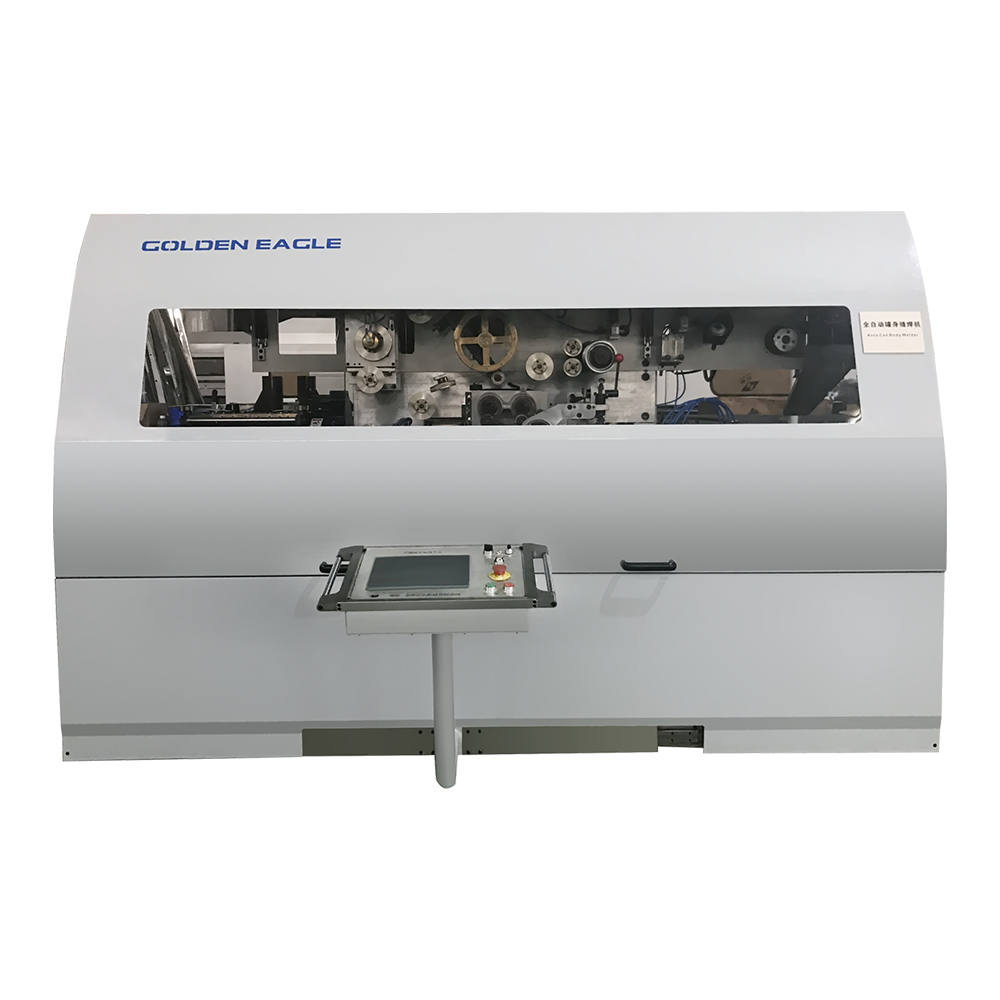
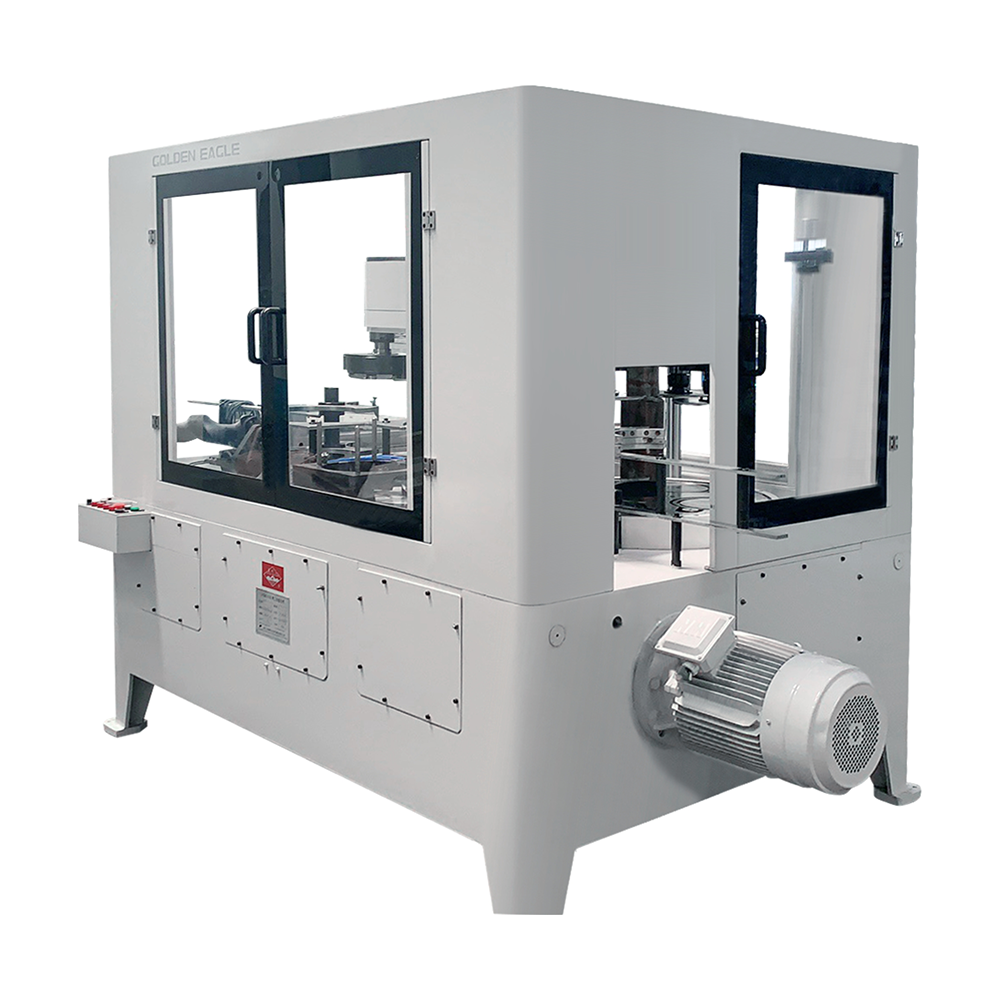
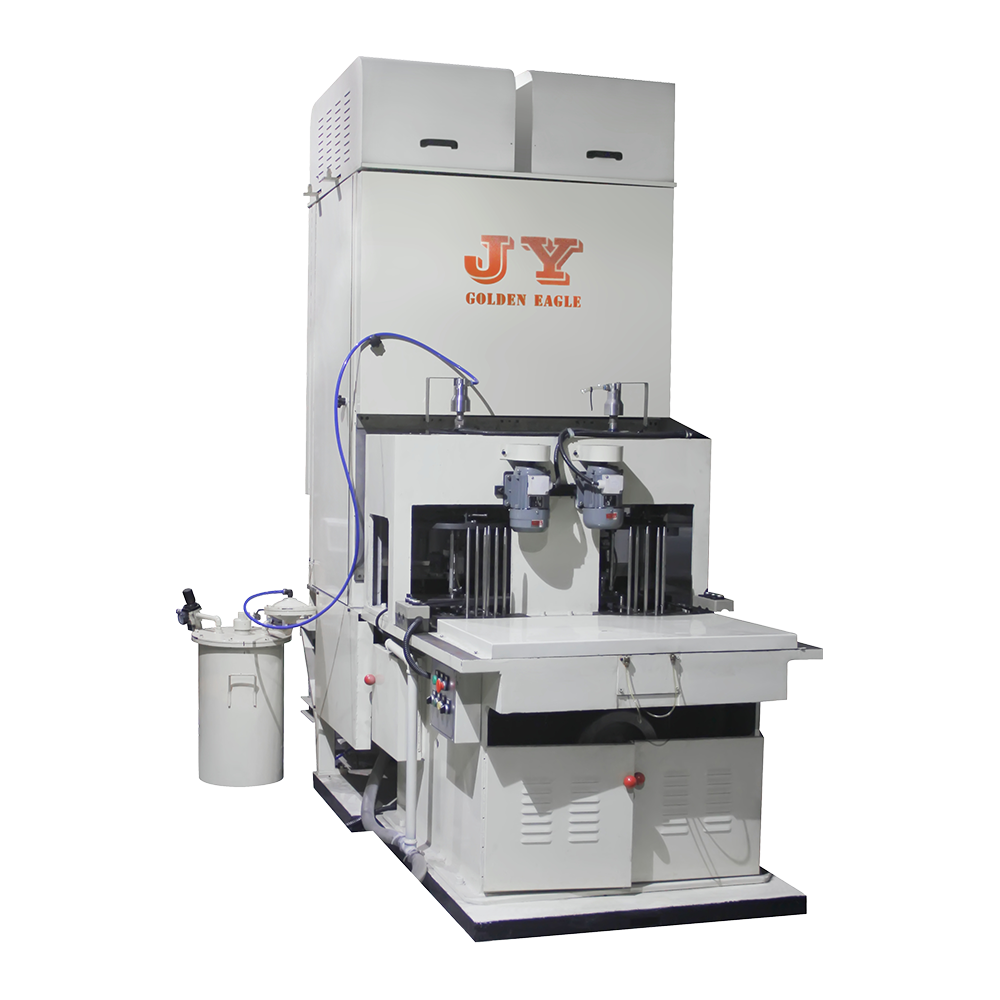
Modern food and beverage can making machines are typically designed with a high level of versatility to accommodate different types of materials. These machines are generally composed of several key sections, including coil preparation, body forming, and necking, along with coating and printing systems. The design of these machines allows for the processing of various materials without the need for major adjustments between production runs. Some can making machines are specifically designed to handle only a certain type of material, such as aluminum or steel, while others are capable of processing multiple materials, often by adjusting certain parameters such as pressure, temperature, or speed.
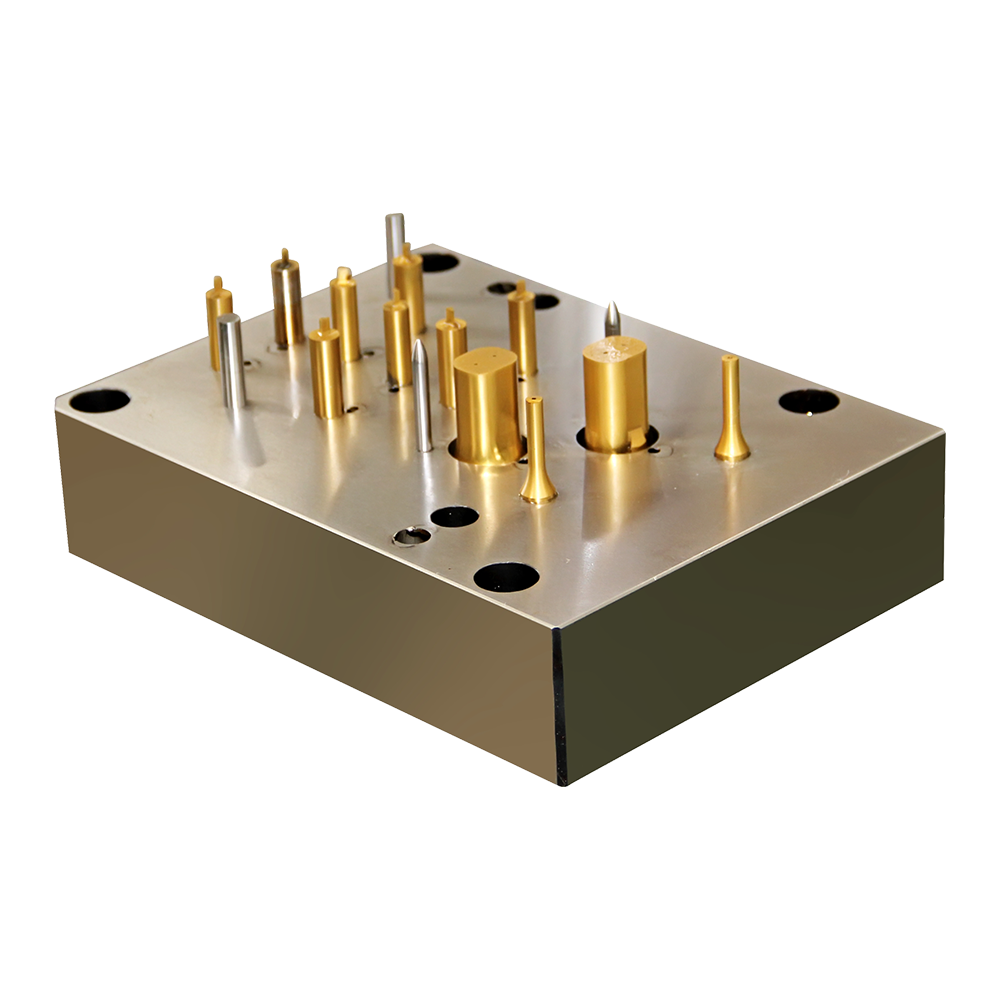
Aluminum cans are the most common type used for beverages, and the ability to process this material efficiently is a key consideration for many can making machines. Aluminum is lightweight, recyclable, and resistant to corrosion, making it ideal for the packaging of drinks like sodas, beers, and energy drinks. To create aluminum cans, the can making machine typically begins by feeding aluminum coils into the system. The coil is then drawn into a thin sheet and formed into the body of the can. Aluminum is relatively easy to work with due to its malleability, which means the machine can quickly form the material into the desired shape. However, because aluminum is softer than steel, manufacturers must ensure that the forming dies and equipment are precisely calibrated to avoid any damage to the material during the shaping process. Additionally, the coating and printing systems used in aluminum can production must be carefully adjusted to avoid smudging or distortion of the design due to the material's sensitivity to heat and pressure.
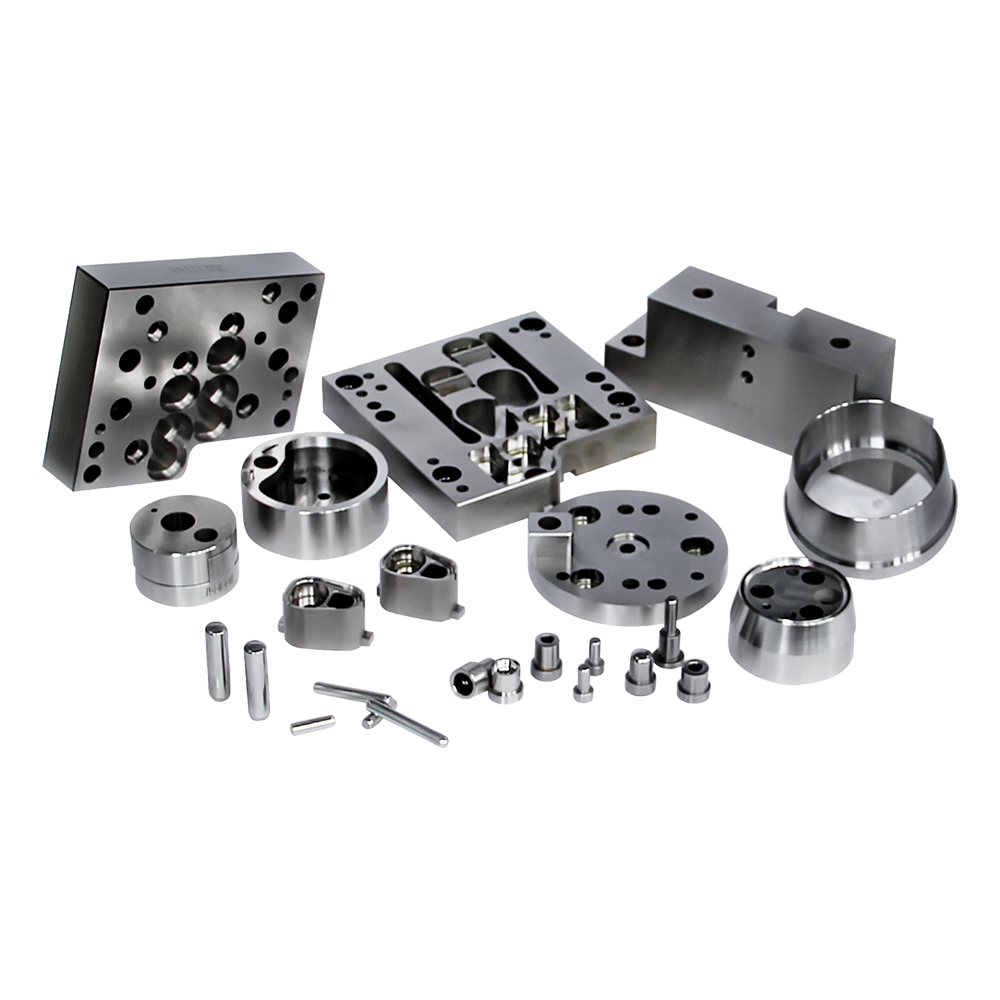
Steel and tinplate cans are commonly used in the food industry, particularly for products like vegetables, soups, and meats. These materials are more rigid and durable compared to aluminum, making them ideal for products that require sturdier packaging. Steel is also more resistant to physical damage, which makes it suitable for handling higher pressure and more demanding shipping conditions. Processing steel and tinplate involves different steps compared to aluminum. These materials are more difficult to form due to their greater strength and resistance to deformation. As a result, food and beverage can making machines must be equipped with stronger dies and motors to handle the increased force required to shape the steel or tinplate into cans. Moreover, the machines need to apply higher temperatures or additional lubrication to facilitate the forming process and prevent damage to the material.
One of the main advantages of modern food and beverage can making machines is their ability to make adjustments to accommodate various materials. These adjustments may include changes to the machine’s pressure settings, lubrication systems, temperature controls, and forming speeds. For example, when switching between aluminum and steel, the machine may need to adjust the forming pressure and temperature, as steel typically requires higher levels of both to prevent cracking or other forms of material damage. Similarly, when producing cans made from bioplastics or other newer materials, the machine may need to alter the speed and pressure to ensure the material is processed without compromising the can’s structural integrity. Machines with multiple settings and customization options are capable of producing high-quality cans from a wide variety of materials without requiring significant downtime for reconfiguration.
As environmental concerns continue to influence packaging industries, there is growing interest in using alternative materials such as bioplastics for can production. Bioplastics, made from renewable resources like cornstarch or sugarcane, are biodegradable and more environmentally friendly than traditional materials like aluminum and steel. However, bioplastics come with unique challenges in can manufacturing, as they often have different physical properties compared to metals. Bioplastics tend to be more brittle and less heat-resistant, which means the can making machines must be equipped with specialized components to handle these materials. In addition, the forming dies and presses must be adjusted to avoid cracking or warping the bioplastic material. While some can making machines are capable of processing bioplastics, they may require additional customization to ensure the proper handling of these alternative materials. As bioplastics become more prevalent in the packaging industry, it is likely that machines will continue to evolve to handle a wider range of materials.
The efficiency and speed of food and beverage can making machines are crucial factors when it comes to handling multiple materials. Different materials may require different processing times or cooling periods, which can impact the overall production rate. For example, aluminum cans generally require less time to form and cool compared to steel cans, which means machines must be designed to handle varying processing times without affecting production efficiency. Machines that are optimized for multiple materials can switch between different can types without causing significant delays, thus maximizing throughput. Additionally, modern machines often incorporate automation and advanced control systems that allow for real-time adjustments based on material type, which helps maintain a steady production rate while ensuring the quality of the cans remains high.
Quality control is an essential aspect of the can manufacturing process, particularly when producing cans from various materials. Each material has different properties, and the production process must be carefully monitored to ensure that the final product meets the required standards for safety, durability, and appearance. For example, aluminum cans must undergo rigorous testing to ensure that the coating is evenly applied and that the can’s structural integrity is not compromised during the forming process. Similarly, steel cans must be tested for strength and resistance to corrosion. Multi-material can making machines are typically equipped with sensors and quality control systems that can detect any deviations in the production process, allowing operators to make adjustments as needed. These systems help ensure that each can, regardless of material, meets the manufacturer’s specifications and maintains consistent quality throughout the production run.
Maintaining a food and beverage can making machine is crucial for ensuring that it continues to operate efficiently and reliably, especially when processing multiple materials. Over time, the components of the machine, such as the forming dies, lubrication systems, and motors, can wear out from the constant pressure and stress of the production process. Proper maintenance practices, including regular cleaning, lubrication, and component inspections, help extend the lifespan of the machine and prevent unexpected breakdowns. When processing different materials, it is important to ensure that the machine is properly adjusted and calibrated to handle the specific demands of each material. For example, steel can require more frequent inspections due to its higher strength and the increased pressure needed for forming. On the other hand, aluminum cans may require less maintenance due to their lighter weight and easier forming characteristics.
Cost is always a consideration when evaluating the feasibility of using food and beverage can making machines to process various materials. While multi-material machines offer the flexibility to produce cans from a range of materials, they may also come with higher upfront costs due to their complexity and the need for specialized components. Additionally, there may be higher operational costs associated with adjusting the machine for different materials, such as the need for additional lubricants, cooling systems, or specialized dies. However, the benefits of using a versatile can making machine—such as increased production flexibility, reduced downtime, and the ability to adapt to changing market demands—can offset these additional costs over time, making them a valuable investment for manufacturers looking to diversify their product offerings.
Food and beverage can making machines are increasingly designed to handle a variety of materials, from traditional aluminum and steel to newer options like bioplastics. While different materials require different processing conditions, modern machines are built with the flexibility to adapt to these needs without sacrificing efficiency or quality. By offering customization options for pressure, temperature, and speed, these machines can seamlessly process a wide range of materials, making them an invaluable asset in the packaging industry. With continued advancements in materials science and machine technology, food and beverage can making machines will continue to evolve, enabling manufacturers to produce cans for a diverse array of products and meet the growing demand for sustainable packaging solutions.
Related Products

Founded in 1978, the company is one of the largest can-making machinery well-known companies at home and abroad.
Product Categories
Contact Information
Zhongshatou Shenjiamen Zhoushan Zhejiang China
+86-580-3056646

 English
 中文简体
中文简体
 русский
 عربى
عربى