2026-10-22
When a food exporter planned its second can making line, it did not start with the fastest quotation. It started with a rejection report: the main buyer had returned a batch because of end curl profile deviations. The engineering team defined the tolerance requirement first and only then compared machine configurations. That sequence separates a line that passes customer audits from one that keeps producing rework.
This guide explains what a can making machine line contains, how the main configurations compare, and which selection factors have the largest effect on cost per can and long-term reliability.
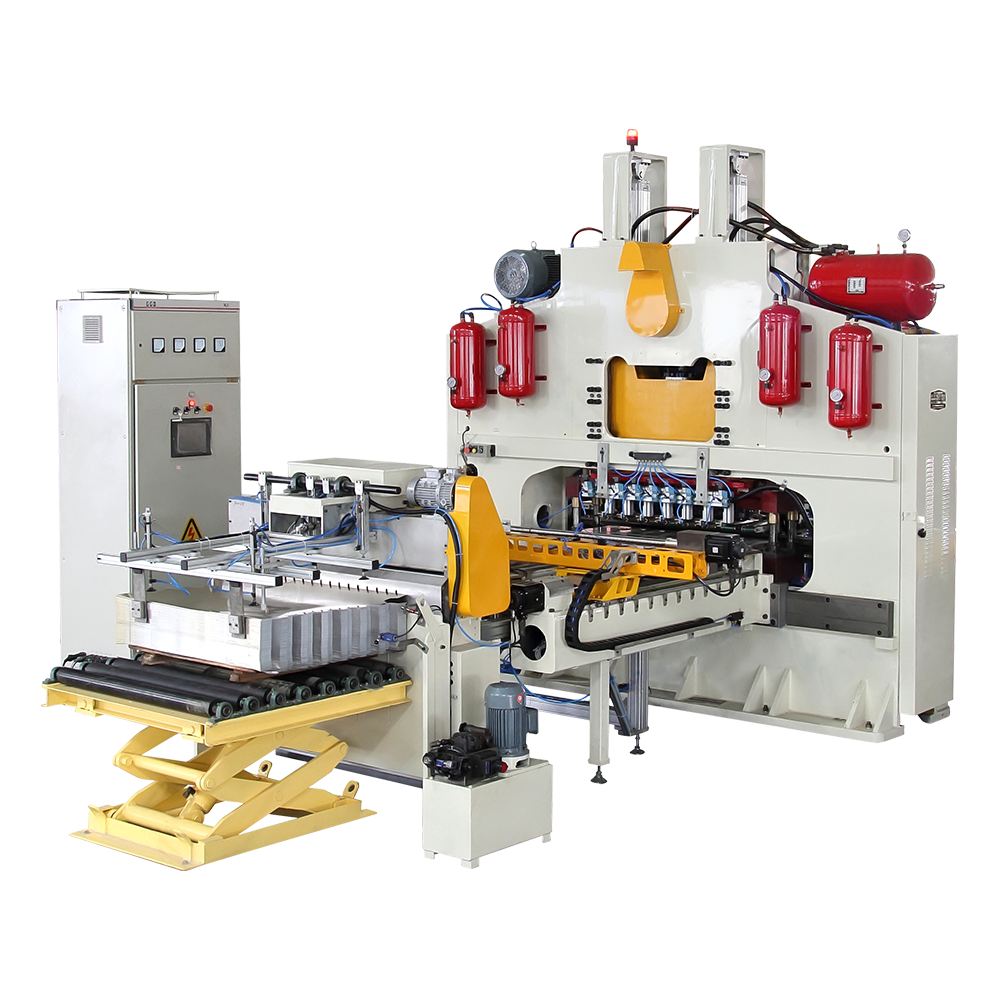
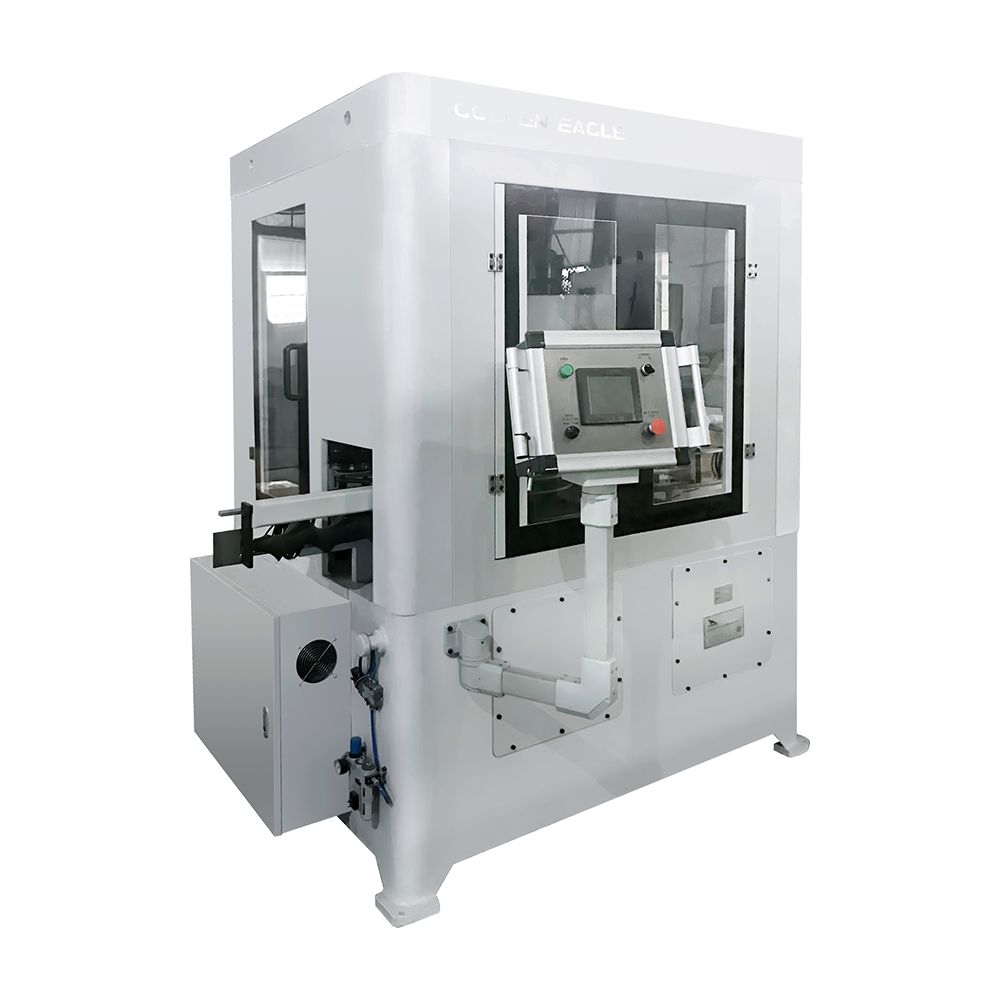
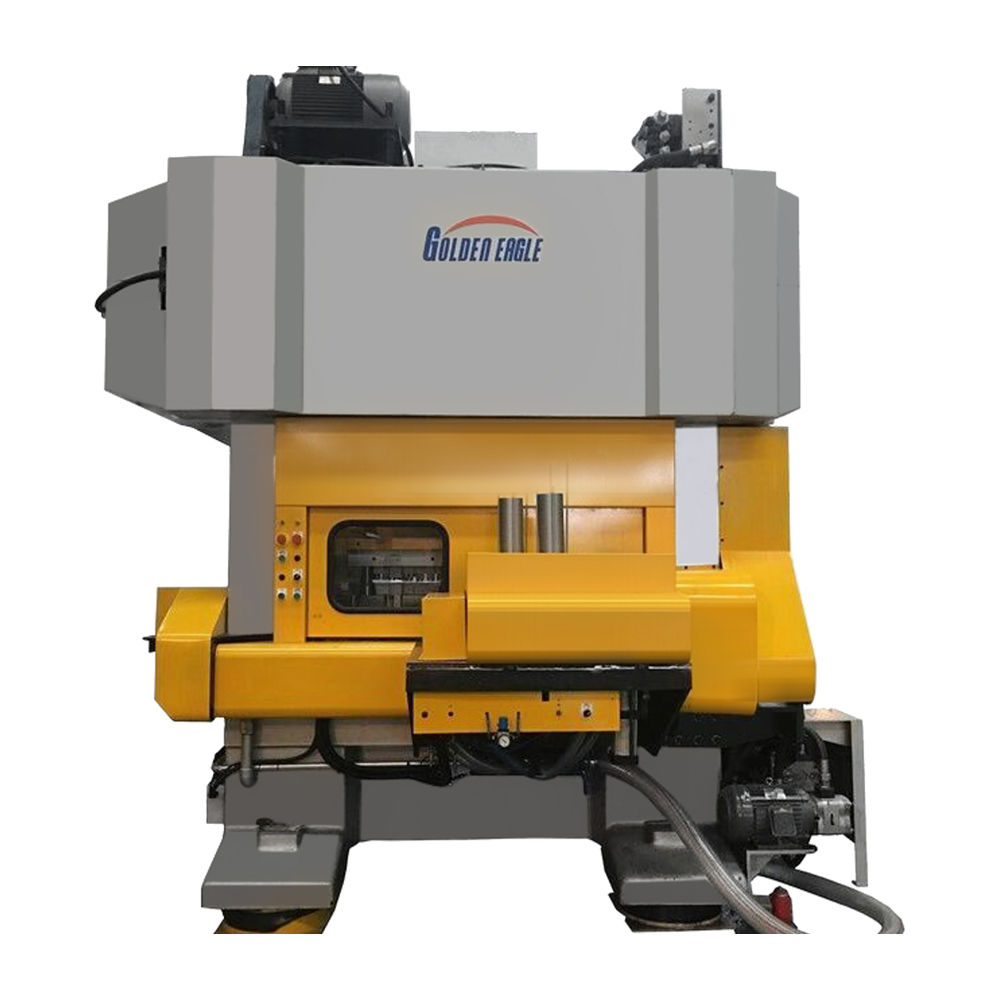
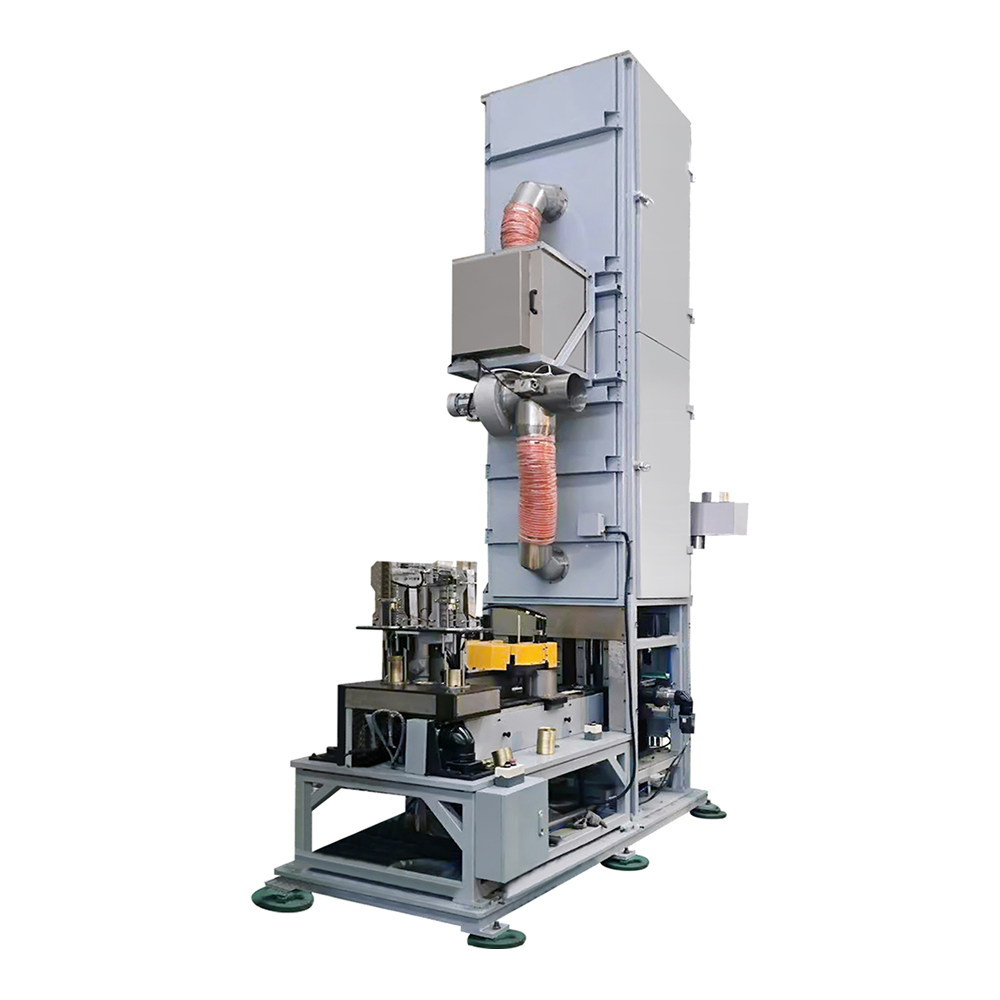
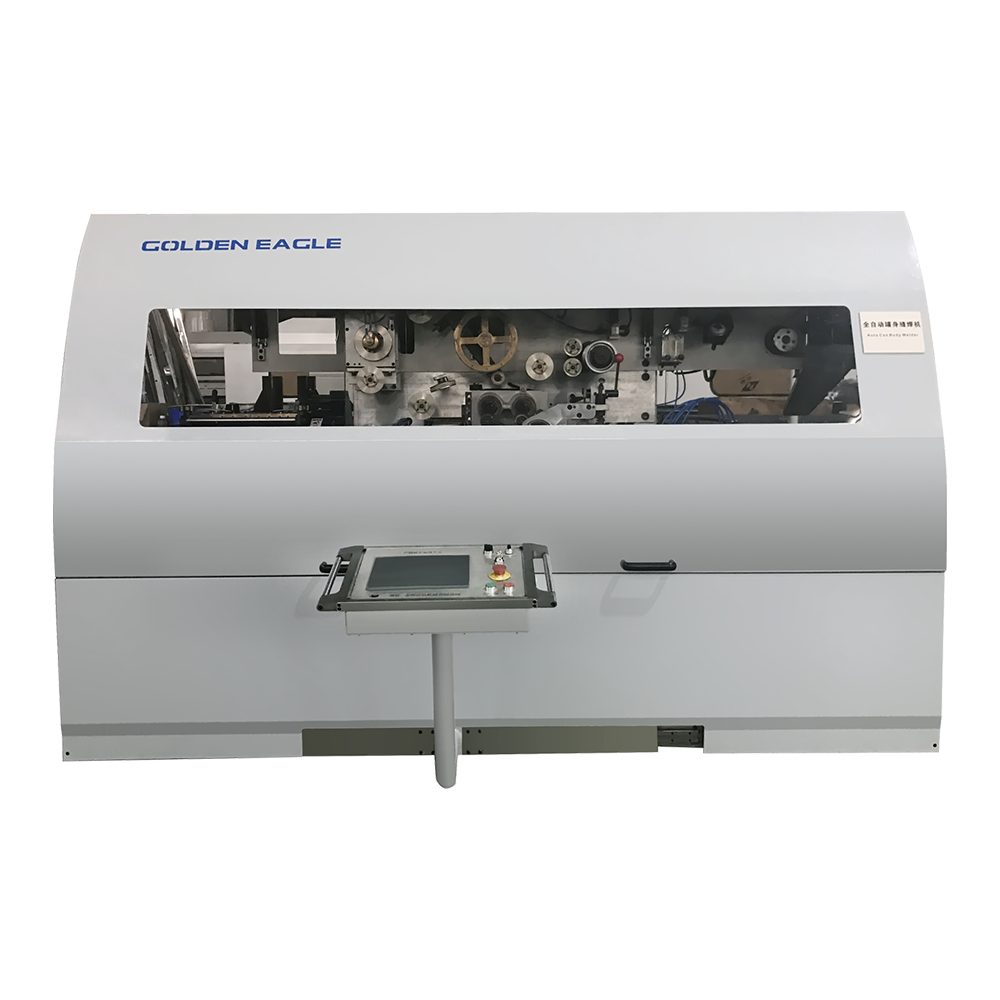
A can making machine is not a single unit in most metal packaging plants. A three-piece can line is a sequence of stations that starts with coiled or sheet metal and ends with a leak-tested, seamed can ready for filling. The core flow is as follows:
Each station has its own quality parameters. The welder determines seam strength and overlap consistency; the flanger controls flange width and curl condition; the seamer must hold a specific seaming clearance across the whole circumference. A change in any upstream station propagates downstream, which is why integrated machines are rated as a complete system rather than by individual station speed.
Suppliers with a long production history, such as Zhejiang Jinying Food Machinery, which has built more than 10,000 can and can-end machines since 1978, normally supply the whole sequence as matched stations. That removes the engineering risk of connecting equipment from different makers with incompatible transfer heights, timing, and control signals.
Buyers typically compare several configurations. The table below summarizes the main types and where each one fits.
| Configuration | Typical Application | Main Advantage |
|---|---|---|
| Single-station combiner | Milk powder cans, short production runs | Compact footprint and faster format change |
| Double-station combiner | Milk powder cans with higher output demand | Two forming stations balanced by one transfer system |
| Three-station combiner | Food and beverage cans, medium to high output | Higher throughput with stable body transfer |
| Four-station combiner | Food and beverage cans, high-volume lines | Maximum integrated output from one machine |
| Standalone can body welder | Plants producing several can heights on one line | Quick changeover of weld tooling for different dimensions |
End cover production is equally important. A separate end cover line forms the lid, applies the sealing compound, and dries it. If you produce easy-open ends, you also need a conversion press and a post-repair coating and drying machine. Buyers who forget end cover capacity during planning often find that the can body line outruns the cover line, creating a bottleneck that is expensive to fix later.
Rated output is the most visible number in a quotation, but it is not the most important one. Use the following criteria instead, and ask for a written value for each of them.
Define acceptable limits for flange width, body overlap, seaming clearance, and end curl before comparing machines. If your customers perform double-seam tear-down inspection, the machine must hold tight tolerances over full production shifts, not just during the acceptance trial.
For plants running multiple can diameters or heights per week, changeover time can matter more than top speed. Ask how long it takes to switch die sets, seaming rolls, and transfer rails, and whether the changeover system is included in the scope of supply.
Different can bodies use different plate thickness, temper, and coating types. Confirm that the machine's rated range covers both your current metal specification and the next one you may need.
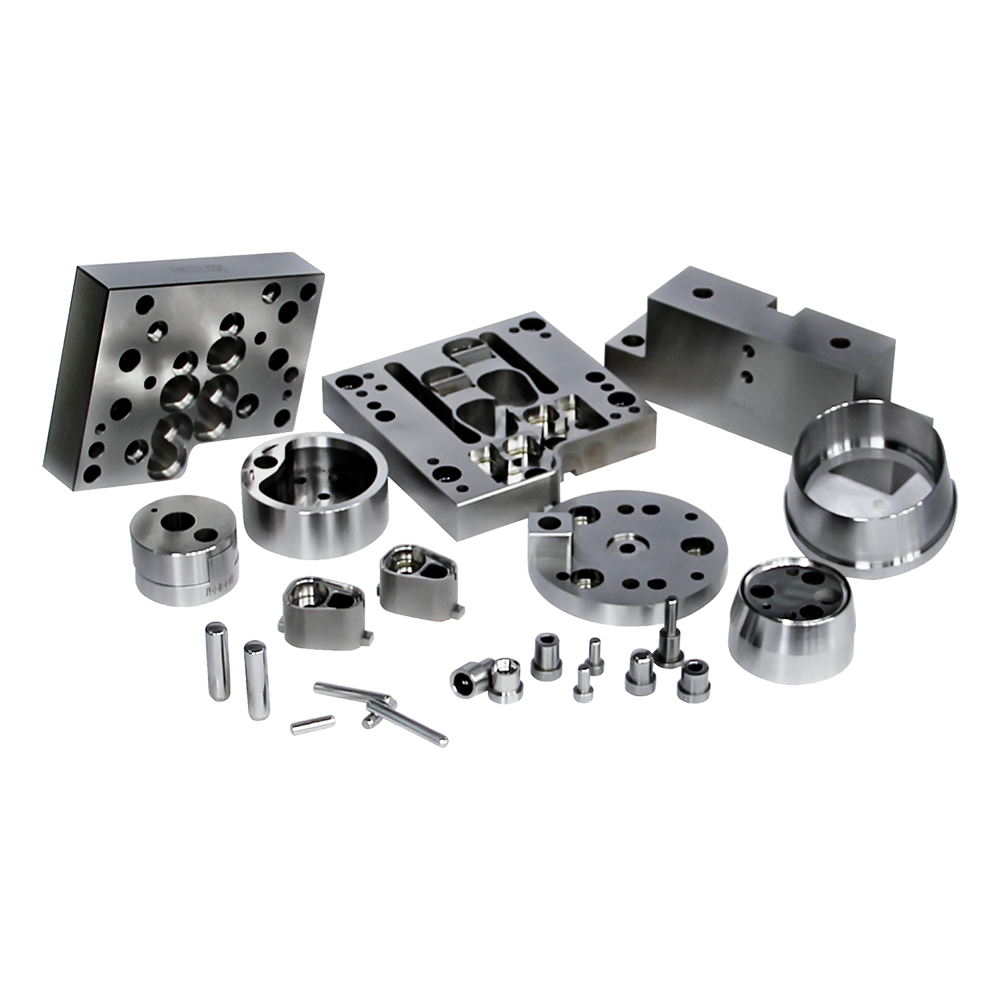
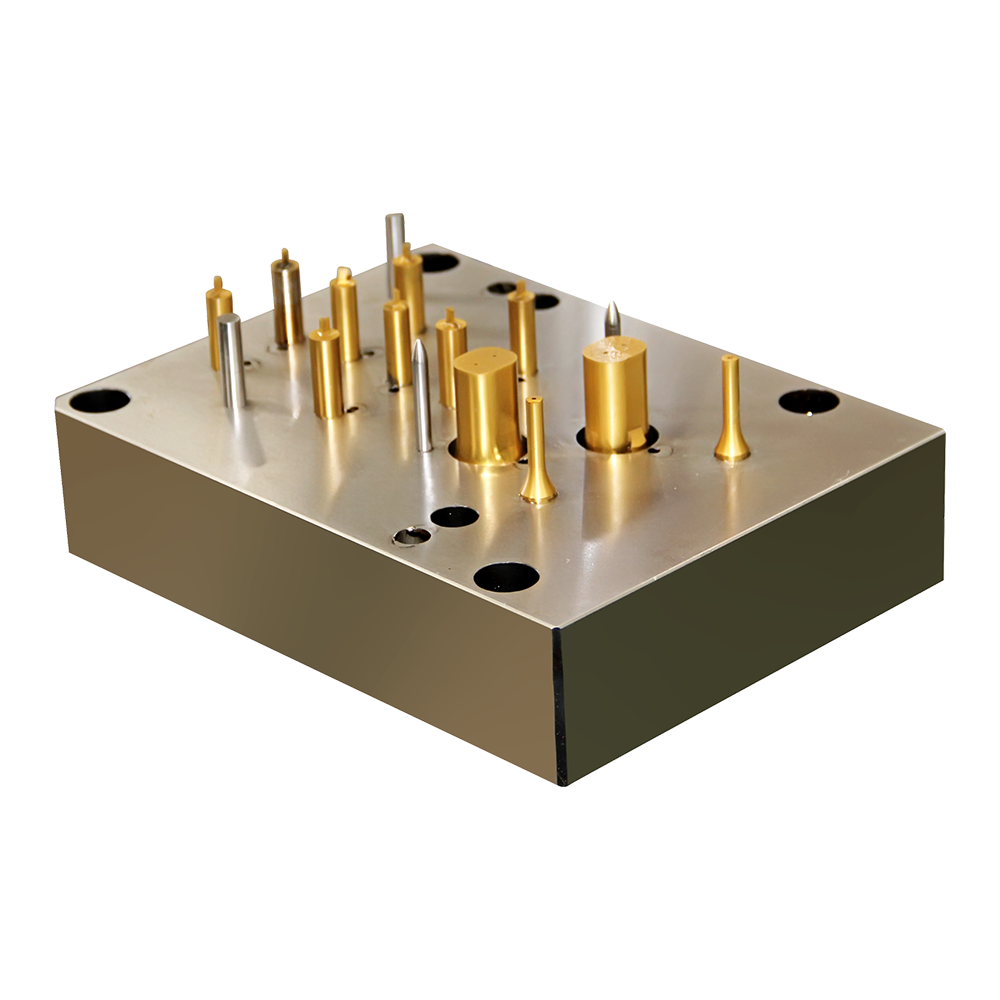
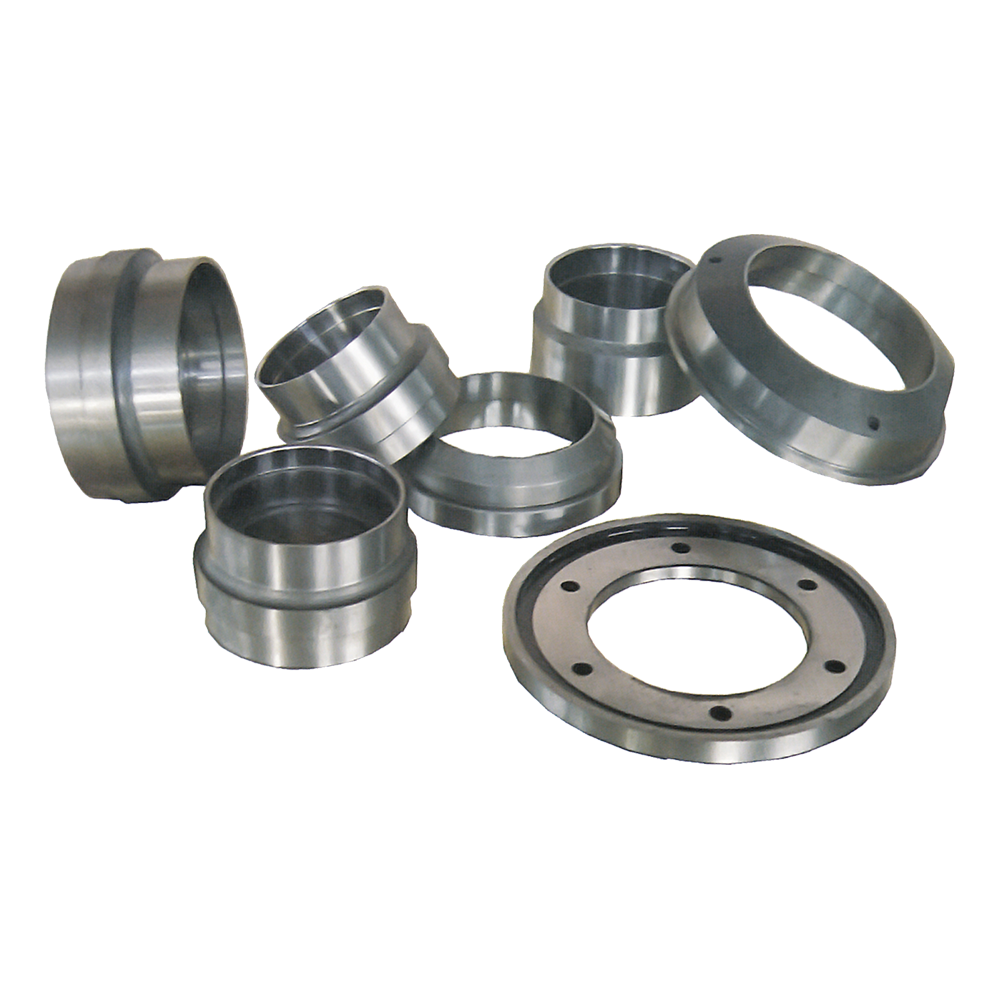
Dies, seaming rolls, and weld rolls wear out. A lower-priced machine with short-lived tooling can erase its price advantage in two years. Ask for tooling life in number of strokes or cans, and for the cost and lead time of each replacement part.
Rated speed assumes continuous material supply and immediate removal of finished cans. If your upstream or downstream equipment cannot deliver that, actual throughput will be lower. Suppliers can calculate effective capacity from your shift pattern, feeding method, and packing arrangement.
To understand how configuration choices affect potential output, compare the relative capacity index below. The numbers are normalized to the double-station combiner as 100, so they show proportions rather than absolute machine specifications.
Chart 1. Relative capacity index by machine configuration, normalized to double-station = 100.
Selecting a larger configuration is only economical when you can keep the line fed with material and keep it staffed for additional shifts. If market demand grows gradually, a three-station combiner with spare transfer capacity may be wiser than a four-station model that idles at 60% utilization during the first year.
Cost per can is the final decision metric. It includes several components:
A machine with 4% average scrap instead of 1.5% will cost far more over a decade than the initial price difference between suppliers. Line balance is a separate risk. If the body welder's rated speed is higher than the flanging station's speed, the excess capacity is unusable unless you add buffers. Ask the supplier for the speed rating of each functional station and check whether the machine has integrated buffering or electronic synchronization between stations.
Long service experience across many product types matters here. A supplier that has delivered thousands of machines for food, beverage, milk powder, aerosol, and chemical can lines can advise on balancing trade-offs better than one that offers only a single machine type.
Before signing a purchase agreement, verify the following points with the supplier:
Suppliers with a long manufacturing history, like Zhejiang Jinying Food Machinery, which has been making can making machines since 1978 and employs more than 350 trained personnel, often maintain a wider inventory of wear parts for old and new models. That is a practical advantage when an unexpected seaming roll failure stops your line.
Exports to Europe, Asia, Africa, and North and South America are another signal: machines operating across different climates, metal suppliers, and maintenance cultures indicate design robustness. Still, every plant is different. Send your actual can drawings, metal specification, and target speed to the supplier before requesting a quotation, and ask them to comment on any compatibility risk.
Related Products

Founded in 1978, the company is one of the largest can-making machinery well-known companies at home and abroad.
Product Categories
Contact Information
Zhongshatou Shenjiamen Zhoushan Zhejiang China
+86-580-3056646

 English
 中文简体
 русский
 عربى
 Español