2026-08-08
Planning a new canning line or replacing aging equipment? A tin can making machine is rarely a single unit; it is a coordinated system of forming, welding, and sealing stations that turns tinplate into rigid metal cans. Your choice affects output speed, product safety, and labor costs. This guide explains how these lines work, how they differ by application, and which supplier capabilities matter most.
Buyers use the term tin can making machine in two ways. A single machine performs one step, such as body welding, flanging, or seaming. A complete production line combines many stations — slitting, forming, welding, shaping, seaming, coating, and drying — into one continuous system.
The industry also distinguishes three-piece cans from two-piece cans. Three-piece cans have a formed body and two separately made ends; two-piece cans are drawn from a single disc with an integral bottom. Three-piece lines dominate food, aerosol, and chemical packaging because they handle a wider range of diameters, heights, and materials. This guide focuses on three-piece tin can making machines.
A three-piece line follows a logical sequence. Each station has a clear quality target, and weak performance in any stage appears as leaks, deformation, or rejected cans.
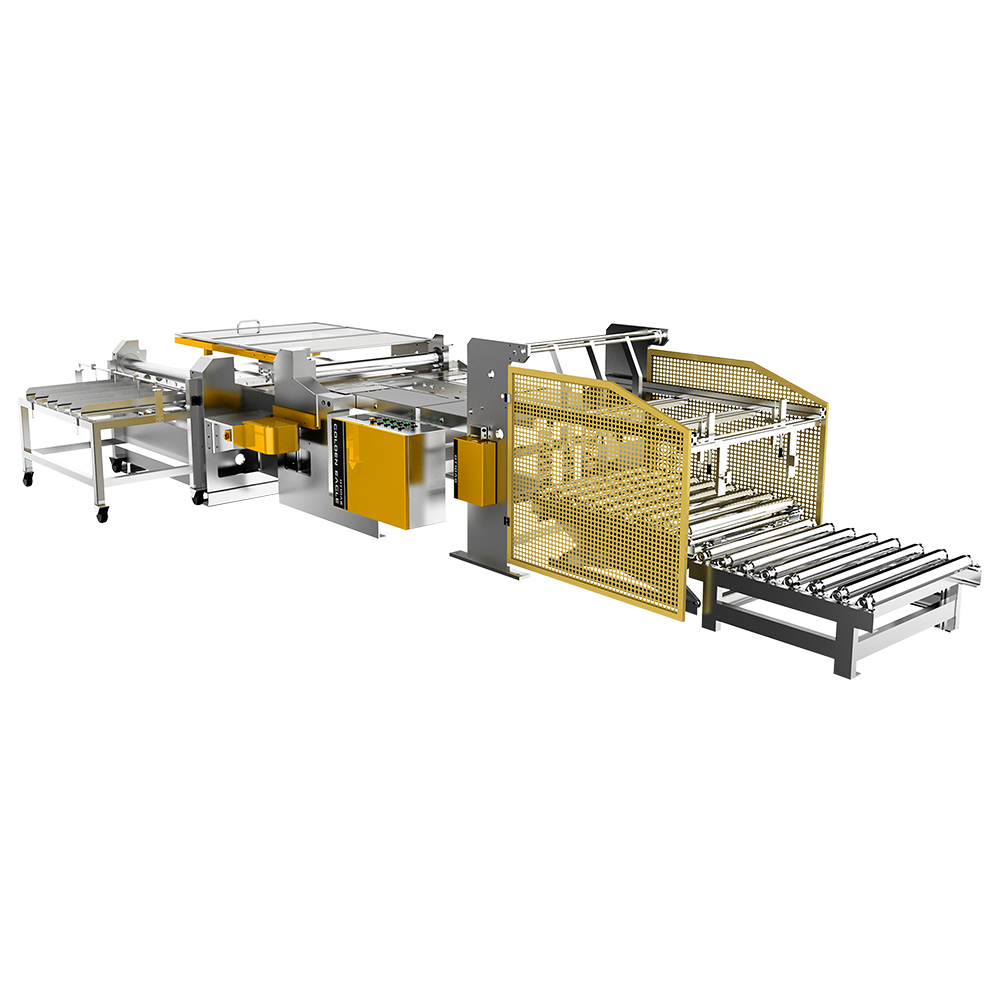
Production begins with coils of tinplate. Slitting cuts the coil into narrow strips, and shearing cuts each strip into body blanks of exact length and width. Blank dimensions control everything downstream: a wrong length changes the body circumference, and a non-square edge misaligns the side seam. Many factories install automatic compound cutting machines for precise sheet preparation, which combine feeding, slitting, and shearing in one controlled operation and reduce the variation introduced by manual handling.
The blank is notched and rolled into a cylinder until its two edges meet. Forming rollers control roundness and edge alignment, which determine how well the body accepts welding and shaping. Notch geometry matters too, because it defines the path for the welded seam.
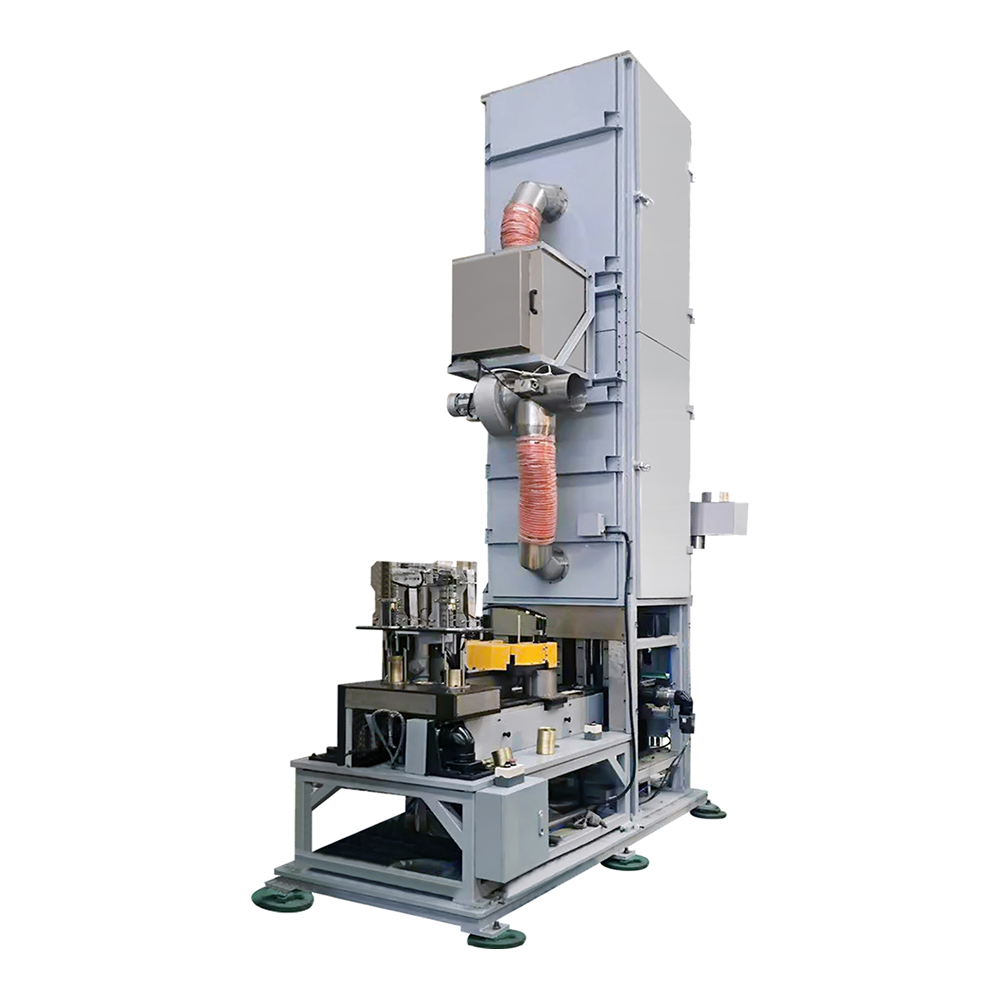
Welding joins the side seam by electrical resistance: roller electrodes press the overlapped edges while current heats the metal enough to fuse them. A properly tuned weld is narrow, strong, and free of gaps — a requirement that becomes stricter for pressurized products. High-speed units such as the automatic can body welder for leak-proof side seams keep weld parameters stable across long production runs. Lines often include induction heating devices that anneal and clean the weld area before coating.
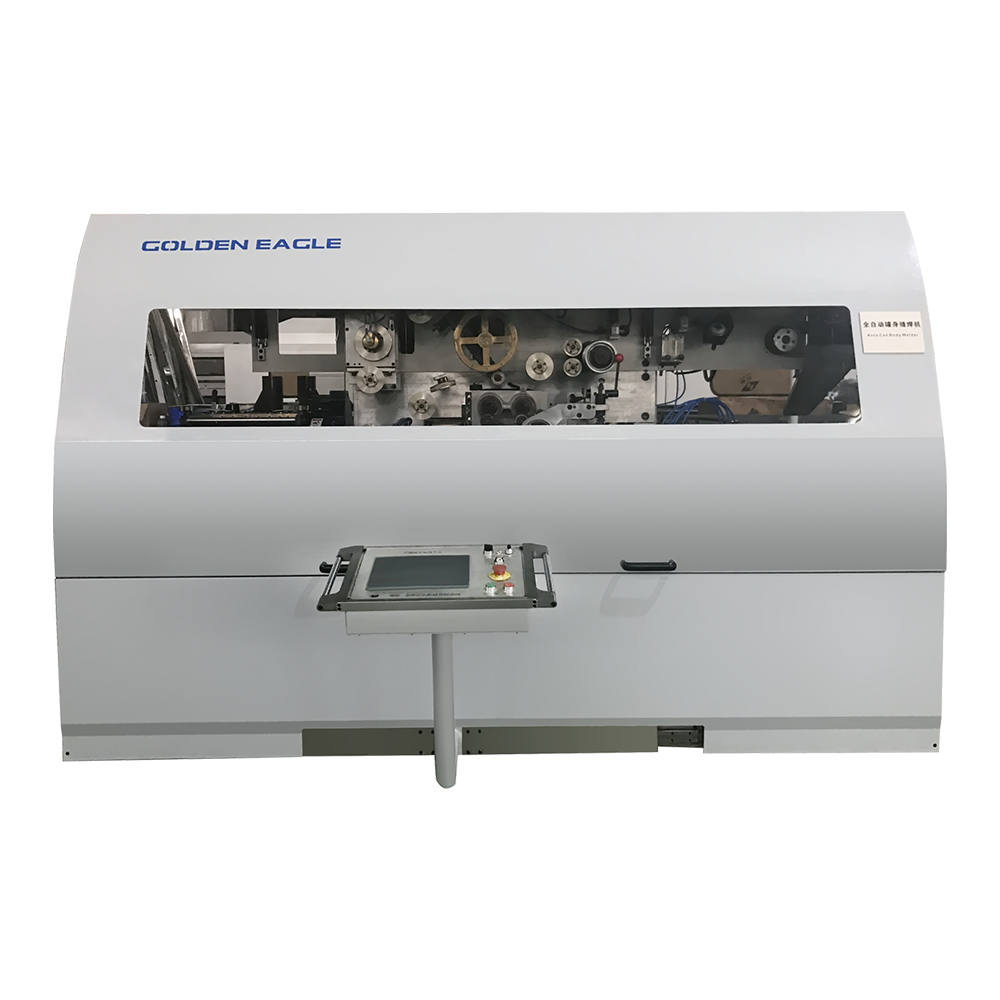 OEM/ODM 500cpm GT10C-500 Automatic can body welder Machine Factory, ManufacturerZhejiang Golden Eagle Food Machinery Co., Ltd. is China OEM/ODM 500cpm GT10C-500 Automatic can body welder Machine factory and manufactur...View Product →
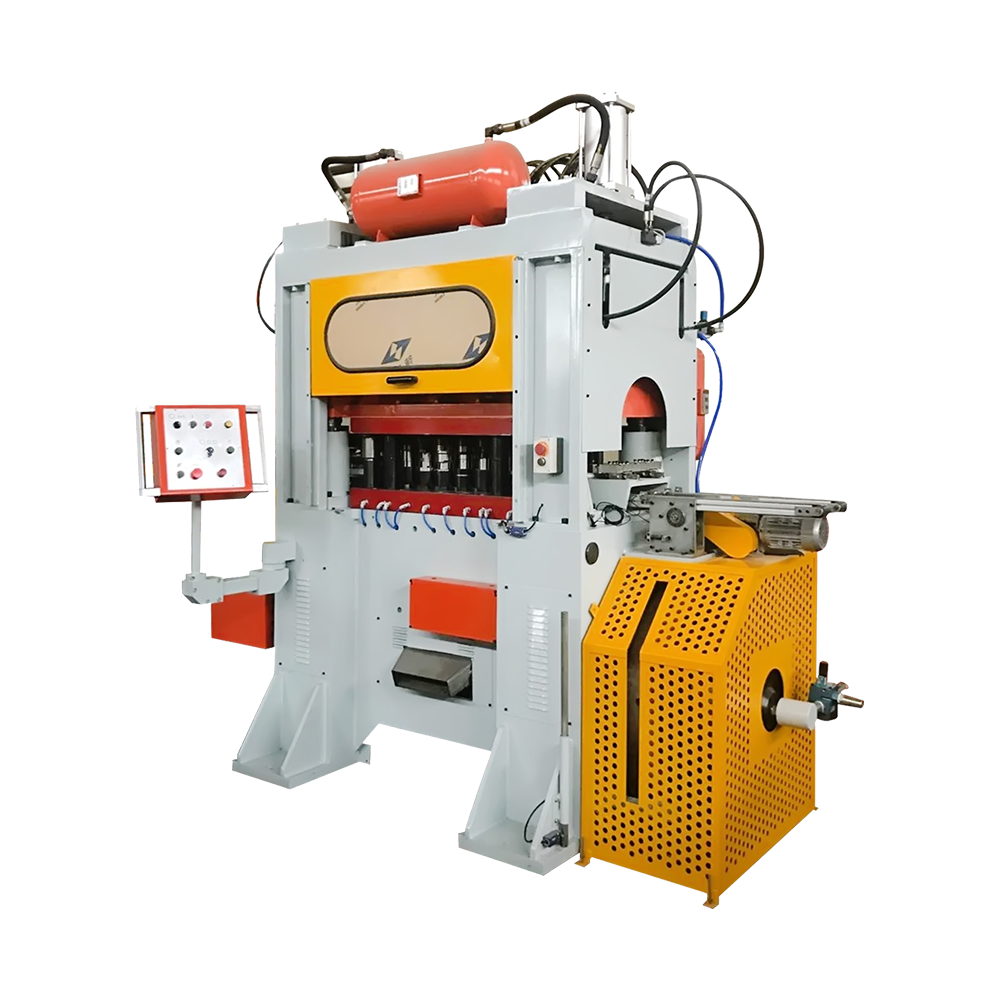
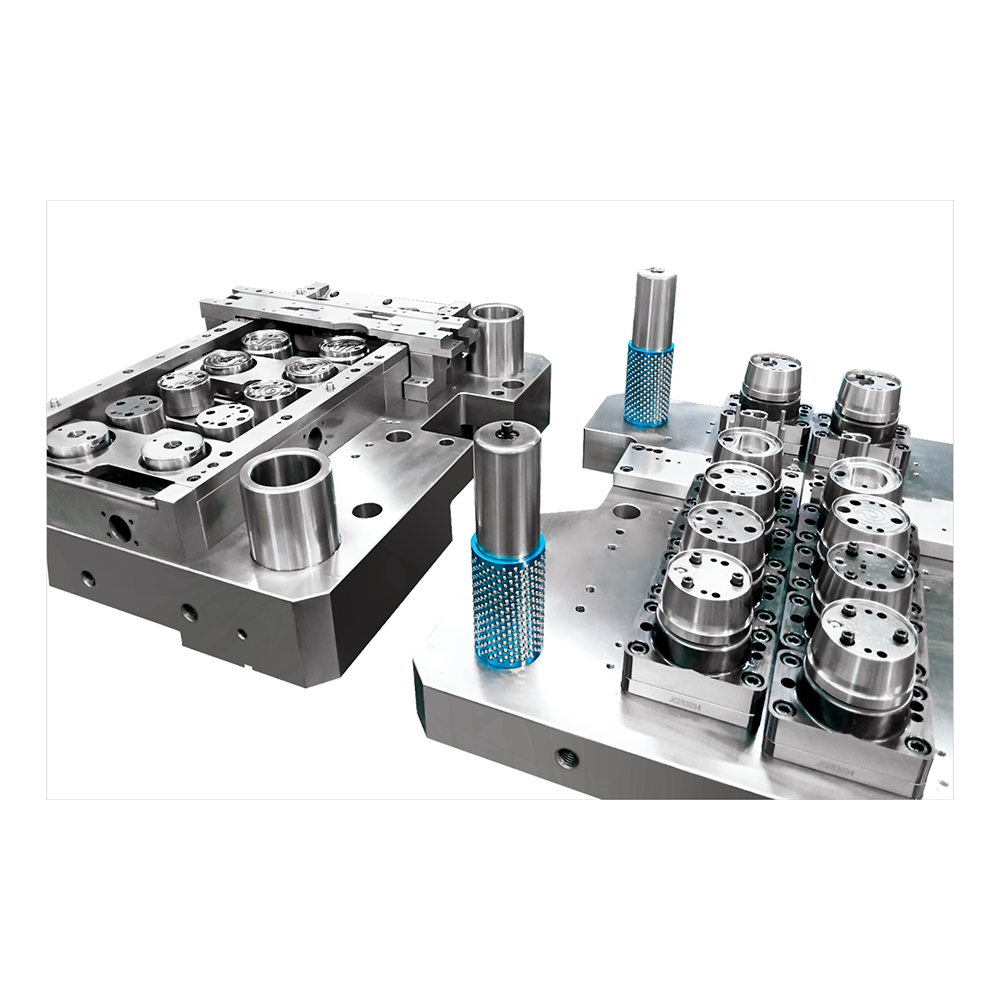
Shaping stations then prepare the body. Flanging curls the top and bottom edges outward to create flanges that the end covers will grip. Beading presses circumferential ribs into the body, adding rigidity so the can resists internal pressure or vacuum without deforming during stacking. Necking reduces the diameter of one end before flanging, which saves material on cans that use smaller easy-open ends. All three depend on tight tooling tolerances: a short flange will not seal, and a shallow bead will not add strength.
Seaming joins the body to its end covers. A double seam forms in two operations: the first curls the end-cover edge around the body flange, and the second flattens it into a tight five-layer joint. Because the end cover must be equally precise, many lines pair the seamer with dedicated end cover production lines for seamless lid manufacturing. Any variation in end-cover dimensions, curl shape, or compound distribution becomes a leaking seam.
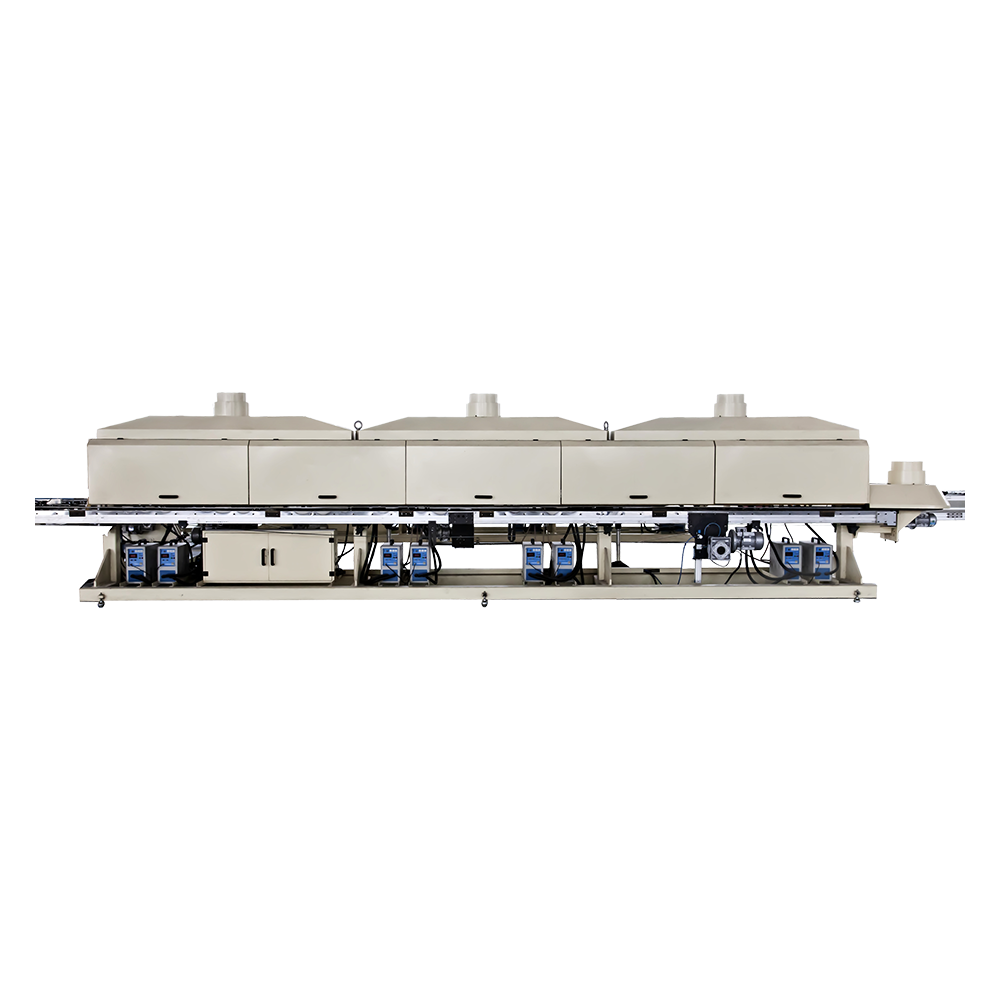
Most food cans need an internal protective layer. A side-stripe covers the weld seam, and spray or roller coating applies lacquer to the interior where required. End covers receive a rubber-based lining compound around the curl, completing the seal when the double seam forms. Drying ovens cure these layers at controlled temperatures: under-cured coating can flake, and over-cured coating can crack. Together, these steps create a food-safe package.
Not every tin can making machine is suited to every product. Dimensions, internal pressure, content chemistry, and production volume push machine design in different directions, as summarized below.
| Can type | Typical products | Equipment priorities |
|---|---|---|
| Food and beverage | Vegetables, fruit, meat, fish, juices | High-speed running, food-grade coating, quick size changeover |
| Milk powder | Infant formula, powdered milk | Deep bodies, large openings, tight tolerances, sturdy multi-station forming |
| Aerosol | Spray paint, deodorant, insecticides | Pressure-resistant bodies, strong side seams, precise double seams |
| Chemical | Paints, lubricants, solvents | Chemically compatible lining, varied sizes, corrosion-resistant joints |
Food and beverage plants run long shifts, so their machines must hold high cans-per-minute rates with minimal scrap. A four-station combiner for integrated food can body forming combines several shaping operations in one unit, shortening transfer time and keeping the body aligned between stations. Fast changeover also matters, because a cannery often packs different can sizes on the same line.
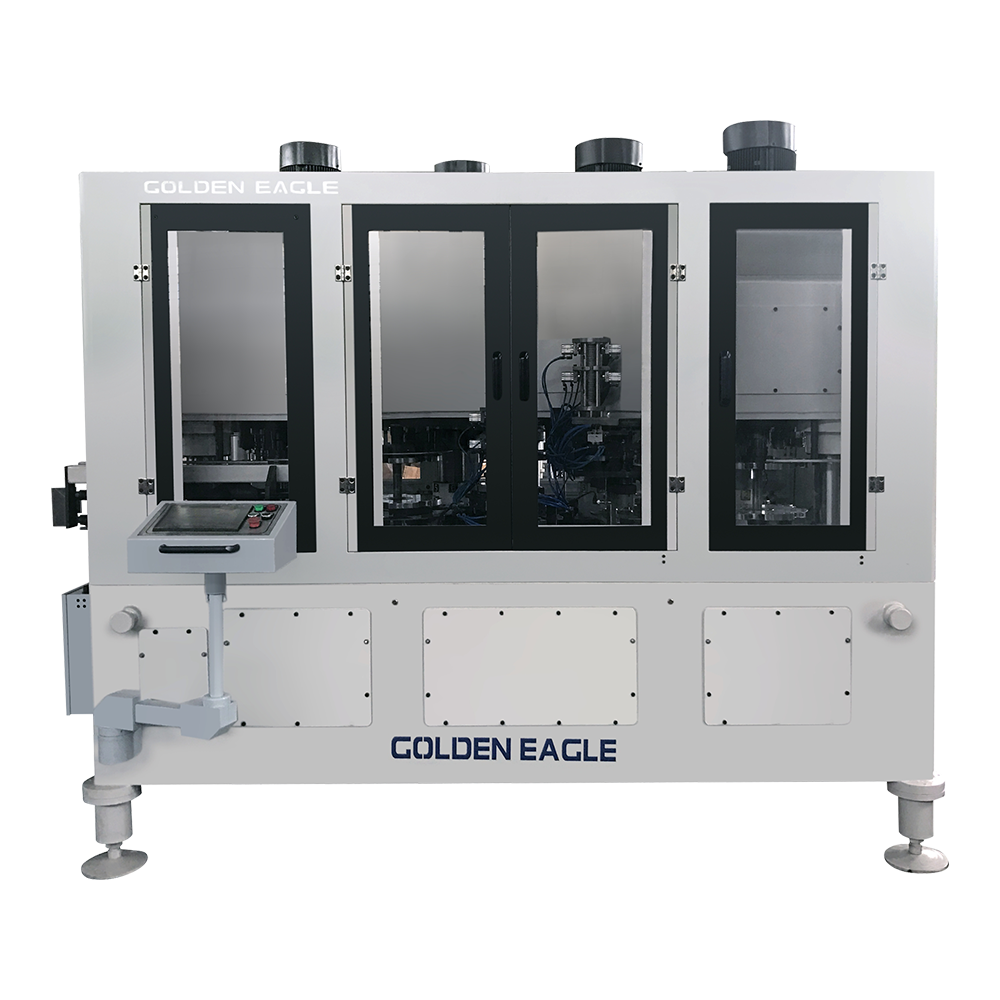 OEM/ODM Necking Flanging Beading Seaming Four station Can Making Machine FactoryZhejiang Golden Eagle Food Machinery Co., Ltd. is China OEM/ODM Necking Flanging Beading Seaming Four station Can Making Machine factory ...View Product →
Milk powder cans are deep and wide, which makes forming more demanding: deep bodies wrinkle easily, and large openings need extra rigidity to avoid distortion during filling. A two-station combiner for deep milk powder can forming concentrates the most complex operations in one precise unit, reducing handling between presses and holding the dimensional accuracy that powder filling and seaming demand.
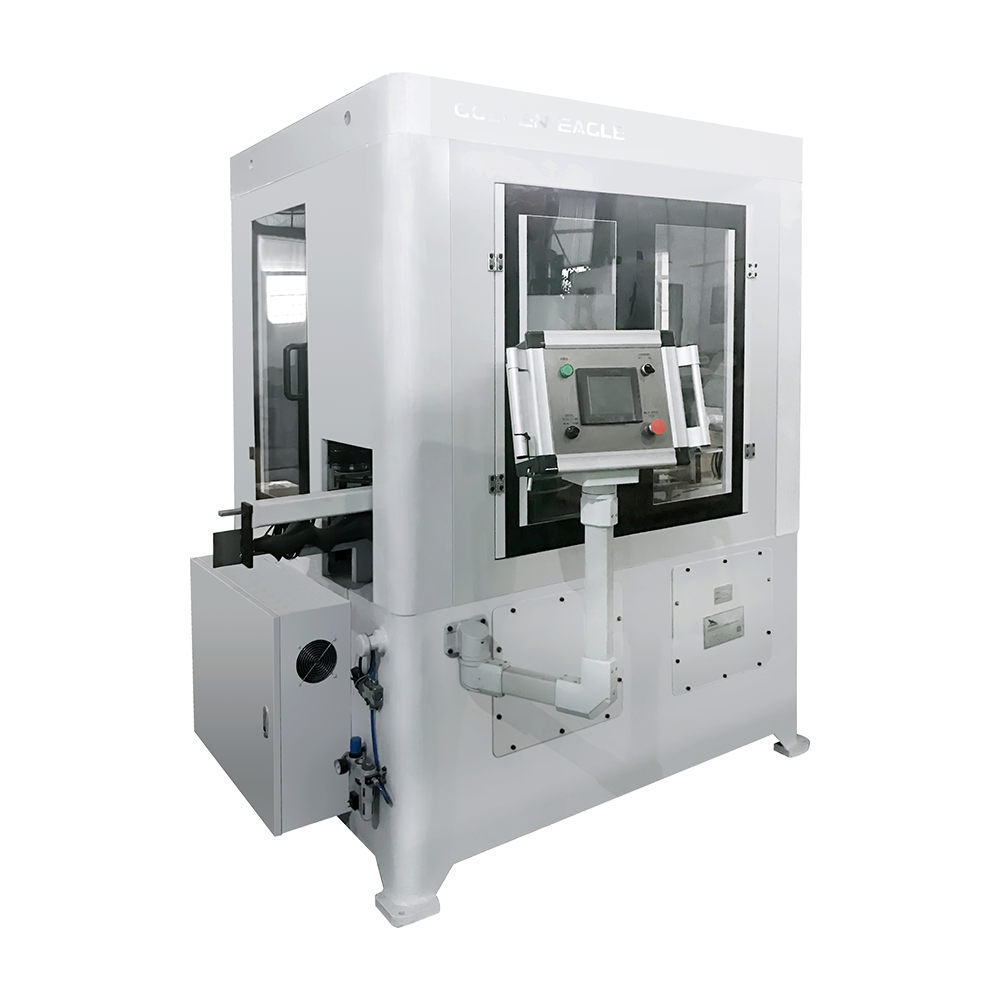 OEM/ODM Flanging Seaming High Performance Can Making Machine for Food Factory, MZhejiang Golden Eagle Food Machinery Co., Ltd. is China OEM/ODM Flanging Seaming High Performance Can Making Machine for Food factory and...View Product →
Aerosol cans must withstand internal pressure of several bars, so the side seam and double seams face higher mechanical stress than food cans. Many designs add a domed or cone-shaped top before the end cover is seamed. Buyers should evaluate the aerosol can making machine series designed for pressure-resistant can bodies and confirm that the welder delivers the required seam strength. Volumes are usually lower than food lines, but tolerances are stricter.
Chemical can machinery serves paints, lubricants, and solvents. Cans vary widely in size, and product chemistry decides which internal coatings and sealing compounds are acceptable. Producers often value flexibility over speed because they run many small batches. Easy cleaning, corrosion-resistant tooling, and quick size adjustments are the priorities.
A higher price does not automatically mean better equipment. The right machine matches your can specification, output target, labor pool, and maintenance capacity. Use the criteria below instead of relying on headline speed alone.
Speed is usually stated in cans per minute, but efficiency matters more: it accounts for changeover time, unplanned stops, and scrap. A 500 CPM machine that loses an hour to changeovers will not outperform a 350 CPM machine with quick-change tooling and a low reject rate. Ask suppliers for realistic efficiency figures, because even a fast automatic tin can making machine loses value if half the shift goes to setup.
Quality comes from repeatability — the same weld width, seam tightness, and compound volume, reproduced thousands of times per shift. Repeatability depends on rigid construction, precise feeding, and tooling made to tight tolerances. Ask about CNC-machined critical parts and expected die life, because worn tooling degrades seam quality and raises operating costs.
Diameter and height ranges define which machines you can even consider. If you run multiple sizes, examine what must be swapped during changeover, how long it takes, and whether the machine stores settings for instant recall. For small and medium producers, flexibility often outweighs absolute speed; a twenty-minute changeover beats a four-hour retooling.
Automation changes both headcount and skill requirements. Fully automatic lines reduce manual feeding and operator-driven variation and hold consistent output over three shifts, but they demand maintenance staff who understand servos, sensors, and programmable controllers. Semi-automatic machines cost less to buy and maintain, yet depend on skilled operators. Match automation to the workforce you can hire and retain.
A machine is only as productive as the support behind it. Confirm that the supplier offers operator training, maintenance documentation, and a reliable spare-parts channel. Experience is a legitimate signal: Zhejiang Goldeneagle Food Machinery states that its history stretches back to 1978, that it has delivered more than 10,000 machines, and that it employs a team of over 350. The company also states that its facilities operate under ISO 9001 and ISO 14001 and that its designs reference established international technologies such as those from Krupp, Soudronic, and Alfons Haar. Verify such claims through references or a factory visit before you commit.
The first strategic question is whether to buy individual machines or a complete line. Both approaches are legitimate.
If you already own a seamer or welder and need extra capacity, single machines extend an existing line without full reinvestment. This approach spreads capital spending over time, which suits factories growing step by step.
If you are building a new plant or replacing most of your equipment, a complete tin can making machine production line is usually the better choice. Stations are sized and synchronized to the same target speed, eliminating mismatches between a high-speed welder and a slower seamer, for example. One supplier also carries responsibility for installation and commissioning, which simplifies training, troubleshooting, and quality accountability. Suppliers with broad product coverage support this approach; Goldeneagle's catalog, for instance, spans food and beverage lines, milk powder machines, welders, end cover equipment, and aerosol systems — an indication of full-process integration capability.
Choosing a tin can making machine starts with your production plan: which can types, sizes, and output levels you need. Use the process overview above to understand what each station must achieve, then map your requirements onto the application-specific and supplier-evaluation criteria. Build a short list of suppliers with stable engineering, documented quality systems, and genuine long-term support capability. Take your can dimensions, daily output target, and coating requirements into those conversations; a supplier can only recommend the right configuration when they know exactly what you intend to produce.
Related Products

Founded in 1978, the company is one of the largest can-making machinery well-known companies at home and abroad.
Product Categories
Contact Information
Zhongshatou Shenjiamen Zhoushan Zhejiang China
+86-580-3056646

 English
 中文简体
中文简体
 русский
 عربى
عربى
 Español