Product Category
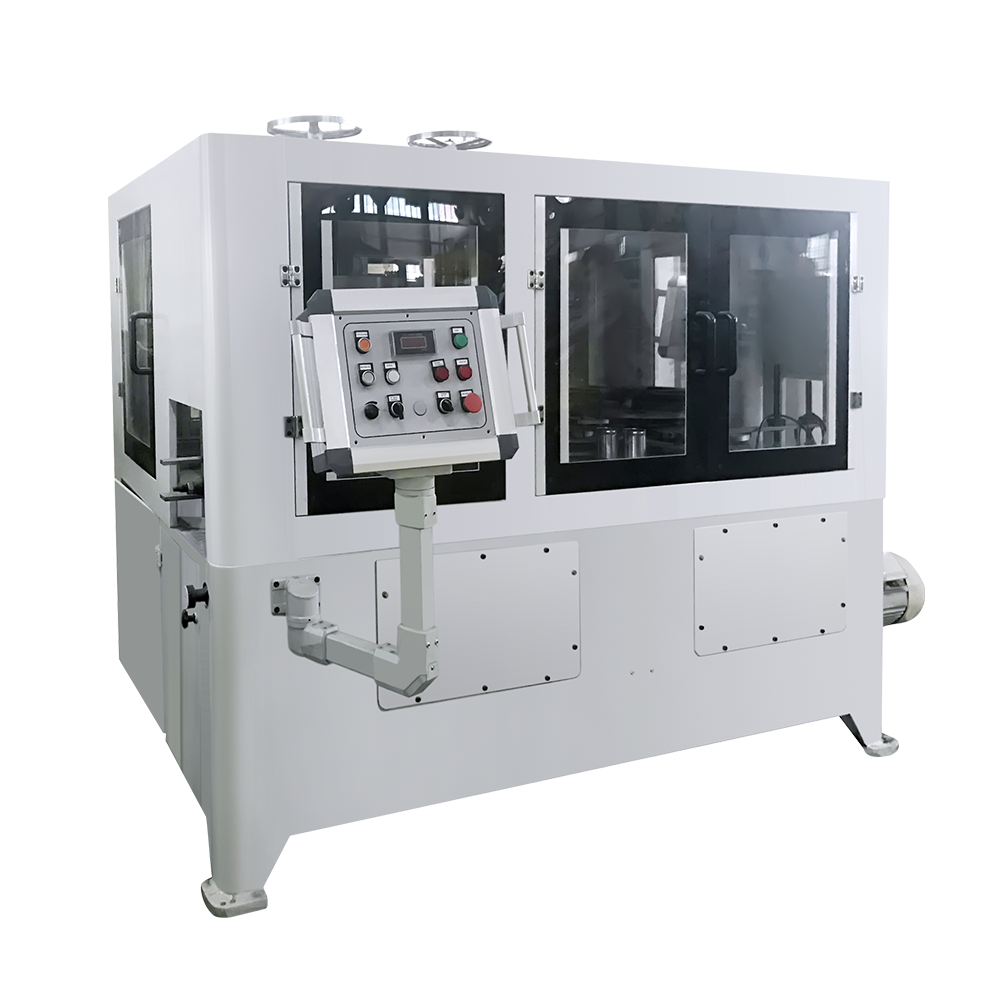
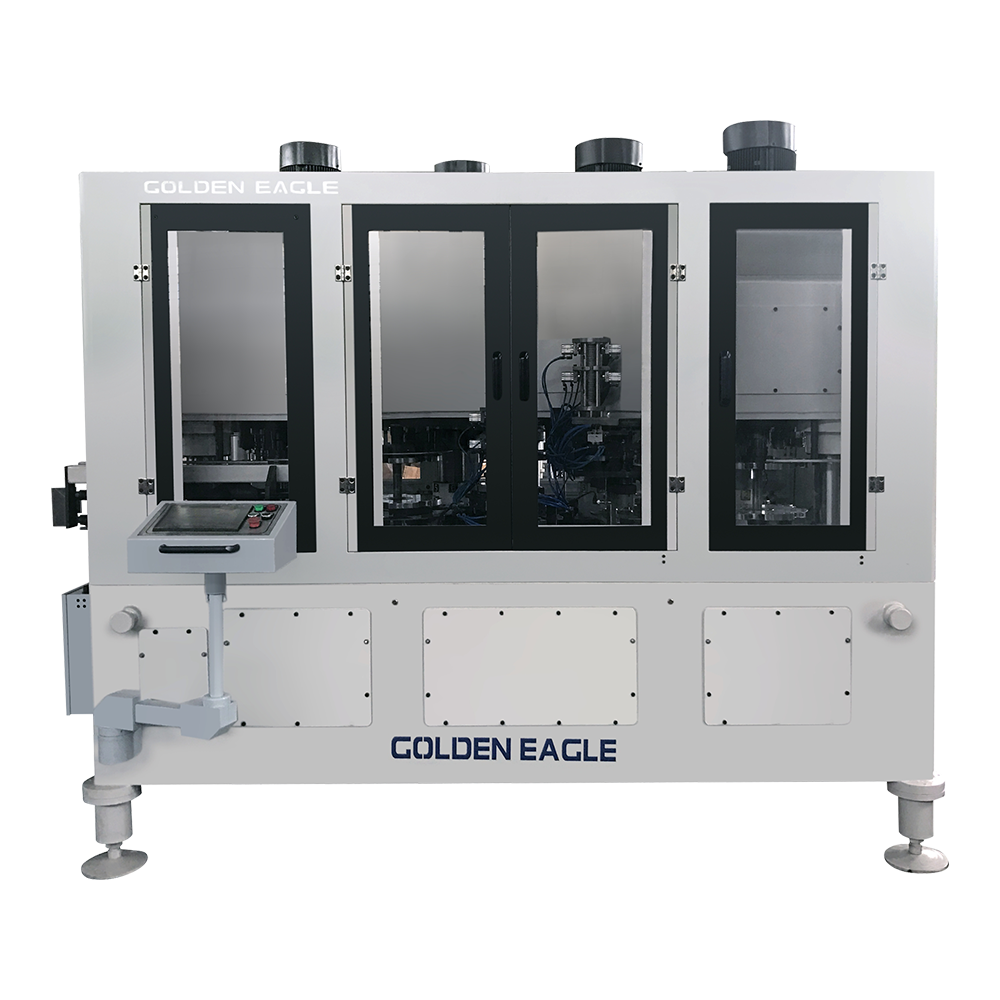
A Food Beverage Machine is a specialized piece of equipment employed in the manufacturing of cans specifically designed for packaging food and beverages. The primary goal of the Food Beverage Can Making Machine is to produce high-quality cans that provide a secure and airtight packaging solution for a range of food and beverage items. This includes carbonated drinks, fruit juices, canned fruits, vegetables, soups, and other perishable or non-perishable food items. This automated machine is equipped to handle the entire can production process, ensuring the efficient and precise creation of cans suitable for packaging a variety of food and beverage products.
Zhejiang Golden Eagle Food Machinery Co., Ltd.
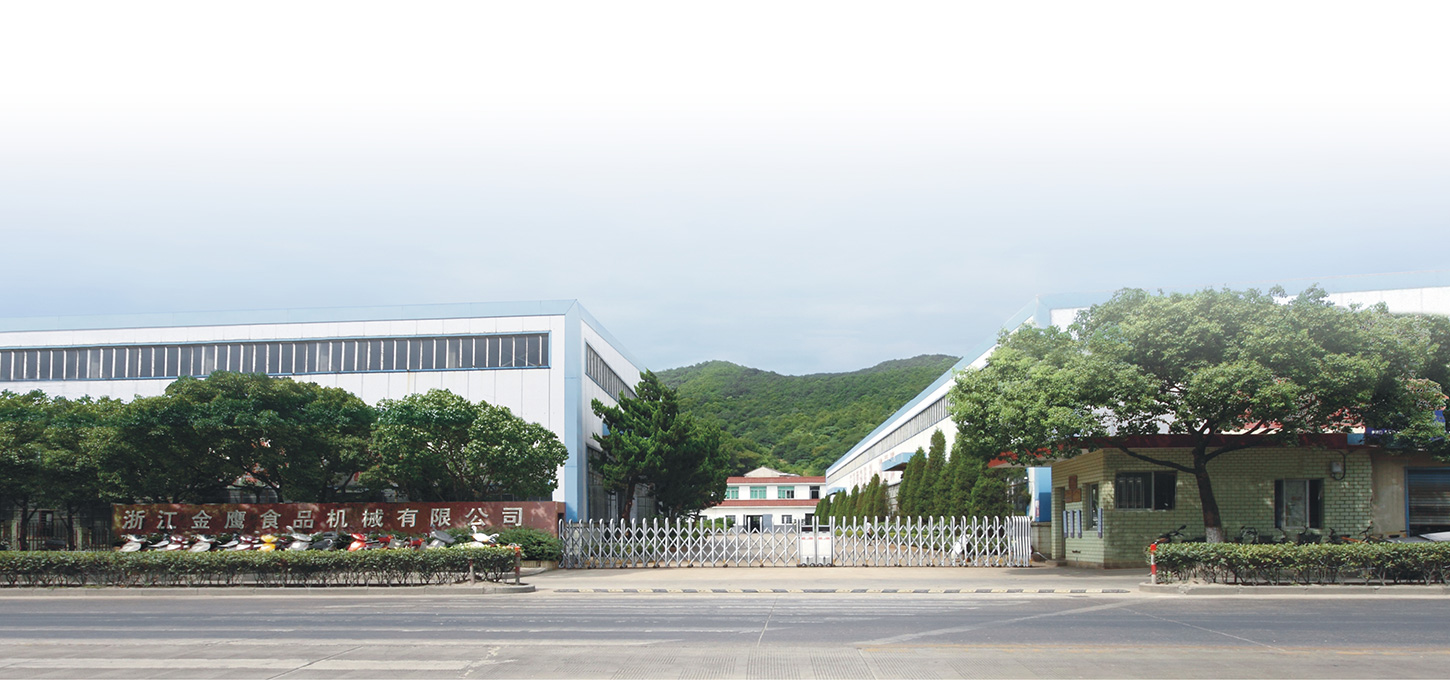
Zhejiang Golden Eagle Food Machinery Co., Ltd. is China Food Can Making Machine Manufacturers and Beverage Can Making Machine Suppliers, founded in 1978, it’s one of the largest successful can-making machinery companies in domestic and overseas. With more than two decades of technical and experience accumulation on this industry as a designer and manufacturer of automatic can-making (metal packaging) machines, the product quality and technical standard have reached the advanced level for European market. It enables to supply fully automatic production lines for various of tin can making requirements and meets modern hygiene standards, requires minimal maintenance and is easy to operate.
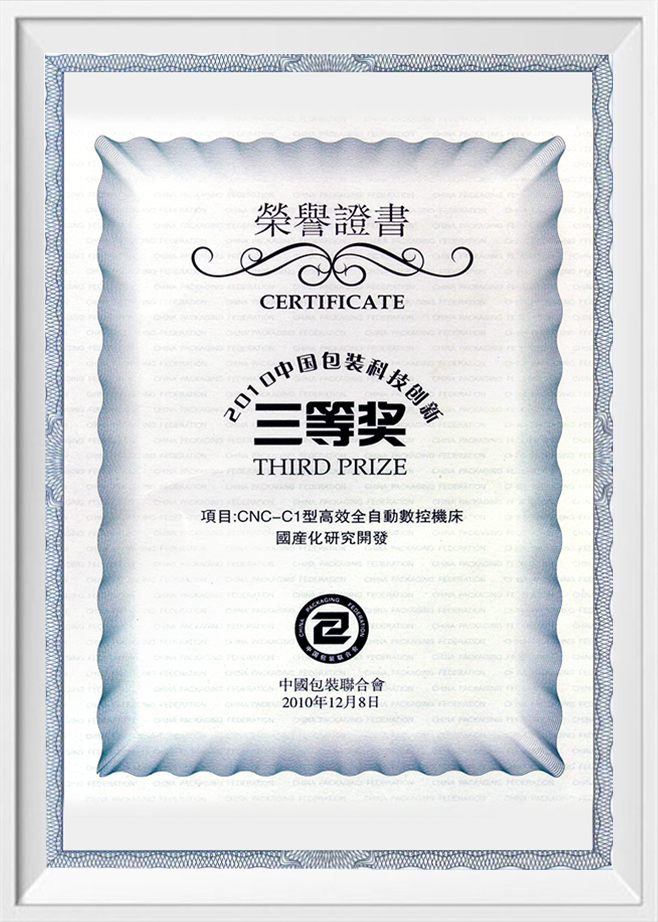
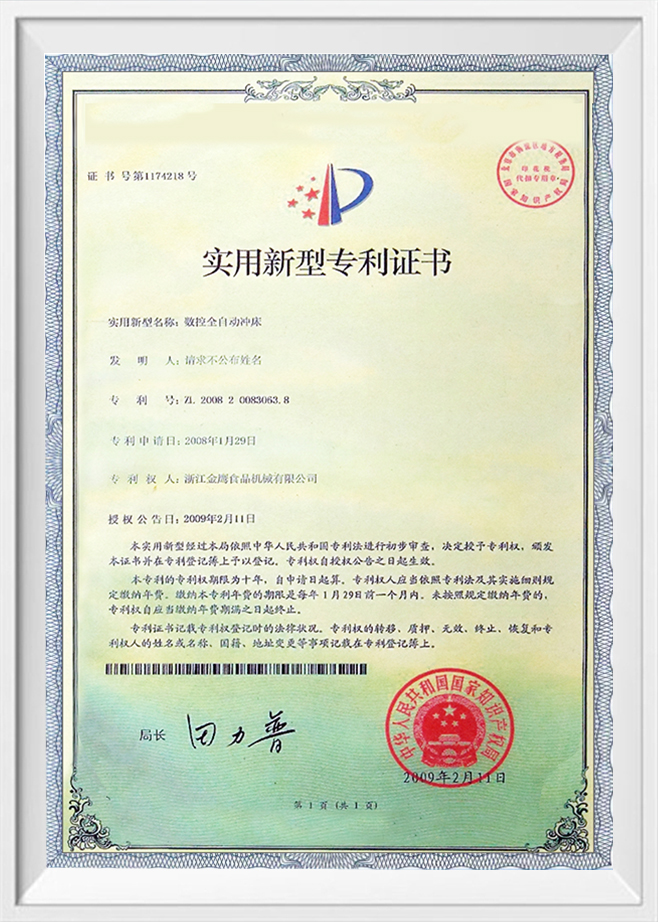
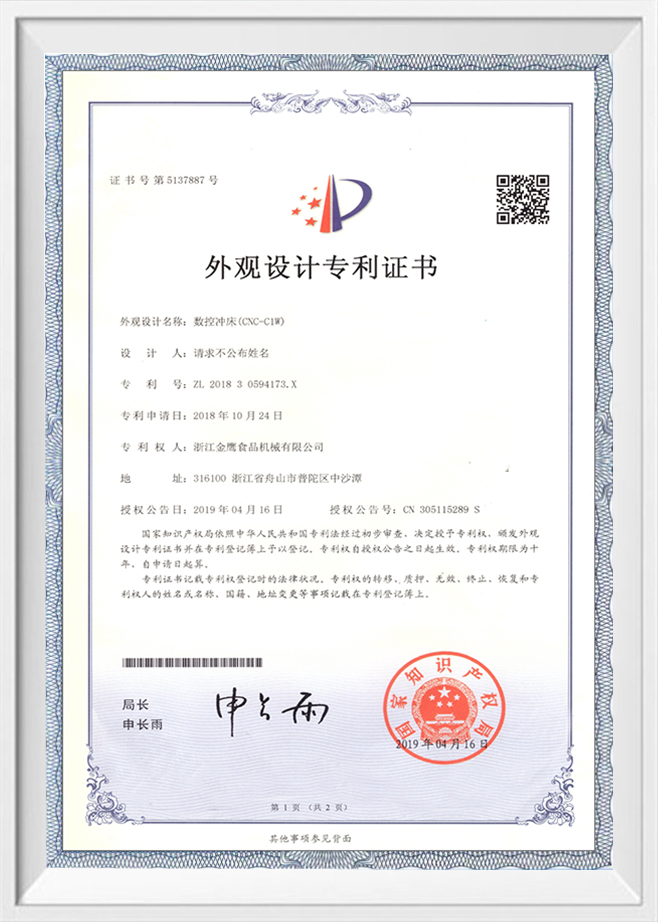
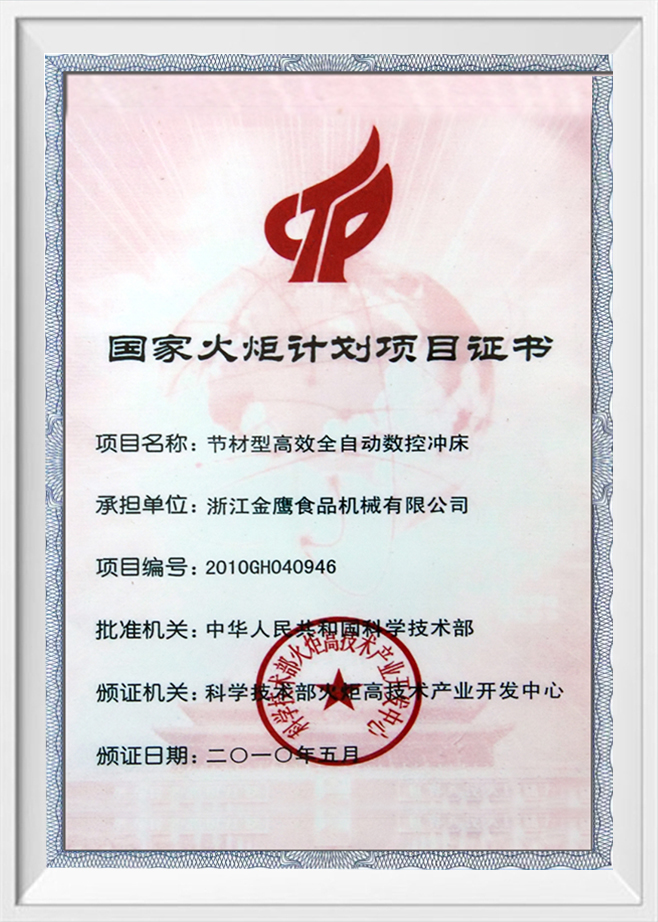
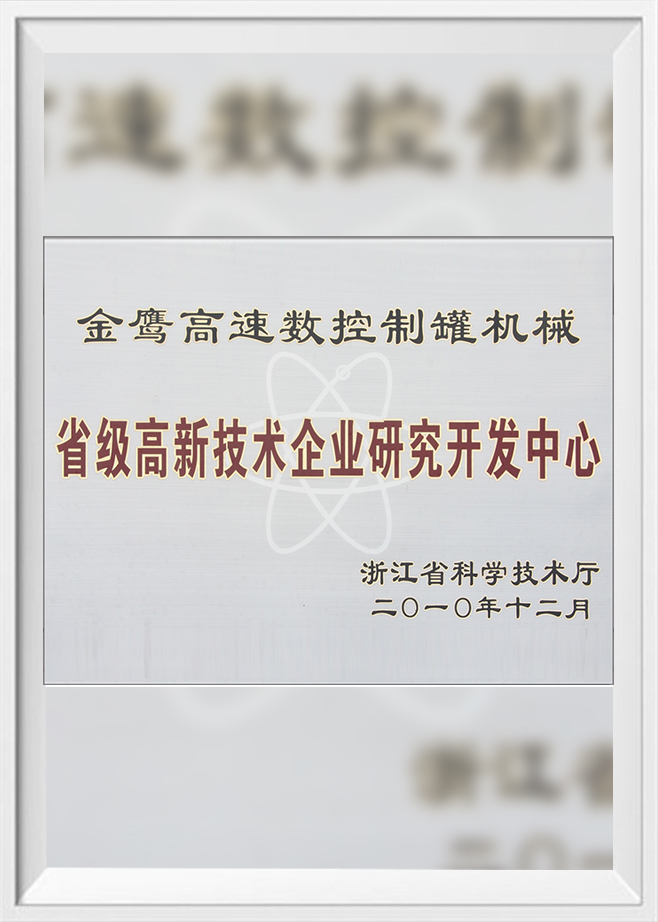
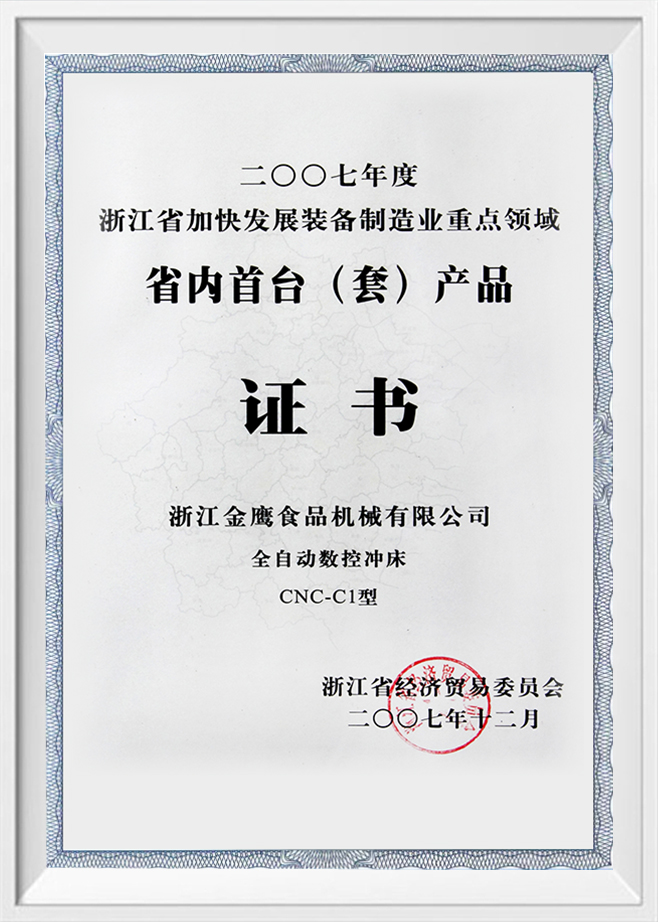
Honor Certificate
Latest Updates
Provide you with the latest enterprise and industry news
Industry Knowledge
Zhejiang Golden Eagle Food Machinery Co., Ltd., established in 1978, has accumulated over four decades of technical experience in the field of can-making machinery and mold production. One of the key reasons why its Food Beverage Can Making Machine series maintains highly efficient productivity lies in the company’s advanced manufacturing foundation. The factory is equipped with CNC high-precision machining systems and comprehensive mechanical processing equipment, allowing every structural component, forming unit, and transmission mechanism to be fabricated with consistent accuracy. This stable foundation reduces dimensional deviations, minimizes assembly errors, and ensures long-term operational stability. When precision is maintained at a high level, the overall speed and continuity of the production line naturally increase while reducing downtime caused by mechanical adjustments or recalibration.
The design principles of the Food Beverage Can Making Machine series incorporate concepts similar to internationally recognized can-making machinery brands such as KRUPP, SOUDRONIC, and ALFONS-HAAR. By aligning with these technical benchmarks, Zhejiang Golden Eagle Food Machinery Co., Ltd. ensures its equipment structure, welding systems, forming accuracy, and automation mechanisms achieve a reliable and consistent operational effect. When combined with locally accumulated production experience, these principles create a balanced system where design optimization and practical usability coexist. This combination allows the equipment to operate at high speed while maintaining stable forming precision, an essential requirement for continuous can body production. By adopting international design concepts while refining them based on factory feedback, the machines provide smooth transitions between steps such as trimming, flanging, beading, seam welding, and leak inspection, thereby improving overall throughput.
Zhejiang Golden Eagle Food Machinery Co., Ltd. highlights continuous improvement as part of its long-term development strategy. Over 46 years of can-making experience enables the engineering team to adjust and upgrade equipment based on real operational feedback from numerous can manufacturers and canning factories. This iterative approach ensures that the machinery evolves alongside changing industrial demands, including faster cycle times, more stable welding processes, and improved mold durability. The ability to “bring forth the new through the old” ensures that advancements in automation, mechanical structure, and material application are integrated at each stage. The result is a series of machines capable of handling long working hours under complex production requirements while maintaining efficiency across repetitive forming cycles.
Since the company also designs and manufactures can-making molds in-house, mold precision and durability become major contributors to productivity. High-quality molds ensure that the can bodies, lids, and structural seams remain uniform even at high-speed operations. Stable molds reduce the frequency of replacement, decrease unnecessary stoppages, and extend operating intervals between maintenance procedures. Moreover, the integration between machine design and mold design strengthens compatibility, ensuring smoother transitions between processing steps. This alignment is particularly important in multi-stage processes such as necking, expanding, seaming, and coating, where small deviations can significantly affect speed and accuracy.
The Food Beverage Can Making Machine series is used by many can manufacturers and canning factories both domestically and internationally. Large-scale usage provides valuable operational data, enabling Zhejiang Golden Eagle Food Machinery Co., Ltd. to refine its equipment based on various production environments. When the machinery consistently delivers stable performance under differing material thicknesses, coating types, and production volumes, practical reliability improves. This real-world verification enhances the production efficiency of the entire equipment series because the engineering team can incorporate lessons learned from multiple operational conditions. As a result, the machines achieve smooth workflow continuity, reduced downtime, and greater adaptability.
The collaborative operation of feeding mechanisms, forming modules, welding systems, and inspection units plays a decisive role in enhancing productivity. When each system communicates and functions in a synchronized manner, bottlenecks are minimized. Zhejiang Golden Eagle Food Machinery Co., Ltd. incorporates stable transmission mechanisms and advanced control systems to ensure consistent coordination between steps. This systematic alignment prevents material congestion, reduces mechanical stress, and maintains a steady production rhythm. When equipment coordination remains stable, productivity increases naturally because the line experiences fewer interruptions related to misalignment or irregular material flow.
Below is an illustrative table that shows how different design factors influence productivity within the Food Beverage Can Making Machine series.
| Design Factor | Impact on Productivity | Practical Benefit |
|---|---|---|
| CNC High-Precision Machining | Improves structural accuracy | Reduces adjustment time and enhances long-term stability |
| International Technical Design Principles | Ensures smooth mechanical coordination | Supports continuous high-speed operation |
| Iterative Technological Innovation | Enhances automation levels | Improves workflow consistency |
| High-Durability Molds | Reduces downtime | Extends production intervals and improves forming quality |
| Extensive User Feedback | Strengthens practical reliability | Ensures stable performance under varied conditions |
The machinery series benefits from long-term user feedback gathered from various can-making enterprises. This feedback helps the company standardize upgrades, ensuring that each iteration of the machinery reflects updated market needs. For example, adjustments in material hardness, coating adhesion, or can body dimensions can be translated into mechanical improvements such as enhanced flanging accuracy or more stable welding synchronization. When upgrades are standardized across product models, production consistency improves, which directly contributes to higher operational efficiency.
Another reason behind the efficient productivity of the Food Beverage Can Making Machine series is the balance between mechanical durability and operational cost. A machine that operates consistently at high speed must maintain a structural robustness that resists long-term wear. Zhejiang Golden Eagle Food Machinery Co., Ltd. applies strong materials and manufacturing processes to ensure that key mechanical components can withstand repetitive stress. This structural durability reduces long-term maintenance costs, contributes to steady production cycles, and maintains the operational continuity required by can manufacturers. As a result, the equipment provides a balanced solution where initial investment aligns with stable output over long-term use.
Q: Where is Zhejiang Golden Eagle Food Machinery Co., Ltd. located and how long has the company been producing can-making machines?
The company is located in Zhoushan City, Zhejiang Province and was established in 1978. With more than four decades of experience in manufacturing can-making machinery and molds, the company has developed a wide range of equipment and practical know-how used by can manufacturers and canning factories.
Q: What types of food beverage can making machines and molds does your company provide?
Zhejiang Golden Eagle produces a comprehensive range of can-making machinery and matching molds, covering processes such as body forming, flanging, seaming, trimming, necking and curl forming. The product lineup includes machines suitable for different can sizes and production capacities, and the company also supplies customized molds to match specific production requirements.
Q: What manufacturing technologies and design principles are used in your machines?
The factory uses CNC high-precision machining and complete mechanical machining equipment to ensure component accuracy. Machine designs follow principles similar to established industry references such as KRUPP, SOUDRONIC and ALFONS-HAAR, while combining local production experience to refine performance and reliability for practical production environments.
Q: Can you supply customized machines or molds to match a customer’s existing production line?
Yes. The company offers customization based on customer specifications, including mold geometry, machine tooling, and production parameters. Engineers evaluate existing line conditions and requirements to adapt machine interfaces, throughput rates, and tooling so that new equipment integrates with the customer’s workflow.
Q: What support do you provide after purchase, including parts and service?
The company provides spare parts, technical documentation, and maintenance support. For installed machines, customers can obtain replacement molds and wear parts manufactured with the same precision standards. Technical teams can assist with installation guidance, on-site commissioning, and troubleshooting to help maintain continuous production.
Q: How do your machines address production stability and uptime?
Machine components are produced with CNC precision to reduce fitting adjustments and to improve consistency in long runs. In-house mold manufacturing and matched machine-mold design reduce compatibility issues, helping minimize stoppages caused by tooling misalignment. The company’s iterative improvements based on production feedback also target reliability in routine operations.
Q: What are typical lead times for ordering machines or molds from your company?
Lead times vary with the complexity of the machine or mold and the production schedule at the time of order. Simple replacement molds can be completed more quickly, while full machine builds or customized packages require longer preparation due to design, machining, assembly and testing. Prospective buyers are advised to contact sales with detailed requirements to receive a specific delivery estimate.
Q: Do you provide training for machine operation and maintenance?
Yes. The company can provide operator training and maintenance guidance either on-site or at the factory. Training covers safe operation, routine checks, mold change procedures, and basic troubleshooting so that production staff can operate equipment efficiently and perform standard upkeep tasks.

Founded in 1978, the company is one of the largest can-making machinery well-known companies at home and abroad.
Product Categories
Contact Information
Zhongshatou Shenjiamen Zhoushan Zhejiang China
+86-580-3056646

 English
 中文简体
中文简体
 русский
 عربى
عربى
 Español